

Nasogastric Tube After Heart Surgery: Why It Is Used
A nasogastric tube after surgery protects your heart recovery.
Waking up in the cardiac intensive care unit after heart surgery can feel disorienting, and one of the surprises families notice first is a thin tube passing through the nose into the stomach. This is the nasogastric tube, and although it looks uncomfortable, it serves a precise protective purpose during the earliest hours of recovery. For patients who have undergone coronary artery bypass, valve replacement, or repair of the ascending aorta, the tube helps the gastrointestinal tract rest while the heart and lungs stabilize. Understanding why it is placed, what sensations to expect, and how long it stays helps patients and families face the first postoperative day with less anxiety and a clearer sense of what each line and wire in the room is actually doing.
What Is a Nasogastric Tube After Surgery
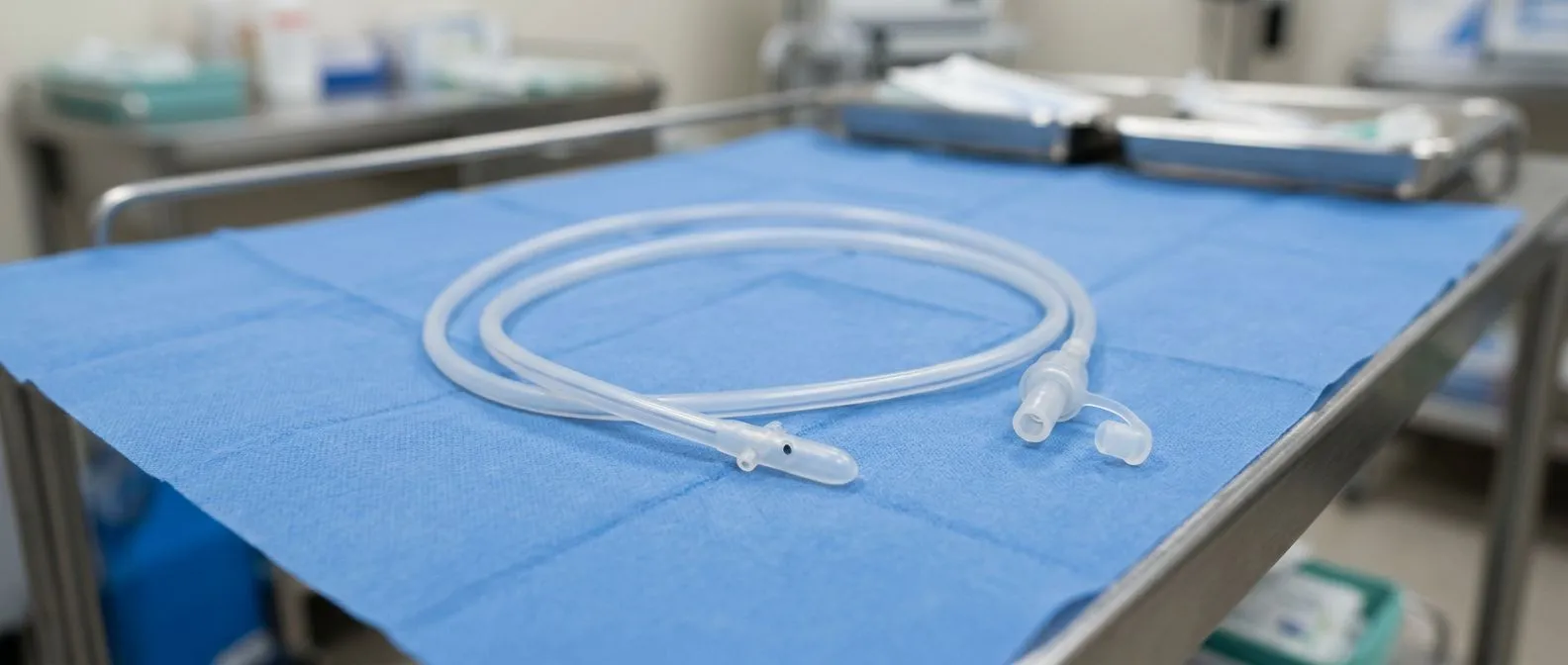
A nasogastric tube is a soft, flexible catheter that a nurse or physician passes gently through one nostril, along the back of the throat, down the esophagus, and into the stomach. After cardiac operations it is most often placed while you are still asleep in the operating room, before you have any awareness of it. Once in position, the tube is connected to a collection container and gentle suction that draws out air and gastric fluid, keeping the stomach empty during the critical first hours of recovery.
Decompression versus feeding — what is the difference? The same device can serve two roles. In the immediate postoperative period it is used for decompression, meaning it removes accumulated air and secretions so pressure does not build in the stomach. Later, if swallowing is slow to return, the tube can be used to deliver liquid nutrition directly to the stomach. Your team will tell you which function is active on any given day.
The tube is secured to your nose and cheek with tape, and a small mark on the tubing at the nostril confirms it has not shifted. Nurses check placement regularly and listen with stethoscopy (auscultation) over the stomach after pushing a small amount of air through the tube, confirming correct position before any suction or feeding is started.
Why Do Cardiac Surgeons Place an NG Tube During Heart Surgery
General anesthesia and the use of cardiopulmonary bypass temporarily slow the normal contractions of the stomach and intestines, a condition called ileus. When the digestive tract is quiet, swallowed air and gastric secretions accumulate rather than moving downstream. If that pressure is not relieved, it can push the diaphragm upward against the lungs and heart at the exact moment those organs are most fragile. The nasogastric tube prevents that buildup by venting the stomach continuously.
What happens if the stomach is not decompressed? Untreated gastric distension can cause vomiting while you are still groggy from anesthesia, and vomitus that is inhaled into the lungs — aspiration — is one of the most serious early complications after any major surgery. A landmark analysis published in JAMA Network reinforces that protecting the airway in the early postoperative window is central to lowering respiratory complications, which is exactly the problem an NG tube helps prevent.
Patients on medications such as aspirin before surgery, or those who have received autologous blood during the procedure, may also have a slightly higher tendency toward gastric irritation. Decompression keeps the stomach wall relaxed and reduces stress on the healing gastrointestinal tract, complementing the work the surgical team has done on the heart itself.
How Does Stomach Decompression Protect Recovery After Bypass
Coronary artery bypass grafting redirects blood flow around blockages caused by atheromatous plaque, and the metabolic demands of healing afterward are significant. The body redirects energy toward repairing the sternum, the graft sites, and the incisions, and the digestive system takes a back seat during this phase. Stomach decompression removes the mechanical load so the bowel can wake up gradually without fighting a pocket of trapped air.
How does this relate to breathing after bypass? A distended stomach presses the diaphragm upward, which reduces the depth of each breath. After surgery the lungs already need encouragement — patients are asked to use incentive spirometry and to cough — and a stomach full of air makes that work harder. By keeping the stomach flat, the tube indirectly supports lung expansion during the first day.
This benefit is especially important for patients who also underwent balloon angioplasty of other vessels, or who have additional cardiac conditions that require close monitoring in the intensive care unit. Removing gastric pressure simplifies one variable in an already complex recovery, and the tube is usually removed as soon as the stomach and bowel show signs of normal activity again.

When Is Nasogastric Intubation Necessary After Cardiac Surgery
Not every cardiac patient receives a nasogastric tube. Many patients who undergo shorter, less invasive procedures — including some transcatheter valve replacements — recover without one. The decision depends on the length of the operation, the use of cardiopulmonary bypass, the patient's underlying gastrointestinal health, and whether the surgical team expects a slow return of bowel function.
Who is most likely to need the tube? Patients with longstanding diabetes often have slowed stomach emptying (gastroparesis) from nerve damage, and the global burden of diabetes has risen substantially over recent decades; Worldwide trends in diabetes since 1980: a pooled analysis of 751 population-based studies with 4.4 million participants documents this growth. In these patients the stomach is already sluggish, and anesthesia amplifies the delay, so the tube is placed proactively.
The tube is also more common after operations on the ascending aorta or after combined procedures where several systems are stressed at once. Your surgeon will explain before the operation whether a tube is expected, but in many cases the final decision is made in the operating room based on how the procedure unfolds.
What to Expect: NG Tube Insertion and Immediate Sensations
When the tube is placed while you are awake — for example, if it is needed hours after surgery because the stomach has become distended — you will feel a strong urge to gag as it passes the back of the throat. The sensation is unpleasant but brief. Nurses coach you to swallow sips of water through a straw, because the swallowing motion helps guide the tube into the esophagus rather than the windpipe.
Will my throat hurt afterwards? A sore throat and a feeling of fullness in the back of the nose are very common for the first day and usually ease as the tissues adjust. The tube itself is narrow and made of soft material, so while you remain aware of it, most patients describe it more as an annoyance than a sharp pain. Discomfort in the throat or mild referred arm pain from positioning during surgery should always be reported so the team can distinguish tube irritation from other causes.
You will not be able to eat or drink while the tube is on suction. Mouth care becomes important: nurses provide moistened swabs for your lips and mouth, and ice chips may be allowed in small amounts. The atrium of the heart and the stomach are monitored together during this phase, since both rhythm and digestion are sensitive markers of how the early recovery is progressing.
Nasogastric Tube Recovery Time After Cardiac Procedures
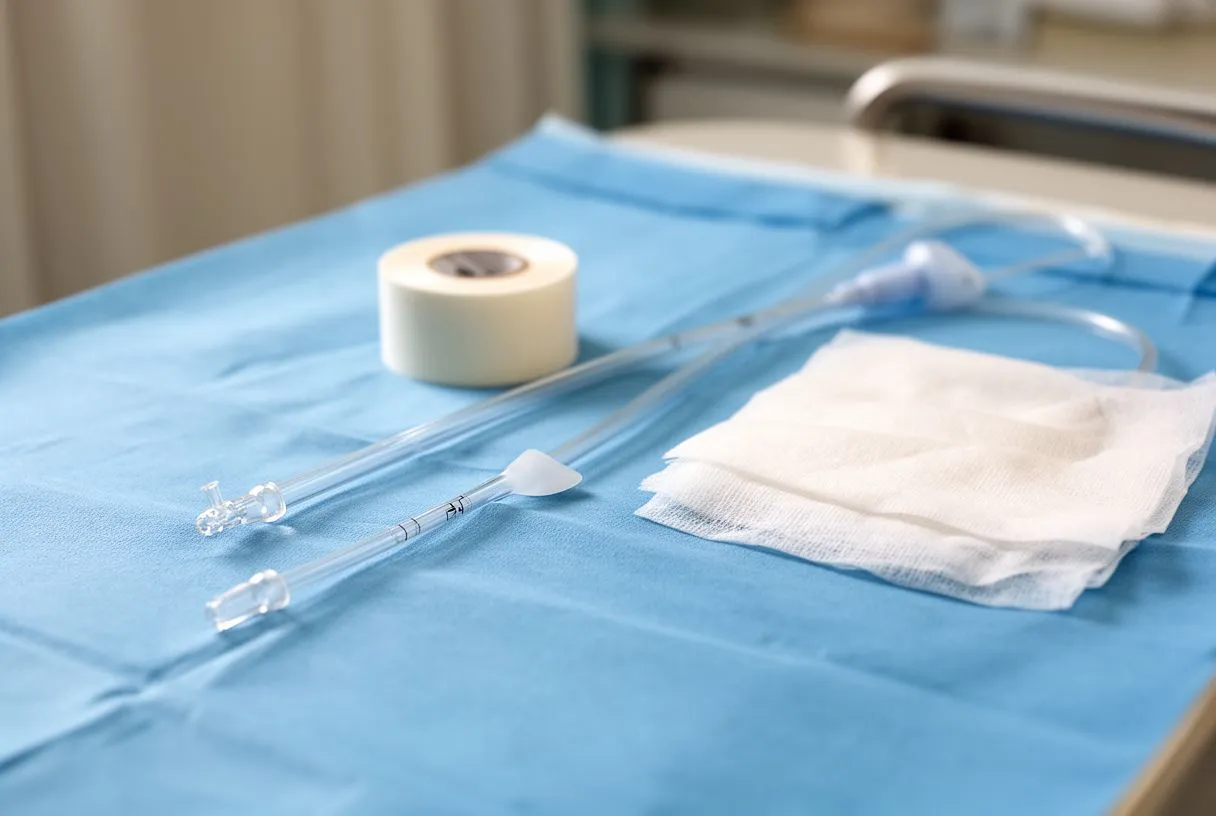
For most cardiac patients the nasogastric tube remains in place for one to three days. The team watches for signs that the bowel is waking up: the suction drainage turns from greenish to clear and then decreases in volume, the patient passes gas, and the abdomen is soft. When these milestones appear together, the tube is ready to come out.
How do clinicians decide when it is safe to remove the tube? Removing it too early risks reintroducing nausea and distension; leaving it too long increases throat irritation and delays return to normal eating. Modern recovery protocols increasingly rely on structured prediction tools to estimate postoperative trajectories, and methodologists have published updated guidance — the TRIPOD+AI statement: updated guidance for reporting clinical prediction models that use regression or machine learning methods — that shapes how these tools are validated and reported.
Patients with atrial flutter or other rhythm disturbances in the early postoperative period may have the tube kept a little longer, because rhythm instability and slowed digestion often occur together. Once the tube is out and you are drinking without nausea, the team usually resumes your regular medications, including aspirin when appropriate.
NG Tube Feeding After Heart Surgery: Nutrition Support Explained
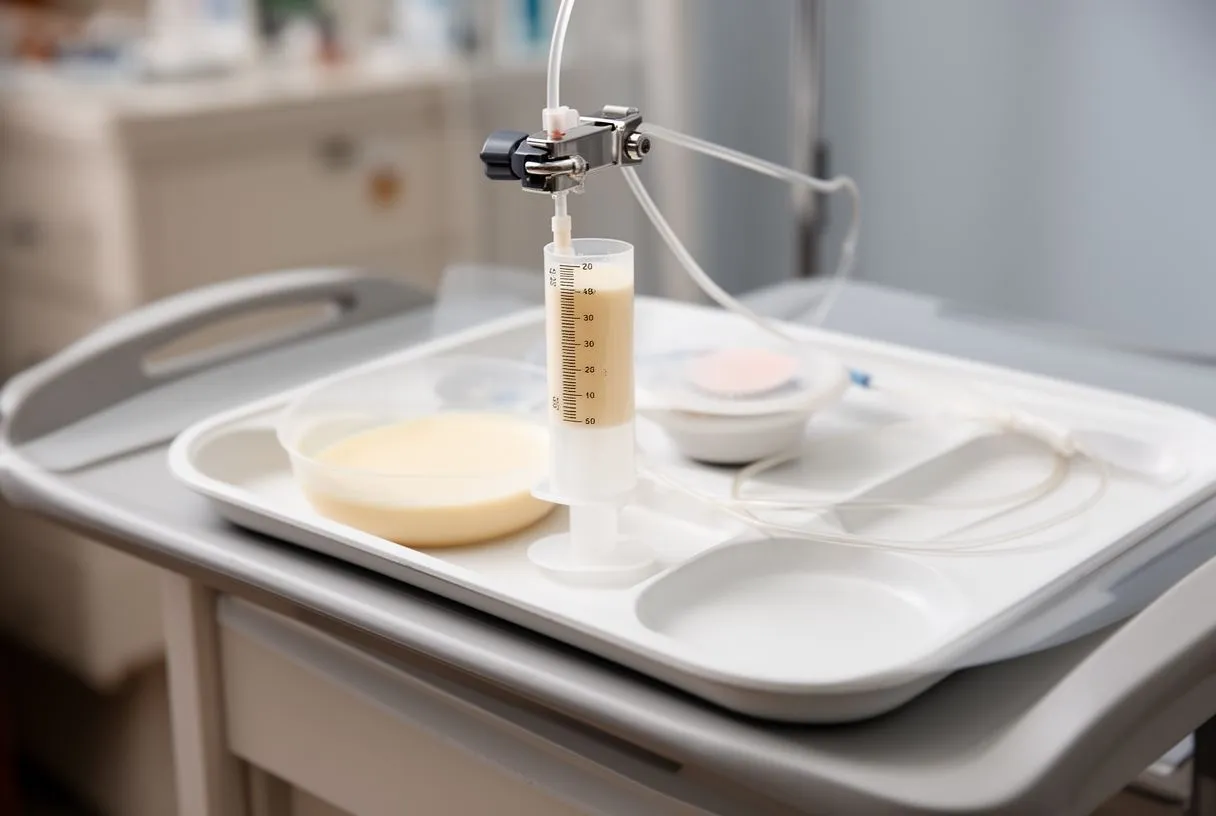
When the swallowing reflex is slow to return, or when a patient remains on a breathing machine for more than a day or two, the nasogastric tube is repurposed for feeding. Liquid nutrition is delivered in measured amounts so the body receives the protein and calories needed for wound healing while the mouth and throat recover.
Why is early nutrition so important after cardiac surgery? Healing from sternotomy and grafting — whether a vein graft, an arterial graft, or an autograft — consumes protein rapidly. Without adequate intake the body breaks down muscle, which slows recovery and weakens the cough needed to clear the lungs. Tube feeding bridges the gap until safe swallowing returns. Typical signs feeding is tolerated well include:
- Stable drainage: residual volumes pulled back before each feeding remain low, showing the stomach is emptying on schedule.
- No bloating: the abdomen stays soft and the patient does not report fullness or cramping.
- Regular rhythm: heart rate and blood pressure stay within the targets the team set for the day.
The composition of the feed is chosen by the nutrition team and may be adjusted for patients with elevated apolipoprotein B or other metabolic concerns. Feeding is started slowly and increased gradually, and the tube is removed once you can eat enough by mouth to meet your needs.
Managing Nausea and Nasogastric Tube Complications
Although the nasogastric tube is generally safe, complications can occur, and families who know what to watch can report problems early. The most common issues are throat irritation, minor nosebleeds from the nostril where the tube sits, and sinus congestion that resolves when the tube is removed.
Which symptoms need immediate attention? A few signs should never wait for the next rounding visit:
- Sudden breathing change: coughing, wheezing, or a drop in oxygen saturation may mean the tube has shifted toward the airway.
- Tube dislodgement: if the marked portion has moved out of the nose, do not push it back — call the nurse so placement can be rechecked.
- Bloody or coffee-ground drainage: this can signal stomach irritation and needs prompt evaluation.
Patients with an arterial line for blood pressure monitoring, or those recovering after balloon aortic valvuloplasty combined with surgery, are watched closely because their vascular and respiratory status can change quickly. Good communication between bedside nurses and the surgical team keeps these risks low and ensures the tube continues doing its protective job without becoming a problem itself.
How Is the Nasogastric Tube Removed After Heart Surgery
Removing the tube is a brief procedure that most patients describe as a relief, even if it is momentarily uncomfortable. The nurse disconnects the suction, removes the tape, asks you to take a breath and hold it, and then withdraws the tube in one smooth motion. The whole process takes only seconds.
What happens right after removal? A sore throat and mild hoarseness may linger for a day, and throat lozenges or cool liquids usually soothe it. You will be offered sips of water first; if those stay down without nausea, the diet progresses to clear liquids, then soft food, then a regular heart-healthy menu. The team continues to watch your heart rhythm and breathing just as closely as before, since recovery does not pause when the tube comes out.
Even patients who have been on awake ECMO support or who have an automated external defibrillator nearby for safety during the highest-risk hours are observed with the same vigilance after tube removal. The disappearance of one support line is a sign of progress, not the end of monitoring, and the care team will explain the next milestones as your appetite and strength return.
Nasogastric Tube Post Op Care: What Families Should Watch
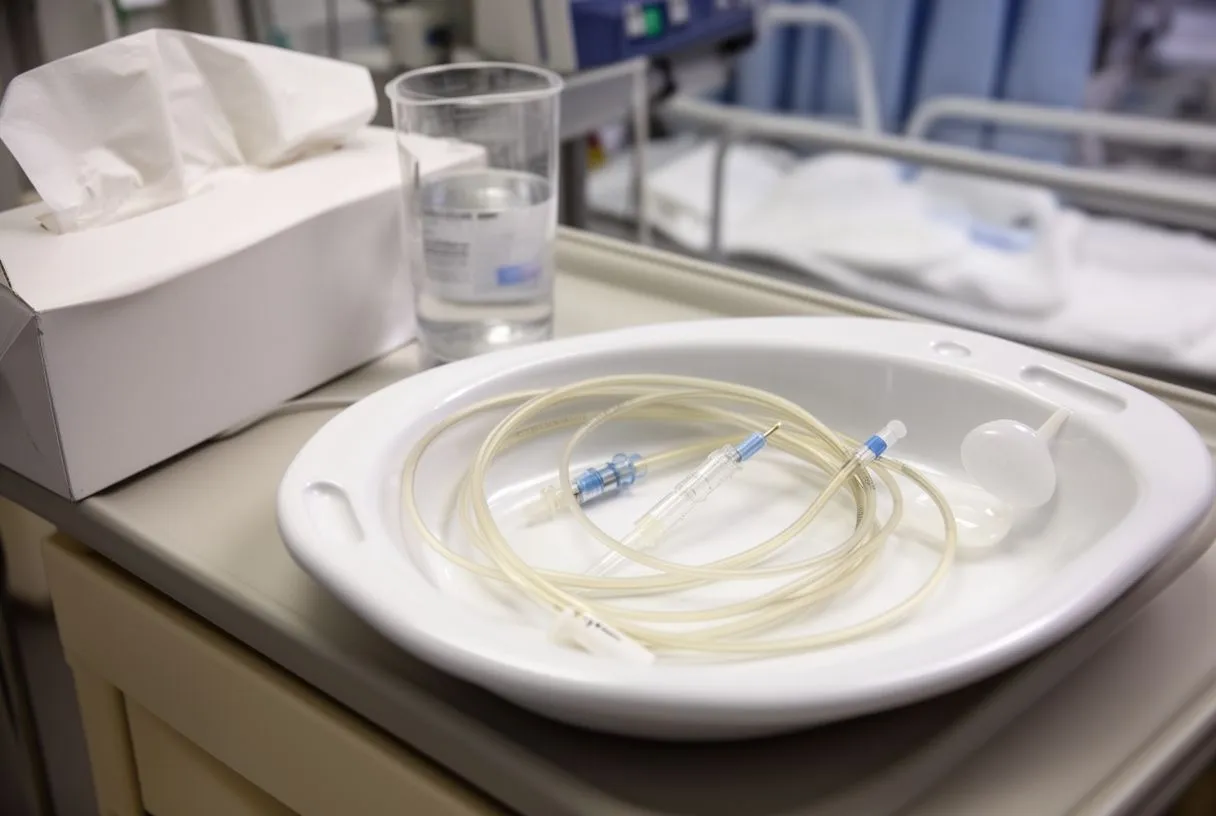
For families, the sight of a tube emerging from a loved one's nose can be one of the most upsetting images of the intensive care stay. Knowing what it does and why it is there turns that fear into useful observation. The tube is temporary, it is doing protective work, and its presence usually shortens as recovery accelerates.
What should family members actually do? Mostly, offer reassurance and help with simple comfort measures — moistening the mouth, holding the cup for ice chips if allowed, and letting the nurse know if the patient seems more uncomfortable than before. Avoid adjusting the tube, tugging on it, or attempting to reposition it; even gentle pulling can shift the tip out of the stomach and into the esophagus or airway.
As recovery moves forward, the nasogastric tube is one of the first support lines to disappear, and that day often marks the moment patients begin to feel like themselves again. If you or a family member are facing heart surgery and have questions about what to expect afterward — including how the recovery is planned — the team at Cirugía de Corazón, led by Dr Alejandro Molina in Guadalajara, Querétaro and Hermosillo, can walk you through your specific situation. Book a consultation to discuss the procedure, the recovery path, and the choices that fit your circumstances best.






