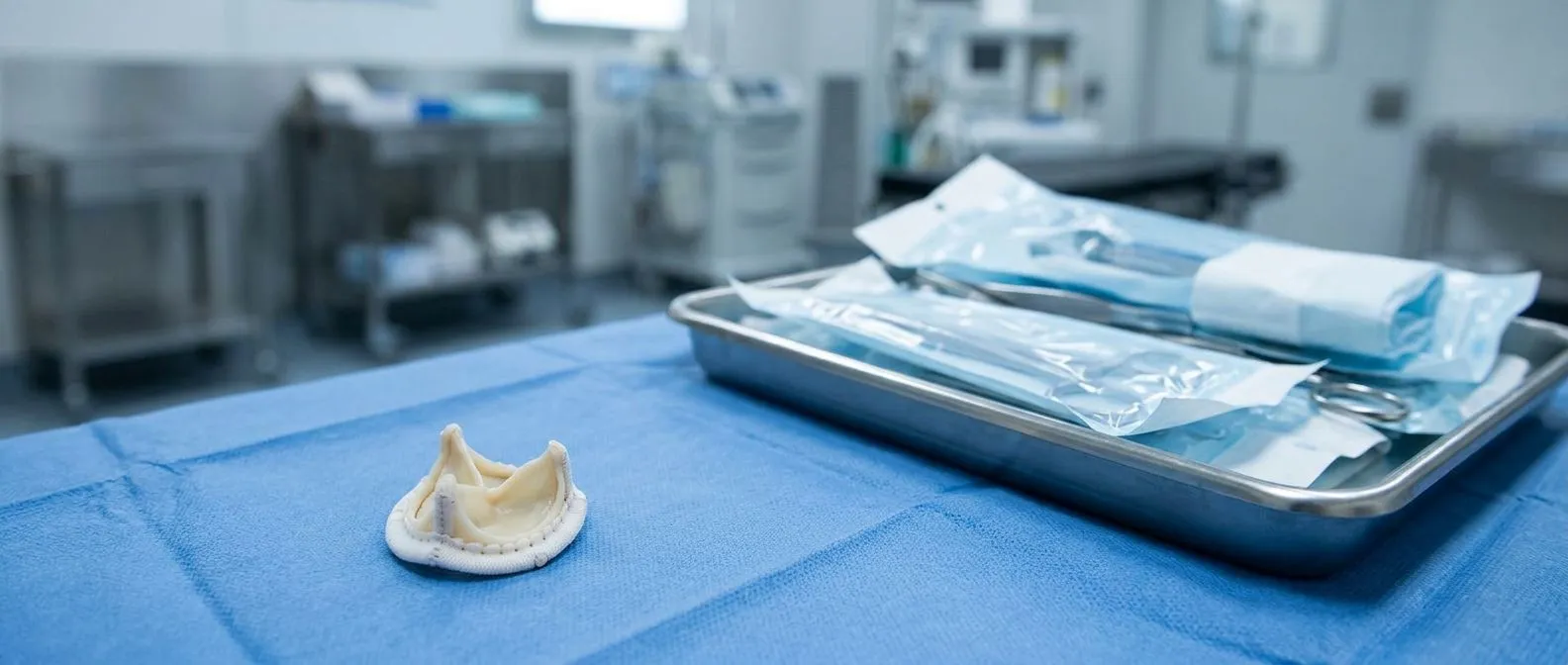
Non-Inferiority Trials in Heart Valve Research
Non-inferiority trials heart valves research explained: learn how clinical studies validate safer treatments.
What Are Non-Inferiority Trials Heart Valves
When you or a loved one is diagnosed with a heart valve condition, understanding the science behind treatment options brings peace of mind. Non-inferiority trials heart valves represent a specific category of clinical research designed to compare a new medical device or procedure against an established standard. By listening to the heart through a stethoscope, a process known as auscultation, doctors often detect the initial murmurs that lead to a deeper investigation of valve function. The goal of these studies is not necessarily to prove that the new treatment is better, but rather to demonstrate that it is not meaningfully worse than the current gold standard.
This distinction is crucial for patient care. In many cases, a new procedure might offer significant practical advantages, such as a smaller incision or a faster recovery, even if its long-term durability is clinically identical to older methods. The upper chambers of the heart, known as the atrium, rely heavily on proper valve function to push blood efficiently to the lower chambers. If a new valve replacement technique provides the same physiological benefit without introducing unacceptable risks, it can be considered a viable alternative. Researchers use these specific trials to ensure that innovation does not compromise patient safety.
For patients, this means having access to modern treatments that improve quality of life without sacrificing effectiveness. When a narrowing occurs in the ascending aorta, the main artery carrying blood from the heart to the body, surgical intervention is often necessary to restore normal flow. By establishing a clear boundary of acceptable performance, clinical trials ensure that any new device approved for use meets a rigorous baseline of safety.
How Non-Inferiority Study Design Works
The architecture of a non-inferiority study is fundamentally different from traditional trials that seek to establish superiority. Instead of trying to prove that one treatment yields statistically better results than another, researchers define a specific statistical boundary, known as the non-inferiority margin. This margin represents the largest acceptable difference by which the new treatment can be worse than the standard of care while still being considered clinically acceptable.
Defining the Acceptable Margin: Setting this margin requires deep clinical expertise and statistical precision. According to research published by SpringerLink, defining an appropriate margin is the most critical step in the study design, as it protects patients from accepting a treatment that is measurably inferior. The margin is usually based on historical data from previous trials that established the effectiveness of the standard treatment. If the new valve falls within this pre-established window of performance, it is deemed non-inferior.

Understanding this design helps patients make sense of the medical literature. For example, when treatments for narrowed blood vessels are evaluated, techniques like balloon angioplasty, which uses a small inflated balloon to widen an artery, are compared against newer stent placements. Similarly, balloon aortic valvuloplasty, a procedure specifically aimed at opening a narrowed aortic valve, has historically served as a baseline for evaluating less invasive valve replacement strategies. By comparing these techniques within a strict margin, researchers provide evidence that new devices are safe.
Why Cardiologists Use Non-Inferiority vs Superiority Trials
Cardiologists frequently rely on non-inferiority designs because proving absolute superiority in cardiovascular medicine is incredibly difficult. The standard treatments for severe heart disease are already highly effective. To prove a new valve is strictly superior to a proven mechanical or tissue valve would require an immense sample size and many years of follow-up, delaying patient access to beneficial innovations.
Addressing Practical Limitations: New techniques often prioritize patient comfort and surgical efficiency. For instance, placing an arterial line, a thin tube inserted into an artery to continuously monitor blood pressure, is standard during major open-heart surgery. Newer minimally invasive approaches might reduce the need for such invasive monitoring lines, leading to less immediate postoperative discomfort, such as localized arm pain at the insertion site. Proving that these less invasive methods are non-inferior allows surgeons to adopt them confidently.
The ultimate goal is to offer the lowest risk for your specific situation. If a new transcatheter approach provides identical valve function but allows you to avoid the physical trauma of a full sternotomy, the non-inferiority data gives your surgical team the evidence they need to recommend it. This framework prioritizes overall patient well-being, acknowledging that a therapy that matches the clinical effectiveness of the standard while enhancing recovery is a meaningful advancement.
TAVR Non-Inferiority Studies and Patient Outcomes
Transcatheter Aortic Valve Replacement, commonly referred to as TAVR, is a prime example of a treatment validated through non-inferiority studies. TAVR involves guiding a new valve to the heart through a catheter, usually inserted in the groin, rather than opening the chest. Early in its development, researchers needed to prove that TAVR was not meaningfully worse than traditional surgical aortic valve replacement for high-risk patients.
The mechanics of TAVR often involve deploying a balloon-expandable valve, which is a new valve compressed onto a balloon and expanded into place within the diseased valve. Complex vascular scenarios, such as those discussed in the study on the Use of a modified proximal scalloped aortic arch endograft for the management of a type Ia endoleak after failed endovascular repair of an aortic dissection, highlight the intricate nature of endovascular interventions. TAVR trials have shown that this less invasive approach provides outcomes comparable to open surgery for appropriately selected patients.
- Reduced Surgical Trauma: Avoiding a large chest incision minimizes tissue damage.
- Shorter Hospital Stays: Patients often return home several days sooner than with open surgery.
- Lower Bleeding Risk: Minimally invasive catheter techniques often reduce the need for autologous blood salvage.
These outcomes are particularly important for patients who may not tolerate open-heart surgery well. While autologous blood, the patient's own blood collected and reinfused during surgery, is carefully managed during traditional operations, minimizing bleeding altogether through less invasive methods offers a distinct advantage. The non-inferiority data surrounding TAVR ensures that patients choosing this route are receiving a therapy that has been rigorously tested against the surgical standard.
Understanding the Non-Inferiority Margin in Cardiology
The non-inferiority margin is a statistical threshold, but it translates directly into clinical realities. If a clinical team considers a new valve therapy, the margin tells them exactly how much variation from the standard treatment is acceptable before patient safety is compromised. This number is decided before the trial begins to prevent bias.

Translating Statistics to Care: The margin accounts for expected biological variations and measurement errors. For instance, if a surgeon uses an autograft, a graft using the patient's own tissue, the natural variability in tissue strength must be factored into the study design. The margin ensures that any minor differences in outcomes are due to normal biological variation rather than a failure of the new technique.
In complex surgeries, the placement of monitoring tools is also scrutinized during trials. The use of an arterial cannula, a tube inserted into an artery for cardiopulmonary bypass, is a critical step where precision is non-negotiable. Similarly, when an arterial graft is used to bypass blocked vessels, the trial margins ensure that the new surgical approach does not compromise blood flow. By adhering to strict margins, researchers confirm that these vital components of surgery stay as safe as the standard approach.
Surgical Valve Replacement Research and Safety
Traditional surgical valve replacement remains the gold standard for many patients, particularly those who have complex anatomies or require concurrent procedures. Research validating the safety of modern surgical valves continues to evolve. Complex presentations, such as those outlined in the medical literature regarding Aortic dissection in pregnancy, demonstrate the critical need for robust surgical safety data.
Maintaining High Standards: Even as less invasive options expand, open surgery provides direct visualization and precise placement that is essential for certain valve geometries. The research surrounding surgical valves ensures that the materials and techniques used continue to offer excellent durability. The non-inferiority framework is sometimes used to compare new surgical materials against traditional ones, ensuring that any changes in manufacturing do not negatively impact patient outcomes.
Patient safety is the foundation of these studies. When complications arise, they must be carefully documented and compared against historical baselines. By ensuring that modern surgical valves perform within the established margin of effectiveness, cardiac surgeons can confidently recommend traditional open surgery, knowing that the techniques are supported by the latest evidence. This rigorous standard is what allows surgical interventions to remain a trusted option for severe valve disease.
Heart Valve FDA Approval Trials and What They Mean
Before a new heart valve can be widely used, it must undergo stringent evaluation for regulatory approval. The FDA approval process for heart valve devices relies heavily on well-designed clinical trials to ensure public safety. These trials often use non-inferiority designs to demonstrate that a new device provides a safe and effective alternative to existing treatments.
During these trials, patient outcomes are meticulously tracked. For example, researchers monitor for adverse events, including atypical infarction, which is a heart attack that presents with unusual symptoms. The data gathered helps regulators understand the risk profile of the new valve in a real-world setting. Many patients in these trials are managed with medication, such as aspirin, a common blood thinner, to prevent clots on the new device, and the effectiveness of this medical management is carefully evaluated against the standard.

Regulatory bodies also look at how the new valve interacts with existing conditions. If a patient has severe atheromatous plaque, a buildup of fatty deposits in the arteries, the device must still perform safely within the challenging vascular environment. The FDA approval process ensures that the non-inferiority margins set by the researchers are clinically justified and that the new valve will not expose patients to hidden risks.
Minimally Invasive Valve Studies and Recovery
Recovery is a major focus for patients undergoing heart valve surgery. Minimally invasive valve studies evaluate not only the immediate success of the procedure but also the speed and quality of the patient's recovery. These studies often show that smaller incisions and advanced techniques lead to less pain and a quicker return to daily activities.
- Initial Monitoring: Intensive care observation usually lasts only a day or two.
- Early Mobilization: Patients are encouraged to walk with assistance within 24 hours.
- Home Recovery: Full physical recovery often takes several weeks, compared to months for open surgery.
Long-term recovery outcomes are also critical. Researchers track markers of cardiovascular health, such as levels of apolipoprotein B, a protein involved in lipid metabolism that can indicate cardiovascular risk, to ensure that the new valve does not negatively impact overall heart health. If a patient develops atrial flutter, an abnormal heart rhythm originating in the upper chambers, the trial data helps doctors understand how the new valve might influence the need for rhythm control medications or additional interventions.
The goal of these studies is to provide patients with a smoother recovery experience without compromising the durability of the repair. By comparing minimally invasive techniques against traditional surgery using non-inferiority margins, researchers provide the evidence needed to recommend these approaches. This ensures that patients can choose a recovery path that fits their lifestyle while trusting in the long-term success of the procedure.
Bioprosthetic Valve Trials vs Mechanical Valve Research
Choosing between a bioprosthetic valve, made from animal tissue, and a mechanical valve, made from synthetic materials, is a common dilemma for patients. Clinical trials comparing these options provide essential data on durability, the need for blood thinners, and long-term survival. The landmark ARISTOTLE trial, while primarily focused on blood thinning strategies, highlights the rigorous nature of cardiovascular research that informs how mechanical valve patients are managed.
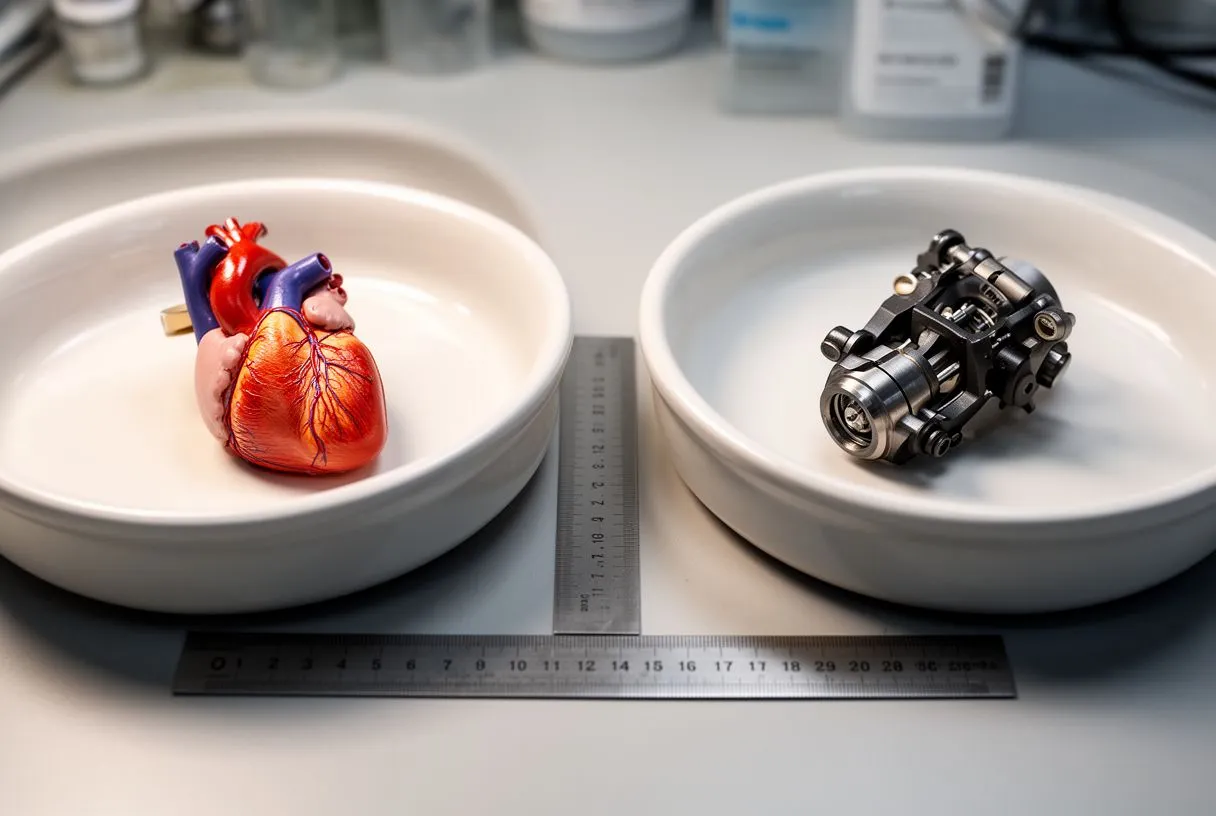
Managing Blood Clot Risks: Mechanical valves are highly durable but require lifelong blood thinners, which increases the risk of bleeding. Bioprosthetic valves often do not require long-term blood thinners, but they may wear out faster. Clinical studies help patients and doctors weigh these trade-offs. In rare cases where a valve fails or causes a life-threatening rhythm issue, an automated external defibrillator, a portable device used to restart the heart, may be necessary, and trial data helps predict these risks.
The research comparing these two types of valves often focuses on long-term endpoints. By establishing non-inferiority margins for bioprosthetic valves, researchers have shown that they are a safe alternative for older patients who may not want the burden of lifelong blood thinners. This allows patients to make choices based on their age, lifestyle, and tolerance for medication, knowing that both options have been rigorously tested for safety.
How to Discuss Heart Valve Clinical Trials With Your Surgeon
Understanding clinical trial data empowers you to have meaningful conversations with your cardiac surgeon. When discussing your options, ask about the evidence supporting the recommended procedure. For instance, if your doctor suggests a complex intervention that might involve awake ECMO, a specialized life support technique used while the patient is awake, you should feel comfortable asking about the trial data that supports its safety and effectiveness.
Asking the Right Questions: Inquire about the specific non-inferiority margins used in the trials for the valves being considered. Ask whether the new technique offers the lowest risk for your specific situation. A transparent surgical team will gladly explain why a particular valve or approach is recommended based on the latest clinical evidence, and how the data applies to your unique anatomy and medical history.
We encourage you to discuss your own situation with a qualified cardiac team and to book a consultation rather than self-diagnosing. Every patient is different, and the treatment choice depends on a thorough evaluation of your heart, your overall health, and your personal goals. By understanding how non-inferiority trials work, you are better equipped to participate actively in your care and make informed decisions alongside your medical team.