

Orthopnoea: Why Lying Flat Leaves You Breathless
Orthopnoea causes explained: why lying flat leaves you breathless, how heart failure links to fluid buildup.
Experiencing a sudden inability to breathe when you lie flat in bed can be a frightening experience, one that often sends patients searching for answers in the middle of the night. This specific type of breathlessness is known as orthopnoea, and understanding orthopnoea causes is the first step toward finding relief. For many patients and their families, this symptom signals that the heart is struggling to manage fluid effectively, but the underlying mechanisms are highly treatable once properly identified. This guide will help you understand exactly why lying flat leaves you breathless, what anatomical changes are occurring in your chest, and how a qualified cardiac team can help you sleep comfortably through the night once again.
What is Orthopnoea and Why Does It Happen?
Orthopnoea is the medical term for shortness of breath that occurs specifically when you lie flat on your back and is relieved when you sit up or stand. To understand why this happens, we must look at the basic physics of blood flow in the human body. When you are standing or sitting upright, gravity pulls a significant portion of your blood downward into your legs and lower abdomen. When you lie flat, gravity is neutralized, and a large volume of this blood suddenly returns from your legs to your heart and lungs.
The mechanics of lying flat: This sudden increase in blood volume is called increased venous return. For a healthy heart, this is a normal physiological event; the heart simply pumps the extra blood out to the body without issue. However, if your heart muscle is weak or stiff, it cannot handle this sudden surge. The blood backs up into the left atrium (the upper left chamber of the heart) and eventually into the pulmonary veins, raising the pressure inside the delicate blood vessels of your lungs.
This backup of blood forces fluid out of the lung capillaries and into the tiny air sacs where oxygen exchange takes place. The presence of fluid in the air sacs makes it difficult for oxygen to cross into your bloodstream, leading to the sensation of drowning or suffocating when you lie down. Sitting up immediately drops the pressure in the chest by pooling some blood back in the legs, which is why leaning forward on a few pillows provides rapid, though temporary, relief.
Common Orthopnoea Causes and Fluid Overload
The most frequent orthopnoea causes center on the heart's inability to manage fluid effectively, a condition broadly known as congestive heart failure. When the heart's pumping capacity declines, the kidneys often retain sodium and water in a misguided attempt to increase blood volume, worsening the fluid overload. This excess fluid seeks the lowest point in the body during the day, causing ankle swelling, but redistributes to the lungs when you lie flat at night.
Cardiac origins of breathlessness: When exploring orthopnoea causes, cardiologists often look for underlying structural issues that compromise the heart's function. Conditions like an enlarged ascending aorta (the main artery carrying blood from the heart to the body) or significant atheromatous plaque (fatty deposits) buildup in the arteries can severely restrict blood flow. Over time, these blockages weaken the heart muscle, leading directly to fluid overload and nighttime breathlessness.
While heart issues are the most common culprits, non-cardiac conditions can also cause orthopnoea. Severe obesity, chronic obstructive pulmonary disease (COPD), or massive abdominal fluid buildup (ascites) can press the diaphragm upward when a patient lies flat, restricting lung expansion. National health authorities, such as the National Institutes of Health, emphasize that distinguishing between cardiac and non-cardiac causes through prompt medical evaluation is essential for effective treatment and long-term survival.
- Heart Failure: The most common cause, where the heart struggles to pump fluid effectively, leading to lung congestion.
- Chronic Lung Disease: Conditions like COPD or severe asthma can worsen breathing mechanics when lying flat.
- Severe Obesity: Extra weight on the abdomen can press against the diaphragm, physically restricting lung expansion.

Orthopnoea vs Dyspnoea: Understanding the Difference
Patients often use the terms breathlessness and heart failure interchangeably, but the medical distinctions are important for accurate diagnosis. Dyspnoea is the broad, overarching medical term for difficult, uncomfortable, or labored breathing. It can occur during physical exertion, during moments of high anxiety, or as a result of anemia or lung disease. It is a general symptom with dozens of potential triggers. Orthopnoea, however, is a specific subtype of dyspnoea.
Differentiating the triggers: The defining characteristic of orthopnoea is its strict relationship to body position. If you experience breathlessness only when walking up stairs or carrying groceries, that is exertional dyspnoea. If you find yourself propping yourself up on three or four pillows just to sleep without gasping, that is orthopnoea. Recognizing this distinction helps your cardiac team pinpoint the exact mechanism failing in your body and determines which diagnostic tests are most urgently needed.
Sometimes, severe general dyspnoea can progress into orthopnoea if a heart condition remains untreated. For example, an atypical infarction—a silent heart attack that damages the heart muscle without presenting classic crushing chest pain—can slowly weaken the left ventricle over months. As the pumping power declines, the patient transitions from feeling winded during exercise to feeling breathless simply from lying flat in bed, highlighting the progressive nature of untreated cardiac disease.
How Left Ventricular Failure Leads to Orthopnoea
Left ventricular failure is a primary driver behind most cases of cardiac-related orthopnoea. The left ventricle is the main, thick-walled pumping chamber responsible for forcefully ejecting oxygen-rich blood out to the rest of the body. When it loses pumping power due to disease, injury, or valve problems, blood backs up into the left atrium and subsequently into the pulmonary veins that drain the lungs.
Pressure dynamics in the lungs: This backup of blood increases the hydrostatic pressure within the lung capillaries. Think of it like a traffic jam; if the exit ramp is blocked, cars back up onto the highway. In this case, the fluid is pushed out of the blood vessels and into the alveoli, the tiny air sacs of the lungs. This fluid accumulation is known as pulmonary edema. When you lie flat, the increased venous return from your legs exacerbates this pressure, causing sudden, intense breathlessness that forces you to sit up.
Managing left ventricular failure effectively requires a careful, tailored medication strategy. Depending on the specific cause of the heart failure, treatment guidelines might include anticoagulants or specific blood thinners, such as those studied in the ARISTOTLE clinical trial, or a daily regimen of Aspirin to prevent blood clots. Addressing the root cause of the ventricle's weakness is the only way to permanently resolve the fluid backup and restore comfortable, flat sleep.
Orthopnoea Symptoms Beyond Breathlessness
While breathlessness when lying flat is the hallmark sign, orthopnoea symptoms rarely exist in isolation. They are often accompanied by a cluster of other warning signs that point to a struggling cardiovascular system. Patients frequently notice a persistent, overwhelming fatigue, swelling in the ankles and lower legs due to daytime fluid pooling, and a frequent dry, hacking cough that worsens specifically when they lie down.
Associated warning signs: You might also experience paroxysmal nocturnal dyspnoea (PND), which involves waking up abruptly gasping for air one or two hours after falling asleep. Some patients report referred discomfort such as arm pain, tightness in the chest, or a sensation of fullness that suggests broader cardiac strain. If these symptoms occur alongside fainting or severe palpitations, an Automated External Defibrillator (AED) may even be recommended for home use if dangerous arrhythmias are a concern.
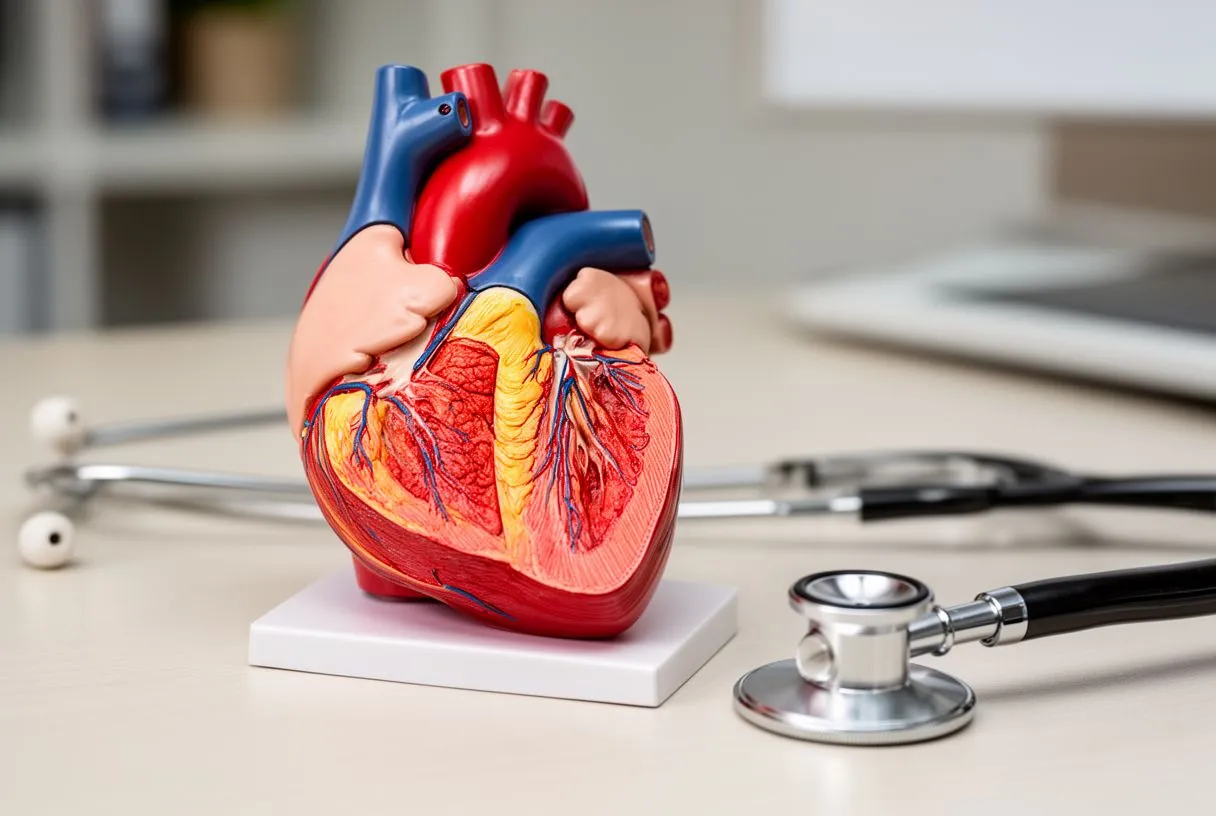
During a physical examination, a cardiologist will look for these associated clues. They might detect an irregular heart rhythm like atrial flutter—a fast, abnormal electrical circuit in the upper chambers of the heart—through careful auscultation, which is the act of listening to the internal sounds of the body using a stethoscope. These accompanying symptoms help differentiate a mild, easily manageable fluid balance issue from advanced, structural cardiac disease requiring immediate intervention.
Diagnosing Orthopnoea: What to Expect at the Cardiologist
Diagnosing orthopnoea involves a comprehensive look at your heart's structure, electrical activity, and pumping function. Your cardiologist will begin with a detailed clinical history, asking exactly how many pillows you sleep on, whether you wake up gasping, and your general exercise tolerance. This is followed by a physical examination to listen to your heart for murmurs and your lungs for the crackling sounds of fluid.
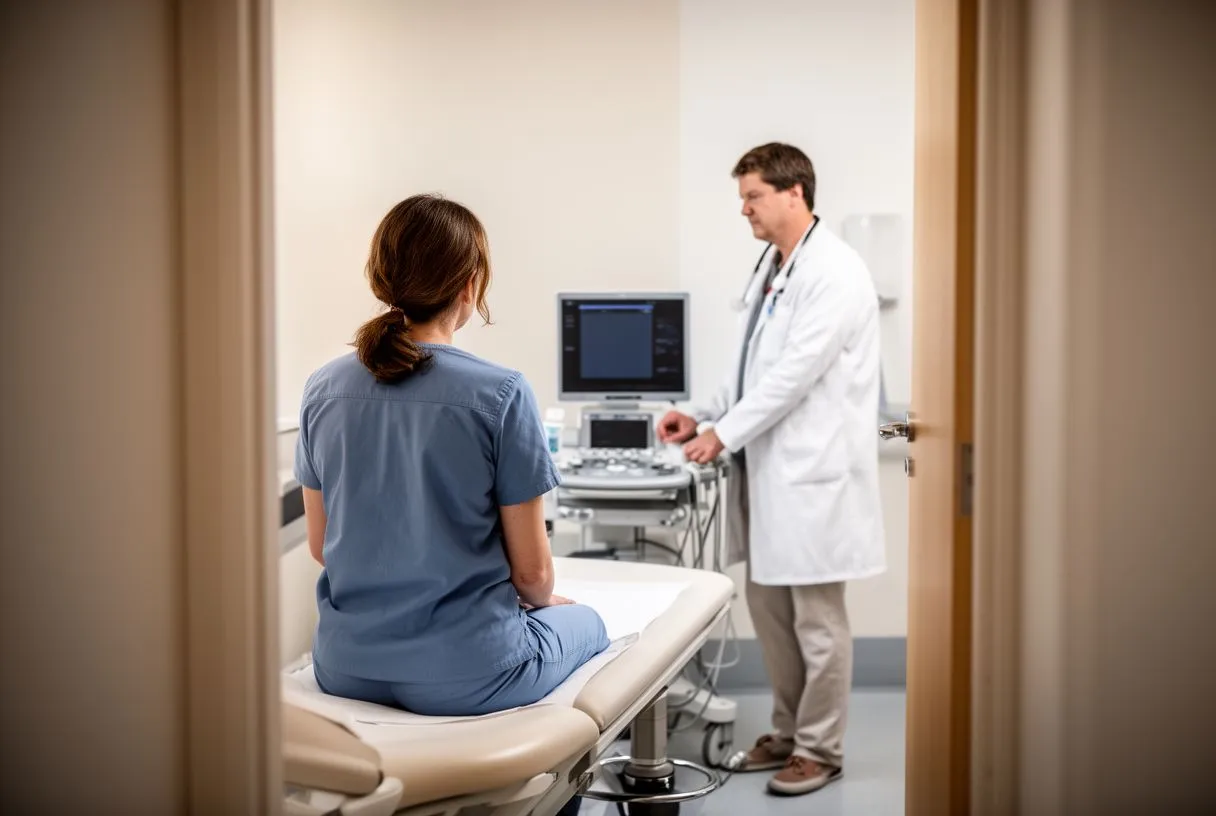
Tests and imaging: An echocardiogram is the cornerstone of this diagnosis. It uses sound waves to create moving images of your heart, allowing the doctor to assess how well the left ventricle pumps and whether any valves are leaking or stiff. Blood tests will measure markers of heart strain and may assess your cardiovascular risk profile by checking levels of apolipoprotein B, a protein involved in the transport of cholesterol in the blood.
In more complex or acute cases, closer monitoring in a hospital setting might be required. Here, an arterial line—a thin, sterile tube placed directly into an artery—can be inserted to monitor your blood pressure continuously on a beat-to-beat basis, guiding intravenous medication adjustments. These diagnostic steps are vital for building an accurate, personalized picture of exactly why fluid is backing up into your lungs when you lie flat.
Orthopnoea Management: Medications and Lifestyle Adjustments
Effective orthopnoea management relies heavily on treating the underlying cardiac cause rather than just masking the symptom. For heart failure, this typically involves a carefully titrated combination of diuretics (often called water pills) to help the kidneys excrete excess fluid, alongside medications like beta-blockers and ACE inhibitors that reduce the heart's workload and remodel the heart muscle to improve its pumping efficiency over time.
Daily habits and monitoring: Lifestyle adjustments are equally crucial to the success of any medical regimen. Patients are almost universally advised to restrict their salt and fluid intake, as dietary sodium acts like a sponge for water in the body, directly contributing to fluid retention. Monitoring your weight every single morning helps catch fluid accumulation early, even before orthopnoea symptoms become severe enough to wake you up at night.
In some instances, structural interventions are necessary to provide lasting relief. If a narrowed heart valve or blocked artery is the root cause of the fluid backup, procedures like balloon angioplasty (using a tiny balloon to open a blocked artery) or balloon aortic valvuloplasty (using a balloon to stretch a stiff aortic valve) might be considered. These interventions aim to restore normal blood flow and relieve the chronic strain on the heart that ultimately causes the breathlessness.
- Salt Restriction: Limiting dietary sodium prevents the body from retaining excess water, directly reducing fluid overload.
- Daily Weigh-ins: Catching sudden weight gain early stops fluid buildup before it reaches the lungs and causes nighttime breathlessness.
- Elevated Sleeping Position: Using a wedge pillow or an adjustable bed frame reduces nighttime blood return to the heart.
The Role of Oxygen Therapy in Orthopnoea Treatment
When structural interventions are required, modern medicine offers several advanced options to correct the underlying anatomical problem. For severe aortic stenosis—a condition where the aortic valve narrows and severely restricts blood flow out of the heart—transcatheter aortic valve replacement (TAVR) is a highly effective, minimally invasive option that does not require open-heart surgery.
Advanced cardiac interventions: During a TAVR procedure, a replacement valve—often a balloon-expandable valve mounted on a stent—is guided through a catheter usually inserted in the groin, up to the heart. Long-term clinical outcomes, such as those documented in the Transcatheter or surgical aortic valve implantation: 10-year outcomes of the NOTION trial, show durable, positive results for appropriate patients. In other structural cases, a surgeon might use an arterial graft to bypass severe blockages, or an autograft (tissue taken from the patient's own body) for complex repairs, sometimes utilizing autologous blood to minimize transfusion risks.
In the most severe, acute scenarios where the heart and lungs temporarily fail, life-saving bridges like Awake ECMO (Extracorporeal Membrane Oxygenation) might be utilized, which requires the placement of an arterial cannula for blood access. However, standard oxygen therapy itself plays only a supportive role. While supplemental oxygen can ease the frightening sensation of breathlessness during acute pulmonary edema, it does not fix the underlying fluid overload. It is a tool for comfort and stabilization while definitive medical or surgical treatments take effect.
Orthopnoea Prognosis and Quality of Life in Elderly Patients
The long-term prognosis for patients experiencing orthopnoea depends entirely on the underlying condition and how aggressively and accurately it is treated. With proper medical management, tailored medication regimens, and careful monitoring, many patients see a dramatic reduction in symptoms and can eventually return to sleeping comfortably with minimal pillow support, restoring their quality of life.
Aging and cardiovascular health: In elderly patients, orthopnoea often reflects the cumulative wear and tear on the cardiovascular system over a lifetime. Strict blood pressure control is essential to managing this strain. As noted in research detailing how the Flow of cerebrospinal fluid is driven by arterial pulsations and is reduced in hypertension, elevated blood pressures impact overall vascular health and fluid dynamics in ways that extend even to the brain and spinal cord, highlighting the systemic importance of managing hypertension.
Significant quality of life improvements are highly achievable, even in older adult populations. Modern cardiac therapies are designed to be less invasive and more adaptable to the frailties of aging. By understanding the risks and benefits of various treatments with a specialized medical team, patients can ensure their care choices align with their personal health goals and maintain their independence for as long as possible.
When to Seek Specialist Help for Orthopnoea in Guadalajara
Knowing exactly when to transition from home adjustments to professional medical care is critical for your long-term health. If you find yourself consistently needing more pillows to sleep, waking up in the night gasping for air, or experiencing new, unexplained swelling in your legs and ankles, it is time to consult a cardiac specialist without delay.
Finding the right care team: Patients in Mexico have access to highly specialized cardiac care through practices like Cirugía de Corazón, led by Dr Alejandro Molina, with clinics located in Guadalajara, Querétaro, and Hermosillo. An expert evaluation will help determine if your orthopnoea is a manageable fluid balance issue or a sign of serious structural heart disease requiring advanced intervention. Having a dedicated team ensures your treatment plan is rooted in established clinical understanding and tailored to your specific anatomy.
Do not wait for your symptoms to become a medical emergency. Early intervention provides the widest range of treatment options and generally offers the lowest risk for your specific situation. We strongly encourage you to discuss your symptoms with a qualified cardiac team and book a consultation rather than self-diagnosing, ensuring your heart health is accurately assessed and effectively managed for the years to come.






