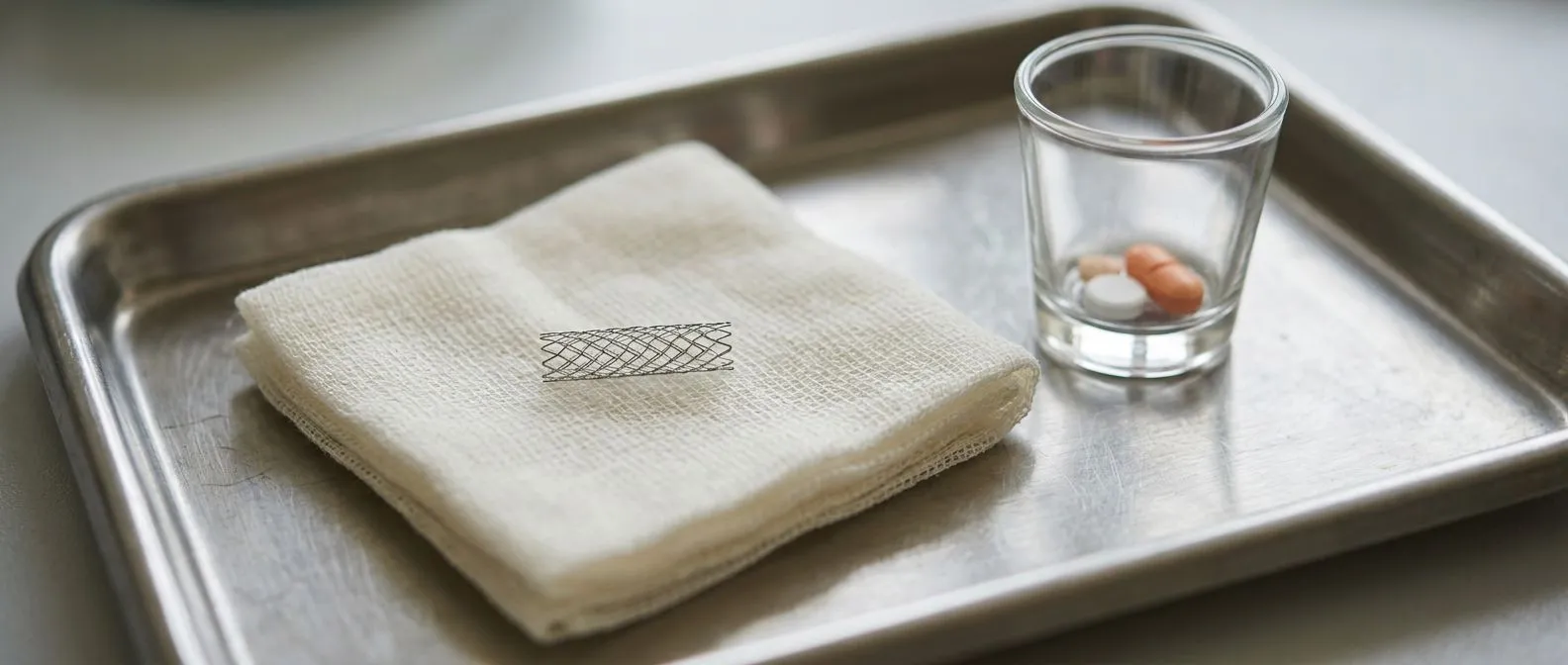
Percutaneous Coronary Intervention: Steps and Recovery
Percutaneous coronary intervention recovery: step-by-step timeline, diet, exercise, and aftercare tips from Guadalajara heart specialists.
When you or a loved one faces a heart problem and is told you need an unblocking procedure, the journey can feel overwhelming. Understanding percutaneous coronary intervention recovery is the first step toward taking back control of your health. Percutaneous coronary intervention, often called PCI or balloon angioplasty, is a minimally invasive procedure designed to restore blood flow to the heart muscle without the need for open surgery. At Cirugía de Corazón, the cardiac surgery practice of Dr Alejandro Molina, we see patients across Guadalajara, Querétaro, and Hermosillo. This guide walks you through everything from preparing for the procedure to healing at home, explaining every step in plain language so you can approach your treatment and recovery with confidence.
What Is Percutaneous Coronary Intervention?
Percutaneous coronary intervention is a non-surgical technique cardiologists use to open narrowed or blocked coronary arteries, the vessels that supply oxygen-rich blood to the heart muscle. These blockages, known as an atheromatous plaque, consist of cholesterol and fatty deposits that restrict blood flow. When blood flow to the heart is reduced, you may experience chest pain, shortness of breath, or fatigue, sometimes during exertion and occasionally at rest. By restoring this flow, PCI relieves these symptoms and protects the heart muscle from further damage.
Why PCI is used: The procedure is frequently recommended when an artery is severely narrowed, causing unstable symptoms or an acute heart attack. In some cases, a severe blockage causes an atypical infarction, where a patient does not experience the classic crushing chest pain but instead presents with symptoms like nausea, extreme fatigue, or vague discomfort. PCI treats the mechanical blockage, providing the heart with much-needed relief without waiting for emergency bypass surgery.
The primary goal of PCI is to open the target artery and keep it open using a stent, ensuring stable blood flow. Heart disease is a leading cause of mortality worldwide, and according to the Centers for Disease Control and Prevention, timely interventions like PCI are critical tools that save lives by restoring circulation quickly and safely.
PCI Procedure Steps Explained
Understanding the percutaneous coronary intervention procedure steps helps reduce the natural anxiety many patients feel about the unknown. The procedure takes place in a specialized cardiac catheterization lab. You will be awake but given a mild sedative to help you relax. The cardiologist injects a local anesthetic to numb the skin at the insertion site, typically the femoral artery in the groin or the radial artery in the wrist.
The catheterization: The doctor makes a small needle puncture and inserts an arterial cannula, a short hollow tube, into the artery to serve as a portal for the catheters. Through this access point, the cardiologist threads a long, flexible catheter up through the blood vessels to the ascending aorta, the main artery leaving the heart. Because you are awake, they may ask you to remain still and occasionally hold your breath for a few seconds as they advance the catheter.
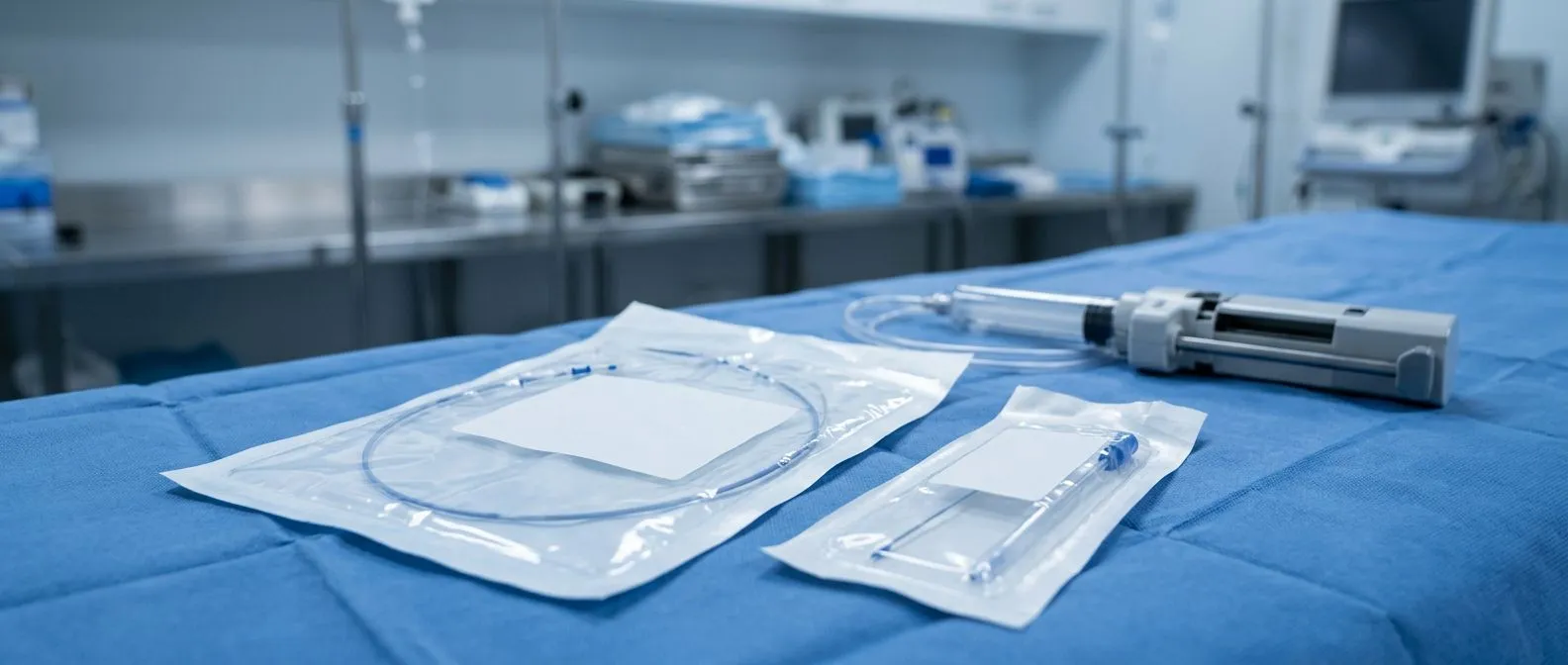
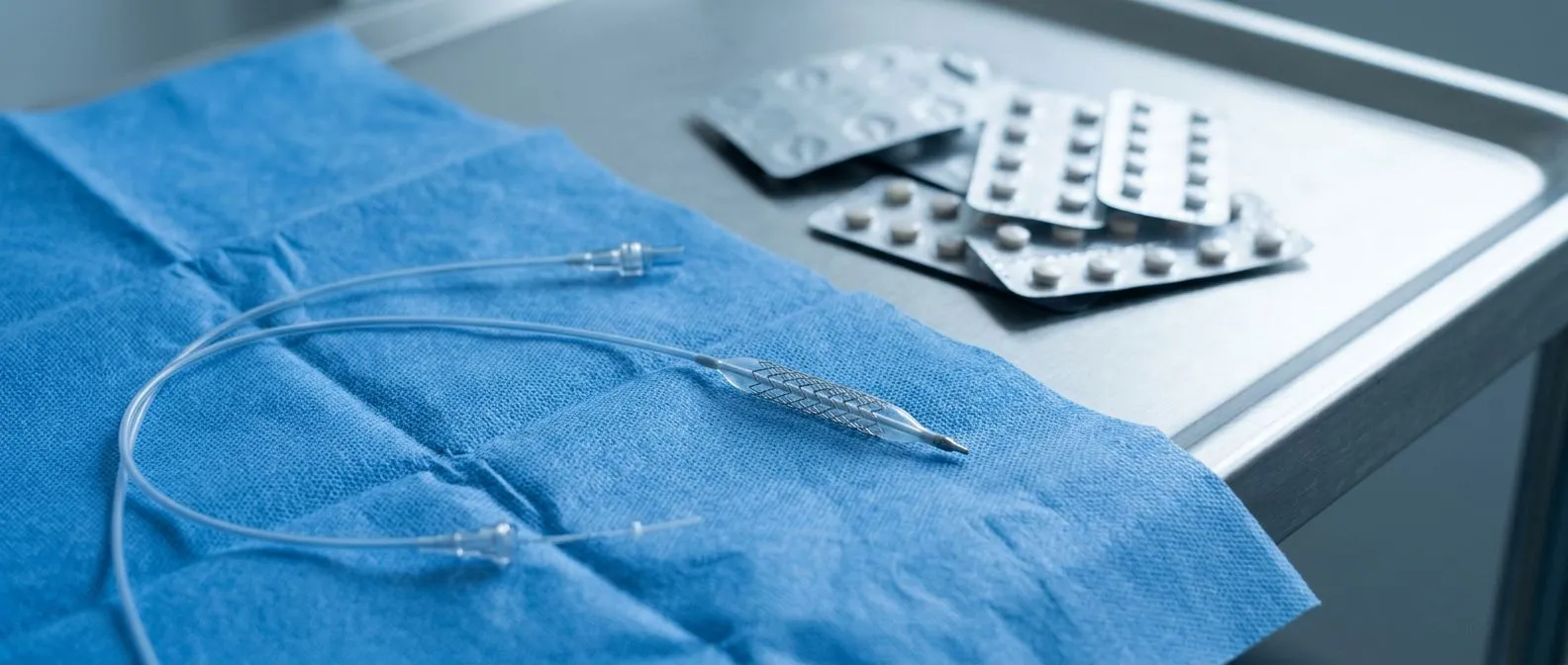
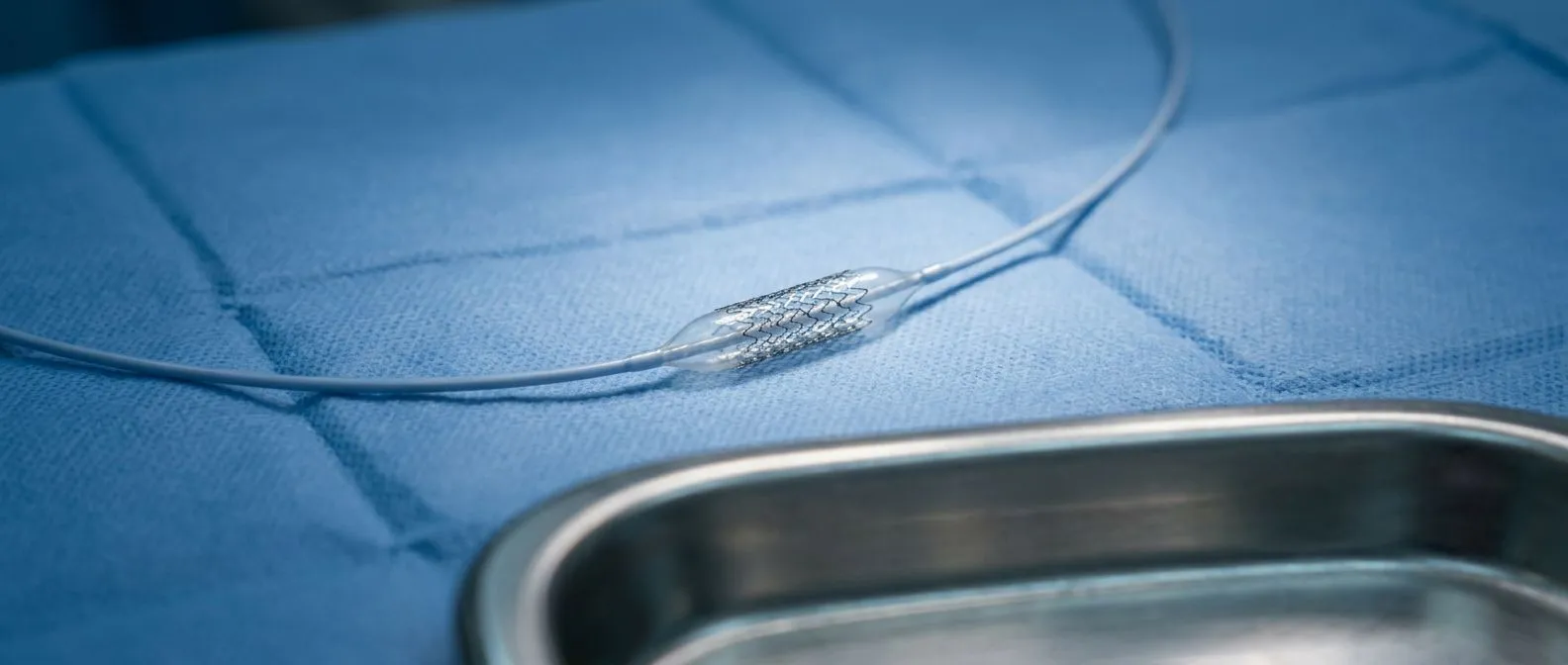
Once the catheter reaches the origin of the coronary arteries, the cardiologist injects contrast dye to visualize the exact location of the blockage. A specialized guidewire is then carefully threaded across the narrowed segment. The doctor then advances a tiny, folded balloon over this wire to the site of the atheromatous plaque and carefully inflates it to flatten the plaque against the artery wall. A stent, a small mesh tube, is almost always placed at the site to scaffold the vessel open, preventing it from collapsing once the balloon is deflated and removed.
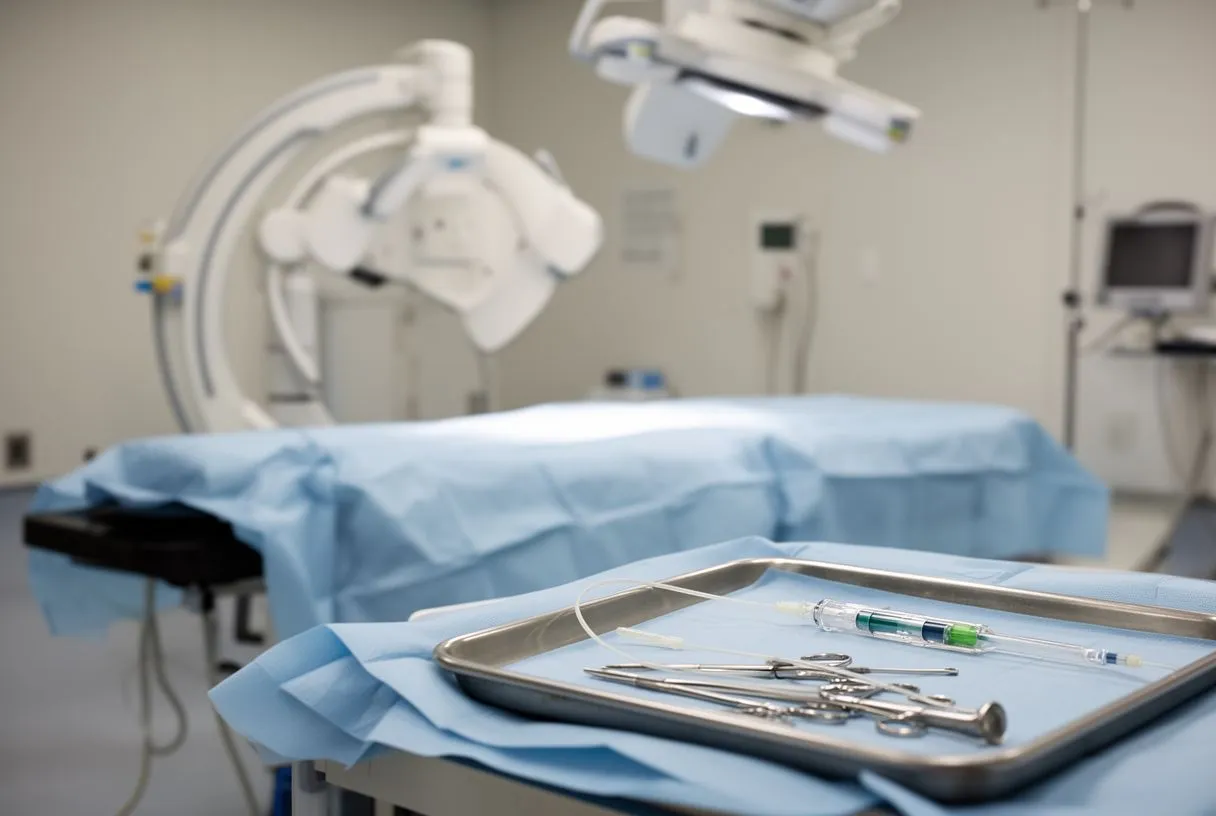
What to Expect During Cardiac Catheterization
During the actual angioplasty, most patients feel only mild discomfort. The anesthetic prevents any sharp pain at the insertion site. As the catheter moves toward your heart, you might feel some internal pressure or a slight tugging sensation, but it should not be painful. If you have never had a heart catheterization before, this internal sensation can be surprising, but it is completely normal and a result of the catheter navigating through the vessels.
The contrast dye sensation: To see your arteries clearly, the cardiologist injects a special iodine-based contrast dye. When the dye reaches your heart, you will typically feel a sudden, intense wave of warmth or heat. This sensation spreads through your body, and many patients describe feeling as though they have suddenly wet themselves, even though no physical urination has occurred. This feeling fades quickly, but it is a very distinct, whole-body flush.
During the dye injection, your medical team monitors your heart rhythm closely. Occasionally, the passage of the dye or the catheter can trigger a brief arrhythmia, such as an atrial flutter, where the upper chambers of the heart, known as the atrium, beat very quickly. The team is fully prepared for this and can correct the rhythm immediately. Careful auscultation, or listening to your heart and breath sounds, along with continuous electronic monitoring, ensures your safety and stability throughout the entire process.
Immediate Recovery in the Hospital
After the PCI is complete, your percutaneous coronary intervention recovery begins immediately in a specialized recovery area. The medical team carefully removes the catheters from your artery. A nurse applies manual pressure, and sometimes a specialized closure device, to stop the bleeding quickly. Depending on the access site, you will need to lie flat for several hours to prevent bleeding and allow the artery to heal properly.
Observation period: Most patients remain in the hospital for observation for a short period, typically determined by the complexity of the procedure and their overall health. During this time, nurses frequently check your vital signs, the puncture site, and the pulses in your leg or arm. If continuous blood pressure readings or arterial blood samples are needed, an arterial line might be placed, though this is rare for uncomplicated PCI.
You may experience some bruising or mild discomfort in the punctured vessel near the insertion site. For example, if you had a radial approach through the wrist, arm pain is common for a few days as the small artery there can become irritated. Your nursing team will provide pain relief and show you how to safely move your arm or leg without straining the healing puncture site, ensuring your immediate recovery is as smooth as possible.

Coronary Angioplasty Recovery Time and Timeline
Coronary angioplasty recovery time is relatively short for most individuals, but setting realistic expectations depends on the access site and your heart's response to the procedure. In the first 24 hours following your PCI, rest is absolutely essential. Your body has just undergone a major intravascular procedure, and your artery needs time to adapt to the new stent. You will feel fatigued, and resting is the most important activity during this window.
First week progress: Within a week, most of the bruising will begin to yellow and fade, and you will be able to resume simple self-care and light daily activities. Many patients can safely return to a non-strenuous office job after a week. However, you must strictly avoid heavy lifting, strenuous exercise, and overexertion until your clinical team explicitly clears you, especially if your procedure was done through the groin.
Within the first month, the artery heals to the point where the stent is fully embedded. According to published research, such as a study on the Impact of Myocardial Ischemia and Revascularization by Percutaneous Coronary Intervention, the heart requires ongoing monitoring after revascularization to ensure tissue response does not cause future narrowing. By the fourth week, many patients transition to an outpatient cardiac rehabilitation program to build cardiovascular endurance safely.
Heart Stent Recovery Guide for Home
A heart stent recovery guide for home relies on balancing gentle movement with deep respect for your body. When you leave the hospital, you will receive specific instructions regarding the puncture site. You must keep the area clean and dry, avoiding baths, swimming, or hot tubs until the skin has completely healed. A quick shower is usually safe, but you should gently wash the puncture site with mild soap and avoid scrubbing.
Managing daily activities: Overexertion, lifting heavy objects, and vigorous bending can significantly increase the risk of bleeding or delayed healing, particularly if you had a femoral approach. You should avoid driving for at least a week, as sudden braking or turning could strain your wrist or groin, and the medications you are taking might affect your reaction times. Staying active with short, flat walks helps maintain circulation, but intensity should always be increased gradually.
Monitoring your symptoms is a crucial part of home recovery. Mild bruising and tenderness are normal, but you should know how to distinguish typical healing from a complication. If you notice new swelling, discharge, or a pulsating lump at the puncture site, you must contact your medical team immediately. Maintaining a log of your symptoms can help your cardiology team assess your progress during follow-up appointments.
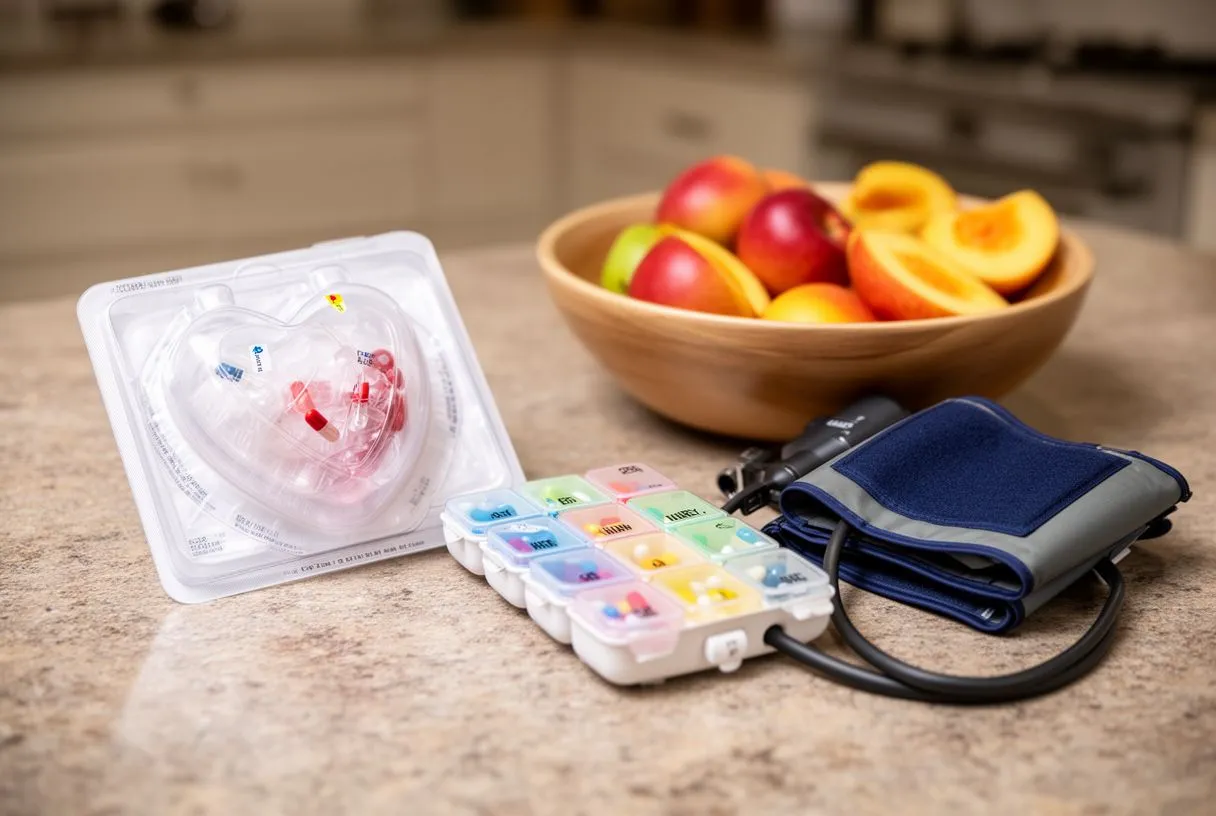
PCI Recovery Diet and Medication
PCI recovery diet and medication protocols form the cornerstone of your long-term healing. Immediately after a stent is placed, your cardiologist prescribes dual antiplatelet therapy. This means you will take aspirin along with a second blood thinner, such as clopidogrel, to prevent dangerous blood clots from forming inside the new stent. You must take these medications exactly as prescribed, without skipping doses, as abruptly stopping them can cause a stent thrombosis, a life-threatening condition.
Medication adherence: Your doctor may use data from clinical trials like ARISTOTLE to guide your long-term blood-thinning strategy, ensuring the medication chosen provides maximum benefit with the lowest risk for your situation. Depending on your specific lipid profile, your team might also target reducing Apolipoprotein B levels, a protein strongly linked to the progression of atherosclerosis, using specialized medications. You must never adjust these medications on your own, as precise dosing is critical to prevent clots while managing bleeding risks.
Regarding your diet, the focus shifts to protecting your new stent and the rest of your arteries. This means adopting a heart-healthy, Mediterranean-style diet rich in vegetables, fruits, whole grains, and lean proteins. Dietary guidelines emphasize minimizing saturated fats, trans fats, and refined sugars, which accelerate the formation of atheromatous plaque. Your nutrition plan is designed in consultation with your clinical team to support lifelong heart health, not just the weeks following your procedure.
Stent Recovery Exercise and Cardiac Rehab
Stent recovery exercise is designed to rebuild your cardiovascular endurance without overloading your system. Once your access site has healed and the initial rest period is over, your cardiologist will likely recommend a supervised cardiac rehabilitation program. This outpatient program is led by exercise physiologists and nurses who monitor your heart rhythm during workouts, ensuring you are training in a safe heart rate zone tailored specifically for your recovery.
Starting exercise: Most patients begin cardiac rehabilitation a few weeks after their PCI. Early sessions involve walking on a treadmill at a comfortable pace or using a stationary bicycle, with the intensity carefully calibrated to your baseline fitness level. The team teaches you how to monitor your pulse safely and recognize the signs of overexertion. Autonomic nervous system analysis, such as that discussed in an article focusing on Heart Rate Variability, is often utilized to track how well your heart is recovering from the PCI.
Your rehab team will emphasize these critical recovery principles to protect your heart:
- Safe Walking: Maintain a steady, moderate pace on flat, level ground during the initial rehabilitation phases.
- Hydration: Drink water before, during, and after exercise, but avoid extremely cold beverages, which can trigger chest discomfort.
- Stop Signs: If you experience chest pain, dizziness, unusual shortness of breath, or an irregular heartbeat, stop all activity immediately.
Percutaneous Coronary Intervention Risks
As with all medical procedures, percutaneous coronary intervention risks exist, though modern techniques make severe complications relatively rare at experienced centers. The most common risks involve the access site, where you might experience bleeding, bruising, or an infection. The cardiologist minimizes these local issues by carefully selecting the insertion site and using advanced closure devices to seal the artery quickly.
Internal risks: While rare, PCI can damage the artery. The catheter could scratch the inner lining of the artery, causing a tear or dissection that requires immediate placement of an additional stent to repair. Additionally, a small piece of atheromatous plaque could break off during the procedure and travel downward, causing a minor blockage or triggering an unstable rhythm. When a severe rhythm problem occurs, staff immediately use an automated external defibrillator to reset the heartbeat.
In highly complex cases where surgical bypass is required instead of PCI, a surgeon might use an arterial graft or an autograft to bypass a severe blockage. Sometimes, when addressing valve issues alongside coronary disease, a balloon aortic valvuloplasty is performed, and a balloon-expandable valve is placed to restore normal flow. For PCI itself, if the heart cannot support the procedure, advanced support like awake ECMO may temporarily take over heart and lung function. Autologous blood is also prepared for emergency use, ensuring your team is ready for any scenario while maintaining the lowest risk for your situation.

When to Seek Help During PCI Recovery
Knowing when to seek help during percutaneous coronary intervention recovery can make the difference between a minor issue and a medical emergency. During the first few days at home, it is entirely normal to experience mild bruising, slight tenderness near the insertion site, and general fatigue. Your body is healing, and your system is adapting to the new stent and medications.
Warning signs: However, certain symptoms require immediate emergency care. If you experience severe, worsening chest pain, cold sweats, fainting, or sudden, severe shortness of breath, you must call emergency services immediately. These could be signs of stent thrombosis, where a blood clot blocks the stent, or a new heart attack. Do not drive yourself to the emergency room; call an ambulance so paramedics can begin heart monitoring and stabilizing measures on the way to the hospital.
Monitor these specific post-procedure warning signs:
- Access Site Emergencies: Sudden spurting blood, a rapidly expanding hematoma, or a pulsating lump at the puncture site requires immediate medical attention.
- Bleeding Emergencies: Unstoppable nosebleeds, blood in urine or stool, or easy, large bruising may mean your blood thinner levels need urgent adjustment.
- Non-Emergent but Urgent: Fever, discharge from the puncture site, or unusual swelling in your leg or arm should prompt a same-day call to your PCI team.
In conclusion, understanding your percutaneous coronary intervention recovery empowers you to take control of your heart health. Every step, from comprehending terms like atheromatous plaque and stents, to strictly following your antiplatelet medications, to resuming activity under guided supervision, is designed for your long-term wellbeing and safety. We encourage you to discuss your specific situation with the qualified cardiac team at Cirugía de Corazón to receive personalized advice and book a consultation, rather than self-diagnosing. Your heart recovery is a journey, and professional, empathetic guidance ensures you are supported every step of the way.