Pregnancy After Valve Replacement: Planning Ahead
Pregnancy after valve replacement planning protects mother and baby.
Pregnancy after valve replacement planning is one of the most hopeful and, at the same time, most careful conversations we have with young patients. If you have had an Aortic Valve Replacement or a Mitral Valve Replacement — or you are facing one now and hoping to have children later — it is natural to ask whether pregnancy is still possible and what it would mean for your heart. The honest answer is encouraging: many women with a replaced heart valve carry pregnancies safely. But a safe outcome is not something that happens by luck. It happens when the pregnancy is planned, the medications are adjusted, and a heart team and an obstetric team work together from the start.
Can I Get Pregnant After a Valve Replacement?
Fertility is usually not the problem. Valve Replacement surgery itself rarely affects the ovaries, the uterus, or the ability to conceive. Fertility after valve replacement surgery is generally the same as before, so the real question is not whether you can become pregnant, but whether your heart can handle the extra work pregnancy demands. During pregnancy, blood volume rises by 30 to 50 percent and the heart pumps roughly twice as hard. A well-functioning valve can usually manage this; a leaking or narrowed valve may not.
Function matters more than the operation itself. Obstetric cardiology teams assess how well your valve is working now — the gradient across it, whether it leaks, and how strong your heart muscle is — before giving the green light. Women who had a successful valve repair or replacement and feel well most often tolerate pregnancy with few complications. Women with residual valve problems, reduced heart function, or high lung pressures need closer evaluation and sometimes treatment before pregnancy. For a broader overview, see our page on heart surgery in women of reproductive age.
In our practice, every case is reviewed by the multidisciplinary team against international practice guidelines before any recommendation is made, and the patient receives a clear proposal with the alternatives — the final decision is always hers. We encourage second opinions and treat seeking one as a normal part of deciding about heart surgery. If you are considering pregnancy after valve replacement planning, a free video consultation is a good first step: we get to know you, talk through your condition, and tell you which studies are actually needed before ordering anything.
What Are the Different Types of Heart Valves?
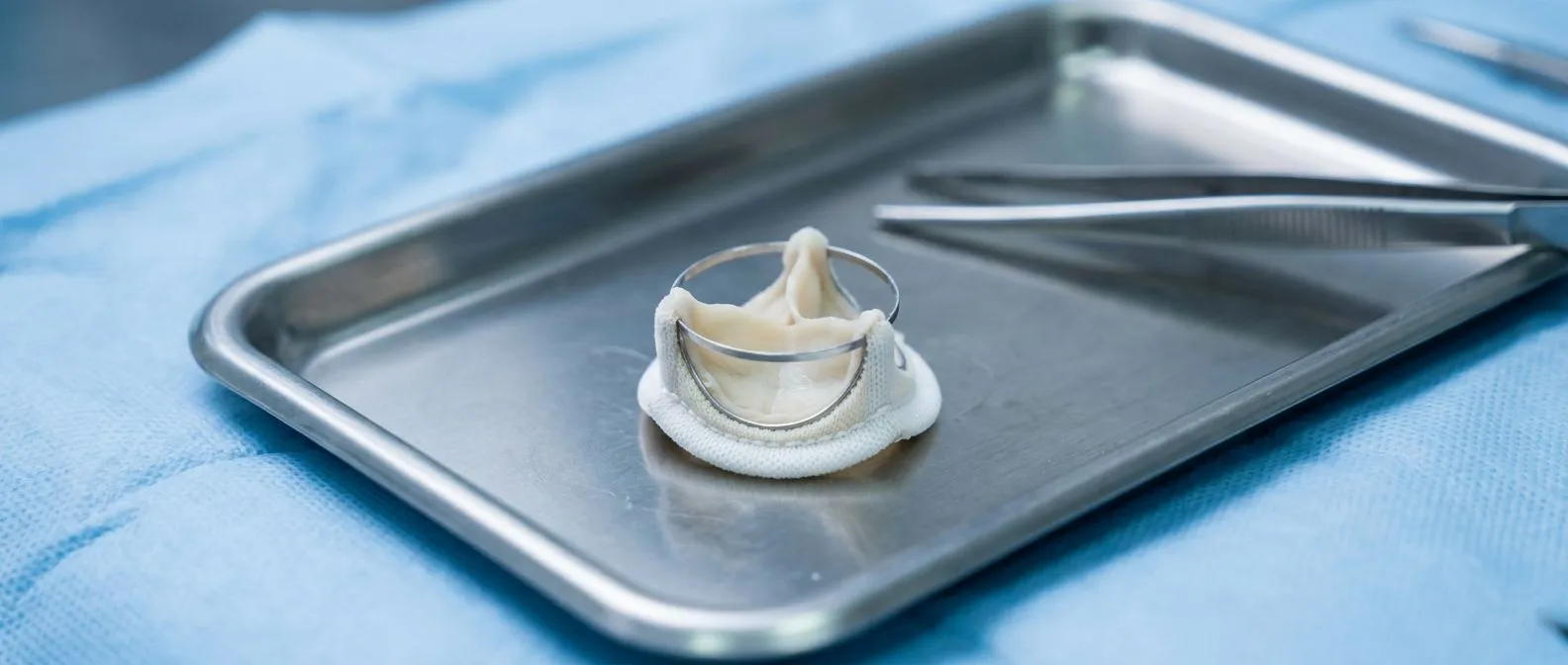
The valve you have shapes your pregnancy plan. The two main categories of replacement valves behave very differently during pregnancy, and knowing which one you carry is the first question any cardiology team will ask. There are mechanical valves, made of durable synthetic materials, and tissue valves, made from animal or human tissue.
Mechanical valves are built to last. Mechanical valves, for example, can last for decades — often a lifetime — which is why they are frequently chosen for younger patients. The trade-off is that they form blood clots on their surface, so you must take an anticoagulant (a blood thinner) every day for life, including during pregnancy.
Tissue valves usually spare you the lifelong blood thinner. A Bovine Pericardial Valve or a Lotus Valve, made from animal tissue, does not require lifelong anticoagulation in most cases. The trade-off is durability: tissue valves tend to wear out faster, sometimes in ten to fifteen years, meaning a future reoperation is more likely. Each Valve Cusp in a tissue valve is designed to open and close like a natural one, but the tissue gradually stiffens. Choosing between them is a genuine trade-off, and pregnancy intentions are one of the factors that should inform that choice.
What Is Pregnancy With a Mechanical Heart Valve Like?
Pregnancy with mechanical heart valve is possible but needs a plan. This is the more complex of the two scenarios, because pregnancy changes how your blood thinner behaves. The stakes are thromboembolism — clot formation on the valve, known as Valve Thrombosis — which can be catastrophic for both mother and baby. The published evidence on maternal and fetal outcomes in pregnant women with a prosthetic valve, reviewed through the NCBI, shows that complications cluster in pregnancies that were not planned or not properly supervised.
The blood thinner choice is the hardest decision. Warfarin pregnancy valve replacement management is genuinely contested in cardiology: warfarin is the most effective protection against clotting on mechanical valves, but it carries a small risk of fetal effects, particularly in the first weeks of pregnancy. Heparin-based options, given by injection, avoid crossing the placenta in the same way but may offer less protection against valve thrombosis in some patients. The right choice depends on your valve type, your dose history, and your own risk profile — there is no universal answer.
We spend entire consultations walking patients through the anticoagulation options in plain words, because we believe no woman should agree to a medication plan she does not fully understand. Maternal cardiac risk in pregnancy with a mechanical valve is real but manageable when monitored closely. What the evidence consistently shows is that planned pregnancies with a known plan fare far better than unplanned ones discovered late.
Is Pregnancy With a Tissue Heart Valve Safer?
Pregnancy with tissue heart valve is usually more straightforward. If your tissue valve is functioning well and you are not on a blood thinner, the pregnancy is generally treated like any pregnancy with mild heart disease. There is no warfarin to adjust, no injection schedule, and no thrombosis risk from the valve itself. This is why, when a young woman tells us she wants to become pregnant, tissue valves often enter the conversation as the lower-complexity option for exactly this reason.
The trade-off is durability, and it deserves honest discussion. Tissue valves in young patients degenerate faster than in older ones. A woman who has a tissue valve at 26 may face a second operation before or after her childbearing years. Some patients accept this; others prefer the durability of a mechanical valve and accept the anticoagulation challenges of pregnancy instead. Neither answer is wrong. What matters is that the decision is made with full information.
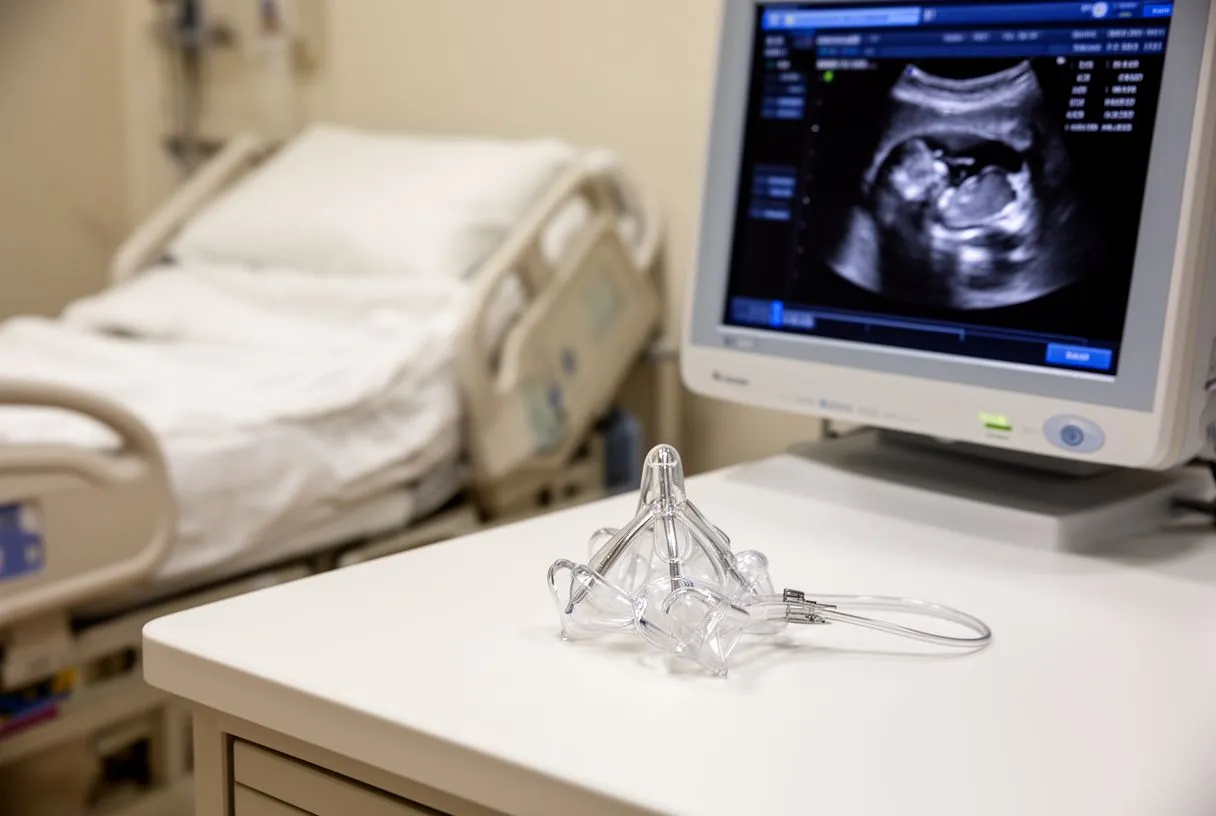
Your valve's current condition decides more than its type. A slightly leaking tissue valve can become significantly worse under pregnancy's increased blood volume, so echocardiography — an ultrasound of the heart — before conception is essential for every patient. It establishes your baseline and tells your team exactly what your heart is doing before the added workload begins.
How Does Anticoagulation During Pregnancy Work?
Anticoagulation during pregnancy valve management is the heart of the plan. Blood becomes naturally more clot-prone during pregnancy — a protective mechanism against bleeding in childbirth — but for a woman with a mechanical valve, this natural change raises the risk of clotting on the valve. Anticoagulation doses often need to be higher and adjusted more frequently than outside pregnancy.
- Warfarin: effective protection for the valve, taken as a tablet, with a specific dose-related risk to the fetus in early pregnancy that requires careful discussion.
- Low-molecular-weight heparin: injected once or twice daily, does not cross the placenta in the same way, but requires strict adherence and monitoring of anti-Xa levels.
- Monitoring: whichever option is chosen, blood levels are checked regularly — more often than in non-pregnant patients — because pregnancy changes how the body processes these drugs.
Never stop or change your own medication. This is the single most important safety rule we can give. Patients who stop their blood thinner because they feel fine, or because of a pregnancy test, put themselves at risk of valve thrombosis within days. Every change must go through your cardiology and obstetric team. In our consultation we take the time to explain exactly what the studies show about each option, in plain words, so that the medication plan you follow is one you chose with understanding.
What Does the Heart Valve Replacement Pregnancy Timeline Look Like?
Start the conversation before conception. A safe pregnancy after heart valve surgery begins months before conception, not at the first prenatal visit. Most teams recommend waiting at least several months after surgery for recovery and for medication levels to stabilize. Planned pregnancy cardiac surgery decisions — such as whether to repair rather than replace, or which valve to choose — are best made while pregnancy is still a future possibility, not an immediate one.
Preconception counseling valve patients receive should cover everything. A thorough pre-pregnancy assessment includes an echocardiogram, an exercise test in some cases, a review of your medications, and a written plan for each trimester. Safe pregnancy after heart valve surgery depends on knowing your starting point: your valve function, your heart's pumping strength, your lung pressures, and your current anticoagulation.
Follow-up intensifies through pregnancy. A heart valve replacement pregnancy timeline typically looks like this: full cardiac evaluation before conception, cardiology review every trimester or more often, echocardiograms as needed, delivery at a hospital with cardiac support, and a postpartum review — because the days after delivery carry their own fluid shifts and risks. The heart team and the obstetric team should plan together so nothing is left between specialists.
What Are the Signs of Heart Failure After a Heart Valve Replacement?
Know the warning signs before you need them. During pregnancy, some breathlessness and fatigue are normal for everyone — so it helps to know which symptoms are not. Signs of heart failure after a heart valve replacement, especially during pregnancy, include breathlessness that worsens when lying flat, waking at night gasping for air, swelling in the legs and ankles that increases rapidly, a racing or irregular heartbeat, and unexplained weight gain over a few days.
Report changes early rather than waiting. Fluid overload can develop quickly in pregnancy, and early treatment is far more effective than late treatment. Heart failure during pregnancy is managed with medication — many of the standard heart failure medicines are safe in pregnancy when chosen carefully — so reporting symptoms does not mean bad news; it means your team can act while the problem is still small.
Keep a simple symptom diary. Jotting down your weight, your swelling, and how you feel climbing stairs gives your team objective information at each visit. It sounds basic, but it is one of the most useful tools a patient can bring to a pregnancy appointment.
What Type of Exercise Is Recommended After Valve Replacement?
Exercise is part of preparation, not a risk to avoid. What type of exercise is recommended after open-heart surgery with valve replacement? In the months and years after recovery, moderate aerobic activity — walking, swimming, cycling — strengthens the heart and prepares it for pregnancy's demands. Most valve patients return to full normal activity within a few months of surgery, and maintaining fitness before conception is one of the best predictors of an easier pregnancy.
Intensity should be discussed, not guessed. Competitive or extremely heavy exercise may need modification depending on your valve and heart function, but for most patients with a well-functioning valve, there are few restrictions. During pregnancy, the guidance is usually to continue moderate activity you already do comfortably and stop anything that causes chest pain, dizziness, or unusual breathlessness.
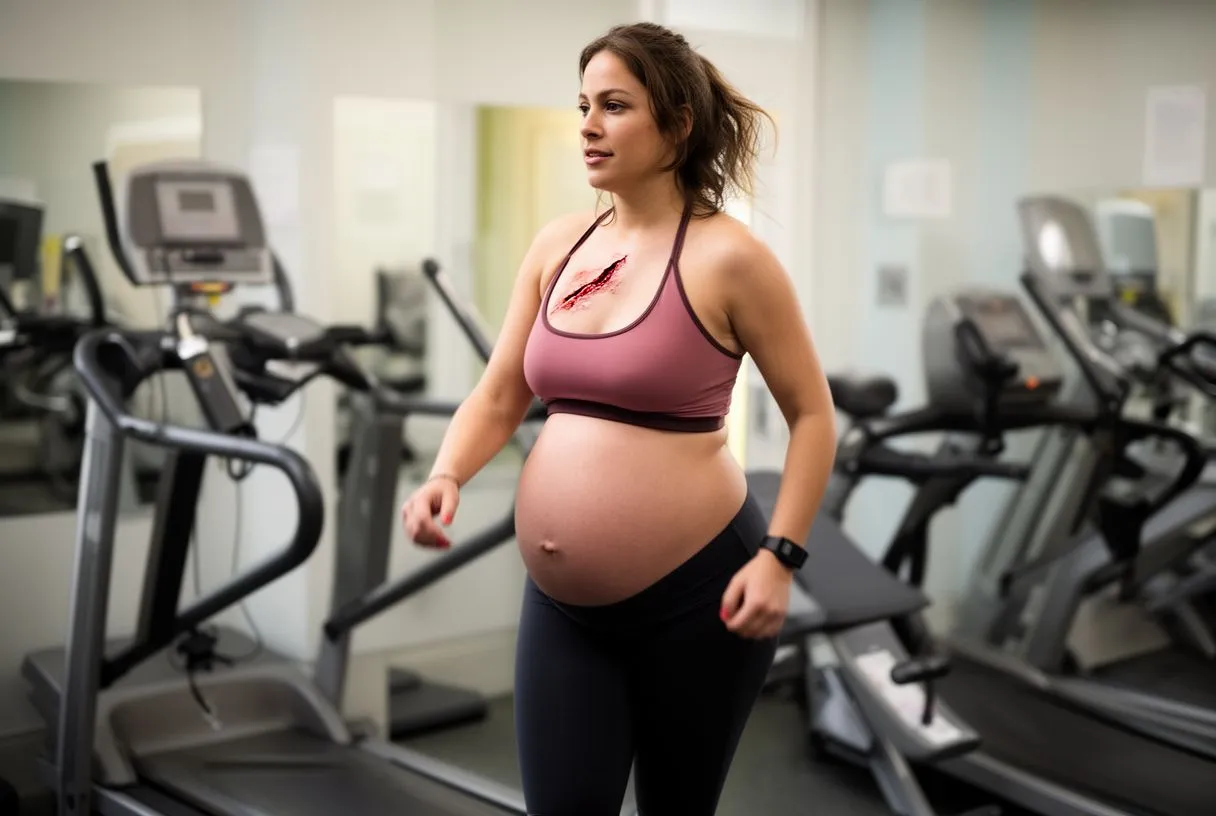
Recovery has clear milestones. Walking from the first days after surgery, cardiac rehabilitation when offered, and a gradual return to work and activity over six to twelve weeks are the usual pattern. If you are planning a pregnancy after valve replacement, being in good condition beforehand removes one variable your team will not have to worry about later.
What Is TAVR and Does It Affect Future Pregnancy?
TAVR is a catheter-based valve option. TAVR — transcatheter aortic valve replacement — replaces the aortic valve through a catheter inserted usually from an artery in the groin, without opening the chest. For younger women who may want pregnancy, its role needs careful thought: transcatheter valves are tissue valves, so they carry the durability trade-off discussed earlier, and their long-term performance in young, active patients is still being studied.
Pregnancy after TAVR is an emerging topic. As TAVR reaches progressively younger patients, questions about pregnancy with these valves are becoming more common. What is known so far suggests the main considerations mirror those of any tissue valve: valve function before pregnancy, whether anticoagulation is needed for other reasons, and the possibility of valve degeneration over the childbearing years.
Dr Molina trained in structural cardiology and TAVR at CHU Bordeaux, and our team evaluates every patient for both transcatheter and surgical options — recommending the less invasive route only where the evidence supports it for that specific patient. If pregnancy is on your horizon, tell your surgeon before the valve decision is made. The choice of valve type should be made with your future, not just your present, in mind.
How Do I Build My Pregnancy After Valve Replacement Planning Checklist?
Pregnancy after valve replacement planning works best as a checklist. When everything is written down and nothing depends on memory, the process feels calmer and the outcome is better. Here is what a practical pregnancy after valve replacement planning checklist covers:
- Current valve assessment: an up-to-date echocardiogram documenting valve function, heart pumping strength, and lung pressures.
- Medication review: every drug you take, checked for pregnancy safety, with the anticoagulation plan agreed in writing before conception.
- Two teams, one plan: a cardiologist and an obstetrician who know your case and communicate with each other throughout the pregnancy.
- Delivery location: a hospital with cardiac capability, decided months in advance.
- Symptom plan: a written list of warning signs and exactly who to call if any appear.
Valve replacement and pregnancy risks are lowest when nothing is improvised. Whether your valve was placed for Mitral Valve Prolapse, a congenital narrowing, or another cause, the same principles apply: assess first, plan the medications, monitor closely, and deliver in the right place. Pregnancy after aortic valve replacement and pregnancy after mitral valve replacement follow the same structure even though the specific risks differ slightly between the two valve positions.

Start with a conversation, not with worry. If you are thinking about pregnancy after a valve replacement, the best next step is a consultation with a cardiac team experienced in valve disease. We are a multidisciplinary team of cardiac surgeons led by Dr Alejandro Molina, with consulting rooms in Guadalajara, Querétaro and Hermosillo, and we offer a free video consultation as the first contact — we get to know you, talk through your condition, and tell you which studies are still needed so none are ordered unnecessarily. Bring your questions, bring your hopes for the future, and let us help you plan the safest possible pregnancy for your heart. Book a consultation before you try to conceive — that single decision does more for a safe pregnancy than anything else on this page.