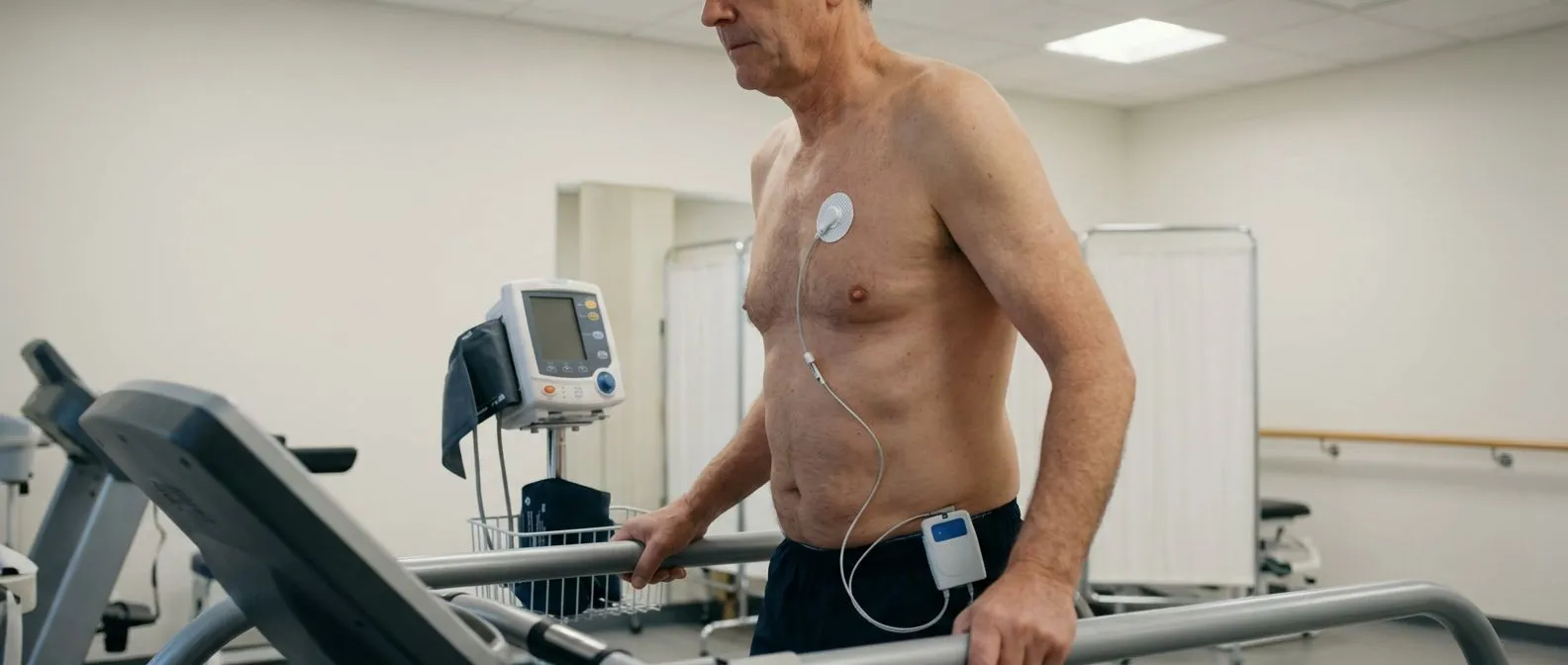
Protamine in Heart Surgery: Reversing Heparin
Protamine heparin reversal restores normal clotting after heart surgery.
Protamine heparin reversal is one of the most critical steps in every open-heart operation. After the surgeon finishes working on a still, bloodless heart—made possible by the heart-lung machine—the body must be awakened to its own circulation. That reawakening depends on neutralizing heparin, the anticoagulant that kept blood from clotting during cardiopulmonary bypass. Without precise reversal, patients bleed uncontrollably; with incorrect dosing, dangerous reactions can threaten the very recovery the surgery was meant to achieve. Understanding how protamine works, how much to give, and what can go wrong empowers patients and families to ask informed questions when meeting their cardiac surgical team.
The journey through cardiac surgery involves many unfamiliar medications and moments. Heparin is given early, before the first incision, to prevent clot formation in the tubing of the bypass circuit. It works by activating antithrombin III, which then inhibits clotting factors—primarily thrombin and Factor Xa. The result is a calculated, reversible thinness of the blood that allows the surgeon to operate safely. Once the repair is complete, whether a coronary American Heart Association bypass graft, valve replacement, or aortic reconstruction, that thinness must be undone. Protamine sulfate is the specific antidote that restores normal coagulation, yet its administration is among the most consequential minutes of the entire procedure.
What Is Protamine Heparin Reversal in Heart Surgery?
Protamine heparin reversal refers to the standard practice of administering protamine sulfate at the conclusion of cardiopulmonary bypass to neutralize the anticoagulant effects of unfractionated heparin. Protamine is a basic protein extracted from salmon sperm—yes, fish—that binds tightly to acidic heparin molecules, forming a stable salt complex that renders heparin biologically inactive. This simple-sounding interaction has governed cardiac surgery for over six decades and remains the cornerstone of post-bypass hemostasis.
The clinical context matters enormously. During coronary artery bypass grafting (CABG), valve repair or replacement, and operations on the ascending aorta, the heart-lung machine exposes blood to artificial surfaces that would trigger massive clotting without anticoagulation. Heparin prevents this, but it also prevents surgical sites from sealing. The moment the cross-clamp is released and the heart resumes beating, the surgical team needs clotting to return—promptly but not excessively. Protamine bridges this transition.
Patients often wonder whether this medication is "new" or "experimental." It is neither. Protamine received FDA approval in 1968 and has been used in millions of cardiac operations worldwide. Its role is so established that alternative anticoagulants lacking reversible agents—such as direct oral anticoagulants or low molecular weight heparins—are generally avoided for cardiopulmonary bypass precisely because no equivalent antidote exists. The reliability of protamine heparin reversal has helped make modern cardiac surgery as safe as it is today.
How Protamine Reverses Heparin: The Molecular Mechanism
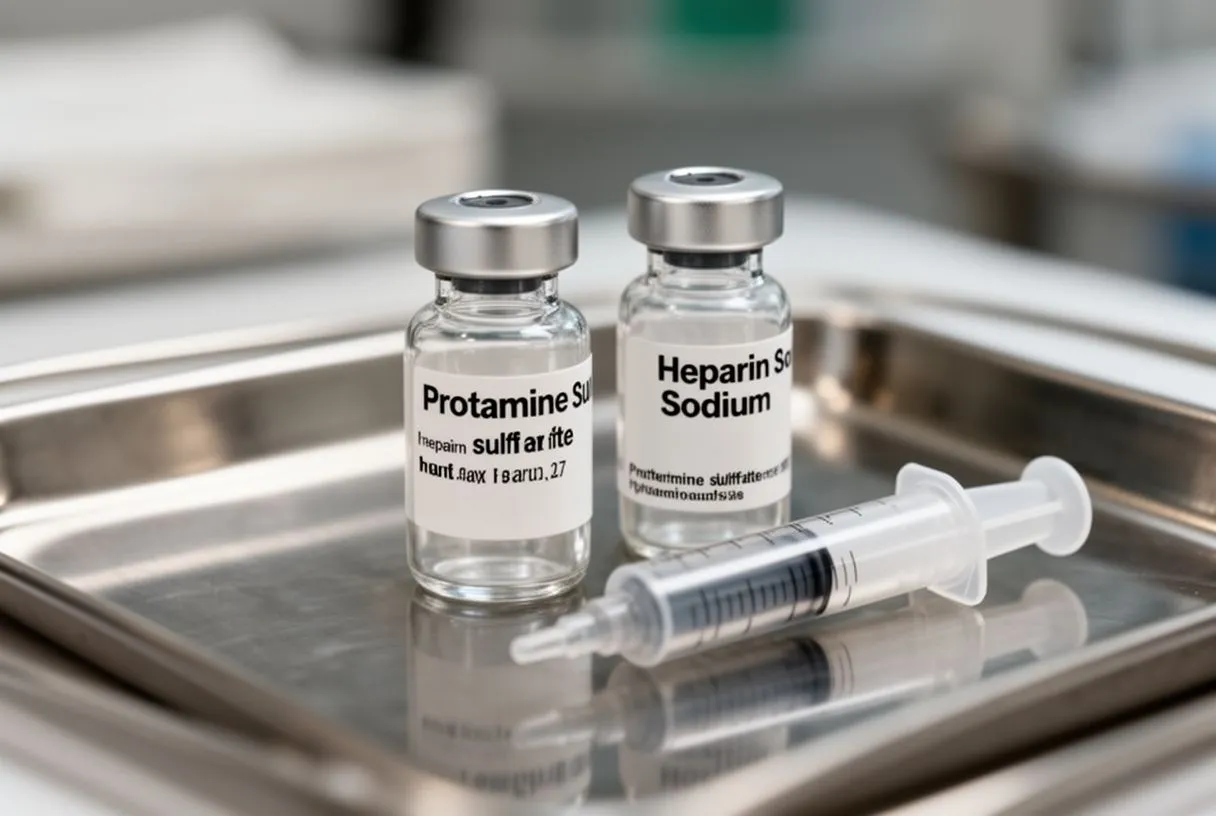
How protamine reverses heparin at the molecular level reveals why dosing precision matters so much. Heparin is a highly sulfated, negatively charged polysaccharide; protamine is a positively charged, arginine-rich basic protein. Their attraction is electrostatic: when mixed in the bloodstream, they form an ionic bond creating a heparin-protamine complex that lacks anticoagulant activity. This complex is later cleared by the reticuloendothelial system. The process is rapid—measurable heparin activity drops within minutes—but it is not instantaneous, and it is not perfectly complete.
Proportion matters more than speed. The standard teaching holds that approximately 1 mg of protamine neutralizes 100 units of heparin, but this ratio oversimplifies reality. Heparin distributes into the extravascular space during bypass, binds to plasma proteins, and undergoes some metabolism. The amount circulating at the moment of reversal may be substantially less than the total dose given hours earlier. Giving "full-dose" protamine based on the initial heparin bolus can therefore result in relative protamine excess, which itself has weak anticoagulant properties and may contribute to bleeding.
Modern practice increasingly favors titrated dosing guided by point-of-care testing. Thromboelastography (TEG) and activated clotting time (ACT) measurements help determine how much heparin remains active, allowing anesthesiologists to administer the minimum effective protamine dose. This individualized approach reflects broader evolution in perioperative medicine: rather than cookbook protocols, teams now adapt to each patient's pharmacokinetics, body temperature, and procedural duration.
Protamine Sulfate Dosage: How Much Is Needed After Bypass?
Protamine sulfate dosage decisions combine art, science, and real-time data. Historically, cardiac surgery programs followed straightforward formulas: if 30,000 units of heparin were given, give 300 mg of protamine. Many institutions still begin with this 1:100 ratio based on total heparin administered, then adjust according to post-reversal ACT values. However, the trend in specialized centers—including those performing complex redo operations and aortic surgery—has moved toward calculated, measured approaches that reduce total protamine exposure.
Several factors alter heparin metabolism and therefore protamine requirements. Hypothermia during bypass slows heparin clearance. Longer pump runs increase hemodilution and protein binding. Patient weight, liver function, and prior heparin exposure all modify the pharmacokinetic landscape. For this reason, the same 70-year-old undergoing a three-vessel CABG may need markedly different protamine dosing than a 55-year-old having a brief balloon aortic valvuloplasty conversion to surgical valve replacement.
Weight-based and heparin-concentration protocols offer more precision. Some centers measure heparin concentration directly using protamine titration assays or heparin-specific assays, then calculate exact neutralization needs. Others use a fixed-dose strategy (typically 50 mg) with incremental boluses guided by TEG or ACT until clotting parameters normalize. Regardless of protocol, the goal is identical: restore adequate hemostasis without protamine excess. Excess protamine can bind platelets, impair fibrinogen function, and paradoxically prolong bleeding—defeating the purpose of administration.
Protamine Use in CABG and Valve Surgery
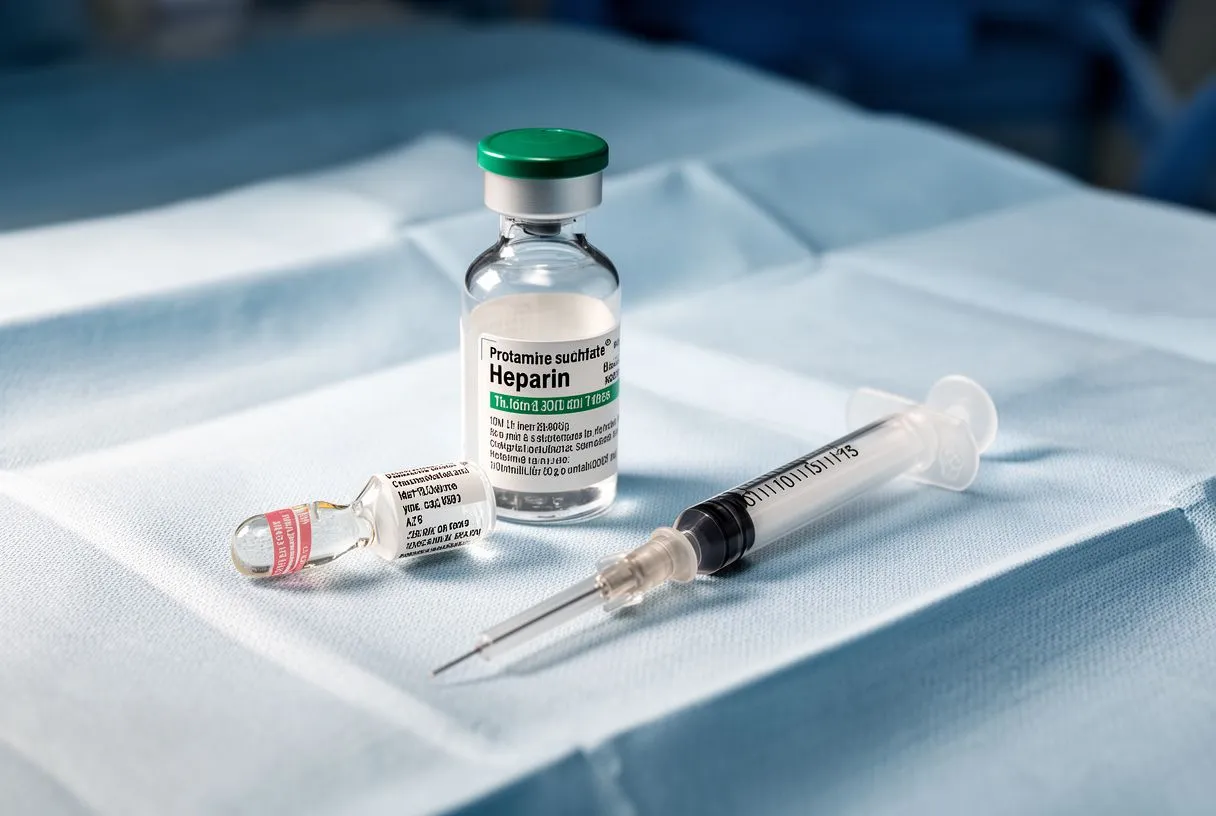
Protamine use in CABG and valve procedures illustrates how surgical complexity shapes reversal strategy. In isolated coronary artery bypass grafting, the operation is relatively standardized: heparinization, single aortic cross-clamp or partial clamping for each distal anastomosis, weaning from bypass, then protamine. Bleeding after CABG is often multifactorial—platelet dysfunction from the bypass circuit, hypothermia, fibrinolysis—but adequate heparin reversal remains foundational to management.
Valve surgery, particularly mitral valve repair or replacement, presents additional considerations. The left atrium and ventricle must be opened, requiring longer cross-clamp times and often more extensive suturing. Multiple valve operations or combined CABG-valve procedures extend bypass duration, alter heparin kinetics, and increase total blood product exposure. In these settings, the cardiac team may administer protamine more cautiously, watching for right ventricular dysfunction that can accompany pulmonary vasoconstriction.
Aortic operations—whether ascending aorta replacement, Bentall procedures, or arch reconstructions—demand particular attention to hemostasis. Deep hypothermic circulatory arrest, used to protect the brain when aortic flow must be interrupted, profoundly affects coagulation. Platelet function, enzyme activity, and drug metabolism all slow at temperatures below 20°C. Protamine administration after such operations often occurs alongside aggressive warming, correction of acid-base disturbances, and targeted component therapy guided by viscoelastic testing.
Types of Protamine Reactions and Safety Risks
Protamine side effects cardiac surgery teams must recognize fall into three categories, classified by mechanism and timing. Type I reactions represent hypotension from rapid intravenous administration—essentially a hemodynamic effect rather than true allergy. Slowing the infusion rate or giving via the aortic cannula rather than central venous line largely prevents this. Type II reactions are non-immune anaphylactoid responses, more common in patients with prior protamine exposure, diabetes using neutral protamine Hagedorn (NPH) insulin, or known fish allergy. Type III reactions, the most dangerous, involve catastrophic protamine induced pulmonary hypertension with right ventricular failure and systemic hypotension.
Identifying risk factors before surgery allows preventive planning. The history should specifically ask about:
- Previous exposure to protamine, including prior cardiac surgery, vascular procedures, or insulin use
- Diabetes treated with NPH insulin (protamine is the "P" in NPH)
- Documentated fish or shellfish allergy (cross-reactivity is debated but clinically considered)
- Vasectomy in men (theoretical risk from autoantibodies, though poorly substantiated)
- Severe pulmonary hypertension or right ventricular dysfunction preoperatively
Preparation includes ensuring blood products, vasopressors, and inotropic support are immediately available. Some centers pre-treat with histamine blockers or corticosteroids in high-risk patients, though evidence for this practice is limited. The most important precaution is controlled administration: slow infusion over 5–10 minutes with continuous hemodynamic monitoring, ready to pause at the first sign of instability.
Protamine Induced Pulmonary Hypertension: A Serious Complication
Protamine induced pulmonary hypertension represents the most feared adverse event, occurring in approximately 1–2% of cardiac surgical patients but carrying mortality rates exceeding 50% when severe. The mechanism involves complement activation, thromboxane release, and intense pulmonary vasoconstriction. Right ventricular afterload increases dramatically; the thin-walled right ventricle cannot generate sufficient pressure, leading to acute right heart failure, decreased left ventricular filling, and cardiovascular collapse.
The clinical picture unfolds within minutes of protamine administration. Pulmonary artery pressures surge. Systemic blood pressure falls. Central venous pressure rises. Oxygenation deteriorates as blood shunts through non-perfused lung regions. The electrocardiogram may show right heart strain patterns. Echocardiography reveals a dilated, poorly contracting right ventricle with septal bowing into the left ventricle.
Immediate recognition saves lives. Treatment centers on discontinuing protamine, initiating inhaled nitric oxide or intravenous epoprostenol for selective pulmonary vasodilation, and providing inotropic support—often milrinone for its combined inotropic and pulmonary vasodilator properties. In extremis, mechanical circulatory support including veno-arterial ECMO may be required. Prevention through slow administration and avoidance in known susceptible patients remains paramount. Some institutions keep The Third International Consensus Definitions for Sepsis and Septic Shock (Sepsis-3) resuscitation principles in mind when managing the hemodynamic collapse, ensuring systematic evaluation of perfusion.
Heparin Rebound After Protamine: When Bleeding Returns
Heparin rebound after protamine describes the recurrence of measurable anticoagulation following initial successful reversal, typically 1–4 hours postoperatively. The phenomenon occurs because heparin redistributes from the extravascular compartment back into the bloodstream as circulating protamine is cleared. Tissue-heparin complexes dissociate; free heparin appears in plasma; activated clotting times lengthen; and bleeding from chest tubes accelerates.
This is not rare. Studies suggest heparin rebound occurs in 5–15% of patients after cardiac surgery, more commonly after prolonged bypass, large heparin doses, or inadequate initial protamine dosing. The diagnosis requires clinical suspicion plus laboratory confirmation—elevated ACT or anti-Factor Xa activity with otherwise unexplained bleeding. Re-treatment with protamine (typically 25–50 mg) usually resolves the problem, though care must be taken not to overshoot into protamine excess.
Redosing strategy matters. Some surgeons empirically give a second small dose of protamine in the intensive care unit, particularly after complex, prolonged operations. Others reserve re-dosing for documented laboratory evidence of residual anticoagulation. The balance lies between preventing bleeding complications and avoiding the adverse effects of unnecessary protamine. Ongoing research into heparin metabolism, including the role of heparinase enzymes and renal clearance, may eventually clarify optimal protocols.
Reduced Protamine Dosing Strategies: Less Is Sometimes More
Reduced protamine dosing strategies have gained traction as understanding of protamine's own anticoagulant effects has grown. Excess protamine—defined roughly as administration beyond that needed for complete heparin neutralization—impairs platelet function, interferes with fibrin polymerization, and may activate fibrinolysis. Paradoxically, giving too much protamine can cause the very bleeding it was meant to prevent.
Investigators have explored half-dose, titrated, and weight-based protocols against traditional full-dose approaches. 2020 ESC Guidelines for the diagnosis and management of atrial fibrillation developed in collaboration with the European Association for Cardio-Thoracic Surgery (EACTS) principles of evidence-based, individualized therapy inform this evolution, even though that guideline focuses on atrial fibrillation rather than hemostasis per se. The broader lesson—patient-specific treatment over rigid protocols—applies directly to protamine administration.
Specific reduced strategies include:
- Heparin concentration-based dosing: Measuring actual residual heparin rather than assuming based on initial dose
- ACT-guided incremental administration: Giving 25–50 mg aliquots until target ACT is reached, often accepting mild residual prolongation
- Calculated ratio reduction: Using 0.5–0.75 mg protamine per 100 units heparin rather than 1 mg, based on observed heparin decay curves during bypass
These approaches demand reliable point-of-care testing and experienced judgment. They are not universally adopted, and current guidelines do not mandate reduced dosing. However, in centers with robust coagulation monitoring, the trend toward personalized protamine administration aligns with broader movements in precision perioperative medicine.
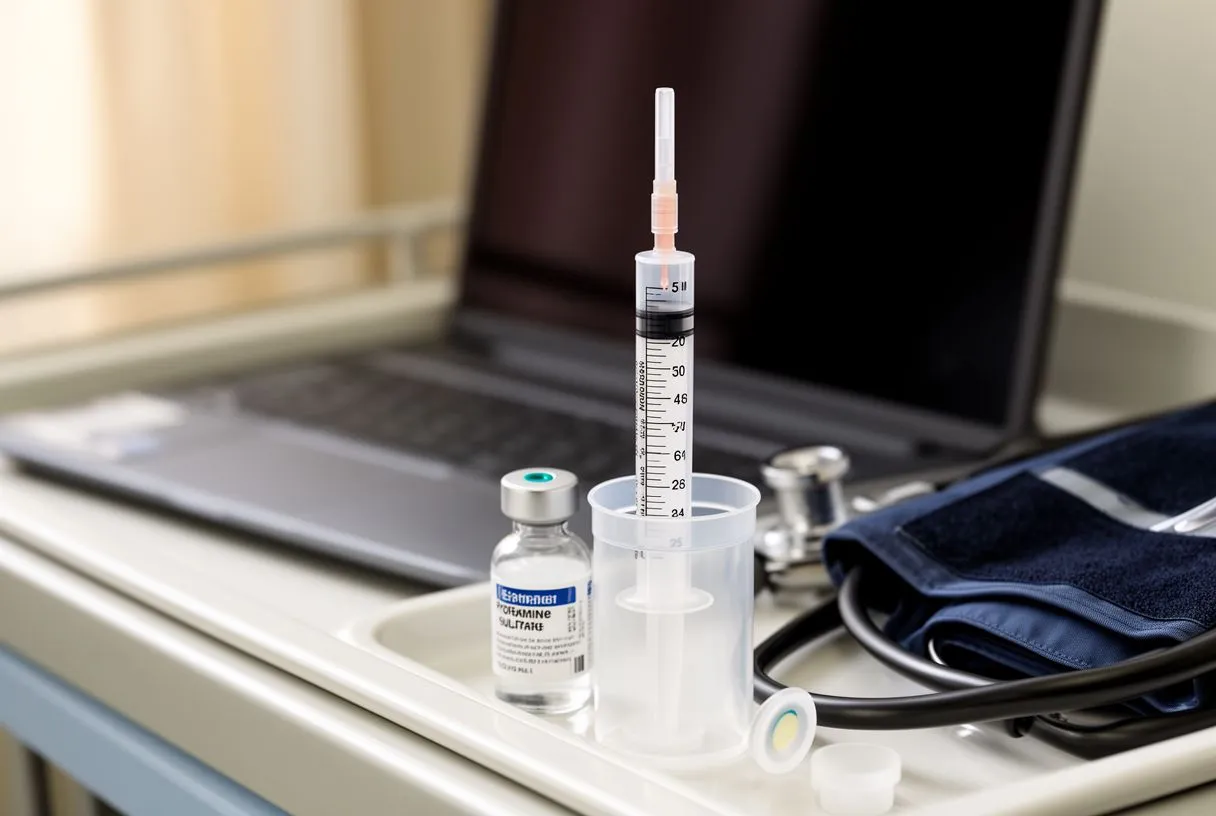
Protamine Alternatives for Bleeding Control
Protamine alternatives bleeding control options, while limited, assume critical importance when protamine is contraindicated or ineffective. No true pharmacologic substitute for heparin neutralization exists. This reality drives two parallel approaches: preventing situations where protamine fails, and managing bleeding through alternative mechanisms when it does.
Heparinase I (Neutralase), an enzyme that specifically degrades heparin, was investigated clinically but never received regulatory approval due to concerns about immunogenicity and incomplete reversal. Recombinant platelet factor 4, a natural heparin-binding protein, showed promise in early studies but similarly failed to reach routine clinical use. For now, the pharmacopeia lacks a protamine replacement.
Practical alternatives therefore focus on hemostatic support without direct heparin neutralization. These include aggressive blood component therapy (fresh frozen plasma, platelets, cryoprecipitate), antifibrinolytic agents such as tranexamic acid or epsilon-aminocaproic acid, and recombinant activated Factor VII for refractory bleeding. In desperate circumstances, returning to cardiopulmonary bypass with full heparinization—essentially abandoning the initial reversal—may allow surgical re-exploration and control of anatomic bleeding sources. Cardiac surgery teams emphasize that meticulous surgical hemostasis before protamine administration reduces reliance on any pharmacologic rescue.
Monitoring Protamine Efficacy During and After Surgery
Protamine efficacy monitoring ensures that reversal has succeeded without excess. The activated clotting time, measured at the bedside, returns to baseline within minutes of adequate protamine administration. However, ACT is nonspecific—it reflects multiple coagulation influences, not only heparin. For greater precision, many centers now use thromboelastography or thromboelastometry, which display the viscoelastic properties of clot formation in real time.
TEG parameters after protamine should show: - A normal reaction time (R-time), indicating prompt initiation of clotting - Normal angle and maximum amplitude, reflecting adequate fibrinogen and platelet function - No excessive lysis at 30 minutes (LY30), suggesting fibrinolysis is controlled Persistent R-time prolongation after what should be adequate protamine suggests residual heparin effect or, alternatively, other coagulopathies requiring different interventions. This interpretive complexity is why modern cardiac surgery increasingly incorporates dedicated transfusion medicine or hematology consultation in perioperative care.
Postoperative monitoring extends beyond the operating room. Chest tube output trends, hemoglobin stability, and repeated coagulation studies guide decisions about re-dosing protamine, transfusing blood products, or returning to the operating room. The first 6–12 hours after cardiac surgery represent the highest-risk period for bleeding; vigilant, protocolized assessment during this window prevents the complications of both under- and over-treatment.
Understanding protamine heparin reversal transforms an obscure operating-room detail into meaningful knowledge for patients and families. The medication is ancient by pharmaceutical standards, yet its use continues to evolve. Dosing precision, reaction awareness, and individualized monitoring separate uneventful recovery from complicated courses. When you meet with your cardiac surgical team, consider asking: How do you determine how much protamine to give? What monitoring do you use to confirm it worked? What would you do if I had a reaction? These questions invite the transparent, collaborative dialogue that underlies excellent cardiac care.