

Mitral Valve Repair or Replacement: Choosing the Operation
Mitral valve repair or replacement—learn which heart operation fits your condition, what to expect, and how to prepare.
What is mitral valve repair or replacement
Understanding your options for mitral valve repair or replacement begins with knowing the anatomy of your heart. The mitral valve is one of four main valves in your heart, sitting between the upper left chamber (the atrium) and the lower left chamber (the left ventricle). Its job is simple but crucial: it opens to let oxygen-rich blood flow down into the main pumping chamber, then closes tightly to prevent blood from leaking backward. When the valve’s flaps become floppy or stiff, they cannot seal properly, forcing the heart to work harder to pump blood to the rest of your body. This condition drives the need for a surgical intervention.
Anatomy of the mitral apparatus: The valve is made of two leaflets that open and close with every heartbeat, supported by cord-like structures called chordae tendineae and a muscular ring known as the annulus. When cardiologists evaluate a patient for mitral valve repair or replacement, they look closely at these structures. If the leaflets are torn, thickened, or if the annulus is stretched out, blood flows backward into the lungs, causing breathlessness and profound fatigue. The goal of the operation is to restore normal flow dynamics so your heart muscle can recover and function efficiently.
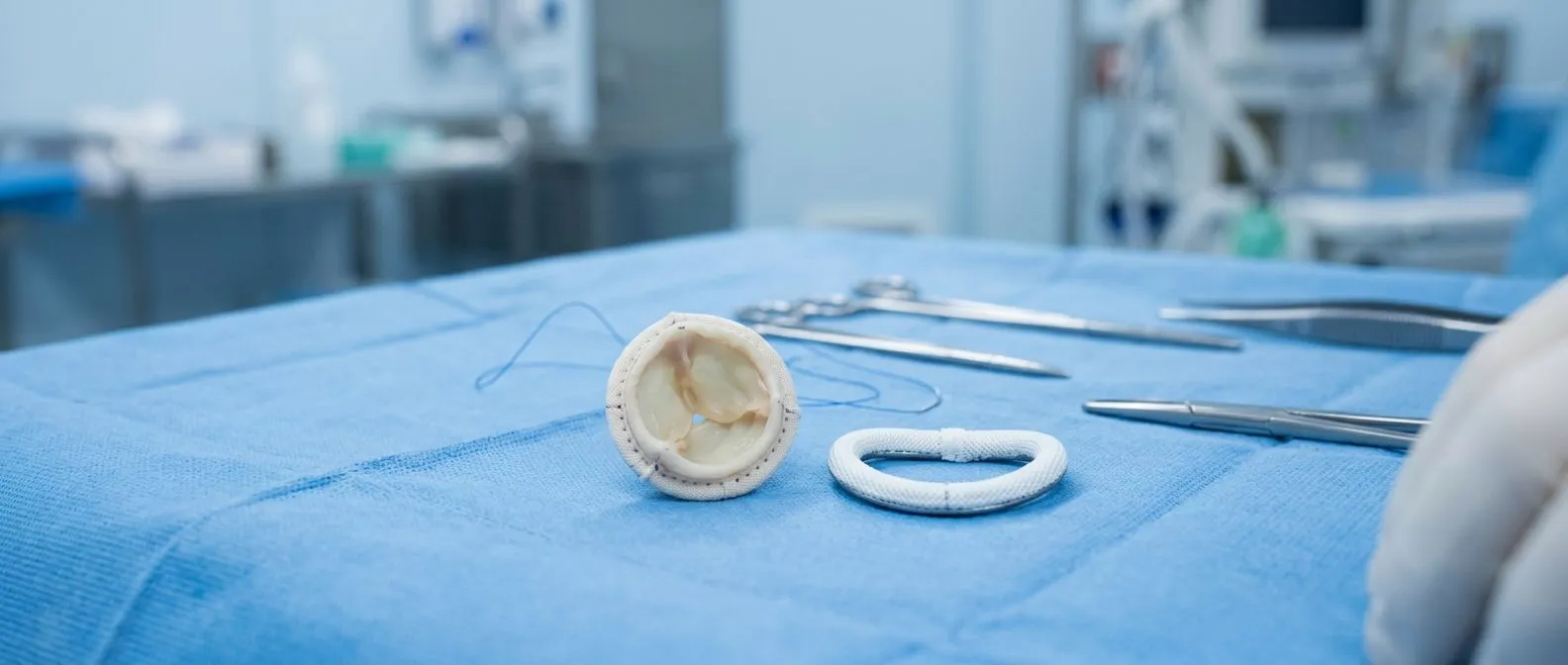
Distinguishing repair from replacement: Repairing the valve means the surgeon reconstructs your own natural tissue, often tightening the ring or patching the leaflets. Replacing the valve means removing the damaged tissue entirely and substituting it with a mechanical or biological prosthesis. Generally, clinical guidelines strongly favor repairing the natural valve whenever possible, as preserving your own tissue maintains the heart's natural mechanics and reduces the need for long-term blood thinners. The choice depends entirely on the specific damage, your overall heart function, and what offers the lowest risk for your situation.
How does mitral valve repair or replacement work
The mechanics of mitral valve repair or replacement involve either reshaping your existing anatomy or installing a new, artificial gateway for your blood flow. During a repair, the surgeon may insert an artificial ring to tighten the stretched valve opening, a procedure known as annuloplasty. They might also trim away excess tissue or reattach torn chordae to ensure the leaflets meet perfectly. This approach relies on the natural flexibility of your tissue, ensuring the valve opens wide and closes securely without leaking. When the damage is too extensive for a repair, the surgeon removes the diseased valve and secures a replacement device into the exact anatomical position.
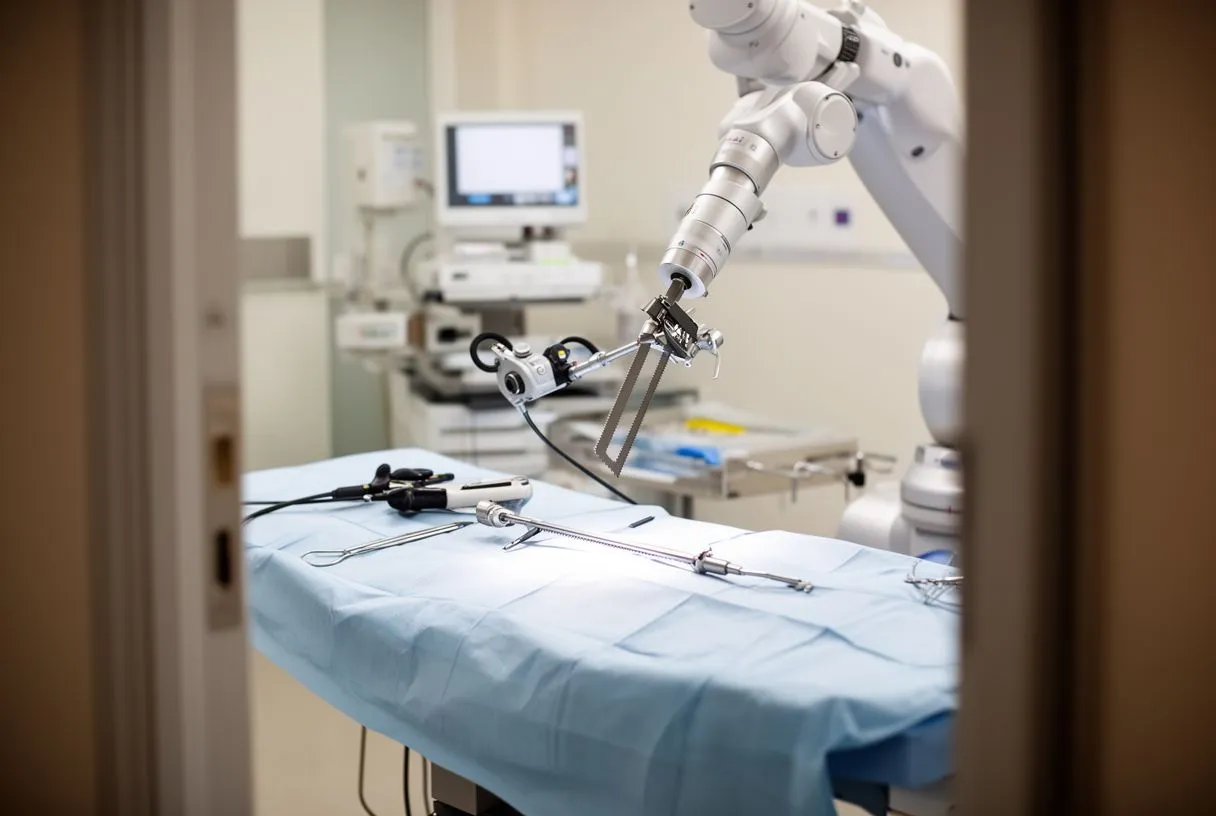
The surgical pathway: Traditional operations require a standard incision down the chest and the use of a heart-lung machine, which temporarily takes over the job of circulating your blood while the heart is still. This allows the surgeon to work on a motionless, bloodless field. However, modern medicine has introduced minimally invasive techniques, utilizing smaller incisions between the ribs. While the heart-lung machine is still often required, these less invasive methods generally lead to less postoperative pain and shorter hospital stays, though they require highly specialized surgical expertise to execute safely.
Transcatheter frontiers: In recent years, transcatheter approaches have evolved to treat leaky valves without opening the chest. While we often refer to transcatheter aortic valve replacement as TAVR, similar minimally invasive technologies are expanding to other valves. For instance, understanding how clip devices function helps frame these advancements; insights from studies on the Transcatheter Edge-to-Edge Repair for Treatment of Tricuspid Regurgitation highlight how interventional cardiology is increasingly able to fix leaky valves via a catheter threaded through a blood vessel, offering hope to patients too frail for traditional surgery.
Symptoms indicating you might need mitral valve repair or replacement
Patients facing valve disease often arrive at the cardiologist’s office after months of struggling with everyday tasks. The symptoms can develop so gradually that you might attribute them to aging or a lack of physical conditioning. The most common complaints include shortness of breath, particularly when lying flat or during physical exertion, and an overwhelming sense of fatigue that makes climbing a flight of stairs feel like a marathon. Some patients also notice a fluttering sensation in the chest or a persistent irregular heartbeat, signaling that the heart is struggling to maintain a normal rhythm under the strain of the leaking valve.
When symptoms meet clinical thresholds: It is not just the presence of symptoms that dictates the need for mitral valve repair or replacement, but specific diagnostic measurements. According to the American Heart Association, severe mitral regurgitation with symptoms, or even without symptoms but with evidence of a enlarging heart or dropping pumping function (an ejection fraction falling below 60% or a left ventricular end-systolic diameter exceeding 40mm), is a strong indication for surgical intervention. Echocardiograms are used to track these measurements closely, ensuring the operation is timed perfectly before irreversible damage occurs to the heart muscle.
Quality-of-life disruptions: Beyond the clinical numbers, the impact on your daily life is a major factor. You might find yourself avoiding activities you once loved, like walking in the park or playing with grandchildren, because you simply cannot catch your breath. Swelling in the ankles or feet, known as edema, can also develop as the heart fails to circulate blood effectively. If you notice a rapid decline in your stamina or sudden weight gain due to fluid retention, it is a signal that the heart is decompensating. These functional limitations are precisely why we do not wait until the heart fails completely before recommending an operation.
Types of mitral valve repair or replacement approaches
When planning your operation, the surgical team evaluates several approaches to find the safest route for your anatomy. The traditional sternotomy, which involves a vertical incision through the breastbone, provides the surgeon with the most direct and clear visualization of the heart. This approach is highly reliable and is often used for complex repairs where maximum access is required. While the recovery from a sternotomy is longer due to the bone healing process, it remains the gold standard for comprehensive, multi-vessel or complex structural heart surgeries.
Minimally invasive and robotic surgery: For suitable candidates, minimally invasive mitral surgery utilizes a small incision on the right side of the chest, sparing the breastbone entirely. This approach leads to faster recovery, less visible scarring, and a quicker return to normal activities. It requires specialized training and advanced imaging to guide the instruments inside the chest cavity. Not every patient is a candidate for this; factors like previous chest surgeries, severe lung disease, or unusual anatomy might require the traditional open approach to ensure the lowest risk for your situation.
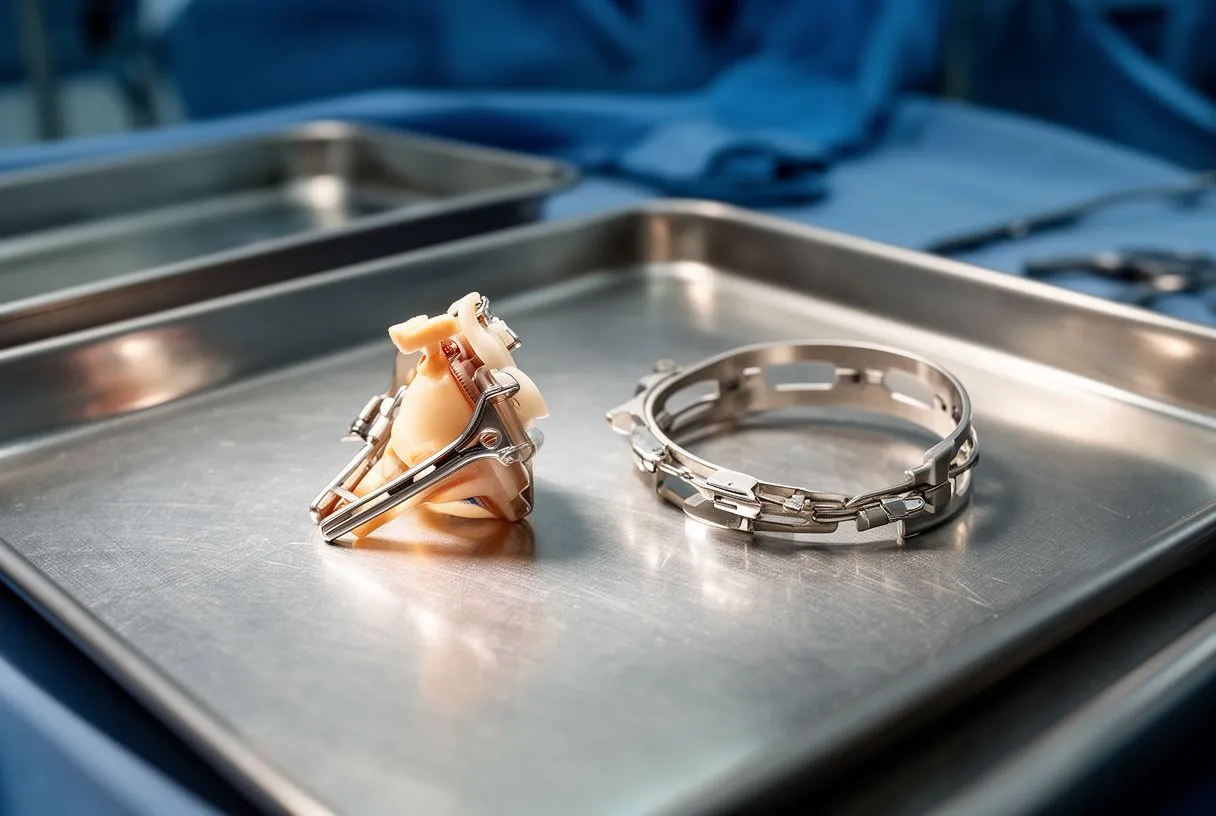
Prosthetic valve choices: If a replacement is necessary, you and your surgeon will choose between a mechanical valve and a biological valve. While interventional techniques like Balloon Aortic Valvuloplasty (a procedure using a balloon to stretch a narrowed valve) are sometimes used to temporarily relieve stenosis, a definitive replacement requires a durable implant. Understanding how different valves perform across the spectrum of structural heart disease helps frame these choices; for example, tracking the Outcomes After Current Transcatheter Tricuspid Valve Intervention provides valuable context on how newer, catheter-based valve technologies perform in complex anatomical positions.
- Mechanical valves: Made from durable materials like carbon, these valves can last a lifetime but require lifelong use of blood thinners like Aspirin or Warfarin to prevent clots.
- Biological valves: Made from animal tissue (pig or cow), these valves do not require long-term blood thinners but may wear out and need replacement in 10 to 15 years.
Mitral valve repair or replacement benefits
The primary benefit of undergoing mitral valve repair or replacement is the alleviation of symptoms that significantly diminish your quality of life. Restoring the valve’s ability to seal properly instantly reduces the volume of blood leaking backward into the lungs. This physiological correction decreases the pressure inside the pulmonary circulation, directly relieving shortness of breath and allowing your heart to pump forward more efficiently. Patients frequently report a dramatic improvement in their energy levels and exercise tolerance within weeks of the operation.
Reversing heart remodeling: When a valve leaks for a long time, the heart chambers stretch and enlarge to compensate for the extra volume, a process called remodeling. A successful operation halts and often partially reverses this enlargement. By correcting the mechanical defect, the heart muscle is no longer overburdened, which protects the long-term function of the left ventricle. Preserving the heart muscle is critical to avoiding future heart failure and ensuring a longer, more active life.
Preventing downstream complications: Leaving a severely leaking valve untreated can lead to irreversible heart failure, abnormal rhythms like Atrial Flutter (a rapid, irregular beating of the upper chambers), and severe pulmonary hypertension. Timely surgical intervention prevents these downstream complications from developing. For many patients, particularly those whose valves are repaired rather than replaced, the long-term survival rate closely mirrors that of the general population, provided they follow their cardiac rehabilitation and medical guidelines.
Risks associated with mitral valve repair or replacement
While modern cardiac surgery is highly advanced and generally safe, every operation carries inherent risks that must be weighed against the benefits of leaving the disease untreated. The risks associated with mitral valve repair or replacement include bleeding, infection, and adverse reactions to anesthesia. For cardiac procedures specifically, there is a risk of stroke, as the manipulation of the heart and aorta can dislodge small particles of calcified material into the bloodstream. Surgical teams utilize advanced monitoring and filters to minimize these events, but the risk is never zero.
Valve-specific complications: If you receive a replacement valve, there are specific risks tied to the type of prosthesis used. Mechanical valves carry a lifelong risk of blood clots forming on the leaflets, necessitating the use of blood thinners, which slightly increases the risk of bleeding. Biological valves carry the risk of structural deterioration over time, meaning a second operation might be necessary years later. If you undergo a repair, there is a small chance the repair could fail over time or that the valve could become narrowed, though modern surgical techniques have made this rare.
Rhythm and respiratory issues: It is very common to experience irregular heartbeats after surgery, particularly Atrial Flutter, as the heart muscle heals and swells from the surgical trauma. These arrhythmias are usually managed with medication or a brief electrical correction and resolve as the heart recovers. Additionally, because the lungs are temporarily deflated during traditional open surgery, some patients experience reduced lung capacity or fluid accumulation, requiring respiratory therapy and breathing exercises in the days following the operation.
How to prepare for mitral valve repair or replacement
Preparation for mitral valve repair or replacement is a comprehensive process designed to ensure your body is in the best possible condition to withstand surgery and heal rapidly. Your surgical team will order a series of preoperative tests, including blood work, a detailed echocardiogram, and sometimes a coronary angiogram to check for blockages in the arteries that supply the heart. If significant blockages are found, the surgeon may combine the valve operation with a bypass procedure. Optimizing your nutrition, quitting smoking, and carefully managing existing conditions like diabetes are critical steps in the weeks leading up to your operation date.

Understanding surgical risk scores: Your surgical team will calculate a risk score, often using a system like EuroSCORE II, to estimate the likelihood of complications based on your age, overall health, and the specific surgical approach. This mathematical tool helps guide the conversation about whether a traditional open approach or a less invasive option is safest for you. It is important to remember that these scores are statistical averages; they provide a framework for decision-making but cannot perfectly predict an individual outcome. Your surgeon will discuss these numbers transparently to help you make an informed decision.
Logistical planning: Beyond medical preparation, practical logistics are vital. You will need to arrange for someone to drive you home from the hospital and stay with you for the first few weeks of recovery. Preparing your home by moving tripping hazards, placing everyday items at waist level (so you do not have to reach up or bend down), and arranging comfortable sleeping arrangements that allow you to rest without lying completely flat will significantly ease your transition home. Having a support network in place reduces anxiety and allows you to focus entirely on healing.
What to expect during mitral valve repair or replacement recovery
Recovery from mitral valve repair or replacement is a gradual journey that begins the moment you wake up in the intensive care unit. For the first 24 hours, you will be closely monitored with various lines and tubes, including an arterial line (a small tube in your wrist artery) for precise blood pressure readings, and an arterial cannula if an advanced circulatory assist device was used. Breathing will be assisted by a ventilator initially, which is removed once you are fully awake and able to breathe independently. The medical team prioritizes pain management and early mobilization, often asking you to sit on the edge of the bed or take a few steps within the first day.
Transitioning home: A typical hospital stay ranges from four to seven days, depending on the surgical approach and your baseline health. Before discharge, you will be assessed by a physical therapist to ensure you can walk safely and manage stairs. You will be sent home with specific instructions regarding wound care, recognizing signs of infection, and a regimen of cardiac medications. It is completely normal to feel fatigued and experience appetite changes during the first few weeks; your body is using a tremendous amount of energy to heal the tissues and bone.
Cardiac rehabilitation: Enrolling in a supervised cardiac rehabilitation program is one of the most effective steps you can take to ensure a safe return to full activity. These programs involve monitored exercise sessions tailored to your heart rate and stamina, combined with education on heart-healthy living. The structured environment provides peace of mind as you rebuild your strength. Recovery times vary, but most patients return to normal, non-strenuous activities within 6 to 8 weeks, and full recovery, including bone healing from a sternotomy, can take up to three months.
Living well after mitral valve repair or replacement
Life after mitral valve repair or replacement is generally marked by a significant return of energy and the ability to participate in activities that were previously limited by breathlessness. Long-term success depends heavily on adhering to your cardiologist’s medical plan, which often includes medications to support heart function and manage blood pressure. If you received a mechanical valve, strict adherence to your blood thinner regimen is critical. Clinical trials like ARISTOTLE (a landmark study establishing the safety of a specific blood thinner in valve patients) have helped define the precise dosing required to prevent clots without increasing bleeding risks, ensuring patients can live safely with their new valves.

Lifelong monitoring: Your heart will require regular check-ups for the rest of your life. You will typically have an echocardiogram annually or biennially to ensure the repaired or replaced valve is functioning perfectly and that the heart chambers remain a healthy size. These routine visits allow your cardiologist to catch any minor changes before they become major problems. For patients with biological valves, monitoring becomes particularly important around the 10-year mark to watch for signs of tissue degeneration.
Maintaining cardiovascular health: Fixing the valve is only one part of the equation; protecting your overall cardiovascular system is equally important. Adopting a heart-healthy diet low in saturated fats and sodium, engaging in regular aerobic exercise, and managing stress are foundational to long-term well-being. You should discuss any new exercise regimens with your doctor, but generally, activities like walking, swimming, and cycling are highly encouraged. Patients must also be vigilant about dental hygiene, as bacteria from the mouth can enter the bloodstream and infect artificial valves, requiring antibiotics before certain dental procedures.
- Exercise: Gradually return to physical activity, aiming for 150 minutes of moderate aerobic exercise weekly as cleared by your team.
- Medication adherence: Never skip or alter your blood thinner or heart medication doses without explicit instructions from your cardiologist.
When to contact your cardiac team
While recovery progresses smoothly for the vast majority of patients, it is essential to know the warning signs that require immediate medical attention. If you experience a sudden onset of severe chest pain that does not go away with rest, or pain that radiates to your jaw or down your left side accompanied by Arm Pain, you should seek emergency care immediately, as this could indicate a heart issue. Other red flags include a fever of 38°C (100.4°F) or higher, unexpected shortness of breath that worsens when lying down, or sudden rapid weight gain due to fluid retention in your legs and ankles.
Wound care concerns: You should inspect your chest incision daily for signs of infection. If you notice increasing redness, warmth, swelling, or any thick, odorous discharge draining from the wound, contact your surgical team promptly. Similarly, if the edges of the incision begin to open up or if you feel a popping sensation in your chest bone when you cough or move, you must seek medical advice immediately to ensure the structural integrity of the sternum is maintained.
Conclusion: Choosing to undergo mitral valve repair or replacement is a profound decision that can restore your quality of life and protect your heart from irreversible damage. By understanding the anatomy, the surgical approaches, and the recovery process, you can approach your operation with confidence rather than fear. Every patient’s situation is unique, and the information here is a general guide. We strongly encourage you to discuss your specific symptoms, diagnostic results, and surgical risks with a qualified cardiac team. If you or a loved one are experiencing symptoms of valve disease, please book a consultation with our specialists to determine the safest and most effective path forward for your heart.






