Pyrolytic Carbon in Mechanical Heart Valves
Pyrolytic carbon heart valves offer unmatched durability for valve replacement patients in Guadalajara.
When a cardiac surgeon tells you that your natural valve is failing and needs replacement, the conversation quickly turns to what material will take its place. For decades, pyrolytic carbon has been the gold standard for mechanical prostheses, offering a unique combination of strength and compatibility with human tissue. If you are facing heart surgery, understanding the components of pyrolytic carbon heart valves is essential for making an informed decision. This guide explains how these implants work, why surgeons trust them, and what recovery looks like for patients seeking specialized cardiac care.
What Are Pyrolytic Carbon Heart Valves?
A patient often discovers they need a valve replacement after experiencing persistent shortness of breath or chest tightness. When imaging reveals a severely narrowed aortic valve, the surgical team evaluates whether to use a biological tissue valve or a mechanical prosthesis. If you are a younger patient or someone who wants to avoid a second open-heart surgery later in life, a mechanical valve made of pyrolytic carbon is frequently recommended.
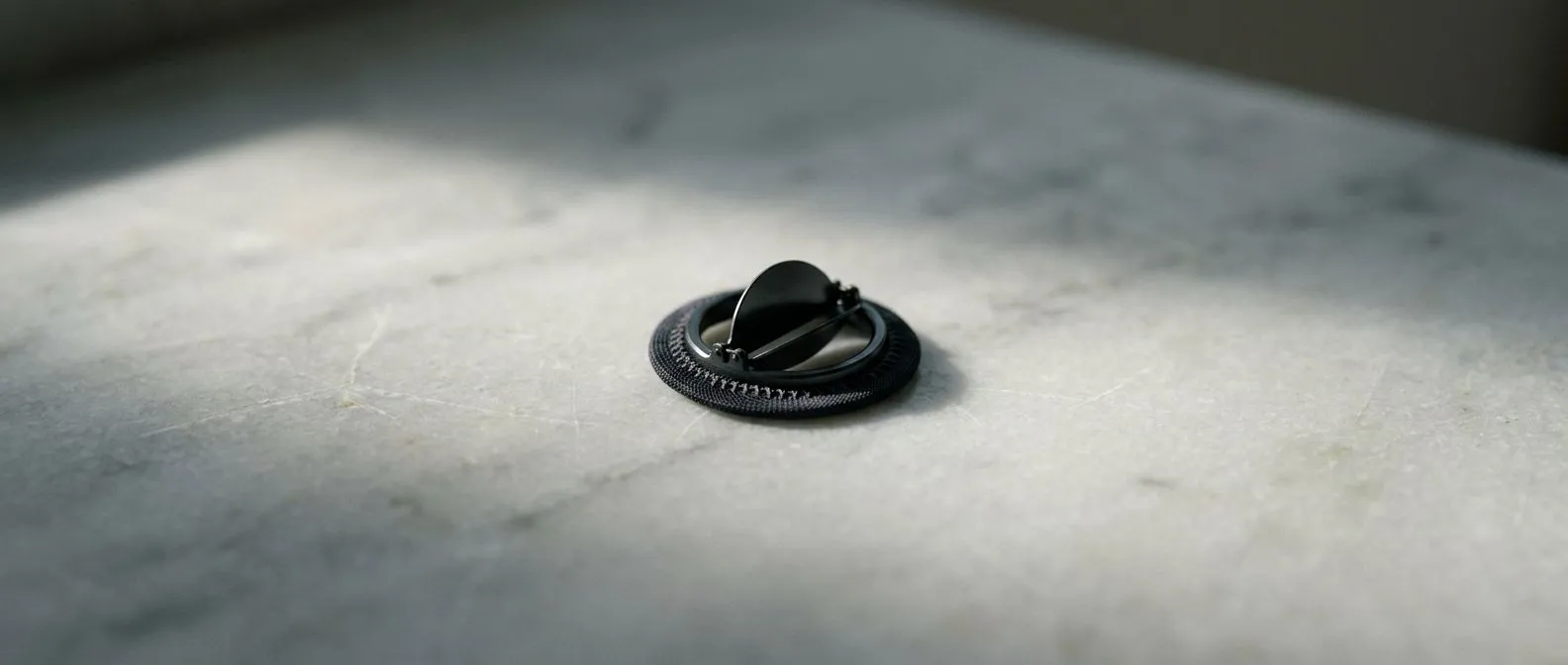
The mechanics of the material: Pyrolytic carbon is a specialized form of carbon originally developed for nuclear reactor coatings. It is created through a process that deposits carbon vapor onto a substrate at extremely high temperatures. The resulting material is incredibly hard, resistant to wear, and biologically inert, meaning the human immune system generally does not reject it.
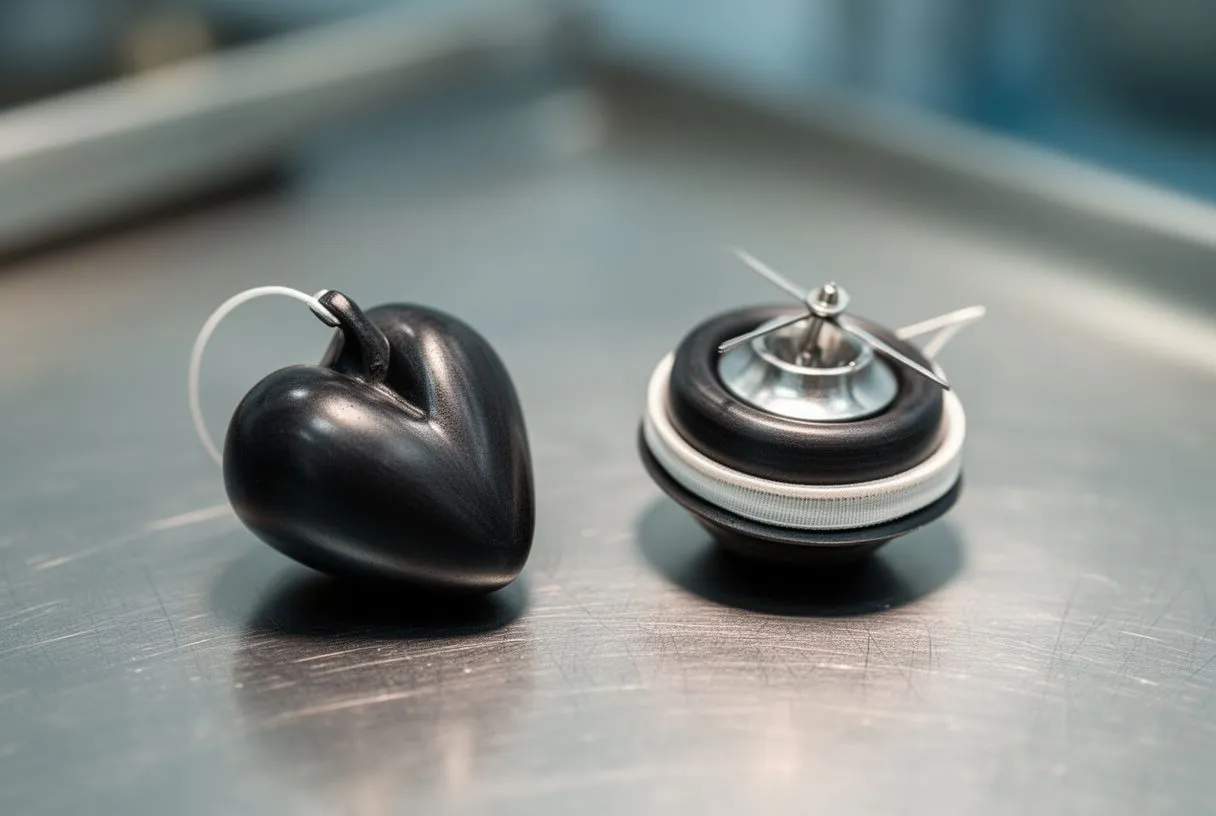
Placement in the heart: The valve itself consists of a carbon housing and leaflets that pivot to open and close. It is typically implanted in the aortic position, sitting just above the heart in the ascending aorta, or in the mitral position within the left atrium. The material's durability allows it to withstand billions of opening and closing cycles over a lifetime without fracturing or degrading.
How Do Pyrolytic Carbon Mechanical Valves Work?
Blood flow dynamics: A mechanical heart valve must mimic the precise opening and closing of a natural valve. The most common design is the bileaflet valve, which features two semi-circular pyrolytic carbon discs that pivot on hinges. When the heart contracts, blood pressure pushes the leaflets open, allowing blood to flow forward; when the heart relaxes, blood flows backward slightly, snapping the leaflets shut.
One of the main engineering challenges in valve design is minimizing blood turbulence, which can lead to clotting. The bileaflet design creates a central flow path that closely mimics natural blood flow, reducing the areas where blood might stagnate. This is why mechanical designs are considered highly efficient compared to older, single-disc mechanical valves.
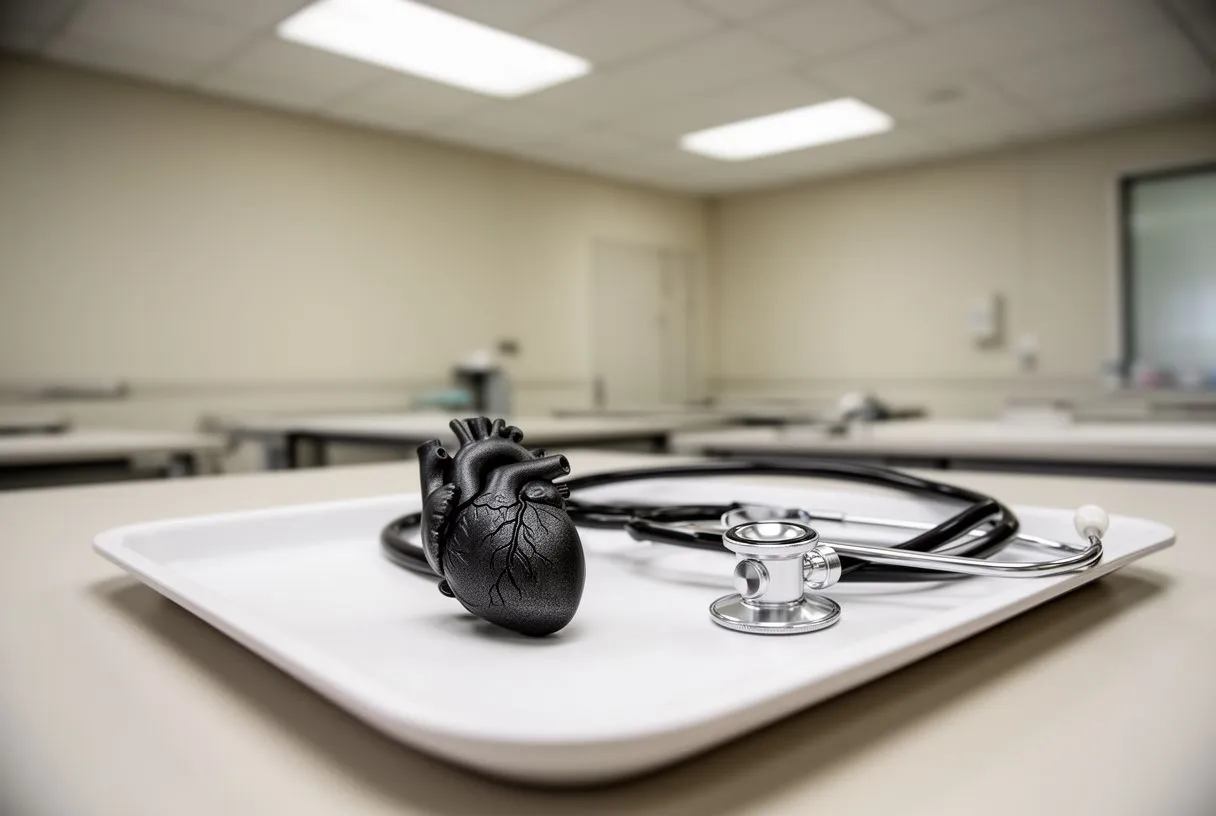
Patients often notice a distinct clicking sound as the valve opens and closes. This is entirely normal and is a result of the hard carbon leaflets striking the valve housing. During routine auscultation with a stethoscope, your cardiologist will listen for this crisp sound to confirm the valve is functioning properly and smoothly.
Why Is Pyrolytic Carbon Used for Artificial Heart Valve Materials?
The physical demands on a heart valve are immense. It must open and close roughly 100,000 times a day, enduring millions of cycles per year. Pyrolytic carbon is chosen for artificial heart valve materials because its strength-to-weight ratio is unmatched. It does not fatigue or degrade over time in the way that biological tissue does, providing a permanent structural solution.
Thromboresistant properties: Blood clotting is the primary risk with any artificial surface inside the bloodstream. Pyrolytic carbon is highly thromboresistant, meaning it naturally resists the adhesion of platelets and blood proteins that form clots. The material can be polished to an incredibly smooth surface, leaving no microscopic scratches where clots could begin to form.
Because the material is inert, it does not trigger an inflammatory response or tissue overgrowth. When a surgeon secures the valve sewing ring to the heart tissue, the body accepts the carbon components without attacking them. This biocompatibility is critical for long-term survival, preventing the immune system from damaging the implant or surrounding cardiac tissue.
What Are the Benefits of Mechanical Valve Durability?
Avoiding reoperation: The most significant benefit of mechanical valve durability is the elimination of structural valve deterioration. Biological valves made from cow or pig tissue typically last 10 to 15 years before they begin to wear out, requiring another surgery. A well-functioning mechanical valve is designed to last the rest of your life.
For patients under the age of 60, choosing a mechanical valve often means trading the short-term convenience of avoiding blood thinners for the long-term security of a durable prosthesis. The decision is highly individualized, but the structural integrity of the carbon components provides a predictable, permanent solution to severe valve disease, removing the anxiety of a future reoperation.
Patients with mechanical valves can return to active lifestyles, including exercise and international travel. To facilitate the surgery, techniques often involve using an autograft of your own tissue or managing blood loss with autologous blood collected before the operation. Once healed, the mechanical valve acts as a reliable, permanent fixture in the heart.
- Structural longevity: The carbon components do not degrade in the human body.
- Activity tolerance: Designed to withstand high-pressure cardiac cycles without fracturing.
- Lower reoperation risk: Removes the anxiety and surgical risk of a second replacement.
How Does Pyrolytic Carbon Biocompatibility Affect Your Recovery?
Recovery from heart surgery is demanding, and the body’s reaction to the implant plays a major role in the healing process. Because of its high biocompatibility, the carbon material does not cause chronic inflammation. The surrounding heart tissue heals smoothly around the valve's sewing cuff, which is often made of polyester, while the carbon leaflets remain pristine and functional.
Healing timeline: In the weeks following surgery, the primary focus is on sternum healing and managing post-operative pain. The valve itself requires no healing time; it functions perfectly from the moment it is implanted. Patients may be prescribed aspirin alongside their primary blood thinner to prevent minor clotting events on the fabric sewing ring during the initial recovery phase.
The valve must integrate seamlessly with the heart's pumping action. The smooth pivot points of the carbon leaflets ensure that the valve does not stick or seize, even as the heart tissue around it swells during the natural inflammatory phase of recovery. This reliability is crucial as the patient gradually regains their physical strength and stamina.
What Is the Difference Between Mechanical vs Biological Valves?
The choice between mechanical and biological valves hinges on age, lifestyle, and the ability to take blood thinners. Biological valves offer the advantage of not requiring lifelong anticoagulation, but they sacrifice longevity. Mechanical valves offer permanent durability but require a strict daily blood thinner regimen to prevent clotting on the artificial surfaces.
Surgical vs transcatheter approaches: Biological valves can sometimes be implanted via transcatheter aortic valve replacement (TAVR), a minimally invasive procedure that avoids opening the chest. Mechanical valves currently require traditional open-heart surgery. For some older or high-risk patients who cannot undergo surgery, a balloon-expandable valve is deployed via a catheter, but these are biological, not mechanical.
A cardiac surgeon will evaluate your specific risk profile, including EuroSCORE II metrics, to determine the safest path. If you have a condition like atheromatous plaque buildup in your arteries, the surgical approach may be adjusted to ensure safe access to the heart. The decision is a collaborative process weighing the risk of bleeding from blood thinners against the risk of a future reoperation.
- Age factor: Younger patients lean toward mechanical; older patients often choose biological.
- Medication needs: Mechanical requires daily anticoagulation; biological usually does not.
- Surgical method: Mechanical requires open surgery; biological may allow for TAVR.
How Is Pyrolytic Carbon Manufactured for Heart Valve Prosthesis Materials?
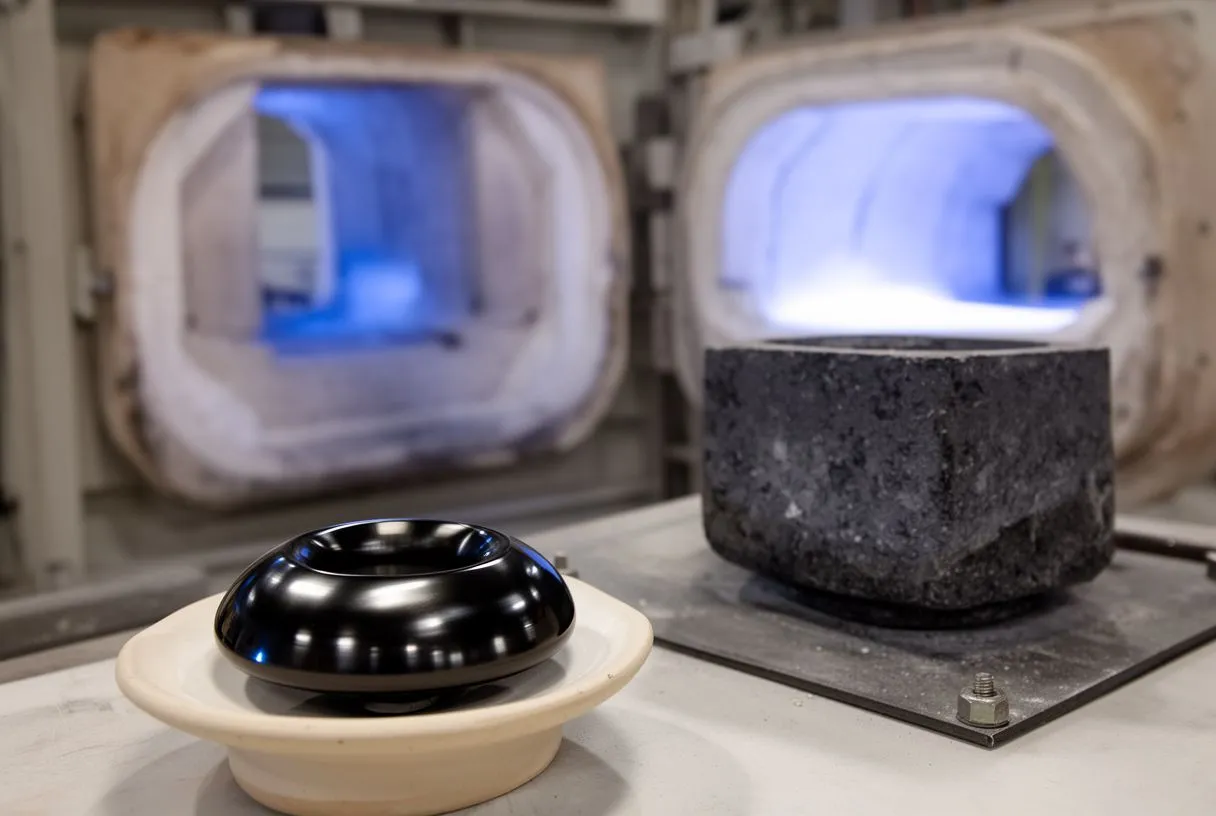
The manufacturing of pyrolytic carbon is a highly controlled chemical process. It begins in a vacuum furnace where a hydrocarbon gas, such as methane or propane, is heated to extreme temperatures. The gas decomposes, and carbon atoms precipitate onto a graphite substrate, slowly building up a dense, isotropic layer of carbon.
Pure pyrolytic carbon is strong, but to prevent brittle failure, it is often alloyed with silicon carbide during the deposition process. This creates a composite material that is highly resistant to cracking and wear. Once the carbon reaches the desired thickness, it is cooled, removed from the substrate, and carefully machined into the precise leaflets and housing components required for the valve.
Precision polishing: The final step is polishing the carbon components to a mirror-like finish. This step is critical for thromboresistance; any microscopic surface irregularity could trigger a blood clot. The manufacturing precision ensures that every mechanical valve meets exacting international standards for safety and performance before it is ever implanted into a patient.
Do You Need Mechanical Valve Anticoagulation After Surgery?
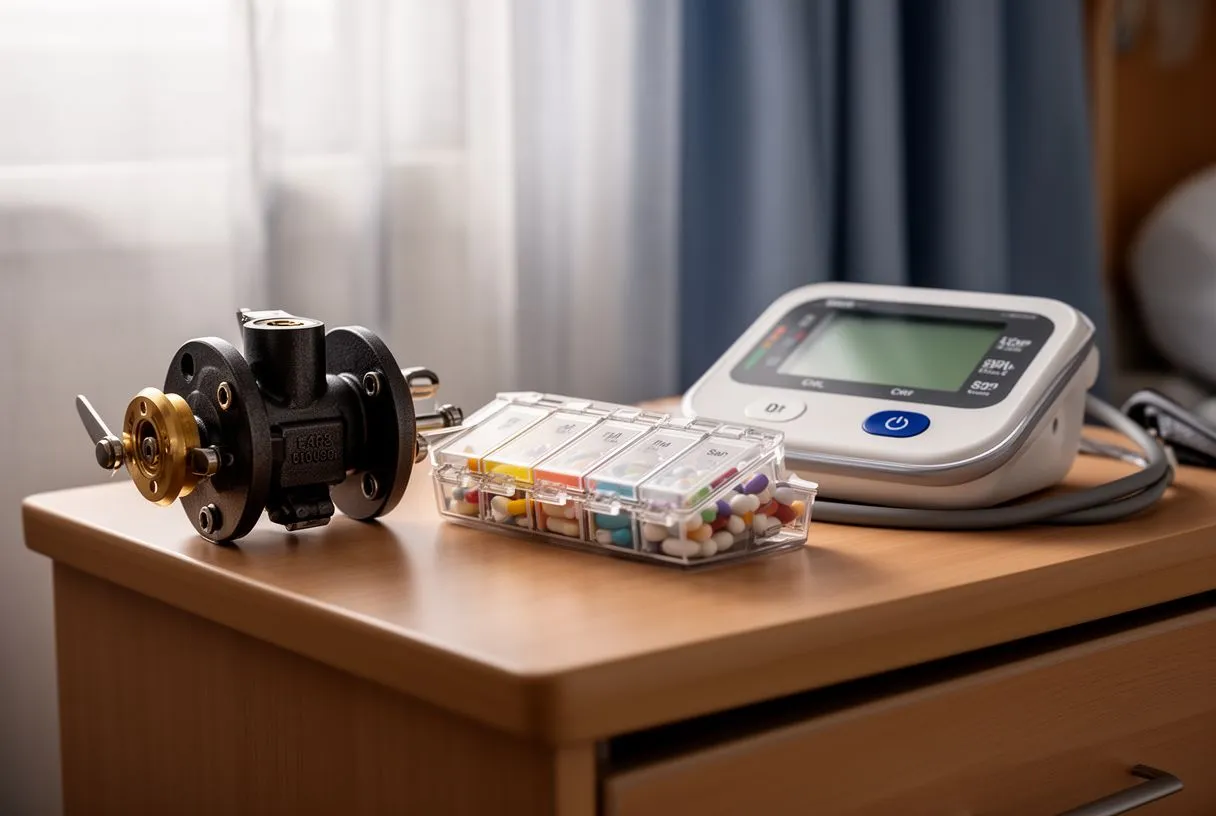
Yes, if you receive a mechanical heart valve, you will need to take an anticoagulant, typically warfarin, for the rest of your life. While the carbon surface resists clots, the artificial pivot points and the sewing ring can still trigger clot formation. Maintaining a specific INR (International Normalized Ratio) is vital to prevent valve thrombosis or a stroke.
Monitoring your medication: Warfarin requires careful monitoring through regular blood tests. Dosing guidelines are strict because too little medication risks a clot on the valve, while too much risks dangerous bleeding. According to the National Heart, Lung, and Blood Institute, consistent monitoring and patient education are the cornerstones of successful long-term anticoagulation therapy.
Patients with mechanical valves who also have a heart rhythm issue like atrial flutter face an increased risk of clotting, making strict anticoagulation even more critical. Clinical studies, such as the PubMed research on valve outcomes, emphasize that medication adherence directly impacts survival rates. Your medical team will provide a detailed plan for managing your diet and medications.
What to Expect During Bileaflet Mechanical Heart Valve Replacement?
The surgical procedure: Replacing a valve with a mechanical prosthesis is a major operation performed under general anesthesia. The surgeon accesses the heart through an incision in the chest, and a heart-lung bypass machine takes over the pumping of blood. An arterial cannula is carefully placed in the arterial line to ensure blood continues to circulate to your brain and body while the heart is stopped.
Once the heart is still, the surgeon opens the heart chambers to expose the damaged valve. The diseased leaflets and any calcium deposits are meticulously removed. The annulus, which is the ring of tissue holding the valve, is measured so the correct size of the mechanical valve can be selected and securely sewn into place.
In some complex cases, patients may have additional complications that require advanced support. While rare, severe cases might involve the use of awake ECMO if a patient is in profound distress prior to surgery, or the need for an arterial graft if coronary artery disease is also present. Clinical trials like the REPRISE II clinical trial continue to study the optimal repositioning of valves, though mechanical valves are permanently fixed in place during open surgery.
When to Seek Help After Pyrolytic Carbon Heart Valve Surgery?
Recovering from valve surgery takes weeks, and certain symptoms are a normal part of healing, such as fatigue and incision soreness. However, you must be vigilant for signs of complications. Unexplained shortness of breath, sudden dizziness, or a high fever warrant a call to your surgeon. You should also watch for any signs of infection, such as redness or drainage at the incision site.
Recognizing cardiac emergencies: Some symptoms require immediate emergency medical attention. If you experience sudden arm pain, jaw pain, or severe chest pain that does not resolve, it could indicate an atypical infarction or a heart attack. A sudden change in the sound or rhythm of your valve click, or a sudden loss of consciousness, suggests the valve may be malfunctioning or clotting.
Pyrolytic carbon heart valves represent a triumph of engineering, offering lifelong durability and reliable function for patients with severe valve disease. Choosing the right valve is a profound decision that requires expert guidance. If you or a loved one are navigating a heart valve diagnosis, do not self-diagnose. We encourage you to discuss your specific situation with a qualified cardiac team. Reach out to Dr Alejandro Molina and the team at Cirugía de Corazón in Guadalajara, Querétaro, or Hermosillo to book a consultation and explore the safest, most effective treatment plan for your unique anatomy.