Recovering From a Myocardial Infarction: The First Months
Learn essential myocardial infarction recovery steps for the first months.
What Is Myocardial Infarction Recovery?
Surviving a myocardial infarction — what most people call a heart attack — is a profound and often frightening experience, but it is also a starting point. The heart has been injured, and the weeks and months that follow are when healing truly happens. Myocardial infarction recovery is not a single event or a single appointment; it is a structured process that combines rest, supervised movement, medication, emotional adjustment, and gradual return to daily life. For most patients, the first three to six months set the foundation for long-term heart health, and the habits formed during this window matter enormously.
It is completely normal to feel uncertain, even fearful, after discharge from hospital. The chest has been sore, the breath may feel short, and energy levels can swing from one day to the next. Cardiac teams see this every day, and the reassurance you need is part of the plan. Recovery is designed to be gradual precisely because the heart muscle and the body's overall reserve need time to rebuild. You are not expected to bounce back instantly, and pushing too hard too soon can actually slow healing.
The goal of this guide is to walk you through what to expect, what to do, and what to watch for during those important first months. Every person's recovery is slightly different, so the information here is meant to complement — not replace — the personalised advice of your own cardiac team. Dr Alejandro Molina and the specialists at Cirugía de Corazón see patients from Guadalajara, Querétaro, and Hermosillo, and they encourage you to bring your questions openly at every visit.
Myocardial Infarction Recovery Timeline by Week
First one to two weeks — rest and gentle self-care: The immediate period after discharge is about protecting the healing heart. Most patients are encouraged to walk short, flat distances inside the home, rest frequently, avoid lifting anything heavy, and let the small incisions or catheter sites settle. Sleep may be disrupted, and that is expected. The body is devoting enormous energy to tissue repair, and fatigue is a sign to listen to — not a sign of weakness.
Weeks two to six — building movement back in: As strength returns, daily walks become the cornerstone of early recovery. You should be able to dress, bathe, and move around the house with growing confidence. Climbing stairs is usually permitted but should be done slowly and one step at a time. This is also when many patients begin a structured cardiac rehabilitation program, which gradually introduces monitored exercise and education.
Six weeks to three months — returning to fuller life: By this stage, many people feel recognisably themselves again. Walking distances increase, light household tasks resume, and most patients return to work, though often with modified hours or lighter duties. Driving is typically cleared around four to six weeks, but only with your cardiologist's approval. The timeline is a guide, not a race; some people move faster and some need more time, and both are perfectly acceptable.
How Cardiac Rehabilitation Programs Work
Cardiac rehabilitation is one of the most effective tools available after a myocardial infarction, yet many patients underestimate how much it can help. A formal program brings together supervised exercise, education on heart-healthy living, nutrition counselling, stress management, and medical monitoring into a single coordinated plan. Sessions are typically held two or three times per week and last several weeks, giving your team the chance to watch how your heart responds to increasing effort and to adjust your plan accordingly. According to the European Society of Cardiology, structured rehabilitation significantly improves outcomes after a cardiac event (escardio.org).
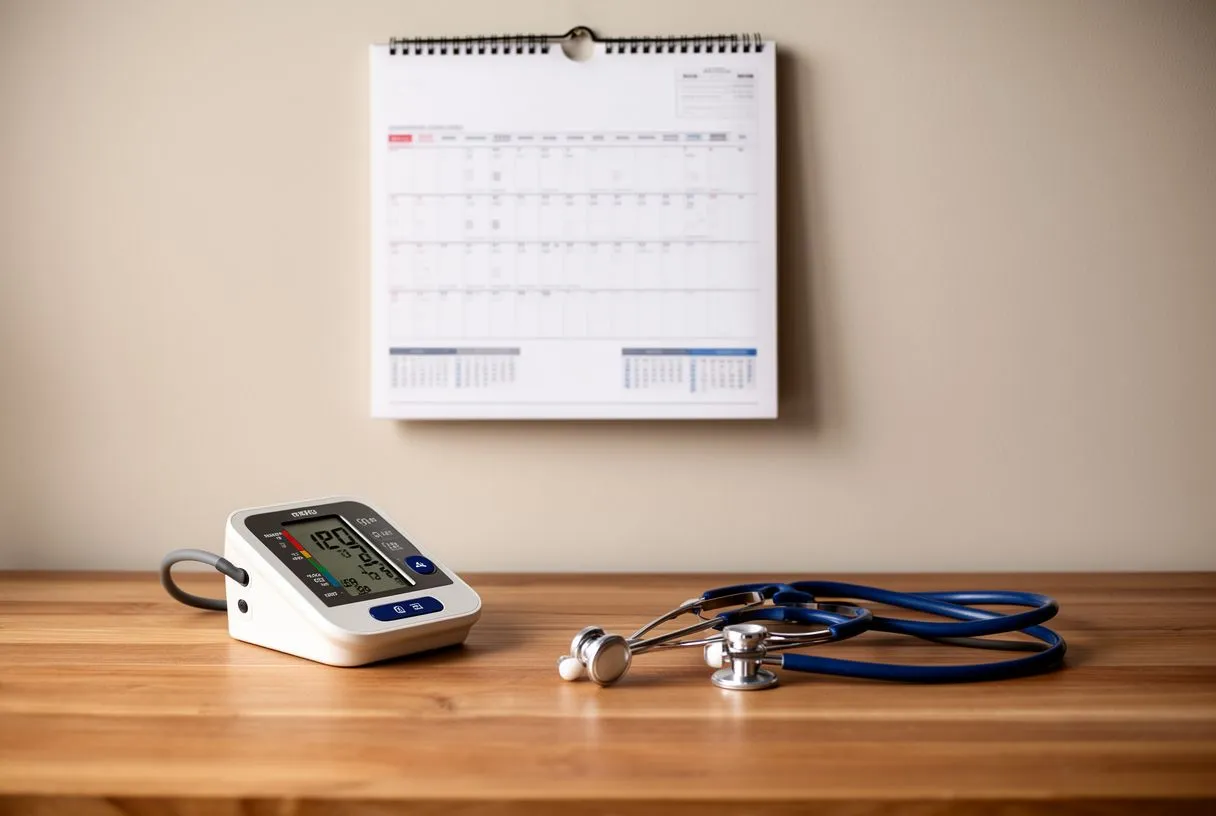
Each session usually begins with a check of blood pressure, heart rate, and sometimes a heart tracing (electrocardiogram) before exercise. You then move through a tailored routine — often a combination of walking, cycling, and gentle resistance work — while staff monitor your response. The intensity is deliberately controlled so that you are challenged but never strained. Education sessions woven between the exercise cover topics such as understanding your medications, reading food labels, recognising warning symptoms, and managing stress. This combination of physical and knowledge-building support is what makes rehabilitation so valuable.
One of the quiet benefits of joining a program is the company. Meeting other people who are also recovering normalises the experience and reduces the isolation that so often follows a heart attack. If a formal centre-based program is not accessible near you, ask your cardiologist about home-based options, which can be nearly as effective when followed with discipline and regular check-ins. The key is not to do it alone.
Post Heart Attack Exercise Guidelines
Exercise after a heart attack can feel intimidating, but it is one of the strongest medicines available to you — and it is free. The heart is a muscle, and like any muscle, it responds to gradual, repeated, appropriate load by becoming stronger and more efficient. The challenge is finding the right intensity: enough to build capacity, never so much that it causes strain or danger. This is exactly what cardiac rehabilitation helps you calibrate.
What exercise is safe after a heart attack: Walking is the foundation for nearly every patient. It is low-impact, easy to control, and requires no special equipment. Once cleared, many people add stationary cycling, swimming, or light gardening. A good rule of thumb is that you should be able to hold a conversation during the activity; if you cannot, slow down. Avoid heavy lifting, sudden bursts of intense effort, and exercising in extreme heat or cold, especially in the early months.
Signs you should stop and rest: Chest pain or pressure, unusual shortness of breath, dizziness, a rapid or irregular heartbeat, or extreme fatigue are signals to pause immediately and seek advice. Keeping a simple log of your daily walks — distance, time, how you felt — gives your cardiac team useful information at follow-up visits. Consistency matters far more than intensity; a short walk every day builds more durable fitness than an occasional long one that leaves you exhausted.

Heart Attack Recovery Diet Essentials
What you eat in the months after a myocardial infarction directly shapes how well your heart heals and how likely you are to avoid another event. The dietary principles are straightforward and well established: more vegetables, fruits, whole grains, legumes, and healthy fats; less saturated fat, refined sugar, and salt. This is sometimes called a Mediterranean-style pattern, and the evidence behind it is among the strongest in all of nutrition science. The goal is not perfection or deprivation but a sustainable way of eating that you can maintain for the rest of your life.
Practical changes matter more than rigid rules. Switching to olive oil for cooking, eating fish a couple of times a week, choosing whole-grain bread over white, adding a serving of vegetables to every meal, and limiting processed foods are small steps that compound. Sodium is a particular concern because excess salt raises blood pressure, which forces the heart to work harder. Reading labels and cooking at home more often gives you control that restaurant meals rarely allow.
Alcohol, if you drink, should be discussed with your cardiologist, as it can interact with several heart medications. Staying well hydrated is important, but sudden large fluid intakes are not necessary unless advised. If weight loss is part of your plan — and for many patients it is — aim for gradual, steady change rather than crash diets, which can stress the body and are rarely sustainable. A dietitian, if one is available through your rehabilitation program, can tailor these principles to your tastes, budget, and cultural preferences.
Medications After a Myocardial Infarction
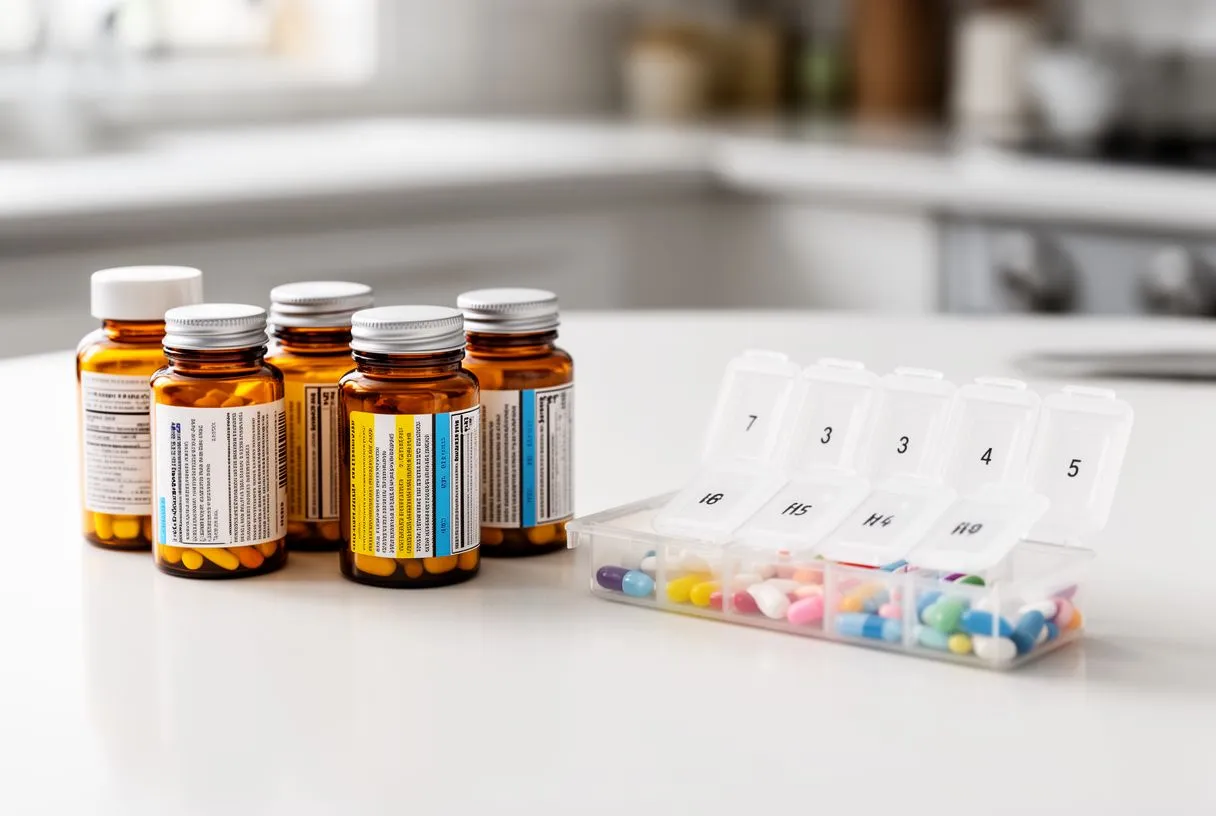
Medications are central to myocardial infarction recovery, and understanding why each one is prescribed helps you take them consistently and safely. Most patients leave hospital on several medicines that work together: one or two to prevent blood clots (often called antiplatelet therapy), a beta-blocker to ease the heart's workload, a statin to stabilise cholesterol and reduce inflammation in the artery walls, and sometimes an ACE inhibitor to protect the heart muscle and lower blood pressure. Each drug has a specific purpose, and stopping any of them without medical advice can undo much of the benefit.
Some patients also receive anticoagulants such as warfarin, or antiarrhythmics like Amiodarone, if there are specific rhythm concerns or additional clot risks. These medications require careful monitoring, usually through blood tests, to keep the dose in the safe and effective range. Anaemia can sometimes develop in the weeks after a major cardiac event, and your team will watch for it because it can worsen fatigue and strain the heart. Never adjust doses on your own, and always tell your pharmacist or doctor about every medicine and supplement you take, because interactions can be significant.
Vaccination is another part of protecting a recovering heart. Infections can place extra strain on the cardiovascular system, and staying current with recommended vaccines — including influenza and COVID-19 — is considered good practice for cardiac patients. Research on the safety and efficacy of the BNT162b2 mRNA COVID-19 vaccine supports its use broadly, including in adults with underlying conditions (Safety and Efficacy of the BNT162b2 mRNA Covid-19 Vaccine). If you have specific concerns, discuss them with your cardiologist before your appointment.
Post Heart Attack Anxiety and Emotional Recovery
The emotional aftermath of a heart attack is often larger than anyone expects. Fear, sadness, irritability, and a sense of fragility are extremely common, and they do not mean you are failing at recovery — they mean you are human. Many patients describe a persistent worry that every twinge is another attack, and this hypervigilance can interfere with sleep, relationships, and the willingness to exercise. Recognising these feelings as a normal part of the process is the first step toward managing them.
Cardiac rehabilitation programs increasingly include psychological support because emotional health and physical recovery are deeply linked. Simple practices such as daily walks, breathing exercises, talking openly with family, and joining a support group can ease anxiety substantially. If low mood or worry persists for more than a few weeks and begins to affect daily life, professional counselling or medication may be appropriate, and this is something to raise with your cardiac team rather than enduring silently.
Family members also need support and information. Loved ones often feel helpless or become overprotective, which can unintentionally slow a patient's confidence in returning to activity. Including a partner or close relative in rehabilitation sessions and follow-up appointments helps everyone understand the plan, ask questions, and share the journey. Healing is rarely a solo effort.
Myocardial Infarction Follow-Up Appointments
Follow-up visits are milestones in myocardial infarction recovery, and each one has a purpose. The first review usually happens within one to two weeks of discharge, then again at around four to six weeks, and then at intervals that your cardiologist determines based on your progress. These appointments are not just formalities; they are how your team confirms that the heart is healing, that medications are working without unwanted effects, and that your rehabilitation plan is on track.
What happens at a follow-up visit: Your cardiologist will ask about symptoms, energy levels, exercise tolerance, and any side effects from medications. Blood pressure and heart rate are checked, blood tests may be ordered to assess kidney function and cholesterol, and an electrocardiogram is often performed. At certain points, an annual echocardiogram — a painless ultrasound of the heart — may be recommended to see how well the heart muscle is pumping and whether the valves are working normally.
Come prepared with a short list of questions and your symptom or exercise log. If ankle swelling appears, if you notice new breathlessness, or if you experience side effects from medication, mention them even if they seem minor. Honest reporting helps your team fine-tune the plan. If a visit reveals something that needs closer attention — such as an abnormal rhythm, persistent fluid retention, or a concern about another artery — your cardiologist will explain the next steps clearly and at a pace you can absorb.

Warning Signs During Heart Attack Recovery
Most of recovery proceeds smoothly, but certain symptoms should never be ignored. Knowing the warning signs in advance means you can act quickly rather than second-guessing yourself in a moment of worry. This is not about living in fear; it is about being informed and prepared, which actually reduces anxiety. Comorbidities such as diabetes, kidney disease, or chronic lung problems can complicate recovery, and studies on risk factors for mortality in seriously ill patients underscore how important it is to manage these conditions alongside cardiac care (Clinical course and risk factors for mortality of adult inpatients with COVID-19 in Wuhan, China: a retrospective cohort study).
Call for emergency help immediately if you experience:
- Chest pain or pressure that lasts more than a few minutes, spreads to the arm, jaw, or back, or comes with sweating and nausea — treat this as a possible new heart attack and seek emergency care without delay.
- Sudden severe breathlessness, especially at rest or that wakes you from sleep — this may signal fluid building up around the lungs or heart.
- Fainting or a very fast, irregular heartbeat that does not settle — this could indicate a dangerous rhythm disturbance.
Less urgent but still important symptoms — such as mild swelling, increasing fatigue over several days, or a medication side effect — should be reported at your next follow-up or by phone to your cardiac team. When in doubt, call. No responsible cardiac professional will be annoyed by a patient who checks in; that is exactly what they want you to do.
Building Your Long-Term Cardiac Recovery Plan
The first months after a myocardial infarction are intense, but recovery does not end at three or six months — it becomes a way of life. The habits you build now, when motivation is fresh and support is close, become the foundation of decades of heart health. Think of long-term recovery as three intertwined strands: continuing the exercise and diet patterns you learned, staying consistent with medications and monitoring, and keeping regular contact with your cardiac team even when you feel well.
Over time, the intensity of follow-up usually decreases, but it never disappears entirely. Many patients continue an annual echocardiogram and blood tests to monitor cholesterol, kidney function, and blood pressure. Risk factors such as high blood pressure, diabetes, and smoking must be managed aggressively, because they are the same forces that caused the first heart attack. All-cause mortality — the overall risk of death from any cause — is significantly lower in patients who stick with their long-term cardiac plan compared with those who drift away from it.
Perhaps the most important message is this: a myocardial infarction is not the end of an active life. With the right combination of medication, movement, nutrition, and monitoring, most people return to work, family, travel, and the activities they love — often with a deeper appreciation for them. The team at Cirugía de Corazón, serving patients in Guadalajara, Querétaro, and Hermosillo, is here to guide you through every stage. Rather than self-diagnosing or relying on general information alone, we encourage you to discuss your individual situation with a qualified cardiac specialist and to book a consultation so that your recovery plan is built around you.