


Stress and the Heart: How Chronic Stress Affects Your Heart
Chronic stress and the heart are closely linked.
Chronic Stress and the Heart: How Are They Linked?
Chronic stress is not simply a feeling of being overwhelmed or overworked — it is a sustained biological response that keeps your body's alarm system permanently switched on. When you face a short-term threat, your nervous system releases adrenaline and cortisol, your heart rate rises, and your blood vessels constrict. Once the threat passes, these hormone levels return to baseline. But when pressure continues for weeks or months — financial strain, a demanding job, family illness, or unresolved anxiety — your cardiovascular system never receives the signal to stand down. Over time, that constant activation physically alters the heart and blood vessels in ways that accumulate silently and without obvious symptoms until damage is well underway. This guide explains the link between chronic stress and the heart, and what you can do about it.
What happens inside the body during prolonged stress: The sympathetic nervous system, which governs the fight-or-flight response, remains persistently engaged. Cortisol — the primary stress hormone — stays elevated, promoting low-grade inflammation throughout the arterial walls and making platelets more likely to clump together. The adrenal glands keep pumping catecholamines, chemicals that force the heart to beat harder and faster even when you are sitting still or trying to sleep. This is not a psychological phenomenon alone; it is a measurable physiological shift that cardiologists can detect through blood pressure changes, heart rate variability, and inflammatory markers.
Why the heart bears the brunt of sustained stress: The cardiovascular system is the main delivery route for these stress hormones. Every surge of adrenaline passes through the atrium — the upper receiving chamber of the heart — before the ventricles pump blood onward to the body. Repeated, prolonged exposure to catecholamines can stiffen arterial walls, raise resting blood pressure, and create an environment where atheromatous plaque — fatty deposits within the artery lining — grows faster and becomes more prone to rupture. Understanding this mechanism is the first step toward protecting your heart from the invisible damage of chronic stress.
Can Stress Cause a Heart Attack?
The short answer is yes — chronic stress can directly contribute to a heart attack, though it rarely acts alone. Stress does not simply create a single dramatic event; rather, it accelerates the underlying disease process that narrows arteries and makes plaque unstable. When a person with existing coronary artery disease experiences a surge of stress hormones, the sudden spike in blood pressure can crack the fibrous cap of an atheromatous plaque. That rupture exposes the fatty core to the bloodstream, triggering clot formation that can block the artery entirely — the classic mechanism of a myocardial infarction, or heart attack. According to Stanford Health Care, chronic stress is recognised as an independent risk factor for cardiovascular events, alongside smoking, diabetes, and high cholesterol.
How stress interacts with other risk factors: Stress amplifies every other cardiac risk factor you carry. It raises blood pressure, increases insulin resistance, promotes weight gain around the abdomen, and can drive unhealthy coping behaviours like smoking, excessive alcohol intake, or poor diet. Patients under sustained stress also tend to have higher levels of apolipoprotein B, a protein that carries harmful cholesterol particles and is now considered a more precise marker of cardiovascular risk than total LDL alone. The combination means that a stressed individual with even moderate cholesterol levels may face the same risk as a calm individual with significantly higher numbers.
The acute stress trigger versus long-term risk: Cardiologists distinguish between two pathways. The first is chronic exposure — months or years of elevated cortisol and adrenaline that gradually remodel the heart muscle and thicken arterial walls. The second is the acute trigger — a sudden emotional shock, an episode of intense anger, or a catastrophic life event that produces a massive catecholamine surge capable of provoking a heart attack in someone who may already have silent, undiagnosed coronary disease. Both pathways matter, and both underscore why managing stress is not a lifestyle luxury but a clinical necessity for heart health.
Stress Heart Palpitations: When to Worry
Palpitations — the sensation that your heart is racing, pounding, fluttering, or skipping beats — are among the most common stress-related cardiac symptoms that bring patients to a cardiologist. During periods of acute anxiety, the adrenaline surge speeds up the sinoatrial node, the heart's natural pacemaker, producing a rapid but usually regular heartbeat. This is called sinus tachycardia, and while it feels alarming, it is typically benign once the stressor resolves. However, chronic stress can also lower the threshold for arrhythmias, meaning the heart becomes more susceptible to rhythm disturbances even from modest emotional triggers.
When palpitations signal something more serious: Sustained stress can provoke atrial flutter, a rapid, organised rhythm disturbance originating in the upper chambers. Unlike simple sinus tachycardia, atral flutter involves an abnormal electrical circuit that can sustain heart rates of 150 beats per minute or more for hours. This rhythm does not always resolve on its own and may require medical intervention, including medication or a procedure called catheter ablation. If palpitations are accompanied by dizziness, chest discomfort, shortness of breath, or fainting, they should be evaluated urgently rather than attributed to stress alone.
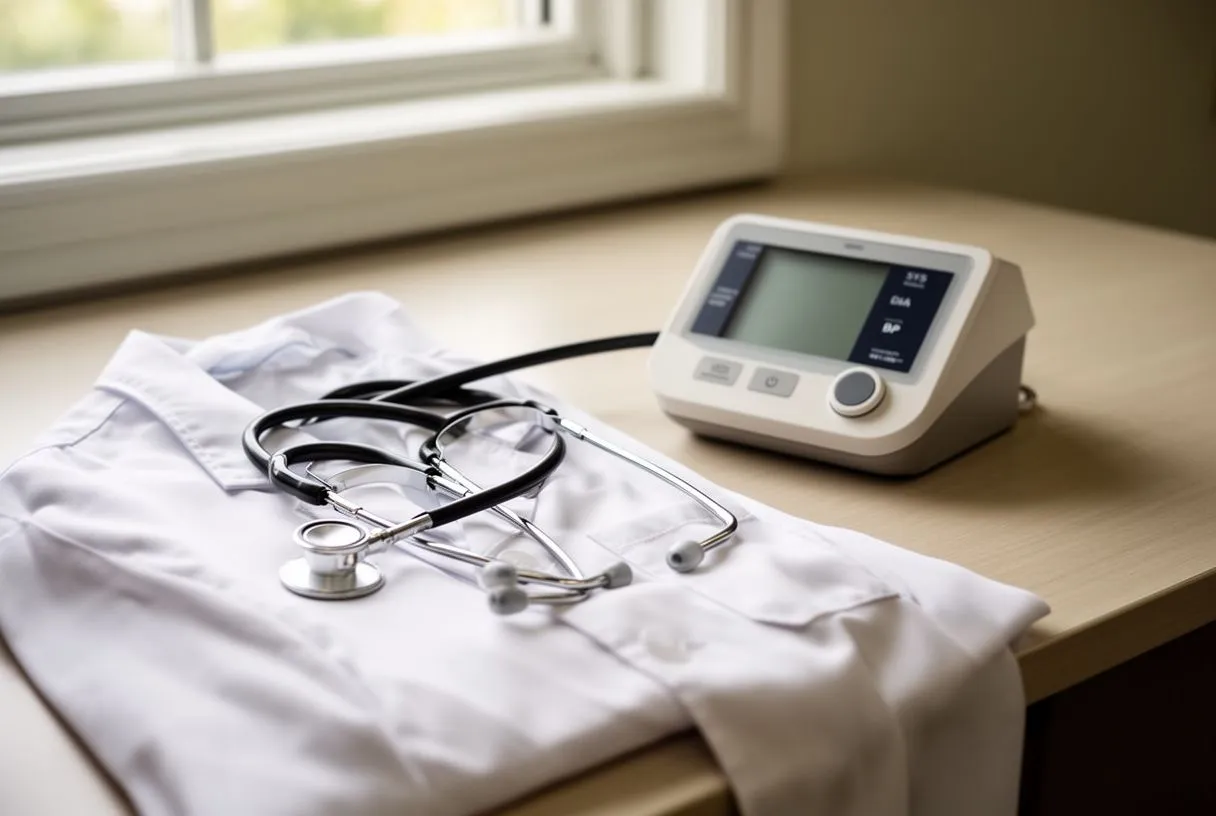
The practical challenge for patients is that stress palpitations and cardiac arrhythmias produce nearly identical sensations. A Holter monitor — a wearable device that records the heart's electrical activity for 24 to 48 hours — can capture the rhythm during an episode and determine whether the palpitations are benign stress-related tachycardia or a genuine arrhythmia requiring treatment. This distinction matters because untreated atrial flutter can lead to stroke, heart failure, or cardiomyopathy over time. Never assume that palpitations are "just stress" without confirming it through proper cardiac evaluation.
How Stress Hypertension Develops Over Time
Blood pressure naturally rises during acute stress — this is a normal physiological response designed to prepare the body for action. The problem emerges when stress becomes chronic, and those temporary spikes begin to leave a permanent imprint. Repeated surges of adrenaline and cortisol cause blood vessels to constrict more frequently and for longer durations, and the vessel walls gradually thicken and stiffen in response. Over months and years, this vascular remodelling drives resting blood pressure upward, creating stress-induced hypertension that persists even on calm days. Unlike essential hypertension, which develops slowly and often without an identifiable trigger, stress hypertension has a clear mechanistic origin that can be addressed through both stress management and medical therapy.
Several overlapping mechanisms drive the progression from episodic stress spikes to sustained hypertension:
- Sympathetic overdrive: The nervous system stays locked in fight-or-flight mode, continuously signalling blood vessels to constrict.
- Cortisol-mediated sodium retention: Elevated cortisol causes the kidneys to retain more sodium and water, increasing blood volume and pressure.
- Endothelial dysfunction: The inner lining of blood vessels loses its ability to dilate properly, making arteries less responsive to natural relaxants.
- Baroreceptor resetting: The body's pressure-sensing mechanisms recalibrate upward, accepting higher blood pressure as the new normal.
Left untreated, stress hypertension accelerates every form of cardiovascular disease. It forces the left ventricle to pump against higher resistance, causing the heart muscle to thicken — a condition called left ventricular hypertrophy that increases the risk of heart failure, arrhythmia, and sudden cardiac death. It also damages the delicate vessels in the brain and kidneys, contributing to stroke risk and chronic kidney disease. The good news is that stress hypertension often responds well to a combination of lifestyle modification, stress reduction techniques, and appropriately selected antihypertensive medication, especially when addressed early before irreversible vascular remodelling has occurred.
Cortisol and Heart Damage: Understanding the Connection
Cortisol is often called the stress hormone, but that label understates its complexity. Produced by the adrenal glands, cortisol is essential for life — it regulates metabolism, reduces inflammation, and helps the body respond to acute threats. The problem arises when cortisol remains elevated for extended periods, as it does during chronic stress. Persistently high cortisol levels promote insulin resistance, central obesity, and dyslipidemia — a triad sometimes called metabolic syndrome — that substantially increases cardiovascular risk. Cortisol also directly affects cardiac tissue, promoting fibrosis (stiffening of the heart muscle) and reducing the heart's ability to relax between beats, which can eventually lead to diastolic dysfunction and heart failure with preserved ejection fraction.
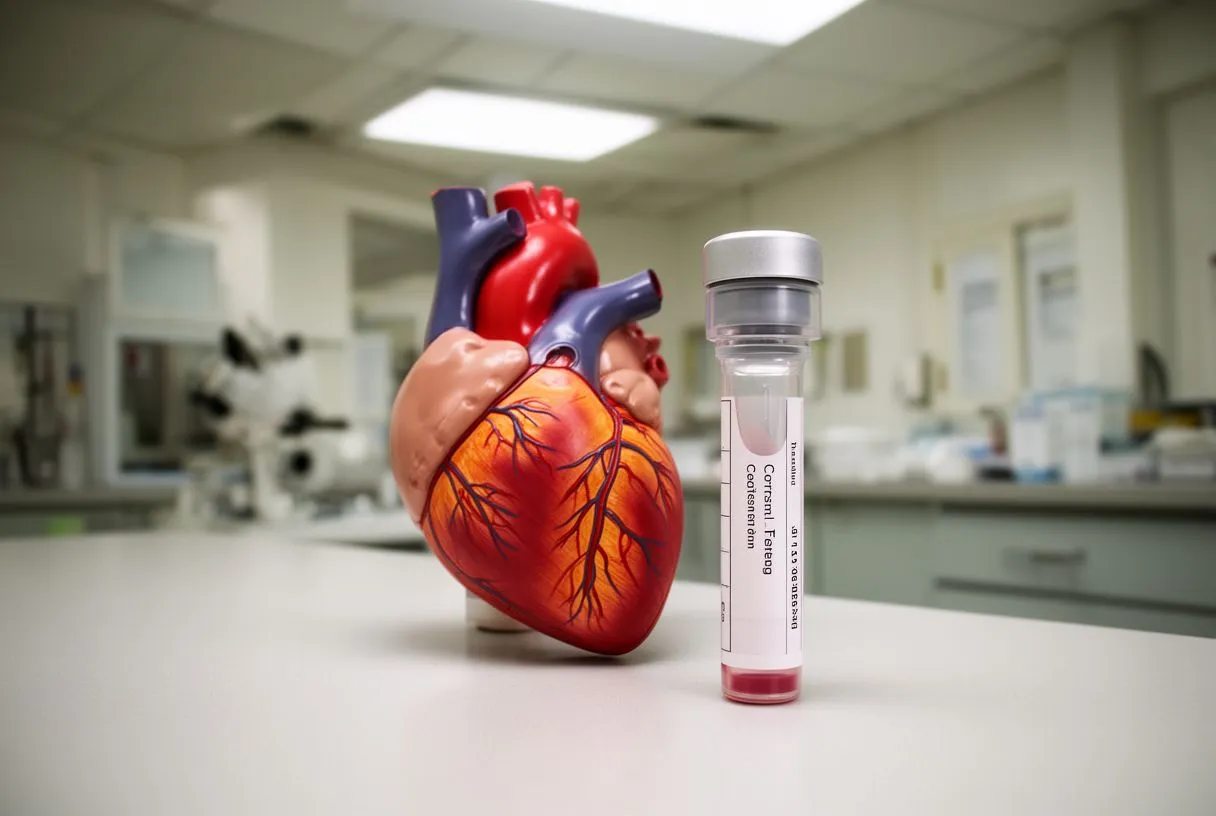
The vascular dimension of cortisol damage: Elevated cortisol accelerates the development of atherosclerosis by promoting inflammation within the arterial walls and increasing the number of small, dense LDL particles that penetrate the endothelium. Research on surgical outcomes for aortic disease — including a recent study on supra-renal versus infra-renal clamping in aortic aneurysm repair — highlights how vascular damage accumulates differently depending on the segment of the aorta and the stress placed upon it, with implications for both surgical planning and long-term cardiovascular health. Chronic cortisol exposure may contribute to the weakening of the aortic wall that precedes aneurysm formation, though this connection remains an area of active investigation.
Laboratory markers that reflect cortisol-related cardiac risk: Cardiologists increasingly look beyond standard cholesterol panels when evaluating patients with chronic stress. Elevated apolipoprotein B levels indicate a higher burden of atherogenic particles, while high-sensitivity C-reactive protein (hs-CRP) reveals the systemic inflammation that cortisol sustains. Fasting insulin and HbA1c help detect the insulin resistance that cortisol promotes. These markers, taken together, paint a more complete picture of stress-related cardiovascular risk than any single value, and they give clinicians a way to monitor whether stress management and treatment are actually reversing the underlying damage rather than merely addressing symptoms.
Stress-Related Chest Pain: What It Really Means
Chest pain related to stress is one of the most confusing symptoms a patient can experience, because it can mimic a heart attack almost perfectly while having a completely different origin. Stress-induced chest pain often arises from tension in the muscles of the chest wall, oesophageal spasms triggered by anxiety, or microvascular angina — a condition where the small blood vessels of the heart do not dilate properly, producing genuine cardiac pain without major artery blockage. The pain can be sharp, aching, or pressure-like, and it may last for minutes or hours. Because the sensation is real and frightening, many patients present to emergency departments repeatedly before the non-cardiac origin is identified.
Distinguishing cardiac from non-cardiac chest pain: True cardiac pain — from coronary artery blockage — typically presents as a pressure or squeezing sensation in the centre of the chest, often radiating to the left arm, jaw, or back. It is usually provoked by physical exertion and relieved by rest. Stress-related chest pain, by contrast, may occur at rest, during emotional episodes, or without any identifiable trigger, and it often does not follow a predictable exertion pattern. However, microvascular angina blurs these distinctions because it produces authentic cardiac pain triggered by stress hormones rather than by exertion, making it impossible to differentiate from obstructive coronary disease without specialised testing such as coronary flow reserve assessment or cardiac MRI.
The critical message is this: never dismiss chest pain as "just stress" without a proper evaluation. Stress and heart disease coexist far more often than they substitute for one another. A patient with chronic stress who develops chest pain may have both — stress-related muscle tension and underlying coronary disease feeding each other. The safest approach is to treat every new chest pain symptom as potentially cardiac until proven otherwise through electrocardiography, blood troponin testing, and functional imaging. Only after a thorough cardiac evaluation rules out obstructive disease should stress-related mechanisms be pursued as the primary explanation.
Workplace Stress and Heart Disease Risk
The modern workplace is a primary engine of chronic stress, and its cardiovascular consequences are now well-documented in large-scale epidemiological research. Job strain — defined as high demands paired with low control over how work is performed — has been consistently associated with increased rates of coronary heart disease, hypertension, and atrial fibrillation. The effect is not trivial: studies tracking tens of thousands of workers over decades show that individuals in high-strain jobs face roughly 20 to 40 percent higher cardiovascular event rates than those in low-strain roles, even after controlling for conventional risk factors like smoking, diet, and family history.
What makes workplace stress uniquely cardiotoxic: Unlike acute stressors that come and go, workplace stress is relentless and inescapable. It begins on Monday morning and persists through Friday evening, year after year, with the autonomic nervous system never fully disengaging. The combination of long hours, limited autonomy, job insecurity, and work-family conflict produces a sustained cortisol load that drives inflammation, endothelial dysfunction, and behavioural changes — poor sleep, inadequate exercise, irregular meals — that compound the direct physiological damage. Workers under prolonged strain also show accelerated progression of carotid artery thickness, a surrogate marker for atherosclerosis that predicts future heart attacks and strokes.

Addressing workplace stress requires a dual approach. On the individual level, strategies include setting firm boundaries between work and personal time, prioritising sleep, engaging in regular physical activity, and seeking professional support when stress symptoms begin to interfere with daily functioning. On the organisational level, restructuring jobs to give employees more autonomy, managing workload expectations, and creating psychologically safe environments can reduce cardiovascular risk at a population level. For patients already experiencing cardiac symptoms, however, the priority is clear: undergo a thorough cardiac evaluation first, then implement stress management strategies in parallel with any medical treatment that is prescribed.
Stress Cardiomyopathy: Broken Heart Syndrome Explained
Takotsubo cardiomyopathy, commonly known as broken heart syndrome, is perhaps the most dramatic illustration of how profoundly stress can affect the heart. First described in Japan in 1990, this condition occurs when a surge of catecholamines — typically triggered by intense emotional or physical stress — stuns the left ventricle, causing the apex of the heart to balloon outward while the base contracts normally. The result is a heart that resembles a Japanese octopus trap (takotsubo), hence the name. Patients present with chest pain, shortness of breath, and ECG changes that look indistinguishable from a heart attack, yet coronary angiography reveals no significant blockage. The heart muscle is simply overwhelmed by stress hormones.
Who is at risk and what triggers it: Takotsubo overwhelmingly affects postmenopausal women, though it can occur in men and younger individuals. Triggers range from grief and panic attacks to acute medical illness, surgery, and even surprisingly positive emotional events. Research into the genetic susceptibility of stress-related cardiovascular conditions — including studies identifying HIF1A and HGF as hub genes in aortic dissection — suggests that some individuals carry genetic variants that make their cardiovascular tissue more vulnerable to catecholamine surges, which may partly explain why only some people develop stress cardiomyopathy after a triggering event. This is an evolving area of research, and clinical application of genetic findings is not yet standard practice.
Treatment of stress cardiomyopathy focuses on supportive care during the acute phase and preventing recurrence. Most patients recover fully within weeks to months, with heart function returning to normal as the catecholamine effect resolves. However, complications can occur during the acute episode, including heart failure, arrhythmias, and rarely ventricular rupture. Beta-blockers and ACE inhibitors are commonly prescribed during recovery, and management of underlying stress and anxiety is essential to reduce the risk of recurrence, which is estimated at around 5 to 10 percent over several years. Patients who have experienced Takotsubo should remain under cardiology follow-up, as the long-term cardiovascular prognosis, while generally favourable, requires ongoing monitoring.
Reduce Stress to Improve Heart Health
Reducing chronic stress is one of the most powerful — and most overlooked — interventions for cardiovascular health. Unlike medications, which target a single pathway, effective stress management addresses multiple risk factors simultaneously: it lowers blood pressure, reduces systemic inflammation, improves insulin sensitivity, restores healthy sleep, and decreases the sympathetic nervous system's dominance. The evidence base for stress reduction in cardiology has grown substantially, and stress management is now included in the guidelines of major cardiovascular societies as an adjunct to conventional medical therapy. For patients with established heart disease or significant risk factors, stress management is not a complement to treatment — it is an integral component of it.

Evidence-based approaches that genuinely move the needle: Not all stress management techniques produce equal cardiovascular benefit, and some that feel soothing may not produce measurable physiological change. The interventions with the strongest evidence in cardiology are those that directly influence autonomic nervous system balance — shifting the body from sympathetic dominance toward parasympathetic recovery. These approaches have been shown to lower blood pressure, reduce arrhythmia frequency, and improve heart rate variability, a marker of cardiac autonomic health. The key is consistency: brief daily practice produces better results than occasional longer sessions, and benefits compound over weeks and months rather than appearing after a single session.
- Structured breathing exercises: Slow, deep diaphragmatic breathing at 5 to 6 breaths per minute activates the vagus nerve and has been shown to lower blood pressure acutely and chronically.
- Aerobic exercise: Moderate exercise — 150 minutes per week — reduces cortisol levels, improves endothelial function, and is one of the most effective stress buffers available.
- Sleep optimisation: Seven to eight hours of quality sleep is non-negotiable for cardiovascular recovery; chronic sleep deprivation keeps cortisol elevated and the sympathetic system engaged.
- Professional psychological support: Cognitive behavioural therapy (CBT) has demonstrated cardiovascular benefit in randomised trials, reducing both stress markers and clinical events.
Stress Heart Checkup: When to See a Cardiologist
If you have been living with chronic stress for months or years — whether from work, family circumstances, financial pressure, or health anxiety — and you have never had a cardiac evaluation, you may be carrying more risk than you realise. Stress damage accumulates silently, and many patients first learn of hypertension, arrhythmia, or coronary disease only after a symptom forces them to seek care. A proactive cardiac evaluation does not mean you are ill; it means you are taking control of your cardiovascular health before a crisis dictates the timeline. This is especially important for patients over 40, those with a family history of heart disease, and anyone whose stress is accompanied by palpitations, chest discomfort, or blood pressure readings above 130/80 mmHg.
What a comprehensive stress-focused cardiac evaluation includes: A thorough assessment goes beyond a routine checkup. It begins with auscultation — the cardiologist listening to your heart with a stethoscope for murmurs, gallops, or irregular rhythms — and typically includes a 12-lead ECG to screen for structural and electrical abnormalities. Depending on your risk profile, the evaluation may extend to echocardiography to assess heart muscle function, ambulatory blood pressure monitoring to capture stress-related spikes during daily life, and laboratory testing for inflammatory and metabolic markers that chronic stress elevates. If significant risk factors are present, your cardiologist may recommend a stress test or coronary calcium scan to evaluate for silent atherosclerosis.
If you are experiencing symptoms that worry you — palpitations, chest pain, breathlessness, or blood pressure that seems to spike during stressful periods — the most important step you can take is to schedule a consultation with a qualified cardiac team. Self-diagnosis is never appropriate when the heart is involved, and the reassurance that comes from a proper evaluation is itself a powerful stress reducer. Dr Alejandro Molina and the team at Cirugía de Corazón see patients in Guadalajara, Querétaro, and Hermosillo, and the first contact is a free video consultation. Do not wait for symptoms to worsen — book a consultation, discuss your concerns openly, and let an experienced cardiologist help you determine the safest path forward for your heart.






