Temporary Pacing Wires After Heart Surgery
Temporary pacing wires removal is a quick step after heart surgery.
Temporary pacing wires removal is one of the final small steps of heart surgery, and it often raises more questions than the operation itself. If you or a family member has just come through open-heart surgery — a valve repair, a coronary bypass, or a TAVR procedure — you may have noticed one or two thin wires coming out of the skin below the breastbone. These are temporary pacing wires, and they are placed deliberately during surgery as a safety measure. They are not part of your heart permanently, and they are not a pacemaker. This guide explains what they are, why they are there, what removal involves, and what to expect in the days afterwards.
What Is a Temporary Pacing Wire?
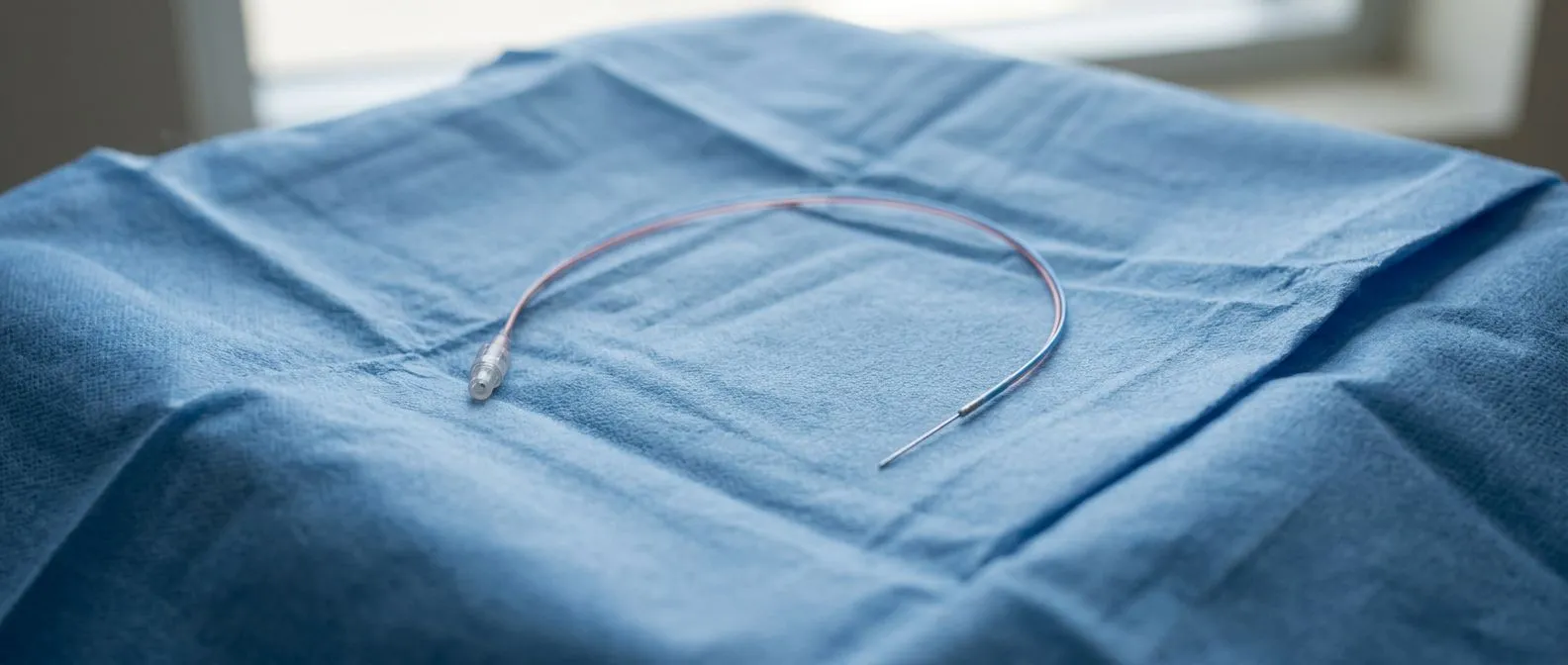
A temporary pacing wire is a thin, insulated metal wire, usually less than a millimetre thick, with a bare tip that touches the surface of the heart. Surgeons attach it to the outside of the heart muscle during the operation and bring the other end out through the skin below the chest incision. The wire is connected to a small external pacing box that can deliver a gentle electrical impulse if your heart's natural rhythm slows down or becomes unreliable.
It is important to understand what these wires are not. They are not the sternal wires that hold your breastbone together — those are heavier steel cables placed in the middle of the chest. They are also not a permanent pacemaker, which sits under the skin and stays with you for years. Temporary wires have one job: to bridge the first few days after surgery, when the heart's own electrical system may be tired.
Because the wires are temporary by design, they are easy to remove. Nothing is implanted inside the heart. The wire simply slides out once the heart has shown it can hold its own rhythm reliably.
Why Are Temporary Pacing Wires Placed After Heart Surgery?
A safety net, not a treatment. Any operation on the heart — including temporary epicardial pacing wires after cardiac surgery — is planned knowing that the heart's electrical system can be temporarily sluggish. Handling the heart, cooling it during surgery, and the effects of anaesthesia can all slow the natural rhythm for a few days. In most patients the rhythm recovers on its own, but if it does not, the wires allow immediate pacing without any new procedure.
Who needs them most. Patients who have surgery near the heart's electrical system, such as aortic valve surgery, tricuspid valve surgery, or certain congenital repairs, are more likely to need temporary pacing. Slower heart rhythms after surgery are also more common in older patients and in those taking medications such as beta-blockers. The wires are a routine part of the operation rather than a sign that something went wrong.
Peace of mind in the ICU. In the first 48 to 72 hours after surgery, the intensive care unit monitors your heart rhythm continuously. If the heart rate drops below a safe threshold, the pacing box can take over in seconds. Many patients never notice this happening at all.
How Do Temporary Pacing Wires Work?
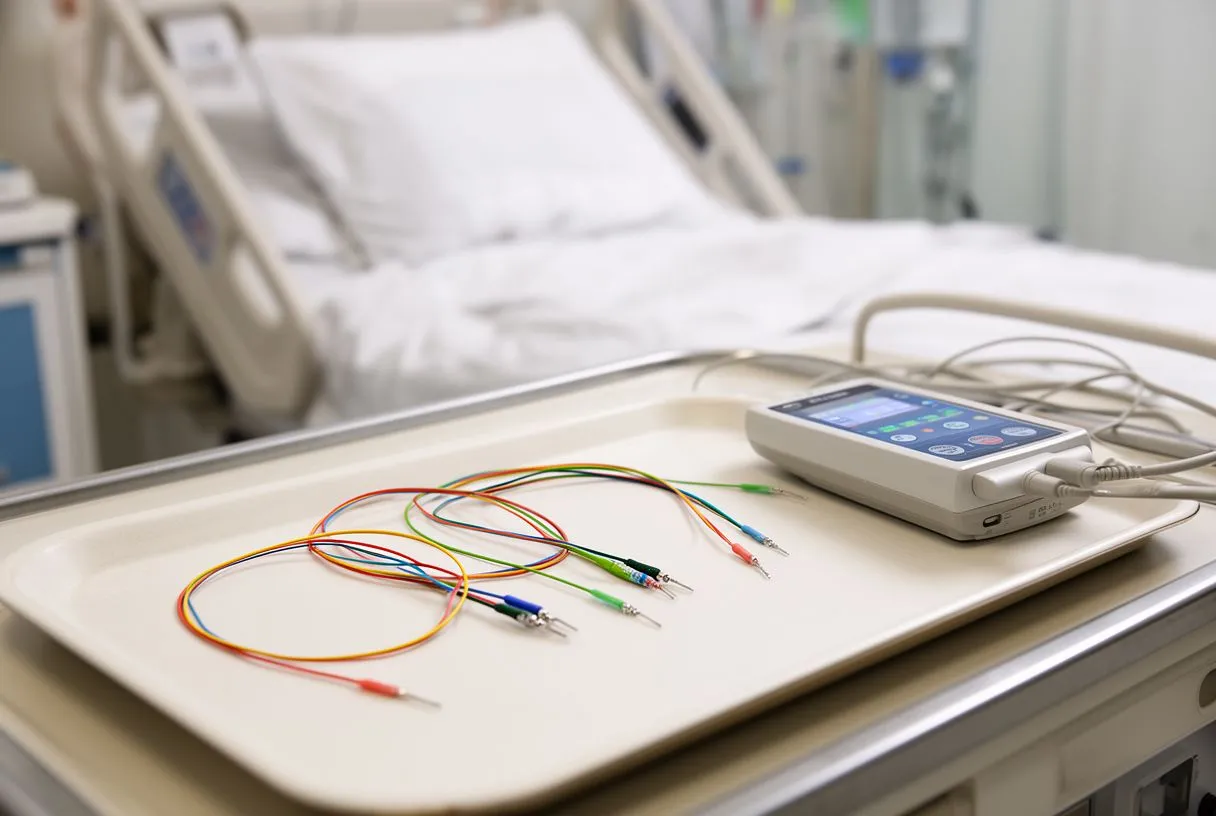
The wires are attached to the outside surface of the heart — that is what the word epicardial means, "on the heart's surface". The external box sends a tiny electrical pulse down a wire, which the heart muscle responds to with a contraction. The box can be set to pace automatically if the heart rate falls below a chosen number, or it can be switched on only when needed.
Two wires are usually placed — one positive and one negative — so that the electrical current can travel between them. If one wire stops working, the team can often switch to a different combination. The wires also serve a second purpose: they can record the heart's electrical signals from the surface, which helps the team understand why the rhythm is slow.
Once the heart is beating steadily at its own rate for a day or two, the pacing box is simply disconnected. The wires stay in place harmlessly until the team decides the right moment to remove them.
Transcutaneous vs Transvenous Pacing: What Are the Key Differences?
Two other ways to pace the heart. When people ask about the key differences between transcutaneous and transvenous pacing, the answer comes down to where the electrical impulse enters the body. Transcutaneous pacing uses large adhesive pads on the chest wall — the same type of pads used during resuscitation — and pushes the impulse through the skin from outside. It is fast and requires no procedure, but it can be uncomfortable and is meant for short emergencies.
Transvenous pacing uses a thin wire threaded through a vein, usually in the neck or groin, until it reaches inside the heart. It is more reliable than pads on the chest and is used when a patient needs pacing support for days or weeks without having surgical wires in place. It does carry a small risk of infection along the vein, so it is monitored closely.
For most patients coming out of heart surgery, the epicardial wires are the preferred option because they are already in place, are not inside the bloodstream, and are easy to remove. The other methods are the fallback if the wires fail or if the team did not place them.
When Are Temporary Pacing Wires Removed?
There is no single fixed date. The question of when are temporary pacing wires removed is answered one patient at a time. The usual window is between two and seven days after surgery, once the heart rhythm has been reliably stable for at least 24 hours without needing the pacing box. If the heart still needs pacing support, the wires stay in until the rhythm recovers — that is the whole point of them.
What the team checks first. Before removing the wires, the team looks at a few things: the heart rate, the rhythm strips recorded on the monitors, and whether the pacing box has been needed recently. The general rule is simple — the wires come out when the heart has proven it can manage on its own.
In our practice, every case like this is reviewed by the whole multidisciplinary team against international practice guidelines before we decide when to remove the wires, and we explain the timing to the patient in plain words so there are no surprises.
How long do temporary pacing wires stay in? The most common answer to how long do temporary pacing wires stay in is a few days, but occasionally they remain for a week or more if the heart needs time. Leaving them in place longer carries no penalty while the heart recovers; the decision is always based on the rhythm, not on the calendar.
Temporary Pacing Wires Removal Procedure: Step by Step
Removing temporary epicardial pacing wires is one of the least dramatic procedures in cardiac care. It is usually done at the bedside, without an operating theatre and without general anaesthesia. Here is what the temporary pacing wires removal procedure typically involves:
- Preparation: the nurse cleans the skin around the wires and you are positioned comfortably, usually sitting up or lying back slightly.
- Pacing checked off: the team confirms the pacing box is disconnected and the heart rhythm is being watched on the monitor throughout.
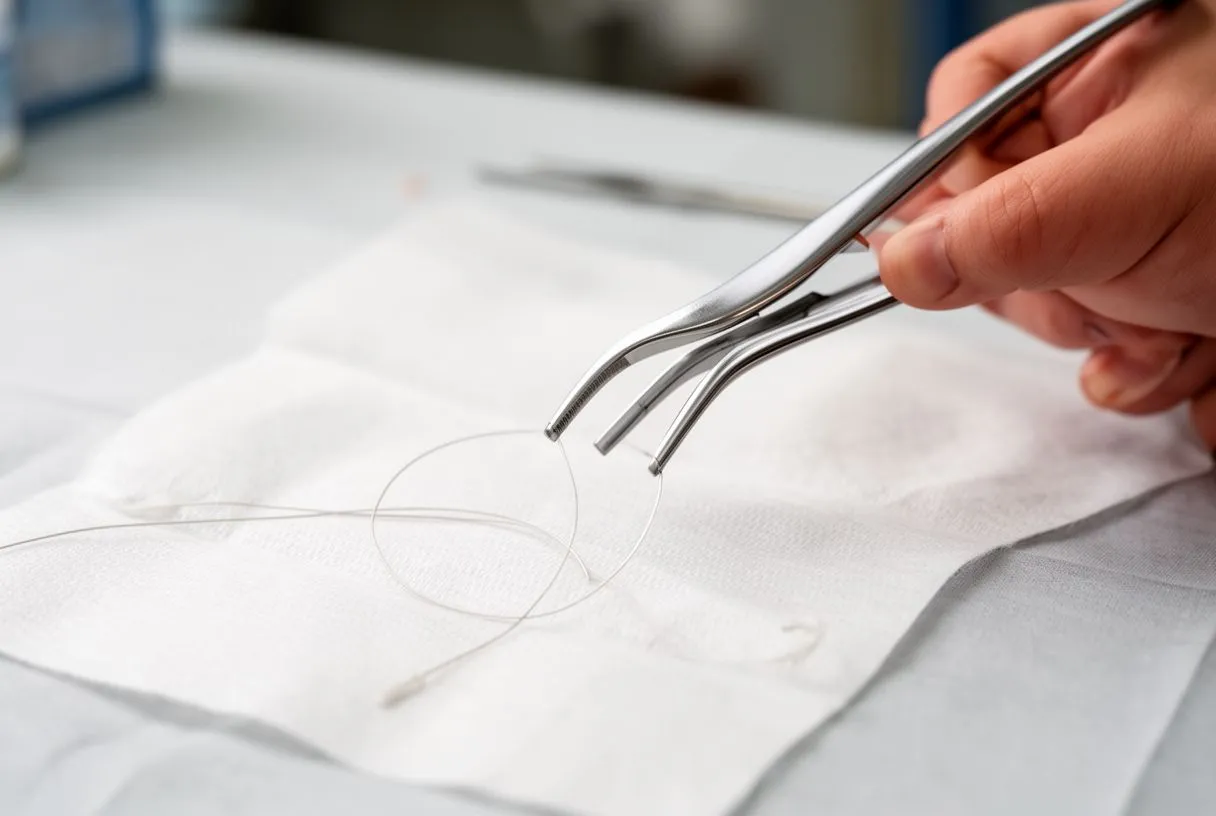
- Gentle traction: each wire is pulled steadily and gently at the skin. The heart's surface has been holding the wire only by its tip, and the wire slides out in a few seconds.
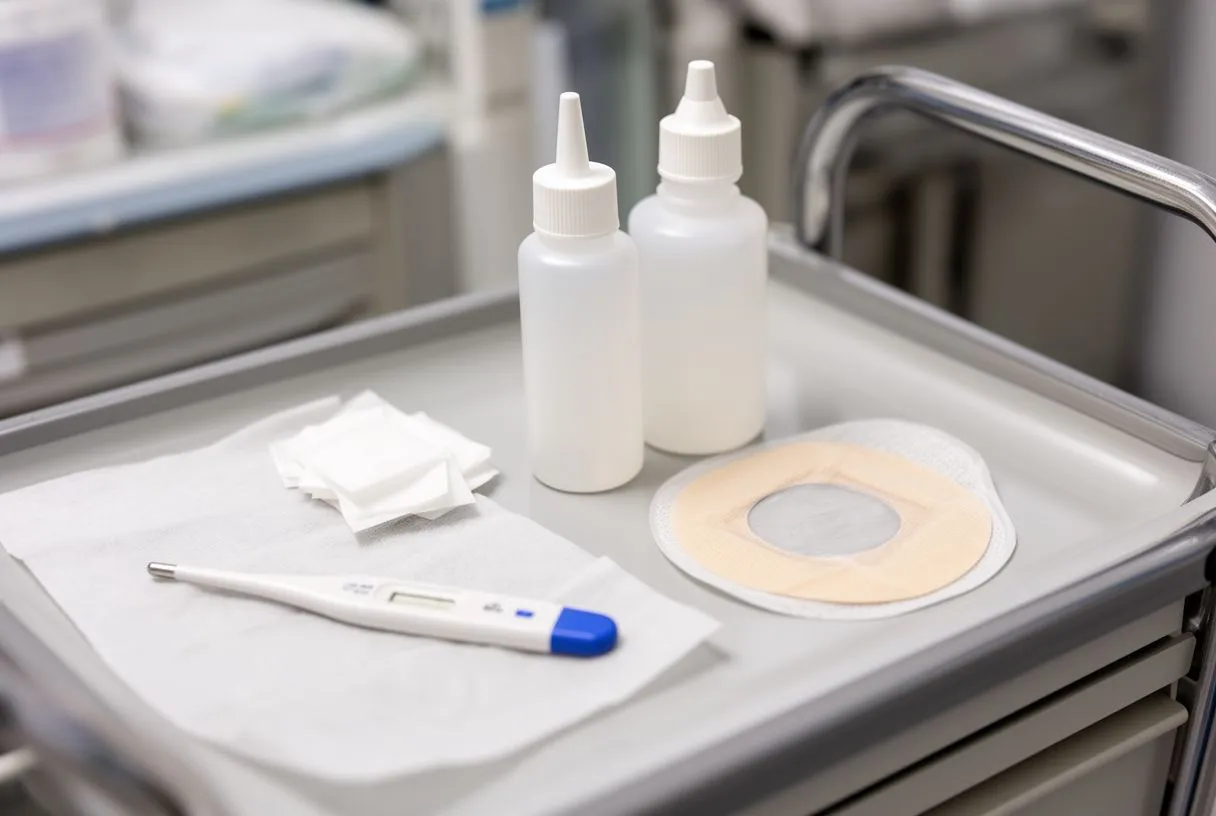
- Aftercare: a small dressing or plaster is placed over the site. The wires are counted and checked to make sure they came out whole.
Some patients may be asked to stop taking a blood-thinning medication for a short time beforehand, depending on the dose and the day of recovery — the team will tell you exactly what is needed. The whole procedure usually takes less than fifteen minutes.
Does Temporary Pacing Wires Removal Hurt?
This is the question patients ask most often, and the honest answer is: most people feel pressure or a brief tug, not sharp pain. The wires are not anchored to the breastbone or to the ribs — they are held only by the heart's surface, which has no sensation of pain in the same way skin does. The skin at the exit site is the sensitive part, and the pull usually lasts a couple of seconds.
We find that patients who know exactly what the sensation will feel like — a firm tug rather than a sting — tolerate the removal very well, and we never rush the moment.
Some hospitals apply a small amount of local anaesthetic under the skin at the exit site before removal. Others find that removing the wires quickly and smoothly is enough. If you are nervous about it, ask your team what their approach is. There is no reason to endure unnecessary discomfort.
After the wires are out, the site may feel slightly tender for a day or two. That is normal and settles quickly. If pain at the site increases rather than decreases, that is worth mentioning to your team.
What Does Recovery After Temporary Pacing Wires Removal Look Like?
Recovery after temporary pacing wires removal is straightforward for most patients. The small skin openings at the wire sites usually close within a few days and heal completely within one to two weeks. A small dressing protects the sites for the first day or two, after which the skin can be kept clean and dry.
Can you shower with pacing wires in? While the wires are still in place, most teams prefer you to keep the exit sites dry and avoid soaking them — a quick shower with the sites protected is usually acceptable, but baths and swimming are not. Ask your team for their specific instruction. Once the wires are out, the sites can usually be washed normally once they have sealed.
Same-day steps, no hospital stay. In many cases, temporary pacing wires removal is the last hurdle before going home. In some patients it can even be part of a temporary pacing wires removal same day discharge, when the rhythm is stable, the wound is healing, and the team is satisfied. The wires themselves almost never delay your recovery — they leave when the heart is ready.
Once the sites are healed, there is nothing to look after: no stitches to remove, no equipment to carry, and usually nothing visible at all beyond a tiny mark.
What Complications Can Occur, and What Are the Signs of Infection After Pacing Wires Removal?
Complications are uncommon. The main risks of temporary pacing wires removal are minor: a little bleeding at the site, a small skin infection, or a broken wire that leaves a fragment under the skin. If a wire does break during removal, the fragment is usually harmless — but it needs to be documented, and the team will decide whether any imaging or intervention is needed. Most fragments stay in place quietly and never cause a problem.
Watch for these warning signs. Knowing the signs of infection after pacing wires removal helps you catch problems early. Contact your team if you notice any of the following:
- Redness, warmth, or swelling at the wire exit site that increases rather than settles over the first days.
- Drainage or pus from the site, or any fluid that is not a small clear or blood-tinged spot.
- Fever or chills in the days after removal, which should always be reported after any heart surgery.
If wires are left in by mistake. People sometimes ask what happens if temporary pacing wires are left in. If the team keeps them in place for an extended period, the main risks are skin irritation and infection at the exit site. That is why the wires are removed as soon as they are no longer needed — but if the heart still needs them, they stay, because pacing support is more important than the small risk.
What Follow-Up Care Should You Expect, and How Do You Choose Your Cardiac Team?
A routine follow-up visit. After heart surgery follow up, pacing wires removal should already be behind you, and the team will check the wound, the breastbone healing, and your heart rhythm. The exit sites are examined at the first post-operative visit. If any fragment was left in or a site looked unusual, this is the visit where it is reviewed and documented.
Choosing the right team. When you look for a cardiac team for surgery and its follow-up — including for a temporary pacing wires removal at a private hospital in Guadalajara or elsewhere — the things that matter are the team's experience, the transparency of the plan, and how well they explain the options. A second opinion is always a normal part of deciding about heart surgery, and a good team will welcome it rather than resist it.
Our multidisciplinary team, led by Dr Alejandro Molina, reviews every case against international guidelines before recommending anything, and we always present the alternatives so the final decision is the patient's own.
Costs in Mexico. For patients travelling from abroad or from other parts of Mexico, temporary pacing wires removal cost in Mexico is generally modest, because the procedure itself is simple and does not require an operating theatre. It is usually included in the global surgical package, but you should confirm this with your hospital in writing before surgery. If you have questions about your own case, your recovery, or your options, the first step is a conversation with a qualified cardiac team.
Our first contact is a free video consultation: we get to know the patient, talk through the condition, and say which studies are still needed so no unnecessary ones are ordered.
Temporary pacing wires are a small but important part of heart surgery safety. They are placed to protect you, removed as soon as the heart no longer needs them, and leave behind almost nothing. The removal is quick, usually done at the bedside, and the discomfort is brief. If you have been told you need heart surgery, or you are recovering from it, discuss your situation with a qualified cardiac team — the best time to ask questions about these wires is before the operation, and the team will be glad to answer them.