

Thoracic Aortic Aneurysm: Monitoring and Repair
Thoracic aortic aneurysm repair: understand monitoring timelines, surgical options, and real recovery expectations.
A thoracic aortic aneurysm is a bulge in the body's largest artery where it runs through the chest, and it matters because the artery wall weakens silently over years. Many people live with one and never feel a thing — until a scan finds it by chance. This guide walks you through what the condition is, how it is watched over time, when thoracic aortic aneurysm repair becomes the right call, and what recovery honestly looks like. Every case is different, but the decisions tend to follow the same logic.
What Is a Thoracic Aortic Aneurysm?
The aorta carries oxygen-rich blood from the heart to the rest of the body. The portion inside the Thoracic Cavity is called the Thoracic Aorta, and when part of its wall stretches and balloons outward beyond its normal diameter, that is a Thoracic Aortic Aneurysm. It is different from an Abdominal Aortic Aneurysm, which forms lower down in the belly and is far more common.
Think of the aortic wall as layered fabric. Over time — and often over decades — those layers can weaken from high blood pressure, smoking, age, or inherited conditions that affect tissue strength. Some people carry a gene variant that thins the wall; research in large cohorts of patients with a bicuspid aortic valve has identified SMAD6 as a meaningful genetic contributor to thoracic aneurysm formation (Frontiers in Physiology). Others develop an aneurysm without any family history at all.
Where aneurysms form: the location shapes everything that follows — the risk, the treatment, and who should do the surgery.
- Root and ascending aorta: the first stretch of the artery leaving the heart; the most common site in the chest.
- Aortic arch: the curved section that branches to the brain and arms.
- Descending aorta: the segment running down the chest toward the abdomen, where endovascular options are most usable.
Knowing your heart: the aortic valve sits right at the aortic root, so an aneurysm there often affects the valve too. That is why imaging always looks at both together before anyone talks about repair.
What Are the Symptoms of a Thoracic Aortic Aneurysm?
The uncomfortable truth is that most thoracic aortic aneurysm symptoms are absent until the condition is advanced. The aneurysm grows slowly, and the chest simply adapts. This is why so many are discovered on CT scans, echocardiograms, or chest X-rays ordered for something else entirely.
When symptoms do appear, they tend to be from pressure on nearby structures: a deep, steady chest or back ache, a hoarse voice from pressure on a nerve to the vocal cords, trouble swallowing, or a persistent cough. None of these are specific — which is exactly why they get missed or blamed on other causes for months.
The emergency scenario is different. If the wall tears, blood splits between the layers of the artery — an event called aortic dissection: a true cardiovascular emergency. It typically presents as sudden, severe, tearing pain in the chest or back. A complete Aortic Rupture is rarer still, but survival depends on immediate surgery. If that pain arrives out of nowhere, it is an ambulance call, not a wait-and-see.
This is the reason monitoring exists at all: to find and act on an aneurysm while repair is planned and safe, rather than in the middle of the night.
How Does Aortic Aneurysm Monitoring Work?
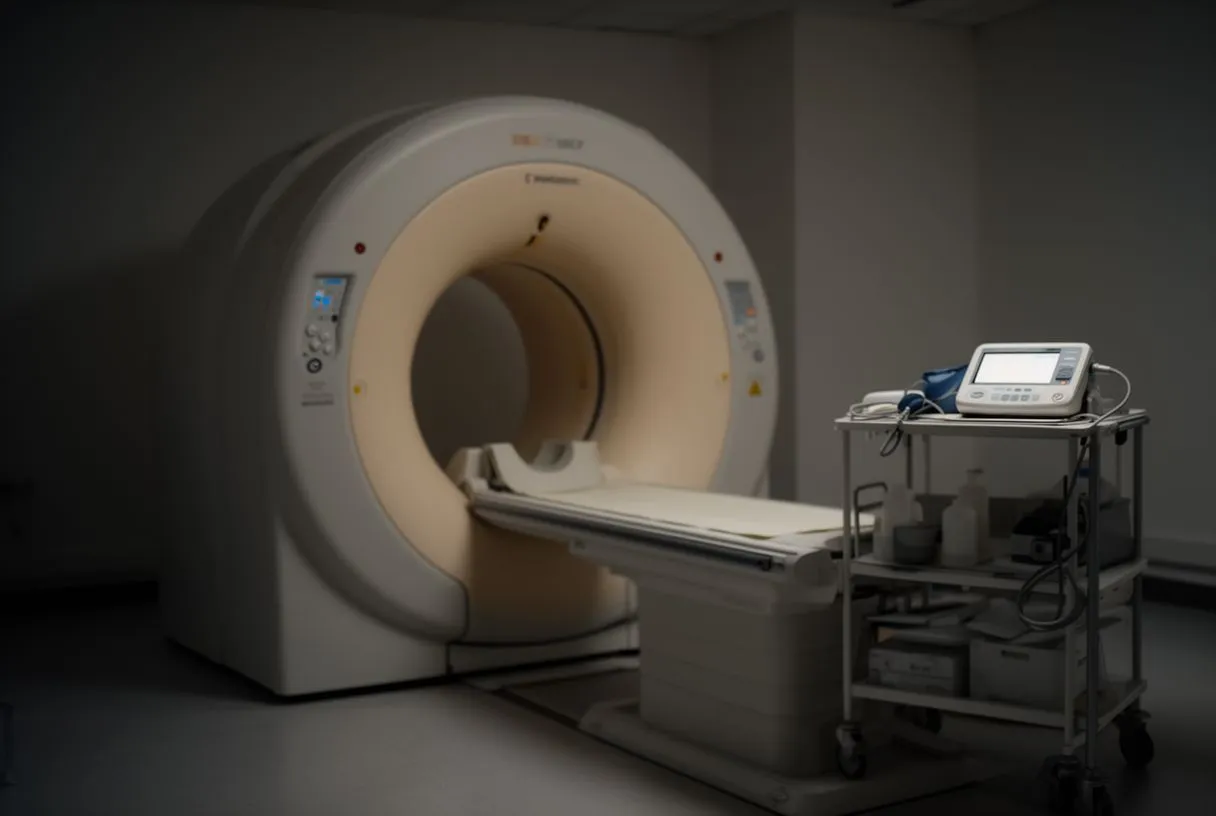
Surveillance is the backbone of care for an aneurysm that does not yet need surgery. The idea is simple: measure the diameter regularly, watch the growth rate, and intervene before danger arrives. An aortic aneurysm monitoring schedule is usually built around CT scans or MRI, sometimes echocardiography for the segment closest to the heart.
Typical intervals follow guidance published through the National Institutes of Health and major cardiology societies (NIH): after a first diagnosis, a repeat image at six to twelve months confirms the growth rate; a stable aneurysm is then scanned every one to three years, and a fast-growing one more often.
What we actually measure is more than one number. Diameter matters, but growth rate matters more — an aneurysm growing several millimetres in a year gets more attention than a slightly larger one that has not moved. Blood pressure control is checked at every visit too, because uncontrolled hypertension is the main engine of growth.
Each scan should be compared against the previous one, and in the consultation the team explains in plain words what the images show before anything is decided.
When to Repair a Thoracic Aneurysm: Size and Timing
The question patients ask most is when to repair thoracic aneurysm tissue — and the honest answer is that it depends on size, growth, symptoms, and family history together. Guideline thresholds exist to drive these decisions. For most people without genetic risk, an aortic aneurysm size for surgery is reached at around 5.5 cm in the ascending aorta; patients with connective tissue conditions such as Marfan syndrome, or with a strong family history, are usually offered repair earlier — often at 4.5 to 5 cm.
Growth rate changes the math. An aneurysm enlarging more than about half a centimetre per year is treated as higher risk even if it is below the size threshold. Symptomatic aneurysms — those causing pain — are repaired regardless of size.
Why act before 6 cm? Because the risk of dissection or rupture climbs steeply as the artery widens past that point, and emergency surgery carries far worse outcomes than planned surgery. Repairing at the right planned moment is the whole point of surveillance.
Every case is reviewed by our multidisciplinary team against international practice guidelines before a recommendation is made, and the patient receives a clear proposal with the alternatives — the final decision is always theirs.
What Are the Treatment Options for a Dilated Aorta?
The treatment for a dilated aorta is almost always surgical once thresholds are met; medication alone cannot shrink an aneurysm, though it can slow its growth. The choice of technique depends on where the aneurysm sits and the patient's overall health.
Open aortic surgery is the traditional route: the chest is opened, the weakened segment is replaced with a synthetic graft. For ascending and arch aneurysms, this remains the standard, and when the aortic valve is involved, aortic valve work — repair or replacement — is done in the same operation. It is a bigger undertaking, but it is also the most durable and the only option for many locations.
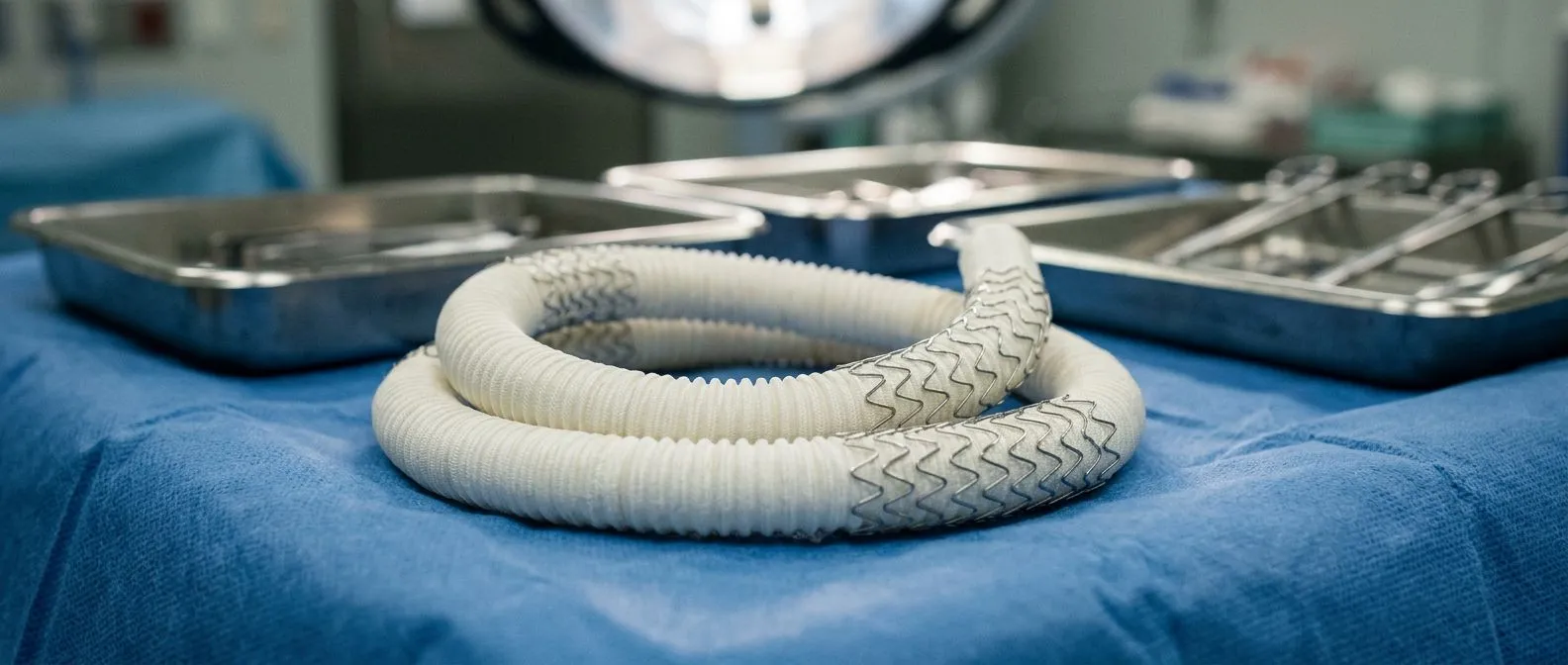
Endovascular aortic repair vs open surgery is the central trade-off for descending aneurysms. The endovascular approach — often called a TEVAR procedure, short for Thoracic Endovascular Aortic Repair — threads a stent-graft through an artery in the groin and lines the aneurysm from inside. No chest incision, shorter hospital stay, faster recovery. The trade-offs are that not every anatomy is suitable, and stent-grafts require lifelong imaging to watch for endoleaks, where blood seeps around the graft. Published case reports describe exactly these challenges, including complex endoleak management after failed endovascular repair of an aortic dissection (ScienceDirect). For patients whose only realistic alternative is Endovascular Aneurysm Repair but whose anatomy does not fit, a hybrid or open Dissection Repair may be the better plan.
Our team performs conventional, minimally invasive, robotic and transcatheter procedures, and we recommend the less invasive route only where the evidence supports it for that specific patient.
What Happens During Ascending Aortic Aneurysm Repair?
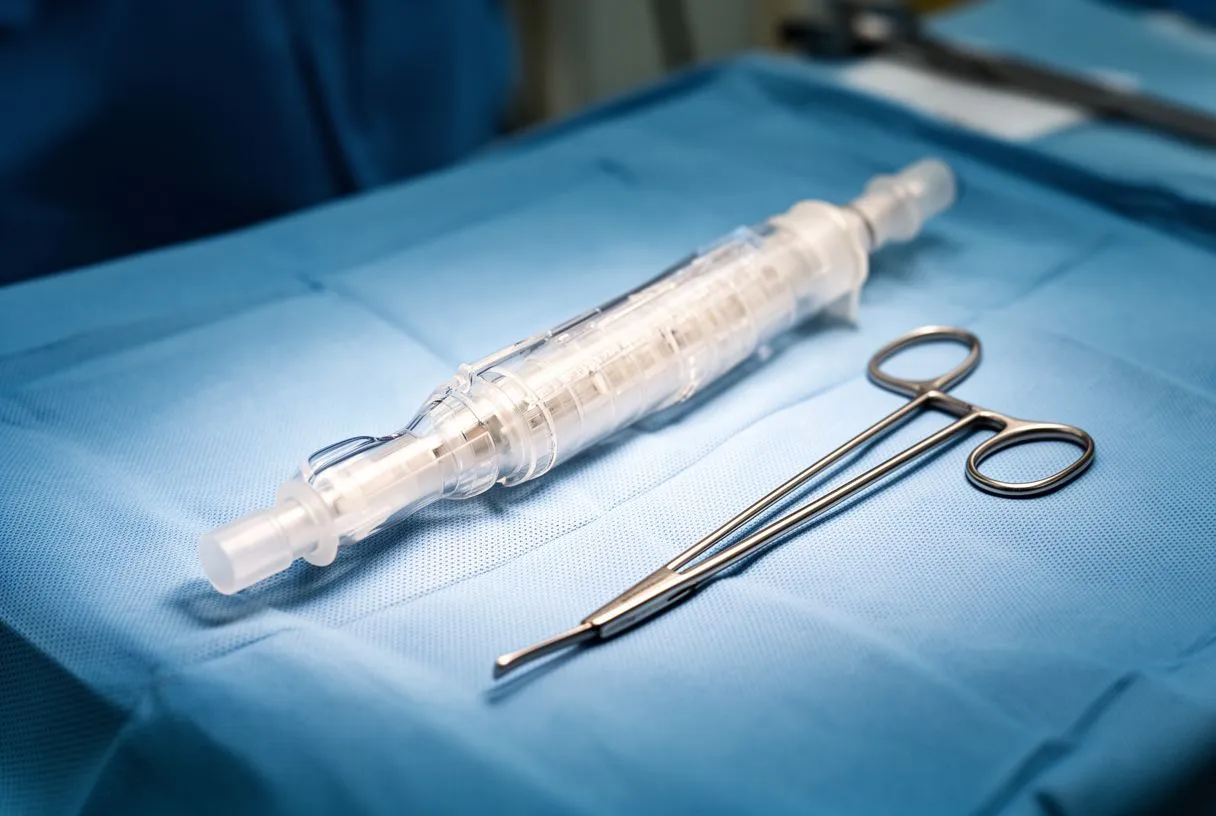
Ascending aortic aneurysm repair is done under general anaesthesia using a heart-lung machine, which takes over circulation while the heart is paused. The surgeon removes the stretched segment of artery and sews in a tube graft. When the aortic root is involved — an Aortic Root Aneurysm — the valve may be spared and resuspended, or replaced with a mechanical or tissue valve, sometimes through a Composite graft such as a Bentall procedure.
Measurements matter before the operation. The Aortic Annulus — the ring where the valve sits — is carefully measured on CT and echocardiography so the correct graft and valve sizes are chosen. Younger patients with root aneurysms are often candidates for valve-sparing techniques, which avoid lifelong blood thinners.
Arch involvement makes things more complex: an aortic arch aneurysm surgery often includes cooling the body and briefly stopping circulation to protect the brain, sometimes through the vessels to the head separately. This is why experience and case volume matter when choosing where to have this done.
I trained in cardiac and minimally invasive surgery at the University of Montreal and in structural cardiology and TAVR at CHU Bordeaux, and every repair we plan is discussed as a team before the day of surgery.
How Long Is Recovery After Aortic Aneurysm Repair?
Aortic aneurysm repair recovery depends heavily on the approach. An open repair typically means five to seven days in hospital and roughly eight to twelve weeks before you feel genuinely back to normal — the sternum needs that long to heal. A TEVAR usually means two to three days in hospital and returning to most activities within two to four weeks.
The first weeks focus on wound healing, controlled walking, and blood pressure management. Heavy lifting is restricted for around six to twelve weeks after open surgery to protect the healing breastbone. Cardiac rehabilitation — supervised, gradual exercise — is strongly encouraged and shortens the road back.
Life after repair is genuinely good for most patients, but it comes with permanent commitments: blood pressure control, imaging surveillance for the rest of the graft's life, and follow-up visits. After a Type A Aortic Dissection or Type B Aortic Dissection that required emergency treatment, recovery is longer, and some patients go home with a period of monitoring that may include an Intra-aortic Balloon Pump during the acute phase in intensive care.
We walk our patients through the recovery milestones in the consultation itself, so the timeline they go home with is the timeline we actually expect.

Can You Fly With an Aortic Aneurysm?
For most people with a stable, monitored aneurysm below repair thresholds, commercial air travel is generally fine — cabin pressure is controlled, and flying does not mechanically stress the aorta in a way that ruptures it. The bigger concerns are sitting still on long flights and access to emergency care at the destination.
Practical precautions worth discussing with your cardiac team:
- Keep blood pressure controlled on travel days — stress, dehydration, and missed doses are the real risks.
- Move regularly on flights longer than four hours to protect circulation.
- Carry your imaging reports and diagnosis with you, especially for medical care abroad.
- Travel insurance must disclose the condition — an undisclosed aneurysm can void emergency coverage entirely.
Timing matters too: after planned surgery, most teams recommend waiting several weeks before flying so the wound and chest have healed; after emergency dissection surgery, the wait is longer. Always get the green light from your own surgeon before booking.
What Prevention and Screening Steps Reduce Risk?
Thoracic aortic aneurysm prevention is mostly about controlling the forces that grow an aneurysm and finding one early if it exists. There is no supplement or diet that prevents an aneurysm, but several things genuinely lower risk and slow growth.
Blood pressure is priority one. Home monitoring and medication adherence do more for an aneurysm than anything else on this list. Smoking cessation is equally important — smoking accelerates aneurysm growth and is a leading modifiable risk factor for rupture.
Aortic aneurysm screening guidelines focus on people at higher risk: relatives of those with thoracic aneurysms or dissections, people with bicuspid aortic valves, and those with connective tissue conditions. A first echocardiogram or CT scan in at-risk relatives often catches an aneurysm years before it could ever cause symptoms, and it is also how families discover the genetic pattern early enough to act.
Knowing your family history is part of the workup. Our team asks every aneurysm patient about relatives with aortic disease, sudden death, or unexplained collapse, because that history changes the threshold for repair.
How Do You Choose a Thoracic Aortic Aneurysm Specialist?
Finding the right thoracic aortic aneurysm specialist matters more for this condition than for many others, because both the decision to operate and the technique chosen carry long-term consequences. Look for a team that does this operation regularly, that reviews each case with more than one specialist, and that explains the options without pushing you toward any single one.
Cost is a real question for international patients, and aortic aneurysm repair cost Mexico varies widely by hospital, approach, and whether the valve needs work at the same time. Ask for a written, itemised proposal — what is included, what is not, and what the contingency plans are. A practice willing to put numbers in writing is usually a practice with nothing to hide.
The first conversation should cost nothing. A video consultation heart surgeon arrangement lets you meet the team, share your scans, and hear a plan before committing to travel. We encourage second opinions and treat seeking one as a normal part of deciding about heart surgery — if a team resists one, that tells you something.
Our first contact is a free video consultation: we get to know the patient, talk through the condition, and say exactly which studies are still needed so no unnecessary ones are ordered; a face-to-face visit follows only when the patient decides to go ahead.
A thoracic aortic aneurysm diagnosed on a scan is not a verdict — it is a schedule. With proper monitoring, the vast majority of patients are repaired in a planned, controlled setting at the right time, not in an emergency. Control your blood pressure, keep every surveillance scan, know your family history, and ask your questions until the plan makes sense to you. If you or a relative have been diagnosed, discuss your own situation with a qualified cardiac team — including a second opinion if you want one — and book a consultation rather than trying to self-diagnose from a scan report.






