Type B Dissection Recovery and Long-Term Monitoring
Type b dissection recovery timelines, monitoring protocols, and long-term care explained by Guadalajara heart specialists.
Experiencing an aortic dissection is a profound medical event, and navigating the days, weeks, and months afterward requires both medical expertise and personal resilience. Type b dissection recovery involves a structured approach to healing the body while closely monitoring the cardiovascular system. The goal of long-term monitoring is to prevent complications and ensure the repaired or managed descending aorta remains stable. In this guide, we walk through what patients and families can expect during this journey, from initial hospital discharge to lifelong surveillance, drawing on established clinical practices to help you understand the road ahead.
What Does Type B Dissection Recovery Involve?
The process of type b dissection recovery begins the moment your medical team stabilizes the initial tear in the descending aorta. Unlike type A dissections that require immediate open surgery, many type B dissections are initially managed with strict blood pressure control and careful observation. Recovery is not just about healing the tear; it is about adopting a lifestyle that minimizes stress on your cardiovascular system. Patients often spend their first days in an intensive care setting where an arterial line continuously monitors hemodynamics, ensuring the heart and vessels are not under excessive strain.
Understanding the initial healing phase: During the first few weeks, the body works to stabilize the torn layers of the aortic wall. The false lumen, where the blood has falsely entered, may remain partially open or begin to clot. Your care team will emphasize rest and meticulous medication management. It is completely normal to feel deeply fatigued during this time, as your cardiovascular system has undergone significant trauma.
Navigating emotional and physical changes: The psychological impact of a dissection is often as significant as the physical one. Anxiety about recurrent chest or back pain is common. Patients benefit from understanding that some residual discomfort is normal, but knowing the exact symptoms that warrant a return to the hospital is crucial. Regular auscultation, listening to your heart and blood vessels with a stethoscope, helps your doctor detect any new murmurs or abnormal sounds that might suggest changes in your aorta.
Type B Dissection Recovery Timeline: What to Expect
The aortic dissection recovery timeline varies for each patient, but it generally follows a predictable trajectory. The first three months are the most critical, as the aorta is highly vulnerable to changes in blood pressure and physical stress. During this acute recovery window, patients are usually advised to avoid heavy lifting, strenuous activity, and stressful environments. Your cardiac team will gradually increase your permitted activities based on follow-up imaging and your overall clinical stability.
Months one through three: In the early outpatient phase, visits focus heavily on medication titration and symptom assessment. You might experience some mild arm pain if the dissection affected vessels branching to your arms, but this usually improves as circulation normalizes. According to the Centers for Disease Control and Prevention, managing underlying risk factors like hypertension is the cornerstone of preventing further cardiovascular events. Your doctor will adjust your antihypertensive regimen frequently during this time.
Six months and beyond: By the half-year mark, most patients have returned to a modified version of their normal routine. The scar tissue forming around the dissection flap has generally stabilized. However, the aorta is never fully "cured" and must be monitored indefinitely. Long-term recovery shifts from acute healing to chronic management, focusing on maintaining a healthy weight, avoiding tobacco entirely, and keeping stress levels manageable.
How Chronic Type B Dissection Management Works
For many patients, the dissection does not completely close, leaving what is known as a chronic type B dissection. Chronic type b dissection management focuses on living safely with a permanently altered aorta. The primary goal is to prevent the weakened aortic wall from expanding into an aneurysm, which would require intervention. This is achieved through a combination of lifelong medication, routine imaging, and strict risk factor modification.
The role of medical therapy: Beta-blockers are the foundation of chronic dissection management, as they lower both blood pressure and the force of the heart's contraction, reducing stress on the aortic wall. You may also be prescribed Aspirin or other medications to manage cholesterol and reduce the risk of atheromatous plaque buildup. Compliance with this medication regimen is non-negotiable; missing doses can allow dangerous spikes in blood pressure that stress the delicate aortic tissue.
Monitoring the false lumen: Over time, the false channel created by the dissection may thrombose (clot) or remain patent (open). A partially thrombosed false lumen carries a higher risk of aortic expansion. Your vascular specialist will use advanced imaging to watch the diameter of your descending aorta closely. If the aorta begins to dilate beyond safe thresholds, often around 5.5 to 6.0 centimeters, discussions about surgical or endovascular intervention will begin.
Blood Pressure Control After Aortic Dissection
Strict blood pressure control is the single most critical factor in surviving and thriving after a dissection. After an aortic tear, high blood pressure acts like water pushing against a cracked dam; it can extend the tear or cause the weakened wall to bulge. Patients are instructed to maintain their blood pressure within a specific target range, often below 120/80 mmHg, though your exact target will be personalized by your cardiologist.
Tools for daily monitoring: Taking ownership of your blood pressure is essential. Patients should invest in a high-quality home blood pressure cuff and maintain a daily log. This log is invaluable for your medical team, allowing them to spot trends and adjust medications effectively. If readings are consistently high, do not wait for your next appointment—contact your clinic immediately to prevent complications.
Lifestyle adjustments that stabilize blood pressure: Beyond medication, lifestyle plays a massive role. The Dietary Approaches to Stop Hypertension (DASH) diet, which is low in sodium and rich in fruits and vegetables, is highly recommended. Patients must also avoid stimulants, including excessive caffeine and certain over-the-counter cold medications, which can cause sudden, dangerous spikes in blood pressure.
- Track consistently: Keep a daily log of morning and evening readings to identify trends.
- Limit sodium: A low-salt diet prevents fluid retention that raises pressure.
- Stay active safely: Light walking helps regulate circulation without spiking pressure.

Aortic Dissection Follow Up Care and Imaging
Aortic dissection follow up care relies heavily on high-quality imaging to look inside the chest without making a single incision. Computed tomography (CT) scans with contrast are the gold standard for monitoring the descending aorta. These scans provide detailed cross-sectional images, allowing your surgeon to measure the aortic diameter, check the status of the false lumen, and look for any signs of new tearing or aneurysm formation.
Setting your imaging schedule: The frequency of imaging is highest in the first year. A typical protocol involves a scan at one month, six months, and twelve months post-discharge. If the aorta remains stable, imaging is usually reduced to annually or every other year. Magnetic resonance imaging (MRI) is sometimes used as an alternative for younger patients to reduce cumulative radiation exposure over a lifetime.
What happens if imaging shows changes: If imaging reveals that the aorta is growing rapidly or has reached a dangerous size, your care team will discuss next steps. This does not always mean open surgery. Modern interventions often utilize stent grafts placed through small incisions in the groin, a procedure known as thoracic endovascular aortic repair (TEVAR). These less invasive options have significantly changed how we manage complications in chronic dissection patients.
What Are Type B Dissection Complications?
While many patients live for decades after a type B dissection, awareness of potential complications is vital. The altered blood flow dynamics can affect other organs. For example, if the dissection flap blocks blood flow to the kidneys, it can lead to renal impairment, which in turn makes blood pressure even harder to control. Recognizing the signs of these complications early allows for prompt medical intervention.
Spinal cord and neurological risks: The descending aorta supplies blood to the spinal cord via small, delicate arteries. In rare cases, compromised blood flow can lead to spinal cord ischemia, causing weakness or paralysis. While this is more commonly a risk during surgical repair, chronic dissections can still pose a threat if the vascular anatomy changes significantly. Any new leg weakness or numbness warrants immediate emergency evaluation.
Aneurysmal degeneration: The most common long-term complication is the gradual enlargement of the dissected aorta into an aneurysm. As the outer wall of the aorta weakens, it balloons outward. A recent study published in the Turkish Journal of Vascular Surgery regarding the influence of sex after elective thoracic endovascular aortic repair highlights the importance of personalized follow-up, as anatomical responses to dissection and repair can vary between individuals. Careful surveillance is the only way to catch this before it becomes a rupture risk.
Endovascular Repair Recovery and TEVAR Outcomes
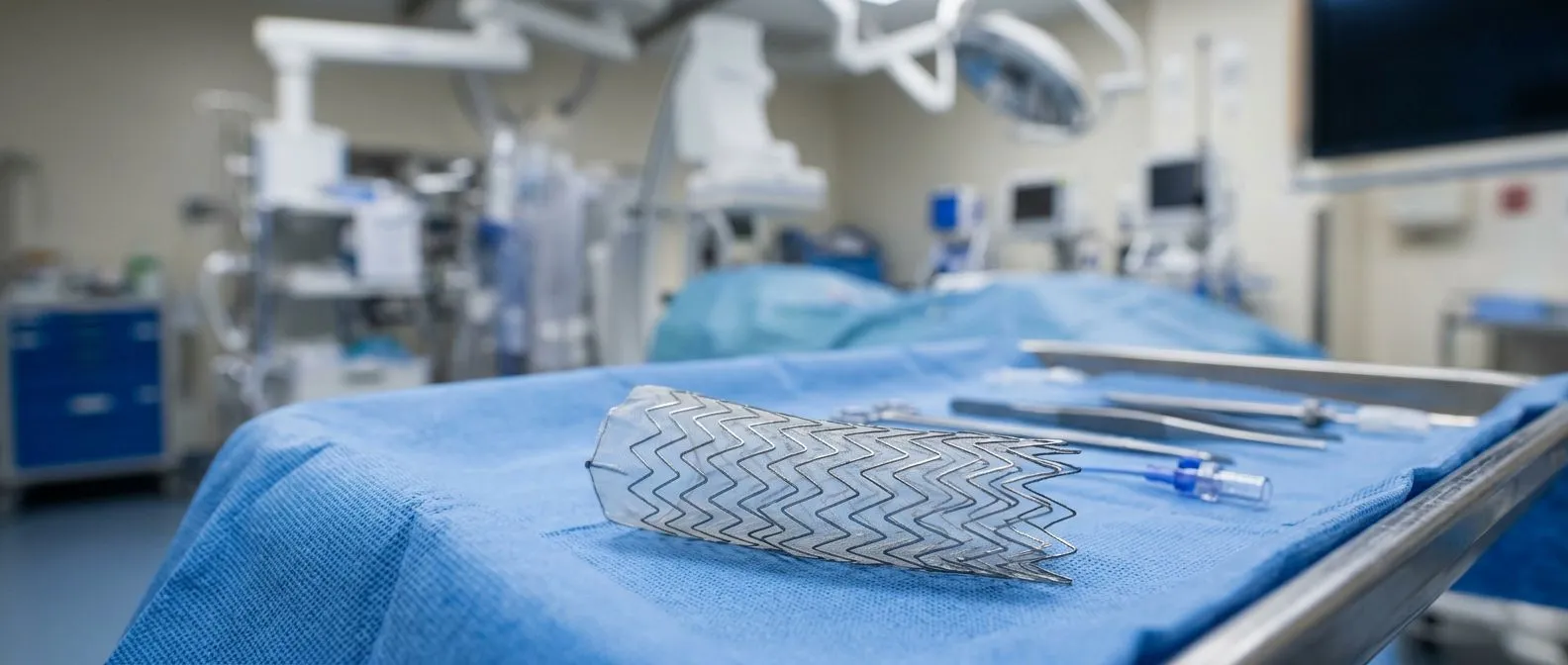
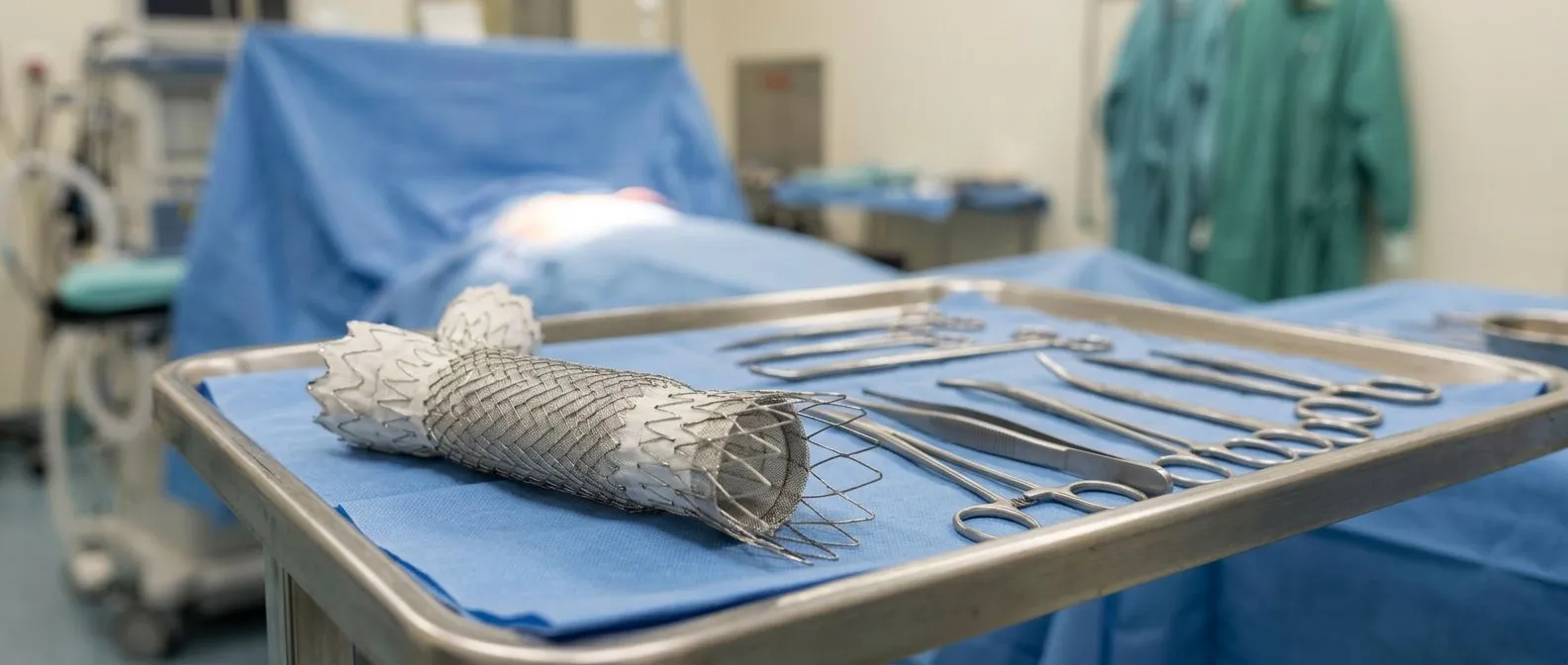
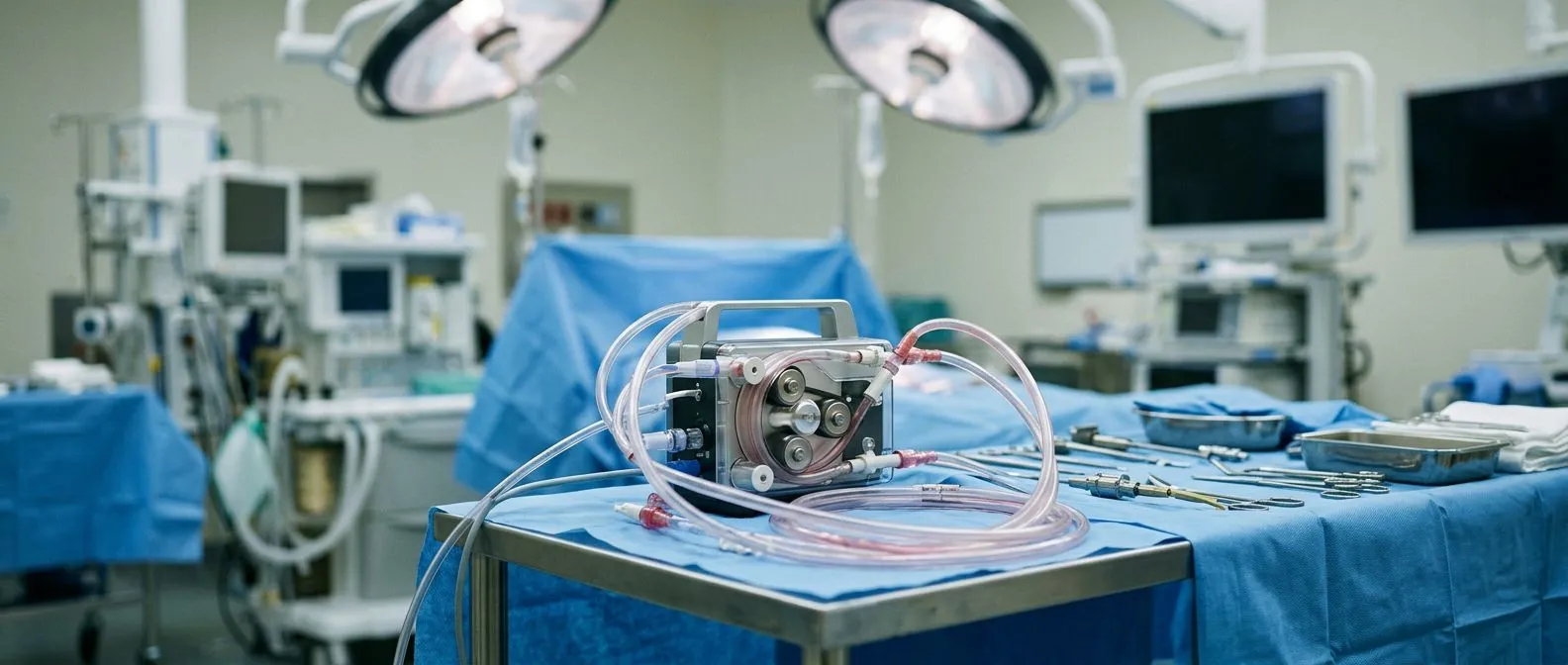
When a type B dissection requires intervention, thoracic endovascular aortic repair (TEVAR) is the preferred approach for most patients. TEVAR involves deploying a fabric-covered stent graft into the aorta to redirect blood flow away from the false lumen and stabilize the aortic wall. Endovascular repair recovery is generally much faster than traditional open surgery, as it avoids a large chest incision and the need for a heart-lung machine.
What to expect after a TEVAR procedure: Hospital stays are usually shorter, often just a few days. Patients may experience some groin discomfort from the catheter insertion sites. Imaging will be performed before discharge to ensure the stent graft is properly seated and the false lumen is beginning to collapse. You will still need lifelong medication and imaging follow-up, just as with a medically managed dissection, because the underlying connective tissue weakness remains.
Long-term outcomes of stent grafts: TEVAR is highly effective at preventing aortic rupture and promoting favorable aortic remodeling. However, the stent graft itself can occasionally shift or develop endoleaks, where blood continues to leak around the edges of the device. Regular CT scans are necessary to ensure the integrity of the stent graft over time, ensuring it continues to protect the aorta as intended.
Aortic Dissection Rehabilitation and Exercise
Returning to physical activity is a major milestone in recovery, but it must be approached with extreme caution. Aortic dissection rehabilitation begins with very light, supervised movements and gradually progresses. The cardiovascular system needs to rebuild endurance without experiencing sudden spikes in blood pressure, which can be triggered by heavy lifting or sudden bursts of intense activity.
Safe exercise parameters: Cardiac rehabilitation programs are incredibly beneficial. These supervised exercise sessions allow specialists to monitor your heart rhythm and blood pressure while you exercise on a treadmill or stationary bike. While studies on other structural heart interventions, such as the meta-analysis of edge-to-edge repair devices published in the Journal of Cardiothoracic Surgery, emphasize structured post-procedural care, aortic patients similarly benefit from clinical oversight when resuming physical exertion. Walking is generally safe and encouraged, while heavy weightlifting, push-ups, or strenuous isometric exercises are usually strictly limited.
Listening to your body: The rule of thumb for exercise after a dissection is to stop immediately if you feel chest, back, or abdominal pain. Shortness of breath, dizziness, or an unusually high heart rate are also signs to stop. Over time, as your aorta proves stable on imaging and your blood pressure is well controlled, your cardiologist will clear you for more moderate activities, though contact sports are generally avoided permanently.
- Walking: Highly encouraged for building baseline cardiovascular endurance.
- Heavy lifting: Strictly limited to prevent dangerous spikes in blood pressure.
- Stress management: Gentle stretching and breathing exercises keep the heart calm.

Post Dissection Aortic Aneurysm Surveillance
A dissected aorta is inherently weaker than a healthy aorta, making post dissection aortic aneurysm surveillance a lifelong necessity. Even if the initial tear heals beautifully, the section of the aorta that was torn can slowly enlarge over years. The objective of surveillance is to detect this growth before the aneurysm reaches a size where rupture is a significant risk.
Knowing your aortic diameter: Just as you know your exact weight or cholesterol numbers, you should know the current diameter of your descending aorta. Your doctor will discuss the threshold for intervention, which is typically an absolute diameter greater than 5.5 cm or a rapid growth rate of more than 5 mm per half-year. Keeping track of this number empowers you to make informed decisions about your health.
The importance of consistency: Surveillance only works if it is continuous. Skipping imaging appointments means missing the window to intervene safely. If an aneurysm is caught early, an elective endovascular repair can be planned, which carries a vastly lower risk than an emergency operation for a ruptured aneurysm. Consistent follow-up is the shield that protects your long-term life expectancy.
When to Seek Vascular Surgeon Consultation
Knowing when to call your doctor and when to go to the emergency room is a critical skill for dissection survivors. Not every ache or pain is a medical emergency, but certain symptoms should never be ignored. Any sudden, severe, or "tearing" pain in the chest, back, or abdomen is a red flag for a new dissection or rupture and requires immediate emergency medical attention.
Elective versus urgent consults: For non-emergency concerns, such as medication side effects, mild fatigue, or questions about resuming specific activities, a scheduled vascular surgeon consultation is appropriate. Your surgical team is your partner in this long journey. Building a relationship with a practice that understands complex aortic disease, like Cirugía de Corazón in Mexico, ensures you have expert guidance whenever questions arise.
Moving forward with confidence: Recovering from a type B aortic dissection is undoubtedly a life-changing experience, but it does not mean the end of a full, active life. With meticulous blood pressure control, faithful adherence to imaging schedules, and a strong partnership with a dedicated cardiac care team, patients can look forward to a stable and fulfilling future. We encourage you to discuss your specific anatomy and recovery goals with a qualified cardiac team and to book a consultation to ensure your long-term monitoring plan is perfectly tailored to your needs.