Valve Replacement Surgery: Preparing and Recovering
Valve replacement surgery recovery guide from Cirugía de Corazón: what to expect during preparation, hospital stay, and healing at home in Guadalajara.
If you or someone you love has been told a heart valve needs replacing, you probably have a hundred questions running through your mind. What happens during valve replacement surgery? How long will recovery take? Will life go back to normal? This guide walks you through the whole journey — from the first consultation to the first months back at home — in plain language, so you can prepare with confidence instead of fear.
What Is Valve Replacement Surgery?
What the valves do. Your heart has four valves that work like one-way doors, keeping blood flowing in the right direction with every heartbeat. The two most often replaced are the aortic valve, which controls blood leaving the heart to the body, and the mitral valve, which sits between the upper and lower chambers on the left side of the heart. When a valve narrows (called stenosis) or leaks (called regurgitation), the heart has to work harder, and over time that strain causes fatigue, breathlessness, and other symptoms.
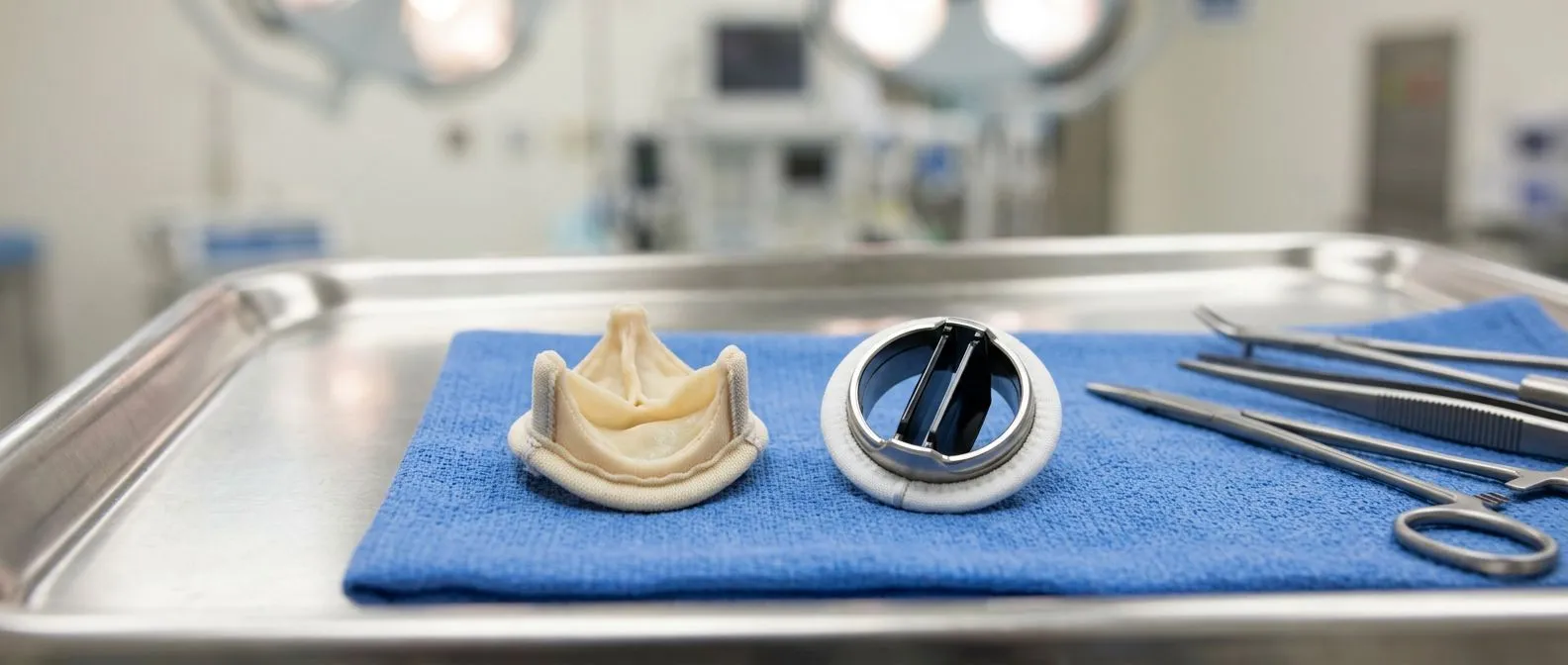
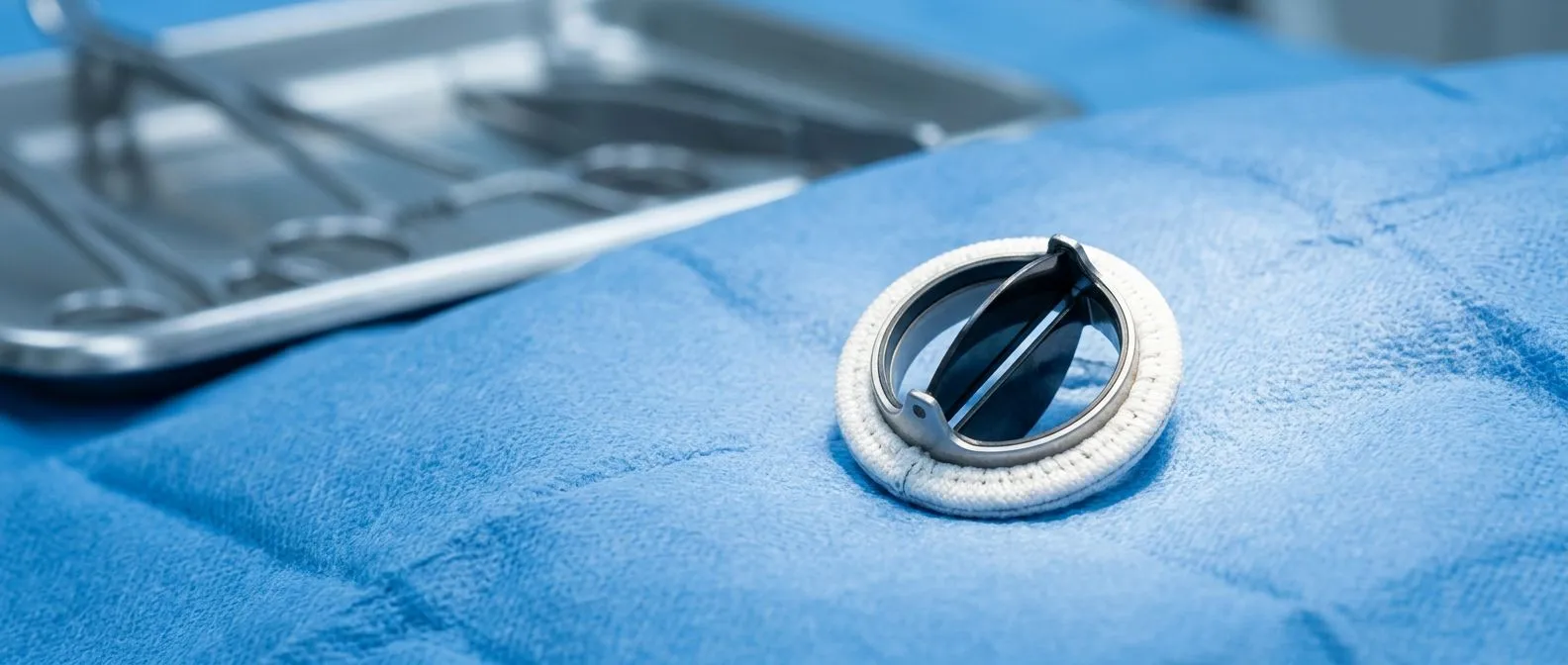
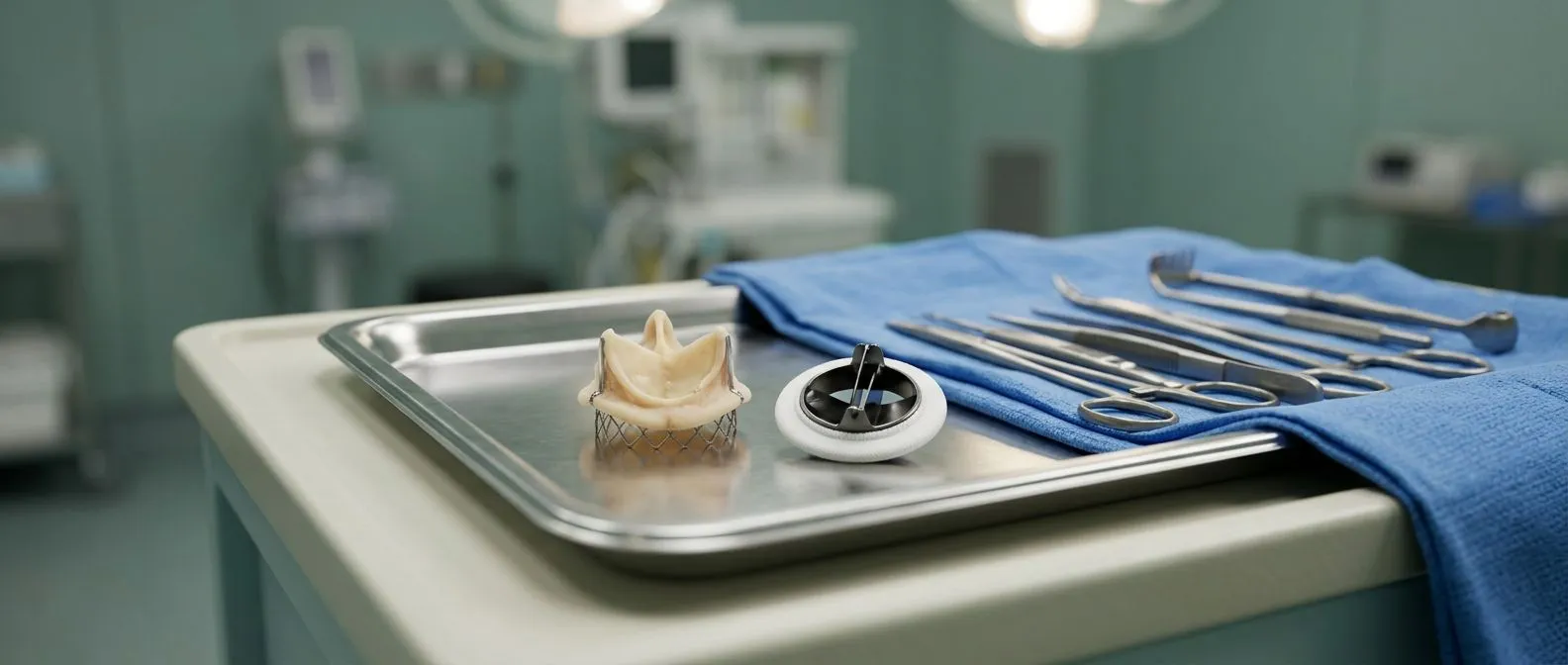
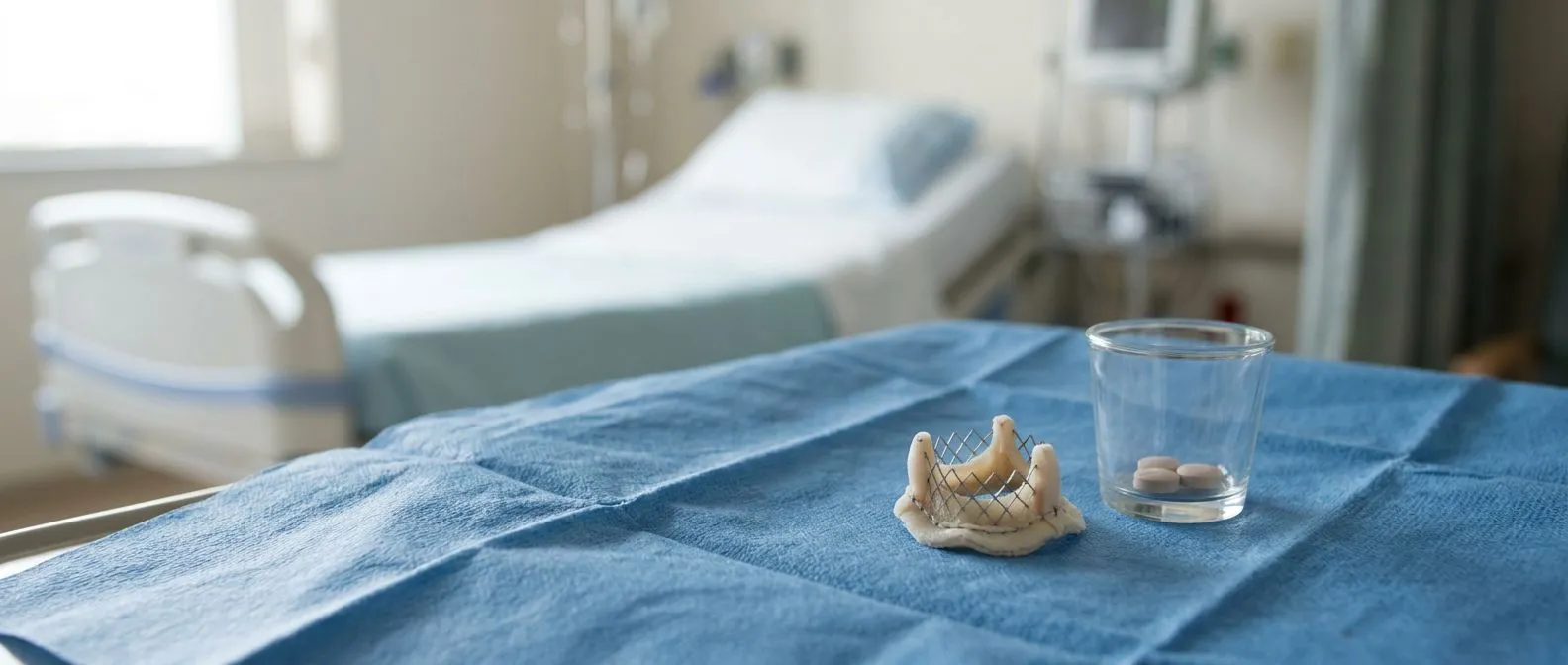
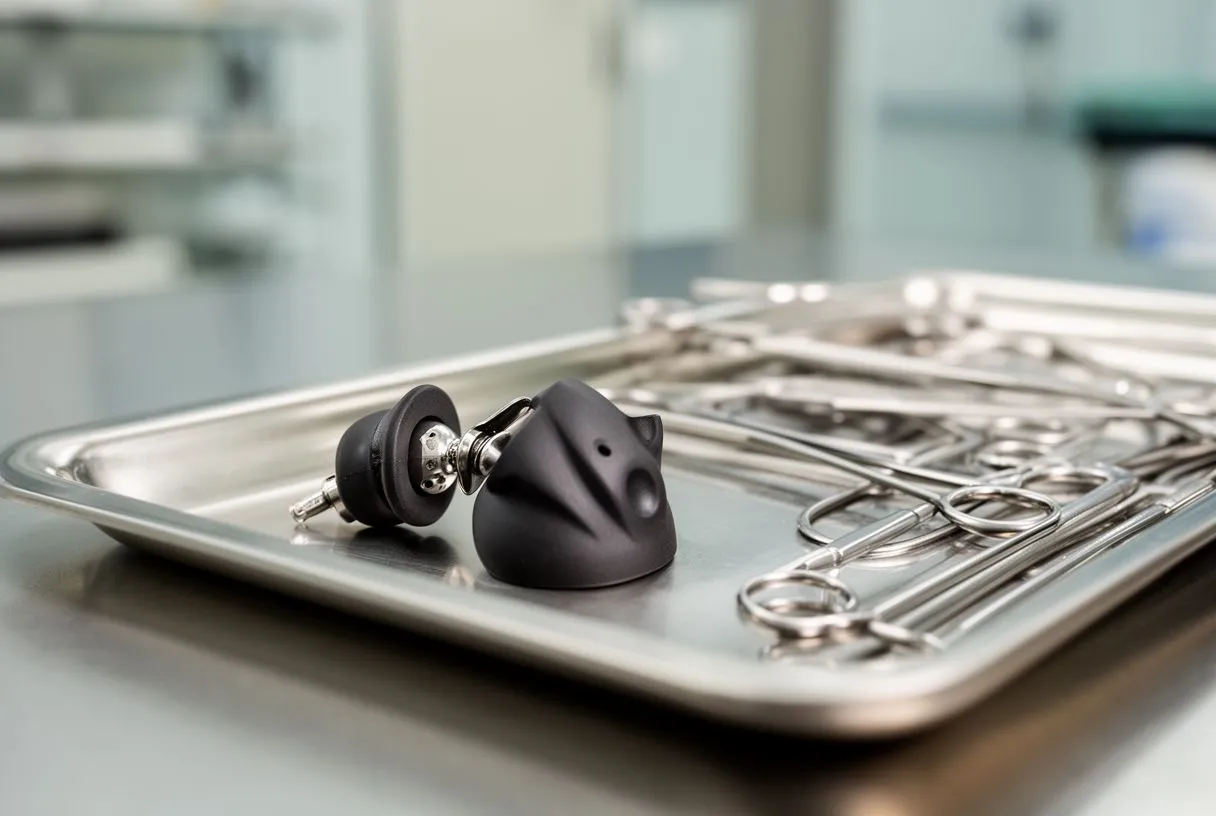
What the surgery involves. In valve replacement surgery, the surgeon removes or bypasses the damaged valve and puts a new one in its place. That new valve may be mechanical (made of durable artificial materials) or biological (tissue from a bovine pericardial valve or porcine source). The choice depends on your age, your lifestyle, whether you can tolerate long-term blood thinners, and the anatomy of your valve annulus — the ring of tissue where the valve sits.
Repair versus replacement. Not every diseased valve needs replacing. Some valves, especially the mitral valve, can often be repaired instead, which preserves your own tissue. Our multidisciplinary team reviews every case against international practice guidelines before recommending anything, and we present you with the options — including repair when it is genuinely possible — so the final decision is always yours.
How Serious Is Heart Valve Replacement Surgery?
Honest risk framing. Any operation on the heart is serious, and it is fair to acknowledge that. At the same time, heart valve surgery is one of the most commonly performed and best understood procedures in modern medicine, and outcomes have improved steadily over decades. Surgical risk is not the same for everyone: it depends on your age, other conditions such as diabetes or lung disease, kidney function, and how urgent the operation is. Surgeons use scoring tools like the EuroSCORE II to estimate each patient's individual risk before recommending surgery.
Why waiting can be riskier. When a badly diseased valve is left untreated, the heart muscle can weaken permanently, and that damage may not fully reverse even after the valve is fixed. This is why timing matters. When symptoms appear or measurements cross guideline thresholds — for example, an aorta wider than 5.5 cm when the aortic valve is involved — most teams recommend not postponing. Fixing the valve before the heart suffers lasting harm generally gives the best long-term results.
What success looks like. Most patients who undergo elective valve surgery go home within a week and return to normal daily activities within weeks to a few months. In our consultations we take the time to explain what your own studies actually show, in plain words, and we never push a procedure without discussing the alternatives and answering every question first.
What Is the Process of Open-Heart Surgery?
Before the operation. Preparation begins well before the operating room. You will have blood tests, an echocardiogram (an ultrasound of the heart), possibly a CT scan or catheterization to map your coronary arteries, and a review of all your medications. Some medicines, particularly blood thinners, need adjusting days ahead. You will also meet the anaesthesia team, who will explain how you will be kept asleep and pain-free.
During the operation. In a conventional surgical aortic valve replacement, the surgeon opens the chest through the breastbone, connects you to a heart-lung machine that takes over circulation, stops the heart, and replaces the valve while the heart is still. The heart is then restarted, and the chest is closed. The whole operation usually takes several hours. Protecting the heart muscle during this still period is critical, and techniques continue to evolve — one example is single-dose lignocaine-based blood cardioplegia, a solution that stops and protects the heart, which has been studied specifically in valve replacement patients.
Newer, less invasive approaches. Many valve operations no longer require a full opening of the chest. Minimally invasive and robotic techniques use small incisions between the ribs, and transcatheter procedures thread a new valve through an artery in the groin. Our team performs conventional, minimally invasive, robotic, and transcatheter procedures, but we recommend the less invasive route only where the evidence supports it for that specific patient. Recovering after heart valve replacement is often faster with these approaches, though the right choice always depends on your anatomy and overall health.
What Is the TAVR Procedure?
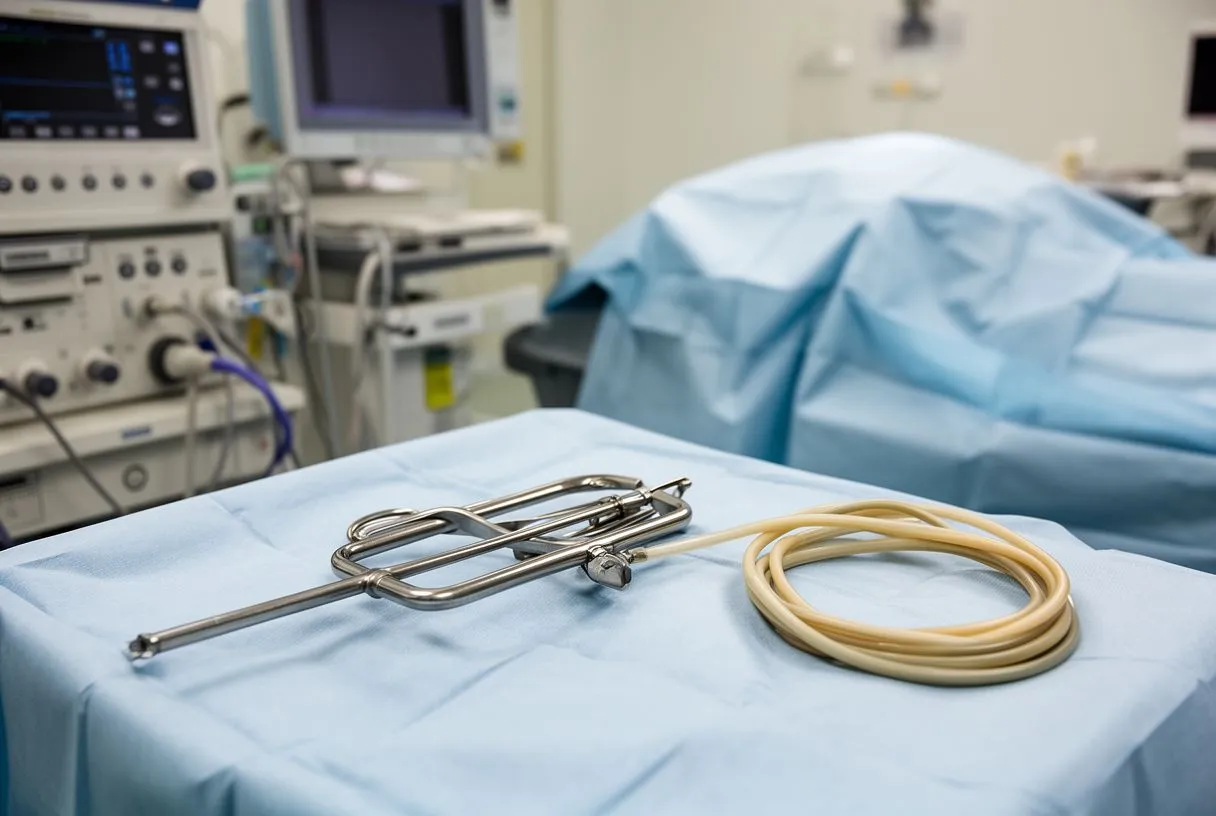
The basics. TAVR — transcatheter aortic valve replacement — is a way of replacing the aortic valve without opening the chest at all. A catheter, a thin flexible tube, is guided through an artery (usually in the groin) up to the heart. A folded replacement valve is carried inside the catheter and expanded into position inside the old valve. There is no large incision and the heart does not need to be stopped in most cases.
Who it suits. TAVR was originally developed for patients too frail for open-heart surgery, and it remains a strong option for older patients or those with other serious conditions. Increasingly, it is also offered to lower-risk patients where the valve anatomy is suitable. Because our team includes specialists trained in structural cardiology and TAVR, every patient is evaluated by the full team to decide whether transcatheter or surgical replacement gives the lowest risk for their situation.
Recovery difference. Hospital stays after TAVR are typically much shorter — often one to a few days — and returning to daily activities is faster than after open surgery. The trade-offs, such as the need for pacemakers in some patients or long-term valve durability questions, are discussed openly before any decision is made.
How Long Does It Take to Recover From Aortic Valve Replacement?
The first days. Most patients stay in the hospital for five to seven days after open aortic valve replacement. You will wake up in an intensive care unit with monitoring equipment and perhaps a breathing tube for a few hours. Sitting up, standing, and short walks usually start within the first day or two. Chest discomfort is normal and managed with medication.
Weeks one to six. During this period, the breastbone is healing if you had open surgery. You will gradually increase walking each day — many teams suggest building toward 30 minutes of gentle walking daily by around six weeks. Light household activities are fine, but lifting anything heavy, pushing, or pulling with the arms is restricted to let the breastbone heal properly.
Months two to six. By around two to three months, most patients feel substantially back to normal, and full recovery — including regaining strength and energy — often takes up to six months. Minimally invasive and transcatheter procedures usually shorten these timelines considerably, since there is no breastbone to heal. During this period, the rehabilitation plan should be adjusted to how each person is actually progressing, not just to a standard calendar.

What to Expect During Valve Replacement Surgery Recovery at Home
The emotional side. Recovery after heart valve replacement is not only physical. Many patients experience low moods, irritability, or unusual tearfulness in the first weeks — this is common after major surgery and usually improves with time and support. Good sleep, gentle activity, and open conversation with family all help. If sadness or anxiety persists, tell your medical team; it is a legitimate part of recovery, not a weakness.
Practical housekeeping. Before you go home, arrange a few simple things: a comfortable chair you can get out of easily, meals that need little preparation for the first couple of weeks, and someone to help with shopping or driving for the first while. Keep your incision clean and dry, follow your team's washing instructions, and avoid lotions or powders on the healing skin.
Keeping blood counts healthy. Some patients leave the hospital with lower red blood cell counts, a condition called postoperative anemia, which can make you feel unusually tired. Blood saving technology during surgery — techniques that collect and return your own blood — has been studied as a way to correct this anemia and speed up recovery in mitral valve replacement patients. Ask your team whether your blood counts are being monitored and what to do about them if they are low.
- Expect good days and bad days: energy fluctuates during the first month; steady gradual improvement is the pattern to watch for.
- Sleep position: many patients find sleeping slightly propped up more comfortable in the first weeks after chest surgery.
What Foods Should You Avoid After Heart Valve Replacement Surgery?
If you take blood thinners. Patients with mechanical valves take warfarin lifelong, and this medication interacts strongly with vitamin K-rich foods such as leafy green vegetables. The message is not to avoid these healthy foods entirely, but to keep your intake consistent so your medication dose stays predictable. Grapefruit and grapefruit juice can also interfere with warfarin and should be discussed with your doctor.
Heart-healthy eating generally. Regardless of valve type, the diet that protects your heart after surgery is the one that also protects it from further disease: plenty of vegetables, fruits, whole grains, legumes, fish, and olive oil, with limited salt, processed foods, and saturated fats. Salt matters especially in the first weeks, as the body clears excess fluid after surgery.
A practical plan. Rather than a strict list of forbidden foods, think in terms of a pattern you can maintain. Your surgical team or a nutritionist can tailor advice, especially if you also have diabetes, kidney disease, or high blood pressure.
- Keep vitamin K steady, not absent: if you take warfarin, eat similar amounts of greens each week rather than cutting them out.
- Watch salt early on: reducing sodium in the first weeks helps your body clear the fluid retained after surgery.
What Type of Exercise Is Recommended After Valve Replacement?
Walking first. Walking is the gold standard early after any heart surgery. It rebuilds endurance, improves circulation, and carries very little risk when started gently. Most teams recommend starting with short, frequent walks — even five minutes at a time — and building gradually. The usual target is around 30 minutes of walking most days by six weeks, but you should follow your own team's plan.
Cardiac rehabilitation. A structured cardiac rehab program — supervised, progressive exercise combined with education — is one of the most valuable parts of heart valve replacement rehabilitation. Programs typically begin a few weeks after surgery and run for several weeks, building strength and confidence under professional supervision. Ask your surgical team about referral; it is one of the best-evidenced steps you can take for long-term recovery.
What to postpone. After open surgery, heavy lifting, competitive sports, and activities that strain the chest wall wait until the breastbone has fully healed — usually around three months, and your surgeon will confirm when. Swimming and driving also need clearance. A written, week-by-week activity plan, reviewed at each follow-up before clearing the next stage, makes this progression safer.
Signs of Infection After Valve Replacement and When to Call Your Team
Warning signs to know. Knowing the signs of infection after valve replacement lets you act early instead of worrying late. Call your surgical team promptly if you notice increasing redness, swelling, warmth, or drainage at the incision, a fever above 38°C, new or worsening chest pain, unusual breathlessness, or night sweats. Infection is much easier to treat when caught in the first days.
Emergency symptoms. Some symptoms need urgent attention rather than a routine call: crushing chest pain, sudden severe breathlessness, fainting, or signs of a stroke such as weakness on one side or slurred speech. These are rare, but knowing them in advance removes hesitation at the moment it matters.
Why dental care matters. One less obvious point: bacteria from dental infections can travel through the bloodstream and attach to a replaced heart valve. Keep up dental hygiene, tell your dentist about your valve, and ask your cardiologist whether you should take antibiotics before certain dental procedures. This simple step protects the new valve for years.
Returning to Work and Follow-Up Care After Valve Replacement
Going back to work. Returning to work after valve replacement depends heavily on the type of work you do. Desk jobs are often possible at six to eight weeks after open surgery, and sooner after minimally invasive or transcatheter procedures. Physically demanding work — lifting, machinery, heavy labor — may need three months or more, with a gradual return agreed with your team.
Follow-up schedule. Heart valve replacement follow-up care typically includes a check-up around two to four weeks after discharge, an echocardiogram at a few months, and regular reviews of your medications and valve function — often yearly thereafter. If you have a biological valve, follow-up also tracks for valve degeneration, the gradual wear that can eventually require another procedure decades later.
Lifelong partnership. A replaced valve is not a one-time event but the beginning of an ongoing relationship with your cardiac team. Our team is led by Dr Alejandro Molina, with consulting rooms in Guadalajara, Querétaro and Hermosillo, and we actively encourage a second opinion at any point — seeking one is a normal part of deciding about heart surgery, not a sign of doubt.
Planning a consultation. If you are considering surgery or want to understand your own options, the first step is simple. Your first contact with us is a free video consultation: we get to know you, talk through your condition, and tell you which studies are still needed so no unnecessary ones are ordered; a face-to-face visit follows if you decide to go ahead. Ask your questions, get the full picture, and let a qualified cardiac team guide your next step rather than facing it alone.