

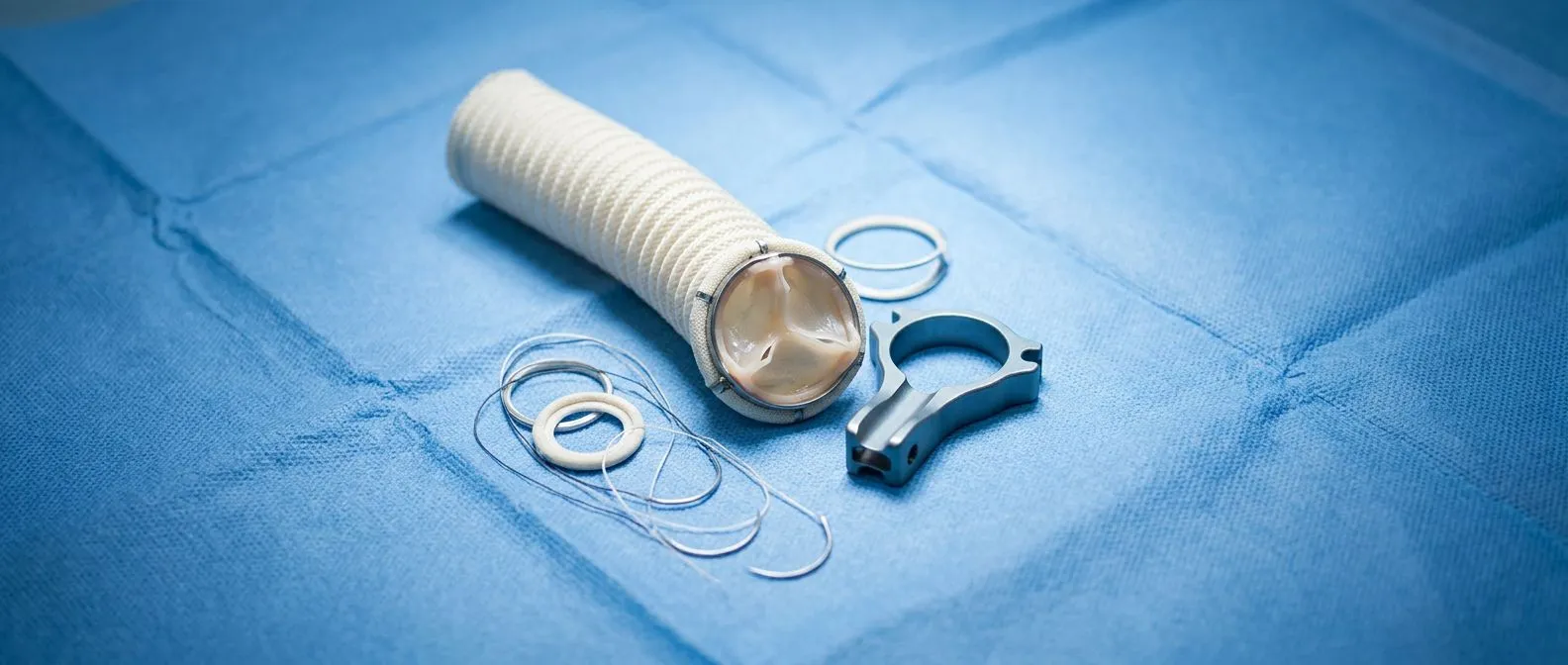
Wheat Procedure: Valve and Ascending Aorta Replacement
Wheat procedure aortic surgery replaces the valve and ascending aorta while preserving the coronary arteries.
If your cardiologist has mentioned the wheat procedure aortic surgery, you are probably facing two problems at once: a diseased aortic valve and a widened section of the main artery leaving the heart. This operation, named after the surgeon who described it in the 1960s, replaces the valve and the damaged part of the ascending aorta while leaving the coronary arteries — the arteries that feed the heart muscle itself — untouched and attached to the graft. In this guide we explain what the operation involves, who it suits, how it compares with the Bentall procedure, and what recovery really looks like.
What Is the Wheat Procedure Aortic Surgery?
A definition in plain language. The Wheat Procedure is a combined valve replacement with aorta repair. The surgeon replaces the aortic valve — the one-way gate between the heart's main pumping chamber and the aorta — and then replaces the first stretch of the aorta, called the Ascending Aorta, with a synthetic tube. Unlike the Bentall operation, the coronary arteries are not re-implanted into the graft; they stay attached where they are, just below the replaced segment.
The key difference lies in the aortic root — the small funnel at the very start of the aorta that holds the valve. In a full Aortic Root Replacement such as the Bentall, the root is removed and rebuilt along with the valve. In the wheat procedure aortic surgery, the root is preserved because the disease sits above it, in the wider part of the ascending aorta. Think of it as replacing a worn valve and a stretched pipe while keeping the junction between them intact.
Understanding the anatomy helps. Our team always starts by showing patients a simple diagram of the aortic valve and the ascending aorta, because once you can picture what is being repaired, the operation stops being abstract. When we explain the plan in the consultation, we take the time to say what the studies actually show, in plain words, before any decision is made.
When Is Wheat Procedure Heart Valve Replacement Recommended?
The typical scenario. Wheat procedure heart valve replacement is recommended when two separate problems coexist: a valve that is too damaged to repair, and an aneurysm — a balloon-like widening — of the ascending aorta that spares the aortic root. This pattern is common in older patients with calcium build-up on the valve and age-related changes in the aortic wall.
Guidelines generally steer teams toward surgery when the ascending aorta reaches about 5.5 cm, or earlier when the valve already needs replacing, when the aorta is growing quickly, or when there is a family history of aortic disease. That last point matters: deciding on a threshold is not just a measurement, it is a judgement that weighs growth rate, connective-tissue features and symptoms together. An authoritative overview of these thresholds is maintained by the National Institutes of Health's clinical resources (National Institutes of Health).
In our practice, every case is reviewed by the multidisciplinary team against international practice guidelines before a recommendation is given, and the patient receives a clear proposal with the alternatives — the final decision is always theirs. We also encourage second opinions and treat seeking one as a normal part of deciding about heart surgery.
Wheat Procedure vs Bentall: What's the Difference?
What is the Bentall procedure? In a Bentall operation, the surgeon removes the aortic valve, the entire aortic root and the ascending aorta, then stitches in a single unit — a valve sewn inside a synthetic tube. The coronary arteries, which branch off the root, are detached as small buttons and re-attached to the tube. It is the classic operation for disease that involves the root itself, such as infection or a dissected root.
When the wheat approach wins. The wheat procedure vs Bentall comparison comes down to one question: is the aortic root healthy? If the root and coronary origins are normal and the disease sits in the valve and the mid-ascending aorta, the wheat operation avoids the extra step of re-implanting the coronaries. That means less dissection near delicate arteries and a shorter, technically simpler operation. As a common rule of thumb in published series, the wheat operation is chosen when the root measures roughly 4 cm or less and the coronary arteries attach normally.
What is the life expectancy after the Bentall procedure? Long-term follow-up studies of Bentall patients show survival curves that, for many, approach that of the general matched population once the early postoperative period is passed — durable valves and grafts do their job for decades. The same durability logic applies to the wheat operation, because the prosthetic components are similar. Ask your own team for figures specific to your age, valve choice and other conditions, since published averages hide wide individual variation.
One caution we always share: if the root is even mildly dilated, we prefer the Bentall or a valve-sparing option, because leaving a slightly enlarged root behind can mean a second operation later. For a related emergency, an aortic dissection — a tear in the artery wall that is a true cardiovascular emergency — the root almost always needs full replacement, which shifts the decision toward Bentall.
How the Wheat Procedure Works: Step by Step
Preparing and protecting. The operation is performed under general anaesthesia with the heart-lung machine, which takes over circulation so the surgeon can work on a still, bloodless field. The patient is cooled slightly, because lower body temperature protects the brain and organs while circulation is diverted.
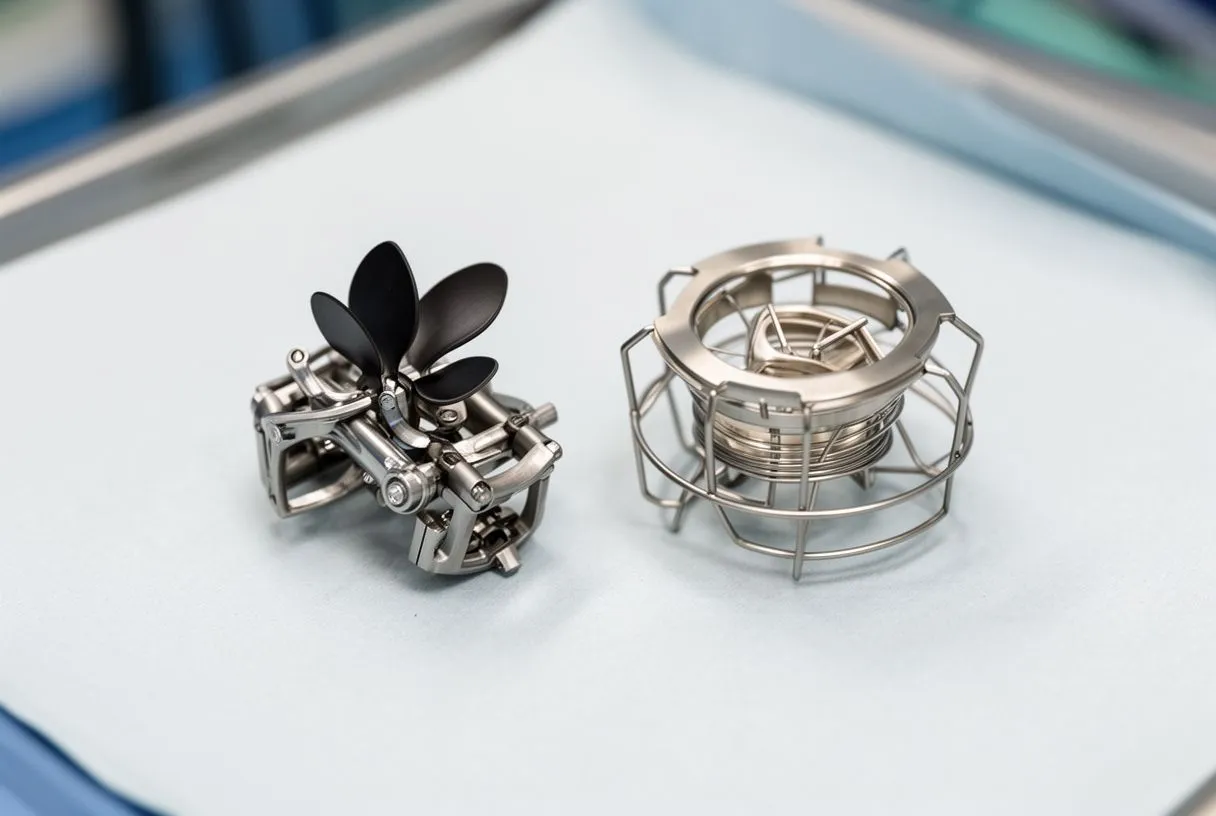
Replacing the valve. The aorta is opened, the diseased valve is removed, and a prosthetic Valve Replacement is sewn into the valve annulus — the firm ring where the valve sits. Options include a mechanical valve (very durable, needs lifelong blood thinners), a stented tissue valve (the most common choice), and less frequently a stentless valve or a supra-annular or intra-annular valve positioned at a specific height relative to the native ring. The choice depends on age, lifestyle and how long the valve is expected to last.
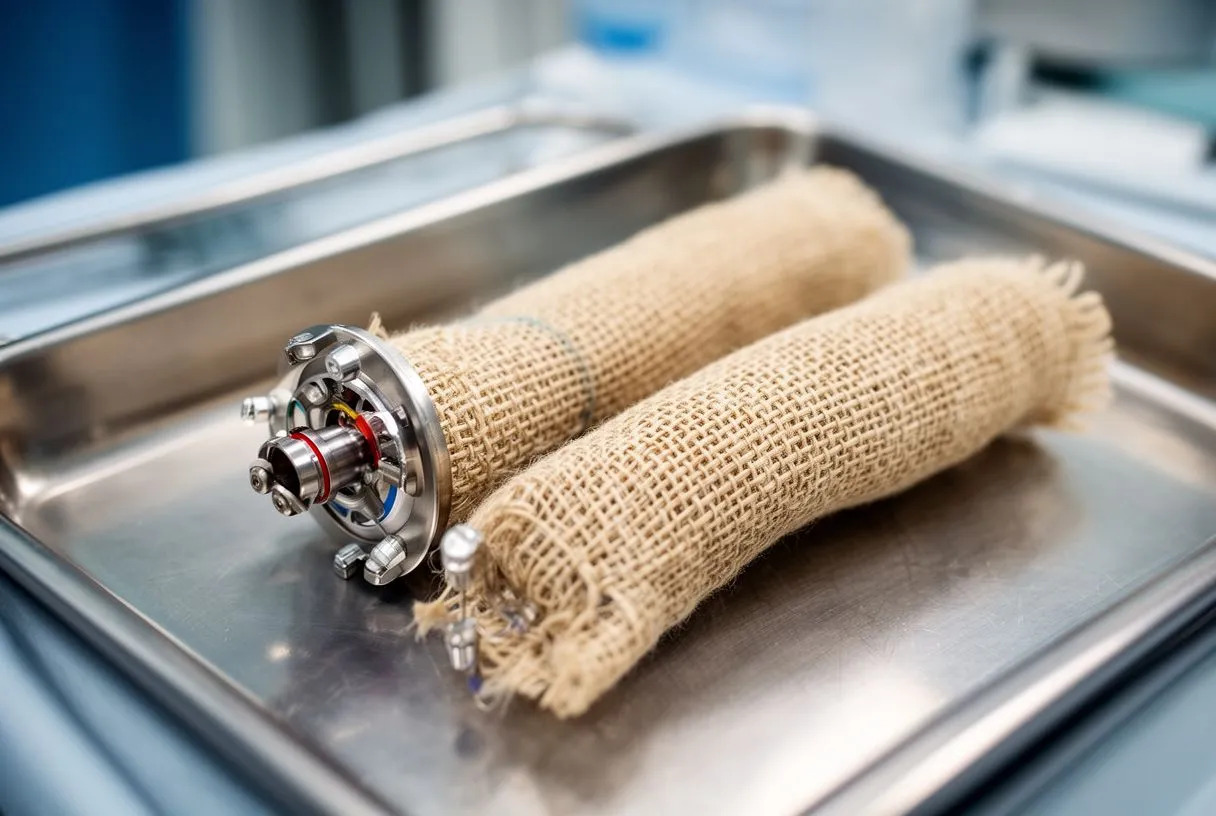
Replacing the aorta. Next, the widened segment of ascending aorta is cut away and replaced with a woven polyester graft, sized to match the patient's healthy aorta above. The graft is sewn at both ends with continuous fine sutures; the coronary arteries are left exactly where they are, immediately below the graft's lower edge. The surgeon checks every suture line for leaks before closing, restores circulation, and weans the patient off the heart-lung machine. Valve-sparing Root Replacement, including aortic root reimplantation techniques such as the David procedure, is a different operation — it keeps the native valve — and suits patients whose own valve tissue is still healthy.
Is Wheat Surgery Aortic Root Repair Right for Your Aneurysm?
What aortic root widening means. Aortic root widening is exactly what it sounds like: the funnel-shaped beginning of the aorta has stretched beyond its normal 3–4 cm diameter. Mild widening is monitored with echocardiograms. When the root is wide, the leaflets can no longer meet properly, causing leakage (regurgitation) — and that points toward root replacement, not the wheat operation.
Why the location decides the operation. Wheat surgery aortic root preservation is the goal of this procedure — the root is kept because it is healthy. Patients with bicuspid aortic valves deserve special mention: research has shown unique patterns of elastin degradation in the aortic walls of these patients (Atlantis Press), which is why bicuspid valve disease often involves the root and its surrounding structures and frequently calls for root-level surgery instead.
Your imaging tells the story. A CT angiogram or echocardiogram maps three measurements — the valve annulus, the root, and the ascending aorta — and those numbers, not preferences, decide between the wheat procedure, the Bentall, and valve-sparing alternatives.
Minimally Invasive Wheat Procedure Options
Smaller incisions, same principles. A minimally invasive wheat procedure uses a partial upper sternotomy (a partial opening of the breastbone) or a small right-side chest incision instead of the full conventional opening. The internal steps — valve replacement, graft placement, suture lines — are identical; only the access changes.
The trade-offs are real. Smaller approaches can mean less pain, lower transfusion needs and a faster early recovery, but they demand specific expertise and careful patient selection. We perform conventional, minimally invasive, robotic and transcatheter procedures, and we recommend the less invasive route only where the evidence supports it for that patient. Dr Molina trained in cardiac, minimally invasive, robotic and structural surgery at the University of Montreal, and the team also trained at Jena, Bad Berka and Buffalo — experience that matters precisely because these approaches are technically demanding.
Some patients hear about endovascular aortic repair — a stent graft delivered through catheters from the groin, without open surgery. It works well for the descending aorta, but a stent cannot yet replace the ascending aorta in the standard way, so open surgery remains the established route for this region of the aorta.
Wheat Procedure Recovery Time and Hospital Stay
The first days. Typical wheat procedure hospital stay is five to seven days: one to two in intensive care, then the ward. Breathing tubes come out within hours of surgery; chest drains come out after a day or two; and walking starts on day one or two, a few minutes at a time. Cardiac physiotherapy builds stamina gradually.
Weeks one to eight. Most wheat procedure recovery time follows a predictable arc: four to six weeks to feel like yourself around the house, and roughly three months to return to desk work or normal driving. Sternal precautions — no lifting over about 5 kg, no pushing or pulling — apply for six to eight weeks while the breastbone heals. Cardiac rehabilitation programmes, when available, roughly double that timeline's comfort and confidence.
If a dissection brought you here. For patients asking how long it takes to recover from aortic dissection surgery, add time: emergency operations are bigger, and return to full activity often takes three to six months, with blood pressure control becoming a lifelong project.

Wheat Procedure Complications: What to Know
Honest numbers. Wheat procedure complications are uncommon but worth understanding rather than fearing. The main risks discussed before surgery include bleeding requiring re-operation, infection of the sternum or valve, stroke from debris or air at the suture lines, kidney strain, and rhythm disturbances such as atrial fibrillation. In published series, operative mortality for planned elective ascending aortic and valve surgery in experienced centres is low, typically in the low single digits — a figure your own team should quote with your personal risk profile.
Factors that move the needle. Age, frailty, lung disease, kidney function and whether the operation is elective or emergency all shift the risk. The EuroSCORE II calculator is one way teams quantify this. When we see patients for a first consultation, the first contact is a free video consultation: we get to know the patient, talk through the condition, and say which studies are still needed so no unnecessary ones are ordered.
Small technical problems can occur even in well-planned cases — published case reports describe creative solutions for bleeding from suture lines, such as novel percutaneous closure device techniques in complex patients (Hindawi). The lesson is that these issues are recognised and manageable, not mysterious.
- Warning signs after discharge: fever above 38°C, new chest pain, sudden leg swelling, or any wound discharge should be reported to your surgical team immediately.
- Lifelong follow-up: an annual echocardiogram and CT surveillance of the remaining aorta are standard, because the rest of the aortic wall can still change over time.
Wheat Surgery Elderly Patients: TAVR or SAVR?
The question everyone asks. Should a 78-year-old have TAVR or SAVR? Transcatheter Aortic Valve Implantation — better known as TAVR, a valve delivered by catheter without open surgery — is excellent for isolated valve disease in older or frailer patients. But TAVR on its own cannot replace the ascending aorta. So when an aneurysm needs fixing along with the valve, wheat surgery elderly patients face a combined open procedure, or staged alternatives discussed case by case.
What is the life expectancy after a TAVR procedure? For patients over 80 with isolated valve disease, outcomes after TAVR are good and continue to improve, and many live for years of good quality. But that applies to the valve alone — an untreated aneurysm above a TAVR valve remains a risk, which is exactly why the combined decision needs the whole team at the table.
These cases are precisely where a team review earns its keep: the valve, the aorta and the patient's overall fitness are looked at together, then one clear recommendation is presented with the alternatives spelled out. Surgical Aortic Valve Replacement combined with grafting, transcatheter staged options, or hybrid approaches are all weighed against that patient's specific numbers — not against an age cutoff alone.
Living Well After Valve and Ascending Aorta Replacement
Life after the operation. Patients who undergo the wheat procedure aortic surgery generally return to full, ordinary lives — walking, travelling, working, most sports. Blood pressure control is the one habit that matters most, because the grafted segment is fine but the aorta above and beyond it must be protected from high pressure. Take antihypertensive medication as prescribed, keep the annual imaging appointments, and treat new symptoms as messages rather than annoyances.
Know your heart. Whether your operation involves the aortic valve or the mitral valve — knowing your heart: the aortic valve guards the outflow of the left ventricle, while knowing your heart: the mitral valve governs inflow from the left atrium — understanding your own anatomy makes every future conversation with a doctor easier. Ask for copies of your operative report and keep them with you when you travel.
If you are reading this before surgery and weighing whether the wheat procedure aortic surgery fits your situation, do not decide alone. Book a consultation with a qualified cardiac team — we offer a free video consultation as a first step, encourage second opinions as normal practice, and will always give you the alternatives alongside our recommendation. Your final decision should be an informed one, made with the full picture in hand.






