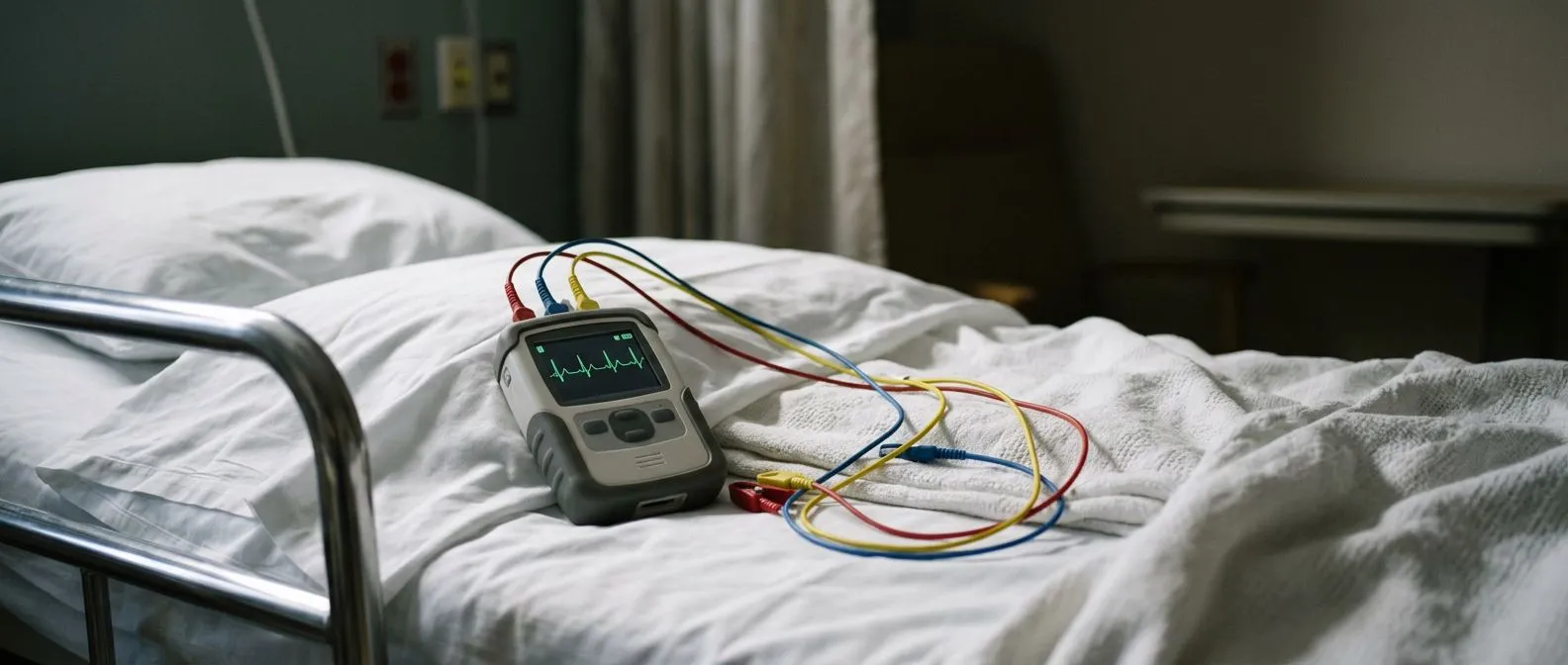
What to expect from heart surgery: everything you need to know
Wondering what to expect from heart surgery?
From the night before admission to the weeks after you go home: preparation, the day itself, intensive care, pain, restrictions and follow-up. This is what to expect from heart surgery, step by step.
A practical guide to open-heart surgery: what to do beforehand, what happens on the day, what to expect in intensive care, and what the restrictions are once you are home.
Do you or a relative need heart surgery soon? Does the information out there seem confusing? You are in the right place.
We know that something as delicate as heart surgery has the potential to change your life and your family's. Here you will find a practical guide for people who need heart surgery, with general recommendations endorsed by Stanford University alongside our own local ones, explained clearly.
By the end you will know what happens from before you are admitted to hospital through to what you need to know weeks after leaving it.
Because this is a general guide, your own progress may vary and may not follow the day-by-day outline below exactly. Here we are talking about what we know as open-heart surgery. For information about endovascular procedures such as TAVR or MitraClip, follow those links.
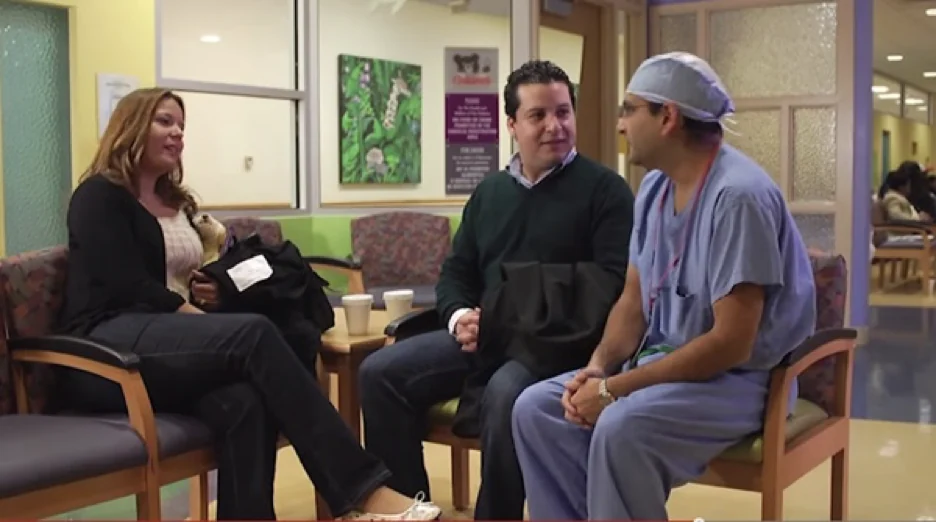
Open-heart surgery preparation: the weeks before
Good open-heart surgery preparation starts well before the night before. The weeks leading up to your operation are a chance to arrive as strong as possible. Part of knowing what to expect from your heart surgery is knowing what you can do now to help.
- Stop smoking. Stopping, even a few weeks before surgery, helps your lungs and your wound healing.
- Stay active within your limits. Gentle walking, if your doctor allows it, helps you recover faster afterwards.
- See your dentist if advised. Before valve surgery, dental problems are usually treated in advance to reduce the risk of infection.
- Bring a list of your medicines. Include doses, supplements and any allergies. Your team will tell you which to continue and which to pause.
- Organise help at home. You will need someone with you for the first days after discharge, and help with shopping, cleaning and driving for some weeks.
- Write down your questions. Ask your surgeon what to expect from your heart surgery in your own case, and bring the list to your consultation.
Before you are admitted, your nursing coordinator will also go through what to expect from heart surgery, day by day.
What should I do before my surgery?
Diet. Eat your normal diet unless your nursing coordinator tells you otherwise. Do not eat or drink anything after midnight before your surgery, if your operation is scheduled for the following morning. Around 6–8 hours of fasting is usually required.
Medication. Your nursing coordinator and your doctor will tell you which medicines to continue and which to stop on the morning of surgery.
Showering. You will be asked to shower with an antimicrobial soap the night before or the morning of surgery, a few hours before the procedure. The soap will be provided on the day required.
The surgeon and their team will visit you the night before or ahead of surgery to talk through all the details, give instructions and answer any questions you or your family have.

What should I do on the day of surgery?
"Nil by mouth" means you are not allowed to eat or drink anything unless told otherwise on your pre-operative day. Your doctor or nurse in charge will tell you which medicines to take on the morning of surgery.
You will be checked in to the pre-anaesthetic room at the time your doctor specifies. After that, a member of the healthcare team will help prepare you for surgery. Preparation includes taking your vital signs, shaving, placing an intravenous line and giving medication.
The anaesthetist will then visit you and give you medication, as indicated, to help you relax before you are taken to theatre.

What to expect from heart surgery itself
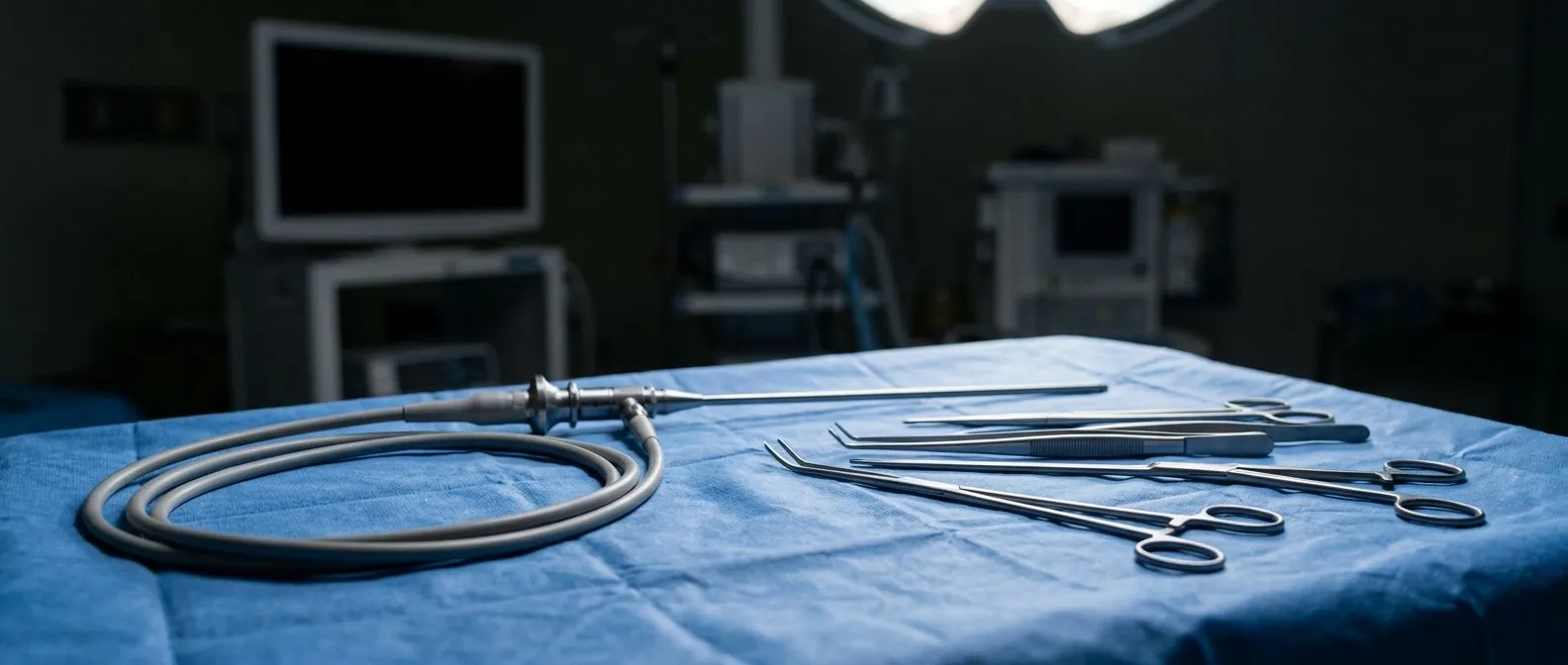
Once you are in theatre you will see a great many people present. Don't worry — each of them has a role in that room.
Once the anaesthetic has been given, the following tubes and drains will be inserted during surgery, after you are asleep, so you will feel no pain and remember nothing. Even so, it is worth knowing about them so there are no surprises when you wake up afterwards:
- Breathing tube. A tube is placed in your airway and connected to a ventilator that helps you breathe.
- Central venous catheter. A tube placed through a large vein, allowing fluids and medication to be given.
- Chest drain. A tube placed between the lung and the chest wall to drain air or fluid from the chest cavity.
- Arterial line. A tube placed in an artery to measure blood pressure.
- Nasogastric or orogastric tube. A tube placed through the nose or mouth into the stomach.
- Urinary catheter. A tube inserted into your bladder to drain urine.
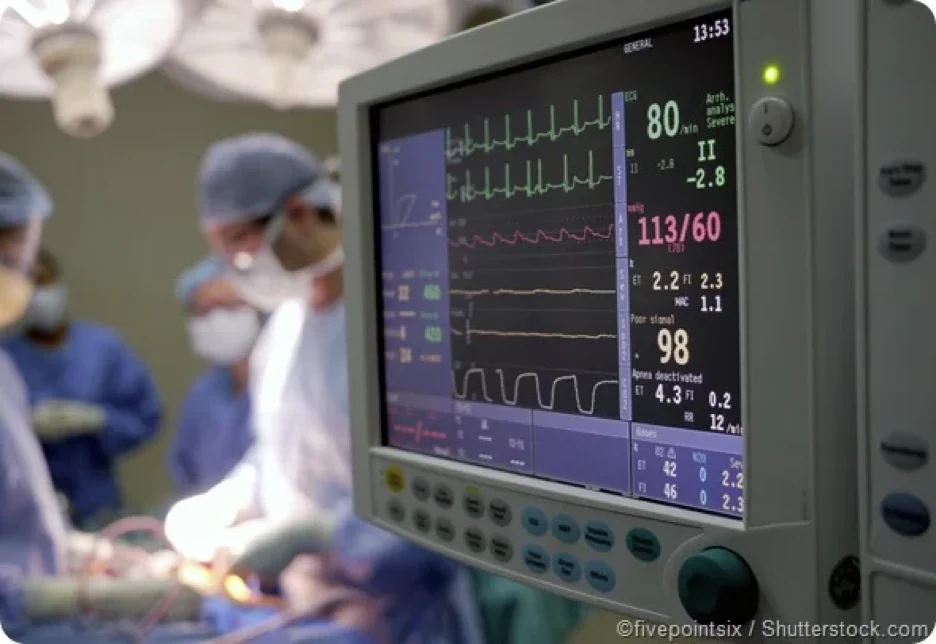
How long will my surgery take?
In general, surgery can take four to six hours, depending on your procedure. Some operations can take many hours more, according to their complexity. Always discuss the specific nature of your surgery with your surgeon.
Who will keep my family informed?
When the surgery is complete, the surgeon and the surgical team will speak to your family. In the great majority of cases this happens once the patient has reached the intensive care unit. It can be hard for family and loved ones to go so many hours without news. That is completely normal. It is a matter of being patient and waiting to be called; they will be given all the information they need.
Will I need a blood transfusion during surgery?
The current trend worldwide is to try to minimise blood transfusion. We use strategies to recover blood lost during surgery and reduce the need for transfusion. Most of our patients do not require a transfusion during surgery. Our aim is not to transfuse unless it is necessary.
The need for a transfusion varies from patient to patient, so you may want to discuss it with your surgeon during your consultation.
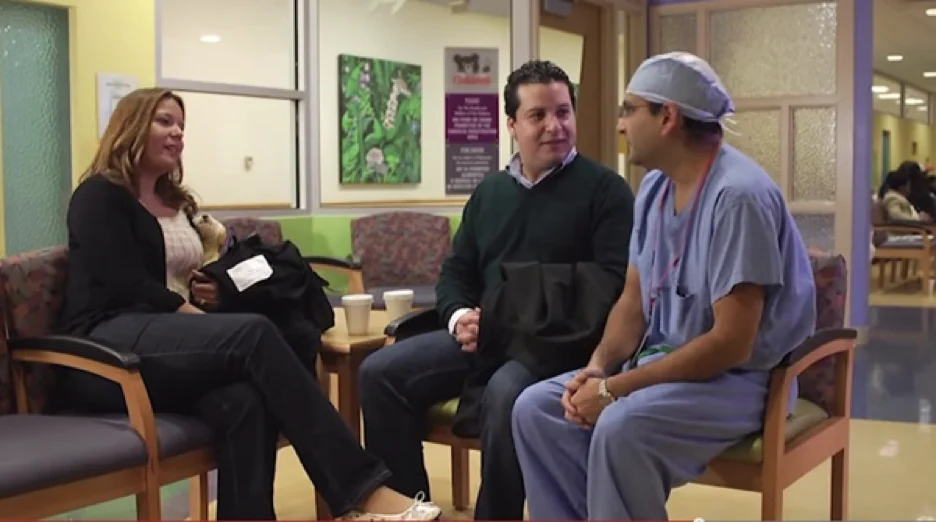
Where will I go after my surgery?
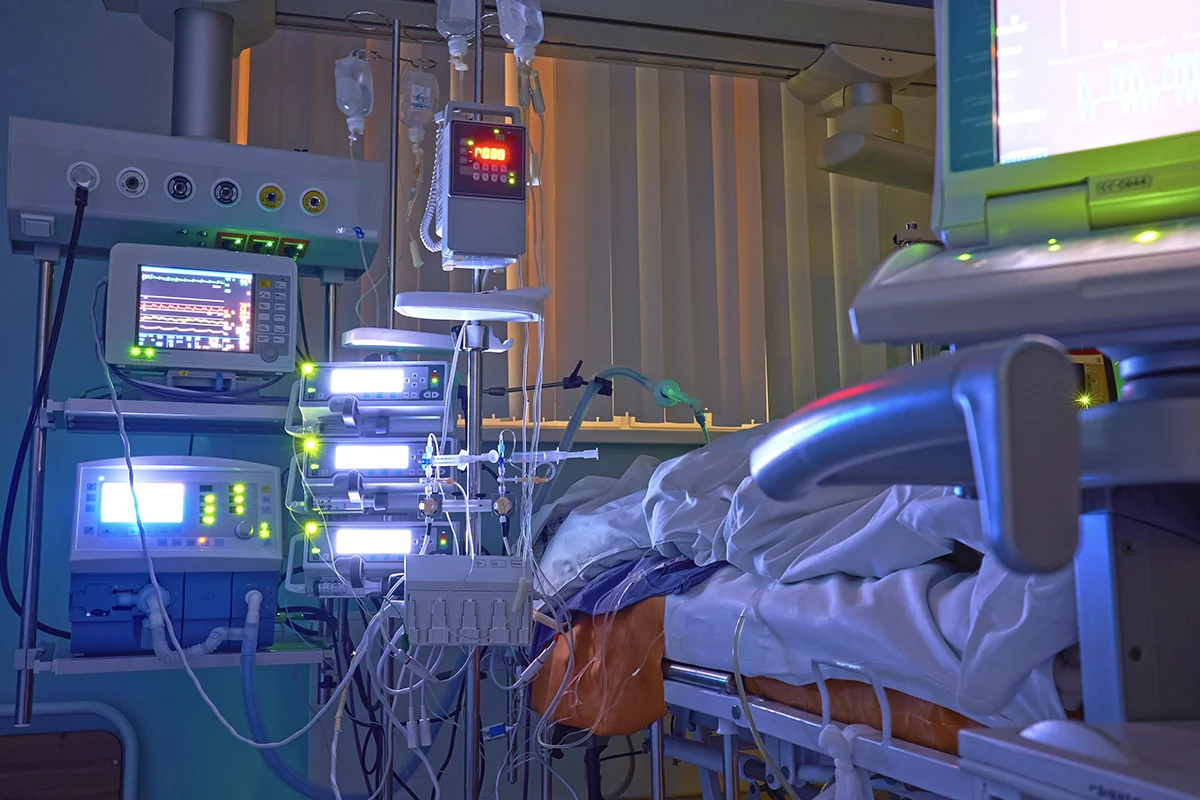
After surgery you will be moved to the intensive care unit. You will be closely monitored by doctors, nurses and staff as you recover. You will still be somewhat sleepy from the anaesthetic and the sedatives given during surgery, and you may not remember anything of the first hours afterwards.
When will the breathing tube be removed?
Our team's aim is to remove the breathing tube in the operating theatre once surgery is finished, before going to intensive care. If that is not possible, we prefer to remove it within the first six hours. This can vary, though, because of factors such as:
- Vital signs
- Laboratory results
- Lung function
- Chest X-ray
- Smoking history
- Other respiratory conditions such as asthma, COPD or emphysema
How can I reduce my risk of pneumonia?
Through breathing exercises with a device known as an incentive spirometer. Hospital staff will help you and show you how to use it, along with when to do the exercises.
After the breathing tube is removed, an incentive spirometer helps you take deeper breaths and reduces the risk of pneumonia after surgery. You should do this exercise ten times every hour you are awake, for as long as you are in hospital.
How to use an incentive spirometer, in general terms:
- Place the plastic mouthpiece in your mouth.
- Blow out gently to empty your lungs.
- Take a very deep breath in, as though sucking through a straw.
- Hold your breath as long as you can.
- Let the air out.
- Cough strongly after each deep breath. If you can, bring up the phlegm.
- While coughing, hold a pillow firmly against your incision. This supports the incision and can help reduce the pain.

How will my pain be controlled?
You will be given pain medication during surgery and through your recovery. This can include tablets, intravenous medication and infusion pumps.
Postoperative pain is caused by injury to skin, muscle, bone and nerves during the operation. Controlling your pain matters because it will otherwise interfere with and slow your recovery — your breathing, sleep, appetite and activity.
- Breathing. Pain can stop you taking deep breaths. Shallow breathing increases the risk of pneumonia.
- Sleep. Inadequate pain control affects your comfort and rest.
- Appetite. Inadequate pain control can affect your desire to eat.
- Activity. Inadequate pain control can affect your ability to get out of bed, move and walk.
The amount of pain medication you need depends on your tolerance of pain and your response to the medicines given. For your safety, your doctors and nursing staff will control the amount you are given.
Although a significant amount of pain medication is given, it may not eliminate your pain completely — but it should keep you at a level that lets you move, eat and breathe easily.
What are the benefits of minimally invasive surgery?
Minimally invasive surgery offers multiple benefits compared with traditional surgery, particularly in cardiac procedures. Its main advantages:
- Less pain and faster healing. Smaller incisions reduce tissue trauma and postoperative pain, making for a more comfortable recovery.
- Lower risk of infection and complications. Reducing the exposure of internal organs lowers the possibility of infection and other complications associated with open surgery.
- Less blood loss. Smaller incisions and advanced techniques minimise bleeding during the procedure, which reduces the need for transfusion.
- Faster recovery and a shorter hospital stay. Patients usually recover in less time and can return to normal activities sooner.
- Better cosmetic result. Smaller incisions leave minimal scarring.
Thanks to these benefits, minimally invasive surgery has become a preferred option for many procedures, whenever the patient's case allows it.
When can I eat or drink?
Once the breathing tube is removed, you can start with swabs to moisten your mouth and move slowly on to ice chips, water and sugar-free liquids during the first 24 hours.
Because of the anaesthetic and pain medication given during surgery, your risk of aspiration will be monitored by your nurse, who will manage the ice chips, clear fluids and solid food as you tolerate them.
How long will I be in intensive care?
The average stay for our cardiac surgery patients is one to two days in intensive care. Your actual stay may vary according to your vital signs, your activity and the availability of beds in the step-down unit. With minimally invasive procedures the time in intensive care can sometimes be shorter.

Heart surgery intensive care: what your family will see
The first visit to intensive care can be a shock for relatives. Knowing what to expect from heart surgery in the ICU helps families stay calm.
Your loved one will be connected to monitors that beep and flash. Most alarms are routine and do not mean something is wrong. There will be several drips and lines, the chest drains and perhaps the breathing tube for a few hours. The skin may look pale or puffy, and the hands may feel cool at first.
Many patients are drowsy, and some are briefly confused, especially older people. This usually settles within a few days. Talking calmly, bringing glasses and hearing aids, and reminding them of the time of day all help. Visiting rules vary between hospitals, so the nursing team will explain them.
If you are unsure what to expect from the heart surgery itself or the hours afterwards, ask the nurse caring for your relative. They are used to these questions.
What does the ERAS protocol refer to after heart surgery?
The ERAS protocol — Enhanced Recovery After Surgery — is a set of strategies designed to help patients recover faster and with fewer complications after cardiac surgery.
The approach includes measures before, during and after the operation: better nutritional preparation, optimal pain control with fewer opioids, early mobilisation, and a rapid return to eating.
The aim is to reduce stress on the body, minimise time in hospital and improve quality of life after surgery. Following this protocol, patients usually experience less pain, a lower risk of infection and a faster recovery, letting them return to daily activities sooner.
How long will I be in hospital?
The average stay for our cardiac surgery patients is five to seven days. Your actual stay may vary according to your vital signs, laboratory results, diet and activity.
What are my restrictions after surgery?
Sternotomy
A sternotomy is an incision made through the sternum, or breastbone.
After surgery it is important to take care of your sternum and follow "sternal precautions". The sternum is the chest bone that is divided to reach the heart during surgery.
After the operation, surgical steel wires are used to hold the sternum together. Over the following six to eight weeks it is important to let the area heal.
It can take two or three months for your sternum to heal. Excessive effort or strain on the sternum before it has healed increases the risk of it opening, draining and becoming infected.
Thoracotomy
A thoracotomy is a small incision of 4–5 cm made on the left or right side of the chest to reach the heart. These are what we use in minimally invasive procedures. Because we do not touch the sternum, recovery is usually much faster.
Sternal and thoracotomy precautions
- Do not lift objects heavier than five to ten kg.
- Do not bend, push, pull or stretch for six to eight weeks. With minimally invasive surgery this period is much shorter.
- Hold a pillow firmly against your upper chest when coughing or taking deep breaths.
- Avoid putting pressure on your arms to support your upper body.
- Keep your arms close to your body. Avoid over-reaching.
- Do not place both hands behind your head.
- Avoid twisting your upper torso.
- Do not drive for four to six weeks, or until your surgeon gives you the go-ahead. This applies in the case of a sternotomy.
What is follow-up like after discharge?
Follow-up after cardiac surgery is essential to ensuring an optimal recovery and preventing complications. Once you are discharged, recovery continues at home with several kinds of care and medical monitoring:
- Follow-up appointments. Your surgeon and cardiologist will arrange regular reviews to monitor your recovery, check the surgical wounds and adjust medication if needed. It is crucial to attend every appointment and report any unusual symptom.
- Wound care. Keep the incision clean and dry, following medical instructions to avoid infection. If you notice redness, swelling, discharge or fever, tell your doctor immediately.
- Medication. You will probably need anticoagulants, blood pressure medication and painkillers. Follow medical instructions to the letter and do not stop any drug without checking first.
- Physical activity and rehabilitation. Early mobilisation is key. Daily walking is recommended and, if your doctor approves, taking part in a cardiac rehabilitation programme to regain strength and improve heart health.
- Diet and way of living. A healthy diet, low in sodium and saturated fat, is essential to protecting the heart. Avoiding alcohol, tobacco and stress is also recommended.
- Recognising warning signs. Watch for symptoms such as chest pain, difficulty breathing, extreme fatigue, palpitations or swelling in the legs and feet, and see a doctor if they appear.
A successful recovery depends on following this care and keeping open communication with your medical team.
How should I care for the wound?
After cardiac surgery, proper care of the surgical wound is essential to preventing infection and promoting a successful recovery.
Caring for the surgical wound
- Keep the wound clean and dry. Avoid getting it wet in the first days. You can shower if your doctor allows, but without rubbing the incision.
- Wash your hands before touching the wound. This reduces the risk of infection.
- Avoid applying creams, lotions or antiseptics without medical instruction. Some products can delay healing.
- Wear comfortable, loose clothing. Avoid tight garments that rub against the wound.
- Do not lift heavy objects or make excessive effort. This can open the stitches or affect healing.
- Follow medical instructions about dressings. Some cases require bandaging, while in others leaving the wound open to the air is recommended.
Warning signs
If you notice any of these, contact your doctor immediately:
- Redness, swelling or increasing pain in the wound.
- Yellowish, greenish or foul-smelling discharge.
- The wound opening, or the edges separating.
- A fever above 38°C with no other apparent cause.
- Chest pain or difficulty breathing.
- Irregular heartbeat or swelling in the legs.
If any of these appear, it is important to seek medical attention quickly to avoid complications.
When will I be able to drive?
You may not be able to drive for four to six weeks in the case of a sternotomy. You may also be unable to drive if you still have pain at the chest incision, or if you are taking medication that could affect your judgement.
Please check with your surgical team about your driving privileges.

How much walking and exercise will I need after surgery?
The aim is to walk three to four times a day after your surgery.
On the day of your operation, nursing or physiotherapy staff can help you with simple activities such as exercises in bed and sitting on the edge of the bed if appropriate.
On the first day after surgery they will help you sit in a chair and take a short walk if appropriate. Every day we increase your activity, and you will be given an activity list to track your progress.
Physiotherapists and nursing staff will teach you sternal precautions during your activities, such as:
- Using a pillow to support your chest when coughing.
- Deep breathing and activity.
- How to get out of bed safely.
- How to use your body safely for daily activities.
A physiotherapist will help determine whether you need equipment for your safety, such as a walking frame.
Your nurses and therapists will tell you when it is safe to walk independently. Until then, always ask for help getting out of bed.
The cardiac rehabilitation staff will talk to you about the walking programme, to help you and your family through the transition home.

Heart surgery recovery at home: the first weeks
Heart surgery recovery continues long after you leave hospital. Many patients are surprised by how tired they feel at first. It is the part of what to expect from heart surgery that few people anticipate. That is normal, and it improves week by week.
- Tiredness. Short naps and a balance of activity and rest help.
- Poor appetite and changes in taste. These are common in the first weeks and usually return to normal.
- Disturbed sleep. Finding a comfortable position can be hard while the chest heals.
- Low mood or emotional ups and downs. These are common and usually pass. Tell your team if they persist.
- Mild swelling of the legs. This is more likely on the side where a vein was taken for a bypass.
Most patients return to light everyday activities within a few weeks. After a sternotomy, a return to full activity commonly takes around two to three months. After minimally invasive surgery it is often faster. Your surgeon will set your individual plan.
Knowing what to expect from heart surgery recovery makes this period easier for you and your family. Think of this page as a cardiac surgery patient guide to keep and come back to. Every patient's path is different, and your own team's advice always comes first.
Don't be left with questions
Remember that open, trusting communication with your medical team is fundamental to a proper doctor–patient relationship. That plays an important and positive part in the whole process of heart surgery.
This is only a quick guide to the details and the most frequent questions about heart surgery. Even so, don't hesitate to request an appointment or a first free video consultation to talk about your particular case. Remember, you are not alone.

About the author
Dr Alejandro Molina is a cardiovascular surgeon practising in Guadalajara, Querétaro and Hermosillo. He trained in cardiothoracic surgery at the Universidad de Guadalajara, completed advanced training in cardiac surgery, minimally invasive surgery, robotic surgery and structural interventions at the University of Montreal, and a fellowship in structural cardiology and TAVR at CHU Bordeaux, France. He performed the first robotic mitral valve repair in the Ángeles Health System and the first robotic heart surgery in Guadalajara.
Medical degree: Universidad Autónoma de Guadalajara, Cédula Profesional 5757260 · Cardiothoracic surgery: Universidad de Guadalajara, Cédula de Especialidad 10768871 · Current certification, Consejo Nacional de Cirugía del Tórax, no. 447
Talk to a specialist
Request a free video consultation to clear up your questions and make a better-informed decision.