Annuloplasty: Repairing a Leaking Heart Valve
Annuloplasty valve repair fixes leaking heart valves by tightening the annulus.
What is an Annuloplasty Valve Repair?
When you learn that your heart valve is leaking, the news can feel overwhelming, but understanding the surgical solution brings clarity. An annuloplasty is a specialized procedure designed to fix a leaking valve by tightening the fibrous ring that holds the valve flaps in place. Heart valves act as one-way doors, ensuring blood flows forward through the heart chambers. When the ring—called the annulus—stretches or weakens, the flaps cannot meet properly, causing blood to slip backward. This backward flow is known as regurgitation. By reshaping and supporting the annulus, this repair restores the seal so the valve functions normally again.
How the annulus changes over time: The annulus is not a rigid bone but a dynamic, living structure. Over years, aging, high blood pressure, or inherited tissue weakness can cause it to dilate. When a doctor listens to your heart through a stethoscope during a routine exam, a process called auscultation, they might hear a murmur. This sound is the turbulent rush of blood leaking backward through the compromised valve. Hearing this sound often prompts an echocardiogram, which provides the detailed images needed to confirm the leak and measure the annulus.
Why repairing is preferable to replacing: Whenever possible, cardiac surgeons prefer to repair your native valve rather than replace it with an artificial one. A repair preserves your own living tissue, which maintains better blood flow dynamics and reduces the need for lifelong blood thinners. The atrium, which is the upper chamber of the heart that receives blood, benefits greatly from a tight valve seal, as it no longer has to work against a backward pressure wave. This repair approach has become a cornerstone of modern structural heart care, offering patients durable outcomes and a faster return to normal living.
How Does Heart Valve Regurgitation Repair Work?
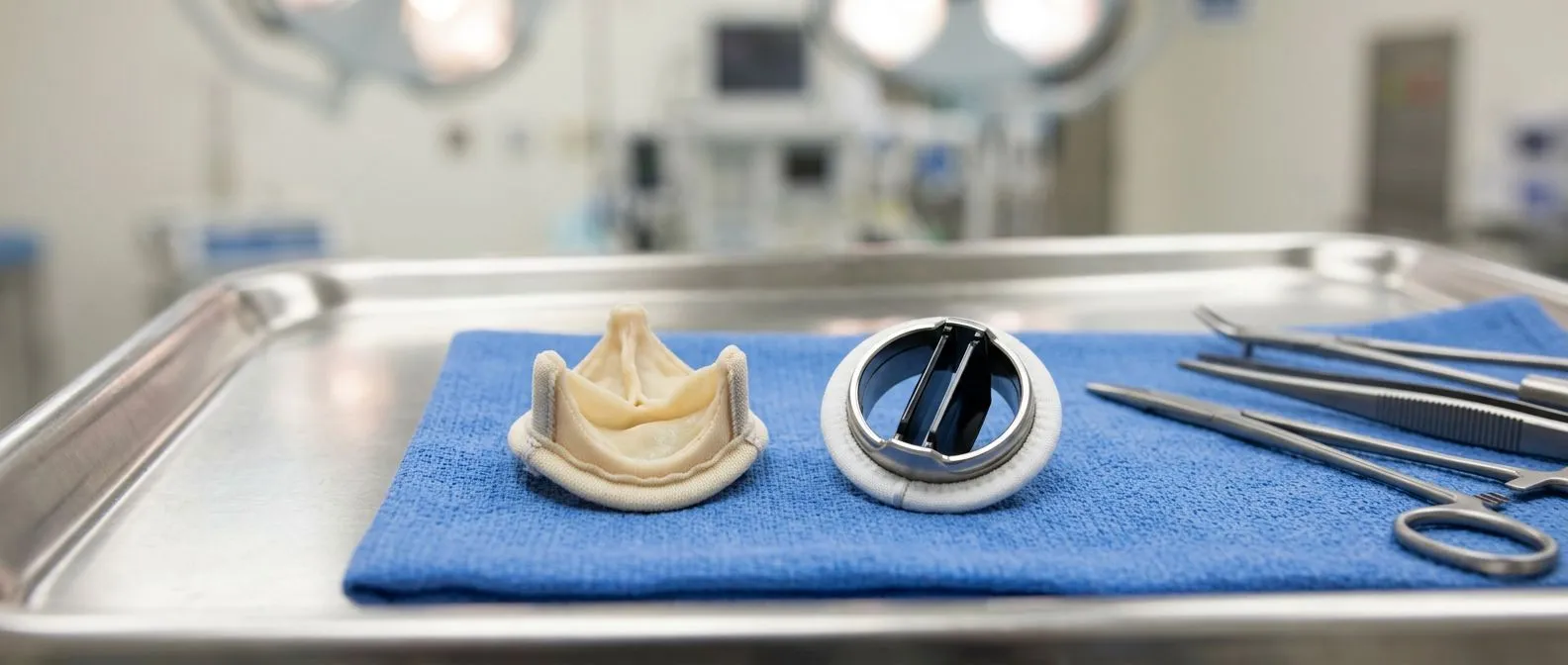
The core mechanism of an annuloplasty involves implanting a supportive ring around the perimeter of the stretched valve. During the operation, the surgeon carefully measures the opening of the valve and selects a prosthetic ring—often made of titanium or flexible materials covered in medical fabric—that matches your anatomy. Once sewn into place, this ring acts like a new belt cinching a pair of stretched trousers, pulling the valve flaps closer together. This allows the flaps, or leaflets, to coapt, meaning they meet neatly in the center to block any backward flow of blood when the heart squeezes.

Distinguishing valve issues from artery disease: It is important to distinguish a leaky valve from blocked arteries, as they require entirely different interventions. Artery blockages are caused by atheromatous plaque, a buildup of cholesterol and fats that restricts blood flow to the heart muscle. High levels of a particle called apolipoprotein B in your blood can drive this plaque formation. While valve regurgitation affects the heart's internal doors, plaque affects the pipes. However, both can coexist, and your surgical team will evaluate your coronary arteries at the same time to ensure a comprehensive repair.
The role of imaging in surgical planning: Before an incision is ever made, advanced imaging guides the entire regurgitation repair strategy. Three-dimensional echocardiograms allow surgeons to view the valve from below, simulating how blood moves through the opening. This precise mapping reveals exactly how stretched the annulus is and whether the valve leaflets themselves are damaged. If the leaflets are healthy and the only issue is a stretched ring, an isolated annuloplasty is highly effective. If the leaflets are torn or prolapsing, the surgeon will combine the ring placement with targeted tissue repair techniques to achieve a complete, lasting fix.
Types of Annuloplasty Procedure for Leaking Valves
There are several approaches to performing an annuloplasty, tailored to the specific valve involved and the patient's overall health. The most common division is between rigid and flexible rings. A rigid ring provides absolute stability and is often used when the surgeon needs to forcefully correct a highly distorted annulus, particularly in certain mitral valve cases. Flexible rings, on the other hand, allow the annulus to maintain some of its natural contraction and expansion during the heartbeat, which can be advantageous for maintaining normal heart mechanics.
Open surgery versus minimally invasive techniques: Traditional open-heart surgery involves a larger incision down the chest to provide direct access to the heart, while minimally invasive techniques use smaller incisions between the ribs. Minimally invasive approaches result in less postoperative pain and quicker recovery, though they require highly specialized surgical centers and training. Regardless of the approach, your surgical team will use autologous blood—your own pre-drawn blood—to minimize the need for donor transfusions during the procedure. This practice significantly reduces the risk of immune reactions and infections.
- Rigid rings: Provide maximum structural support for severely stretched valve openings.
- Flexible rings: Adapt to the natural movement of the beating heart.
- Partial bands: Used for specific valve sections where complete rings are unnecessary, often utilized in less complex repairs.
The concept of an autograft: In rare cases where an artificial ring is not suitable, surgeons might use an autograft, which is tissue taken from another part of your own body, to reinforce the annulus. This is less common than using manufactured rings but represents the level of customization available in modern heart valve repair. The choice of ring type and surgical approach depends heavily on the echocardiogram findings, your age, and the presence of other medical conditions. Your cardiac surgeon will discuss the most appropriate option to ensure the lowest risk for your situation.
Mitral Valve Annuloplasty: Rebuilding the Left Atrium Outlet
The mitral valve is the most frequently repaired heart valve, acting as the gateway between the left atrium and the left ventricle. When the mitral valve leaks, blood flows backward into the left atrium every time the left ventricle squeezes. Mitral valve annuloplasty addresses this by securing a prosthetic ring around the valve opening, pulling the leaflets together so they form a perfect seal. This procedure is most often performed to treat degenerative mitral regurgitation, where the valve tissue has stretched or torn over time due to age or genetic factors.

Current best practices in mitral repair: Research published in the article Degenerative mitral valve regurgitation: best practice revolution highlights that repairing the mitral valve is superior to replacing it in most degenerative cases. The surgical approach often involves accessing the heart through the right side of the chest, avoiding a full sternotomy. During this time, the heart-lung machine takes over circulation, and blood is temporarily routed through tubes, sometimes including a pathway near the ascending aorta, to keep the body oxygenated while the surgeon works on the motionless heart.
What to expect anatomically: The left ventricle is the heart's main pumping chamber, pushing oxygen-rich blood to the entire body. When the mitral valve fails, the left ventricle must pump harder to compensate for the blood sliding backward. Over time, this extra workload causes the heart muscle to enlarge and weaken. By cinching the annulus with a ring, the surgeon immediately relieves this backward pressure. The left atrium shrinks back to a more normal size, and the pumping efficiency of the left ventricle improves, protecting the long-term health of the heart muscle.
Tricuspid Valve Annuloplasty: Addressing Right-Sided Leaks
The tricuspid valve sits on the right side of the heart, controlling blood flow from the right atrium to the right ventricle, which then pumps blood to the lungs. Tricuspid valve annuloplasty is often performed at the same time as mitral valve surgery, as right-sided stretching frequently follows left-sided pressure problems. If the left side of the heart is failing, pressure builds backward into the lungs and then into the right ventricle, eventually stretching the tricuspid ring. Repairing this valve involves placing a flexible ring or band to restore the normal opening size.
Connection to heart rhythm issues: A stretched right atrium is highly susceptible to electrical misfires. Patients with a severely leaking tricuspid valve often develop atrial flutter, a rapid, abnormal heart rhythm that causes palpitations and decreases exercise tolerance. By repairing the tricuspid valve and reducing the size of the right atrium, annuloplasty can sometimes reduce or eliminate these electrical loops. The mechanical improvement in blood flow also reduces stress on the heart's electrical pathways.
Protecting the lungs and liver: When the tricuspid valve leaks, blood backs up into the body's veins, leading to swelling in the legs and abdomen, and eventually affecting the liver. Fixing this valve is crucial for resolving these systemic symptoms. The surgical repair is delicate because the tricuspid annulus is thinner than the mitral annulus. Surgeons must place stitches with extreme care to avoid damaging the nearby conduction tissue, which controls the heartbeat. When done successfully, this right-sided repair dramatically improves a patient's ability to breathe comfortably and remain active.
What to Expect During Heart Valve Repair Surgery
Undergoing heart valve repair surgery is a major event, but knowing the steps helps dispel anxiety. You will be placed under general anesthesia, and the surgical team will prepare your chest for incision. According to Mayo Clinic, heart valve surgery typically takes several hours, depending on the complexity of the repair. The team will use advanced monitoring systems to track your heart function and blood pressure continuously throughout the operation, ensuring your safety at every moment.

Monitoring lines and their purposes: Before the surgery begins, the anesthesiologist places several lines to monitor your condition and administer medications. An arterial line is inserted into a wrist artery to provide beat-to-beat blood pressure readings. An arterial cannula, which is a larger tube, is placed to connect you to the cardiopulmonary bypass machine. This machine takes over the job of your heart and lungs, pumping oxygen-rich blood through your body while the heart is stopped and emptied, allowing the surgeon to work on a still, bloodless valve.
Medications given before incision: You will receive various medications to protect your heart and prevent complications. Aspirin is often administered to prevent early clot formation on the surgical surfaces. Once the heart is stopped using a special cold preservation solution, the surgeon opens the atrium to expose the leaking valve. The prosthetic ring is meticulously sewn into the annulus. After the ring is secured, the heart is closed, the heart-lung machine is slowly withdrawn, and your heart resumes its natural beating rhythm.
Annuloplasty Recovery Time and Hospital Milestones
Recovery from an annuloplasty is a gradual process marked by specific milestones. Annuloplasty recovery time generally begins with one or two nights in the intensive care unit (ICU), where nurses provide one-on-one monitoring. Once your breathing tube is removed and your heart function is stable, you will transition to a regular cardiac ward. Most patients spend about five to seven days in the hospital total, though this varies based on individual healing and whether additional procedures were performed.
Managing discomfort and recognizing warning signs: Pain management is a critical component of early recovery. While chest incision pain is expected, you might also experience arm pain if a blood vessel in your wrist or arm was used for monitoring lines or minimally invasive access. This discomfort is usually managed with medication and fades over a few weeks. Rarely, patients can experience an atypical infarction, which is an unusual pattern of heart muscle injury, but continuous monitoring in the hospital ensures any complications are caught and treated immediately.
Cardiac rehabilitation: Before you leave the hospital, a physical therapist will help you walk and perform gentle breathing exercises. Once home, the focus shifts to gradually increasing your activity level. Enrolling in a cardiac rehabilitation program is highly recommended; these supervised exercise and education sessions help you rebuild strength safely. Most patients return to light daily activities within four to six weeks, and full recovery, including the resumption of strenuous exercise, typically takes three months.
Understanding Annuloplasty Complications and Risks
While annuloplasty is highly successful, every surgical procedure carries potential risks. Understanding annuloplasty complications allows you to make an informed decision and recognize issues early. Common risks include bleeding, infection, and adverse reactions to anesthesia. Because the heart must be stopped and connected to a bypass machine, there is a small risk of stroke or organ dysfunction related to altered blood flow, though modern surgical techniques and shorter bypass times have made these events increasingly rare.

Surgical risk scoring: Surgeons use established scoring systems to evaluate individual risk before surgery. The ARISTOTLE score, for instance, is a specialized tool used to predict bleeding risks in cardiac surgery patients. By analyzing factors like your age, kidney function, and previous surgeries, your team can anticipate potential complications and tailor your care plan. If a dangerous rhythm occurs during or after surgery, an automated external defibrillator or internal pacing wires are readily available to instantly restore a normal heartbeat.
Valve-specific risks: A specific risk of annuloplasty is the ring causing the repaired valve to become too tight, a condition known as stenosis. This is why precise measuring during the operation is vital. There is also a small chance the ring could detach from the annulus over time, requiring a repeat procedure. However, with modern imaging and durable materials, the long-term durability of ring annuloplasty is excellent, with the vast majority of repaired valves functioning perfectly for decades.
For international patients, seeking care in Mexico offers a pathway to high-quality cardiac surgery without the prohibitive costs found in some other countries. This transparency allows families to plan financially without fearing hidden charges.
Pre-operative preparation in Mexico: Traveling for surgery requires logistical planning. You will typically arrive a few days before the procedure for a final consultation and imaging. Sometimes, less invasive diagnostic procedures are performed first. For instance, an arterial graft might be needed if severe coronary disease is found, or a balloon angioplasty might be done to open a blocked artery before the valve repair, though this is usually a separate consideration. The medical team will coordinate all necessary preoperative tests, ensuring you are in optimal condition for the surgery.
- Travel planning: Schedule a companion to assist you during your stay in Mexico for support.
- Hospital coordination: Ensure the clinic assists with medical records translation and logistics.
- Post-operative recovery: Plan for a 1-2 week stay locally before flying home, as approved by your surgeon.
Advanced support systems: International surgical centers in Mexico are equipped with the same advanced life support systems as top-tier global hospitals. In highly complex cases, centers may utilize awake ECMO, a specialized form of extracorporeal membrane oxygenation that supports heart and lung function while the patient remains conscious, though this is rare for standard annuloplasty.
Heart valve repair cost in Guadalajara and travel considerations
For international patients, receiving care in Mexico offers access to high-quality cardiac surgery without the prohibitive costs of other countries. When weighing the cost of heart valve repair in Guadalajara, it is important to look beyond the price and consider everything the package includes. That transparency lets families plan financially without fear of hidden charges.
Preoperative preparation in Mexico: Travelling for surgery requires logistical planning. You will usually arrive a few days before the procedure for a final consultation and imaging. Sometimes less invasive diagnostic procedures come first. For example, an arterial graft may be needed if severe coronary disease is found, or a balloon angioplasty may be done to open a blocked artery before the valve repair, although this is usually considered separately. The medical team will coordinate all the necessary preoperative tests to make sure you are in optimal condition for surgery.
- Travel planning: Arrange for someone to accompany you during your stay in Mexico for support.
- Hospital coordination: Make sure the clinic helps you with the translation of your medical records and with logistics.
- Postoperative recovery: Plan to stay in the area for 1 to 2 weeks before flying home, as authorised by your surgeon.
Advanced support systems: International surgical centres in Mexico have the same advanced life-support systems as leading hospitals worldwide. In very complex cases, centres may use awake ECMO, a specialised form of extracorporeal membrane oxygenation that supports heart and lung function while the patient remains conscious, although this is uncommon in a standard annuloplasty. Before you return home, it is important that your local cardiologist receives the details of your surgery so that the handover of care is orderly.
When to Seek Help for a Leaking Heart Valve
Knowing when to seek leaking heart valve treatment is vital for preventing irreversible heart damage. Many patients live with mild valve leaks for years without symptoms, requiring only regular monitoring. However, if you begin to experience shortness of breath, fatigue, or swelling in your ankles, the leak may be progressing. These symptoms indicate that the heart is struggling to keep up with the body's demands, a sign that the regurgitation has reached a moderate or severe stage requiring surgical evaluation.
Evaluating the severity: Modern cardiology relies heavily on echocardiography to determine when surgery is necessary. A guideline threshold known as the regurgitant volume and effective regurgitant orifice area helps cardiologists grade the leak's severity. If the heart's left ventricle begins to enlarge beyond a specific diameter, surgery is recommended even if you feel well, to prevent permanent muscle damage. There are many interventions, ranging from less invasive options to surgical repair. For example, a balloon aortic valvuloplasty is used to stretch a tight valve, while a balloon-expandable valve might be used in a transcatheter aortic valve replacement (TAVR) for severe stenosis, but for a leaking valve, surgical annuloplasty remains the gold standard for repair.
Innovations in valve care: The landscape of valve repair is continuously advancing. As detailed in the medical study Successful Mitral Valve Repair for Single Leaflet Device Attachment Following Transcatheter Edge-to-Edge Repair: A Case Report, even complex cases involving previous transcatheter interventions can be successfully managed with surgical repair. If you have been told you have a heart murmur or a leaking valve, do not wait for severe symptoms to appear. We encourage you to discuss your specific situation with a qualified cardiac team to understand your options and book a consultation with Cirugía de Corazón to determine the safest path forward for your heart health.