Annuloplasty Ring in Mitral Valve Repair
Annuloplasty ring mitral repair restores normal valve function with expert cardiac surgery in Guadalajara.
When a doctor first mentions the need for an annuloplasty ring to fix a leaking heart valve, many patients feel a wave of uncertainty. It is entirely normal to feel anxious when facing cardiac surgery, but understanding the mechanics of the procedure can transform that fear into confidence. An annuloplasty ring is simply a small, precisely engineered band that surgeons use to support and tighten the base of your mitral valve, restoring normal blood flow. This guide is designed to walk you through exactly what happens during the operation, how recovery works, and what to expect when seeking treatment in Mexico, bridging the gap between complex cardiology and clear, calm explanation.
What is an annuloplasty ring
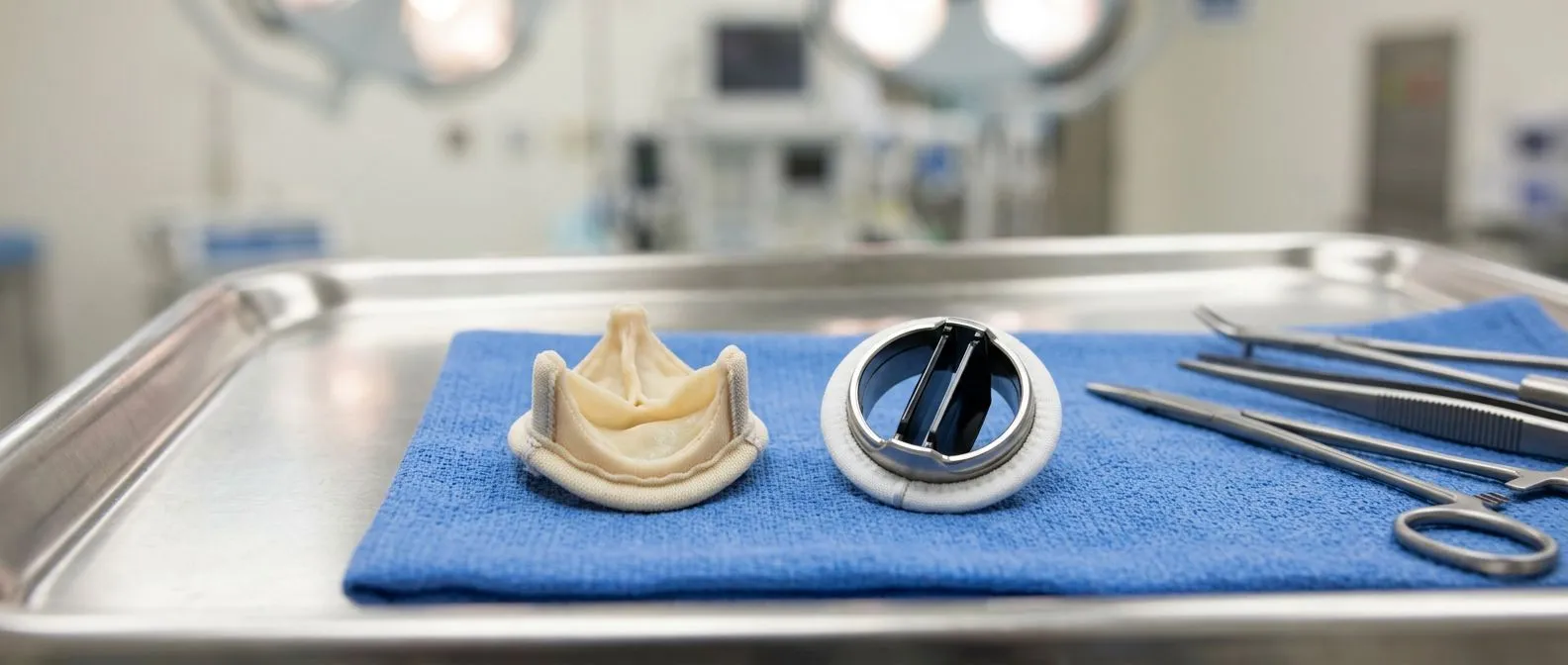
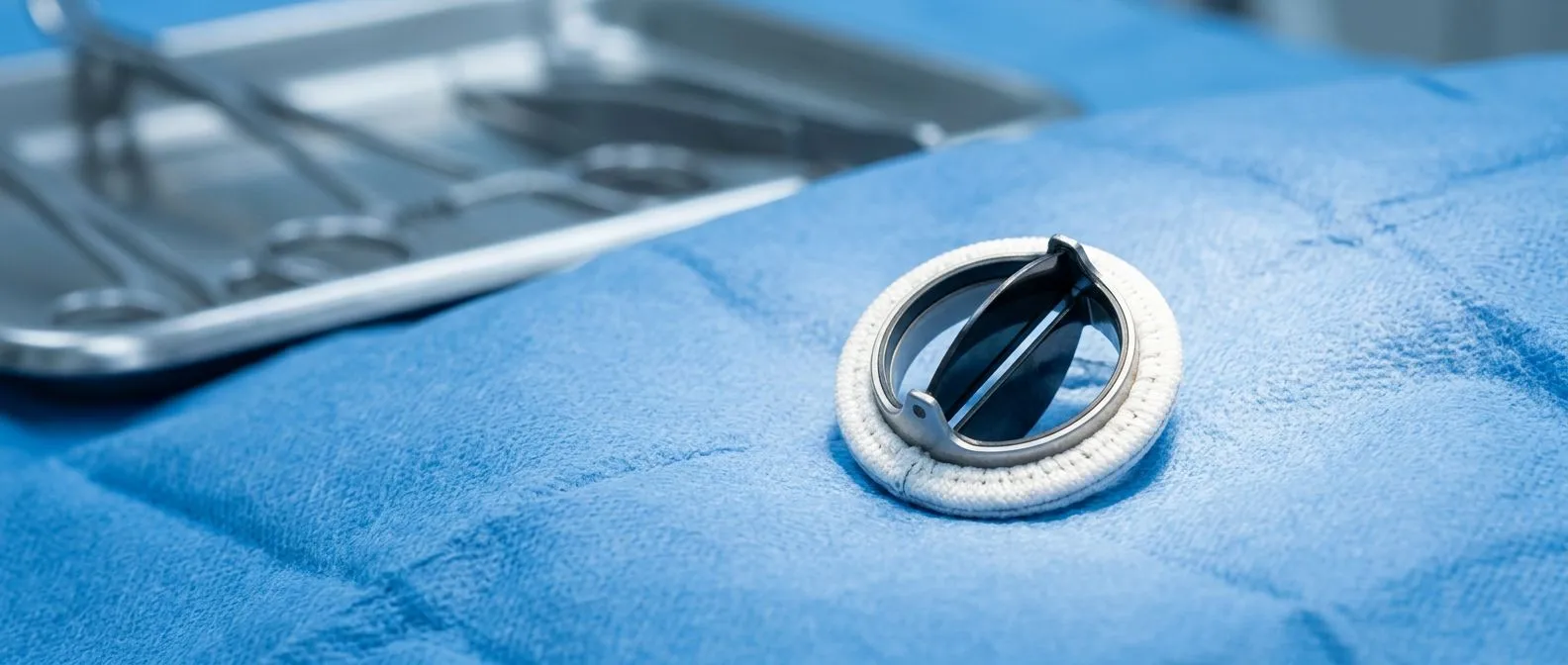
An annuloplasty ring is a prosthetic device implanted around the base of the mitral valve to restore its natural shape and function. The mitral valve sits between the left upper chamber of the heart, known as the atrium, and the left lower chamber. When the valve leaks, it is often because the ring of tissue supporting the valve leaflets, called the annulus, has stretched out. By implanting a rigid or flexible ring, the surgeon brings the tissue back to its proper size, allowing the leaflets to close tightly with each heartbeat. According to the American Heart Association, repairing a valve is often preferred over replacing it because it preserves the heart's natural anatomy.
Anatomy of the mitral valve: The mitral valve has two flaps, or leaflets, that open to let blood flow forward and close to prevent it from flowing backward. The annulus acts as the anchor for these leaflets. When the annulus dilates, the leaflets cannot meet in the middle, causing blood to leak backward into the upper chamber. The implanted ring acts like a belt around a stretched waistband, cinching the tissue so the leaflets align correctly. This mechanical support is crucial for long-term durability.
Material and design: Most rings are made from a combination of a metal or plastic core covered in a biocompatible fabric or tissue. Surgeons choose the material based on the specific anatomy of the patient and the underlying cause of the leak. The goal is to provide a stable framework without restricting the natural movement of the heart muscle. During the procedure, the surgical team may also use an arterial line for continuous blood pressure monitoring and an arterial cannula to support circulation while the heart is temporarily stopped.
How mitral valve regurgitation affects your heart
Symptoms of a leaking valve: Mitral regurgitation forces the heart to work harder to pump the same amount of blood, leading to fatigue, shortness of breath, and occasionally arm pain if the heart's demand outpaces its supply. Many patients first discover the condition when a doctor hears a murmur during routine auscultation, the process of listening to the heart with a stethoscope. As the leak worsens, the upper chamber stretches, which can trigger an irregular heartbeat called atrial flutter.
The mechanics of backward flow: When the mitral valve fails to close properly, blood flows backward into the upper chamber with every contraction. This reduces the amount of oxygenated blood moving forward to the body and increases pressure in the lungs. Over time, the heart muscle weakens. If an atypical infarction, a heart attack that does not present with the usual severe chest pain, damages the supporting structures of the valve, the regurgitation can develop rapidly.
Diagnostic pathways: Doctors use echocardiograms to visualize the leak and measure the size of the heart chambers. They will also look for signs of an atheromatous plaque in the coronary arteries, as valve repair surgery is often combined with bypass procedures. Identifying the exact cause and severity of the regurgitation dictates whether an annuloplasty ring is the appropriate intervention. A detailed European Heart Journal study emphasizes that early intervention in degenerative mitral valve disease prevents irreversible heart damage.

Understanding the mitral annuloplasty procedure
Surgical preparation and access: The mitral annuloplasty procedure typically begins with the surgeon accessing the heart through an incision in the chest. To operate on a still heart, the team uses a heart-lung machine, which takes over the circulation. They drain the blood using an arterial cannula and return it through a separate line, ensuring oxygen delivery continues while the heart is arrested. In some advanced cases, awake ECMO might be used to support patients with severely compromised heart function before surgery.
Implanting the ring: Once the heart is still, the surgeon opens the left atrium to expose the mitral valve. They carefully measure the annulus to select the correct ring size. Using tiny stitches, they secure the fabric covering of the annuloplasty ring to the patient's own tissue. When the stitches are tied down, the ring pulls the dilated tissue back into a normal shape, allowing the leaflets to coapt, or meet, without leaking.
Weighing the surgical approach: Surgeons must consider the overall health of the patient, often calculating risk using tools like EuroSCORE II. If the patient has severe calcification or complex valve anatomy, a traditional open approach through the ascending aorta may be necessary. The team prepares for bleeding by setting aside autologous blood, the patient's own blood, collected before the operation, to minimize transfusion risks during the repair.
Types of annuloplasty rings used in surgery
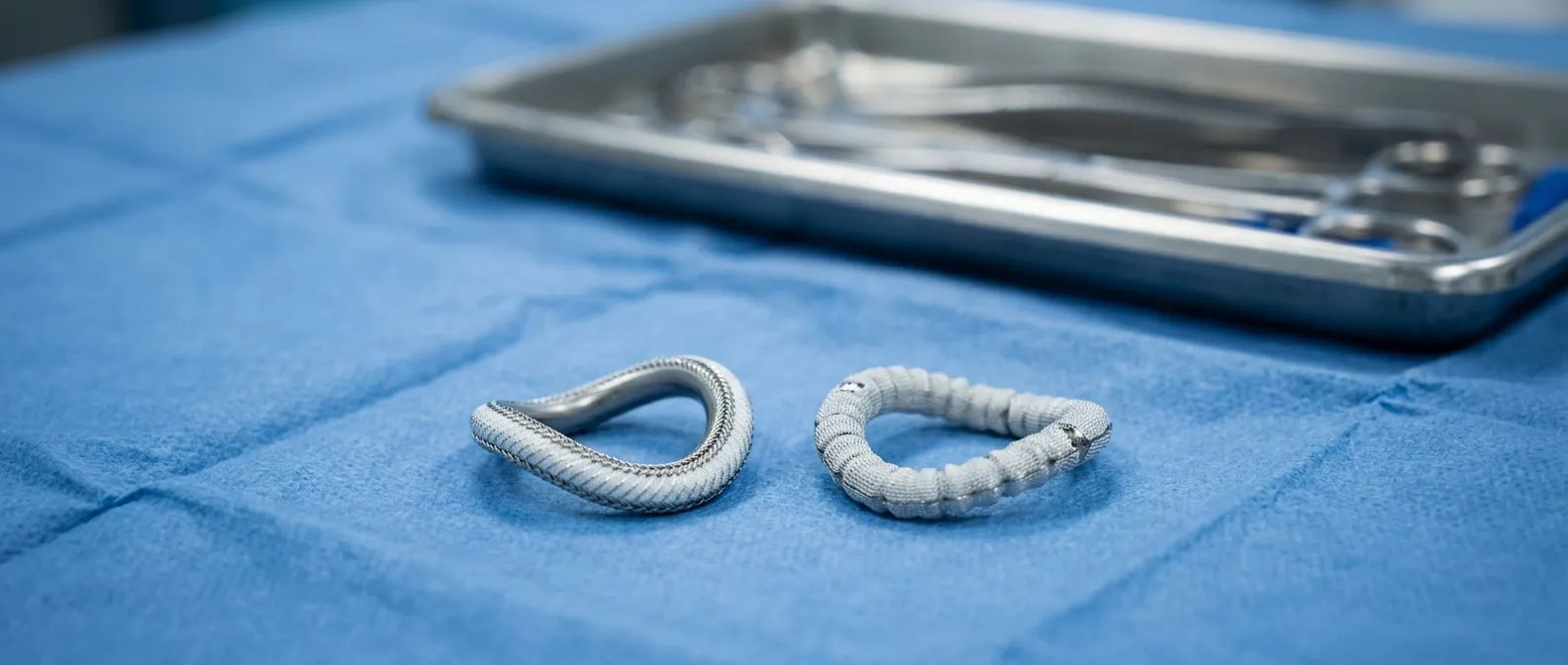
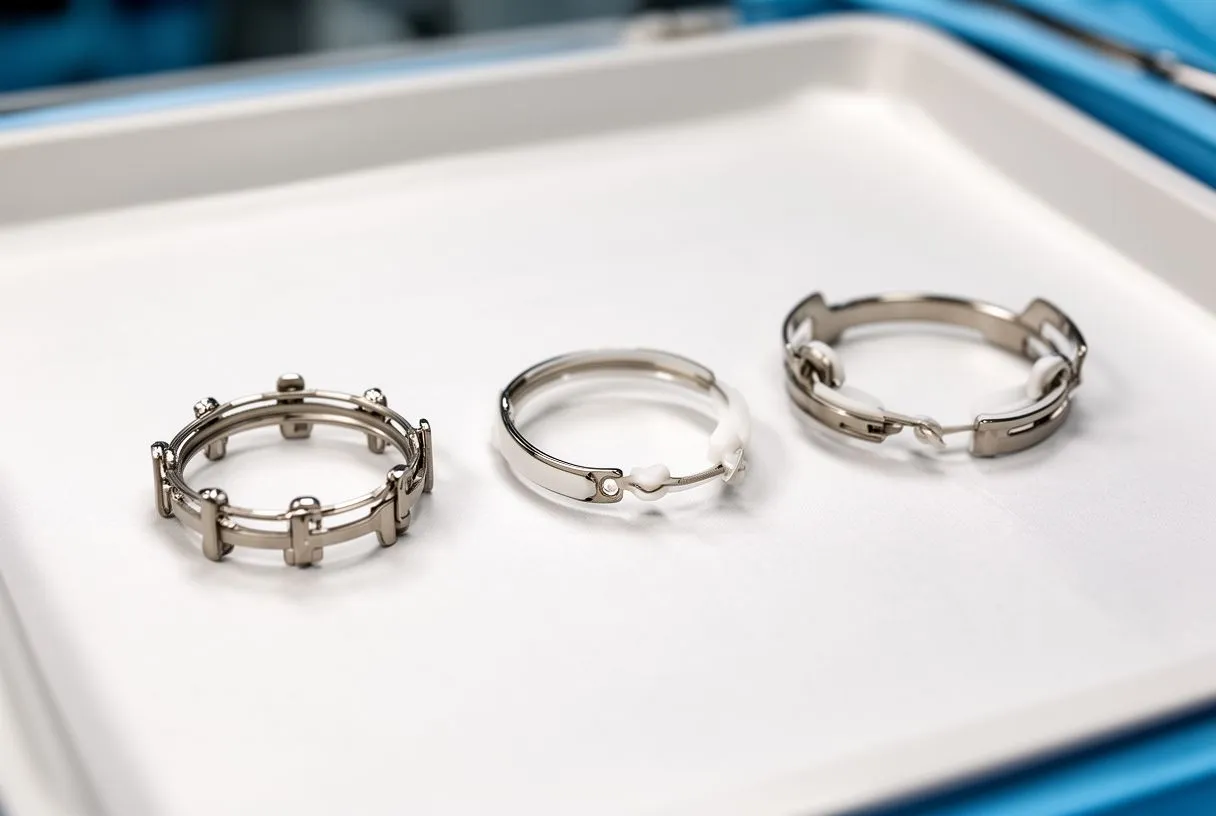
Rigid vs. flexible rings: Annuloplasty rings generally fall into two categories. Rigid rings provide a completely fixed shape and are often used when the valve tissue is very weak, preventing any further stretching. Flexible rings, on the other hand, allow some movement with the natural contraction of the heart, which can feel more physiological. The choice depends heavily on the specific mechanics of the patient's leak and the surgeon's preference.
Partial vs. complete rings: Surgeons can also choose between partial bands, which only reinforce the back portion of the valve, and complete rings, which surround the entire annulus. Partial bands are sometimes used in minimally invasive surgeries to reduce suturing time, while complete rings offer more comprehensive support for generalized dilation. A recent Case Report on Mitral Valve Repair highlighted how specific ring choices must be tailored when complex device attachments are involved in the repair.
- Rigid rings: Offer fixed structural support, preventing any further dilation of the valve base.
- Flexible rings: Conform to the heart's natural contractions, providing a more physiological response.
- Partial bands: Target the posterior section of the valve, often utilized in minimally invasive cases.
Material considerations: The core of the ring is usually made of titanium or a specialized polymer, wrapped in a fabric like polyester or sometimes an autograft, tissue taken from the patient's own body, though synthetic materials are far more common for rings. The fabric encourages the patient's tissue to grow into the ring, securing it permanently. This integration is vital to prevent the ring from detaching over years of constant cardiac cycles.
Recovery timeline after mitral valve repair surgery
Immediate postoperative care: After the surgery, patients typically spend one or two days in the intensive care unit. Here, the medical team closely monitors heart rhythms and fluid levels. Once stable, they move to a standard ward for another few days, focusing on walking and breathing exercises. Patients are usually discharged within a week, though complete recovery takes several weeks. The goal is to return home with the lowest risk for your situation, carefully managed with medication and gentle physical therapy.
At-home healing phase: The first few weeks at home require strict adherence to wound care and activity restrictions. Patients should avoid lifting heavy objects and driving until cleared by their surgeon. Pain is usually mild and managed with over-the-counter medications or a low-dose prescription. It is crucial to attend all follow-up appointments to ensure the annuloplasty ring is functioning properly and the heart is healing without excess fluid.
Cardiac rehabilitation: Enrolling in a cardiac rehabilitation program is one of the most effective ways to rebuild strength. These supervised exercise sessions help patients safely return to their daily routines. The rehabilitation team also provides education on heart-healthy living, which includes managing conditions like high cholesterol, often tracked by measuring apolipoprotein B levels, to prevent future cardiovascular issues.
Potential complications and risks to consider
General surgical risks: Like any major cardiac procedure, mitral valve repair carries risks. These include bleeding, infection, and adverse reactions to anesthesia. Patients with severe heart failure or other conditions like an arterial graft from previous surgeries may face higher risks. The surgical team uses the EuroSCORE II to calculate these risks beforehand, ensuring that the benefits of the operation outweigh the potential dangers for the individual patient.
Valve-specific complications: In rare cases, the annuloplasty ring can become infected, a condition known as endocarditis. Another potential issue is ring dehiscence, where the stitches holding the ring pull out of the weakened tissue. If a patient develops a fever or notices a return of shortness of breath, they must seek medical attention immediately. To prevent blood clots, patients are often placed on a blood thinner like aspirin for a short period after surgery.
Managing arrhythmias: It is common for the heart to experience irregular rhythms as it heals from the trauma of surgery. Minor arrhythmias are often temporary and managed with medication. However, if a patient goes into a dangerous rhythm, a code team might need to use an automated external defibrillator to restore a normal heartbeat. Continuous monitoring during the hospital stay catches these events early, keeping the patient safe.
Traveling to Mexico for heart valve surgery
Why international patients choose Mexico: Many patients from the United States and Canada travel to Guadalajara, Querétaro, and Hermosillo for cardiac surgery.
Preparing for the journey: Before traveling, some patients may require balloon angioplasty to clear blocked vessels, ensuring they are fit for surgery. Unlike balloon aortic valvuloplasty, which stretches a narrowed aortic valve to temporarily improve flow, an annuloplasty ring permanently repairs a leaky mitral valve. While transcatheter aortic valve replacement uses a balloon-expandable valve for replacement, mitral repair focuses on preserving and supporting the native tissue. The clinic's medical team will coordinate with the patient's local cardiologist to gather necessary records, including echocardiograms and lab work.
Navigating insurance and costs: Heart surgery can be financially overwhelming. The clinic provides transparent pricing structures that encompass the surgical fee, hospital stay, and the cost of the annuloplasty ring itself. Patients should contact their insurance provider beforehand to understand their reimbursement options, and traveling with a companion is highly recommended to assist with mobility during the recovery period.

Long-term outcomes and quality of life
Durability of the repair: Mitral valve repair with an annuloplasty ring is designed to last a lifetime. Unlike some tissue replacements that degrade over time, the prosthetic ring does not wear out. The repaired valve behaves much like a natural, healthy valve, which means patients usually do not need to take heavy blood thinners for the rest of their lives, barring other medical conditions that might require them.
Improvement in symptoms: Most patients experience a dramatic improvement in their energy levels and breathing shortly after recovery. The heart no longer has to fight against the backward flow of blood, allowing it to shrink back to a normal size over time. This restoration of normal cardiac function allows patients to return to activities they had given up, such as hiking, playing with grandchildren, or exercising.
Monitoring over time: Despite the excellent durability, lifelong follow-up is essential. Patients should have an annual echocardiogram to monitor the function of the repaired valve and the strength of the heart muscle. The presence of the ring will not interfere with standard medical imaging, though patients should always inform their doctors about the implant before any procedures like an MRI.
When to seek medical attention post-surgery
Recognizing warning signs: While most recoveries are smooth, it is critical to know when to call for help. Any sudden return of severe shortness of breath, swelling in the legs, or rapid weight gain could indicate fluid building up around the heart or lungs. Patients should also be vigilant for signs of infection at the incision site. If you notice redness, warmth, or discharge, you must contact your surgical team immediately.
Emergency symptoms: Certain symptoms require a trip to the emergency room without delay. If a patient experiences fainting, severe chest pain, or a sudden weakness on one side of the body, these could indicate a serious heart issue or a stroke. While these events are rare, knowing the warning signs ensures that interventions, such as the use of an automated external defibrillator, can be applied rapidly.
A practical checklist for patients: To help you and your family stay organized during the first few weeks at home, keep this list of warning signs handy. It serves as a quick reference to differentiate between normal healing bumps and potential complications.
- Fever or chills: A persistent temperature over 38°C (100.4°F) may indicate an infection.
- Incision issues: Increased redness, swelling, or pus from the chest wound.
- Breathing changes: Sudden shortness of breath that does not improve with rest.
- Weight gain: Gaining more than 1 kilogram (2 pounds) in a single day suggests fluid retention.

Consulting with a cardiac surgery team
The importance of personalized evaluation: No two hearts are exactly alike, and the decision to use an annuloplasty ring must be made by a qualified surgeon after a thorough evaluation. A consultation allows the medical team to review your specific echocardiogram images, discuss your symptoms, and explain the surgical plan in detail. This personalized approach ensures that the recommended procedure offers the lowest risk for your situation.
What to expect during your visit: During your consultation with Dr Alejandro Molina, you will discuss your medical history, current medications, and surgical goals. The team will explain the steps of the surgery, the expected hospital stay, and the recovery timeline. For patients who also have atrial fibrillation, they might discuss stroke prevention strategies, referencing data from the ARISTOTLE trial regarding blood thinners. It is an excellent time to ask questions about the type of ring they recommend, the risks based on your EuroSCORE II, and any concerns about traveling to Mexico for the procedure.
Taking the next step: If you or a loved one has been diagnosed with mitral regurgitation, do not wait for symptoms to worsen. Early evaluation leads to better surgical outcomes and preserves heart function. We encourage you to discuss your specific situation with a qualified cardiac team and book a consultation rather than self-diagnosing. Our practice is dedicated to providing clear, compassionate care to guide you through every step of your heart health journey.