Aortic Arch Aneurysm: Symptoms and Surgical Repair
Aortic arch aneurysm repair explained: warning symptoms, surgical options, hybrid procedures, recovery timeline, and long-term prognosis.
What is an Aortic Arch Aneurysm?
An aortic aneurysm occurs when the walls of the aorta—the largest artery in the human body—gradually weaken and bulge outward under the continuous pressure of circulating blood. When this abnormal dilation happens specifically in the curved segment of the aorta that arches over the heart, it is known as an aortic arch aneurysm. This arch acts as the primary highway routing oxygen-rich blood from the heart to the brain, neck, and upper limbs, making any structural weakness in this specific region uniquely dangerous. For families navigating a new diagnosis, understanding the precise anatomy helps remove some of the fear of the unknown.
Understanding the anatomy of the arch: The aorta leaves the left ventricle of the heart, passing upwards through the chest as the ascending aorta before curving around to form the arch. Just below the arch is the left atrium, the chamber that receives oxygenated blood from the lungs. The arch gives rise to three major branch vessels that supply the brain and arms. When an aneurysm expands here, it can stretch the tissue of these branch vessels, increasing the risk of tearing or rupture.
How dilation progresses over time: The widening of the artery does not happen overnight. It is usually a slow process driven by structural fatigue, high blood pressure, or underlying connective tissue disorders. Because the arch supplies critical vessels to the brain, an expanding aneurysm here is monitored very closely by cardiac specialists to intervene before it reaches a dangerous size.
What Are the Symptoms of Aortic Arch Aneurysm?
In its early stages, an aortic arch aneurysm rarely produces noticeable symptoms, which is why it is frequently discovered incidentally during imaging for unrelated chest or neck complaints. When the aneurysm grows large enough to compress surrounding structures in the upper chest, patients might begin to experience distinct warning signs. Recognizing these symptoms early is vital for timely intervention and preventing catastrophic rupture.
Local pressure and discomfort: As the aneurysm enlarges, it can press against the trachea or esophagus, causing shortness of breath, a persistent cough, or difficulty swallowing. Some patients report a vague, deep chest pain that differs from the crushing pain of a heart attack. If the aneurysm compresses the nerves that control the vocal cords, it can lead to voice changes or persistent hoarseness.
Vascular signs and pain: If the dilation disrupts blood flow to the upper limbs, a patient might experience unilateral arm pain or a noticeable difference in blood pressure between the arms. In some instances, the strain on the heart can manifest as an atypical infarction, a form of heart attack that presents with non-standard symptoms. A clinician might detect abnormal sounds during a basic physical exam using auscultation, hearing a murmur or turbulent blood flow over the chest.
What Causes Aortic Arch Aneurysms?
The development of an aortic arch aneurysm is typically multifactorial, resulting from a combination of mechanical stress, biological aging, and underlying systemic conditions. The most prevalent cause is long-standing, poorly controlled hypertension, which relentlessly pounds against the arterial walls and accelerates tissue degradation. Understanding the root cause of your specific aneurysm helps your surgical team tailor your ongoing care and mitigate future risks.
The role of plaque and systemic inflammation: Atherosclerosis, the buildup of fatty deposits within the artery walls, is a major contributor. An atheromatous plaque can stiffen the aortic wall, weakening its structural integrity over time. Researchers have observed that systemic inflammation plays a critical role in this process. Elevated levels of certain proteins in the blood, such as apolipoprotein B, are linked to accelerated plaque formation. A study exploring these connections, Obesity and inflammation: the linking mechanism and the complications., highlights how metabolic disorders drive the inflammatory pathways that damage vascular tissue.
Genetic and connective tissue factors: Beyond lifestyle factors, some individuals are born with a predisposition to arterial weakness. Conditions like Marfan syndrome, Loeys-Dietz syndrome, and bicuspid aortic valve disease alter the connective tissue framework of the aorta, making it prone to stretching. In these genetic cases, aneurysms can develop at a much younger age and require particularly aggressive monitoring.
How is an Aortic Arch Aneurysm Diagnosed?
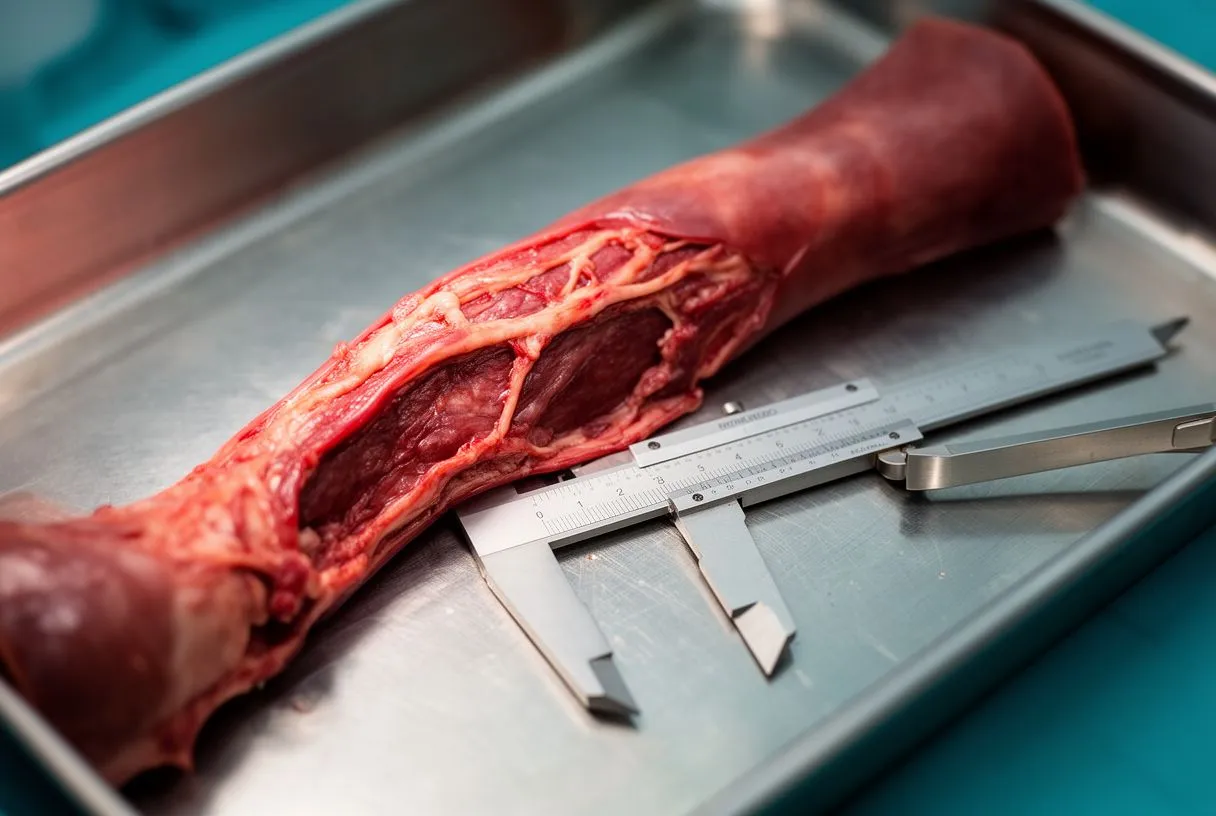
Accurate diagnosis of an aortic arch aneurysm relies on advanced cardiovascular imaging to measure the exact diameter of the aorta and map its relationship to the branching vessels. If a physician suspects an aneurysm based on symptoms or a routine chest X-ray showing a widened mediastinum, they will immediately order dedicated imaging to confirm the finding. Timely and precise diagnosis is the cornerstone of effective treatment planning.
Imaging modalities used: A computed tomography angiography (CTA) scan is the gold standard, providing high-resolution, three-dimensional images of the aorta. Echocardiography, which uses sound waves, is also frequently used to assess the heart valves and the base of the aorta. In the operating room, an arterial line—a thin tube inserted into an artery—provides real-time blood pressure monitoring, while autologous blood (the patient's own blood) is often harvested and prepared for transfusion to minimize the need for donor blood during surgery.
Screening for high-risk patients: Individuals with a family history of aortic dissections or known genetic syndromes should undergo routine screening even if they feel entirely well. For these patients, echocardiograms are usually scheduled every few years to track the growth rate of the aorta, ensuring surgical intervention can be planned before an emergency arises.
When Does an Aortic Aneurysm Need Surgical Repair?
Deciding when to operate on an aortic arch aneurysm is a delicate balance between the risks of surgery and the risks of the aneurysm rupturing. Cardiac surgeons rely on established clinical guidelines and advanced risk models to make this decision. The goal is to intervene at the exact moment when the risk of rupture begins to outweigh the risk of the operation itself.
Diameter thresholds and guidelines: The primary metric used to gauge risk is the maximum diameter of the aneurysm. For most patients, surgical repair is recommended when the ascending aorta or arch reaches an aortic diameter > 5.5 cm. However, if the patient has a known connective tissue disorder, a family history of rupture, or an aneurysm that is growing rapidly (> 0.5 cm per year), the threshold for surgery may be lowered to 5.0 cm to prevent a life-threatening dissection.
Calculating surgical risk: Surgeons use specialized algorithms like EuroSCORE II to estimate the mortality risk of an open heart procedure based on the patient's age, kidney function, and overall health. In emergency situations where a patient is in immediate danger, resuscitation protocols are prepared, and an automated external defibrillator is kept on standby. Ultimately, the decision is made collaboratively, focusing on the lowest risk option for your specific situation.
What Are the Aortic Arch Aneurysm Repair Options?
When surgery is indicated, the approach to aortic arch aneurysm repair is chosen based on the aneurysm's size, shape, and exact location. There is no single operation for every patient; instead, the surgical team crafts a personalized strategy. The main goal of any repair is to replace the weakened segment of the aorta with a durable, synthetic tube, restoring normal blood flow and eliminating the risk of rupture.
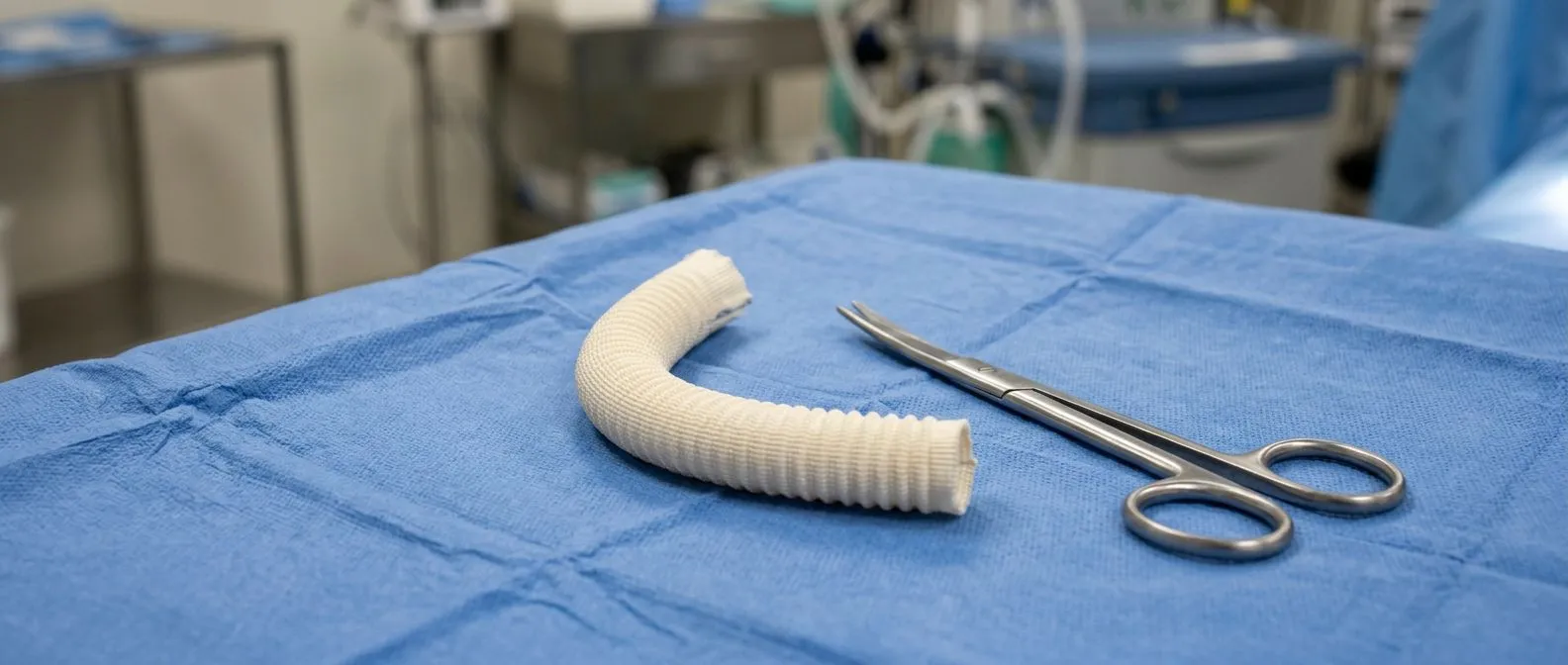
Open surgical repair: The traditional approach is open aortic arch replacement, which involves a major chest incision and the use of a heart-lung machine to circulate blood while the aorta is temporarily stopped. The surgeon removes the damaged arch and replaces it with an arterial graft—a woven synthetic tube that seamlessly takes over the function of the native aorta. This method offers the most durable long-term solution, especially when the entire arch and its branching vessels need to be replaced.
Less invasive adjuncts: In some cases, balloon angioplasty might be used to open up narrowed branch vessels, though it is less common for the primary aneurysm repair itself. The choice between open surgery and hybrid approaches depends heavily on the patient's overall health and the surgeon's expertise in complex aortic reconstruction.
How Does Hybrid Aortic Arch Repair Work?
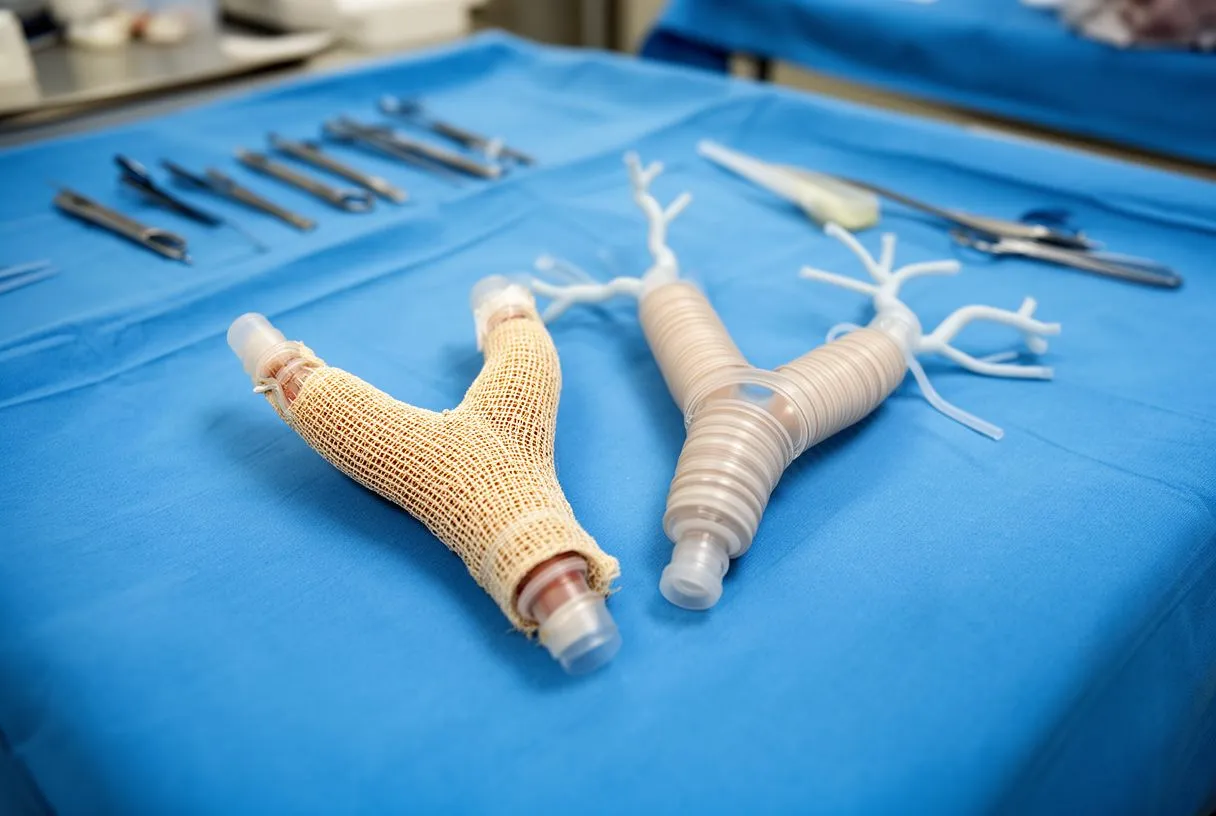
For older patients or those with significant comorbidities, a full open arch replacement might carry too high a risk. In these scenarios, cardiac surgeons may employ a hybrid aortic arch repair, which combines open surgical techniques with endovascular stent grafting. This approach reduces the time spent on the heart-lung machine and minimizes the physiological stress of the operation.
The hybrid procedure steps: The surgeon begins by surgically re-routing the blood vessels that branch off the aortic arch to the neck and arms, attaching them to a healthier section of the aorta. Once the brain's blood supply is secured, a fabric-covered stent graft is deployed inside the aneurysm, effectively sealing off the weakened bulge from blood pressure. This requires precise placement, and the surgical team's experience directly impacts outcomes, as discussed in The Learning Curve of Total Arch Replacement via Single Upper Hemisternotomy Approach in Aortic Dissection.
- Bypass creation: The surgeon connects the arch's branch vessels to a new location on the aorta to ensure continuous brain blood flow.
- Stent deployment: A specialized stent graft is threaded into the arch to exclude the aneurysm sac from circulation.
- Hypothermic protection: In some complex cases, techniques like awake ECMO may be utilized to support circulation and oxygenation during the procedure.
Advantages for high-risk patients: By avoiding the deep hypothermia and full circulatory arrest required in total open repairs, the hybrid approach reduces the risk of stroke and neurological complications. The use of an arterial cannula to precisely deliver blood during the stenting phase ensures the brain and body remain perfused. It represents a vital option for patients who would otherwise be turned down for traditional open surgery.
What to Expect During Aortic Arch Replacement Surgery Recovery
Recovery from aortic arch surgery is a marathon, not a sprint. The first few days after the operation are spent in the intensive care unit (ICU), where the patient is closely monitored for any signs of distress. It is completely normal to feel weak, tired, and disoriented during this initial phase as the body begins the heavy work of healing.
The intensive care phase: Patients typically have multiple lines and tubes, including a breathing machine, chest drains, and intravenous medications. The medical team closely watches the heart rhythm, as the trauma of surgery can sometimes trigger atrial flutter, an abnormal heart rhythm that is usually managed with medication or a brief electrical correction. Once the breathing tube is removed and the patient is stable, they are transferred to a standard hospital ward.
Rehabilitation and long-term recovery: After discharge, a structured cardiac rehabilitation program is essential. Patients are usually advised to avoid heavy lifting and strenuous activity for several weeks to protect the chest incision as it heals. Blood thinning medications, such as aspirin, are often prescribed to prevent clot formation on the artificial graft. Full recovery typically takes three to six months, with gradual improvements in energy and stamina each week.
What Are the Aortic Arch Surgery Complications?
While modern cardiac surgery has drastically improved survival rates, aortic arch replacement remains one of the most complex procedures in medicine. Surgeons take extensive precautions to minimize risk, but it is vital for patients to understand the potential complications. An informed patient is better prepared to recognize warning signs and participate actively in their recovery.
Neurological and bleeding risks: Because the aortic arch supplies blood to the brain, protecting the brain during surgery is the primary concern. Despite advanced protective measures, there is a risk of stroke or temporary cognitive changes. Bleeding is another significant risk, as the aorta is under high pressure. The surgical team prepares for this by utilizing an autograft technique when possible and having rapid transfusion protocols ready.
Cardiac and valve implications: The surgery can strain the heart muscle, leading to arrhythmias that require ongoing management. If the aneurysm extends into the aortic valve, the surgeon might need to replace the valve as well, sometimes using a balloon-expandable valve in less invasive approaches, or performing a combined repair. Nearby interventions, such as a balloon aortic valvuloplasty, are considered if the valve is heavily calcified. Research published on platforms like nature.com continues to explore novel biomaterials and surgical adhesives to reduce postoperative bleeding and complications.
What is the Long-Term Prognosis After Aortic Arch Repair?
The long-term prognosis for patients who successfully undergo aortic arch aneurysm repair is generally excellent. The synthetic grafts used to replace the aorta are incredibly durable and are not prone to the same stretching and weakening as native diseased tissue. Once the aneurysm is excluded from the circulation, the immediate risk of rupture is eliminated, allowing patients to return to a normal, active life.
Surveillance and lifestyle adjustments: Recovery does not end when the incision heals. Patients require lifelong imaging surveillance to monitor the aorta and the graft. Maintaining strict blood pressure control is non-negotiable, as high blood pressure can stress the remaining native aorta. Anticoagulation management is also closely monitored, and treatment regimens are often guided by studies like the ARISTOTLE trial, which helps determine the safest blood thinner dosages to prevent strokes without causing excessive bleeding.
- Routine imaging: Annual CT scans or MRIs are necessary to ensure the graft remains secure and no new aneurysms form.
- Blood pressure control: Adhering to prescribed antihypertensive medications is critical to protect the remaining aortic tissue.
- Lifestyle management: Quitting smoking, maintaining a healthy weight, and managing cholesterol are mandatory to slow atherosclerosis progression.
Moving forward with confidence: Facing an aortic aneurysm diagnosis is frightening, but modern cardiac surgery offers highly effective solutions. If you or a loved one are navigating aortic arch aneurysm symptoms and surgical repair options, seeking specialized care is the most important first step. Practices like Cirugía de Corazón, led by Dr Alejandro Molina in Guadalajara, Querétaro, and Hermosillo, provide expert, empathetic care tailored to international patients. We encourage you to reach out, discuss your specific situation with a qualified cardiac team, and book a consultation to find the lowest risk treatment path for your unique anatomy.