Automated External Defibrillator: Using an AED in an Emergency
Learn automated external defibrillator use step by step in emergencies.
Sudden cardiac arrest can strike anyone, anywhere, at any time — and when it does, every minute counts. Automated external defibrillator use in the first few minutes after collapse can dramatically improve a person's chance of survival. This guide walks you through what these devices do, how they work, and exactly what steps to take when someone near you goes down. Whether you are a family member caring for someone with heart disease, a bystander in an airport or shopping mall, or simply someone who wants to be prepared, understanding how an AED works could one day make the difference between life and death. The team at Cirugía de Corazón believes every patient and family should feel confident about emergency response — not because we expect the worst, but because preparation brings peace of mind.
What Is an Automated External Defibrillator and When Do You Need One?
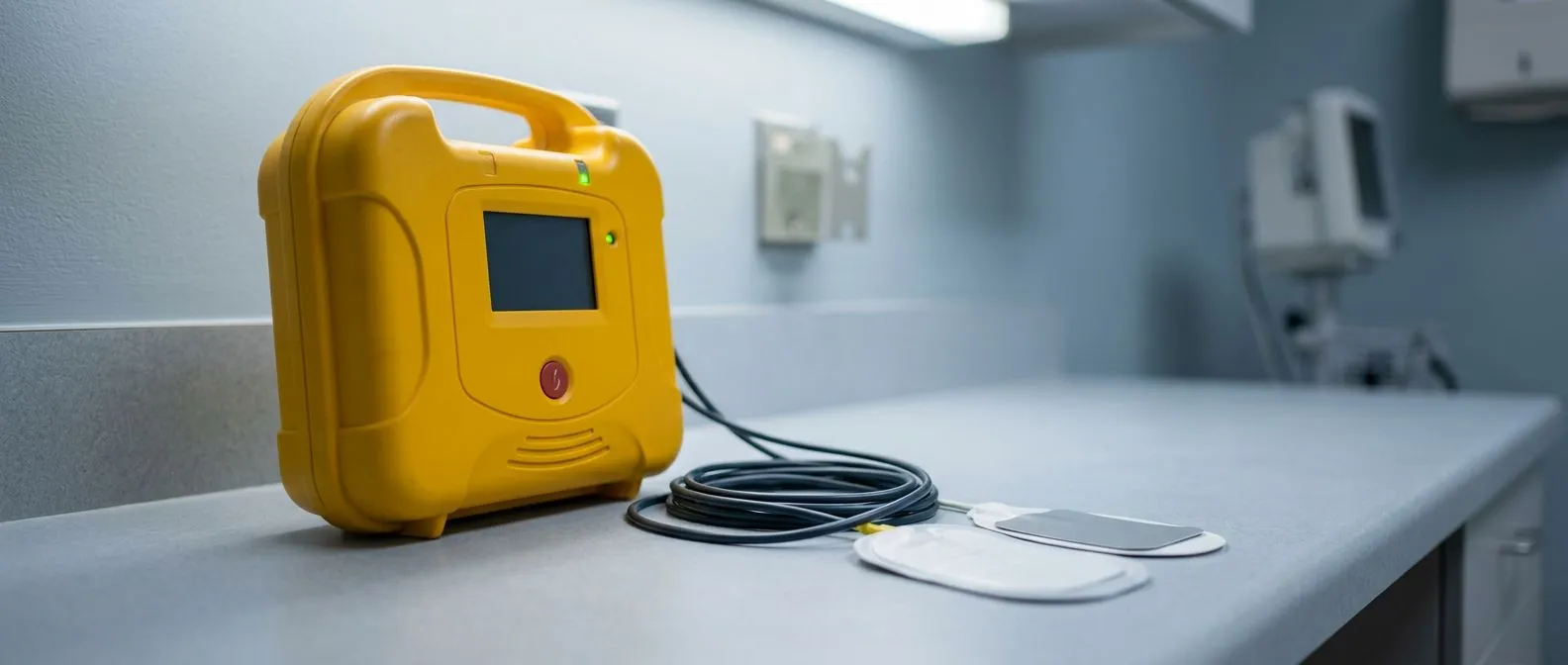
Understanding the device itself: An automated external defibrillator is a small, portable medical device designed to analyse the heart's rhythm and deliver an electric shock if it detects a pattern that will not sustain life on its own. Unlike the defibrillators you see in hospital dramas — large console machines operated by doctors — an AED is built for people with no medical background. It talks to you. It tells you what to do, step by step, through voice prompts and visual indicators. The device is housed in a carrying case, weighs roughly the same as a laptop, and contains two electrode pads that attach to the person's bare chest, a battery, and a microprocessor that performs the critical rhythm analysis.
When you actually need one: You reach for an AED when someone collapses suddenly, is unresponsive, and is not breathing normally. This is the hallmark of sudden cardiac arrest — the heart's electrical system malfunctions, the heart stops pumping blood effectively, and the person loses consciousness within seconds. It is not the same as a heart attack, where a blocked artery starves part of the heart muscle but the person usually remains awake and talking. In cardiac arrest, there is no time to wait. Without intervention, brain damage begins within four to six minutes because the brain is no longer receiving oxygenated blood. The AED exists to reset the heart's electrical system before that window closes.
Who is at risk and where you will find them: Sudden cardiac arrest does not only affect the elderly or those with known heart disease. It can strike athletes mid-game, young adults with undiagnosed electrical disorders, and people with risk factors such as atherosclerosis — the build-up of fatty deposits in the coronary arteries. Because it can happen anywhere, AEDs are now installed in airports, sports stadiums, shopping centres, office buildings, and schools across Mexico and around the world. Recognising the device and knowing you are allowed to use it is the first link in what emergency medicine calls the chain of survival. The more people who understand what an AED looks like and what it does, the more lives are saved.
How Does an AED Work to Restart the Heart?
The electrical problem inside the heart: During sudden cardiac arrest, the most common rhythm is called ventricular fibrillation. Instead of the heart's lower chambers contracting in a coordinated, pumping motion, the muscle fibres quiver chaotically — like a bag of worms. No blood is pumped. The heart is consuming energy but producing no circulation. Conditions such as atrial flutter, a rapid rhythm in the upper chambers, can sometimes degenerate into this lethal pattern if left untreated. The AED's job is not to restart the heart the way you would restart a stalled car. Instead, it delivers a brief, high-energy electric pulse that simultaneously depolarises — resets — every muscle cell in the heart at the same moment. This stops the chaotic electrical activity entirely, creating a brief electrical silence. If the heart's natural pacemaker, the sinus node, is still functional, it can then resume firing and restore an organised rhythm.
How the AED decides whether to shock: The device is far more sophisticated than a simple on-off switch. When you place the pads on the person's chest, the AED's microprocessor analyses the electrical signals it receives through those pads. It runs algorithms that distinguish between rhythms that will respond to a shock and rhythms that will not. If the person has a flat line — what doctors call asystole — the AED will not recommend a shock because there is no electrical activity to reset. If it detects ventricular fibrillation or a related rapid rhythm called pulseless ventricular tachycardia, it charges its capacitor and instructs you to stand clear and press the shock button. This built-in intelligence is what makes the device safe for untrained users. You do not diagnose; the machine does.
Why the shock alone is not enough: A single shock rarely converts a chaotic rhythm back to normal on the first try. The AED will instruct you to resume CPR immediately after delivering the shock, then reanalyse after two minutes. This cycle — analyse, shock if advised, compress, reanalyse — continues until paramedics arrive or the person shows signs of life. The reason CPR between shocks matters is that chest compressions keep a trickle of blood flowing to the brain and heart, making the heart muscle more likely to respond to the next shock. Think of it as priming a pump: the compressions maintain some perfusion while the AED works to restore a sustainable rhythm. Neither tool replaces the other; they are partners.
Automated External Defibrillator Use Step by Step: What to Do in a Cardiac Emergency
First thirty seconds matter most: When someone collapses, your first action is to tap their shoulder and shout. If they do not respond and are not breathing normally — gasping does not count as normal breathing — call emergency services immediately and send someone to find the nearest AED. If you are alone, call first, then begin chest compressions. If a second person is present, one of you starts CPR while the other retrieves the AED. Do not wait for the AED to arrive before starting compressions. Every minute without circulation reduces survival by roughly seven to ten percent.
Turning on the machine and following its voice: Once the AED arrives, open the case and press the power button. From that moment forward, the device will talk. It will tell you to expose the person's chest, where to place the pads, and when to stand clear. It will say "Analysing rhythm — do not touch the patient" and then either "Shock advised" or "No shock advised." According to the Society of Thoracic Surgeons (sts.org), public access defibrillation programmes that train laypeople in these steps significantly improve survival from out-of-hospital cardiac arrest. You do not need to remember a protocol — you need to listen and do exactly what the machine says.
After the shock or if no shock is advised: Whether the AED delivers a shock or determines one is not needed, it will instruct you to resume CPR. Continue compressions at a depth of about five centimetres and a rate of one hundred to one hundred and twenty per minute — think of the beat of the song "Stayin' Alive." After two minutes, the AED will prompt you to stop compressions so it can reanalyse the rhythm. This cycle repeats until the person starts breathing, moves purposefully, or professional help takes over. If the person recovers, place them in the recovery position on their side and monitor their breathing until paramedics arrive.
- Check responsiveness: Tap and shout. If no response and no normal breathing, call for help immediately.
- Start CPR: Begin chest compressions right away. Push hard and fast in the centre of the chest.
- Retrieve the AED: Send someone to bring the nearest defibrillator while you keep compressing.
- Follow voice prompts: Turn the AED on and do exactly what it says — place pads, stand clear, shock if advised.
- Resume CPR: After the shock or if no shock is advised, immediately resume compressions until help arrives.
Where to Find an AED in Public Places
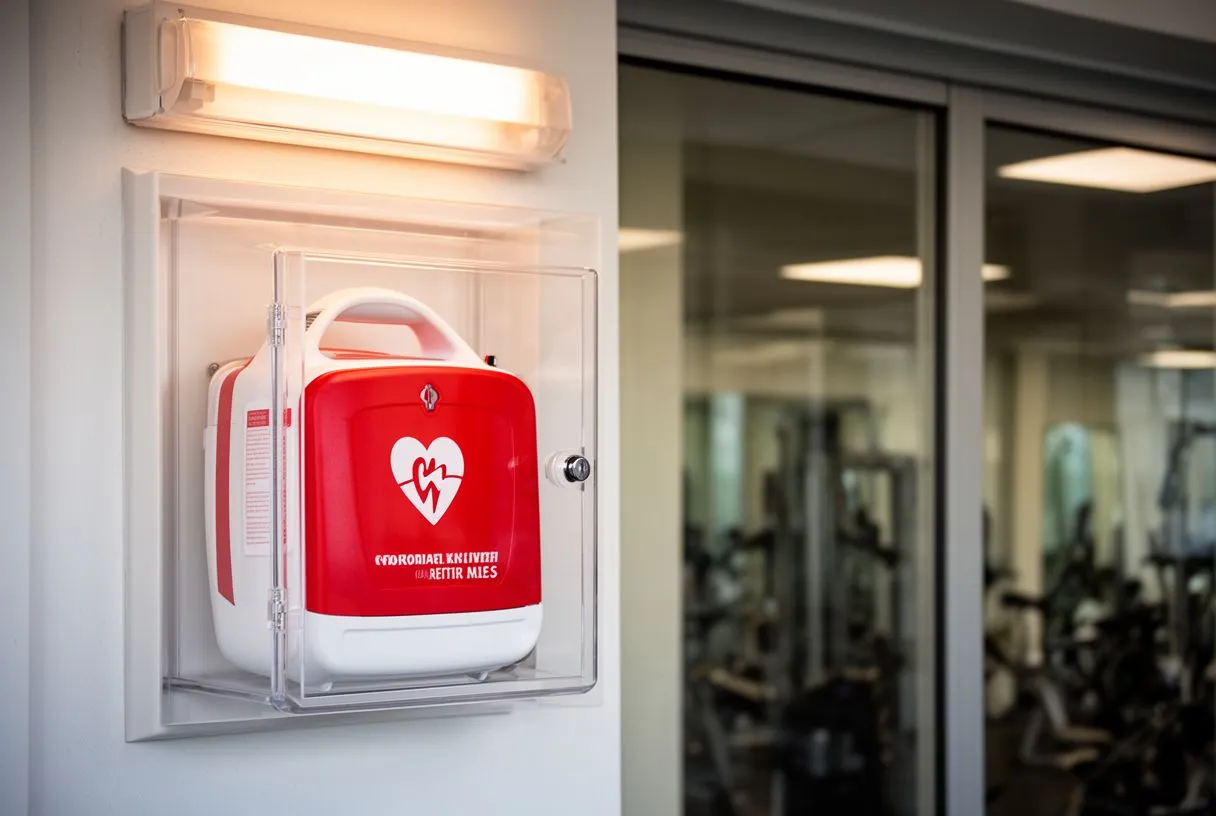
Common locations and what to look for: In most public buildings, the AED is stored in a wall-mounted cabinet marked with a green heart and a lightning bolt — the internationally recognised symbol for defibrillation. You will find them near building entrances, in airport terminals next to security or at gate areas, in shopping malls near customer service desks, in sports stadiums at first-aid stations, and in larger office buildings near elevators or reception. In Mexico, many government buildings, university campuses, and private hospitals now maintain AEDs as part of their emergency preparedness plans. Some cabinets sound an alarm when opened, which also serves to alert staff that someone has deployed the device.
How to locate one quickly in an emergency: In a crisis, you may not know where the nearest AED is. Ask building security, reception staff, or any uniformed employee — they are typically trained on the device's location. Many smartphones now include emergency features that show nearby AED locations. If you are with another person, send them to find it while you start CPR. If the building has a public address system, ask someone to make an announcement. The goal is to get the AED to the patient's side within three to five minutes. Every second of delay narrows the survival window.
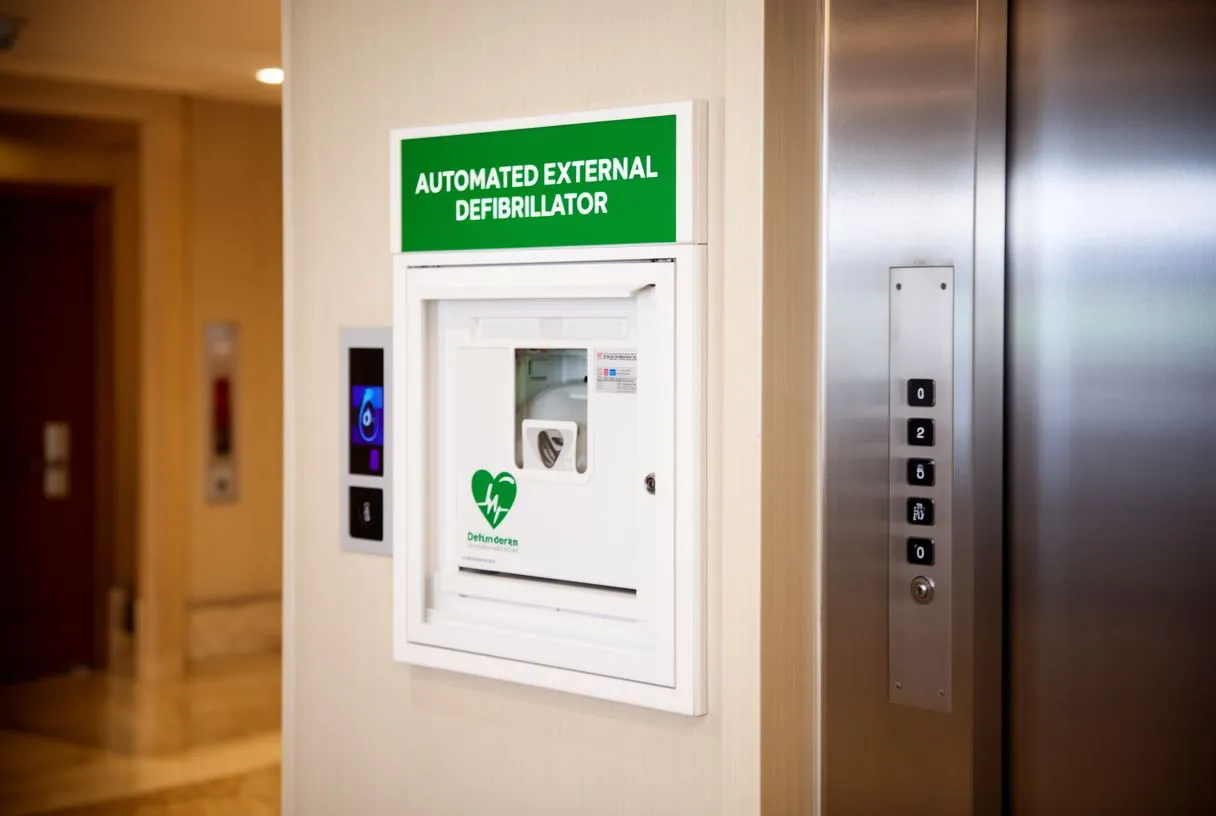
Why public access matters: The concept behind placing AEDs in public spaces is simple: cardiac arrest does not give you time to wait for an ambulance. In cities with heavy traffic, paramedic response times can exceed ten minutes — long after the brain has suffered irreversible damage. A publicly accessible AED bridges that gap. Studies in airports, casinos, and sports venues have shown that bystanders with no medical training can use these devices effectively, and survival rates in locations with well-distributed AEDs are significantly higher than in places without them. If your workplace, school, or community centre does not have one, advocate for it. The cost of a device is modest compared to the value of a life saved.
AED Pad Placement: Getting the Electrodes Right
The two standard positions: When you open the AED, the pads come in sealed foil packets with a diagram printed directly on the backing. The most common placement is one pad on the upper right side of the chest, just below the collarbone, and the second pad on the lower left side of the ribcage, below the armpit. This creates a diagonal path for the electric current to pass through the heart. Some devices use an alternative placement — one pad on the centre of the chest and the other on the upper back between the shoulder blades — and the diagram on each pad will show you exactly which configuration that particular model requires. Peel the backing, press firmly so the adhesive grips the skin, and make sure there are no wrinkles or air bubbles.
Special situations that change the routine: If the person's chest is wet — from rain, sweat, or they have been pulled from water — dry it quickly with a towel or cloth before applying the pads. Water conducts electricity and can cause the current to arc across the skin surface rather than passing through the heart. If the chest is very hairy, the adhesive will not stick and the pads will not make good contact. Most AED kits include a razor for this situation; shave the areas where the pads go. If the person has a medication patch in the way — a nitroglycerin or pain patch — remove it and wipe the area clean before placing the electrode. Never place a pad directly over an implanted pacemaker or defibrillator; you can usually feel a hard lump under the skin. Place the pad at least two centimetres away from any implant. These adjustments take only seconds but directly affect whether the shock reaches the heart.
Why placement precision matters: The electrical current needs to travel through the heart's mass to reset all the muscle cells simultaneously. If the pads are too close together, the current takes a shortcut through the chest wall and never reaches the heart. If one pad is loose or not fully adhered, the resistance increases and the shock may be ineffective. The AED will often detect poor contact and tell you to check the pads, but it cannot tell you that they are in the wrong position — so following the diagram on the backing is essential. When in doubt, press harder and make sure the entire surface of each pad is flat against bare skin.
AED vs CPR: Why Both Matter in Sudden Cardiac Arrest
What CPR does that an AED cannot: Cardiopulmonary resuscitation is the manual pumping of the chest that squeezes blood from the heart to the brain and other organs when the heart has stopped doing it on its own. It does not restart the heart. It does not fix the electrical problem. What it does is buy time. Compressions maintain a reduced but critical flow of oxygen to the brain, slowing the death of brain cells and keeping the heart muscle itself viable enough to respond when a shock is delivered. Research on cardiovascular outcomes, including studies examining cardiovascular disease in advanced chronic kidney disease populations (Cardiovascular Disease in Advanced Chronic Kidney Disease in a Tertiary Institution, Johannesburg, South Africa), underscores that cardiovascular comorbidities complicate arrest scenarios, making immediate bystander intervention even more critical.
What the AED does that CPR cannot: Chest compressions alone will not convert ventricular fibrillation back to a normal rhythm. The chaotic electrical activity will continue as long as the heart's muscle cells are firing independently of one another. Only an electric shock — delivered by an AED or a manual defibrillator — can simultaneously reset all those cells and give the heart's natural pacemaker a chance to take over. Without the AED, compressions alone eventually lose effectiveness as the heart muscle runs out of oxygen. The two interventions are not competitors; they are sequential steps in a single rescue.
The combined sequence in practice: The ideal response when someone collapses in cardiac arrest is to start CPR within the first minute and apply the AED as soon as it arrives. Compressions keep blood moving while the AED is being retrieved and set up. The AED analyses, shocks if needed, and then you immediately resume compressions. This back-and-forth continues without pause. The worst thing you can do is stop compressions to wait for the AED, or stop using the AED to do compressions when the machine is still analysing. Follow the voice prompts, switch between the two as instructed, and keep going until help arrives. Neither tool alone is enough; together they give the person the best possible chance of walking out of the hospital.
Is an AED Safe to Use Without Training?
Designed for the untrained bystander: The short answer is yes. AEDs were engineered from the outset for people who have never held a medical device. Every modern AED has voice prompts that walk you through each step, from turning the machine on to placing the pads to delivering the shock. Some models also have illuminated icons that light up to show you what to do next. You do not need to interpret a heart rhythm, calculate an energy dose, or decide whether a shock is appropriate — the device's internal computer handles all of that. Studies comparing trained and untrained users have found that untrained bystanders can use an AED almost as effectively as trained responders, provided they follow the voice prompts.
The built-in safety features: The most common fear people express is: "What if I shock someone who does not need it?" This is essentially impossible. The AED will not let you deliver a shock unless its analysis detects a shockable rhythm. If the person has a normal heartbeat, a flat line, or a rhythm that will not respond to electricity, the device will announce "No shock advised" and instruct you to continue CPR. The shock button — on models that have one rather than being fully automatic — is disabled until the machine determines a shock is warranted. You cannot accidentally trigger a discharge by touching the pads, pressing the wrong button, or placing the pads in the wrong spot. The worst that happens with incorrect pad placement is that the shock is ineffective, not that it harms the person.
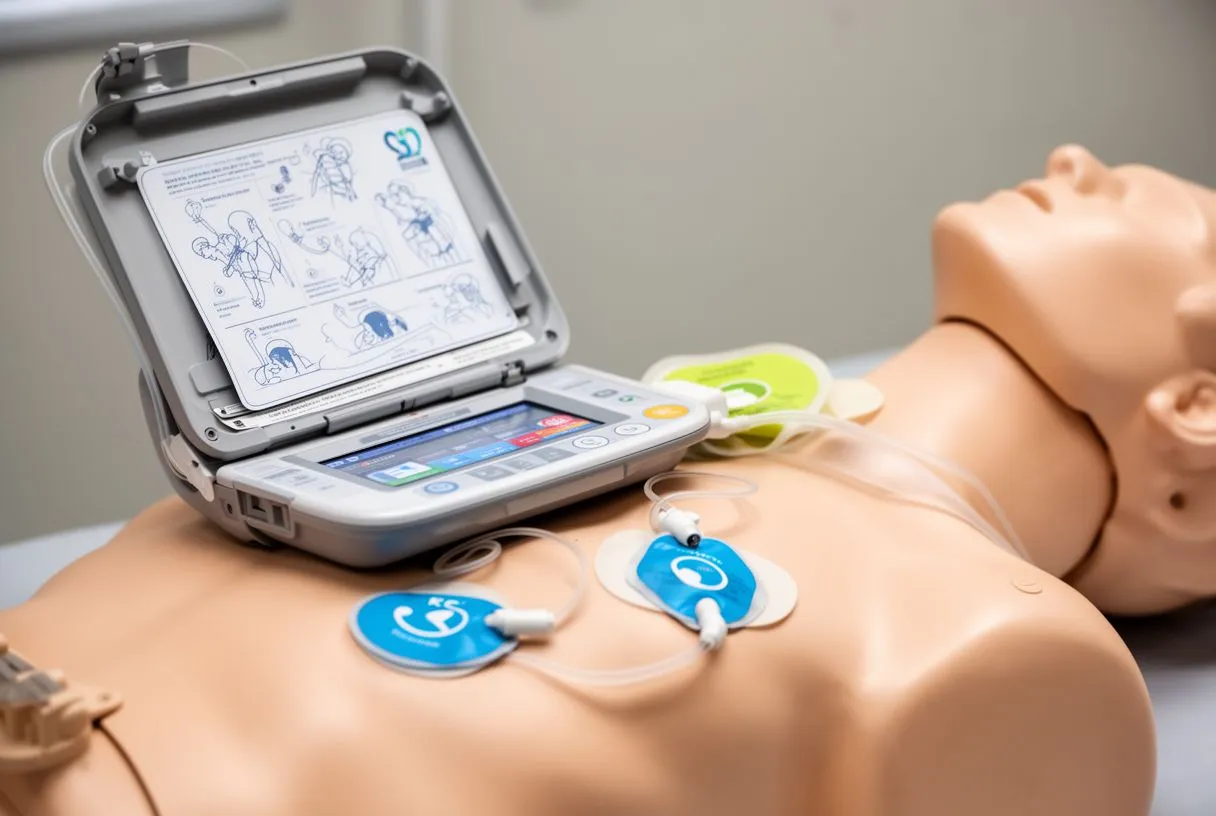
Why training still adds value: While an AED is safe to use without formal training, a short course — typically two to four hours — builds confidence and reduces hesitation. When someone collapses in front of you, seconds feel like minutes. A person who has practised the sequence on a mannequin, felt the pads peel and stick, and heard the voice prompts in a calm classroom setting will act faster and more decisively than someone encountering the device for the first time under stress. Many hospitals, fire departments, and community organisations in Mexico offer free or low-cost AED and CPR certification. If a loved one has heart disease, consider taking a course together. It is one of the most practical investments you can make in their safety and your own readiness.
Can You Use an AED on Someone Having a Heart Attack?
The critical difference between the two events: A heart attack occurs when a coronary artery becomes blocked — often because an atheromatous plaque, a deposit of cholesterol and inflammatory cells, ruptures and forms a clot. Part of the heart muscle is starved of blood and begins to die. The person is usually awake, talking, and experiencing symptoms such as crushing chest pressure, shortness of breath, arm pain radiating from the chest, nausea, or cold sweats. This is a plumbing problem, not an electrical one. The heart is still beating; it is just being damaged. An AED will not help, because the rhythm is usually organised and the device will determine that no shock is needed.
When a heart attack turns into cardiac arrest: The danger is that a heart attack can trigger electrical instability. As heart muscle cells die from lack of oxygen, they can set off ventricular fibrillation, converting a heart attack into sudden cardiac arrest. This is why someone having a heart attack should be monitored and why calling emergency services immediately is essential. A person who complains of chest pain and then collapses, stops breathing, and loses consciousness has likely progressed to cardiac arrest. In that moment, the situation changes entirely: you stop treating a heart attack and start treating cardiac arrest — begin CPR and use the AED. Community health research, including stakeholder consultations on improving access to rheumatic fever and rheumatic heart disease prophylaxis (Stakeholders Want a Menu of Choices: Findings from a Consultation Workshop on Improving Access to Secondary Prophylaxis of Rheumatic Fever and Rheumatic Heart Disease), highlights how structural heart disease compounds cardiac risk and underscores the need for public awareness of when defibrillation is appropriate.
What to do while waiting for help during a heart attack: If the person is conscious and has no contraindications, emergency dispatchers often advise having them chew an aspirin — typically 300 milligrams — to slow further clot formation. Auscultation with a stethoscope, if a trained responder is available, may reveal abnormal heart sounds, but bystanders should not attempt this. Keep the person calm, seated upright or in a position that eases breathing, and loosen tight clothing. Do not give food or drink. If they have been prescribed nitroglycerin for known coronary disease, follow the directions they have been given. The most important thing is to recognise that the situation can change: if they collapse, the AED becomes the most important tool in the room.
Buying a Home AED: What Families Should Consider
Who benefits most from having one at home: Not every household needs an AED, but for certain families the decision is straightforward. If a family member has survived a previous cardiac arrest, has documented ventricular arrhythmias, lives with severe coronary artery disease, or has a genetic condition such as hypertrophic cardiomyopathy or long QT syndrome, a home AED can be a life-saving investment. People with elevated risk markers — such as high levels of apolipoprotein B, a protein that reflects the burden of atherosclerosis-causing particles in the blood — may also face higher risk. The device is not a substitute for medical care or for implantable defibrillators that a cardiologist may recommend, but it fills the critical gap between collapse and the arrival of an ambulance.
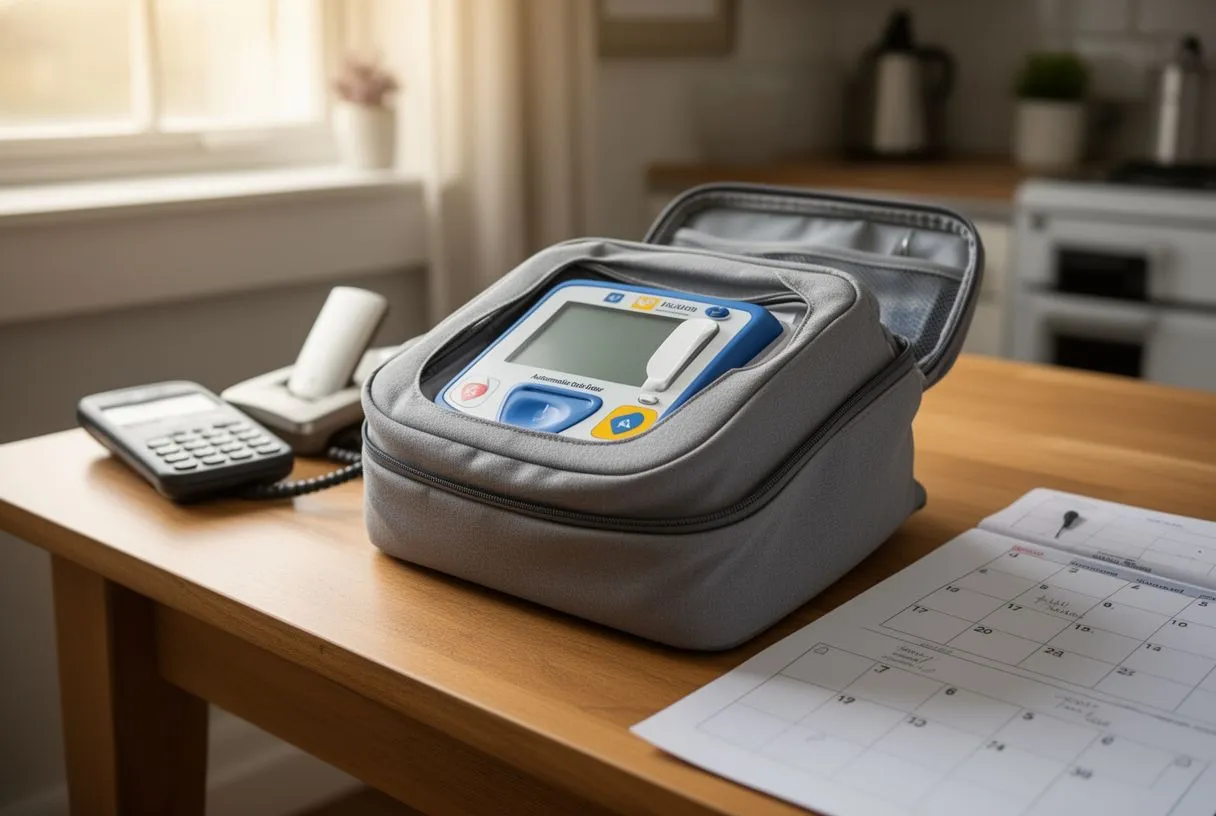
What to look for when choosing a model: The most important features are ease of use, clear voice prompts, and a fully automatic or semi-automatic shock delivery. Fully automatic models deliver the shock without requiring you to press a button, which removes one source of hesitation. Look for a device that performs daily self-checks and alerts you — visually or audibly — if the battery or pads need replacing. Check that replacement pads and batteries are readily available in your region; some brands have limited distribution networks in Mexico. Water resistance matters if you plan to keep it near a pool or in a humid climate. Weight and portability matter if you intend to travel with it. A warranty of at least five years is standard, and some manufacturers offer extended coverage.
- Assess your risk: Talk to your cardiologist about whether a home AED is appropriate for your family's specific situation.
- Voice prompts matter: Choose a model with clear, multilingual instructions — especially if family members speak different languages.
- Check maintenance needs: Confirm how often the battery and pads must be replaced and what they cost in your country.
- Take a training course: Even though AEDs are designed for untrained use, a CPR-and-AED class builds critical confidence.
- Store it visibly: Keep the device in a known, accessible location — not locked in a cabinet or buried in a closet.
AED Maintenance and Safety Steps for Long-Term Readiness
Routine checks that keep the device ready: An AED that sits in a cabinet for three years and has a dead battery when you need it is worse than no AED at all, because it creates false confidence. Every modern AED performs an automatic self-test daily — checking battery voltage, internal circuitry, and pad connectivity. If the device detects a problem, it will flash a warning light or emit a periodic beep. Designate one person in your household or office to check that status indicator weekly. It takes five seconds: look at the light, confirm it is green, and walk away. If it is red or flashing, consult the manual and order replacement parts immediately. Pads and batteries have expiration dates printed on their packaging — set calendar reminders for those dates six months in advance.
Replacing pads after every use and on schedule: The adhesive electrode pads are single-use. Once they have been applied to a person's skin — even if no shock was delivered — they must be replaced. The gel that provides electrical contact degrades once the backing is removed and the pad has touched skin. Replacement pads typically cost a fraction of the device's price and should be ordered the same day the AED is used. Even unused pads expire after two to three years because the gel dries out and the adhesive loses its stickiness. Batteries last four to five years depending on the model and the number of self-tests performed. Keep a record of purchase and expiration dates in the AED case so the next person to check knows exactly when to reorder.
Understanding automated external defibrillator use is one of the most practical pieces of medical knowledge a family can acquire. These devices are designed to bridge the gap between collapse and professional help — and they work best when ordinary people are willing to act. If someone you love has a heart condition, or if you simply want to be prepared for the unexpected, we encourage you to take a CPR and AED course, learn the locations of defibrillators in the places you visit regularly, and talk openly about emergency plans with your family. At Cirugía de Corazón, Dr Alejandro Molina and our team are here to answer your questions about cardiac risk, prevention, and treatment. Book a consultation at one of our clinics in Guadalajara, Querétaro, or Hermosillo to discuss your personal situation with a qualified cardiac team — because the best emergency response is the one you prepared for in advance.