Deep Breathing Exercises After Heart Surgery
Deep breathing exercises after surgery speed lung recovery and prevent complications after cardiac procedures.
What Are Breathing Exercises After Heart Surgery
Breathing exercises after surgery are structured routines that retrain your lungs to expand fully, clear secretions, and restore normal respiratory mechanics after the controlled, shallow breathing pattern that anaesthesia and chest incisions tend to produce. In the first days after a coronary bypass, valve repair, or other cardiac operation, your diaphragm has often been pushed aside by retractors, your chest wall is sore from a sternotomy, and pain makes you instinctively take small breaths. The result is that the small air sacs at the base of the lungs can collapse, a process called atelectasis, which sets the stage for infection.
The exercises themselves are simple. They include sustained deep inhalation, hold, and slow exhalation; the use of a hand-held device called an incentive spirometer that gives visual feedback on how deeply you are inhaling; and supported coughing to move mucus up and out. None of these require special equipment beyond the spirometer the hospital provides, and all of them can be continued at home. For an international patient travelling home to recover, these routines are the single most portable, low-cost element of rehabilitation.
What the patient actually experiences: In the first 24 to 48 hours you may feel as though you cannot take a full breath, your chest is tight, and a single deep inhale triggers a cough. This is expected. The exercises are designed to be repeated in short sets — typically ten slow breaths at a time — rather than exhausting sessions. Over the first week the depth of each breath increases, the urge to cough settles, and the numbers on the spirometer rise. According to the CDC, surgical-site and pulmonary complications remain a leading driver of prolonged hospital stays, which is why hospitals worldwide treat lung expansion as a non-negotiable part of early recovery.
Why Breathing Exercises Matter for Cardiac Recovery
The heart and lungs share the same thoracic space, and what affects one quickly affects the other. During cardiac surgery the chest is opened through the sternum, the pericardium is incised, and the lungs are deliberately retracted to expose structures such as the ascending aorta, the atrium, and the coronary vessels. The anaesthetic itself suppresses the respiratory drive, and the breathing tube that kept you oxygenated during the operation leaves airways irritated. Together these factors reduce the volume of air you move with each breath by as much as half in the early postoperative period.
Shallow breathing has knock-on effects. When the lower lobes are under-inflated, blood still passes through them but picks up less oxygen, so your oxygen saturation drops and your heart has to pump faster to compensate — unwelcome extra work for a freshly repaired organ. Persistent low-level hypoxia can also disturb rhythm, and in patients already prone to atrial flutter or other atrial arrhythmias, poor lung expansion is a recognised trigger in the days after surgery. Mucus that pools in unexpanded airways becomes a culture medium for bacteria, which is why atelectasis and pneumonia so often travel together.
The evidence base: Pulmonary complications after cardiac surgery are among the most studied postoperative problems in medicine. A landmark systematic analysis of the Global Burden of Disease Study 2017 documented that lower respiratory infections and chronic respiratory conditions remain leading causes of disability worldwide, and postoperative lung collapse is a preventable contributor to that burden. The mechanism is the same in every patient group: re-expand the lungs early, keep them expanded, and most of the downstream harm is avoided.
How to Use an Incentive Spirometer at Home
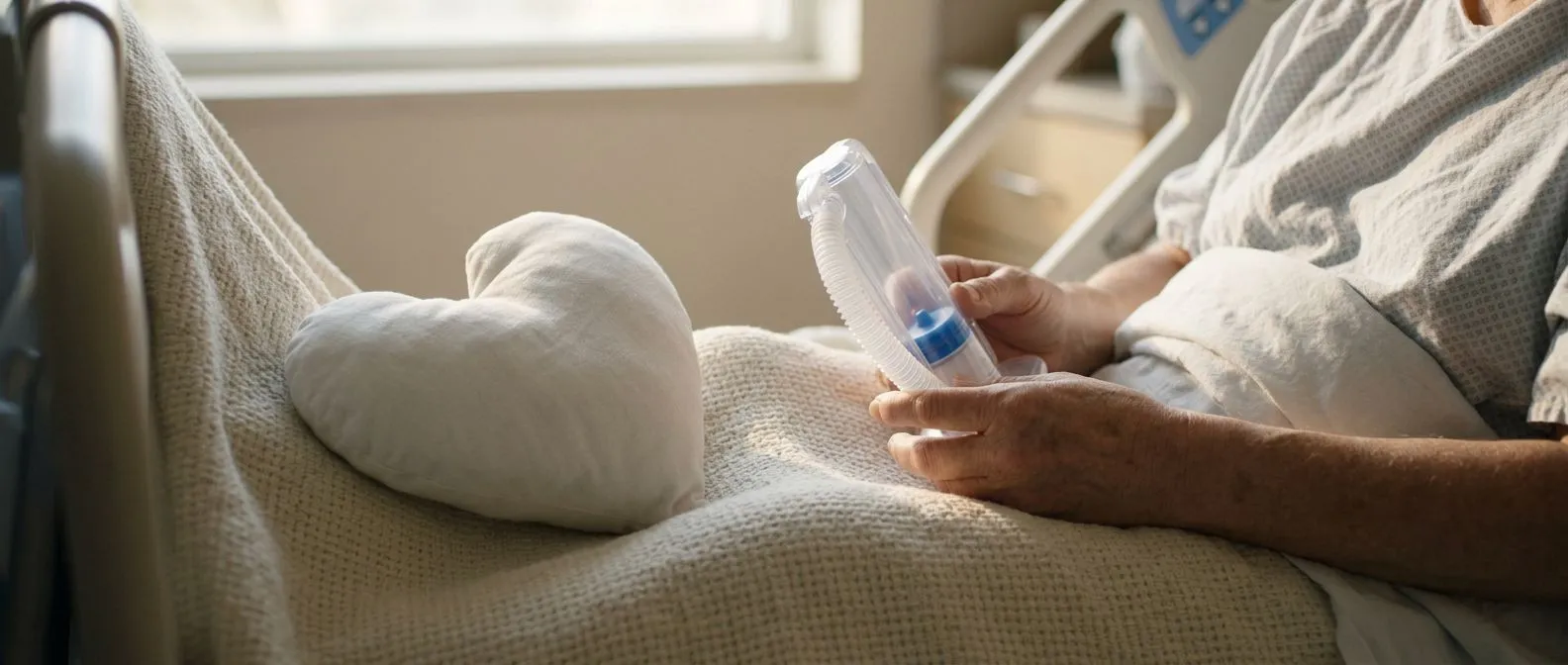
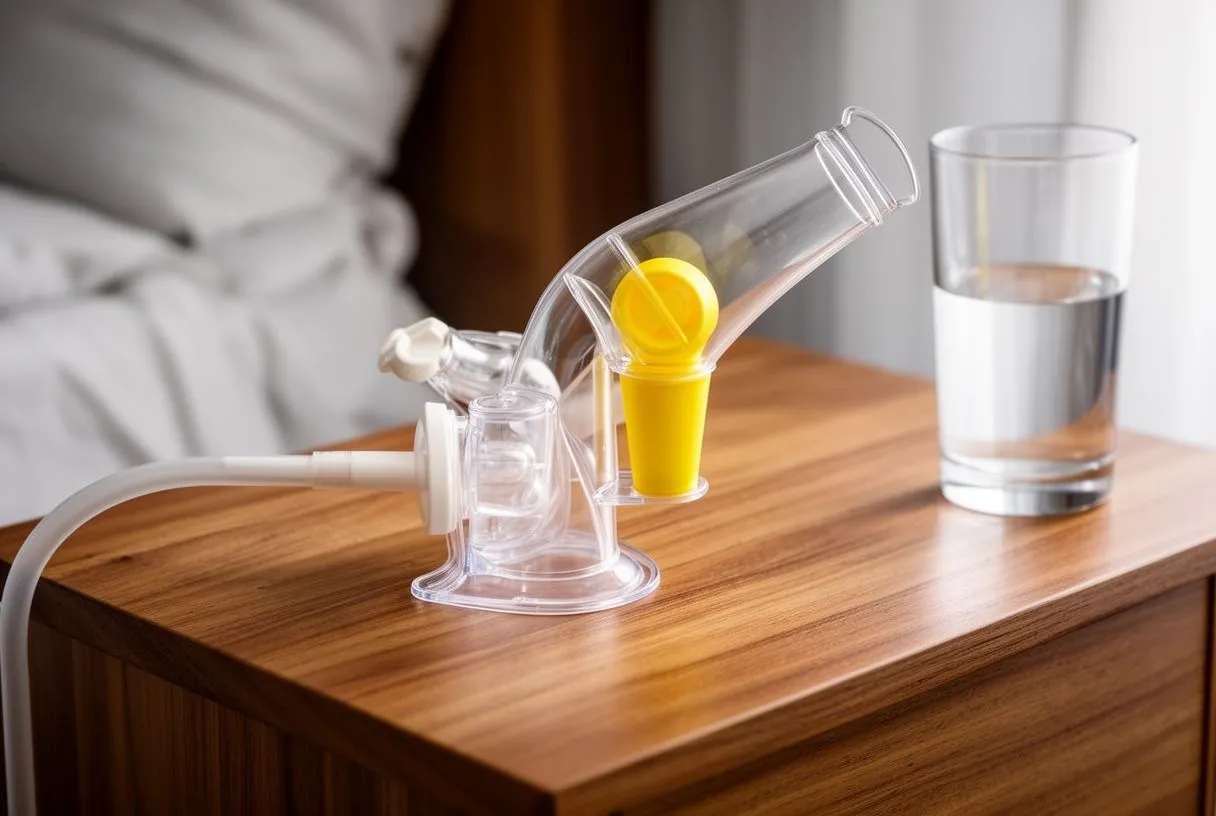
An incentive spirometer is a clear plastic device with a piston or ball that rises as you inhale. It converts an invisible process — lung expansion — into a number you can see, which is why it is the centrepiece of most discharge plans. Most units show a volume scale in millilitres and a flow-rate gauge; the goal is a slow, sustained inhalation that keeps the marker in the target zone for two to three seconds before you exhale.
The technique is straightforward but often taught hurriedly on the ward. Sit upright, splint your chest incision with a folded small pillow, exhale fully, seal your lips around the mouthpiece, and inhale slowly through your mouth while watching the piston climb. Hold at the top for the count the nurse set for you, then let the piston fall and rest briefly before the next breath. Ten repetitions every waking hour is the classic hospital prescription; at home, aim for at least every two hours while awake for the first two weeks, then four times daily for another two to four weeks.
Common pitfalls: Many patients inhale forcefully and briefly, which lifts the piston but does not open the lower lobes. The key is slow, not hard. Others hold the device at an angle, which changes the resistance; keep it vertical. If mucus loosens and you need to cough, stop, splint the sternum, and clear the secretions before continuing. Wash the mouthpiece daily with warm soapy water and let it air-dry — a contaminated spirometer can reintroduce bacteria into airways that are still healing.
Diaphragmatic Breathing Techniques for Recovery
Diaphragmatic breathing, sometimes called abdominal or belly breathing, shifts the work of breathing away from the upper chest and neck muscles and back onto the diaphragm, the dome-shaped muscle that sits just below the lungs. After sternotomy, the natural instinct is to breathe with the shoulders, which is inefficient and tiring. Retraining the diaphragm restores normal mechanics, lowers the effort of each breath, and indirectly reduces the workload on the heart.
To practise, lie on your back with knees slightly bent or sit upright with relaxed shoulders. Place one hand on your chest and the other just below your rib cage. Breathe in slowly through the nose so that the lower hand rises while the upper hand stays still; this confirms the diaphragm is doing the work. Exhale through pursed lips for two to three seconds longer than the inhale. Three to five minutes, two to three times a day, is sufficient in the early weeks.
Why it helps the heart: Slow diaphragmatic breathing activates the vagus nerve and shifts the autonomic balance toward the parasympathetic, calming side. Heart rate and blood pressure tend to settle, which is desirable when the heart is healing. For patients who also take aspirin or other medications that affect clotting, the calming effect is purely mechanical and does not interfere with drug therapy. Over time this technique becomes the default way of breathing, which supports both lung and cardiovascular recovery long after the incision has closed.
Best Breathing Exercises After Sternotomy
After a sternotomy — the vertical cut through the breastbone that gives the surgeon access to the heart — every breath can feel like a negotiation between the need for air and the pull of a healing bone. The exercises that work best are those that open the lungs without straining the sternum. Pursed-lip breathing, sustained maximal inspiration with the spirometer, and gentle shoulder rolls paired with deep breaths form a safe, evidence-based trio.
Start with pursed-lip breathing: inhale through the nose for two counts, then exhale slowly through pursed lips for four counts. This keeps the airways open a little longer during exhalation, which helps trapped air escape and reduces the feeling of breathlessness. Follow with ten spirometer breaths, then finish with five slow shoulder rolls forwards and backwards, which mobilise the chest wall without putting direct stress on the bone. Avoid holding your breath, bearing down, or any forced cough that is not splinted.
- Pursed-lip breathing: 2-count inhale, 4-count exhale; use during walking or when breathless.
- Sustained maximal inspiration: deepest possible inhale, hold 3 seconds, slow exhale; ten reps per set.
- Shoulder mobility: gentle rolls and retraction to keep chest wall supple without stressing the sternum.
Sternotomy precautions: For the first six to eight weeks the sternum is knitting; avoid pushing, pulling, or lifting anything heavier than a few kilograms. Always splint the chest with a firm pillow when coughing or sneezing. Deep breathing itself is safe and encouraged — the risk lies in sudden movement and unsupported coughing, not in the act of breathing deeply.
Coughing and Splinting Techniques After Surgery
Coughing is essential after heart surgery, and it is also the moment most patients feel vulnerable. Anaesthesia and the breathing tube leave secretions in the airways; if they stay, bacteria multiply. A productive cough clears them, but a forceful, unsplinted cough can be painful and, in rare cases, can stress the healing sternum. The technique of splinting solves both problems at once.
Fold a small, firm pillow and hold it tightly against your chest with both arms crossed in front. Take two or three deep breaths in through the spirometer or with pursed lips, then on the next exhalation cough two or three short, sharp "huff" coughs rather than one enormous effort. Huff coughing — a forced exhalation with the mouth open — moves mucus from the smaller airways without the violent pressure of a full cough. Rest, repeat if needed, and spit any sputum into a tissue.
When coughing signals a problem: A dry, tickly cough is common for several weeks as airways recover from the tube. A new productive cough with yellow or green sputum, fever above 38°C, or sharp chest pain that is different from your incision pain should prompt contact with your cardiac team. Coughing that brings up frothy, pink-tinged sputum can suggest fluid on the lungs and needs same-day assessment. None of these are reasons to stop breathing exercises — they are reasons to seek advice while continuing gentle, splinted breaths.

How Often Should You Do Breathing Exercises
Frequency matters more than duration. The lungs respond to repeated, regular expansion rather than one long session, which is why hospital protocols prescribe short sets frequently throughout the day. In the first 24 to 72 hours after surgery, the standard is ten spirometer breaths every waking hour while you are still in the ward. This can feel relentless, but it is the single most effective way to prevent the small air sacs from collapsing.
Once you go home, the rhythm eases but the discipline continues. For the first two weeks aim for ten breaths every two waking hours, plus two or three short sessions of diaphragmatic breathing and a few splinted coughs. From weeks two to six, four sessions a day is usually enough. After six weeks, if your spirometer volumes are back near your pre-surgery baseline and you are walking comfortably, you can fold the exercises into a normal daily walk and breathing routine.
How to track progress: Write down the best volume on the spirometer at each session. A steady upward trend, even by a few millilitres a day, is reassuring. If the numbers plateau or drop for more than a day, or if each breath feels harder, let your team know. Many centres now accept a photo of the spirometer via secure messaging, which is especially useful for patients who have travelled for surgery and are recovering at a distance.
Preventing Pneumonia After Heart Surgery
Postoperative pneumonia is one of the most common and most preventable complications of cardiac surgery. It happens when mucus sits in unexpanded airways, bacteria overgrow, and the lung tissue around it becomes inflamed and infected. The risk is highest in the first week, in older patients, in smokers, and in those with pre-existing lung disease, but the prevention strategy is the same for everyone: keep the lungs expanded and the airways clear.
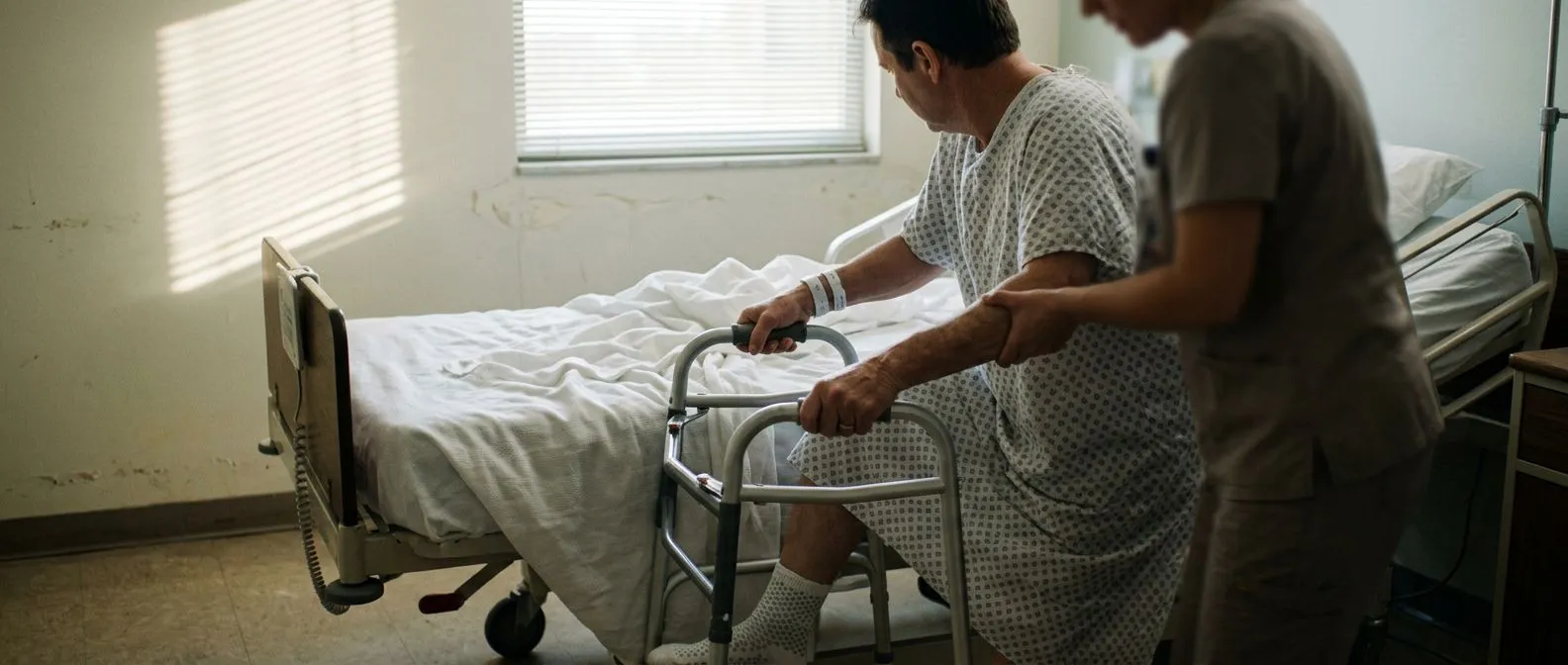
The prevention bundle has several parts. Use the incentive spirometer frequently, practise splinted coughing, get out of bed and walk as soon as your team allows, and avoid lying flat for long periods. Good mouth care matters too — bacteria from the mouth can be aspirated into the lungs during sleep, so brushing twice daily and using prescribed mouthwash if given reduces that reservoir. Global Burden of Disease Study 2010 data show lower respiratory infections remain among the leading causes of death globally, and postoperative pneumonia is a recognised contributor in surgical populations.
- Lung expansion: spirometer every 1–2 hours in hospital, every 2 hours at home.
- Early mobilisation: sit out of bed day one, walk the corridor by day two or three as advised.
- Mouth care: twice-daily brushing; mouthwash if prescribed; avoid lying flat immediately after eating.
- Stop smoking: even a few weeks of abstinence before surgery measurably lowers pneumonia risk.
Red flags: Fever, worsening breathlessness, coughing up coloured or smelly sputum, or sharp pain on breathing in can all signal infection. Pneumonia after cardiac surgery is usually treatable with antibiotics, but early treatment is shorter and safer, so do not wait for it to "settle on its own."
When Breathing Exercises Cause Pain or Dizziness
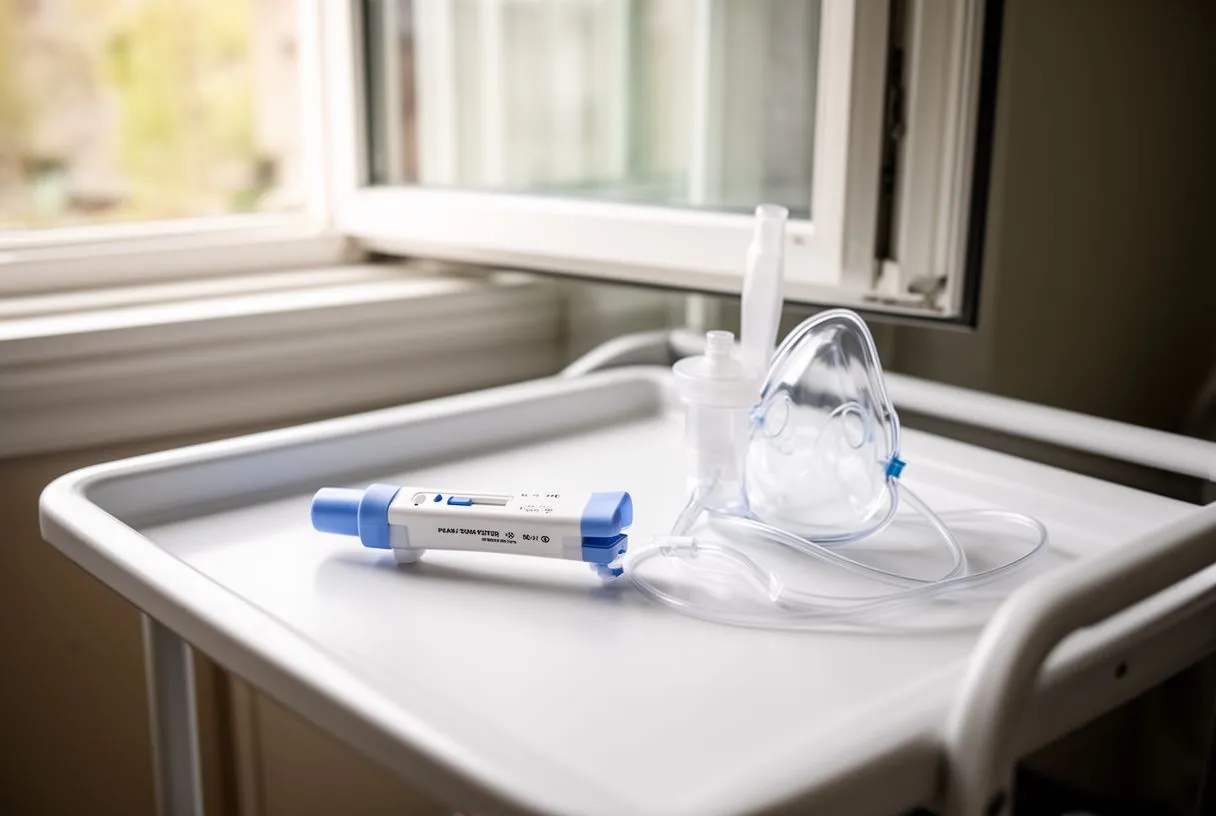
Some discomfort during breathing exercises is expected and is not, by itself, a reason to stop. The incision aches, the chest wall muscles are stiff, and the sternum is healing; a deep breath stretches all of these. The goal is to distinguish normal incisional pain from pain that signals a problem, and to manage dizziness that can accompany deep breathing in the early days.
Mild to moderate stinging or pulling along the incision line during a deep breath is typical for two to four weeks. Splinting with a pillow reduces it. If your pain medicine is due and the discomfort is preventing a full breath, take the medication on schedule rather than waiting until the pain is severe — uncontrolled pain leads to shallow breathing, which leads to complications. Dizziness during or after a set of deep breaths usually means you have hyperventilated; slow the pace, breathe normally for a minute, and resume with fewer, gentler breaths.
Pain that warrants a call: New, sharp, or tearing pain that is different from your incision pain, pain that radiates to the back, pain accompanied by shortness of breath that does not ease with rest, or pain with palpitations should be assessed promptly. Similarly, dizziness that persists, comes with chest tightness, or causes a faint should not be dismissed. If you cannot tell whether what you feel is normal, the safest step is to contact your cardiac team; a brief phone call or message is always preferable to guessing.
Returning to Normal Breathing After Cardiac Surgery
Most patients notice their breathing is noticeably easier by the second or third week, close to baseline by six weeks, and fully normal by three months, though individual timelines vary with age, fitness, and the type of operation. The transition from structured exercises to ordinary breathing is gradual: as spirometer volumes approach your discharge target and walking becomes comfortable, you can reduce the sessions and let daily activity take over.
Walking is the natural successor to formal breathing exercises. A daily walk encourages deeper breathing than you would achieve at rest, mobilises the chest wall, and gently raises heart rate in a controlled way. Start with short, flat walks, add distance as tolerated, and always carry your spirometer readings and any warning signs your team gave you. For patients who had valve surgery or repair near the atrium or great vessels, the timeline is similar, though your surgeon may add specific restrictions based on the approach used.
A realistic outlook: Recovery from heart surgery is measured in months, not days, and breathing follows that curve. Some days will feel better than others, especially after a longer walk or a poor night's sleep. The exercises are not a test you pass or fail; they are a habit that protects your lungs while the rest of your body heals. If you are unsure about your progress, talk to your surgical team rather than self-diagnosing, and bring your home records with you.