Heart Medical Emergency: Signs That Need Help Now
Discover heart medical emergency signs that need immediate help.
What Are the Heart Emergency Signs You Should Never Ignore
Recognizing a heart emergency early can mean the difference between full recovery and lasting damage to the heart muscle. When blood flow to a portion of the heart is interrupted — usually because an atheromatous plaque has ruptured inside a coronary artery — the cells fed by that vessel begin to starve within minutes. The body produces warning signals, but those signals are not always the dramatic, clutch-the-chest scenes portrayed in films. Many real heart emergencies begin quietly, with vague discomfort, unexpected fatigue, or a feeling that something is simply wrong. Understanding what counts as a genuine cardiac warning sign — and what does not — is the first step toward protecting yourself and the people you love.
The most reliable principle is this: any new, sudden, or worsening symptom involving the chest, breathing, consciousness, or upper body should be treated as a potential heart emergency until a medical professional tells you otherwise. That includes pressure or tightness in the chest that lasts more than a few minutes, shortness of breath that appears without an obvious cause, sudden dizziness or fainting, and pain that radiates to the arm, jaw, neck, or back. Waiting to see if symptoms resolve on their own is one of the most dangerous choices a person can make during acute cardiac events, because every minute of delayed treatment increases the volume of heart tissue that dies permanently.
It is also important to understand that heart emergency signs vary dramatically from person to person. Women, older adults, and people with diabetes frequently experience symptoms that do not match the classic textbook description. Instead of crushing chest pain, they may report nausea, profound weakness, or discomfort that feels like indigestion. These atypical presentations are not less dangerous — they are simply harder to recognize. If there is any reasonable suspicion that the heart is involved, the safest course is always to seek emergency evaluation immediately rather than trying to diagnose the problem at home.
How Heart Attack Warning Signs Differ from Other Chest Pain
Chest pain is one of the most common reasons people seek emergency care, yet only a fraction of chest pain episodes turn out to be heart attacks. Distinguishing cardiac pain from other causes — acid reflux, muscle strain, anxiety attacks, or lung conditions — requires attention to pattern, quality, and associated symptoms. Cardiac pain typically feels like pressure, squeezing, fullness, or a heavy weight on the chest, rather than a sharp or stabbing sensation. It often builds gradually over several minutes, persists, and does not change with movement, breathing, or positional shifts. Pain that worsens when you press on the chest wall or twist your torso is more likely muscular; pain that appears and disappears with meals may relate to the digestive system.
During a heart attack, the pain or discomfort tends to radiate beyond the chest itself. Arm pain — particularly in the left arm, but sometimes in the right or both — is a well-documented companion symptom, along with pain spreading to the jaw, neck, shoulders, or upper back. According to Stanford Health Care, associated symptoms such as cold sweats, nausea, lightheadedness, and sudden severe fatigue strengthen the likelihood that chest discomfort is cardiac in origin. The combination of chest pressure with any of these features warrants an immediate emergency call, even if the person insists the pain is tolerable.
Timing also matters. Pain that lasts only a few seconds and then vanishes completely is less likely to be a heart attack, though it could still reflect an underlying condition that needs evaluation. Pain that comes and goes over minutes to hours, intensifies with exertion, or is accompanied by sweating and breathlessness is far more concerning. An atypical infarction — a heart attack that presents without the expected chest pain — can be especially deceptive, sometimes manifesting only as sudden exhaustion, breathlessness, or collapse. When chest pain is accompanied by risk factors such as a history of high blood levels of Apolipoprotein B, diabetes, smoking, or a family history of early coronary disease, the threshold for seeking emergency care should be even lower.
Most Common Cardiac Emergency Symptoms in Men and Women
While the underlying mechanism of a heart attack is the same regardless of sex — a blocked coronary artery starving heart tissue of oxygen — the way symptoms surface can differ noticeably between men and women. Men more frequently report the classic pattern: central chest pressure or tightness, pain radiating down the left arm, sweating, and a sense of impending doom. Women, by contrast, are more likely to describe shortness of breath, nausea or vomiting, back or jaw pain, and overwhelming fatigue without any obvious chest discomfort at all. These differences are not merely statistical curiosities; they directly affect whether someone recognizes the emergency and acts quickly enough.
Studies have shown that women often delay seeking care longer than men because their symptoms do not match what they have been taught to expect. A woman who feels suddenly exhausted and slightly short of breath may attribute it to stress, a poor night's sleep, or a mild flu. By the time she arrives at the emergency department, more heart muscle may have been damaged than if she had responded to the same symptoms immediately. Older adults face a similar challenge — age-related changes in nerve sensitivity can blunt pain signals, meaning a serious cardiac event may produce only mild or vague discomfort that is easy to dismiss.
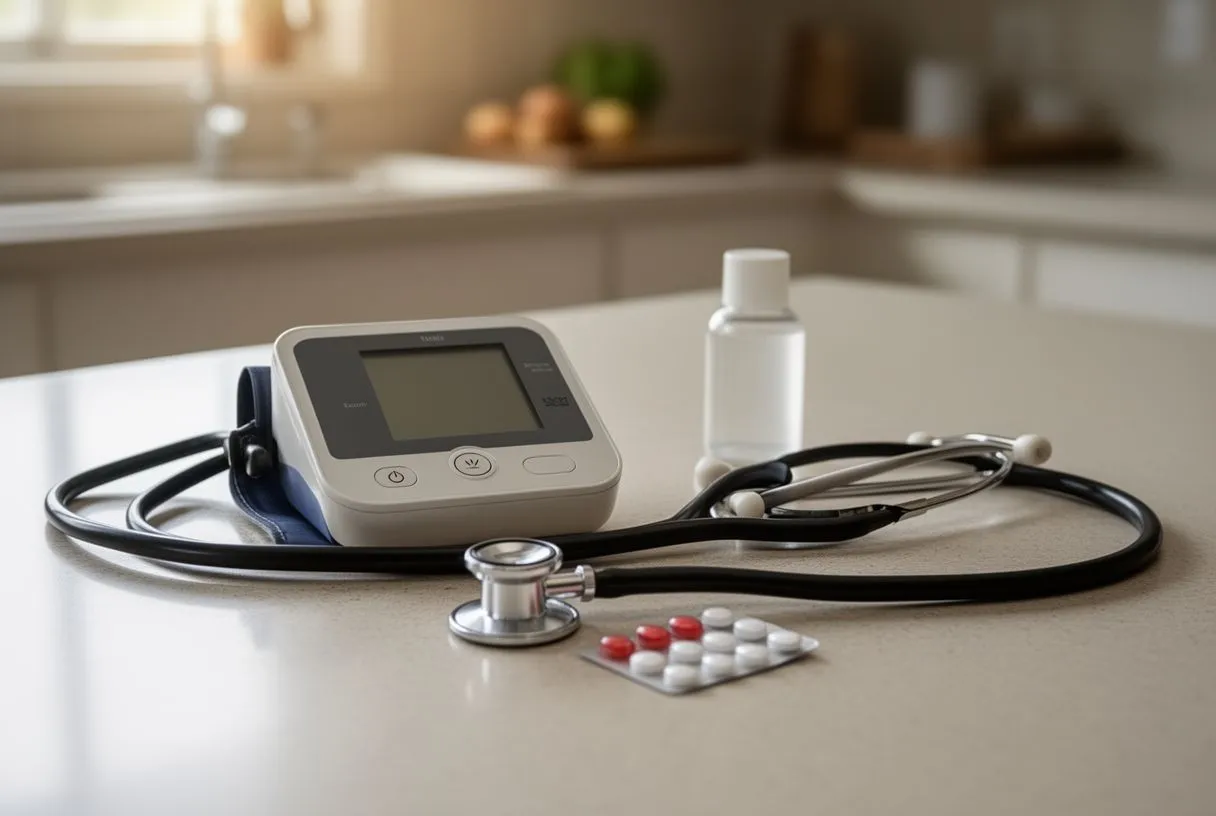
People with diabetes are at particularly high risk of silent or minimally symptomatic heart attacks because diabetic neuropathy can damage the nerves that carry pain signals from the heart. For this group, unexplained weakness, confusion, sudden breathlessness, or a fall without a clear cause may be the only clue. Caregivers and family members should be alert to these subtle patterns, especially in elderly relatives or those with known cardiovascular risk factors. When in doubt, a brief emergency evaluation is always preferable to waiting and hoping the symptoms pass on their own.
When to Call Emergency Services for Heart Symptoms
The decision to call emergency services is one that many people second-guess, often because they do not want to cause a fuss or incur the cost of an ambulance. But from a medical standpoint, the risks of calling too late far outweigh the inconvenience of calling too soon. Emergency dispatchers are trained to triage symptoms over the phone, and they can guide you through what to do while help is on the way. If someone is experiencing chest pressure lasting more than a few minutes, shortness of breath, fainting, or pain spreading to the arm or jaw, the correct action is to call immediately — not to drive the person to the hospital yourself.
Driving yourself or a loved one to the hospital during a cardiac event is dangerous for several reasons. Symptoms can escalate rapidly — a person who is mildly uncomfortable at home may lose consciousness in the car. Ambulances carry equipment to monitor heart rhythm, administer oxygen, begin aspirin therapy if appropriate, and defibrillate if the heart goes into a lethal rhythm. Paramedics can also transmit electrocardiogram data to the receiving hospital, allowing the cardiac team to prepare for immediate intervention before the patient even arrives. This chain of survival — early recognition, early call, early treatment — is the single most important factor in surviving a major heart event.
For patients and families living in Mexico who may be considering travelling to a cardiac centre in another city, it is worth knowing that stable symptoms that have been evaluated and treated do not always require emergency transport. But the initial episode — the moment symptoms first appear — is not the time to plan travel logistics. It is the time to activate local emergency services, stabilize the situation, and then consult with a cardiac team about next steps, including possible transfer to a specialist centre if needed.
Signs of Cardiac Arrest vs Heart Attack
People frequently use the terms heart attack and cardiac arrest interchangeably, but they describe fundamentally different emergencies with different responses. A heart attack is a circulation problem: a coronary artery is blocked, blood flow to part of the heart is cut off, and the heart muscle begins to die. The person is usually still conscious, breathing, and talking — they are in pain, but their heart is still pumping. Cardiac arrest is an electrical problem: the heart's pumping rhythm suddenly stops, blood circulation ceases, and the person loses consciousness within seconds. Without immediate intervention, cardiac arrest is fatal within minutes.
The distinction matters because the emergency response is entirely different. For a suspected heart attack, the priority is getting the person to a hospital where the blocked artery can be opened — typically through balloon angioplasty, where a small balloon is inflated inside the artery to restore flow, often followed by stent placement. For cardiac arrest, the priority is maintaining circulation manually through chest compressions and delivering an electrical shock with an Automated External Defibrillator as quickly as possible. Every minute without defibrillation reduces the chance of survival by roughly ten percent. According to an ESC working group position paper on myocardial infarction with non-obstructive coronary arteries, some heart attacks occur without a complete blockage visible on angiography, which can complicate diagnosis but does not change the urgency of the initial emergency response.
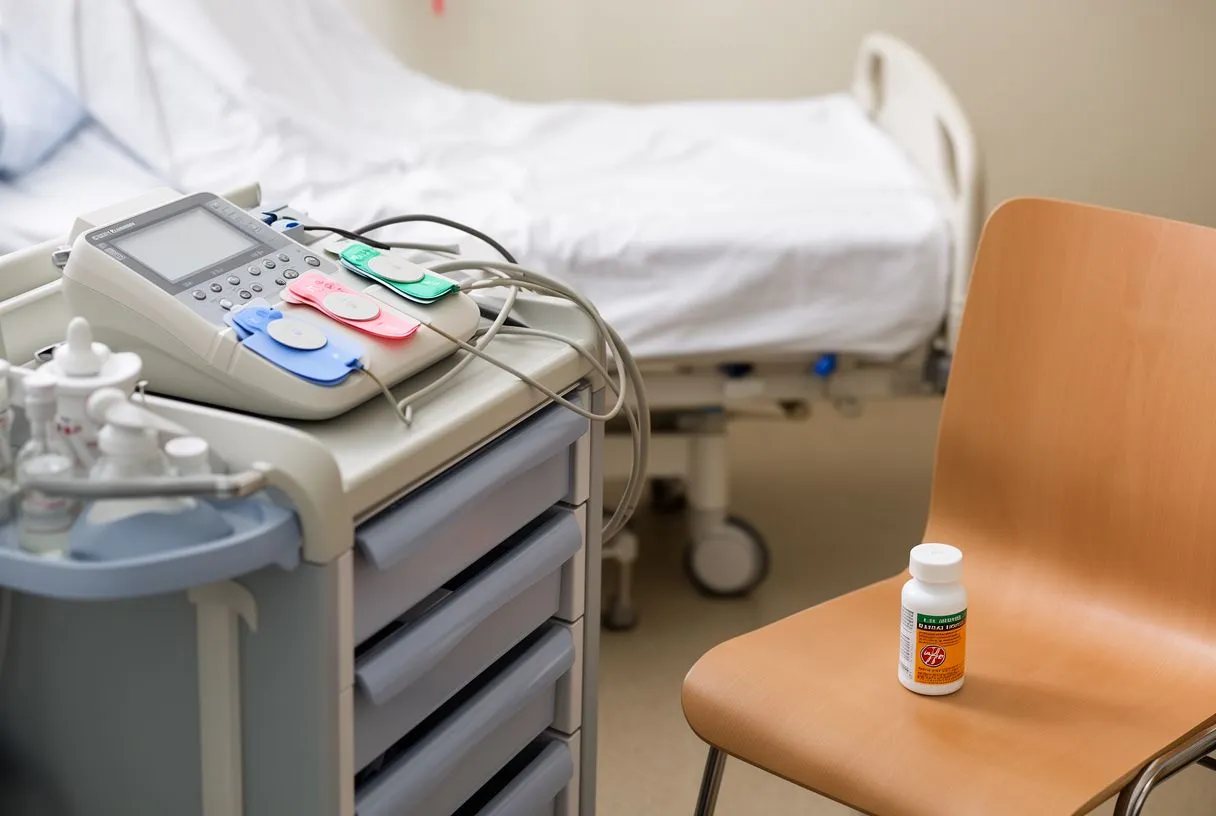
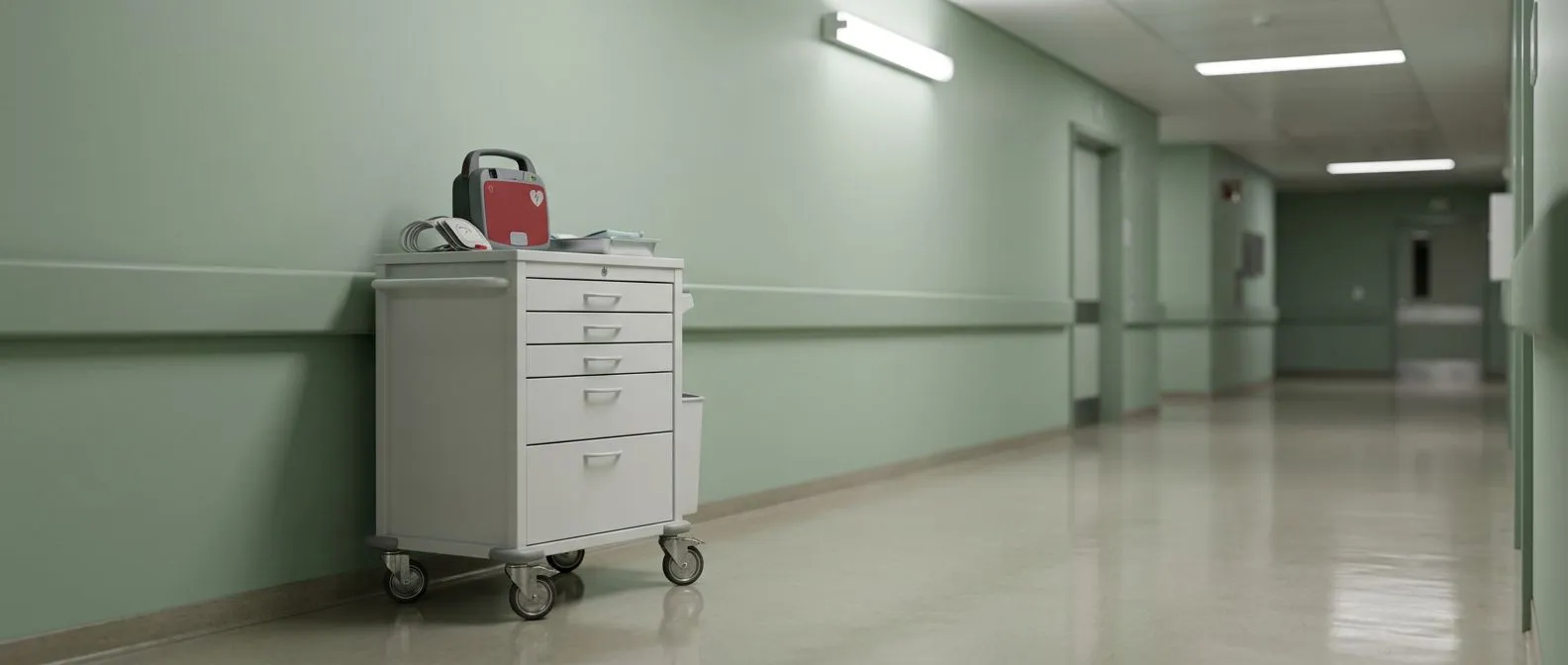
If you witness someone collapse suddenly, become unresponsive, and stop breathing normally, treat it as cardiac arrest. Call emergency services, begin chest compressions immediately — push hard and fast in the centre of the chest — and send someone to find the nearest defibrillator. Many public buildings now have these devices in accessible locations, and they are designed to be used by untrained bystanders: the device provides voice instructions and will only deliver a shock if the heart rhythm requires one. If the person is conscious, even briefly, or is breathing on their own, it is more likely a heart attack or another acute event — but either way, emergency services should be contacted without delay.
Heart Failure Emergency Signs That Require Immediate Care
Heart failure is a chronic condition in which the heart gradually loses its ability to pump effectively, but it can also produce acute emergencies that require immediate medical attention. The most concerning sign is sudden or rapidly worsening shortness of breath, particularly when lying flat — a person may find they need to prop themselves up on multiple pillows or sleep sitting in a chair just to breathe comfortably. This happens because fluid backs up from the failing heart into the lungs, a condition called pulmonary oedema, and it can progress from mild breathlessness to a life-threatening inability to breathe in a matter of hours.
Other red flags include sudden weight gain of two or more kilograms over a few days, swelling in the legs or abdomen that worsens rapidly, and a new irregular heartbeat that causes palpitations, dizziness, or near-fainting. Atrial flutter — a fast, organized rhythm disturbance in the upper chambers of the heart, known as the atrium — can develop in people with heart failure and dramatically reduce cardiac output, leading to acute deterioration. When any of these signs appear in someone with a known diagnosis of heart failure, the response should not be to adjust medications at home or wait for the next clinic appointment. Emergency evaluation is needed to determine whether the decompensation can be managed with intravenous medication or whether more intensive intervention is required.
Family members should be especially vigilant when a heart failure patient develops a cough that produces pink, frothy sputum, profound exhaustion to the point of being unable to perform basic tasks, or confusion — which can signal that the brain is not receiving adequate oxygen or that sodium and fluid imbalances have become severe. These are not routine symptoms of a chronic condition having a bad day; they indicate that the heart's compensating mechanisms have been overwhelmed. Prompt treatment in an emergency setting can restore stability and prevent progression to a state where mechanical circulatory support or admission to intensive care becomes necessary.
What Happens During a Heart Emergency
Understanding what occurs inside the body during a heart emergency can help patients and families make sense of the urgency and the treatments that follow. In a typical heart attack, a cholesterol-rich deposit inside a coronary artery — an atheromatous plaque — becomes unstable and ruptures. The body treats this rupture like an injury and forms a blood clot at the site, which can suddenly narrow or completely block the artery. Downstream heart tissue is deprived of oxygen, and within roughly twenty minutes to an hour, cells in that region begin to die. The longer the artery stays blocked, the more muscle is lost permanently, which is why timely intervention focuses on restoring flow as quickly as possible.
In the emergency department, the cardiac team performs an electrocardiogram immediately to look for patterns that indicate which type of heart attack is occurring. Blood tests measure cardiac enzymes — proteins released by dying heart cells — which help confirm the diagnosis and estimate the extent of damage. If a major blockage is identified, the patient is typically taken for emergency cardiac catheterization, where a thin tube is threaded through an artery in the wrist or groin to the heart, dye is injected to visualize the blockage, and balloon angioplasty with stent placement is performed to reopen the vessel. In some cases, particularly when multiple vessels are involved, emergency bypass surgery may be recommended. As described in research on the repair-oriented classification of aortic insufficiency and its impact on surgical techniques, surgical decisions in acute cardiac settings depend on precise anatomical assessment and are tailored to each patient's specific situation.
For cardiac arrest, the sequence is different. The heart has stopped pumping effectively, so there is no circulation to maintain. Bystanders begin chest compressions to manually squeeze blood through the body, and a defibrillator is used to deliver an electrical shock that can reset the heart's rhythm. Once a stable rhythm is restored, the medical team investigates the underlying cause — which could be a heart attack, a dangerous arrhythmia, a severe electrolyte imbalance, or another trigger — and begins targeted treatment. In both types of emergency, the medical team's goal is the same: restore circulation, save as much heart muscle as possible, and stabilize the patient for further care.
How Fast Response Improves Heart Emergency Outcomes
The concept of time is muscle is perhaps the most important message in all of cardiac emergency care. Research consistently shows that the sooner a blocked artery is reopened after a heart attack begins, the better the patient's chances of survival and full recovery. Hospitals track what they call door-to-balloon time — the interval between a patient's arrival and the moment a balloon angioplasty restores blood flow — and aim to keep this under ninety minutes. But the clock starts before the hospital doors. The time between symptom onset and the emergency call is the interval that patients control, and it is often the longest and most dangerous delay in the entire chain.
Many people wait thirty minutes, an hour, or even longer before calling for help, hoping the pain will pass, not wanting to bother anyone, or attributing symptoms to something else. Each of those minutes translates into heart tissue that cannot be recovered. Studies have shown that patients who call emergency services within the first hour of symptoms have measurably better outcomes than those who delay, including lower mortality rates, smaller areas of heart damage, and better long-term heart function. The same principle applies to cardiac arrest, where the window for successful resuscitation is measured in single-digit minutes — delay is not a small risk, it makes a poor outcome far more likely.
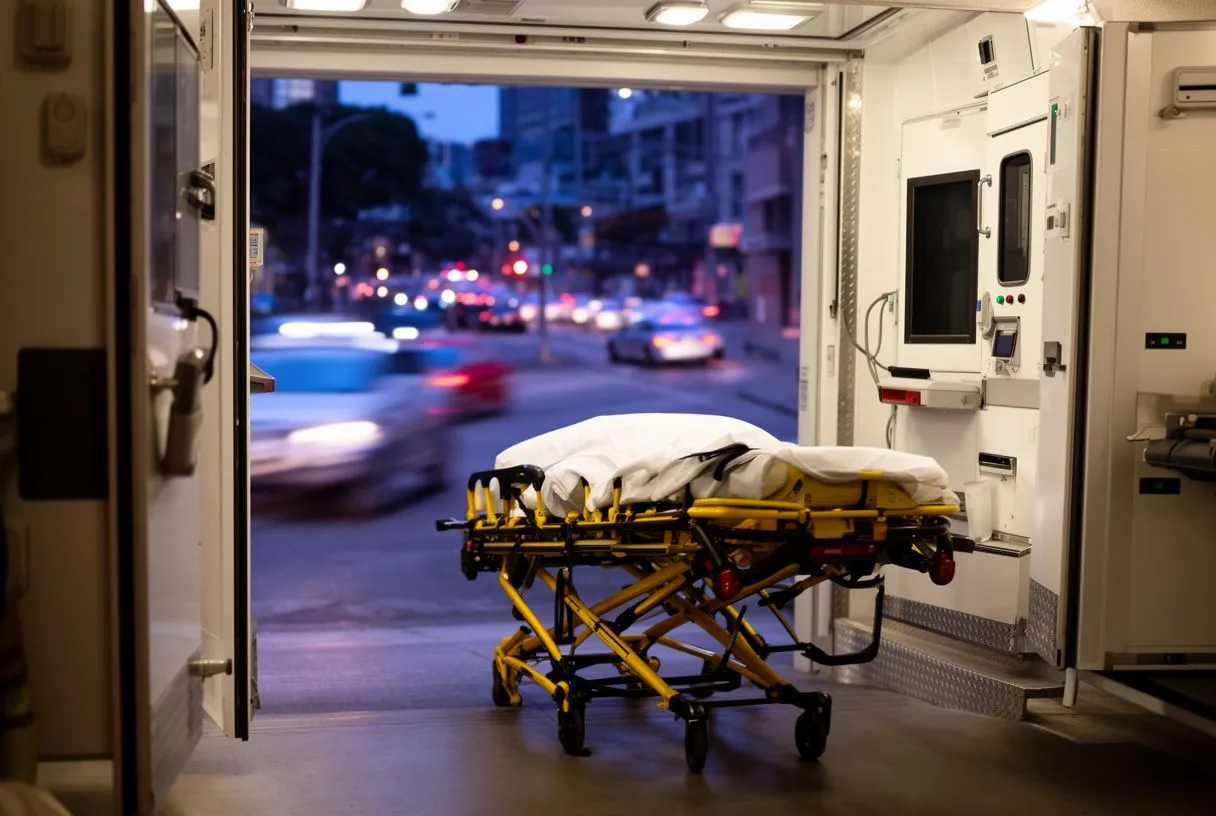
For families, this means having a clear plan before an emergency occurs. Everyone in the household should know the local emergency number, should understand that chest pain or sudden collapse warrants an immediate call, and should be prepared to describe symptoms clearly to the dispatcher. If someone in the family has known heart disease, the plan should include the name and location of the nearest hospital with a cardiac catheterization laboratory, a list of current medications, and contact information for their treating cardiologist. Preparation does not prevent emergencies, but it dramatically shortens the gap between onset and treatment — and that gap is where outcomes are won or lost.
Heart Emergency Warning Signs That Are Easy to Miss
Not every heart emergency arrives with a clear announcement. Some of the most dangerous cardiac events begin with symptoms so subtle that even careful people dismiss them. Sudden, unexplained fatigue — the kind that makes climbing a single flight of stairs feel impossible when it was routine the day before — can be an early sign of reduced cardiac output, particularly in women and older adults. A new sensation of indigestion that does not respond to antacids, especially if it comes with sweating or breathlessness, can actually be a heart attack presenting as upper abdominal discomfort. These easy-to-miss signs are the reason cardiac professionals repeatedly emphasize that any new, unusual, or unexplained symptom in someone with risk factors deserves evaluation.
Other overlooked warnings include sudden jaw or tooth pain with no dental cause, pain between the shoulder blades that feels different from ordinary muscle strain, and episodes of feeling faint or lightheaded that resolve on their own but have no clear explanation. A person who experiences a brief spell of losing consciousness — even if they feel fine afterward — should be evaluated, because this can signal a transient arrhythmia that may recur with more serious consequences. Auscultation, the medical term for listening to the heart with a stethoscope, may reveal a new murmur or irregular rhythm that was not present before, which is why even subtle changes should prompt a visit to a clinician rather than self-assurance that all is well.

Silent heart attacks — events that occur without any recognizable symptoms at all — are more common than most people realize, particularly in people with diabetes and in older adults. These are often discovered incidentally on a routine electrocardiogram or imaging study, when the patient had no idea anything had happened. While you cannot respond to an emergency you never felt, you can reduce the risk of silent damage by managing risk factors diligently: controlling blood pressure, monitoring cholesterol including markers like Apolipoprotein B, maintaining physical activity, and attending regular cardiac check-ups if you have known risk factors. The goal is not to live in fear, but to remain attentive to the signals the body sends — even when they are quiet.
Preparing for a Cardiac Emergency Before It Happens
No one plans to have a heart emergency, but planning for one is one of the most practical steps a person with cardiovascular risk factors can take. Preparation reduces fear, shortens response time, and ensures that when minutes matter, the people around you know exactly what to do. For patients already under the care of a cardiologist — whether for coronary disease, valve conditions, heart failure, or arrhythmias — the cardiac team can provide a personalized emergency plan that includes which hospital to go to, which medications are being taken, and what specific symptoms should trigger an immediate call.
Practical preparation includes keeping a written list of all medications and dosages in an accessible location, ensuring that family members know where it is, and having the contact information for the treating cardiologist readily available. If someone in the household has a known high risk, consider learning basic cardiopulmonary resuscitation and familiarizing yourself with the nearest automated external defibrillator locations in your community. These are simple, concrete steps that take an afternoon to complete but can change the outcome of a future emergency.
- Know your local emergency number — post it where everyone in the household can see it, not buried in a phone contact list.
- Keep a current medication list — include drug names, dosages, prescribing physician, and any known allergies or prior reactions.
- Identify the nearest cardiac centre — know which hospital has a catheterization laboratory capable of emergency intervention, not just the closest general emergency room.
- Brief your family — make sure every adult in the household can recognize basic cardiac warning signs and knows to call immediately rather than waiting.
- Never drive yourself — if you suspect a heart emergency, call for an ambulance; self-transport risks collapse en route and delays treatment.
If you or someone in your family has been experiencing symptoms that concern you — whether chest discomfort, unexplained breathlessness, palpitations, or episodes of dizziness — please do not wait for them to become an emergency before seeking help. Many cardiac crises are preventable when warning signs are evaluated and addressed early. We encourage you to discuss your specific situation with a qualified cardiac team who can assess your risk, order appropriate tests, and guide you toward the lowest-risk plan for your individual circumstances. To book a consultation with Dr Alejandro Molina and the team at Cirugía de Corazón in Guadalajara, Querétaro, or Hermosillo, please contact us directly — your heart deserves expert attention before an emergency forces the conversation.