Holter Monitor Test: What It Records and How to Prepare
A Holter monitor test records your heart rhythm for 24 hours or more.
When you experience unexplained dizziness, persistent fatigue, or a racing heartbeat that comes and goes without warning, your cardiologist may recommend a holter monitor test to capture exactly what your heart is doing during your everyday life. This small, portable device acts as a continuous observer, seamlessly bridging the gap between what happens in the brief moments of a clinical examination and what happens while you are at home, working, or sleeping. Understanding the purpose, mechanics, and preparation for this heart rhythm monitor helps remove the anxiety of the unknown and empowers you to take an active role in your cardiac care.
What Is a Holter Monitor Test and Why It Is Ordered
Understanding the purpose of continuous monitoring: A holter monitor test is a completely non-invasive way to track your heart's electrical activity continuously over a specific period, usually ranging from twenty-four hours to two weeks. Unlike a quick in-office electrocardiogram that only captures a snapshot of your heart's rhythm, this portable ECG monitor records every single heartbeat, providing a comprehensive timeline of your cardiac function. This extended observation is crucial because irregular heartbeats are notoriously unpredictable, often vanishing by the time you arrive at the doctor's office.
Why your doctor might order this test: Your cardiologist may order this ambulatory ECG if you have reported symptoms like fainting, severe palpitations, or unexplained chest discomfort that standard tests have failed to explain. Even if a doctor hears a perfectly normal heartbeat through Auscultation with a stethoscope, a Holter monitor can reveal hidden arrhythmias that only manifest under specific daily stressors. According to the National Heart, Lung, and Blood Institute, continuous monitoring is an essential diagnostic tool for identifying silent or intermittent rhythm disorders that increase the risk of stroke or sudden cardiac events.
What happens anatomically during an arrhythmia: To understand why this data is so valuable, it helps to visualize the heart's anatomy. When the upper chambers of the heart, known as the Atrium, beat irregularly, it can disrupt the smooth, coordinated flow of blood into the lower pumping chambers. This electrical misfire can cause blood to pool, potentially leading to dangerous clotting. By wearing a continuous monitor, your medical team can see exactly when and how these electrical misfires occur, allowing them to pinpoint whether the issue is triggered by physical exertion, emotional stress, or happens entirely at rest.
What Does a Holter Monitor Record During the Test
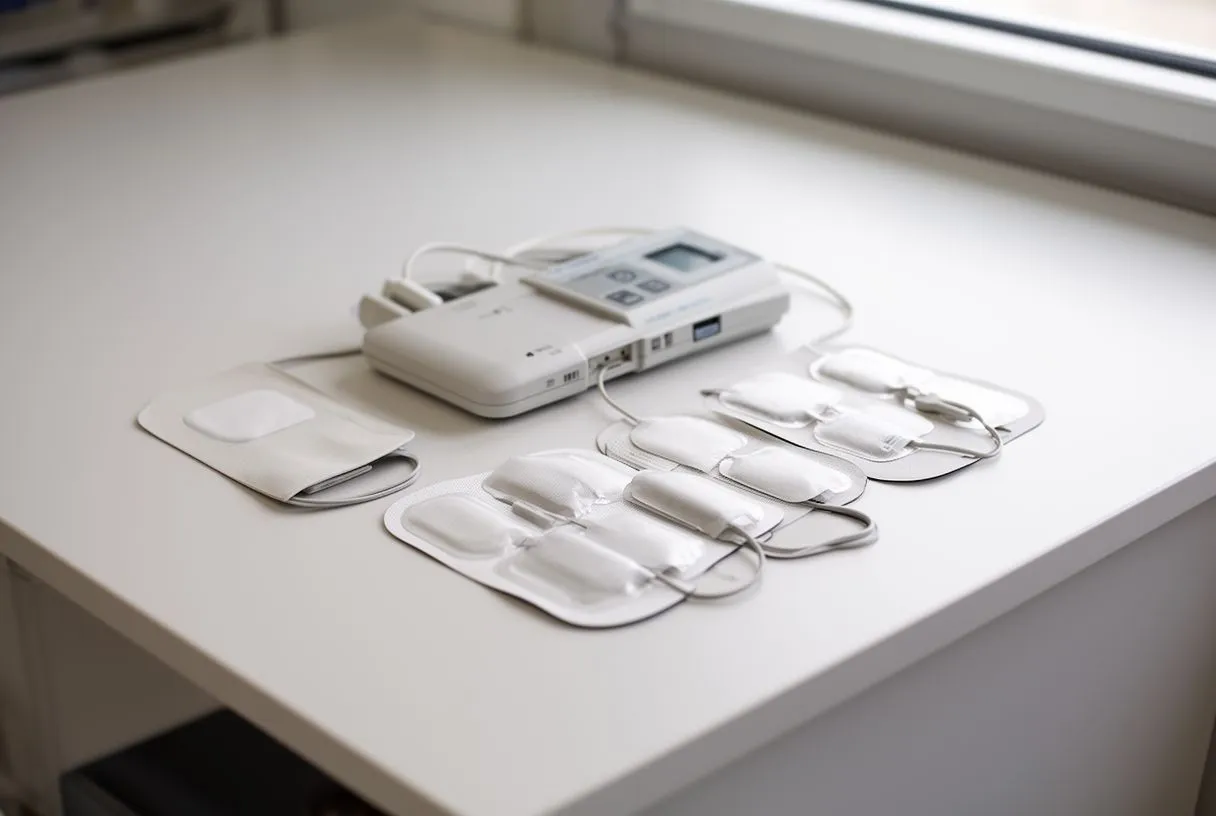
Capturing the heart's electrical signatures: If you are wondering what does a Holter monitor record, the answer lies in the intricate electrical signals that coordinate your heartbeats. The device primarily tracks the timing of these electrical impulses, looking for intervals that are too fast, too slow, or simply out of sequence. It is highly effective at identifying fast, organized rhythms like Atrial Flutter that might only appear when you exert yourself or drink too much caffeine. It also records your heart rate variability, showing how well your heart adapts to changes in your activity level and breathing patterns throughout the day and night.
Tracking silent and dangerous episodes: Beyond simple rate tracking, the monitor is designed to catch silent ischemia, a condition where the heart muscle is temporarily starved of oxygen without causing obvious physical pain. In some cases, it can even detect signs of an Atypical Infarction, a silent heart attack that occurs without the classic crushing chest pain many people expect. Identifying these dangerous electrical patterns early allows your doctor to prescribe targeted treatment or lifestyle changes before a crisis occurs that might require emergency intervention with an Automated External Defibrillator.
Providing context to your daily routine: The true value of the recording comes from pairing the electrical data with a diary of your activities. The monitor itself does not know if you are walking up a steep hill, eating a heavy meal, or experiencing a panic attack, but your notes provide that vital context. When your cardiologist reviews the data, they can see that a spike in your heart rate at 3:00 PM correlates exactly with a note you wrote about feeling intense palpitations while sitting at your desk, confirming that the symptom has a direct cardiac origin rather than being a benign physiological response.
How a 24 Hour ECG Monitor Differs From a Standard ECG
The limitation of in-office snapshots: A standard electrocardiogram performed in a clinic typically takes less than a minute and records only a dozen or so heartbeats. While this test is excellent for detecting acute, ongoing emergencies or structural issues suggested by the presence of Atheromatous Plaque in the coronary arteries, it is remarkably poor at catching problems that come and go. If your arrhythmia is intermittent, the chances of it occurring precisely during that one-minute window in the clinic are incredibly low, which is why a more extended observation period becomes necessary.
The advantage of extended timeframes: A 24 hour ECG monitor solves the snapshot problem by providing a continuous, high-definition movie of your heart's electrical activity. Over the course of a full day, the device records tens of thousands of heartbeats, vastly increasing the statistical probability of capturing an elusive arrhythmia. In addition to electrical tracking, your cardiologist may review blood markers like Apolipoprotein B to assess your overall cardiovascular risk profile, but the Holter monitor specifically excels at tracking the dynamic, real-time rhythm changes that a static blood test or a brief clinical ECG cannot reveal.
Adapting to the patient's specific timeline: The duration of the monitoring is tailored to how frequently you experience symptoms. If your palpitations happen daily, a twenty-four or forty-eight-hour test is usually sufficient to capture the event. However, if your symptoms only occur once a week or once a month, a standard short-term monitor might miss them entirely, necessitating a longer-term wearable device. This extended approach ensures that the data your cardiologist reviews accurately reflects your true baseline rhythm and any deviations from it.
Holter Monitor Preparation: What to Do Before Your Appointment
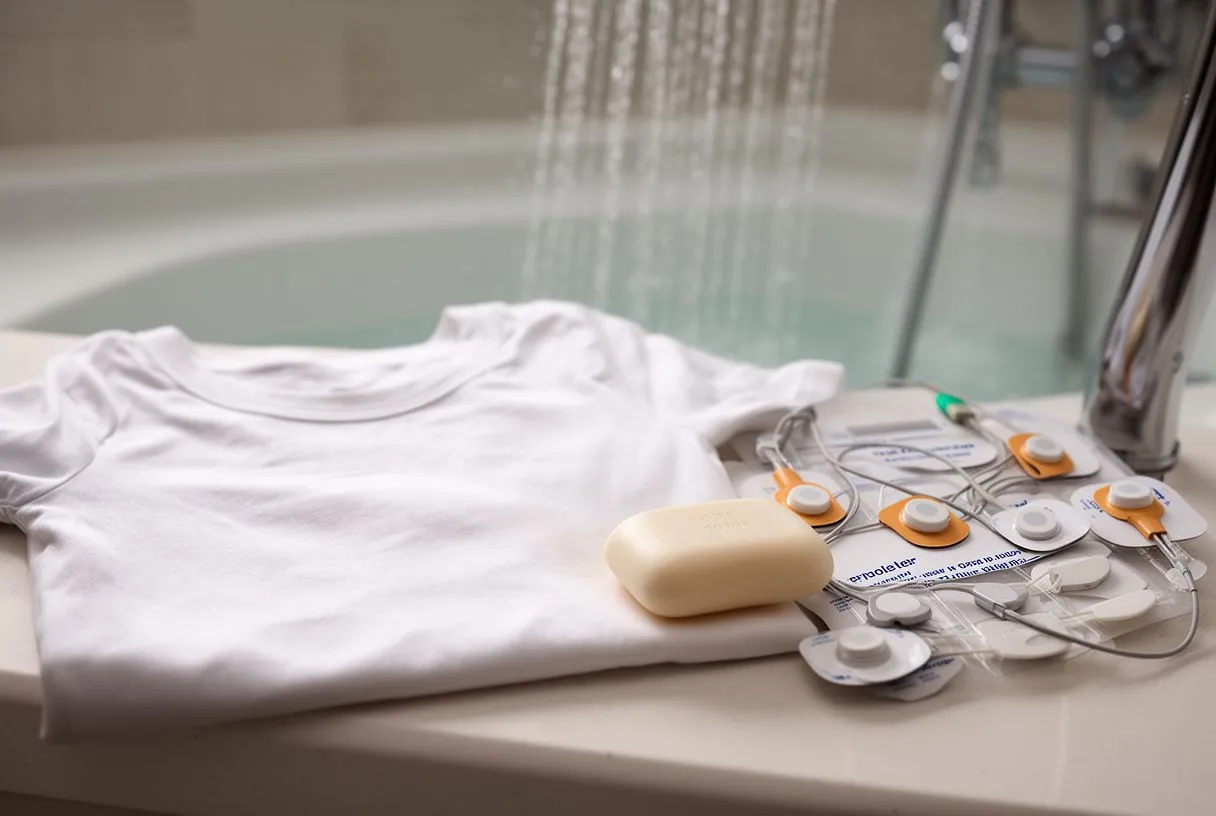
Preparing your skin for accurate readings: Proper Holter monitor preparation begins with ensuring the electrodes can make uninterrupted contact with your skin. You should take a shower before your appointment, because once the monitor is attached, you will not be able to bathe in a way that submerges or wets the device. Avoid applying lotions, oils, or powders to your chest area, as these create a barrier that prevents the sticky patches from adhering properly and can interfere with the electrical signal transmission.
Clothing and lifestyle adjustments: Wear loose, comfortable clothing to your appointment, ideally a button-up shirt that allows easy access to your chest. If you experience chronic Arm Pain or restricted shoulder mobility, inform the technician so they can route the wires comfortably and avoid causing you unnecessary strain during the fitting process. You will not need an invasive Arterial Line for blood pressure monitoring during this test; the device is entirely external and non-invasive, meaning there are no needles or incisions involved in the setup.
Medication and routine considerations: It is vital to continue taking your prescribed medications exactly as directed unless your cardiologist explicitly tells you to stop. Continue taking routine blood thinners or antiplatelet drugs like Aspirin if they are part of your daily regimen, as stopping them can increase your risk of clotting. The goal of the test is often to see how your heart behaves under your normal physiological conditions, including the effects of your current medication schedule, so maintaining your routine provides the most accurate clinical picture.
How Long Holter Monitor Devices Are Typically Worn
Standard monitoring windows: When patients ask how long Holter monitor devices must be worn, the answer depends heavily on the frequency of their symptoms. The most common duration is twenty-four to forty-eight hours, which provides a highly detailed record of daily cardiac cycles, including active daytime hours and resting nighttime hours. This window is usually sufficient for patients whose symptoms, like palpitations or dizziness, occur on a near-daily basis.
Extended wear for elusive symptoms: For patients with less frequent symptoms, the monitoring period may be extended to seven days, two weeks, or even up to a month using a specialized patch monitor. Extended monitoring is also used for patients with structural heart conditions, such as a dilated Ascending Aorta, who require careful rhythm assessment to rule out complications related to structural changes. While continuous rhythm tracking is common in adults, different monitoring techniques are used across age groups, much like how specialized studies such as Intraoperative transfontanelle ultrasonography for pediatric patients provide specific structural data for infants, highlighting that diagnostic durations and tools are always matched to the clinical context.
Living normally during the recording period: The goal of the test is to capture your heart's behavior during a typical day, so you are encouraged to maintain your normal routine as much as possible. You should go to work, walk, eat, and sleep just as you normally would, while keeping a detailed diary of your activities. The only strict rule is that you must avoid water; you cannot swim, shower, or bathe while wearing the device, as water will damage the electronics and void the recorded data.
Holter Monitor Electrode Placement and What to Expect
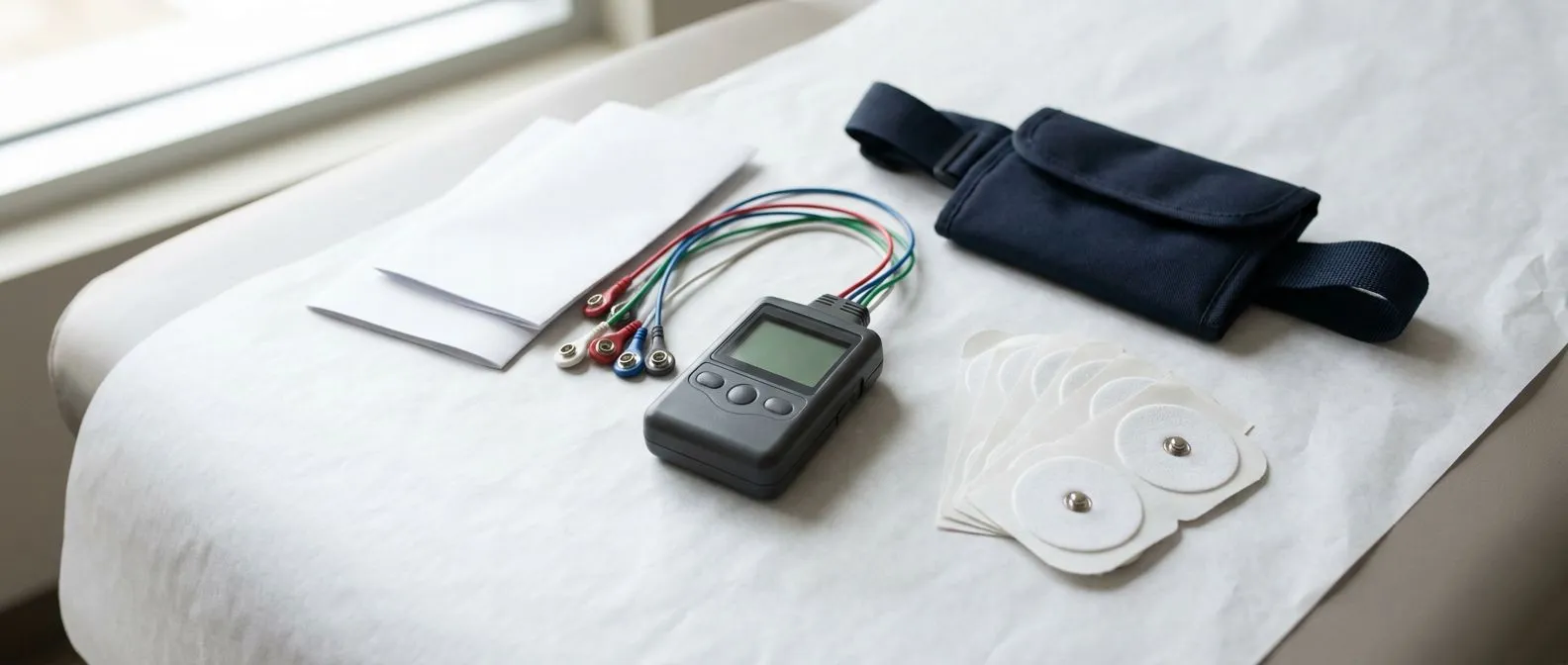
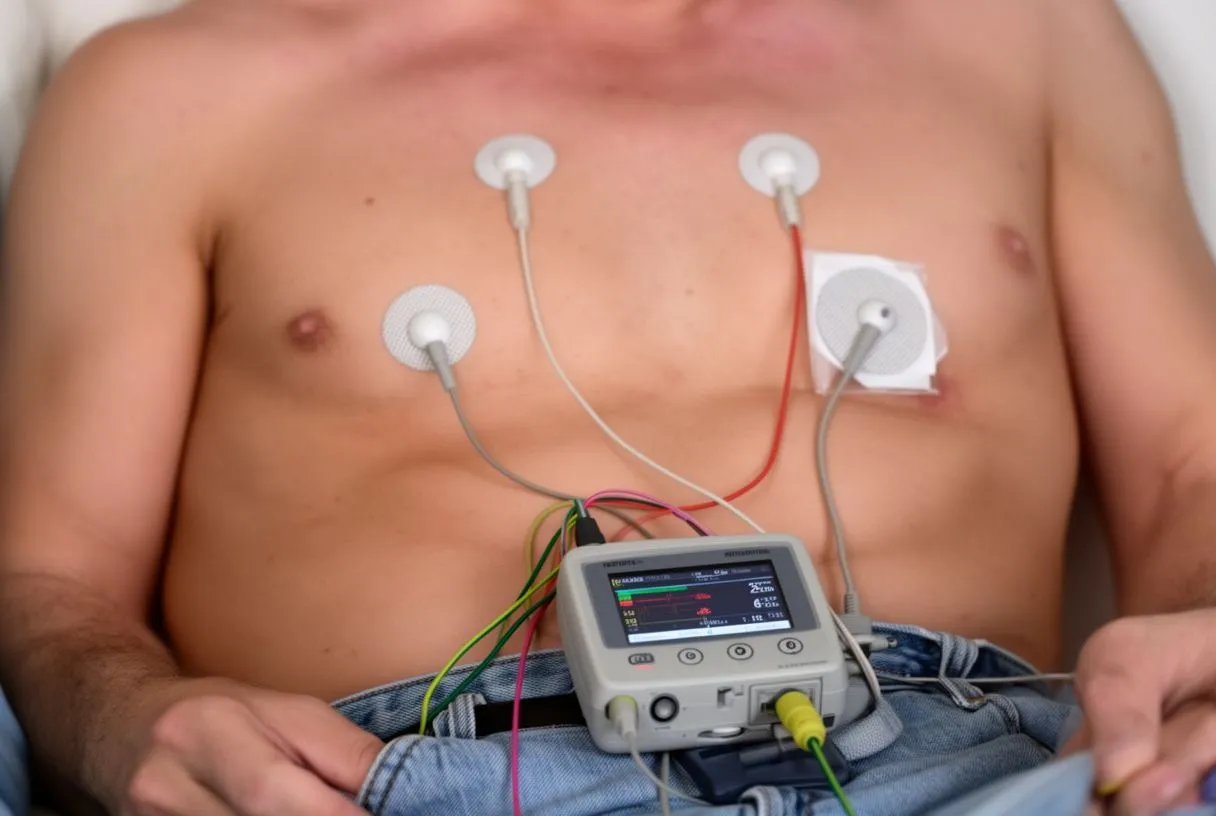
The physical fitting process: Understanding Holter monitor electrode placement can ease much of the anxiety surrounding the test. A technician will clean specific areas of your chest with an alcohol wipe to remove dead skin cells and natural oils, ensuring a strong electrical connection. Small, sticky sensors are then applied directly to the skin, and wires connect these sensors to a small recording device that you can clip to your belt or carry in a pouch. The preparation is much simpler than preparing for a major surgery, such as when you might need to arrange for Autologous Blood donation prior to an operation.
Managing wire placement and comfort: The wires are usually routed underneath your clothing to keep them secure and prevent them from snagging on objects as you move. The technician will ensure the wires have enough slack so that you can move your upper body comfortably without pulling the sensors off your skin. You will be instructed on what to do if a sensor happens to peel off, which is common if you sweat heavily or if the adhesive loses its stickiness near the end of the monitoring period.
Sleeping and physical activity with the monitor: Many patients worry about Holter monitor sleep and whether the device will disrupt their rest. While it does take a night or two to get used to sleeping with wires on your chest, most patients find a comfortable sleeping position quickly, often on their back or side. You can engage in light to moderate exercise, but you should avoid heavy sweating or contact sports that could dislodge the sensors or damage the recording unit.
Heart Palpitations Test: How Symptoms Are Correlated With Data
The importance of the patient diary: A heart palpitations test relies heavily on the synergy between the electronic data and your written observations. The monitor records thousands of data points, but it is your diary that tells the cardiologist which of those data points actually corresponded to a physical sensation. Whenever you feel a symptom—whether it is a flutter, a skipped beat, dizziness, or chest tightness—you must press the event button on the device and immediately write down what you were doing and how you felt.
Bridging the gap between sensation and electrophysiology: This correlation is especially important for patients recovering from cardiac procedures. Whether you are recovering from a valve replacement using an Autograft or managing palpitations as an outpatient after receiving an Arterial Graft during bypass surgery, accurate rhythm data is vital for tracking your recovery. Pressing the event button creates a digital bookmark in the continuous data stream, allowing the cardiologist to jump directly to that exact moment and examine the electrical pattern that caused your symptom.
What to write in your symptom log: To make the data as useful as possible, your diary entries should be as specific as possible. You should record the time, your current activity, and the exact nature of the symptom. Use the following checklist to guide your diary entries:
- Time of onset: Note the exact time the symptom started and how long it lasted.
- Activity level: Write down what you were doing (e.g., walking up stairs, resting, eating).
- Symptom description: Describe the feeling precisely (e.g., "fluttering in the neck," "heavy pounding," "lightheadedness").
- Medications taken: Log any extra doses of medication you took to relieve the symptom.
Holter Monitor Results: How Your Cardiologist Interprets the Data
Scanning for rhythm anomalies: Once the device is returned, the data is downloaded and analyzed using specialized software that highlights any abnormal heartbeats, pauses, or rhythm shifts. When reviewing Holter monitor results, your cardiologist looks for patterns that indicate structural or electrical disease. If the results show intermittent ischemia—periods where the heart muscle is starved of oxygen—your doctor might recommend further interventions like Balloon Angioplasty to compress plaque and restore vital blood flow to the heart muscle.
From data to treatment plan: The interpretation of the data goes beyond just counting irregular beats; it involves understanding the clinical significance of those beats. If a structural issue is found alongside the rhythm problem, you may eventually need a transcatheter valve replacement, where a Balloon-expandable Valve is deployed to restore normal blood flow. The Holter data helps the surgical team understand the baseline rhythm so they can optimize their surgical and post-operative strategies, ensuring the heart maintains a stable rhythm after the structural repair is complete.
Communicating findings to the patient: After the analysis is complete, your cardiologist will schedule a follow-up appointment to discuss the findings with you. They will explain whether your symptoms were caused by benign extra beats, dangerous runs of tachycardia, or signs of reduced blood flow. This consultation is the time to ask questions about your diagnosis and to understand the rationale behind any new medications, lifestyle changes, or procedures that are being recommended based on the recorded data.
Cardiac Event Monitor vs Holter: Which Is Right for You
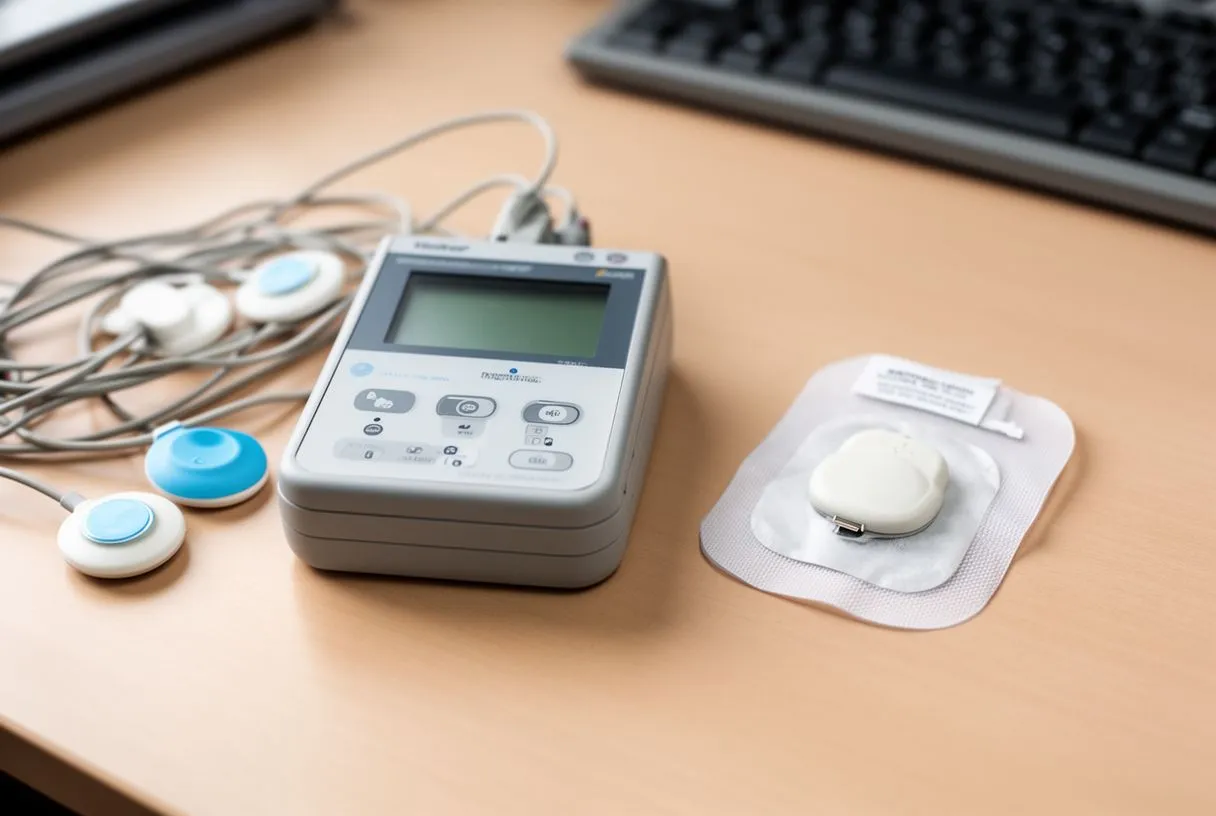
Understanding the difference in technology: When deciding between a cardiac event monitor vs Holter, the choice comes down to the frequency and nature of your symptoms. A traditional Holter monitor records continuously for a set period, capturing every heartbeat whether you feel a symptom or not. An event monitor, on the other hand, only records when you press a button or when it automatically detects a specific anomaly, making it better suited for patients whose symptoms occur very rarely, perhaps only once a week or once a month.
Choosing the right device for your symptoms: If you are preparing for a structural intervention, such as a Balloon Aortic Valvuloplasty to widen a narrowed valve, your doctor will likely choose a continuous Holter monitor to get a complete picture of your heart's rhythm baseline. While severe heart failure might require advanced support like Awake ECMO to oxygenate the blood, identifying mild arrhythmias early with the appropriate monitor can prevent disease progression and avoid more aggressive interventions. The decision is highly clinical and depends on matching the technology to the diagnostic goal.
Comparing the two approaches: Here is a quick comparison to help you understand how the two devices differ in practice:
- Recording style: Holter monitors record continuously; event monitors only record when triggered.
- Wear duration: Holters are worn for 1 to 2 days; event monitors can be worn for up to 30 days.
- Best use case: Holters suit daily symptoms; event monitors suit weekly or monthly symptoms.
Navigating the financial aspects of monitoring: Many patients are concerned about Holter monitor cost and whether their insurance will cover the diagnostic test. In most cases, because the test is ordered by a physician to diagnose a specific symptom, it is classified as medically necessary and is largely covered by private insurance or national health programs. For patients traveling internationally for cardiac care, the cost of a Holter monitor evaluation is often bundled into a larger diagnostic workup or pre-surgical assessment at the treating facility.
Integrating monitoring with surgical planning: If your evaluation is part of a pre-surgical workup, the rhythm data is critical for the anesthesiology and surgical teams. Unlike an Arterial Cannula used during open-heart surgery to bypass the heart, the Holter monitor is entirely non-invasive and simply rests on the skin, making it a low-risk, high-value diagnostic tool. For patients who require blood thinners based on their Holter findings, clinical data from landmark studies like the ARISTOTLE trial help guide medication choices to reduce stroke risk safely. Understanding the patient's baseline rhythm is especially important when planning surgical interventions, as highlighted in research detailing The Specific Features of an Early Period after Minimally Invasive Cardiac Surgery, which emphasizes the importance of post-operative rhythm stability.
Next steps for seeking care: If you are experiencing unexplained heart symptoms, do not wait for them to worsen. Continuous heart monitoring is a safe, straightforward, and highly effective way to uncover the root cause of cardiac issues and guide your treatment plan. We encourage you to discuss your specific situation with a qualified cardiac team. If you are in Mexico or planning to travel for specialized care, consider booking a consultation with our expert staff at Cirugía de Corazón. Our team, led by Dr Alejandro Molina, is dedicated to providing authoritative, empathetic cardiac care in Guadalajara, Querétaro, and Hermosillo. Reach out today to schedule your evaluation and take the first step toward understanding and protecting your heart health.
Holter monitor cost, insurance and scheduling your evaluation
Handling the financial side of monitoring: Many patients worry about the cost of a Holter monitor and whether their insurance will cover the diagnostic test. In most cases, because a doctor orders the test to diagnose a specific symptom, it is classed as medically necessary and is usually covered in large part by private insurers or national health programmes. For patients who travel from other countries for cardiac care, the cost of a Holter monitor evaluation is usually included in a broader diagnostic work-up or in a preoperative assessment at the medical centre that treats them.
Fitting the monitoring into surgical planning: If your evaluation is part of the preoperative work-up, the heart rhythm data are essential for the anaesthesia and surgical teams. Unlike an arterial cannula, which is used during open-heart surgery to divert blood flow and bypass the heart, the Holter monitor is non-invasive and simply sits on the skin, which makes it a low-risk, high-value diagnostic tool. If your Holter results mean you need anticoagulants, clinical data from landmark studies such as the ARISTOTLE trial help guide the choice of medication to reduce the risk of stroke safely. Knowing a patient's usual heart rhythm matters especially when planning surgery, as research into the specific features of the early period after minimally invasive cardiac surgery highlights, underlining how important it is to keep the rhythm stable after the operation.
Next steps in seeking care: If you have unexplained cardiac symptoms, do not wait for them to get worse. Continuous heart monitoring is a safe, simple and very effective way to find the cause of heart problems and guide your treatment plan. We recommend discussing your specific situation with a qualified cardiology team. If you are in Mexico or plan to travel for specialist care, consider booking a consultation with our expert team at Cirugía de Corazón. Our team, led by Dr. Alejandro Molina, is dedicated to providing trustworthy, compassionate cardiac care in Guadalajara, Querétaro and Hermosillo. Get in touch today to schedule your evaluation and take the first step towards understanding and protecting your heart health.