

Infective Endocarditis: Signs, Antibiotics and Surgery
Infective endocarditis treatment from Guadalajara heart specialists covers signs, antibiotics, and surgery.
What Is Infective Endocarditis?
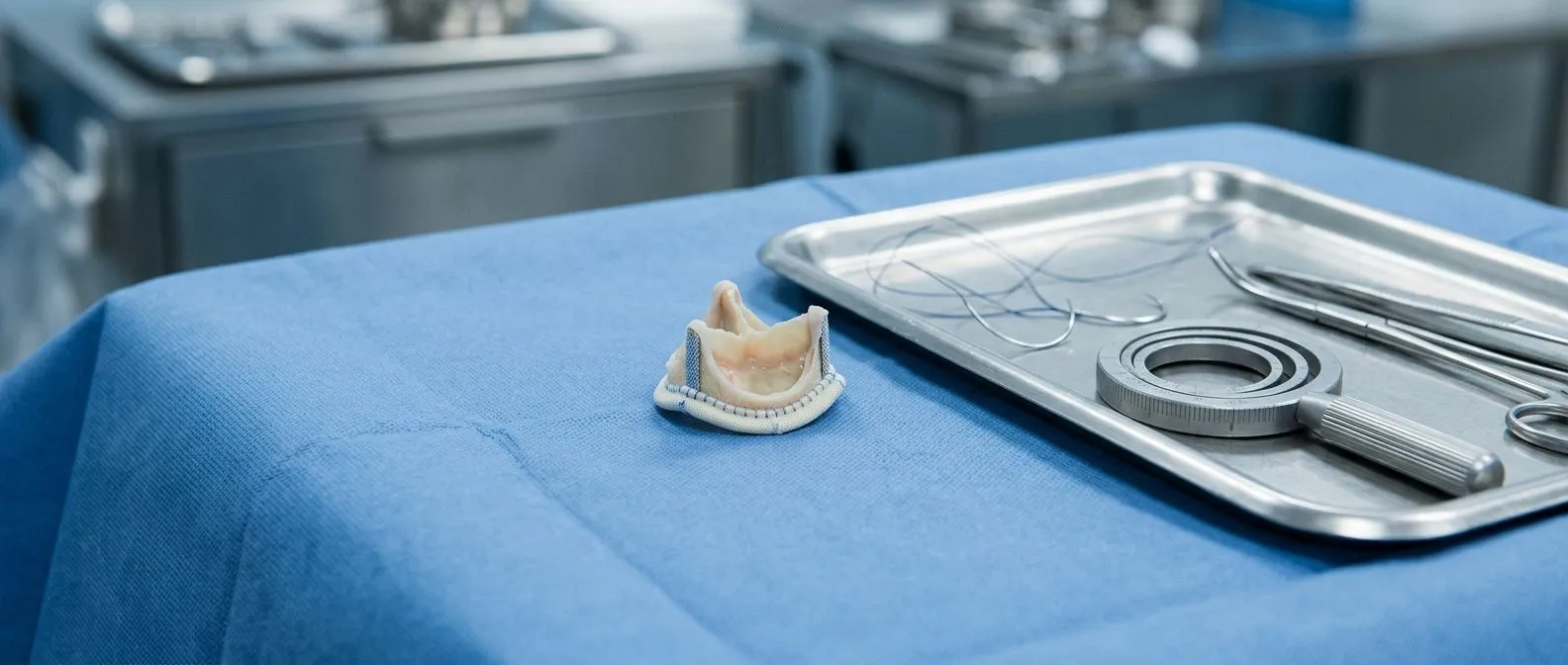
When a bacterial or fungal infection settles on the delicate structures of your heart, the condition is known as infective endocarditis. This serious illness specifically targets the endocardium, which is the smooth inner lining of the heart chambers and the heart valves. For patients and families hearing this diagnosis for the first time, the medical terminology can feel overwhelming. However, the core concept is simply an infection that has taken root in a place where it does not belong. Understanding infective endocarditis treatment begins with visualizing how these microscopic organisms attach to the heart valves and form clumps of cells, bacteria, and blood debris called vegetations.
How the infection damages heart tissue: Normally, blood flows through the heart in a highly organized, one-way street, guided by valves that open and close smoothly with each heartbeat. When bacteria enter the bloodstream and land on a valve, they multiply rapidly, protected from the body's immune system by a slippery biofilm. This continuous growth can physically destroy the delicate valve tissue, causing it to leak backward or become dangerously stiff. As the valve fails, the heart must work much harder to pump blood, leading to rapid deterioration of cardiac function and fluid buildup in the lungs or legs.
The impact on your body extends far beyond the heart itself, which is why prompt, specialized care is absolutely essential. As the vegetations grow larger on the valve, small pieces can break off and travel through the bloodstream. These fragments can lodge in critical organs like the brain, causing a stroke, or in the kidneys and lungs, leading to localized infections and organ damage. A dedicated cardiac team will assess the specific valve involved, the type of organism causing the infection, and the overall health of your heart to design a safe and effective path to recovery.
What Causes Infective Endocarditis?
Microbes enter our bloodstream frequently, but a healthy immune system usually clears them without issue. However, certain bacteria, particularly streptococci and staphylococci, have a unique ability to stick to damaged heart valves or artificial materials. If you have an existing heart condition, such as a congenital defect, a prolapsing valve, or an area with an Atheromatous Plaque, the surface is rougher. This roughness gives bacteria a place to latch on, multiply, and build the protective vegetations that characterize a heart valve infection.
Common entry points for bacteria: Everyday activities and medical procedures can briefly introduce bacteria into the blood. Poor dental hygiene is a surprisingly common source, where routine brushing or dental extractions allow mouth bacteria to enter the circulation. Intravenous drug use is another major cause, as needles can introduce dangerous skin or environmental bacteria directly into the veins. These microbes are often flushed directly to the right side of the heart, causing tricuspid valve endocarditis.

Who is at higher risk: Patients with artificial heart valves, previous endocarditis, or certain congenital heart diseases face a much higher risk. Understanding these risk factors helps medical teams identify the most likely culprits and tailor the initial therapy. The following list summarizes the most frequent origins of these infections:
- Dental procedures: Manipulation of gums or teeth can release oral bacteria into the circulation.
- Medical catheters: Long-term intravenous lines can provide a direct pathway for skin bacteria.
- Existing valve damage: Scarring from rheumatic fever or age-related calcium deposits create rough surfaces for microbes.
Recognizing Endocarditis Symptoms
The presentation of a heart valve infection can vary significantly from one patient to another, making clinical awareness crucial. Some individuals develop acute endocarditis, where symptoms appear suddenly and severely over just a few days, creating a medical emergency. Others experience a subacute form, where the illness develops slowly over weeks or even months, initially mimicking a lingering flu. The classic combination of an unexplained fever, deep fatigue, and a new or changed heart murmur should always prompt further medical investigation.
Systemic signs of infection: A persistent low-grade fever is the most common symptom, often accompanied by chills, night sweats, and profound muscle aches. You might notice a loss of appetite, unexplained weight loss, or painful joints. These signs reflect your body’s constant, exhausting struggle to fight off the persistent infection circulating in the bloodstream. Because these symptoms overlap heavily with common viral illnesses, endocarditis is sometimes missed until more severe cardiac signs emerge.
Signs of heart and organ damage: As the infection damages the heart valves, you may experience shortness of breath, especially when lying flat, or swelling in your legs and feet. Small, painless spots may appear on the palms or soles, and tiny hemorrhages can sometimes be seen in the whites of the eyes. If a vegetation breaks off and travels to the brain, it can cause a stroke-like event with weakness or slurred speech. Clinical trials tracked on platforms like clinicaltrials.gov continually refine how we recognize these early warning signs to prevent catastrophic complications.
How Doctors Diagnose Endocarditis
Diagnosing this condition requires a high index of suspicion and a combination of clinical findings. Your physician will start with a detailed history and a thorough physical examination. During Auscultation, the process of listening to your heart with a stethoscope, the doctor may hear a new murmur. A murmur is a swishing sound indicating turbulent blood flow, often caused by a valve that has begun to leak or become narrowed due to the physical destruction of the infection.
The role of blood cultures: To confirm the diagnosis, blood must be drawn multiple times over several hours to try to grow the offending bacteria in a laboratory. This test, called a blood culture, is vital because it identifies the exact microbe responsible and determines which antibiotics will kill it effectively. Without a positive culture, targeting the infection becomes much more difficult and relies heavily on broad-spectrum medications while the medical team searches for answers.
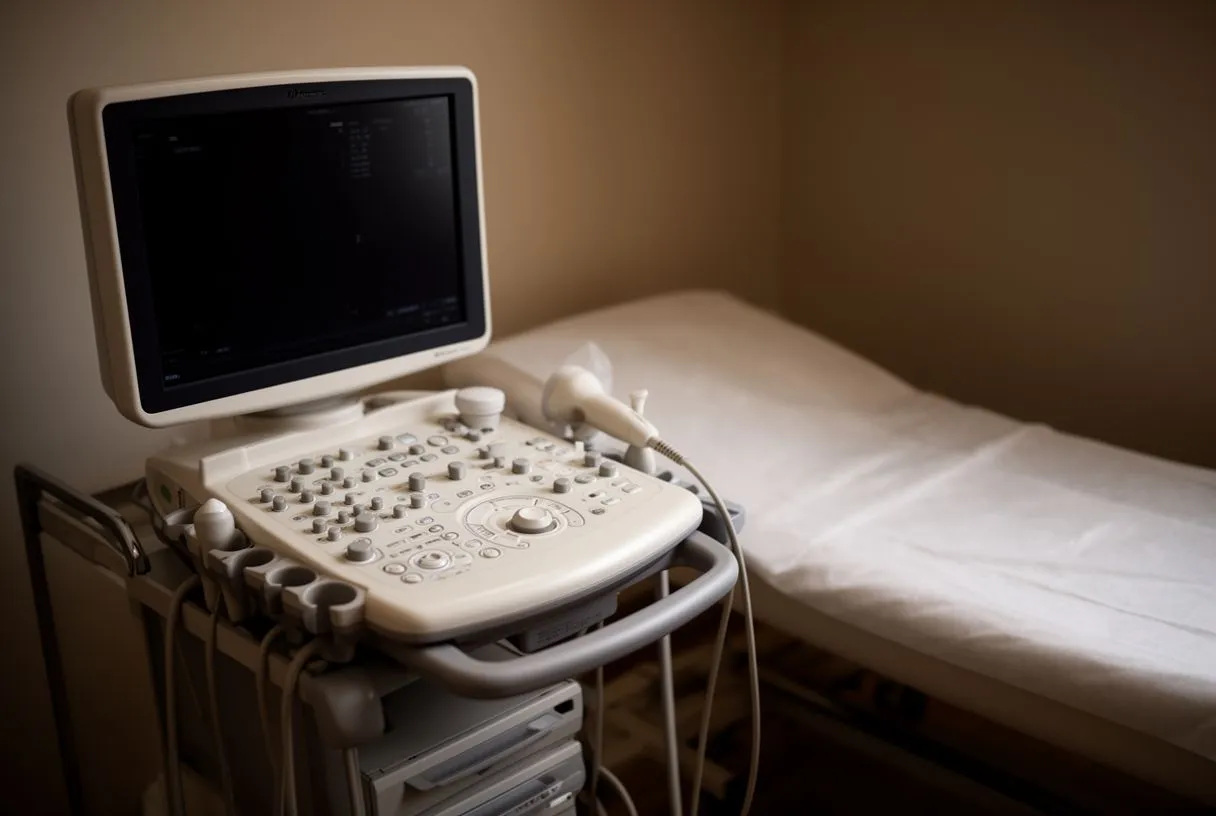
Imaging the heart with echocardiography: An ultrasound of the heart, known as an echocardiogram, is the cornerstone of diagnosis. This painless test creates detailed moving images of the heart's structures. By looking closely at the Atrium, the upper chambers of the heart, and the valves, doctors can spot the vegetations and assess how much the infection has impaired the heart's pumping ability. If the standard external ultrasound is inconclusive, a specialized probe may be guided down the esophagus for a clearer, closer view of the damaged tissue.
Antibiotics for Infective Endocarditis
The foundation of treating a heart valve infection is high-dose intravenous antibiotic therapy. Unlike a simple respiratory infection that resolves with oral pills, endocarditis requires continuous, high levels of antibiotics delivered directly into the bloodstream. This method is necessary to penetrate the dense bacterial clusters hidden within the vegetations on the heart valve. Patients typically remain in the hospital for the first two weeks of treatment to receive these medications around the clock while being closely monitored for complications.
Choosing the right medication: The specific antibiotic regimen is highly customized based on the blood culture results. If the bacteria are highly resistant, a combination of different drugs might be used synergistically to increase their effectiveness. In severe cases where the infection triggers overwhelming systemic inflammation and dangerously low blood pressure, treatment protocols align with guidelines such as the Surviving sepsis campaign: international guidelines for management of sepsis and septic shock 2021. to stabilize the patient.
Duration of therapy: A standard course lasts four to six weeks, depending on the bacteria involved and the extent of the heart damage. After the initial hospital stay, many patients transition to outpatient intravenous therapy, visiting an infusion center daily or having a nurse administer the medication at home. Completing the entire course is non-negotiable; stopping early can allow surviving bacteria to repopulate the heart, leading to a much more aggressive recurrence of the infection that is harder to eradicate.
When Is Surgery Necessary?
While antibiotics can kill the bacteria, they cannot repair the physical damage the infection leaves behind. If a heart valve has been severely destroyed, it will leak significantly, causing acute heart failure. In these situations, surgery is not just an option; it is a life-saving necessity. The decision to operate is based on strict clinical guidelines, weighing the severity of the heart failure, the persistence of the infection despite antibiotics, and the ongoing risk of embolic events where vegetations travel to the brain.
Indicators for surgical intervention: Surgeons will recommend an operation if the infection is caused by aggressive fungi or resistant bacteria that do not respond to medication. Large, mobile vegetations that threaten to break off and cause a stroke also require urgent surgical removal. The primary goal of the surgery is to physically clean the heart, meticulously remove all infected and necrotic tissue, and restore normal, unidirectional blood flow through the cardiac chambers.
Timing the operation: The timing of surgery is a delicate balance requiring immense clinical expertise. Operating too early carries high risks if the patient is hemodynamically unstable, but waiting too long can lead to irreversible heart damage or a catastrophic embolism. The decision relies heavily on specific echocardiographic findings and the patient's day-to-day clinical stability. The following list outlines the primary triggers that move a patient from antibiotics to the operating room:
- Severe heart failure: A massively leaking valve causing fluid backup in the lungs and respiratory distress.
- Uncontrolled infection: Positive blood cultures persisting despite more than a week of appropriate targeted antibiotics.
- High embolic risk: Large vegetations exceeding 10mm, especially if prior embolic events have already occurred.
Surgical Options for Endocarditis
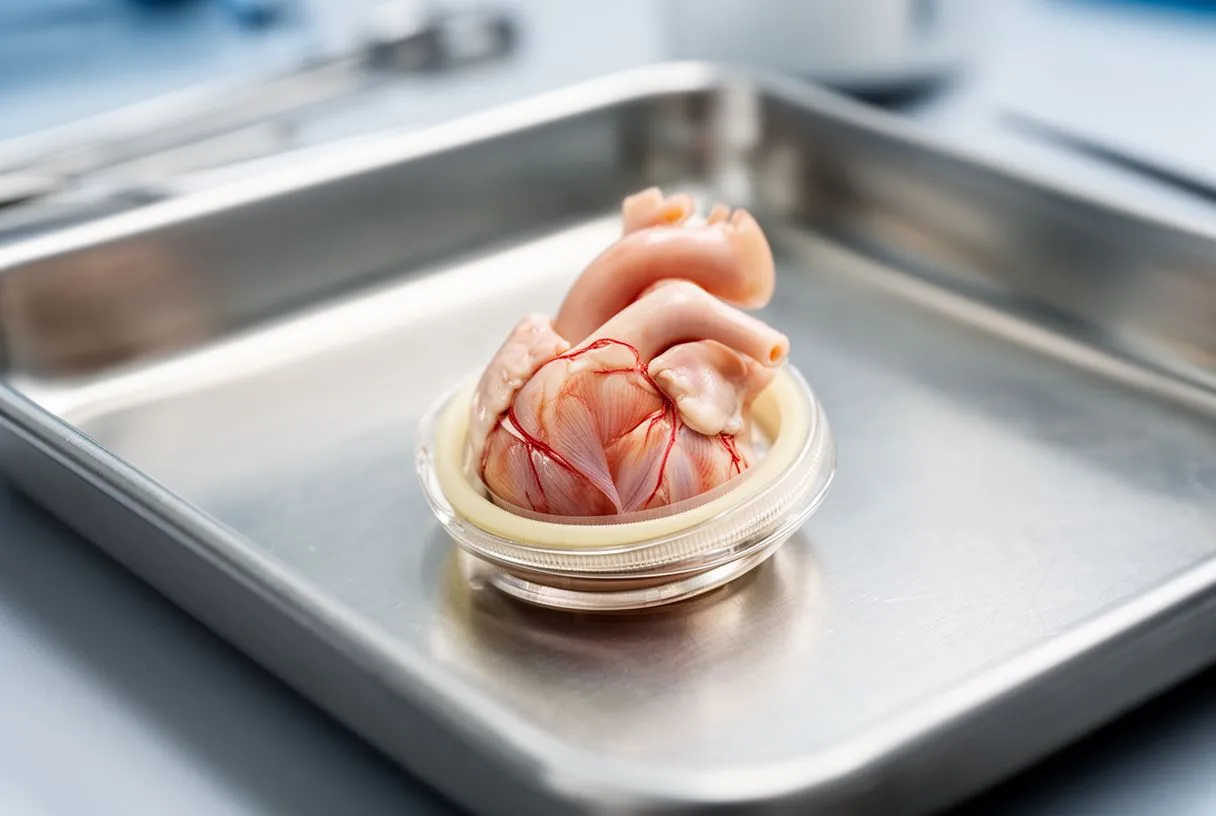
When surgery is indicated, the specific approach depends on which valve is infected and the extent of the structural damage. Whenever possible, cardiac surgeons prefer to repair the native valve, as preserving your own tissue lowers the risk of future infections and eliminates the need for lifelong blood thinners. However, extensive tissue destruction from aggressive endocarditis often necessitates a complete valve replacement using either biological or mechanical prostheses, each with its own long-term management requirements.
Repair versus replacement: If the infection is on the mitral or tricuspid valve and caught relatively early, skilled surgeons can remove the infected segments and reconstruct the valve using nearby healthy tissue. For infections on the Ascending Aorta or the aortic valve, replacement is more common because the high pressure in this area makes durable repairs highly difficult to achieve. Sometimes, if coronary arteries are also diseased, a Balloon Angioplasty might be discussed pre-operatively, but the definitive treatment for the infected valve remains surgical repair or replacement.
Minimally invasive approaches: Traditional surgery involves a full sternotomy, opening the entire chest, but advanced techniques now allow for smaller incisions. For isolated right-sided infections, some specialized centers utilize minimally invasive approaches through a right mini-thoracotomy, which involves operating through a small space between the ribs. Research, such as the Outcomes of minimally invasive isolated tricuspid valve repair and replacement through right mini-thoracotomyCentral MessagePerspective, shows promising results in carefully selected patients, offering less postoperative pain and a significantly faster physical recovery.
Recovery and Life After Treatment
Surviving infective endocarditis is a major medical milestone, but the recovery process requires immense patience and ongoing vigilance. The immediate post-operative period, or the end of the prolonged antibiotic therapy, is just the beginning of a lengthy rehabilitation. Most patients feel profoundly weak due to the weeks of systemic infection, continuous fever, and prolonged hospitalization. Rebuilding physical strength takes time, often requiring formal cardiac rehabilitation to safely return to normal activities.
Cardiac rehabilitation: A structured program of monitored exercise, nutritional education, and psychological counseling helps patients safely return to their daily routines. Supervised by cardiac specialists, this program gradually increases your physical endurance while closely monitoring your heart's electrical activity. It also addresses vital lifestyle modifications, such as smoking cessation, dietary changes, and diabetes management, which are critical to protecting the newly repaired or replaced heart valve from future stress and infection.
Emotional and psychological recovery: The psychological impact of a severe heart infection and major surgery is often overlooked but deeply significant. Anxiety about recurrence, clinical depression, and a lingering fear of physical exertion are incredibly common among survivors. Support groups and open communication with your cardiac team are essential components of holistic healing. Knowing the warning signs of a recurring infection, such as a sudden unexplained fever, empowers patients to seek help early rather than waiting for symptoms to escalate dangerously.
How to Prevent Infective Endocarditis
Prevention is a critical component of long-term cardiac care, especially for those who have already experienced an episode of endocarditis or those with high-risk structural heart conditions. The best defense is maintaining excellent general health and meticulous hygiene. Good oral health is particularly vital; regular professional dental check-ups and rigorous daily brushing and flossing drastically reduce the bacterial load in the mouth, lowering the chances of microbes entering the bloodstream during daily activities.
Antibiotic prophylaxis for procedures: For a small, specific group of high-risk patients—such as those with artificial valves, complex congenital heart defects, or a history of endocarditis—taking a single dose of antibiotics before certain dental or surgical procedures is recommended. This preventative measure, known as prophylaxis, aims to kill any bacteria that briefly enter the blood during the procedure before they have the opportunity to settle and colonize the heart valve.
Avoiding unnecessary risks: Educating patients about the severe cardiovascular dangers of intravenous drug use is also a key public health measure in preventing right-sided endocarditis. Furthermore, being cautious with body piercings and tattoos, and ensuring strict sterile techniques if you require long-term medical lines or dialysis catheters, can drastically reduce your exposure to dangerous skin bacteria. Always inform your dentist, podiatrist, or physician about your specific heart history before undergoing any invasive procedure.
Long-Term Care and Recurrence
Even after a successful clinical cure, the heart remains vulnerable to future attacks. Patients who have survived infective endocarditis face a significantly higher risk of developing it again compared to the general population. Continuous, lifelong follow-up with a cardiologist is mandatory. These regular check-ups typically involve echocardiograms to ensure the repaired or replaced valve is functioning correctly and to establish a new baseline for your heart's health moving forward.
Monitoring for recurrent endocarditis: Any unexplained fever in a patient with a history of endocarditis or a prosthetic valve must be treated as a potential medical emergency. Do not wait for symptoms to improve on their own. Immediate blood cultures and an echocardiogram are necessary to rule out a new infection, as recurrent endocarditis can be much more aggressive, destructive, and harder to treat than the initial episode, often requiring complex reoperations.
Living with a prosthetic valve: If you received an artificial valve during your treatment, you will need regular, ongoing monitoring. Mechanical valves require lifelong blood thinners, necessitating frequent blood tests to ensure the dosage remains safe and effective. Biological valves may not require long-term blood thinners but have a limited lifespan and may need replacement in the future as they wear out. We encourage you to discuss your personal risk factors, valve options, and long-term management plan with a qualified cardiac team to ensure the best possible outcome for your specific situation.






