


Ischaemic Heart Disease Treatment: Stents or Bypass
Ischaemic heart disease treatment compared: stents vs bypass surgery.
What Is Ischaemic Heart Disease Treatment?
When a cardiologist first mentions ischaemic heart disease treatment, many patients feel overwhelmed by the terminology and the sudden weight of the decision in front of them. Ischaemic heart disease — also called coronary artery disease — develops when the arteries that supply blood to the heart muscle become narrowed or blocked by fatty deposits called atheromatous plaque. Over time, this plaque restricts oxygen delivery to the heart, causing chest pain (angina), shortness of breath, and in some cases a heart attack. The goal of treatment is to restore adequate blood flow to the heart muscle, relieve symptoms, and reduce the risk of future cardiac events.
Treatment typically falls into three broad categories: medication, percutaneous coronary intervention (stenting), and coronary artery bypass grafting (open-heart surgery). Each approach targets the same fundamental problem — inadequate blood supply — but they do so through entirely different mechanisms and carry different recovery profiles. Medications such as Aspirin, statins, and blood pressure drugs form the foundation of every treatment plan, regardless of whether a procedure is also needed. These drugs slow plaque progression, reduce blood clotting, and help the heart work more efficiently.
The decision between stents and bypass surgery depends on several factors: how many arteries are blocked, where the blockages are located, the overall health of the heart muscle, and whether the patient has other medical conditions such as diabetes. A thorough evaluation — including coronary angiography, echocardiography, and sometimes a stress test — gives the cardiac team the anatomical and functional information needed to recommend one path over another. This guide walks through each option in plain language so you can approach that conversation with confidence.
How Does a Heart Stent Procedure Work?
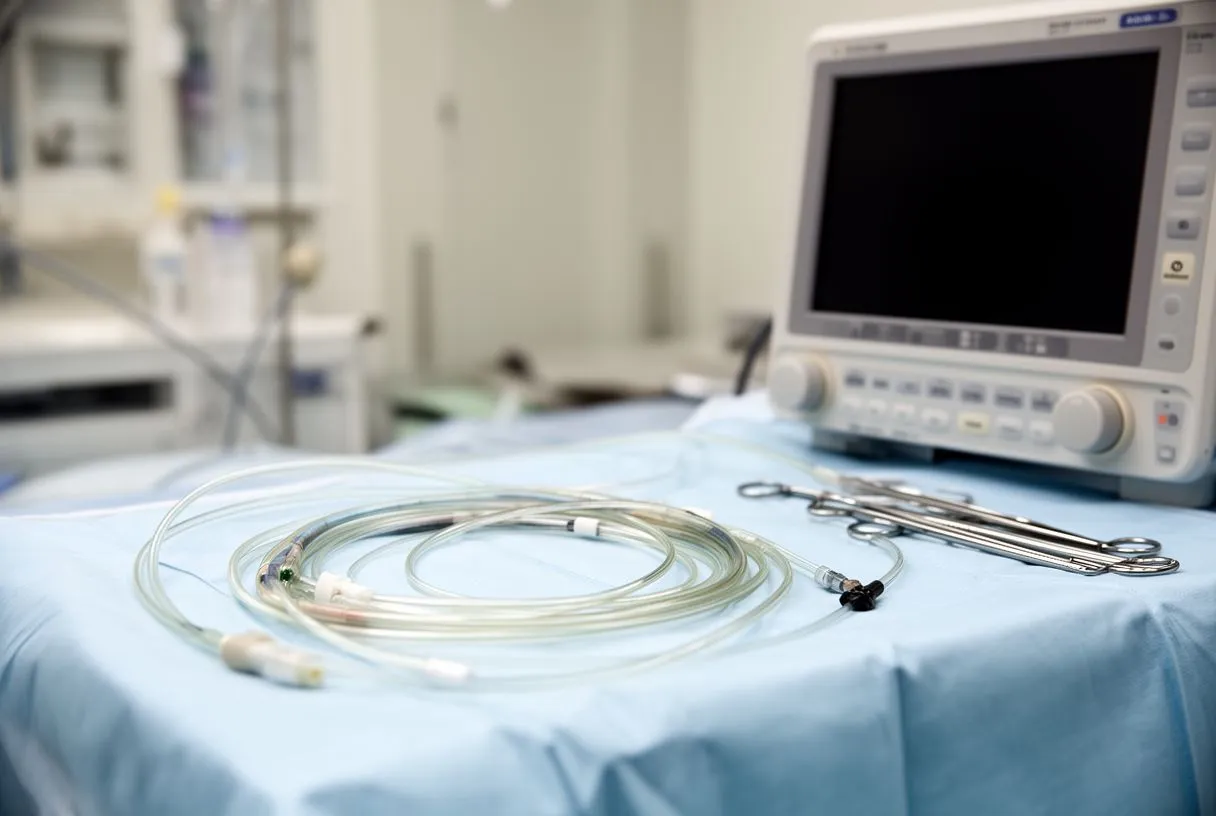
A heart stent procedure, clinically known as percutaneous coronary intervention (PCI), is a minimally invasive technique performed in a cardiac catheterization laboratory rather than an operating theatre. The cardiologist threads a thin flexible tube called a catheter through a small puncture in the wrist or groin — often using the radial artery in the wrist, which allows easier haemostasis and earlier mobility. Guided by live X-ray imaging, the catheter is advanced up to the heart and into the narrowed coronary artery. A tiny balloon at the catheter tip is then inflated, compressing the plaque against the artery wall and widening the channel for blood flow.
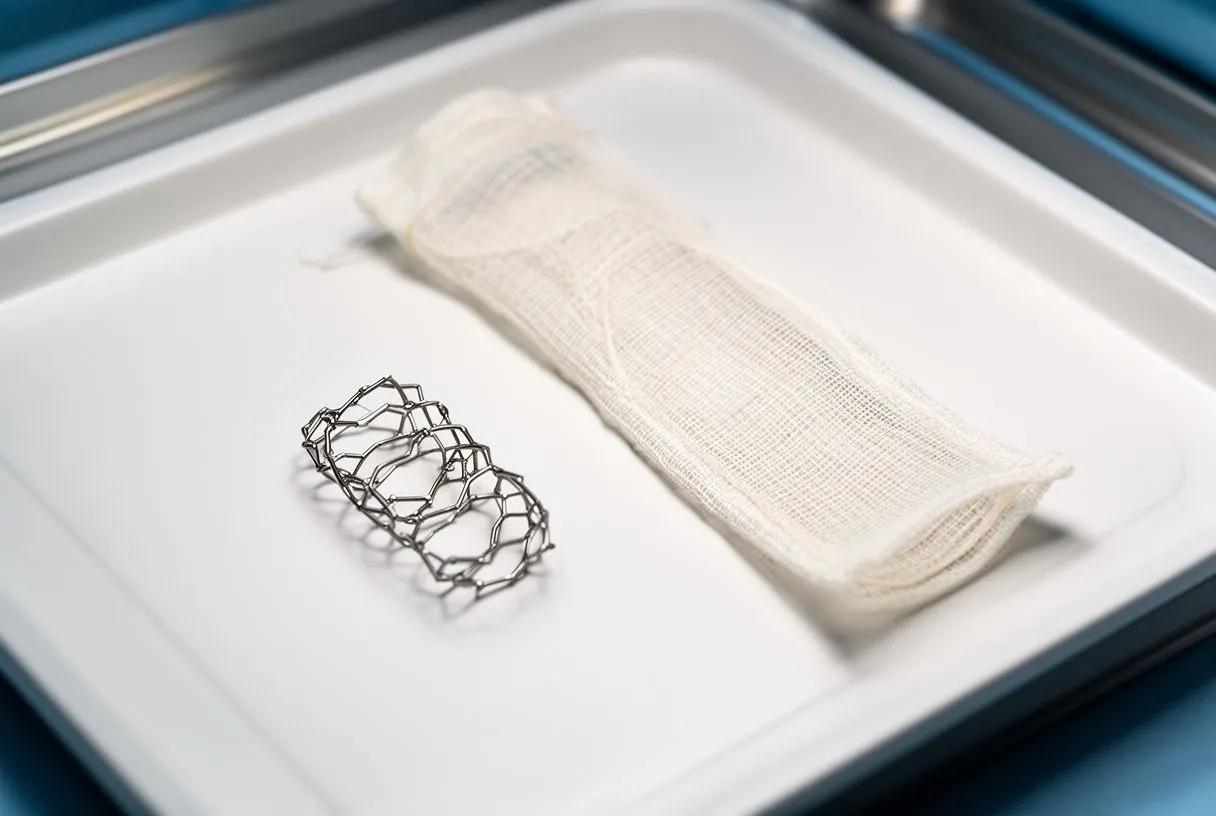
Once the artery is opened, a stent — a small mesh tube typically made of metal — is positioned at the narrowed segment and expanded to hold the vessel open. Most modern stents are drug-eluting, meaning they slowly release medication over several weeks to prevent scar tissue from re-narrowing the artery (a process called restenosis). The entire procedure usually takes 30 to 90 minutes, and many patients are awake throughout, receiving only mild sedation and local anaesthetic at the access site. This contrasts sharply with bypass surgery, which requires general anaesthesia and a heart-lung bypass machine.
Balloon Angioplasty without a stent is rarely used today because stents dramatically reduce the chance of the artery collapsing or narrowing again. After the procedure, patients are typically monitored overnight and discharged the following morning. Blood-thinning medications — usually a combination of Aspirin and a second antiplatelet drug — are prescribed for at least six months to prevent clots from forming inside the new stent. Most people can return to light activities within a week, though full exercise clearance may take longer. According to research published by Frontiers, the technique has evolved significantly, with drug-eluting stents now representing the standard of care for most single- and double-vessel coronary interventions.
Stent vs Bypass: Which Is Right for You?
Choosing between a stent and bypass surgery is one of the most consequential decisions in cardiac care, and it should never be reduced to a simple preference. The cardiac team evaluates each patient individually, weighing the anatomy of the blockages against the patient's overall health, comorbidities, and personal goals. In general, stents are favoured when one or two arteries have discrete, accessible blockages, while bypass surgery is recommended for extensive disease involving all three major coronary arteries, the left main artery, or blockages in arteries too small or tortuous for stenting.
Diabetes and multivessel disease: Patients with diabetes who have blockages in multiple coronary arteries often fare better with bypass surgery than with stents. Long-term studies have consistently shown lower rates of repeat procedures and, in some populations, better survival in diabetic patients treated with surgery. This is because bypass grafts create new routes around the diseased segments rather than propping open the original damaged artery, which in diabetic patients tends to develop new blockages more rapidly.
Urgency and clinical setting: During an acute heart attack, stenting is almost always the first-line treatment because it can be performed emergently to open the blocked artery within minutes of diagnosis. Bypass surgery in the acute setting carries higher risk and is reserved for cases where stenting has failed or is anatomically impossible. In contrast, for planned (elective) procedures, the surgical team has time to assess the patient's surgical risk score, optimise medical conditions, and plan the operation carefully. Patients should ask their cardiologist to explain which approach offers the lowest risk for their specific situation.
When Is Coronary Artery Bypass Surgery Recommended?
Coronary artery bypass grafting (CABG) is an open-heart procedure in which a cardiac surgeon uses healthy blood vessels — usually taken from the chest wall, leg, or arm — to create new pathways around blocked coronary arteries. The Arterial Graft most commonly used is the left internal mammary artery, which runs along the inside of the chest wall and has excellent long-term durability. Vein grafts from the leg (saphenous vein) are also used, though they tend to degrade over time more quickly than arterial grafts.
Bypass surgery is typically recommended when there is significant narrowing of the left main coronary artery, when all three major coronary arteries are diseased, or when stenting has been attempted but failed. It is also preferred in patients with reduced heart pumping function (low ejection fraction) and those with complex blockages that are not amenable to stenting. The operation requires the chest to be opened through a sternotomy, and the heart is usually stopped while a heart-lung machine takes over circulation — though some surgeons perform "off-pump" beating-heart surgery in select cases. During this process, an Arterial Cannula and venous cannula are placed to connect the patient to the bypass circuit, and an Arterial Line continuously monitors blood pressure throughout the procedure.
Surgeon experience matters: The relationship between surgical volume and outcomes has been studied across many specialties. Research analysing postoperative morbidity and mortality — including a study on surgeon volume as the most significant prognostic factor — demonstrates that high-volume surgeons consistently achieve better outcomes. When considering bypass surgery, ask your cardiologist about the surgeon's experience, including how many bypass operations they perform annually and their institutional outcomes data.
What Are the Risks of Coronary Angioplasty?
While stenting is far less invasive than open-heart surgery, it is not without risks. Understanding these complications helps patients make informed decisions and recognise warning signs during recovery. The most common procedure-related risks include bleeding or bruising at the catheter insertion site, allergic reactions to the contrast dye used during imaging, and damage to the coronary artery itself — including dissection or perforation, which though rare, can require emergency surgical repair.
Stent thrombosis is a serious but uncommon complication in which a blood clot forms inside the stent, potentially causing a heart attack. This risk is highest in the first 30 days after the procedure, which is why dual antiplatelet therapy is critical during this window. Patients who stop taking their blood thinners prematurely — whether due to cost, side effects, or a planned dental or surgical procedure — significantly increase their risk of stent thrombosis. Any decision to pause antiplatelet medication must be made jointly by the cardiologist and any other treating physician.
Other considerations include kidney strain from contrast dye, particularly in patients with pre-existing kidney disease, and the possibility of restenosis — re-narrowing of the treated artery over months or years. Drug-eluting stents have reduced restenosis rates to single digits, but the risk is not zero. Rare complications such as Atrial Flutter or other arrhythmias can occur in the immediate post-procedure period and are usually managed with medication or cardioversion. Patients experiencing new Arm Pain, chest discomfort, or unusual shortness of breath after a stent procedure should contact their cardiac team immediately rather than waiting to see if symptoms resolve.
Bypass Surgery Recovery Time and What to Expect
Bypass surgery recovery is a gradual process that typically spans six to twelve weeks, though many patients feel substantially better within the first month. Immediately after surgery, patients spend one to two days in the intensive care unit, where continuous monitoring tracks heart rhythm, blood pressure, and drainage from chest tubes. Breathing is supported with a ventilator for the first few hours, and once the patient is stable and awake, the tube is removed. Autologous Blood — the patient's own blood collected before or during surgery — is often reinfused to reduce the need for donor transfusions.
Once transferred to the cardiac ward, the focus shifts to mobilisation. Patients are encouraged to sit up, walk short distances, and perform breathing exercises within the first few days. The sternum (breastbone) takes approximately six to eight weeks to heal, during which time patients must avoid lifting anything heavier than a few kilograms, pushing with their arms, or driving. A supportive chest binder may be provided to stabilise the sternum during coughing or deep breathing. Cardiac rehabilitation — a structured programme of supervised exercise, education, and counselling — typically begins four to six weeks after surgery and continues for several months.
- Week 1–2: Hospital discharge, wound care, gentle walking, pain management, gradually increasing daily activity.
- Week 3–6: Increased stamina, return to light household tasks, commencement of cardiac rehab, follow-up with surgeon.
- Week 6–12: Gradual return to work (depending on occupation), clearance for driving, progressive exercise programme, resumption of most normal activities.
Families should understand that emotional changes — including anxiety, irritability, or low mood — are common after major heart surgery. These are typically transient but should be discussed openly with the care team. If symptoms of depression persist beyond a few weeks, professional support is appropriate and effective.
How Long Does a Cardiac Stent Last?
One of the most common questions patients ask after stenting is whether the stent will need to be replaced. The answer is reassuring: once a stent is properly placed and the artery heals around it, it becomes a permanent part of the artery wall and does not need to be exchanged or replaced. The metal mesh is designed to last a lifetime, and the drug coating that prevents scar tissue formation is fully released within the first few months.

However, the treated artery — and other coronary arteries that are not yet diseased — can still develop new blockages. This is why stenting is not a cure but rather one component of an ongoing management strategy. The single most important factor in how long the stent remains effective is how well the patient manages their cardiovascular risk factors. Taking prescribed medications consistently, particularly dual antiplatelet therapy for the recommended duration, prevents clot formation inside the stent. Controlling blood pressure, cholesterol, diabetes, and avoiding smoking dramatically reduces the chance of new blockages forming elsewhere.
Follow-up care is essential: Regular cardiology follow-up allows the team to monitor for symptoms that could indicate a problem with the stent or progression of disease in other arteries. Stress testing, echocardiography, and in some cases repeat angiography may be used if symptoms recur. In rare cases, an in-stent restenosis may require a repeat procedure — either another stent, a drug-coated balloon, or in some situations, bypass surgery. Patients should never assume that a successful stent procedure means the heart disease is resolved. The plaque-building process continues unless risk factors are actively controlled.
Can Blocked Arteries Be Treated Without Surgery?
Not every patient with coronary artery disease requires a stent or bypass surgery. In many cases — particularly when blockages are mild, symptoms are stable, or the patient is not a good candidate for procedures — optimal medical therapy is the recommended approach. This means a carefully tailored combination of medications that reduce the heart's workload, prevent blood clots, lower cholesterol, and control blood pressure, alongside aggressive lifestyle modification.
Medications commonly prescribed include Aspirin or other antiplatelet drugs to reduce clot risk, statins to lower cholesterol and stabilise plaque, beta-blockers to reduce heart rate and oxygen demand, and ACE inhibitors or ARBs to manage blood pressure and protect heart function. Patients with elevated Apolipoprotein B levels — a more precise marker of cardiovascular risk than standard LDL cholesterol — may require more aggressive lipid-lowering therapy. Lifestyle changes are equally important: smoking cessation, a heart-healthy diet, regular physical activity, weight management, and stress reduction all contribute to slowing or even partially reversing plaque progression.
- Medications: Antiplatelets, statins, beta-blockers, ACE inhibitors — each targets a different aspect of the disease process.
- Diet and exercise: Mediterranean-style diet and supervised aerobic activity are evidence-based foundations of non-surgical management.
- Smoking cessation: The single most impactful change a patient can make; risk declines measurably within months of quitting.
For some patients, an Atypical Infarction — a heart attack with unusual symptoms such as fatigue, nausea, or jaw discomfort rather than classic crushing chest pain — may be the first sign that medical therapy alone is insufficient. If symptoms worsen despite medication, or if testing shows significant ischaemia, the cardiologist may recommend re-evaluating the treatment plan and considering a stent or bypass. The decision is never static; it evolves as the patient's condition changes over time.
Getting a Heart Disease Second Opinion in Mexico
Seeking a second opinion before major cardiac intervention is not a sign of distrust — it is a standard and responsible practice, particularly for procedures as significant as bypass surgery. A second opinion can confirm the diagnosis, validate the recommended treatment approach, or present alternative options that the first team did not discuss. For international patients considering cardiac care in Mexico, a second opinion from an experienced surgeon provides additional perspective on whether stenting or surgery offers the best risk-benefit ratio for their specific anatomy.

Dr Alejandro Molina and the team at Cirugía de Corazón regularly review imaging and angiogram results from patients who have received recommendations elsewhere. This review process involves examining the coronary angiogram to assess the location and severity of each blockage, evaluating heart function, and considering the patient's comorbidities and personal circumstances. Sometimes the second opinion confirms the original recommendation; other times, it reveals that a less invasive approach — or a more aggressive one — may be more appropriate. What matters is that the decision is made with complete information.
Practical considerations for international patients include transferring medical records, angiogram images on CD, and recent laboratory results ahead of the consultation. Many patients travelling to Guadalajara, Querétaro, or Hermosillo from abroad appreciate the opportunity to meet the surgical team and ask questions face-to-face before committing to a procedure. The goal is never to pressure a patient into surgery but to ensure they understand their options clearly and can make a decision aligned with their values and circumstances. A thorough Auscultation — listening to the heart with a stethoscope — remains part of every consultation, even in the age of advanced imaging, because it provides real-time information about valve function and rhythm that complements the visual data.
Restoring Heart Circulation: Long-Term Outlook
Whether treated with a stent, bypass surgery, or medication alone, the long-term outlook for ischaemic heart disease depends far more on what happens after the intervention than on the intervention itself. The procedure — whatever form it takes — addresses the mechanical problem of blood flow, but the underlying disease process that created the blockages continues unless actively managed. Patients who commit to their medication regimen, attend cardiac rehabilitation, modify their lifestyle, and maintain regular follow-up with their cardiologist consistently achieve better outcomes than those who treat the procedure as a one-time fix.
Quality of life after treatment: Most patients experience significant symptom relief after successful revascularisation, whether by stent or bypass. Angina that previously limited walking, climbing stairs, or daily activities often resolves, allowing a return to a more active and fulfilling life. The Atrium and ventricles, once starved of oxygen, recover function over weeks to months as blood flow is restored. However, some patients — particularly those who delayed treatment and sustained permanent muscle damage — may have residual limitations. Honest discussion with the cardiac team about expected functional recovery is essential for setting realistic goals.
In rare cases, cardiac tumours such as papillary fibroelastoma may be discovered during evaluation for valve symptoms, as described in a case report and literature review published in Journal of Cardiothoracic Surgery. While unrelated to coronary artery disease, such findings underscore the importance of comprehensive cardiac evaluation before any intervention. If you or a loved one has been diagnosed with coronary artery disease or told you need a stent or bypass, the most important step is to have a thorough, unhurried conversation with a qualified cardiac team. Every patient's anatomy, health history, and personal priorities are different, and the right choice is the one made with complete information, expert guidance, and confidence in your care team. Book a consultation to discuss your specific situation rather than relying on general information alone.






