

Neochordae Mitral Valve Repair for Prolapse
Neochordae mitral repair fixes prolapse without valve replacement.
When a doctor says the mitral valve is "leaking," many patients imagine a replacement is the only answer. It usually is not. A neochordae mitral repair creates new artificial chordae — the fine threads that hold the valve leaflets in place — so the valve keeps working with its own tissue. For patients with mitral valve prolapse, this is often the least invasive and most durable option. This guide explains the anatomy behind prolapse, how neochordae mitral repair is done, who qualifies, what recovery looks like, and how to decide whether it is right for you.
What Is Neochordae Mitral Repair?
Neochordae mitral valve repair is a surgical technique that corrects a prolapsing mitral valve by implanting new artificial chords. The mitral valve sits between the left atrium and the left ventricle. Its two leaflets are tethered by the chordae tendineae — thread-like strands, sometimes called "heart strings," that stop the leaflets from bulging backward. When those strands stretch or break, the leaflet billows upward and blood leaks back into the atrium. This leak is called mitral regurgitation.
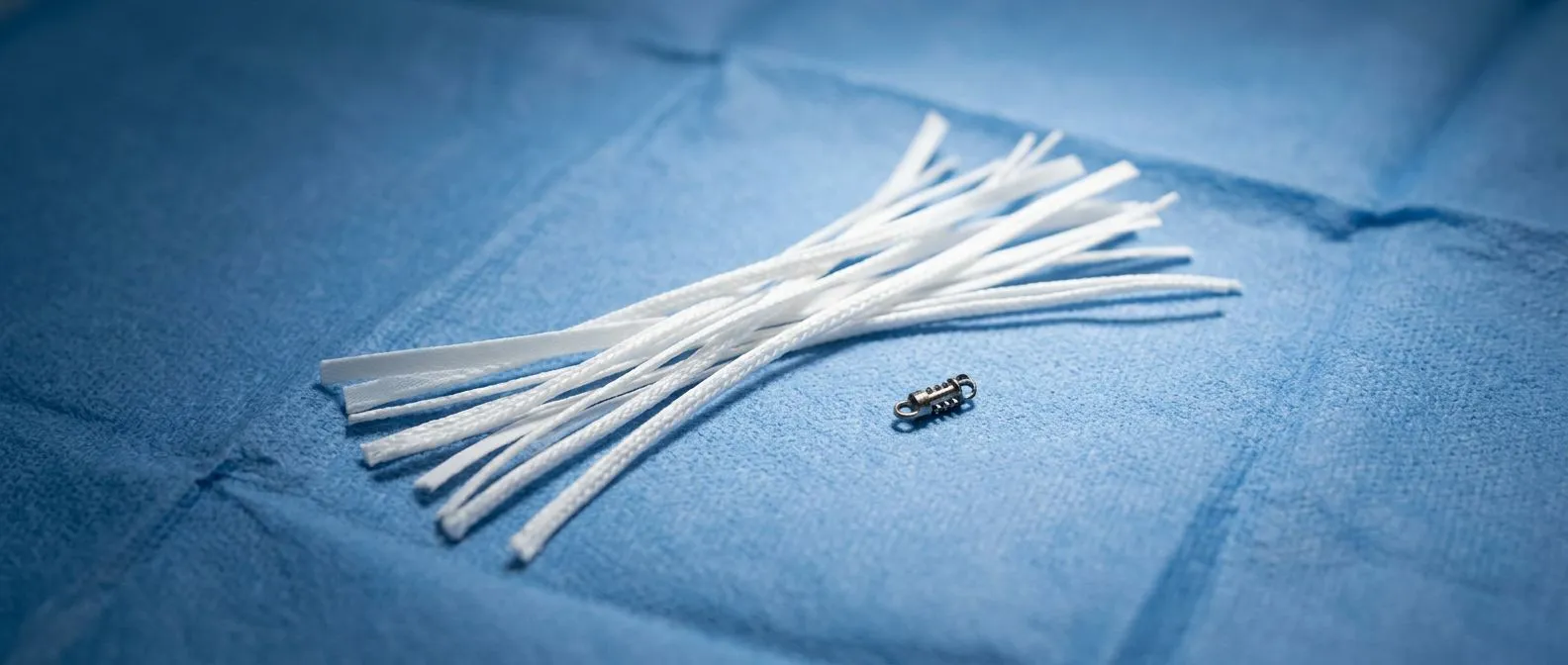
A neochordae mitral repair replaces the lost support. The surgeon anchors new strands made of a durable synthetic material, usually Gore-Tex, between the ventricle's tip and the prolapsing leaflet edge. The valve itself is preserved. That matters, because keeping your own valve avoids the lifelong blood thinners and re-operation concerns that come with an artificial valve.
Repair is considered the gold standard for degenerative mitral disease whenever it is technically possible. Mitral valve prolapse is one of the most common valve conditions, affecting a meaningful share of the population, and most prolapse cases can be repaired rather than replaced. MedlinePlus describes the mitral valve's role in keeping blood moving in one direction through the heart, which is exactly what repair restores.
What Does a Redundant Mitral Valve Mean?
Redundant tissue explained. A redundant mitral valve has excess, stretchy leaflet tissue. The leaflets are thicker and longer than usual, so they do not close with clean tension. Instead, part of a leaflet flops backward into the left atrium during each heartbeat — the movement known as prolapse. Redundancy is the most common cause of degenerative mitral regurgitation in adults.
Can stress make MVP worse? Emotional stress does not stretch the valve tissue. However, stress raises your heart rate and blood pressure, which can make the sensation of palpitations or a skipped beat more noticeable. Anxiety often coexists with mitral valve prolapse and can amplify symptoms, so it is worth separating what the valve is doing from what the nervous system is doing.
Why tissue matters for surgery. Redundancy actually helps the repair surgeon. Extra leaflet tissue gives more material to work with. A redundant prolapsing segment can be supported with neochordae and, if needed, reduced with a small resection, restoring a smooth closing line. This is a routine part of mitral valve chordae repair in degenerative disease.
What Would Happen if the Chordae Tendineae Were Ruptured?
The immediate effect. When a chorda ruptures, the leaflet segment it supported loses its anchor. That segment flails — a flail leaflet — and swings fully backward with each beat. Blood regurgitates through the gap, often in a concentrated jet. Patients may suddenly notice shortness of breath, fatigue, or palpitations, especially if the leak was severe from the start.
What causes chordae tendineae rupture? The most common cause is degenerative disease — the same myxomatous, stretchy tissue behind mitral valve prolapse. The strands weaken over time and eventually snap. Other causes include infective endocarditis, chest trauma, and less often a spontaneous rupture in the absence of other disease. Some forms of prolapse run in families, and research into the genetics and pathophysiology of mitral valve prolapse has identified inherited patterns that predispose the valve tissue to degeneration.
Why rupture changes the timeline. A flail leaflet tends to leak more severely than simple prolapse, and guidelines treat severe regurgitation as more urgent. The heart has to handle a sudden volume overload, and the left ventricle begins to enlarge. That is why a ruptured chorda is one of the clearer indications for timely surgery — usually with neochordae to re-tether the freed segment.
How Does Neochordae Mitral Valve Repair Work?
The principle. Think of the valve leaflet as a parachute and the chordae as its suspension lines. A neochordae procedure installs new lines where the old ones have stretched or snapped. The surgeon loops Gore-Tex strands through the prolapsing leaflet edge and fixes the other end at the papillary muscle, the small pillar inside the ventricle where natural chords originate.
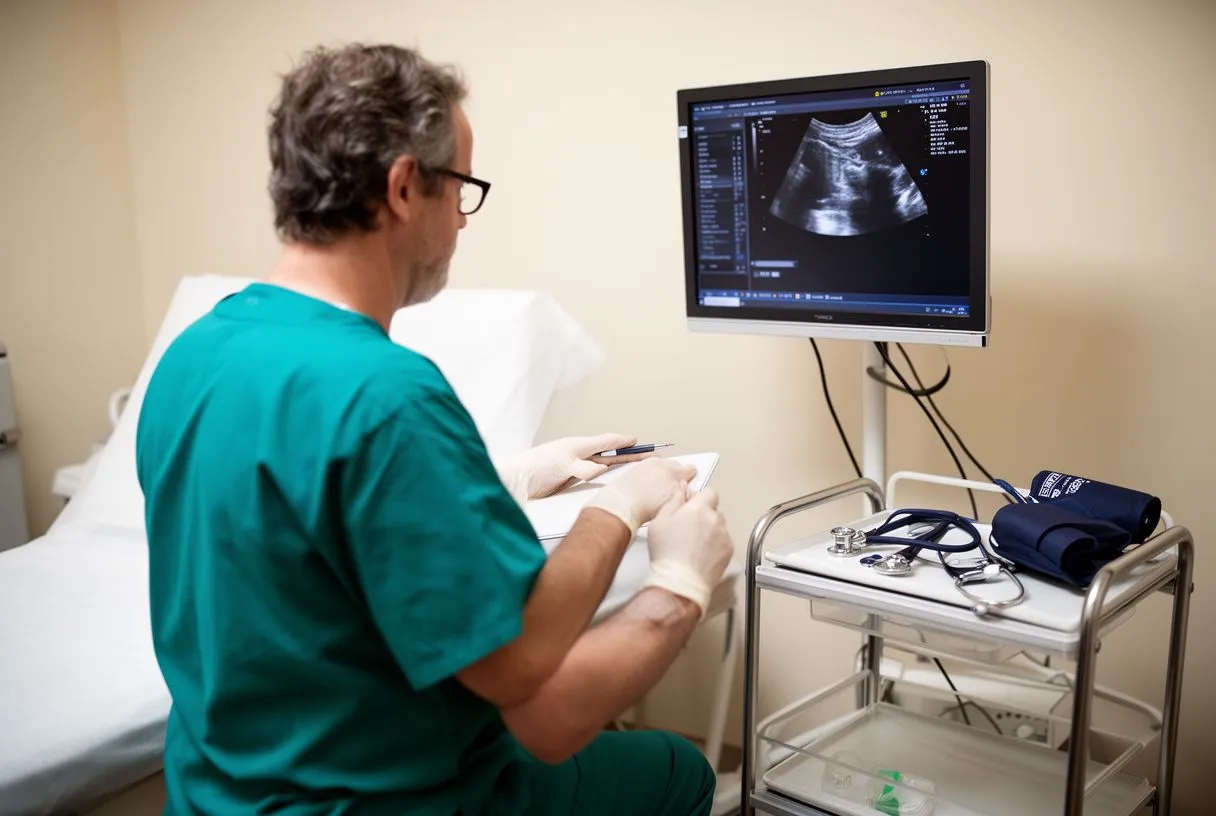
Getting the length right. The strands must be adjusted to just the right length — long enough for the leaflet to move freely, short enough that it does not prolapse again. The aim is a good coaptation height: the zone where the two leaflets press against each other when the valve closes. Surgeons confirm the result in the operating room with ultrasound of the heart (echocardiography) and, if needed, make further adjustments before finishing.
Two routes to the same result. Neochordae can be placed through an open chest incision, through a small right-sided mini-thoracotomy, through the robot-assisted approach, or — in selected patients — through a tiny opening between the ribs at the apex with a beating heart and no heart-lung machine, as in transapical off-pump implantation. The article on the chordae tendineae in mitral valve repair describes how artificial chords have become a central tool for correcting prolapse while preserving the valve. Mitral regurgitation neochordae fix is the shorthand patients often use for this whole family of techniques.
Robotic Neochordae Mitral Repair and Minimally Invasive Approaches
Why the incision matters. Traditional mitral repair required opening the chest through the breastbone. Minimally invasive neochordae surgery works through a small incision between the ribs on the right side, or with the robot through even smaller ports. The valve repair performed is the same; what changes is the access.
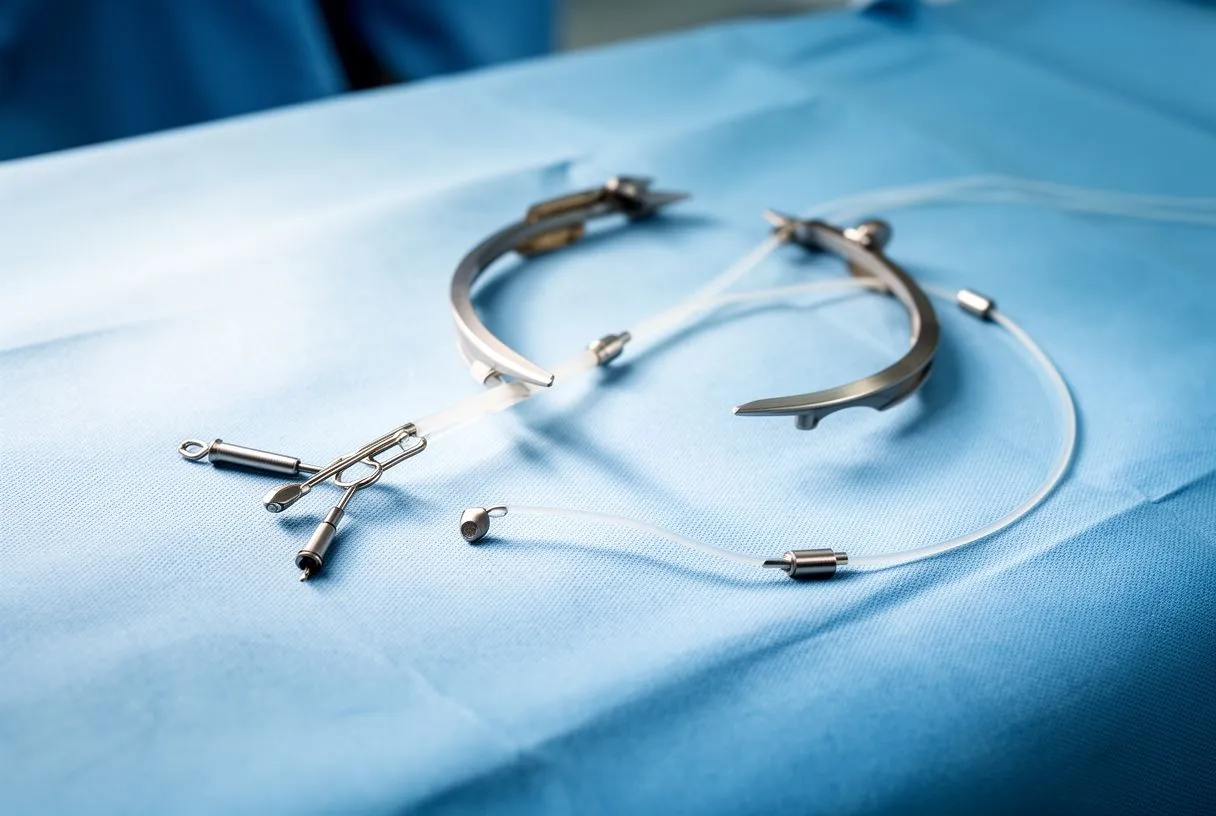
What the robot adds. With robotic neochordae mitral repair, the surgeon works at a console controlling instruments with magnified, articulated precision inside the chest. The robot allows delicate chord placement and leaflet work through ports measuring a few millimeters. For suitable patients this can mean less pain, a shorter hospital stay, and faster return to normal activity compared with a sternotomy.
Our team performs conventional, minimally invasive, robotic and transcatheter procedures, and we recommend the less invasive route only where the evidence supports it for that specific patient. Dr Molina performed the first robotic mitral valve repair in the Ángeles Health System and the first robotic heart surgery in Guadalajara, so the technique is well established in this practice.
Where the catheter fits. Some patients are not good surgical candidates because of age, frailty or other conditions. For them, a catheter-based repair — implanting chords through a puncture at the heart's apex while the heart beats — may be considered. The clip-based approach is known as TEER (transcatheter edge-to-edge repair).
Neochordae vs Mitral Valve Replacement: Which Is Right for You?
Repair preserves your own tissue. In a neochordae mitral repair, your valve keeps its natural leaflets and geometry. In a mitral valve replacement, the damaged valve is removed and replaced with a mechanical or tissue valve. Mechanical valves last long but require lifelong anticoagulation. Tissue valves avoid blood thinners in some patients but may need replacement years later.
Why repair is preferred when possible. Guidelines consistently favor repair over replacement for degenerative mitral disease when a durable repair is achievable. Preserving the native valve means better preservation of the left ventricle's function, no prosthetic material in the bloodstream's main flow path, and no obligatory blood thinner for a mechanical valve. Long-term studies following repaired valves show excellent durability when repair is done in experienced hands.
Is the mitral valve the hardest to repair? Among the four heart valves, many surgeons consider the mitral valve the most technically demanding to repair. Its leaflet anatomy is complex, its position deep in the heart makes access difficult, and each case has its own geometry. This is why mitral repair outcomes vary between centers and why experience matters when choosing your team.
Who Is a Candidate for Neochordae Mitral Repair Surgery?
Severity drives the decision. Surgery is recommended when regurgitation is severe and the patient has symptoms, or when the heart is already showing strain — a reduced pumping function, or an enlarged left ventricle — even without symptoms. Neochordae mitral repair suits most degenerative cases, including isolated posterior leaflet prolapse, bileaflet prolapse, and ruptured chordae.
The 60-to-40 rule. This is a well-known guideline benchmark for timing mitral surgery before symptoms appear: operate when the left ventricle's ejection fraction falls to 60% or below, or when its end-systolic diameter reaches 40 mm or more. Catching the valve before either threshold is crossed protects the heart muscle, which is why surveillance echocardiography matters even when you feel well.
Factors your team weighs. Not every anatomy is ideal for neochordae. Heavy calcification of the valve or annulus, extensive leaflet destruction from endocarditis, or a need for a concomitant procedure may change the plan. Every case at our practice is reviewed by the multidisciplinary team against international practice guidelines before a recommendation is given, and the patient receives a clear proposal with the alternatives — the final decision is always theirs.
- Clear candidates: severe degenerative regurgitation, flail leaflet from ruptured chordae, or symptoms with an otherwise repairable valve.
- Borderline candidates: early severe regurgitation without symptoms — timing follows the 60/40 benchmarks and regular echo surveillance.
- Often better served by other options: frail or high-risk patients, where a transcatheter approach may carry the lowest risk for their situation.
Neochordae Mitral Repair Recovery: What to Expect
The first days. After a minimally invasive or robotic repair, most patients spend one to three nights in hospital — often in intensive care for the first night only. Expect chest-port soreness rather than deep sternal pain. You will start walking the day after surgery, and breathing exercises help the lung expand fully again.
The first weeks at home. Driving is usually possible around two to four weeks, depending on how you feel and any restrictions set by your surgeon. Desk work often resumes within three to four weeks after a minimally invasive repair; heavier physical jobs need more time. A recovery period of six to eight weeks is a realistic planning window for most daily activities. Because the breastbone is not divided, recovery is typically faster than after open surgery.
Long-term follow-up. You will need periodic echocardiograms — often yearly — to confirm the repair holds and the heart remains healthy. In our consultation we take the time to explain what the studies actually show, in plain words, and to answer every question before any decision. Patients should report any return of breathlessness, palpitations or new swelling promptly, since those can signal a change in the valve.
Neochordae Mitral Repair Success Rate and Risks
What success looks like. In experienced centers, degenerative mitral repair — including neochordae techniques — achieves durable elimination of regurgitation in the large majority of patients, with low operative mortality in elective cases. Success depends on anatomy, the surgeon's experience with mitral valve chordae repair, and the quality of intraoperative echo confirmation. Durability at ten years and beyond is well documented for properly executed repairs.
Real risks to discuss. Any heart operation carries risks: bleeding, stroke, infection, arrhythmia — particularly atrial fibrillation after surgery — and the possibility that the repair fails and regurgitation returns, requiring reoperation. Neochordae-specific concerns include chord breakage or detachment, which is uncommon with modern materials and techniques but is the known failure mode of the approach. Honest teams will quantify these risks for your specific profile rather than offer general reassurance.
Choosing experience deliberately. Outcomes in mitral repair correlate strongly with surgeon and center volume. It is fair, and wise, to ask a prospective team how many mitral repairs they perform annually and what their repair rate and durability results are. We encourage second opinions and treat seeking one as a normal part of deciding about heart surgery. A team confident in its results will welcome the question.
Understanding cost factors. The cost of neochordae mitral repair in Mexico varies with the hospital, the approach (robotic systems carry their own platform costs), the length of stay, and whether other procedures are done at the same time. For international patients, total planning should include travel, accommodation for the recovery period, and follow-up arrangements after returning home. A written estimate covering the full episode — surgeon, hospital, studies, and expected stay — is something any serious practice should provide before you commit.
How the process starts here. The first contact at our practice is a free video consultation: we get to know the patient, talk through the condition, and say which studies are still needed so no unnecessary ones are ordered; a face-to-face visit at the consulting rooms follows when the patient decides to go ahead. We have consulting rooms in Guadalajara, Querétaro and Hermosillo.
Making the decision with confidence. Bring your recent echocardiogram, know your symptoms, and write down your questions in advance. Ask what your anatomy means for repair versus replacement, what the realistic recovery timeline looks like for you, and what the follow-up plan is. Neochordae mitral repair before and after comparisons from a prospective team's own experience can help you picture the change, but your echo is the document that matters most. If you have been told you need mitral valve surgery, discussing your case with a qualified cardiac team is the right next step — a consultation with a specialist team, not self-diagnosis, is what turns a valve problem into a plan.

In summary, neochordae mitral repair offers patients with prolapse or ruptured chordae a way to keep their own valve. The technique re-tethers the leaflet with new artificial chords, usually through a minimally invasive or robotic approach, with strong durability when performed by an experienced team. The key decisions — timing against the 60/40 thresholds, repair versus replacement, and surgical versus transcatheter options — should be made with a multidisciplinary team that explains the evidence in plain language. If any of this describes your situation, reach out to a qualified cardiac surgery team and book a consultation to discuss your own heart, your own images, and your own options.
Neochordae Mitral Repair Cost in Mexico and How to Start
Understanding cost factors. The cost of neochordae mitral repair in Mexico varies with the hospital, the approach (robotic systems carry their own platform costs), the length of stay, and whether other procedures are done at the same time. For international patients, total planning should include travel, accommodation for the recovery period, and follow-up arrangements after returning home. A written estimate covering the full episode — surgeon, hospital, studies, and expected stay — is something any serious practice should provide before you commit.
How the process starts here. The first contact at our practice is a free video consultation: we get to know the patient, talk through the condition, and say which studies are still needed so no unnecessary ones are ordered; a face-to-face visit at the consulting rooms follows when the patient decides to go ahead. We have consulting rooms in Guadalajara, Querétaro and Hermosillo, and we coordinate care for patients arriving from abroad.
Making the decision with confidence. Bring your recent echocardiogram, know your symptoms, and write down your questions in advance. Ask what your anatomy means for repair versus replacement, what the realistic recovery timeline looks like for you, and what the follow-up plan is. Neochordae mitral repair before and after comparisons from a prospective team's own experience can help you picture the change, but your echo is the document that matters most. If you have been told you need mitral valve surgery, discussing your case with a qualified cardiac team is the right next step — a consultation with a specialist team, not self-diagnosis, is what turns a valve problem into a plan.
In summary, neochordae mitral repair offers patients with prolapse or ruptured chordae a way to keep their own valve. The technique re-tethers the leaflet with new artificial chords, usually through a minimally invasive or robotic approach, with strong durability when performed by an experienced team. The key decisions — timing against the 60/40 thresholds, repair versus replacement, and surgical versus transcatheter options — should be made with a multidisciplinary team that explains the evidence in plain language. If any of this describes your situation, reach out to a qualified cardiac surgery team and book a consultation to discuss your own heart, your own images, and your own options.






