NSTEMI Treatment: From Diagnosis to Recovery
NSTEMI treatment explained step by step by Guadalajara heart specialists.
When a patient arrives at our consulting rooms after a hospital discharge letter mentions "NSTEMI," the first thing they usually ask is whether they actually had a heart attack. The short answer is yes — NSTEMI stands for non-ST-segment elevation myocardial infarction, and it is a genuine heart attack, just one that shows up differently on the ECG. This guide walks through NSTEMI treatment from the first hours of diagnosis to long-term recovery: what happens in the hospital, which medications matter, when a stent is recommended, and what life looks like afterward. Our goal is that you finish reading able to ask better questions of your own cardiology team.
What Is an NSTEMI and Is It a Heart Attack?
Yes, an NSTEMI is a real heart attack. The term describes a partial blockage of a coronary artery — one of the vessels that feeds the heart muscle. Blood flow is reduced enough that part of the heart muscle is damaged and releases troponin, a protein detectable in blood tests. The "non-ST-segment elevation" part refers to what the ECG shows: unlike some heart attacks, there is no complete, sudden occlusion, so the characteristic ST elevation is absent. As Medical News Today explains, NSTEMI belongs to a family of conditions called acute coronary syndrome, which also includes unstable angina.
Why the difference matters. Because the artery is not fully blocked, the damage is usually smaller than in a STEMI (a fully blocked artery). But "smaller" does not mean "safe." An NSTEMI signals that a coronary plaque has ruptured and the artery is unstable. Without NSTEMI treatment, the same artery can go on to a complete blockage later. That is why even a mild-looking NSTEMI deserves the same seriousness as any other heart attack.
What patients feel. Many people with NSTEMI describe pressure or tightness in the chest, breathlessness, or unusual fatigue rather than the dramatic "crushing" pain people imagine. Some — especially women, older adults, and people with diabetes — have symptoms so subtle they nearly ignore them. If chest discomfort lasts more than a few minutes, the safest step is always to call emergency services, not to wait and see.
What Are the Signs Before an NSTEMI Heart Attack?
Warning signs often start days earlier. An NSTEMI rarely arrives out of nowhere. In the days or weeks before, many patients experience what doctors call crescendo angina: chest discomfort that appears with less effort than before, lasts longer, or even wakes them at night. Recognizing this pattern early is one of the most effective ways to prevent a full heart attack.
Common signs to watch for include:
- Chest pressure or tightness triggered by activity or stress and relieved by rest.
- Shortness of breath during ordinary tasks such as climbing stairs or carrying groceries.
- Cold sweat, nausea, or lightheadedness alongside chest discomfort.
- Arm, jaw, neck, or back pain — discomfort can radiate away from the chest entirely.
- Unusual, extreme fatigue that rest does not fix.
- Angina that changes pattern — more frequent, longer, or occurring at rest.
Symptoms can look different in women. Women more often report nausea, fatigue, back pain, or shortness of breath without classic chest pain. This is why any new, unexplained effort-related symptom deserves medical evaluation, particularly if you have risk factors like high blood pressure, diabetes, smoking, or a family history of early heart disease. When in doubt, get checked — a troponin blood test is quick and widely available.
How Is NSTEMI Detected on an ECG?
The ECG is the first test, but it is not the only one. On an electrocardiogram, an NSTEMI typically shows ST-segment depression (a downward shift), T-wave inversion, or sometimes no significant change at all. This is a key point: a normal ECG does not rule out an NSTEMI. What defines the diagnosis is a rise in troponin measured on serial blood tests taken over several hours, combined with the clinical picture.
Understanding ST-elevation types. The "ST segment" is the flat stretch of the ECG between two waves. In a STEMI, this segment is pushed upward — ST elevation — which points to a completely blocked artery. In NSTEMI, the segment may be depressed or flat, pointing to a partial blockage. These different ECG patterns are the reason doctors separate acute coronary syndrome into STEMI and NSTEMI, because they lead to different treatment speeds.
Why troponin is the deciding test. Troponin is a protein released when heart muscle cells are injured. Modern hospitals measure it at arrival and again a few hours later. A rising pattern confirms heart muscle damage. Doctors review the full picture — ECG, troponin trend, and symptoms — before a diagnosis is made, because a single reading can mislead.
NSTEMI vs STEMI: What's the Difference?
Both are heart attacks; the plumbing differs. In a STEMI, a coronary artery is completely blocked, and the ECG shows ST elevation. Emergency treatment aims to reopen the artery within minutes, usually with emergency angioplasty. In an NSTEMI, the artery is partially blocked — blood still flows, but not enough. The treatment is urgent but typically less immediate, guided by risk stratification.
Why the difference affects treatment speed. A STEMI is a "door-to-balloon" emergency: the artery must be opened immediately. An NSTEMI is usually managed with medication first, then coronary angiography — a dye test of the arteries — within hours to days, depending on risk. A high-risk NSTEMI may go to the catheterization lab within 24 hours; a lower-risk one may wait a day or two while medication stabilizes the artery.
Which is worse? Patients often assume STEMI is always worse. Immediate danger is higher with STEMI, but a neglected NSTEMI carries serious long-term risk, because it marks an unstable artery. The honest answer is that both require prompt, guideline-based care, and outcomes for both are far better when treatment is not delayed.

NSTEMI Risk Stratification: How Fast Should Treatment Be?
Risk stratification is the heart of NSTEMI treatment. Because NSTEMI patients are not all identical, doctors use scoring tools — such as the GRACE or HEART scores — to combine age, vital signs, kidney function, ECG changes, and troponin levels into a risk category. The result determines how quickly angiography and intervention happen: within 2 hours for the very highest risk, within 24 hours for high risk, and within 72 hours for intermediate risk.
What "high risk" means in practice. Features that move a patient up the urgency scale include ongoing chest pain despite medication, large troponin rises, dynamic ECG changes, heart failure signs, hemodynamic instability, or dangerous arrhythmias. These are the criteria cardiologists use to decide the timing of catheterization, and the patient should receive the plan and its alternatives in plain words before any decision is made.
Why this matters to you. If you or a family member is hospitalized with NSTEMI, it is entirely reasonable to ask: "What is my risk score, and when do you plan to do the angiogram?" A good cardiology team will answer both questions clearly. Uncertainty about timing is a signal to ask more questions, not to wait passively.
NSTEMI Treatment Guidelines: What the Current Protocol Looks Like
NSTEMI treatment guidelines follow a now-standard sequence. European and American cardiology societies update the protocol regularly — current NSTEMI management guidelines in 2024 remain aligned on the same pillars: immediate antiplatelet and anticoagulant medication, early risk stratification, angiography timed to risk, intervention on the culprit artery, and long-term secondary prevention. Every case we review is checked against international practice guidelines before a recommendation is given, precisely because this sequence is evidence-based rather than habit-based.
The typical NSTEMI treatment protocol looks like this:
- Immediate phase: oxygen only if needed, aspirin, a second antiplatelet drug, and an anticoagulant to stop the clot from growing.
- Assessment phase: serial troponin, ECG monitoring, and risk scoring to set the urgency of angiography.
- Intervention phase: coronary angiography and, if a significant blockage is found, stent placement.
- Protection phase: statins, beta blockers, ACE inhibitors or ARBs, and continued dual antiplatelet therapy.
The protocol is individualized, not automatic. Two patients with the same diagnosis can receive different plans — one may need three stents, another may be better served by bypass surgery, and a third may be managed mainly with medication. That is exactly why a multidisciplinary review matters, and why we encourage second opinions as a normal part of deciding about heart treatment rather than as a sign of distrust.
NSTEMI Treatment Medications and Antiplatelet Therapy
Antiplatelet therapy is the backbone. NSTEMI treatment medications start with aspirin plus a P2Y12 inhibitor — clopidogrel, ticagrelor, or prasugrel. This combination, called dual antiplatelet therapy or DAPT, keeps platelets from clumping on the ruptured plaque and, later, inside a stent. It is usually continued for around twelve months after an NSTEMI with a stent, then often scaled to aspirin alone, depending on bleeding risk. Never stop these medications without your cardiologist's guidance.
Anticoagulants and other acute drugs. During hospitalization, an anticoagulant such as enoxaparin or heparin prevents new clot formation. Nitrates relieve chest pain, beta blockers slow the heart and reduce its workload, and ACE inhibitors or ARBs protect the heart muscle over time. Statins are prescribed aggressively — not just to lower cholesterol numbers, but to stabilize the plaques that caused the problem.
Why medication adherence decides long-term outcome. The medications after an NSTEMI are not optional extras; they are the main reason outcomes have improved over the past two decades. In our consultations we take the time to explain what each study and each medication actually does, in plain words, because patients who understand why they take a tablet are far more likely to keep taking it.
NSTEMI Cardiac Catheterization and Stent Placement
What cardiac catheterization involves. NSTEMI cardiac catheterization — coronary angiography — is a procedure in which a thin tube is threaded from the wrist or groin artery into the coronary arteries, and dye is injected to reveal blockages on X-ray. It takes place in a catheterization laboratory, you remain awake but sedated, and most patients go home the same day or the next morning. It is the only test that shows exactly where and how severe the blockages are.
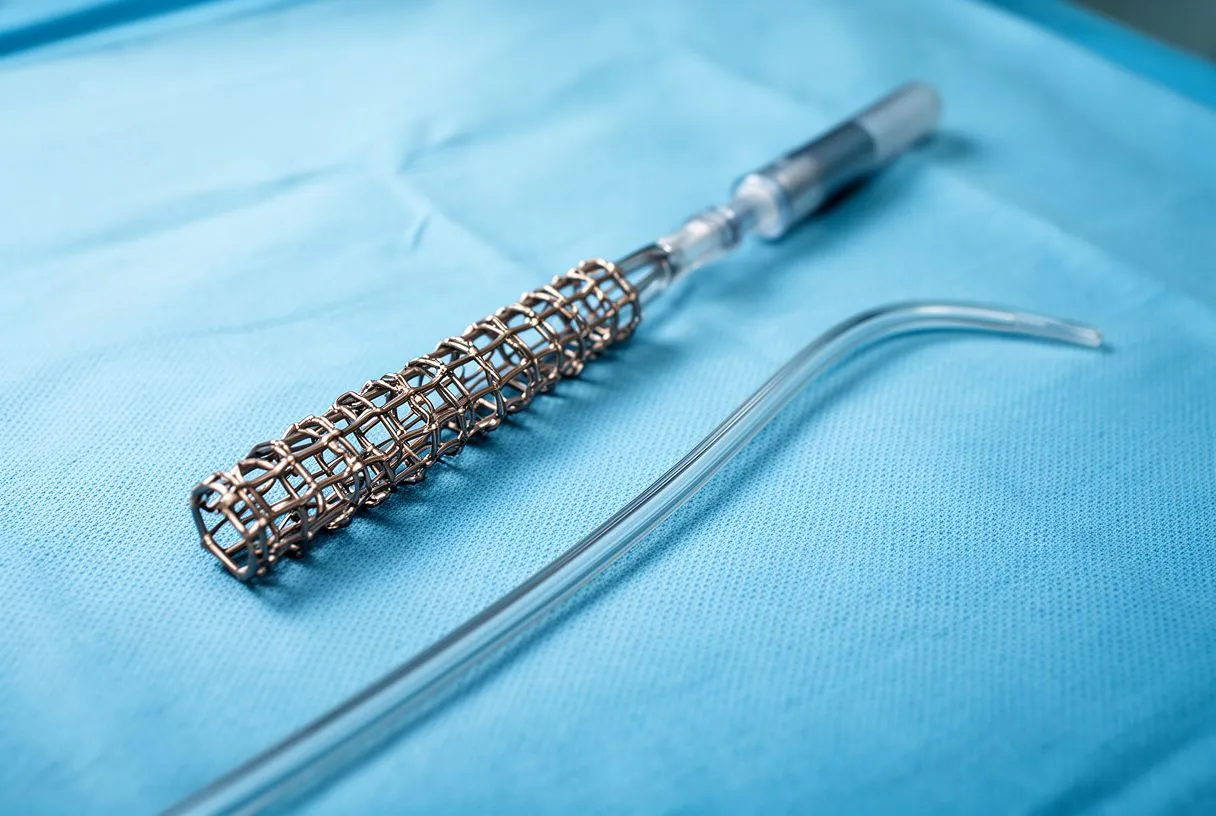
When NSTEMI stent placement is recommended. If angiography shows a critical narrowing — typically the culprit artery that caused the NSTEMI — percutaneous coronary intervention, or PCI, is performed in the same sitting. PCI means reopening the artery with a small balloon and leaving behind a stent, a tiny metal scaffold that keeps the vessel open. Most NSTEMI patients receive at least one stent; some need treatment of several arteries, and a subset with complex disease — particularly involving the left main artery or all three major vessels — may be better served by coronary bypass surgery.
How the choice between stent and bypass is made. This is a genuine decision point, not a formality. As a multidisciplinary team of cardiac surgeons led by Dr Alejandro Molina, we review every case together and recommend the less invasive route only where the evidence supports it for that patient — and when surgery is the safer option, we say so plainly. If you receive a recommendation for PCI or bypass and want a second view before deciding, that is a reasonable and normal step, and any experienced team should welcome it.
NSTEMI Recovery Time and Aftercare
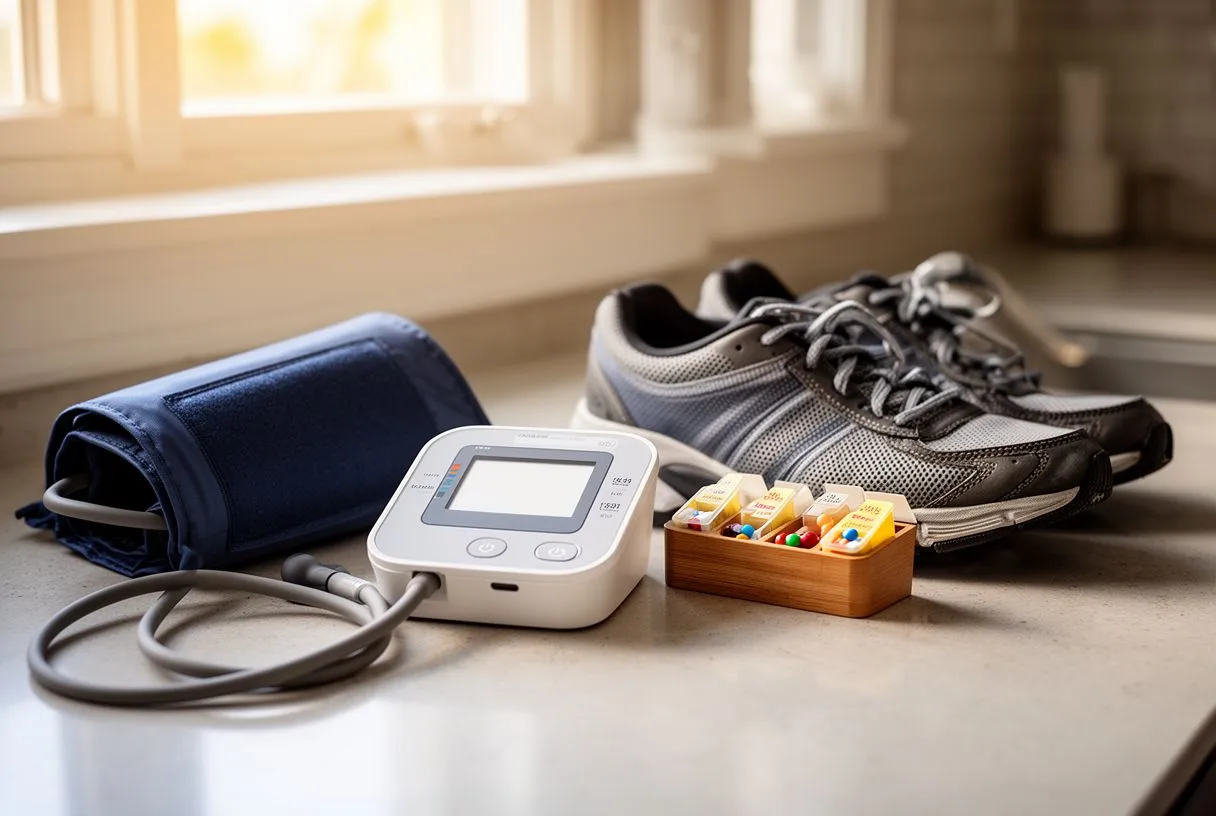
NSTEMI recovery time is shorter than most patients expect. After a stent procedure, most people are back to desk work within about a week and to normal daily activity within two to four weeks. The wrist or groin puncture site heals in days. What patients must not skip is the aftercare: keeping every cardiology follow-up, continuing dual antiplatelet therapy exactly as prescribed, and monitoring blood pressure, cholesterol, and blood sugar at the intervals your team sets.
What aftercare actually looks like. Typical aftercare includes a follow-up visit within one to two weeks of discharge, a medication review, and checks that the puncture site is healing without infection or swelling. A low-grade fever or severe fatigue after a hospital stay can signal complications — for example, a stent-clot event or, in some cases, fluid building around the heart — and these are reasons to contact your doctor rather than wait. Recovery after NSTEMI is a monitored process, not a passive one.
The emotional side of recovery. Many patients describe weeks of anxiety after an NSTEMI — every twinge in the chest triggers fear. This is normal and worth mentioning at your follow-up, because both reassurance and practical strategies exist. Our team sees this often, and we find that patients who understand exactly what happened in their arteries and what their medications are doing recover their confidence much faster.
NSTEMI Lifestyle Changes and Cardiac Rehabilitation
Can NSTEMI be cured? The blocked artery that caused the event can be opened or bypassed, and that is the closest thing to a "cure" — but the underlying coronary disease is a lifelong condition that is managed, not erased. The good news is direct: with modern treatment, medication, and rehabilitation, many people live a long life after an NSTEMI, often for decades. The outcome depends heavily on what you and your team do in the months after discharge.
Cardiac rehabilitation is one of the most underused treatments in cardiology. NSTEMI cardiac rehabilitation is a supervised program of progressive exercise, education, and emotional support, usually running for several weeks. Study after study shows that patients who complete it have fewer repeat events and better quality of life than those who do not. If your hospital or cardiology team offers it and you are able, take it — we consider referral to cardiac rehabilitation part of the standard of care, not an optional bonus.
NSTEMI lifestyle changes that make the biggest difference. The essentials are not exotic: stop smoking completely, which is the single most powerful change; take every medication as prescribed; eat a Mediterranean-style diet rich in vegetables, legumes, fish, and olive oil; walk or exercise as your team advises; and keep blood pressure, cholesterol, and diabetes under control. None of these are dramatic, but together they are the difference between a one-time event and a recurring one. Patients who also keep an eye on heart failure symptoms — new swelling in the ankles, breathlessness lying flat, rapid weight gain — and report them early, give their team the chance to adjust treatment before problems grow.
Talk to a team before you decide anything. If you have had an NSTEMI, or you are facing a decision about angiography, stents, or bypass surgery, the most valuable next step is a conversation with a qualified cardiac team — ideally one that reviews your case against international guidelines and explains the alternatives honestly. Our team offers a free video consultation for exactly this purpose: we review your studies, explain what they show, and tell you which additional tests are genuinely needed — and which are not — before you decide anything. We are a multidisciplinary team of cardiac surgeons led by Dr Alejandro Molina, with consulting rooms in Guadalajara, Querétaro and Hermosillo, and we would rather answer every question you have than have you decide in the dark. Book a consultation and bring your questions with you.