Resistance Training After Heart Surgery: When and How
Learn resistance training after heart surgery timelines, safe exercises, and recovery tips from Guadalajara cardiac specialists.
Undergoing a cardiac procedure changes how you approach daily movement, and you may be wondering about the role of resistance training after heart surgery in your recovery journey. Whether you have had a valve replacement, a bypass, or a stent placed, your body needs time and guided effort to heal. Returning to physical activity is one of the most powerful steps you can take to protect your heart, improve your energy levels, and regain your independence. This guide will walk you through the timelines, safe exercises, and necessary precautions to help you rebuild strength safely.
What Is Resistance Training After Heart Surgery?
Recovering from a cardiac event brings up many questions about physical activity, and understanding the basics of resistance training after heart surgery is a crucial first step. Resistance training involves moving your muscles against an opposing force, such as a resistance band, a light dumbbell, or even your own body weight. For cardiac patients, this form of exercise is not about lifting heavy loads or building massive muscles; it is about restoring functional strength, improving circulation, and helping you return to your daily activities with confidence. By gradually building muscle, you enhance your body's metabolic efficiency, which directly supports your heart by reducing the overall workload required to perform basic tasks.
How your heart heals plays a major role in when and how you can begin these movements. During procedures that involve the Ascending Aorta (the major artery carrying blood from the heart to the body) or the Atrium (the upper chambers of the heart), your chest wall and surrounding tissues undergo significant stress. Gentle, progressive resistance exercises help rebuild the support structures around your heart and lungs, promoting better oxygen delivery to healing tissues without overloading the cardiovascular system. This localized muscular conditioning also encourages the growth of new, small blood vessels, a process called angiogenesis, which can provide alternative routes for blood flow around narrowed arteries.
Before beginning any new regimen, it is vital to understand that your cardiovascular system is in a delicate state of repair. According to the Cleveland Clinic, structured cardiac rehabilitation significantly improves long-term survival and quality of life when guided by medical professionals. The goal is to ease you back into movement safely, ensuring your blood pressure remains stable and your incisions heal properly without undue strain. Always coordinate with your surgical team to determine your exact baseline, as premature exertion can disrupt the cellular repair processes occurring within your heart tissue and chest wall.
When to Start Resistance Training After Heart Surgery
Setting your timeline depends heavily on the type of surgery you had and your overall health. If your surgery required a sternotomy, where the breastbone is divided to access the heart, you must wait for the bone to heal completely. This typically takes at least six to eight weeks, though full structural integrity can take up to three months. During this early phase, lifting anything heavier than a few pounds is strictly restricted to prevent bone separation, a painful condition where the wired sternum pulls apart, delaying recovery significantly.
Minimally invasive approaches may offer a slightly faster return to movement. If your procedure did not involve breaking the sternum, your surgeon might clear you for light resistance training sooner. However, even with smaller incisions, the heart muscle itself needs time to recover from the stress of surgery and the placement of an Arterial Cannula, a thin tube used during surgery to route blood to the heart-lung machine. Your medical team will evaluate your imaging and listen to your heart to ensure the structural repairs are stable before introducing any external resistance to your movements.
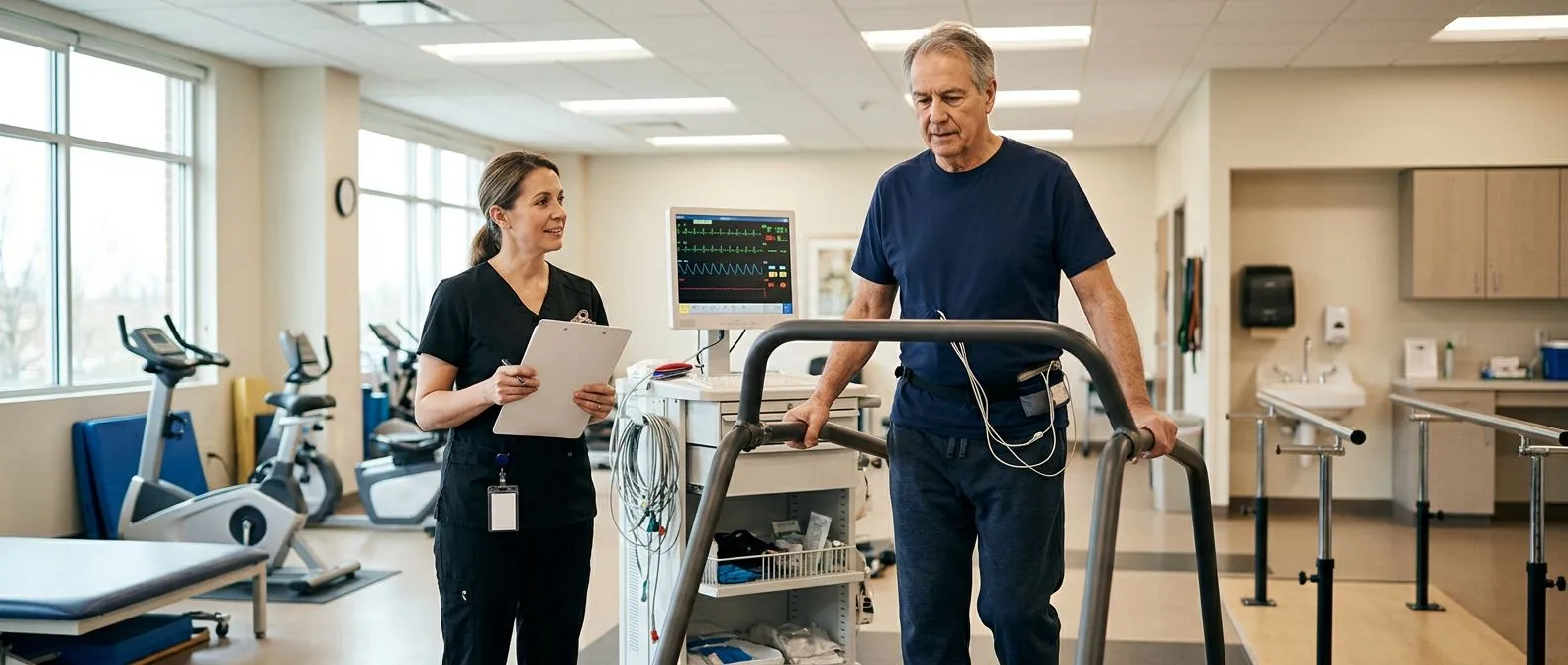
Medical clearance is mandatory before lifting anything. Your cardiologist will evaluate your incisions, check your heart rhythm, and review your imaging before giving you the green light. They will look for signs that your cardiovascular system is handling daily stress well, ensuring your blood pressure responds appropriately to positional changes. Once you are cleared, you will likely begin in a supervised clinical setting where your heart rate and blood pressure can be continuously monitored as you move, providing a safety net as you learn your new physical limits.
Safe Weights After Angioplasty and Bypass
Patients who have undergone less invasive procedures, such as having a stent placed to open an Atheromatous Plaque (a fatty buildup in the artery walls) through Balloon Angioplasty (a procedure using a tiny balloon to widen the vessel), often ask about lifting restrictions. Initial weight limits are generally more forgiving after angioplasty compared to open bypass surgery, but you still need to avoid straining. In the first week, you should avoid lifting anything over five to ten pounds to prevent bleeding at the catheter insertion site in your groin or arm, which requires external pressure to seal properly after the sheath is removed.
Monitoring your body is essential when you begin adding weight. In certain complex cases where a massive clot forms despite stenting, specialized bailout strategies like intracoronary fibrinolysis are used to dissolve the clot directly inside the artery, as detailed in research by REC: Interventional Cardiology. Because your blood vessels may be fragile or recovering from an acute event, heavy lifting that spikes your blood pressure must be avoided entirely until your cardiologist confirms your vessels are stable and the stent has properly endothelialized, integrating into the artery wall.
- Listen to your body: Stop immediately if you feel chest pain, severe shortness of breath, dizziness, or a skipping heartbeat.
- Protect insertion sites: Avoid direct pressure or heavy flexing at the groin or wrist for the first few weeks after a stent to prevent hematomas.
- Avoid heavy straining: Do not hold your breath during lifts, as this Valsalva maneuver causes dangerous, instantaneous blood pressure spikes that can dislodge plaques.
Transitioning to heavier loads should only happen once you can comfortably perform fifteen to twenty repetitions of a movement without breathlessness or chest tightness. Your cardiologist will want to see that your blood pressure remains within a safe range during exertion, indicating that your blood vessels have healed adequately to handle increased cardiovascular demand. Always log your workouts and any symptoms to share with your medical team during your follow-up appointments.
Cardiac Rehabilitation Resistance Exercises
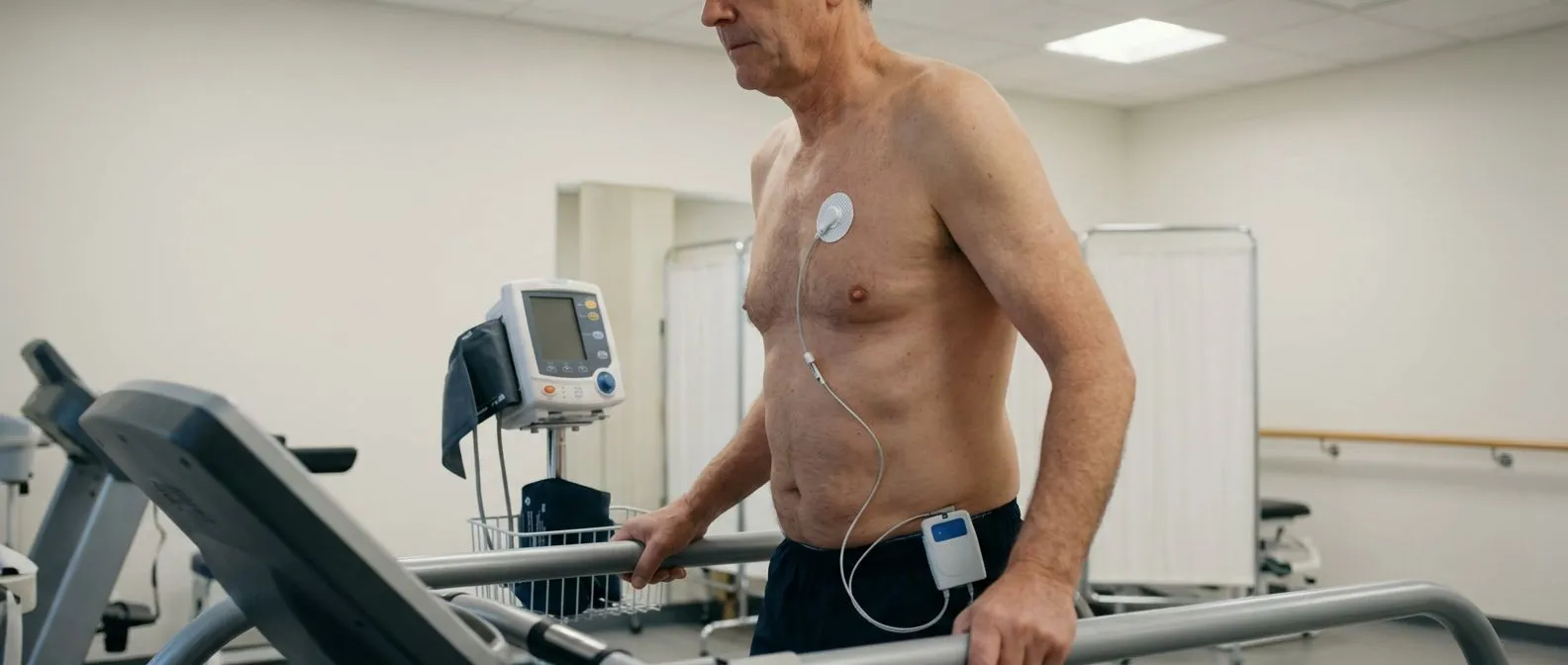
Enrolling in a formal cardiac rehabilitation program is the safest way to begin resistance training after heart surgery. Supervised environments offer continuous monitoring of your heart rhythm using an Arterial Line (a thin catheter placed in an artery to monitor blood pressure in real-time) or external telemetry monitors. This allows physical therapists to see exactly how your heart responds to physical stress and adjust your workload accordingly. If your heart rate rises too sharply or your rhythm changes, the therapist can immediately reduce your intensity to keep you in a safe zone.
Initial assessments in rehab include a thorough physical exam, which may involve Auscultation (listening to your heart and lungs with a stethoscope) to ensure there is no fluid buildup or irregular sounds that contraindicate exercise. Your therapist will start you with very light resistance, focusing on higher repetitions rather than heavy weights. This approach trains your heart to pump efficiently while building muscular endurance without overwhelming your healing tissues, conditioning your body to clear lactic acid more effectively.
Progression in rehab is slow and deliberate. You might begin with seated exercises using light ankle weights or walking on a flat treadmill. Over several weeks, as your stamina improves and your medical team confirms your sternum or incisions are stable, the resistance will gradually increase. The structured environment ensures you are building a solid foundation before you transition to a home or independent gym routine, providing education on proper posture and movement mechanics that protect your heart long-term.
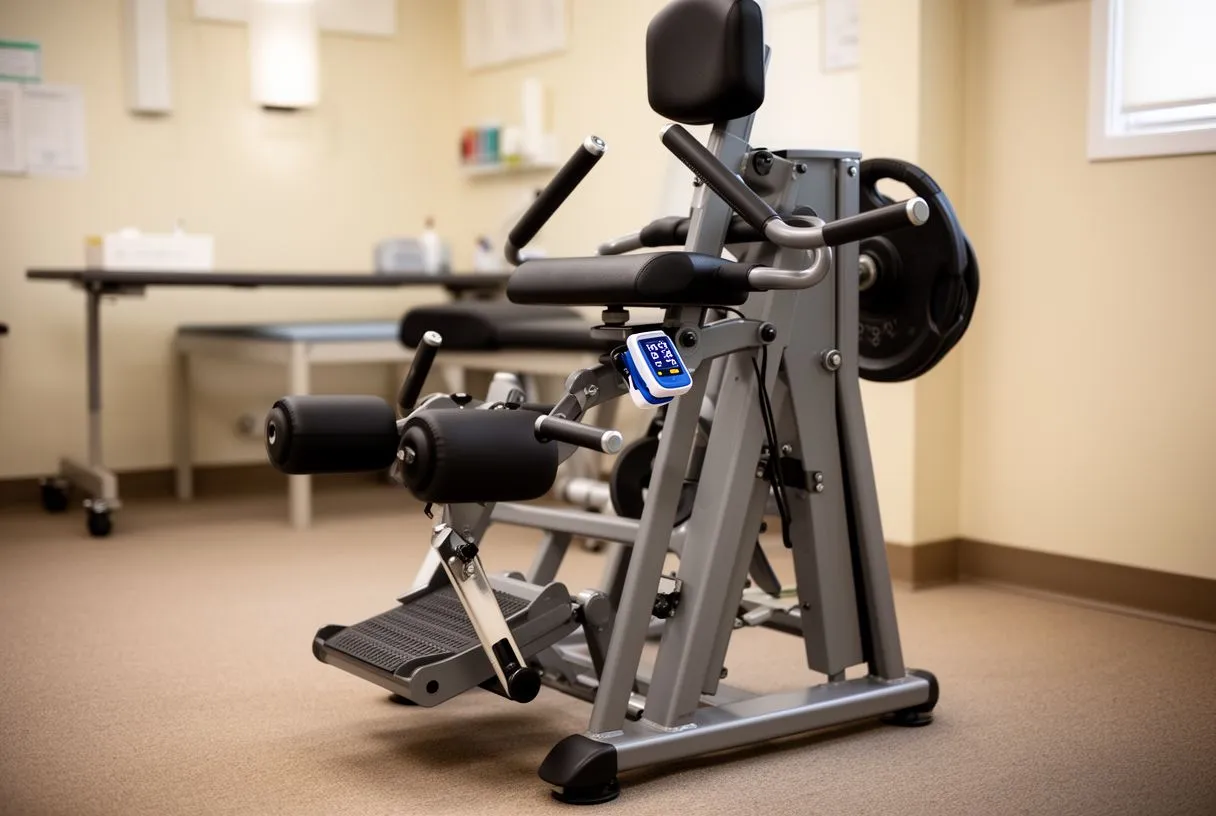
Building Muscle After Heart Attack: What to Expect
Rebuilding strength after a heart attack requires patience and a shift in perspective. Cardiac muscle changes mean that your heart may not respond to physical stress the same way it did before the event. An Atypical Infarction, which is a heart attack without the classic crushing chest pain, can still cause significant damage to the heart muscle, leaving it weaker and more susceptible to fatigue during exertion. When muscle tissue in the heart dies from lack of blood flow, it heals with scar tissue, which is stiffer and does not contract as forcefully as healthy muscle.
Metabolic considerations also play a role in your recovery. Your cardiac team will likely monitor your lipid profile closely, paying attention to markers like Apolipoprotein B, a protein involved in the metabolism of lipids and a primary driver of plaque buildup in the arteries. While resistance training helps improve your overall metabolic health and insulin sensitivity, it must be balanced with heart-protecting medications and dietary changes to prevent further vascular complications. Building skeletal muscle mass is beneficial because active tissue burns more calories at rest, helping to manage weight and reduce the systemic inflammatory burden on your heart.
Unexpected complications can sometimes arise after severe cardiac stress, even following non-cardiac surgeries. For instance, severe emotional or physical stress can trigger conditions like Biventricular Takotsubo Cardiomyopathy, a rare heart muscle weakening that mimics a heart attack, as explored in a study by MDPI. Because your heart is recovering from trauma, any strength training must be introduced gently, allowing your cardiovascular system to adapt without triggering a shock response. Gradual exposure to resistance helps rebuild the peripheral muscle pump, which assists in returning venous blood to the heart, reducing cardiac preload stress.
Gym After Heart Valve Surgery: Navigating Equipment
Returning to a commercial gym after a valve replacement requires a strategic approach. Understanding your hardware is vital; whether you received a mechanical valve, had a Balloon Aortic Valvuloplasty (a procedure to widen a narrowed aortic valve using a balloon), or received a Balloon-expandable Valve (a valve placed via a catheter and expanded using a balloon), your new valve is sensitive to sudden, extreme pressure changes. You must prioritize smooth, controlled movements over explosive lifting, avoiding machines that force you to push against locked, heavy weights. Mechanical valves produce a clicking sound that you may become aware of as your heart rate increases, which is entirely normal, but the surrounding tissue needs time to fully encapsulate the device.
Choosing the right equipment means favoring cable machines, light dumbbells, and bodyweight exercises. If you received an Autograft (a graft using your own tissue, such as the pulmonary valve placed in the aortic position during the Ross procedure), your body is integrating new tissue structures that need time to heal securely. Cable machines allow for continuous tension and smooth resistance curves, which are much easier on your heart and joints than rigid, plate-loaded machines that require sudden bursts of power to move the inertia of the weight.
Managing your heart rate in a busy gym environment can be challenging, but it is essential. Always wear a heart rate monitor and stay within the target zones set by your rehabilitation team. Avoid high-intensity interval training or heavy powerlifting until your cardiologist explicitly clears you, as these activities cause rapid heart rate and blood pressure spikes that can stress a newly implanted valve or healing surgical graft. Remember that gyms are often warm and crowded, which can independently elevate your heart rate, so adjust your workload based on both the weights and the environment.
Chest Exercises After Open Heart Surgery
Exercises targeting the chest and arms require the most caution after open-heart surgery. Sternum healing is the primary concern; any movement that pulls the chest apart must be avoided for at least three months. Push-ups, bench presses, and pulling motions can place undue stress on the healing breastbone, potentially leading to complications like non-union, where the bone fails to heal correctly. Sternal precautions are put in place to ensure the heavy, central bone of your chest fuses back together solidly, protecting the heart and lungs beneath it.
Protecting your grafts is equally important. If you had a coronary bypass, your surgeon may have used an Arterial Graft (a healthy blood vessel taken from your chest or arm to bypass a blockage). Aggressive chest or shoulder exercises can stress these delicate grafts before they are fully integrated into your circulatory system. Similarly, if you received an Autologous Blood (your own blood, collected before or during surgery for transfusion) donation prior to surgery, your overall energy and hemoglobin levels might still be low, requiring gentler movements to prevent faintness or extreme fatigue during your workout.
Safe alternatives include gentle range-of-motion exercises and supported arm movements. You can begin with shoulder shrugs, gentle wall push-ups at a distance, and seated arm lifts using very light resistance bands. These movements keep the chest muscles active and prevent stiffness without placing direct weight or tension across the sternum. Always stop if you feel a clicking sensation in your chest or pain along your incision line, as these are clear indicators that the healing bone is being stressed beyond its current capacity.
Dumbbell Workout Cardiac Patients Can Trust
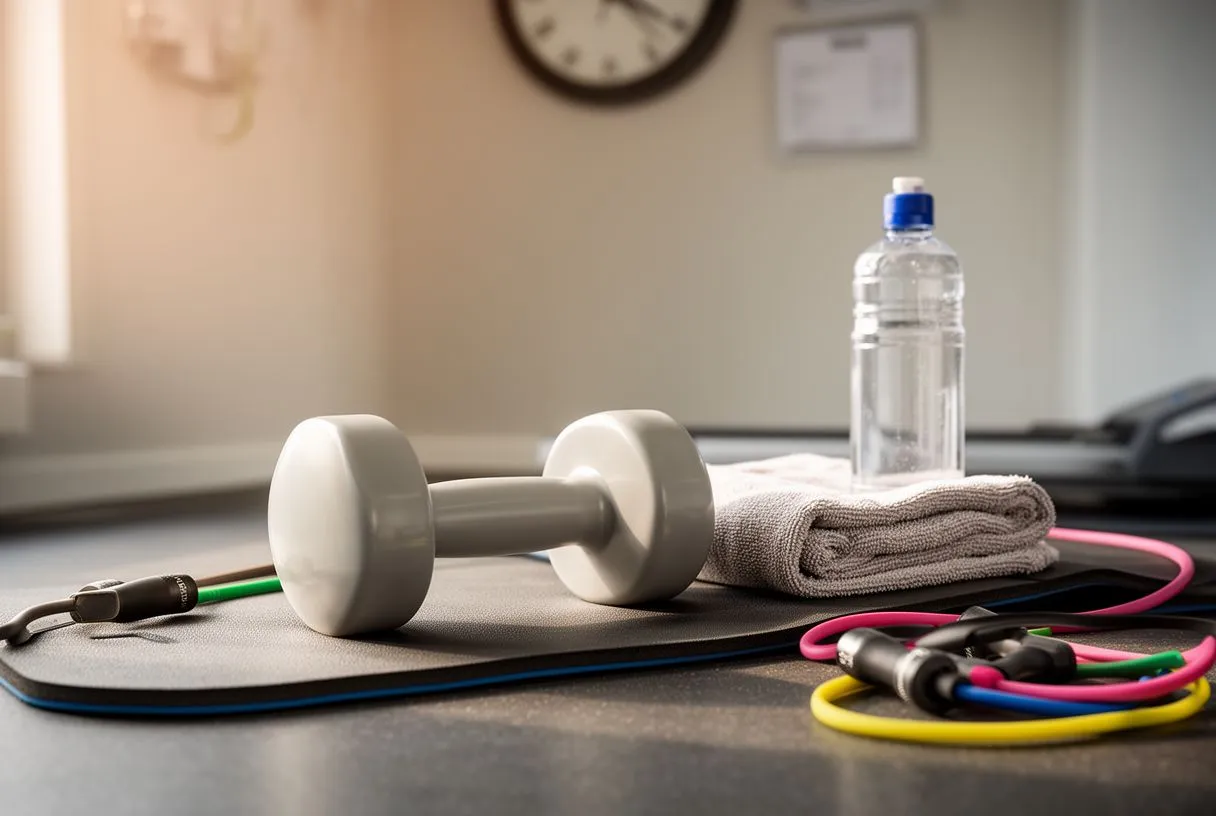
Once you are cleared for independent exercise, a simple dumbbell routine can be highly effective for maintaining muscle tone and cardiovascular health. Starting light is key; begin with one or two-pound weights and focus entirely on your breathing and form. The most important rule in cardiac resistance training is to never hold your breath, a habit known as the Valsalva maneuver, which spikes blood pressure dangerously high. By consciously exhaling on the exertion phase of the lift and inhaling on the release, you maintain a steady blood pressure and protect your heart valves from sudden stress.
- Seated bicep curls: Keep your back supported and exhale as you lift the weight to prevent straining your core.
- Light squats: Use a chair for support, focusing on standing up smoothly without straining your abdominal muscles.
- Overhead presses: Use extremely light weights and stop if you feel pressure in your chest, neck, or jaw.
Consistency over intensity will yield the best long-term results for your heart. A routine of fifteen to twenty minutes, two or three times a week, is sufficient to maintain muscle mass and support your metabolism. Focus on compound movements that mimic daily activities, like picking up a bag of groceries, but scale them down to match your current strength and stamina. Always warm up with five minutes of easy walking before touching any weights to ensure your blood vessels are dilated and ready to supply your muscles with oxygen.
Tracking your progress helps you and your cardiac team understand how your heart is adapting to physical stress. Keep a simple journal noting the weights used, the number of repetitions, and how you felt during and after the session. If you notice that a specific weight causes unusual fatigue or breathlessness, scale it back and discuss the observation during your next cardiology check-up to ensure your exercise plan remains perfectly aligned with your healing process.
Resistance Bands Heart Recovery Protocol
Resistance bands are often the safest and most versatile tool for cardiac patients. Controlled tension provided by bands allows you to strengthen muscles without the risk of dropping a heavy metal weight. They are particularly useful for patients who have experienced severe heart failure and might have required advanced support like Awake ECMO, a life support technique that takes over heart and lung function while the patient remains conscious during recovery. Because these patients often experience profound muscle wasting, the gentle, scalable resistance of bands is perfect for rebuilding foundational strength without overwhelming the cardiovascular system.
Gradual progression is built into the color-coded resistance levels of most bands. You can start with the lightest band, usually yellow or red, and slowly work your way up as your heart and muscles adapt. This constant, smooth tension is easier on the cardiovascular system than the sudden inertia of lifting a dumbbell, making it an ideal choice for early home-based workouts. Bands also allow you to train in a seated or supine position, which keeps your heart rate lower by reducing the gravitational pull on your blood compared to standing exercises.
Safety preparedness should always be on your mind, even with light bands. If you have a history of dangerous arrhythmias, ensure someone is home with you during your workouts, or exercise with a personal emergency button nearby. In the rare event of a sudden cardiac arrest, having an Automated External Defibrillator (a portable device that can deliver an electric shock to restore a normal heart rhythm) accessible in your home or community center can be life-saving. Always anchor your bands securely to a stable structure to avoid sudden snaps or falls that could startle your heart or cause physical injury.
Heart Surgery Exercise Restrictions and Red Flags
Knowing when to stop is just as important as knowing when to start. Recognizing warning signs during resistance training after heart surgery can prevent serious complications. If you develop Atrial Flutter, a rapid, irregular heart rhythm originating in the upper chambers of the heart, you may feel a sudden pounding in your chest or severe dizziness. Stop exercising immediately if you experience any irregular palpitations, shortness of breath, or extreme fatigue that does not resolve with rest. These symptoms indicate that your heart is struggling to meet the demands of the exercise, and continuing could lead to ischemia or dangerous rhythm deterioration.
Medication interactions can also affect your workout safety. Many patients are prescribed blood thinners like Aspirin or are enrolled in clinical pathways similar to the ARISTOTLE trial, which evaluated blood thinners for atrial fibrillation. These medications make you more prone to bruising or bleeding if you strain a muscle or drop a weight. Additionally, if you experience unusual Arm Pain that radiates from your chest, it could be a sign of angina rather than a muscle strain, requiring immediate medical attention. It is vital to distinguish between the delayed onset muscle soreness of a good workout and the sharp, radiating pain of cardiac distress.
Long-term success depends on a balanced approach to your heart health. Resistance training after heart surgery is a powerful tool to enhance your recovery, improve your quality of life, and build resilience, but it must always respect the boundaries of your healing body. Every patient's timeline is unique, based on their surgical approach, underlying conditions, and rehabilitation progress. We encourage you to discuss your specific exercise goals with a qualified cardiac team. If you are ready to take the next step in your recovery safely, ask your cardiac rehabilitation team for a personalized fitness plan.