SAVR or TAVR: Comparing Aortic Valve Replacement Options
SAVR or TAVR—which aortic valve replacement option fits your case?
When a cardiologist tells you that your aortic valve is severely narrowed, the news can feel overwhelming. You might immediately face a complex decision: choosing between surgical aortic valve replacement (SAVR) or transcatheter aortic valve replacement (TAVR). Understanding the differences between savr or tavr is the first step toward reclaiming your quality of life. This guide explains both aortic valve replacement options in clear, everyday language, focusing on what you will experience, the anatomical changes in your heart, and what recovery realistically looks like for international patients.
What Are SAVR or TAVR Procedures?
The aortic valve controls the one-way flow of oxygen-rich blood from the left lower chamber of your heart into the ascending aorta, the main artery that delivers blood to the rest of your body. When this valve becomes stiff and narrow, a condition called aortic stenosis occurs. To fix this, doctors offer different aortic valve replacement options depending on your health and anatomy.
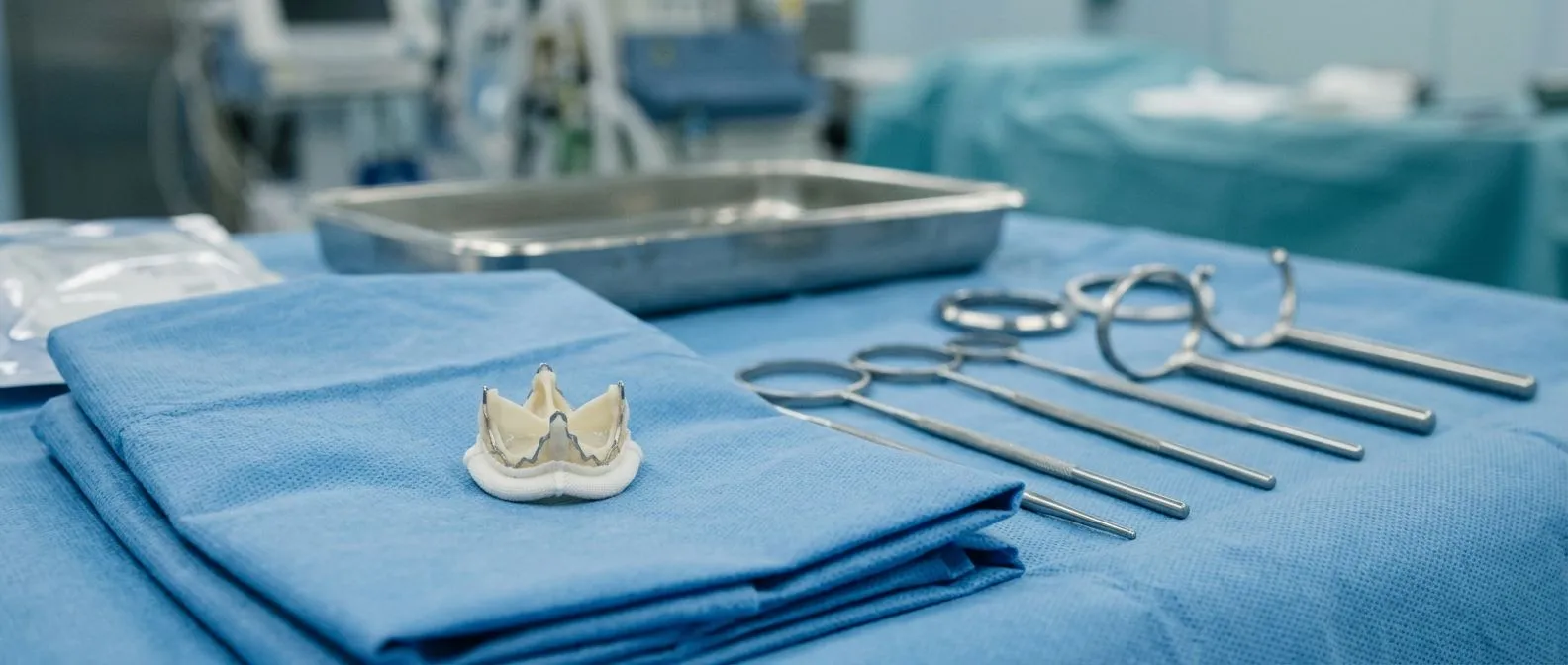
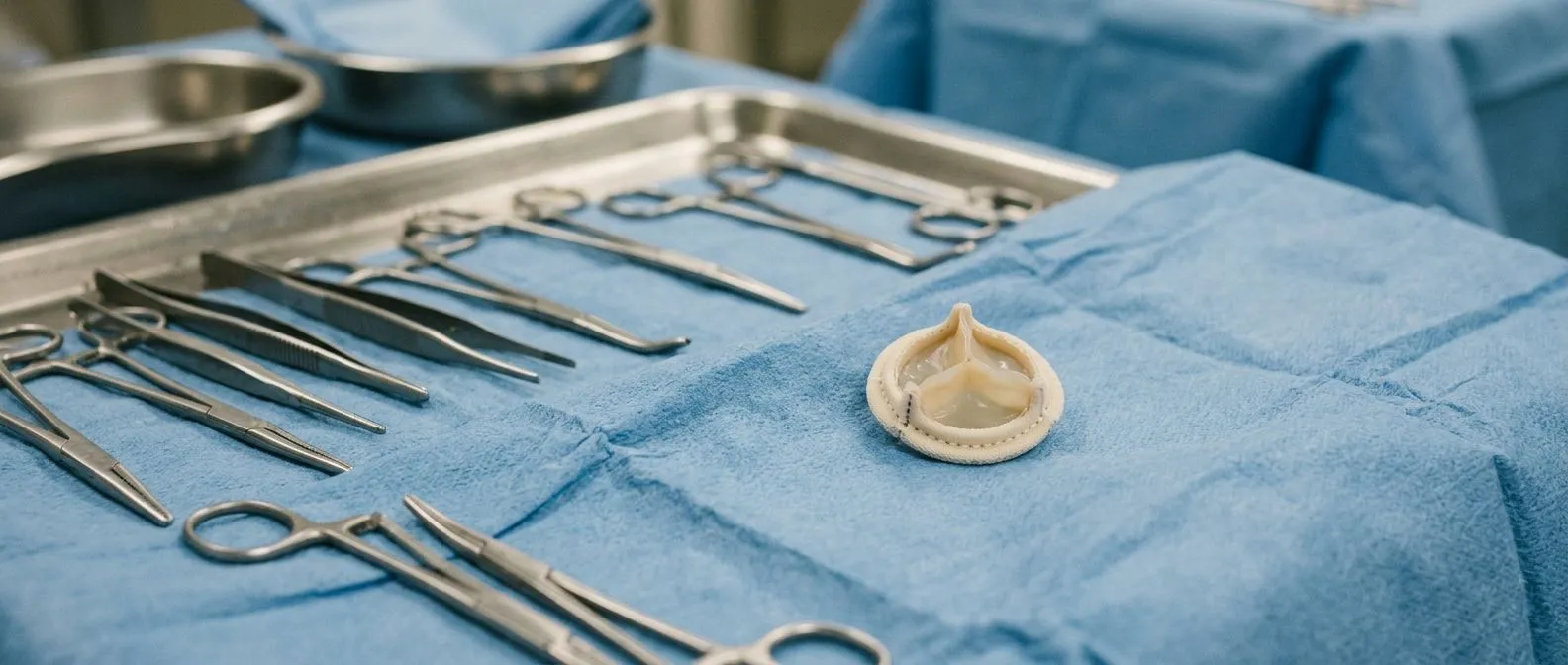
SAVR involves a traditional open-heart operation. The surgeon makes an incision down the middle of your chest, temporarily stops your heart, and uses a heart-lung machine to maintain your circulation. The damaged valve is completely removed and replaced with a new mechanical or biological tissue valve. This provides the surgeon with direct, clear visibility of the heart structures.
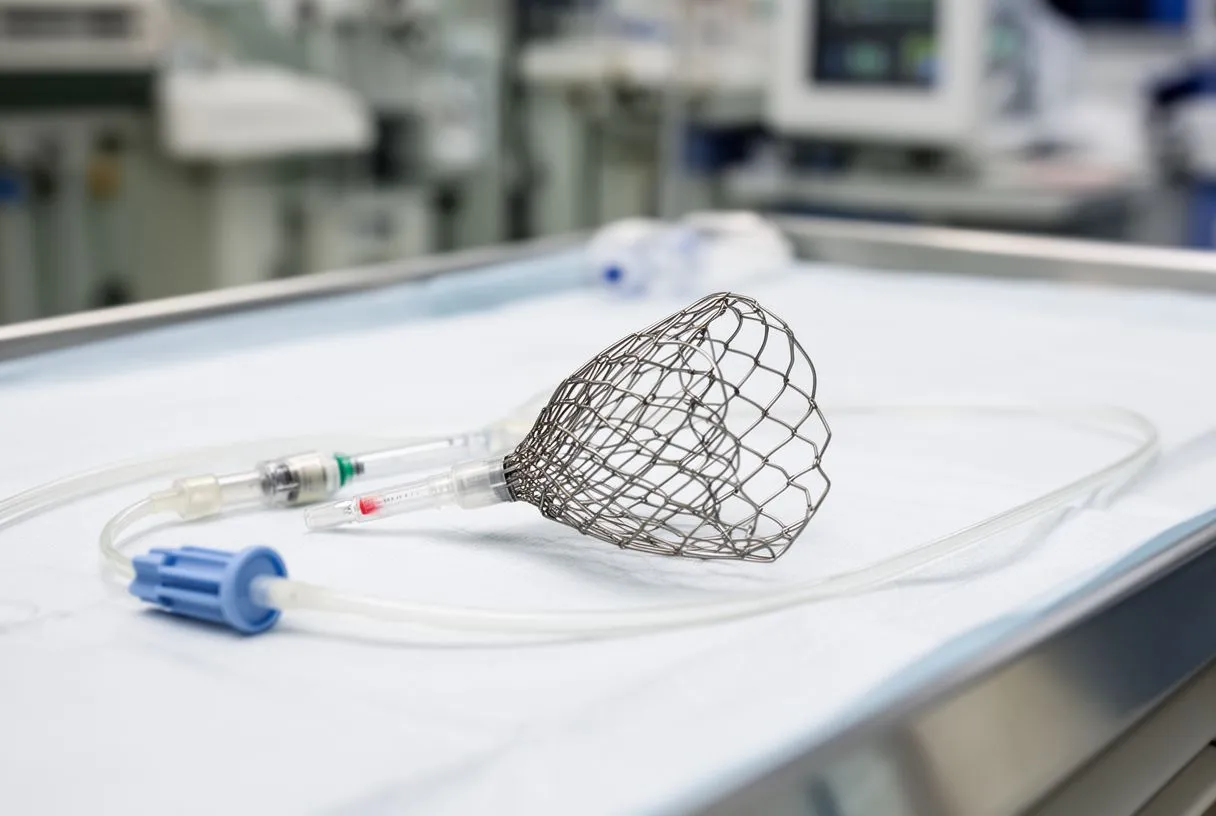
TAVR is a minimally invasive valve surgery. Instead of opening the chest, the cardiac team threads a thin, flexible tube called a catheter through a blood vessel in your groin or a small incision in your chest. The new valve, often a balloon-expandable valve, is guided to your heart and positioned directly inside the old, diseased valve, pushing the leaflets aside and functioning as the new gatekeeper for blood flow.
How Does Aortic Stenosis Affect Your Heart?
Over time, calcium deposits build up on the valve leaflets, making them thick and stiff. This narrowing restricts blood flow, forcing the heart muscle to pump much harder than normal. Many patients first discover this issue when a doctor hears a distinct heart murmur during routine auscultation, which is the medical term for listening to your heart with a stethoscope.
As the stenosis worsens, the heart muscle thickens as it struggles to push blood through the narrowed opening. This condition, known as left ventricular hypertrophy, eventually leads to symptoms like chest pain, shortness of breath, and fainting spells. The heart simply cannot keep up with the body's demand for oxygen during physical activity.
Research into this disease process is ongoing and helps guide treatment timing. For example, a study on Plasma concentrations of extracellular vesicles correlate with inflammatory markers in patients with aortic stenosis undergoing surgical aortic valve replacement highlights how inflammation plays a measurable role in severe aortic stenosis. Understanding these biological markers helps your cardiac team determine the right moment to intervene.
Understanding the SAVR Procedure and Recovery Time
SAVR has been the established gold standard for decades. It offers direct visibility and access to the heart, allowing the surgeon to remove the diseased valve completely and secure a new one in its place. It is highly effective for younger patients or those with complex valve anatomy that might not be suitable for a catheter-based approach.
During the operation, the surgical team manages your circulation with extreme precision. Depending on the situation and your pre-operative health, they might use autologous blood, which is your own blood collected before the procedure, to minimize exposure to donor blood. The operation itself typically takes several hours in the operating room under general anesthesia.

The savr recovery time is the most significant factor to consider when choosing this route. You will spend a few days in the intensive care unit and another week in the standard hospital ward. Full recovery, including returning to normal activities and allowing the breastbone to fully heal, generally takes six to twelve weeks.
What to Expect During the TAVR Procedure
The tavr procedure is specifically designed to spare you the trauma of a large chest incision and the use of a heart-lung machine. It is usually performed in a specialized cardiac catheterization lab or hybrid operating room by a collaborative team of interventional cardiologists and cardiac surgeons.
Before the procedure begins, the medical team inserts an arterial line to monitor your blood pressure continuously in real-time. You are typically given mild sedation or general anesthesia. The new valve is compressed onto the catheter, guided to your heart, and expanded directly within the diseased native valve, taking over the job of regulating blood flow.
Because the approach is less invasive, the physical stress on your body is considerably lower. This makes TAVR a viable aortic stenosis treatment option for older adults or individuals with other medical conditions that make open-heart surgery too risky. The procedure focuses entirely on the valve without the need to stop your heart.
SAVR vs TAVR Outcomes and Eligibility Criteria
When evaluating savr vs tavr outcomes, both procedures significantly improve survival and quality of life for patients with severe aortic stenosis. The choice often comes down to your specific anatomy, your age, and your overall health status rather than a simple preference.
Tavr eligibility criteria generally prioritize older patients, often 75 or older, or those with intermediate to high surgical risk. Younger, healthier patients with a longer life expectancy are often directed toward SAVR, as surgical tissue or mechanical valves tend to have longer documented durability and may not require a repeat procedure later in life.
Sometimes, the decision involves looking at other heart structures. If you have disease in the left atrium or other valves that also need repair, a traditional open SAVR allows the surgeon to address all issues during a single operation. According to the New England Journal of Medicine, extensive clinical trials have established the long-term data guiding these specific patient selections.
Comparing SAVR Surgery Risks and TAVR Complications
No heart procedure is without risk. Understanding the difference between savr surgery risks and tavr complications helps you weigh your options realistically with your medical team. Both approaches require careful monitoring and follow-up care to ensure long-term success.
SAVR risks include bleeding, infection, blood clots, and stroke. Because it involves opening the chest and stopping the heart, it carries a higher immediate surgical risk, especially for patients with weak lungs, diabetes, or kidney disease. The recovery process is also longer, exposing the patient to typical hospitalization risks.
TAVR risks differ significantly. While you avoid a large chest incision, TAVR can sometimes cause issues with the heart's electrical system, requiring a pacemaker after the procedure. Patients also face a slightly higher risk of a mild leak around the edges of the new valve. In some cases, doctors use a balloon aortic valvuloplasty technique to stretch the diseased valve before placing the new one, which carries its own specific considerations.
- Heart Rhythm: TAVR patients have a higher chance of needing a pacemaker post-op due to electrical conduction changes.
- Incision Healing: SAVR requires careful chest bone healing over weeks, while TAVR involves small puncture sites that heal in days.
- Valve Longevity: Surgical valves currently hold longer documented durability records compared to transcatheter valves.
Minimally Invasive Valve Surgery and TAVR Recovery Time
The appeal of minimally invasive valve surgery lies heavily in the recovery process. For many patients, particularly those traveling internationally for their medical care, a shorter hospital stay and faster return to baseline are major advantages that influence their decision.
Tavr recovery time is remarkably brief. Most patients are out of bed walking within 24 hours and discharged home in two to five days. You will likely be prescribed medications like aspirin to prevent blood clots, but the overall physical recovery and pain management are much easier compared to open surgery.
This rapid recovery allows you to return to your family, travel plans, and daily routine much sooner. However, you still need close follow-up with your cardiologist in the weeks and months after the procedure to ensure the valve is functioning well and that no delayed complications, such as valve leakage, arise.
For international patients, accessing high-quality cardiac care involves careful planning and transparent communication.
While the medical team focuses on your heart, standard pre-operative blood work is handled efficiently. This includes comprehensive screening for cardiovascular risk markers like apolipoprotein B, ensuring you are fully optimized for the operating room. The administrative staff will help coordinate your travel logistics, hospital stay, and follow-up appointments to ensure a seamless, low-stress experience.
It is crucial to have an open conversation about what the quoted price includes. Ensure you understand the costs for the valve itself, the operating room time, anesthesia, and the required days in the intensive care unit or standard ward. Transparent pricing prevents unexpected financial burdens during your recovery.
Thinking about cost and travel for aortic valve replacement options
For international patients, accessing high-quality cardiac care requires careful planning and transparent communication. Travelling to Mexico for your procedure with a specialised team such as Dr Alejandro Molina's gives you access to specialised surgical and transcatheter techniques at a clear, manageable cost compared with other regions.
While the medical team focuses on your heart, routine preoperative blood tests are carried out efficiently. These include comprehensive tests for cardiovascular risk markers such as apolipoprotein B, which helps ensure you are in the best possible condition for surgery. The administrative staff will help you coordinate travel logistics, the hospital stay and follow-up appointments so that the experience is simple and free of stress.
It is essential to talk openly about what the quoted price includes. Make sure you understand the costs of the valve, the time in the operating theatre, anaesthesia and the days needed in the intensive care unit or a regular room. Transparent pricing avoids unexpected financial burdens during your recovery.
When to Seek Help and Recognizing Symptoms
Aortic stenosis can progress silently for years, but it eventually produces distinct warning signs. Recognizing these symptoms early prevents severe heart damage and ensures you undergo the procedure at the optimal time, before the heart muscle weakens permanently.
If you experience unexplained fatigue, chest pressure, or shortness of breath when climbing stairs, contact your doctor. Sometimes, heart disease presents subtly, and severe cases can masquerade as an atypical infarction without the classic crushing chest pain, making professional evaluation critical.
- Breathing Changes: Shortness of breath, especially during physical exertion or when lying flat in bed.
- Chest Discomfort: A feeling of pressure, tightness, or heaviness in the chest that comes on with activity.
- Dizziness: Feeling lightheaded or experiencing fainting spells upon physical activity.

Do not wait for symptoms to become unbearable before seeking medical advice. Severe aortic stenosis is a serious condition, and delaying evaluation can reduce your treatment options and negatively impact your long-term outcomes. Early diagnosis gives you the widest range of aortic valve replacement options.
Making the Final Choice Between SAVR or TAVR
Deciding on savr or tavr which is better is a highly personalized process. There is no universal right answer; the most appropriate choice is the one with the lowest risk for your specific situation, age, and anatomy. Your heart team will weigh the benefits and risks specifically for you.
Your doctors will review your CT scans, your overall health, and any other conditions you might have, such as an atrial flutter, which might influence the surgical approach or your anesthesia plan. They will guide you based on established clinical guidelines and their extensive experience with both techniques.
Remember that research continues to refine these choices. For instance, studies like the one on the Prevalence and Outcomes of Concomitant Aortic Stenosis and Cardiac Amyloidosis. remind us that complex cases require nuanced, individualized care. We encourage you to discuss your specific diagnosis with a qualified cardiac team and book a consultation rather than self-diagnosing, to map out your safest path forward.