Spirometry Before Heart Surgery: Testing Your Lungs
Spirometry before heart surgery measures your lung function so your cardiac team can plan safer care.
What Is Spirometry Before Heart Surgery
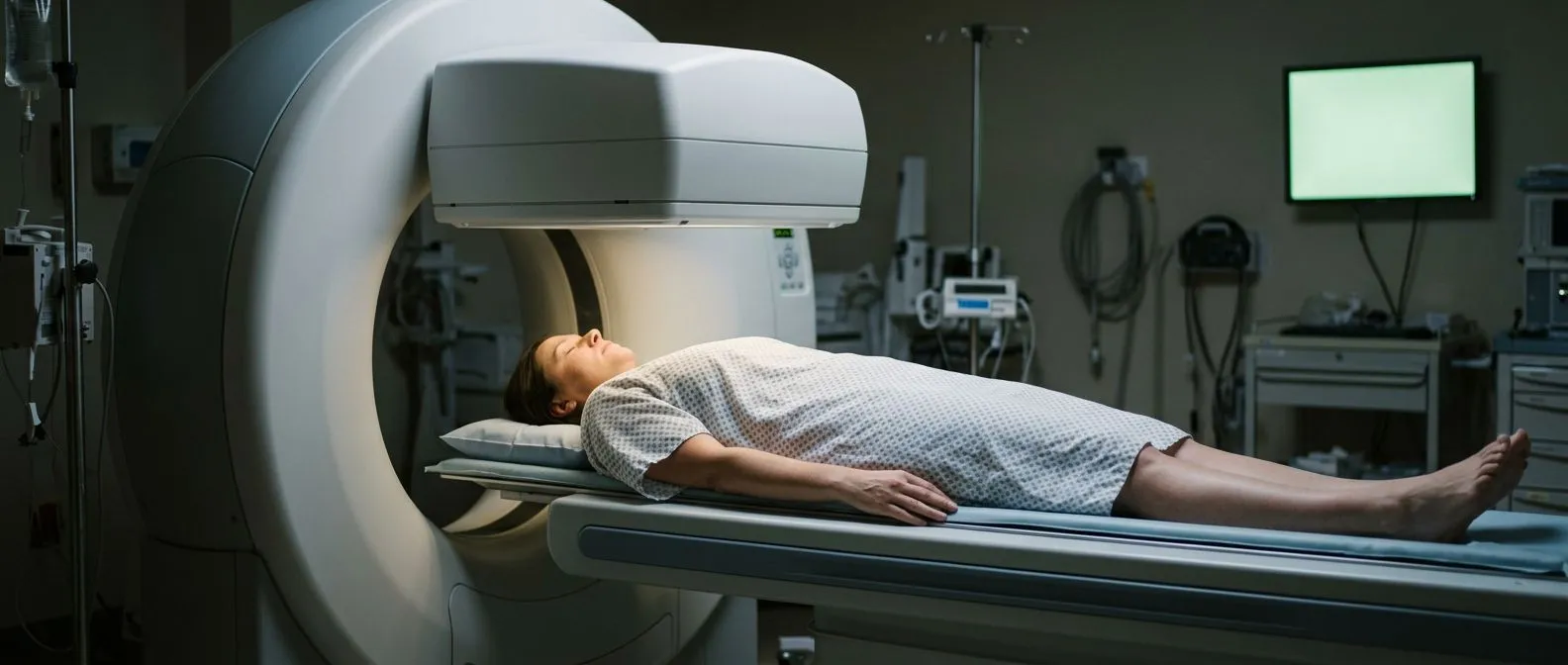
If your cardiac team has scheduled you for surgery, they will likely ask you to complete a breathing test called spirometry before heart surgery can proceed safely. This simple, painless test measures how much air your lungs can hold and how quickly you can push that air out. It gives your surgeon a clear picture of your respiratory reserve — the extra breathing capacity your body relies on during the physical stress of an operation and the recovery period that follows.
Think of your lungs as a pair of bellows. When you breathe in, they expand to draw in oxygen; when you breathe out, they push carbon dioxide away. Spirometry captures the volume and speed of each breath, translating them into numbers your medical team can compare against healthy ranges for someone your age, height, and sex. If those numbers fall below expected values, your surgeon may adjust the surgical plan, recommend a period of lung conditioning, or choose a different anaesthetic approach to lower your risk.
For many patients, the test takes less than fifteen minutes and requires nothing more than sitting upright and breathing into a mouthpiece. Yet those few minutes of effort provide information that can shape your entire surgical pathway. Understanding what the test measures, why it matters, and how the results influence your care helps you approach the day of surgery with greater confidence and fewer surprises.
Why Is a Lung Function Test Needed Before Cardiac Surgery
Heart and lung function are inseparable during surgery. When a cardiac procedure involves the ascending aorta — the large vessel carrying oxygen-rich blood away from the heart — or requires the surgeon to stop the heart temporarily with a heart-lung machine, your lungs are affected too. The machine takes over the job of adding oxygen to your blood and removing carbon dioxide, but your own lung tissue still needs to recover quickly once the procedure ends. A preoperative lung assessment tells the team whether your lungs can handle that transition.
Poor lung function before surgery is linked to longer ventilator times, higher rates of pneumonia, and extended hospital stays. By identifying reduced breathing capacity early, your team can plan ahead. They might prescribe breathing exercises, adjust medications, or in some cases recommend a less invasive approach that avoids opening the chest entirely. According to the American Heart Association, thorough preoperative evaluation significantly lowers complications in patients undergoing major cardiac procedures, and lung testing is a core component of that evaluation (heart.org).
The test also helps your anaesthesiologist choose the right breathing strategy during the operation. Patients with reduced lung reserve may need careful adjustments to ventilation settings, modified fluid management, or specific medications to keep airways open. Every one of these decisions flows from the numbers captured during your spirometry session, which is why the test is rarely optional.
How Does Preoperative Spirometry Work
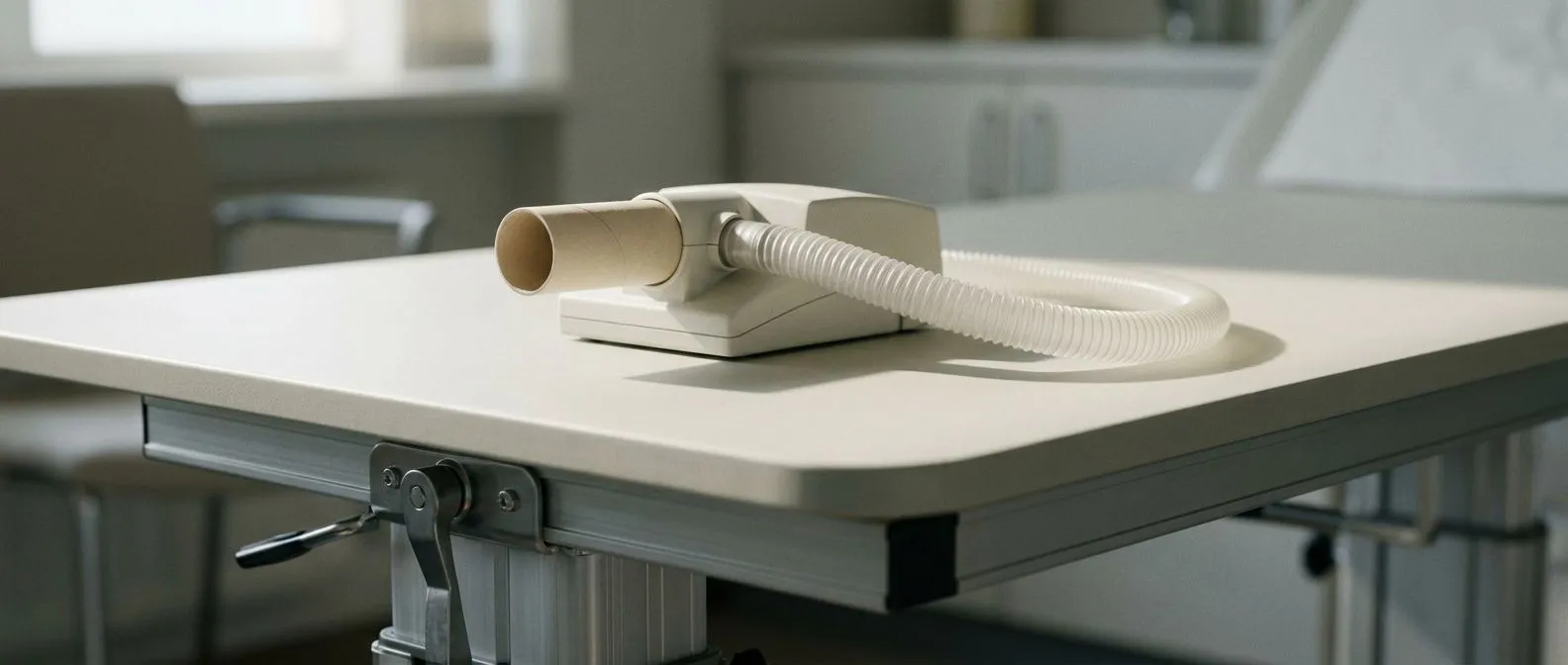
The mechanics of spirometry are straightforward. You sit comfortably in a chair, place a sterile mouthpiece between your lips, and wear a nose clip so that all air flows through your mouth. A respiratory therapist or trained nurse coaches you through a series of breathing manoeuvres: take the deepest breath possible, then exhale as hard and fast as you can until your lungs feel completely empty. You will repeat this several times to make sure the results are consistent.
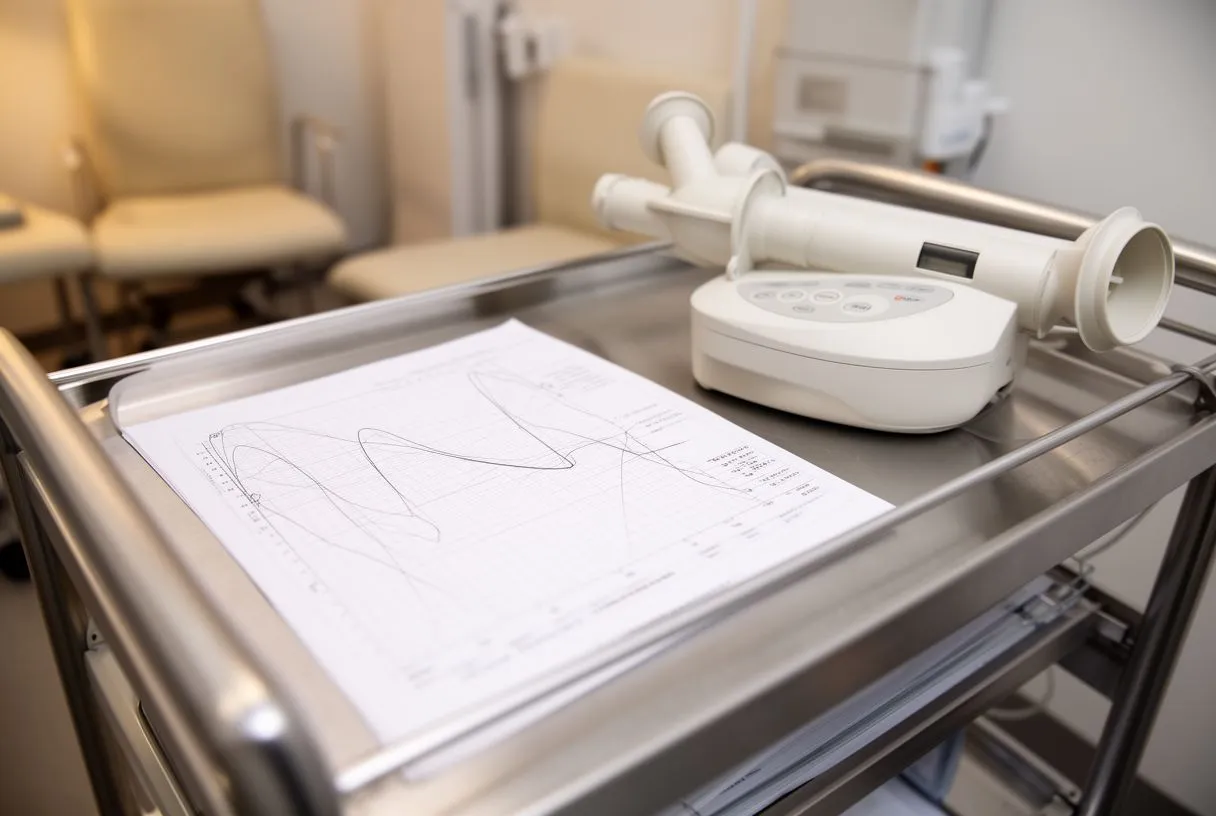
The spirometer — the device connected to the mouthpiece — contains sensors that measure airflow in real time. It records two key values. The first is your forced vital capacity, or FVC, which is the total volume of air you can forcibly exhale after taking the deepest possible breath. The second is your forced expiratory volume in one second, or FEV1, which measures how much air you push out during the very first second of that exhalation. Together, these numbers describe both how large your lungs are and how freely air moves out of them.
If your FEV1 is low relative to your FVC, it suggests that air is trapped inside your lungs — a pattern common in obstructive conditions like chronic obstructive pulmonary disease or asthma. If both values are proportionally reduced, it points toward a restrictive pattern, where the lungs themselves are smaller or stiffer than expected. Your cardiac team uses this distinction to anticipate which breathing challenges you might face during and after surgery.
What to Expect During Your Breathing Test Before Surgery
Many patients feel anxious before any medical test, and spirometry is no exception. Knowing what happens step by step helps ease that anxiety. When you arrive, the respiratory therapist will ask about your smoking history, current medications, and any recent respiratory infections. They may listen to your chest with a stethoscope — a process called auscultation — to check for wheezing or crackling sounds that could affect the test or the surgery itself.
How long does the test take? The actual breathing manoeuvres last about ten to fifteen minutes. You will do three to eight attempts to ensure at least two acceptable results, meaning the values are within a small margin of each other. The therapist will encourage you throughout, and you can rest between efforts if you feel lightheaded.
Does spirometry hurt? The test requires strong effort but causes no pain. You may cough briefly after a forceful exhalation, and some patients feel mild dizziness from breathing deeply and rapidly. These sensations pass within seconds. If you have had recent eye surgery, a collapsed lung, or an untreated pneumothorax, tell your team beforehand, as these conditions may require postponing the test or modifying the technique. The therapist will also avoid the test if you have had a recent heart attack or unstable angina until your cardiologist confirms it is safe.

Types of Lung Capacity Tests for Heart Surgery Patients
Spirometry is the centrepiece of preoperative respiratory assessment, but your cardiac team may order additional tests depending on your history and the complexity of the planned surgery. Understanding what each test adds helps you see the full picture of your lung evaluation.
Diffusion capacity (DLCO): This test measures how well oxygen crosses from your lungs into your bloodstream. It involves inhaling a small, safe amount of carbon monoxide and measuring how much is absorbed. A low DLCO can indicate damage to the delicate membrane between the air sacs and blood vessels, which matters when your surgical team is planning how long you may need supplemental oxygen after the operation.
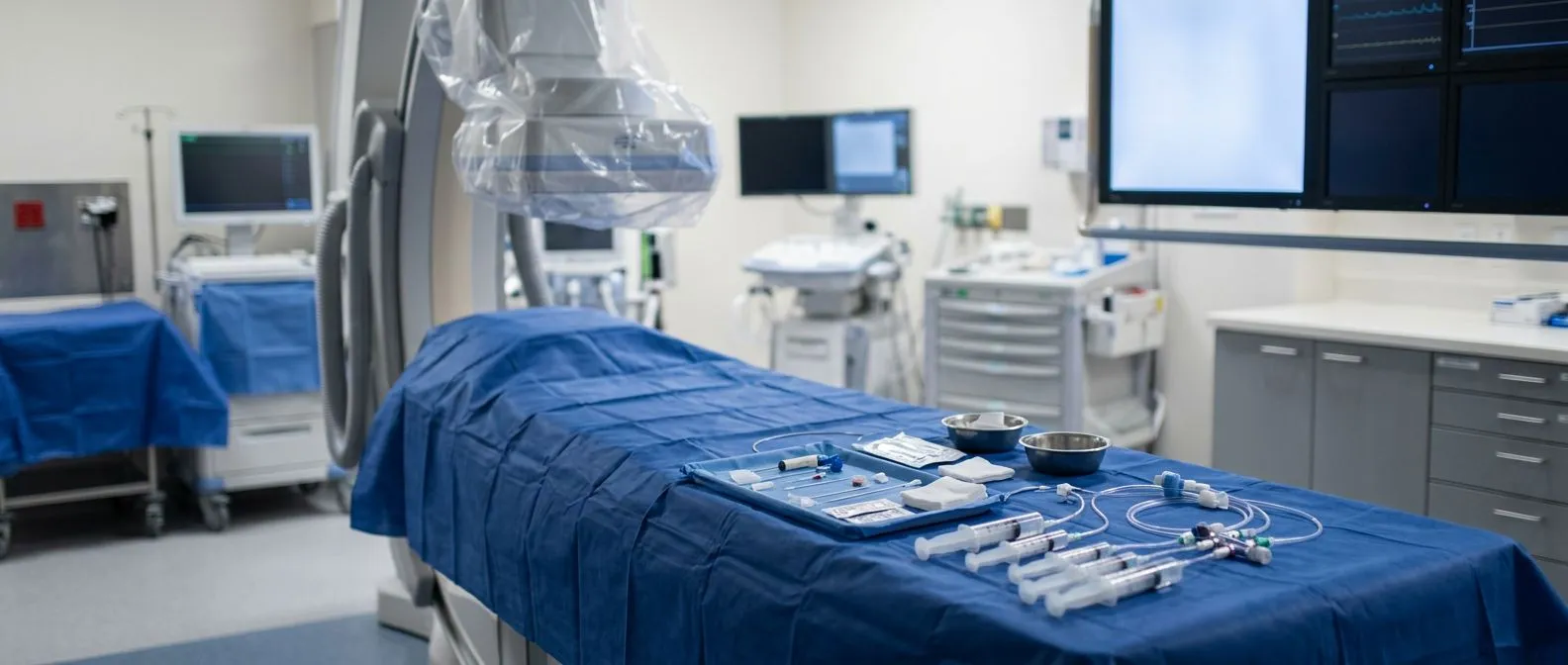
Arterial blood gas analysis: If spirometry or your medical history raises concerns, your team may draw a small sample of blood — sometimes through an arterial line, a thin tube placed in a wrist artery — to measure oxygen and carbon dioxide levels directly. Genetic factors can also influence lung function and how your body handles oxygen transport; large-scale studies of protein-coding genetic variation have shown that inherited differences shape respiratory physiology in ways that clinical testing is only beginning to account for (Analysis of protein-coding genetic variation in 60,706 humans). Your surgeon uses these combined results to build a risk profile tailored to your body, not a generic average.
Understanding Your Spirometry Results Before Surgery
When you receive your spirometry report, you will see numbers expressed as percentages of predicted values. A result of 85 percent means your lung function is 85 percent of what is expected for a healthy person of your age, height, and sex. Values above 80 percent are generally considered normal, though your cardiac team interprets these numbers in the context of your overall surgical risk, not in isolation.
The most important ratio your surgeon looks at is FEV1 divided by FVC, often written as the Tiffeneau index. A ratio above 70 percent typically means airway obstruction is not significant. A ratio below 70 percent suggests obstruction, which may require bronchodilator medication before surgery to open the airways. Your team may repeat the test after giving you an inhaler to see whether your airways respond — if they do, the obstruction is reversible and easier to manage during your hospital stay.
What if my results are borderline? Borderline results do not automatically disqualify you from surgery. Your cardiac surgeon weighs spirometry alongside other factors such as your heart's pumping strength, kidney function, and overall fitness. If your lung function is mildly reduced, the team may proceed with surgery but plan for a longer, more gradual recovery. If the reduction is severe, they may recommend treating the lung condition first or exploring a less invasive surgical approach that places less demand on your respiratory system.
Heart Surgery Risks and Lung Health: What the Test Reveals
Your spirometry results do more than describe your current lung function — they help your surgical team anticipate specific complications and take steps to prevent them. Patients with reduced breathing capacity face a higher risk of several postoperative problems, and knowing about these risks in advance changes how the team prepares.
- Atelectasis: Collapsed portions of lung tissue are the most common complication after cardiac surgery. Spirometry identifies patients who need aggressive breathing exercises or incentive spirometry devices immediately after surgery to reinflate the lungs.
- Pneumonia: Reduced lung function means weaker cough, which means secretions pool in the airways. Your team may start chest physiotherapy before surgery and continue it intensively afterward.
- Extended mechanical ventilation: Patients with poor preoperative lung function often need more time on the ventilator after surgery. This affects ICU stay length and overall recovery trajectory.
Beyond these respiratory complications, your lung status influences cardiovascular risk during recovery. The heart and lungs work as a unit: when breathing is laboured, the heart must pump harder to deliver oxygen to tissues. If you are taking medications such as aspirin to prevent clotting, or if you have a history of atrial flutter — a rapid, irregular rhythm in the upper chambers of the heart — your lung function becomes even more critical to monitor, as poor oxygenation can worsen arrhythmias and complicate healing.
Preparing for Your Spirometry Test in Guadalajara
Preparing for your spirometry test is simple, but a few practical steps make the results more accurate and the experience smoother. If you are travelling to Guadalajara, Querétaro, or Hermosillo for your cardiac evaluation with Dr Alejandro Molina's team, knowing what to do before the appointment reduces unnecessary stress.
Medication guidance: Some inhaled medications can alter your results. Your team will tell you whether to continue or temporarily hold bronchodilators before the test. Do not stop any cardiac medications — including blood thinners or beta-blockers — unless specifically instructed. If you smoke, avoid smoking for at least four to six hours before the test, though your team would always encourage you to quit entirely before surgery.
What to wear and bring: Wear loose, comfortable clothing that does not restrict your chest or abdomen. Tight belts or restrictive garments can limit your breathing effort. Bring a list of all current medications, your surgical referral letter, and any previous lung test results. Eat a light meal if you wish, but avoid a heavy meal right before the test, as a full stomach can make deep breathing uncomfortable. Arrive fifteen minutes early so you can settle in and rest before the breathing manoeuvres begin.
Can You Improve Lung Function Before Cardiac Surgery
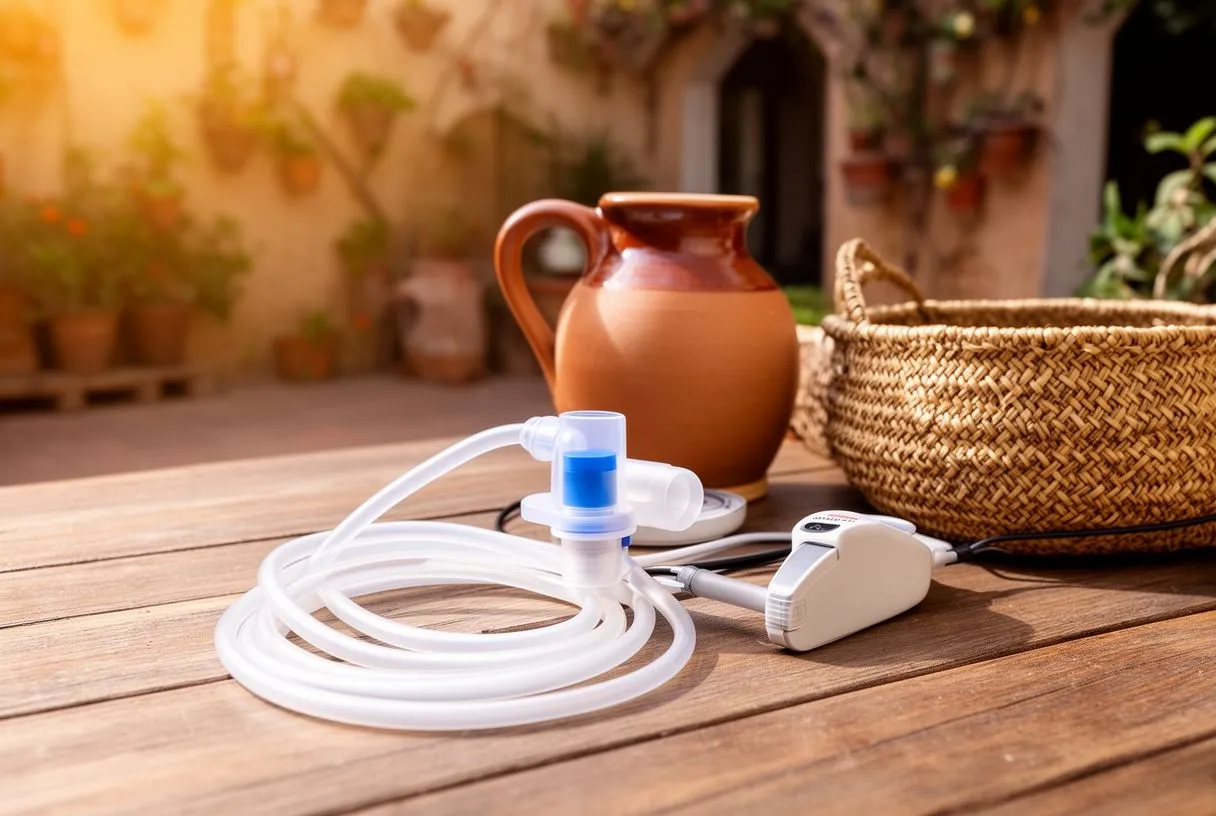
If your spirometry results show reduced lung function, you may wonder whether anything can be done before surgery. The answer depends on the underlying cause, but in many cases yes — targeted preparation can meaningfully improve your breathing capacity and lower your surgical risk.
Smoking cessation: This is the single most powerful intervention. Stopping smoking even four to six weeks before surgery reduces postoperative pulmonary complications significantly. The lungs begin to clear mucus within days, and the cilia — tiny hair-like structures that sweep debris out of airways — start recovering within weeks. Your team can connect you with cessation support, including nicotine replacement therapy if appropriate.
Breathing exercises and devices: Incentive spirometry, deep breathing exercises, and inspiratory muscle training can strengthen the muscles that expand your chest. These exercises are particularly valuable if your spirometry shows a restrictive pattern or if you have been less active due to your heart condition. Research on cellular metabolism and tissue recovery highlights that the body's ability to repair and regenerate depends on adequate oxygen delivery and metabolic pathways that function optimally when the lungs are working well (The return of metabolism: biochemistry and physiology of the pentose phosphate pathway). Your respiratory therapist will teach you specific techniques and may lend you a practice device to use at home in the weeks leading up to surgery.
Optimising existing lung conditions: If you have asthma, COPD, or chronic bronchitis, your team will focus on maximising your treatment before the surgical date. This may mean adjusting inhaler regimens, adding antibiotics for active infections, or prescribing a short course of oral steroids to reduce airway inflammation. The goal is to bring you to the operating room in the best possible respiratory condition, which is why some surgeries are scheduled a few weeks after your initial evaluation rather than immediately.

When to Schedule Your Pre Op Lung Assessment
Timing matters. Spirometry is typically performed during your comprehensive preoperative assessment, which usually takes place two to four weeks before your scheduled surgery. This window gives your team enough time to act on the results — whether that means starting breathing exercises, adjusting medications, or in rare cases reconsidering the surgical approach.
- Two to four weeks before surgery: Ideal timing for most patients. Results are recent enough to be clinically useful, and there is time to implement any recommendations.
- Same day as other preoperative tests: Many patients complete spirometry, blood work, and cardiac imaging on the same visit. This is efficient, especially if you are travelling from another city or country.
- Repeat testing: If your first results are borderline or if you start a new treatment (such as an inhaler or a smoking cessation programme), your team may repeat spirometry closer to the surgical date to check for improvement.
If your surgery is urgent — for example, a rapidly enlarging aortic aneurysm or severe valve disease — your team may perform a rapid lung assessment on the same day as your surgical planning. In emergencies, spirometry may be deferred entirely, and the anaesthesiologist manages lung function in real time during the operation. For elective procedures, however, the pre op lung assessment is a non-negotiable part of preparing you for the safest possible outcome.
Spirometry before heart surgery is not a hurdle to clear — it is a tool that protects you. The numbers it captures guide every decision your surgeon and anaesthesiologist make, from the choice of incision to the plan for your first breaths after the operation. If you have been scheduled for a cardiac evaluation or are considering surgery, discuss your lung function with your cardiac team. They will explain what the test means for your specific situation and help you prepare in a way that gives you the lowest risk for your circumstances. To talk through your surgical pathway and arrange your preoperative assessment, book a consultation with Dr Alejandro Molina's team rather than relying on self-assessment or general guidelines.