Step-Down Unit After Heart Surgery: Leaving the ICU
Step-down unit after heart surgery: what to expect during this recovery phase, monitoring levels, and how it differs from ICU care.
What Is the Step-Down Unit After Heart Surgery?
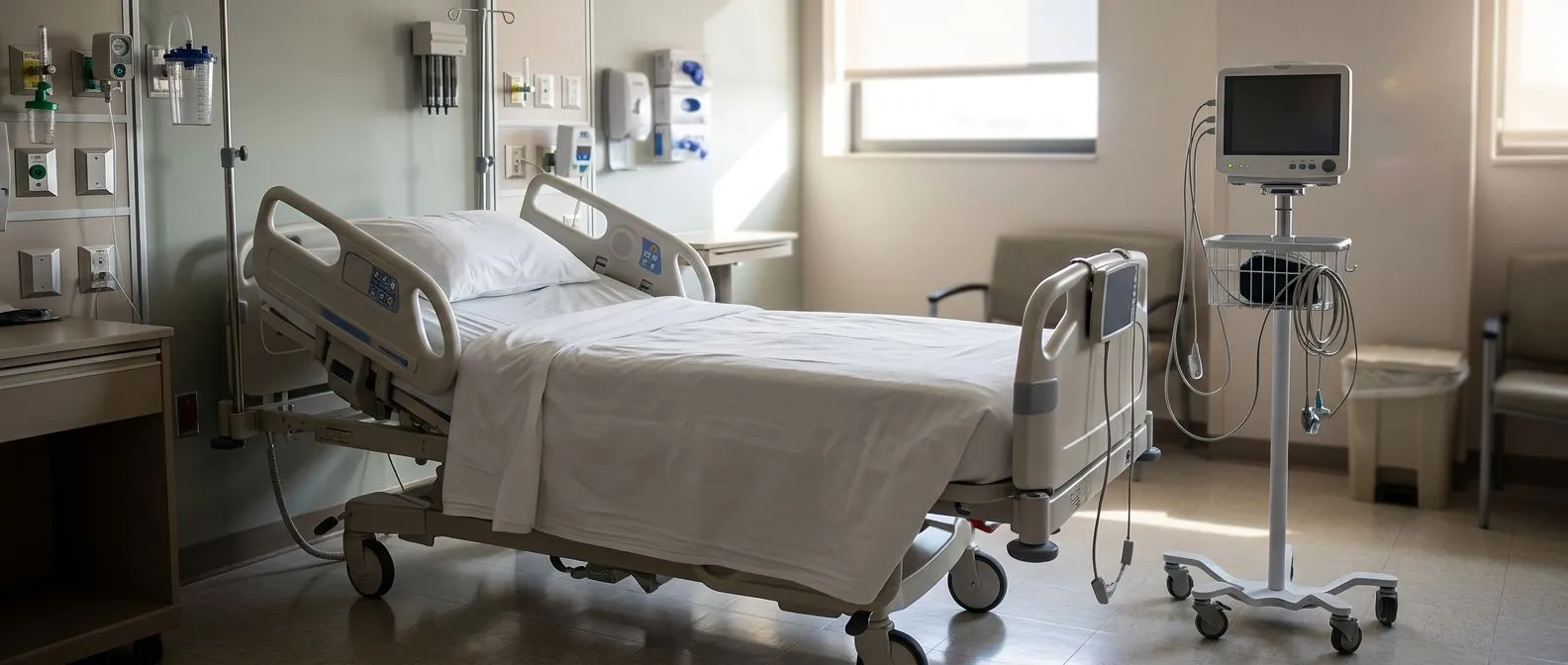
The step-down unit after heart surgery is the intermediate care ward you move to once your condition stabilises in the intensive care unit but before you are ready for a standard hospital room. It bridges the gap between the constant one-to-one monitoring of the ICU and the more independent recovery of a general ward. For patients who have undergone procedures on the ascending aorta, had valve replacements, or received coronary artery bypass grafts, this transition is a deliberate, staged step — not a downgrade in care quality. You are here because your cardiac team has determined that continuous ICU-level surveillance is no longer required, yet your recovery still demands closer observation than a regular floor can provide.
Why not go straight to a normal room? Your heart and body are still in the early healing window. Surgical incisions on the chest, new sutures on vessels, and the aftermath of cardiopulmonary bypass all carry risks that can surface in the first several days — irregular rhythms, fluid shifts, bleeding, or sudden changes in blood pressure. The step-down unit is staffed and equipped to catch these issues early. Nurses here typically manage fewer patients each (often a three-to-one or four-to-one ratio), and bedside monitoring is continuous, though less invasive than what you experienced in the ICU.
Think of this phase as a supervised rehearsal for independence. You will be encouraged to sit up, walk short distances, eat, breathe deeply, and begin managing your own pain — all while trained staff watch your heart rhythm and vital signs. The goal is to confirm that your body tolerates increasing activity without distress, building confidence that you can safely continue recovery at home. Research published through link.springer.com supports structured intermediate care pathways for postoperative cardiac patients, showing that graduated monitoring reduces complications without unnecessary ICU bed-days.
How Does Step-Down Unit Cardiac Recovery Work?
Step-down unit cardiac recovery operates on a simple principle: reduce monitoring intensity in proportion to your improving stability while increasing your physical activity. When you arrive from the ICU, you may still have several lines and drains — perhaps a peripheral IV, a urinary catheter, chest tubes (pleural drains), and possibly a small pacing wire attached to the surface of your heart. Over the following hours and days, the team removes these one by one as your body proves it can function without them. Each removal is a small milestone, signalling trust in your own physiology.
What does the nursing team actually watch? Continuous telemetry tracks your heart rhythm through sticky electrode patches on your chest, flagging any arrhythmias such as atrial flutter — a rapid, disorganised beat originating in the atrium (the upper collecting chamber of the heart). Blood pressure, oxygen saturation, temperature, and respiratory rate are checked at intervals. Nurses also assess your incision sites, drain output, urine production, and level of pain. If anything trends in the wrong direction, the team can escalate quickly — often returning you to the ICU or calling the surgeon before a problem becomes a crisis.
The step-down unit also marks the beginning of active rehabilitation. A physiotherapist will visit, guiding you through structured breathing exercises to re-expand lung tissue that may have been compressed during surgery, and helping you walk. Walking is not optional decoration — it is therapy. Movement prevents blood clots, reduces fluid accumulation, stimulates bowel function, and rebuilds the stamina you lost lying in the ICU. Every corridor walk is a clinical observation, and every increase in distance is recorded as progress toward discharge.
Leaving ICU After Heart Surgery: What Changes?
Leaving ICU after heart surgery can feel both relieving and unsettling. In the ICU, you had constant attention, a nurse dedicated almost entirely to you, and a room full of monitors that tracked every heartbeat. Now, you move to a quieter environment where the nurse cares for three or four patients, the alarms are fewer, and the room feels more like a hospital room than a cockpit. Some patients interpret this as a sign that their care team is paying less attention. The opposite is true — your team is paying attention to different things: your ability to function, not just your ability to survive.
What tubes and lines come out first? Usually the most invasive lines are removed earliest. If you still had an arterial line — a thin cannula placed in a wrist artery to measure blood pressure beat-by-beat — it is typically pulled before or shortly after transfer. The same goes for central venous catheters in your neck or groin. Chest tubes draining fluid from around your heart and lungs are removed once output drops below a threshold the surgeon sets, often within the first or second day on the step-down unit. The urinary catheter comes out once you can safely use a bedside commode or walk to the bathroom. Each removal reduces infection risk and increases your comfort and mobility.
Your diet transitions too. In the ICU, you may have received nutrition through a vein or eaten only clear liquids. Now you move to soft foods and then a heart-healthy diet. You may be started on medications such as aspirin to prevent clot formation on new grafts or valves, beta-blockers to control heart rate, and diuretics to shed excess fluid retained during surgery. This is also when patient education begins in earnest — nurses and pharmacists teach you what each pill does, why it matters, and what side effects to watch for. The aim is to send you home understanding your own regimen, not dependent on someone else to remember it.
Heart Surgery Recovery Timeline in the Step-Down Unit
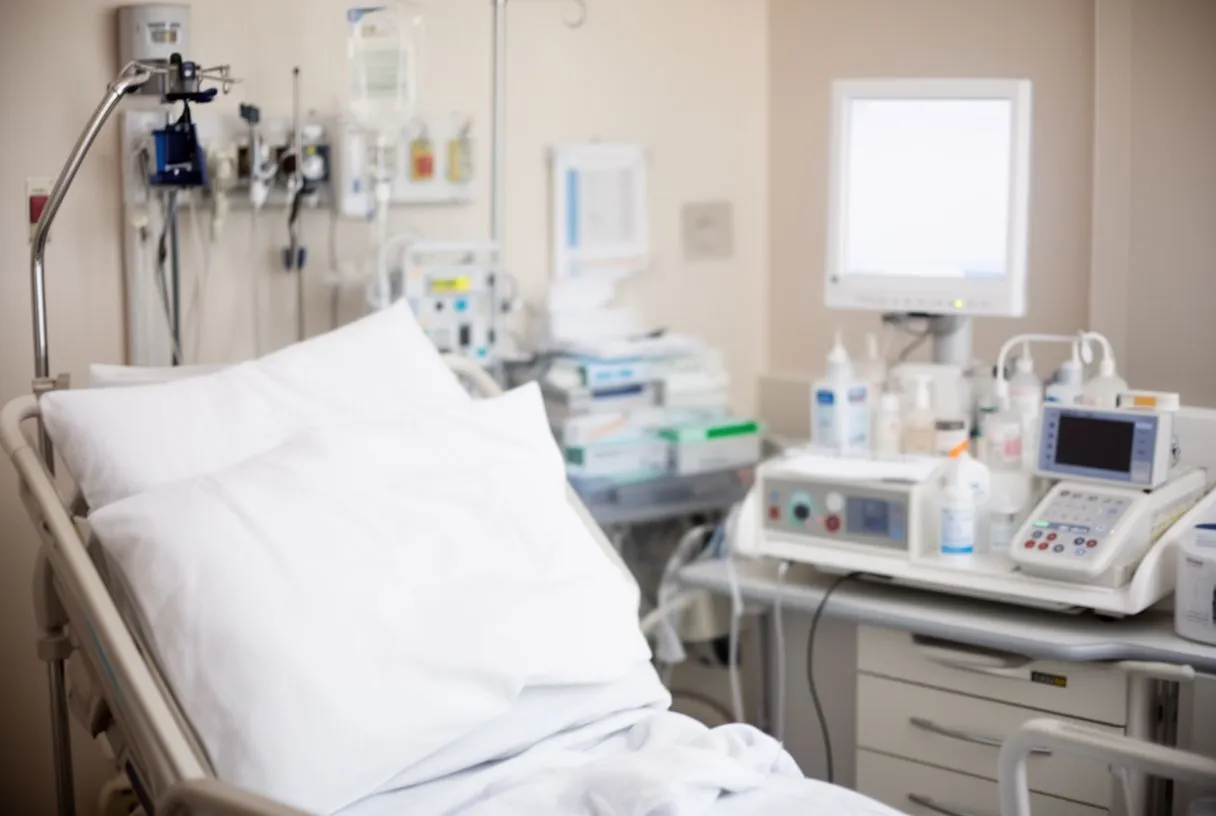
While every patient's recovery follows its own pace, a general heart surgery recovery timeline in the step-down unit helps you and your family anticipate what each day may bring. The first day is often about settling in: confirming your vital signs are stable on less intensive monitoring, managing pain, and getting you sitting upright in a chair. You may walk only a few steps, perhaps just to the bathroom and back. Breathing exercises with an incentive spirometer — a handheld device that measures how deeply you inhale — begin immediately to prevent lung collapse and pneumonia.
Days two and three: building momentum. By the second day, most chest tubes and the urinary catheter have been removed. You will walk the hallway with assistance, gradually increasing distance. Meals are full heart-healthy portions. Nurses begin teaching incision care, warning signs to report, and the basics of home recovery. If your surgery involved a balloon-expandable valve placed via transcatheter aortic valve replacement (TAVR), your team will discuss specific precautions about pacemakers and anticoagulation. You may shower if incisions have healed enough, though chest tube sites need to stay dry a bit longer.
By the third or fourth day, many patients are walking independently on the floor, climbing a few stairs with supervision, and participating actively in education sessions. Discharge planning intensifies: a case manager may discuss home health services, cardiac rehabilitation referrals, and follow-up appointments. The step-down stay typically lasts two to four days, though complex cases — for example, patients recovering from repair of an aortic dissection, as described in a case report on management of a type Ia endoleak after failed endovascular repair — may extend longer.
Cardiac Step-Down Unit Care: Monitoring and Safety
Cardiac step-down unit care blends surveillance with rehabilitation. The safety net here is designed to catch complications that, while not common, are well documented after heart surgery. These include postoperative bleeding, pericardial effusion (fluid collecting around the heart), pleural effusion (fluid around the lungs), wound infections, and arrhythmias. Each has warning signs the nursing team is trained to recognise early: a sudden drop in blood pressure, rising heart rate, increased drain output, fever, or a new irregular rhythm on the monitor.
How is rhythm monitored without an ICU nurse at the bedside? Telemetry is the answer. You wear electrode patches connected to a small portable transmitter, which sends your heart's electrical signal to a central monitor at the nursing station. A trained technician or nurse watches these screens continuously. If you develop atrial flutter or another rhythm disturbance, the system alerts staff before you even feel symptoms. Auscultation — the practice of listening to your heart and lungs with a stethoscope — also remains a daily routine, complementing the electronic data with hands-on clinical assessment.
Safety also extends to fall prevention and mobility support. After heart surgery, you may feel dizzy when first standing, partly because medications, fluid shifts, and bed rest affect blood pressure regulation. Nurses use a "call, don't fall" approach: you are asked to ring for assistance before getting out of bed. Anti-slip socks, bed alarms, and supervised walks reduce fall risk. This protective structure is not infantilising — it reflects the reality that cardiac surgery patients in the first week are physically vulnerable even when they feel mentally ready to do more.

Types of Monitoring in Post-Heart Surgery Step-Down
The types of monitoring in post-heart surgery step-down are tailored to your specific procedure and recovery stage. While ICU monitoring is maximally invasive — arterial lines, central lines, possibly pulmonary artery catheters — step-down monitoring is calibrated to your risk profile. A patient recovering from a straightforward coronary bypass may need only telemetry and routine vital signs, while someone who had a complex aortic procedure may require closer surveillance for longer.
Cardiac rhythm and rate: Continuous telemetry is standard for every patient. This catches arrhythmias early — atrial fibrillation, atrial flutter, bradycardia, or ventricular ectopy. Haemodynamic monitoring: Blood pressure is checked frequently by cuff; if you had a balloon angioplasty or stent placement alongside surgery, blood pressure targets are stricter. Respiratory monitoring: Oxygen saturation via finger probe, respiratory rate, and observation for signs of fluid in the lungs. Metabolic monitoring: Blood tests for kidney function, electrolytes, and haemoglobin are drawn periodically, especially if you are on diuretics or have kidney concerns.
- Telemetry: continuous ECG monitoring via chest electrodes and a portable transmitter
- Vital signs: blood pressure, heart rate, oxygen saturation, temperature, respiratory rate at scheduled intervals
- Lab work: blood draws for kidney function, electrolytes, complete blood count, and clotting studies
- Incision and drain checks: daily inspection of chest, leg, and arm incisions plus drain output measurement
- Activity tolerance: structured walking assessments to evaluate how your heart responds to exertion
Your surgical history also guides monitoring. If your procedure involved an autograft — tissue moved from one part of your body to another, such as an internal mammary artery used as a bypass graft — the team watches both the harvest site and the graft area. If you received autologous blood (your own blood collected and reinfused during or after surgery), haemoglobin levels are tracked to confirm stability without the risks associated with donor transfusion. Each of these details is specific to your operation and is reviewed daily by the surgical team during rounds.
Intermediate Care After Cardiac Surgery: Who Qualifies?
Not every patient is transferred to the step-down unit on the same schedule. Intermediate care after cardiac surgery is appropriate when your surgeon and intensivist agree that ICU-level interventions — continuous infusions of powerful medications, mechanical ventilation, or invasive haemodynamic monitoring — are no longer needed. Qualifying criteria include stable vital signs without pressor support, adequate oxygenation on room air or minimal supplemental oxygen, controlled pain with oral medications, and no active bleeding. If your heart rhythm has been stable and your drains are producing minimal output, you are a candidate.
What might delay your transfer? Several factors can keep you in the ICU longer. Persistent atrial fibrillation requiring intravenous medication, low blood pressure needing drip support, difficulty weaning from the ventilator, significant bleeding from drain sites, or signs of organ dysfunction — particularly kidney injury — all warrant continued ICU stay. These are not failures; they are protective decisions. Your team would rather keep you in a higher-acuity setting than transfer you prematurely and have to readmit you to the ICU, which is associated with worse outcomes.
Certain patient profiles may also influence the step-down timeline. Older patients, those with significant comorbidities such as diabetes or chronic kidney disease, and those who underwent emergency or complex surgery may spend additional days in intermediate care. High-risk aortic conditions, including dissection, carry particular concern — as illustrated by the documented challenges of aortic dissection in pregnancy, where both maternal and fetal considerations complicate every clinical decision. Your individual EuroSCORE II — a validated tool that estimates operative mortality based on patient and surgical factors — also helps your team calibrate the pace of your recovery pathway.
Step-Down Unit vs ICU: Key Differences
Understanding the step-down unit vs ICU distinction helps reduce anxiety about your transfer. The ICU is designed for life-support and immediate postoperative stabilisation. Nurses manage one or two patients each, monitors display continuous waveforms, ventilators and dialysis machines stand ready, and every medication is delivered intravenously with precision. It is an environment built for crisis intervention. The step-down unit is built for recovery and observation. The ratio of patients to nurses is higher, but the atmosphere is calmer, quieter, and more focused on helping you regain function.
Equipment differences: In the ICU, you might have had an arterial cannula for beat-to-beat blood pressure, a central venous line for medication delivery, and possibly a pulmonary artery catheter for detailed cardiac output measurement. In the step-down unit, most of these are gone. Telemetry replaces invasive haemodynamic monitoring. Oral medications replace many intravenous ones. You breathe room air rather than receiving supplemental oxygen through a ventilator or high-flow device. An automated external defibrillator is available nearby for emergencies, just as it is on any hospital floor, but you are far less likely to need it at this stage.
The cultural shift is just as important as the clinical one. In the ICU, your day is structured around interventions — medications, tests, procedures. In the step-down unit, your day is structured around milestones — sitting, eating, walking, learning. Family visits are often more flexible, and you may wear your own clothes. This is not a downgrade; it is a deliberate progression. Your care team has assessed that you no longer need the ICU's arsenal and that continuing to stay there would actually slow your recovery by keeping you in a bed-focused, passive environment.
Heart Surgery Recovery Expectations: Milestones and Setbacks
Setting realistic heart surgery recovery expectations is essential for both patients and families. The step-down unit is where progress becomes visible — you walk farther, eat more, need fewer medications, and begin to feel like yourself. But recovery is not a straight line, and setbacks are common enough that your care team plans for them. Knowing what is normal and what warrants concern helps you participate actively in your own recovery rather than passively worrying.
Normal recovery experiences: Fatigue is expected and significant — your body is healing a major surgical wound. You may have a low-grade fever in the first day or two, mild swelling in your legs, a dry cough from intubation, and difficulty sleeping. Some arm pain or shoulder discomfort is common if your surgery required harvesting the internal mammary artery or a radial artery graft. Appetite may be reduced. These are expected and manageable. Warning signs to report immediately: sudden shortness of breath, chest pain that does not respond to prescribed medication, a heart rate that is very fast or very slow, fever above 38.5°C, new bleeding from incisions, redness or drainage from wounds, and fainting or near-fainting episodes.
- Expected: fatigue, mild fever first 48 hours, leg swelling, dry cough, reduced appetite
- Watch closely: irregular heartbeat sensation, new chest discomfort, wound redness without drainage
- Report immediately: severe shortness of breath, high fever, incision drainage, fainting, sudden chest pain
One specific concern after certain cardiac procedures is the development of an atypical infarction — heart muscle injury that does not present with the classic crushing chest pain but may show as nausea, fatigue, or vague discomfort. Your team monitors cardiac enzymes and ECG changes to detect this. Similarly, if your surgical plan involved reducing risk factors, you may receive counselling about apolipoprotein B — a protein carried on cholesterol particles that contributes to atheromatous plaque buildup in arteries — and how managing it long-term protects your grafts and native vessels. Studies such as the ARISTOTLE trial have shaped how anticoagulation is managed after specific cardiac interventions, and your medications reflect this evidence.
Transitioning From ICU After Surgery: Going Home
The final stage of your step-down unit stay is preparing for discharge. Transitioning from ICU after surgery to going home is a process, not a single event. It begins on the day you arrive in the step-down unit and intensifies as you meet milestones. By the time discharge is discussed seriously, you should be walking independently, managing your medications with understanding, eating a heart-healthy diet, and demonstrating that your incisions are healing. Your team wants evidence that you can function safely at home, not just that your vital numbers look acceptable on a monitor.
What does discharge education cover? You will receive written and verbal instructions on wound care, activity restrictions (such as not lifting anything heavier than a few kilograms for several weeks, and not driving until cleared), medication schedules, and warning signs that require a phone call versus an emergency room visit. If a balloon aortic valvuloplasty or TAVR was part of your procedure, you will receive specific guidance about pacemaker checks, anticoagulation if prescribed, and the timing of follow-up echocardiograms. If your surgery involved complex aortic work, follow-up imaging schedules are more intensive, as ongoing surveillance of the repaired aorta is critical to detecting future problems before they become emergencies.
For international patients travelling to Mexico for cardiac surgery with Dr Molina's practice, discharge planning also addresses the practical realities of returning home. This includes ensuring you have an adequate supply of medications, a summary of your surgical record for your local cardiologist, and a plan for remote follow-up. Cardiac rehabilitation — a structured programme of supervised exercise, education, and counselling — is strongly recommended and typically begins four to six weeks after discharge. If you are travelling a long distance, your team may advise a recovery period locally before flying. Every decision is made with your specific surgical history, risk profile, and home circumstances in mind. The most important step you can take is to discuss your individual situation with your cardiac team, ask questions until you understand the plan fully, and book a consultation rather than relying on general information alone. Your recovery is unique, and the guidance that matters most is the guidance tailored to you.