

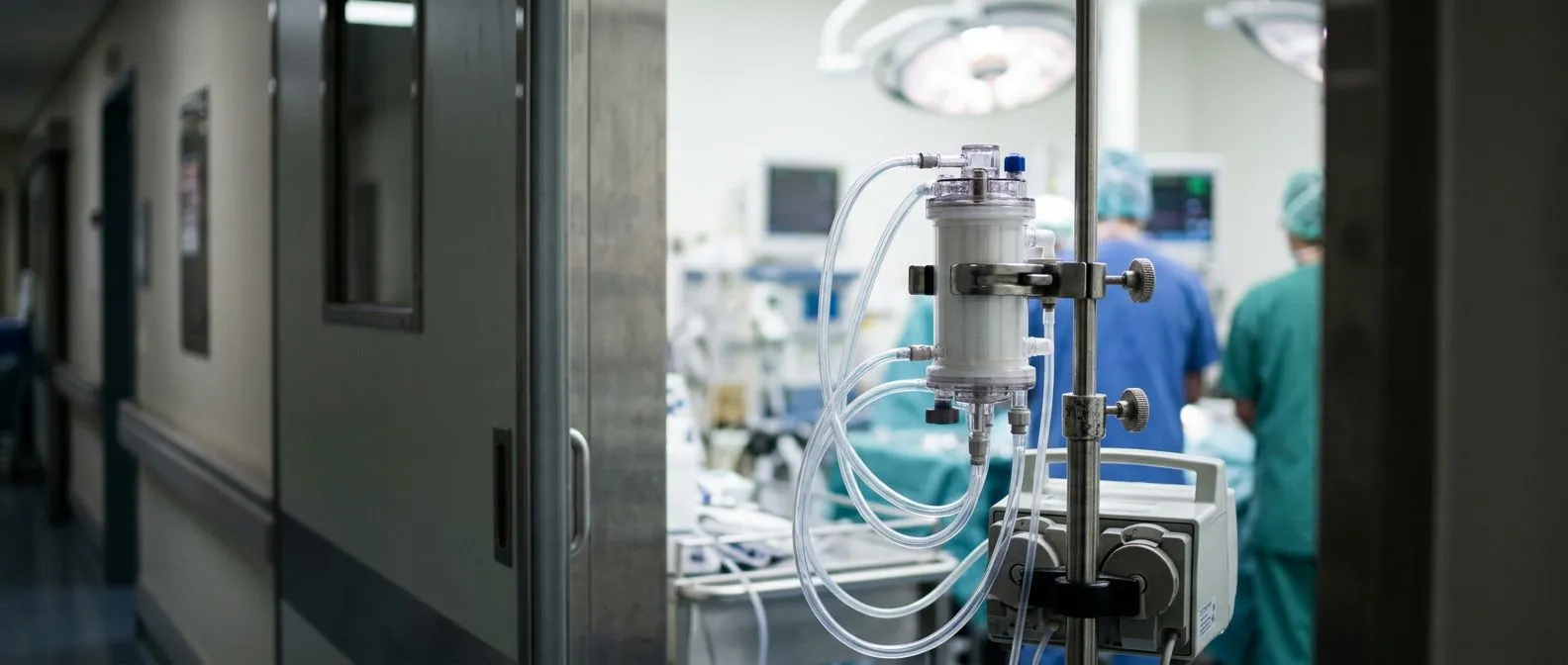
The Oxygenator in Heart Surgery and ECMO
Oxygenator heart surgery explained: how the heart-lung machine and ECMO support patients during cardiac procedures.
If you or a loved one is facing open heart surgery, you have probably heard the surgical team mention the oxygenator — the device that takes over the work of the lungs while the heart is being operated on. It sounds alarming at first: a machine breathing for you? In reality, the oxygenator is one of the most mature and reliable technologies in modern cardiac care, and understanding what it does can take much of the fear out of the operating room. This guide explains how an oxygenator works, how it fits into the heart-lung machine and ECMO support, what risks exist, and what patients and families can realistically expect.
What Is an Oxygenator?
An oxygenator is a medical device that adds oxygen to the blood and removes carbon dioxide outside the body. During surgery or intensive care, it temporarily replaces the gas-exchange function of the lungs. Blood is drawn from the patient's veins, passed through the oxygenator where it meets a thin membrane loaded with oxygen, and returned to the circulation rich in oxygen and free of most carbon dioxide.
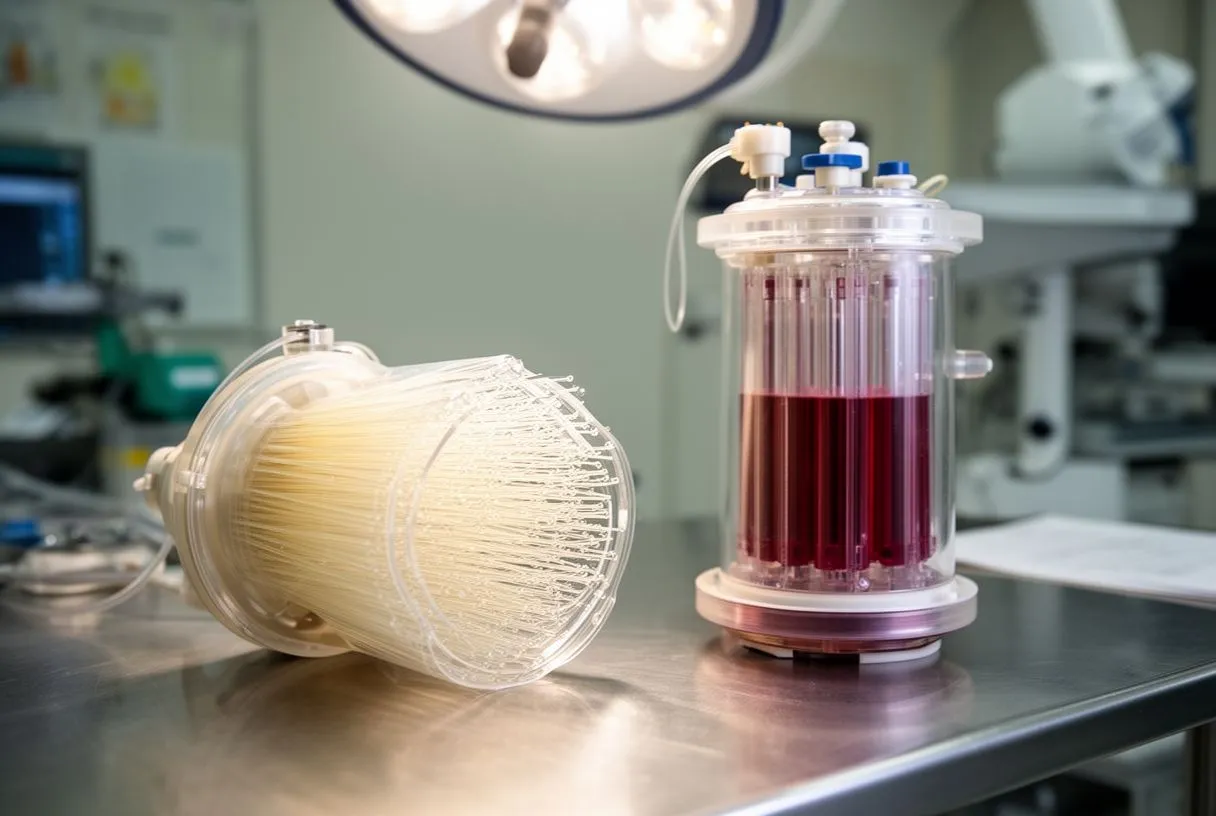
The principle is simple, even if the engineering is not. Your lungs work by letting blood flow past millions of tiny air sacs, separated from the air by a membrane thinner than a human hair. An oxygenator reproduces this arrangement artificially: thousands of hollow microfibers create an enormous surface area in a device smaller than a soda can, so blood and oxygen never mix directly — only exchange across the membrane.
Why it matters to patients: without an oxygenator, operations that require stopping or opening the heart — valve replacements, coronary bypass, repairs of the aorta — would be impossible. The device buys the surgical team a calm, still, bloodless field while the rest of your body continues to receive oxygenated blood exactly as it would if you were resting normally. In our team's consultations, we find that patients who understand this one fact arrive at the operating room far calmer.
How Does a Heart Lung Machine Oxygenator Work?
The heart-lung machine — called cardiopulmonary bypass, or CPB — is the full system that supports the circulation during surgery, and the oxygenator is its central component. Blood leaves the body through tubing placed in the right atrium or the great veins, is drawn by a pump through the oxygenator, and returns through a tube positioned in the ascending aorta, the main artery that carries blood to the entire body.
Modern heart lung machine oxygenator units are integrated devices: a plastic housing that contains the oxygenator, a heat exchanger that warms or cools the blood, a filter that catches any micro-bubbles or particles, and ports for adding medications directly into the circuit. The perfusionist — a highly trained specialist who manages the machine — continuously monitors blood gases, pressure, and temperature, and adjusts oxygen flow second by second.
What you should know as a family member: while the surgeon operates, at least one person in the room is dedicated entirely to this machine. It is not running on autopilot.
Oxygenator vs Ventilator: What's the Difference?
Patients and families often confuse the two, and the distinction is genuinely important. A ventilator pushes air into the lungs through a tube; it helps the patient's own lungs do their job, but the lungs still have to work. An oxygenator does the lungs' job for them, directly, outside the body. If the lungs are merely weak, a ventilator usually suffices. If they have essentially failed — or if the heart cannot pump well enough to reach them — the oxygenator circuit is what takes over.
Think of it this way: the ventilator supports breathing, while the oxygenator replaces gas exchange. That is why severe cases of respiratory failure, drowning, smoke inhalation, or cardiac collapse may be moved onto ECMO — extracorporeal membrane oxygenation — rather than being escalated to ever higher ventilator settings. Cleveland Clinic describes ECMO as a life-support technology that oxygenates the blood outside the body when the heart or lungs cannot do it alone.
Is an oxygenator the same as an oxygen concentrator? No — and this is a common mix-up, especially online. A portable oxygen concentrator is a home device that concentrates oxygen from room air and delivers it through a nasal cannula to help damaged lungs. An oxygenator is a sterile, single-use device inside a surgical or intensive-care circuit that exchanges gases directly into the blood. They share the word "oxygen" and almost nothing else.
What Is ECMO and When Is It Used?
ECMO stands for extracorporeal membrane oxygenation. It is essentially a portable, long-running version of the heart-lung machine: cannulas (large tubes) placed in major blood vessels carry blood out of the body, through a pump and oxygenator, and back in. It can run for days or even weeks, either in the intensive care unit or — in specialized programs — during transport between hospitals.
There are two main configurations, and the difference matters for patients and families trying to understand a loved one's situation:
- Veno-venous ECMO: blood is drawn from a vein and returned to a vein. It supports only the lungs, so it is used when the heart is working but the lungs have failed — severe pneumonia, ARDS, COVID-related lung injury.
- Veno-arterial ECMO: blood is drawn from a vein and returned to an artery. It supports both the lungs and the heart, and is used in cardiac arrest, cardiogenic shock, or when a patient cannot be weaned off the bypass machine after surgery.
When do cardiac surgeons reach for it? Most often in three settings: as a safety net after complex open heart surgery ("post-cardiotomy" support), during profound cardiac shock where medications and balloons are not enough, and as a bridge — keeping a patient alive and stable until a decision can be made about recovery, a ventricular assist device, or transplantation. In our practice, every ECMO decision is reviewed by the full multidisciplinary team against international practice guidelines before the recommendation is made, and we explain the alternatives clearly so the final decision always rests with the patient and family.
Types of Cardiac Oxygenator Devices
Not all oxygenators are the same, and the choice of device depends on the patient's size, the expected duration of support, and the clinical goal. Knowing the categories helps you follow conversations with the surgical team.
- Membrane oxygenators (hollow-fiber): the modern standard for both bypass surgery and ECMO. Blood flows along thousands of coated microfibers; oxygen flows through them. Gentle on blood cells and suitable for hours or weeks of support.
- Pediatric oxygenator circuits: scaled-down versions with far smaller volumes of priming fluid, designed because a newborn's entire blood volume is barely more than the tubing of an adult circuit. Specialized pediatric oxygenator heart circuits have made complex congenital heart surgery possible even in the first days of life.
- Duration-matched designs: circuits intended for a three-hour bypass operation differ from those rated for days of ECMO. Longer-running systems use special coatings to reduce clotting and inflammation.
Historically, older "bubble oxygenators" mixed air directly into the blood, which caused micro-bubbles and blood damage. Modern hollow-fiber membrane oxygenator surgery has largely eliminated those problems, which is one reason elective open heart surgery today has recovery profiles unimaginable a generation ago.
What Happens During Open Heart Surgery on Bypass?
For a patient, the sequence of a bypass-supported operation is usually: anesthesia, placement of monitoring lines, then the surgical team connects the heart-lung machine. Once the perfusionist confirms the circuit is working, blood flow shifts from your heart and lungs to the machine. The surgeon may then cool the body slightly, stop the heart with a protective solution, and operate on a still, nearly bloodless field.
What the patient experiences: nothing. You are fully asleep and unaware throughout. What families experience is different — a team member usually comes out during the operation to say the patient is "on bypass," which simply means the oxygenator circuit has taken over and the operation proper has begun.
Coming off bypass: when the repair is complete, the heart is filled with warm blood and usually restarts on its own or with a controlled electric impulse. The perfusionist gradually transfers the workload back to your own heart and lungs. Most patients are off the machine within minutes of the repair being finished, and the tubes are removed before the chest is closed. I have seen countless patients wake up in the intensive care unit surprised at how ordinary the whole thing felt — the machine did its work while they slept, and their own heart took over before they ever knew.
Oxygenator Complications and Thrombosis Risk
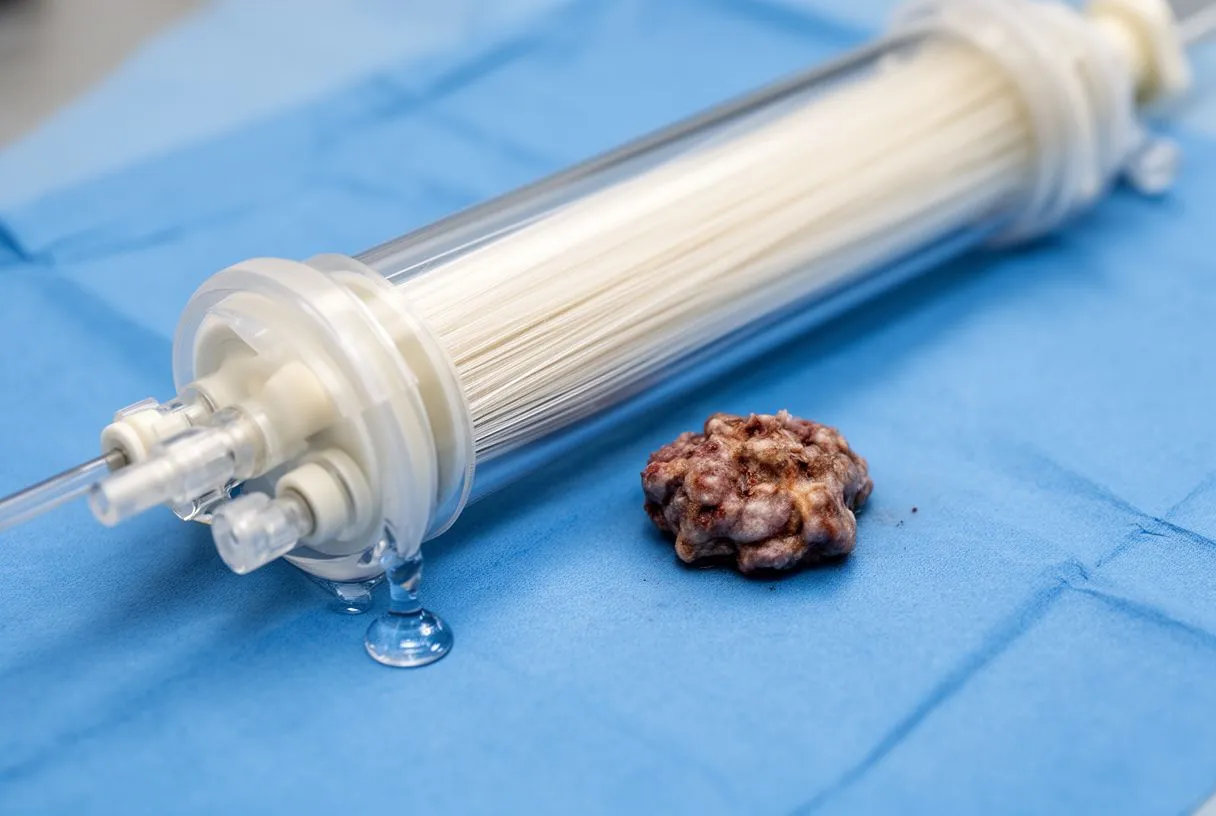
Being honest with patients matters more than being reassuring, so it is worth knowing the real risks of the oxygenator circuit — all of them manageable, none of them hidden. The central issue is that blood, by design, clots when it touches artificial surfaces. To prevent oxygenator thrombosis (clot formation inside the device), patients on bypass and ECMO receive anticoagulation, most commonly heparin, carefully dosed and monitored with frequent blood tests.
The recognized complications fall into a few familiar categories:
- Bleeding: the flip side of anticoagulation. Teams watch clotting values continuously and can reverse heparin with a specific antidote at the end of surgery.
- Clotting in the circuit: oxygenator thrombosis can reduce gas exchange or require changing the oxygenator — a routine but serious event that experienced perfusion teams prepare for.
- Inflammation and blood cell stress: contact with the circuit activates inflammatory responses; modern coatings, minimized tubing, and careful temperature management all reduce this.
How risk is actually managed: the variables that matter — duration on the circuit, the patient's own clotting profile, body size, and whether femoral or central cannulation is used — are all assessed before the operation, not discovered during it.
Can Patients Be Awake During ECMO Support?
Yes — and this surprises almost everyone. Because ECMO does the gas exchange directly, the patient's own lungs can rest, and in selected cases the breathing tube can be removed. This approach, often called Awake ECMO, keeps patients conscious, sitting up, eating, talking with their families, and even participating in physical therapy while the device supports their lungs or heart.
The benefits are real: avoiding deep sedation reduces muscle loss, delirium, and ventilator-related complications, and it shortens the road to recovery. It is not for everyone — the right candidates are typically stable patients waiting for their own organs to recover, or selected patients bridged to a procedure. Families should ask the intensive care team whether their loved one could be a candidate, because sedation practices vary between centers.
For patients with respiratory failure rather than heart failure, veno-venous ECMO is the usual configuration for this approach, since it supports the lungs while leaving the heart untouched. Veno-arterial ECMO, which supports the heart as well, usually involves deeper monitoring but can still allow waking in selected cases.
How Long Can a Patient Stay on ECMO Support?
The honest answer is: as long as the underlying problem needs, within well-recognized limits. For lung support, many patients are on ECMO for one to three weeks. For heart support after a catastrophic event, the usual window is shorter — often days to a couple of weeks — because the goal is either recovery of the heart or a bridge to a more durable device or transplant. Teams reassess daily, because staying on support has its own costs: anticoagulation, infection risk, and the strain of prolonged intensive care.
What "weaning" means: coming off ECMO is a gradual process, not an on/off switch. The team reduces the blood flow through the oxygenator while watching whether the heart and lungs can keep up. If they can, the cannulas are removed at the bedside or in the operating room and the vessels are repaired. Recovery after ECMO varies widely — some patients go home within weeks; others need extended rehabilitation, and the care team should give you a realistic picture based on the specific illness, not a general promise.
What families should ask: rather than searching for averages online, ask three questions at the bedside: What is the specific goal of this ECMO run? What signs would tell us it is working? And what happens if it is not working — what is the next step? A good team will answer all three without hesitation. In our consultations we take the time to explain exactly what the studies show, in plain words, and to answer every question before any decision is made — and we actively encourage families to seek a second opinion, because deciding about advanced support deserves that confidence.
When to Talk to a Cardiac Team About Advanced Support
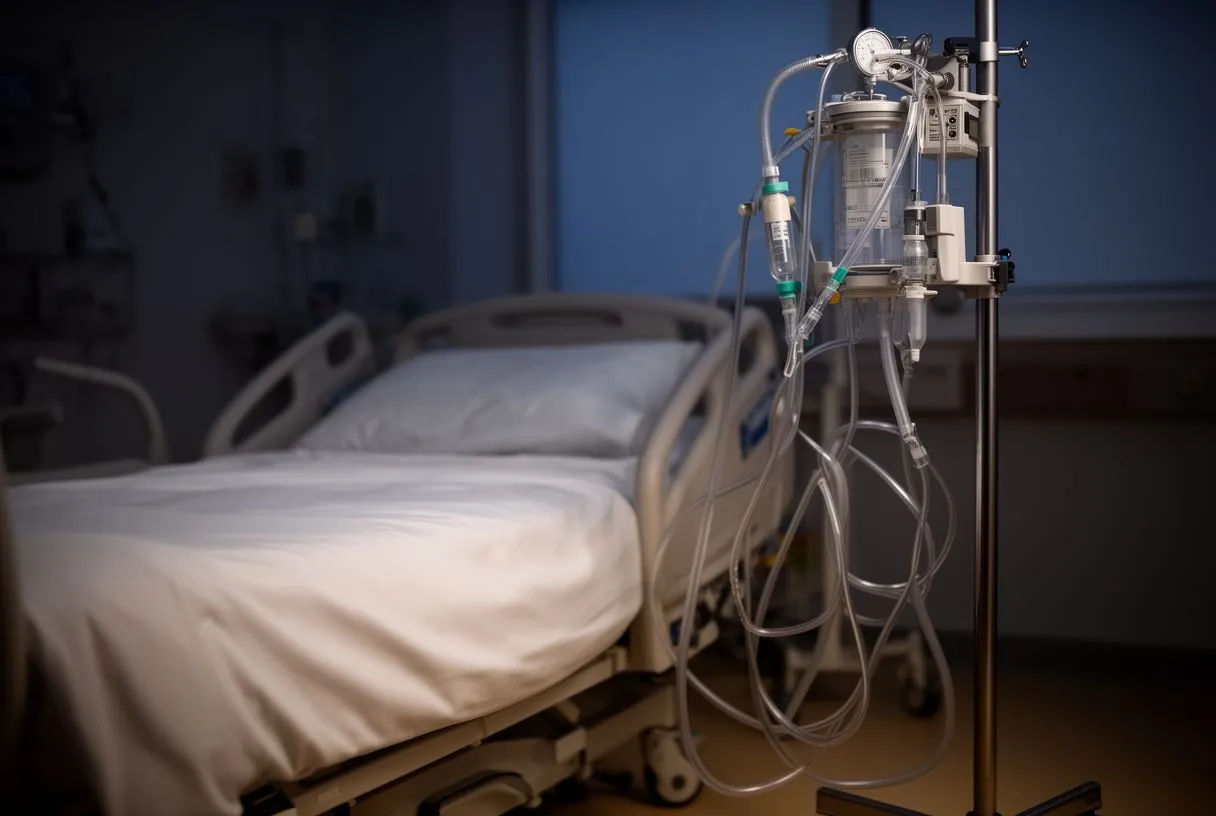
Oxygenator technology — in the operating room as the heart of the bypass circuit, and in intensive care as ECMO — exists so that the heart can be repaired and the lungs can rest. You will rarely need to become an expert in it. But if you or a family member is facing valve surgery, coronary bypass, aortic surgery, or a complex structural heart procedure, it is worth knowing that the safety net is real, mature, and managed by specialists whose entire role is to keep you stable while the surgeon works.
If you are weighing a surgical recommendation and want to understand whether your specific procedure might require bypass, what the recovery looks like, or whether a less invasive option such as TAVR (transcatheter aortic valve replacement) might suit your situation, the right next step is a conversation with a qualified cardiac team — not a search engine. Every situation is different, and the oxygenator is only ever one part of a plan built around the whole patient.
The team of cardiac surgeons led by Dr Alejandro Molina, with consulting rooms in Guadalajara, Querétaro and Hermosillo, reviews every case against international practice guidelines and presents patients with a clear proposal — including the alternatives — before any decision is made. The first contact is a free video consultation: a chance to talk through your condition, learn which studies are genuinely still needed, and decide in your own time. Bring your questions about bypass, ECMO, or any procedure you have been offered; the final decision should always be yours, made with full and honest information.






