

Endovascular Aneurysm Repair Versus Open Surgery
Learn endovascular aneurysm repair vs open surgery from Heart Surgery Specialists in Guadalajara.
What Is Endovascular Aneurysm Repair vs Open Surgery?
When a cardiologist tells you that an aneurysm has been found in your aorta, the first question most patients ask is whether they will need a major operation. The comparison of endovascular aneurysm repair vs open surgery is one of the most important conversations you will have with your cardiac team, because the two approaches differ fundamentally in how they reach the problem, how the body recovers, and what follow-up is required. Understanding both options helps you make an informed decision rather than feeling rushed into a single path.
What the aorta does and why an aneurysm forms: The aorta is the largest blood vessel in your body, carrying oxygen-rich blood from the heart to every organ. Over time, the wall of this vessel can weaken and bulge outward, forming an aneurysm. If the aneurysm grows large enough, it can rupture, which is a life-threatening emergency. Guidelines generally recommend repair when an abdominal aortic aneurysm reaches a diameter greater than 5.5 cm, though your individual risk profile may shift that threshold.
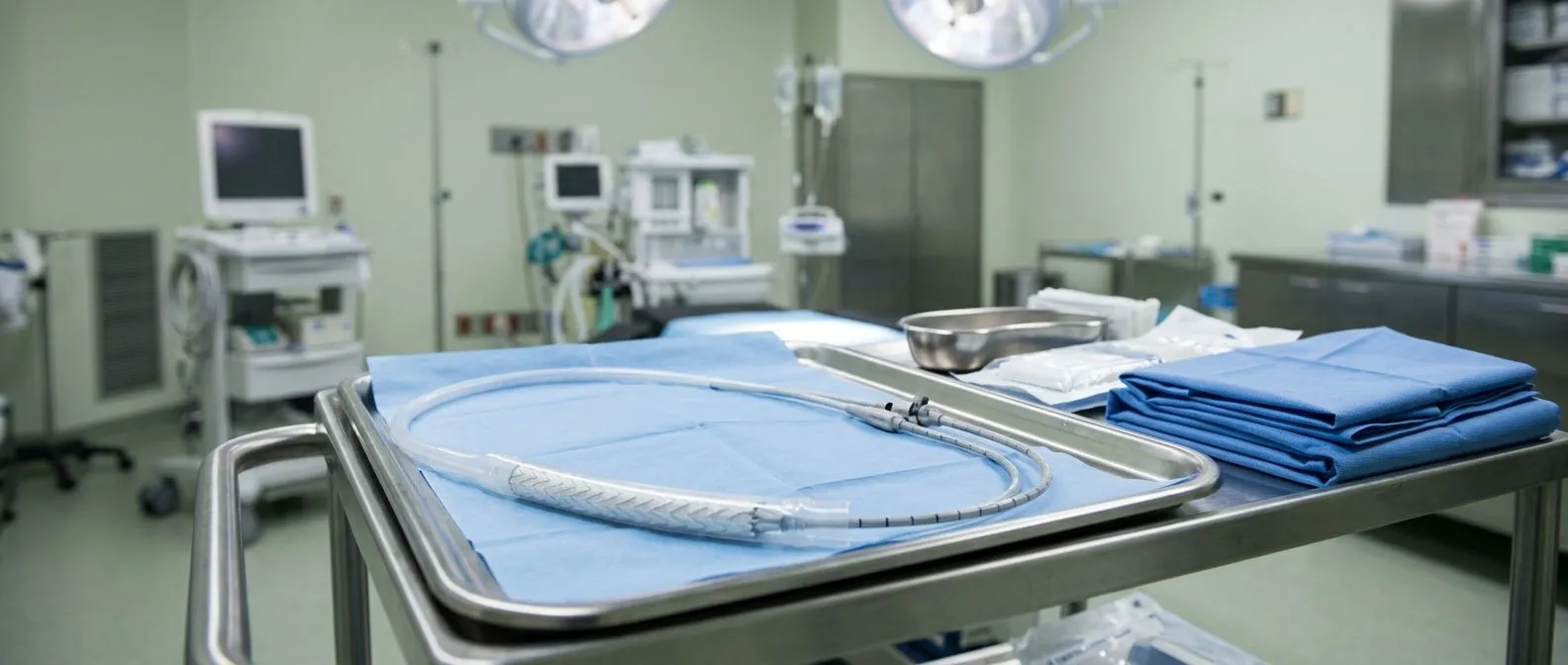
Two roads to the same goal: Both endovascular aneurysm repair and open surgery share the same objective — to reinforce the weakened segment of the aorta so that blood flows through a strong, stable channel rather than pressing against the fragile aneurysm wall. Open surgery achieves this by physically replacing the diseased portion with a synthetic tube called a graft. Endovascular aneurysm repair, often abbreviated EVAR, accomplishes the same reinforcement by guiding a fabric-and-metal stent graft through small incisions in the groin, advancing it inside the blood vessel until it lines the aneurysm from within. The difference is access: one opens the body, the other works through it.
How Does Endovascular Aneurysm Repair Work?
Endovascular aneurysm repair is a minimally invasive procedure, but that label can be misleading if you imagine it to be simple or quick. It requires advanced imaging, specialised equipment, and a multidisciplinary team that typically includes a vascular or cardiac surgeon, an interventional radiologist, and a dedicated anaesthesia team. The precision involved is substantial, and the planning phase can take longer than the procedure itself.
Step-by-step procedure: After general or regional anaesthesia is established, the surgeon makes small incisions near the groin to access the femoral arteries. Using real-time X-ray guidance called fluoroscopy, a catheter is threaded upward through the arterial system. A fabric stent graft, compressed tightly on a delivery catheter, is guided into position across the aneurysm. Once the surgeon confirms correct placement, the stent graft is expanded so that it presses against the healthy artery wall above and below the aneurysm, creating a new internal channel for blood flow. Blood no longer fills the aneurysm sac, and the weakened wall is excluded from pressure.
Why anatomy dictates feasibility: Not every aneurysm can be treated with EVAR. The shape of the aorta, the angle of the neck of the aneurysm, the quality of the landing zone where the stent graft must seal, and the size of the access arteries all determine whether the endovascular route is technically possible. Surgeons use detailed CT angiography to measure these parameters precisely. If the neck of the aneurysm is too short or too angled, the stent graft may not achieve a reliable seal, and open surgery becomes the safer choice for your specific situation.
Who Is a Candidate for EVAR vs Open Repair?
Determining candidacy for endovascular aneurysm repair vs open surgery is not a matter of patient preference alone. It is a clinical decision based on anatomy, overall health, life expectancy, and surgical risk scores such as EuroSCORE II. Your cardiac team evaluates whether the structure of your aneurysm is compatible with a stent graft and whether your general health can tolerate the stress of open surgery, which is far more physically demanding.
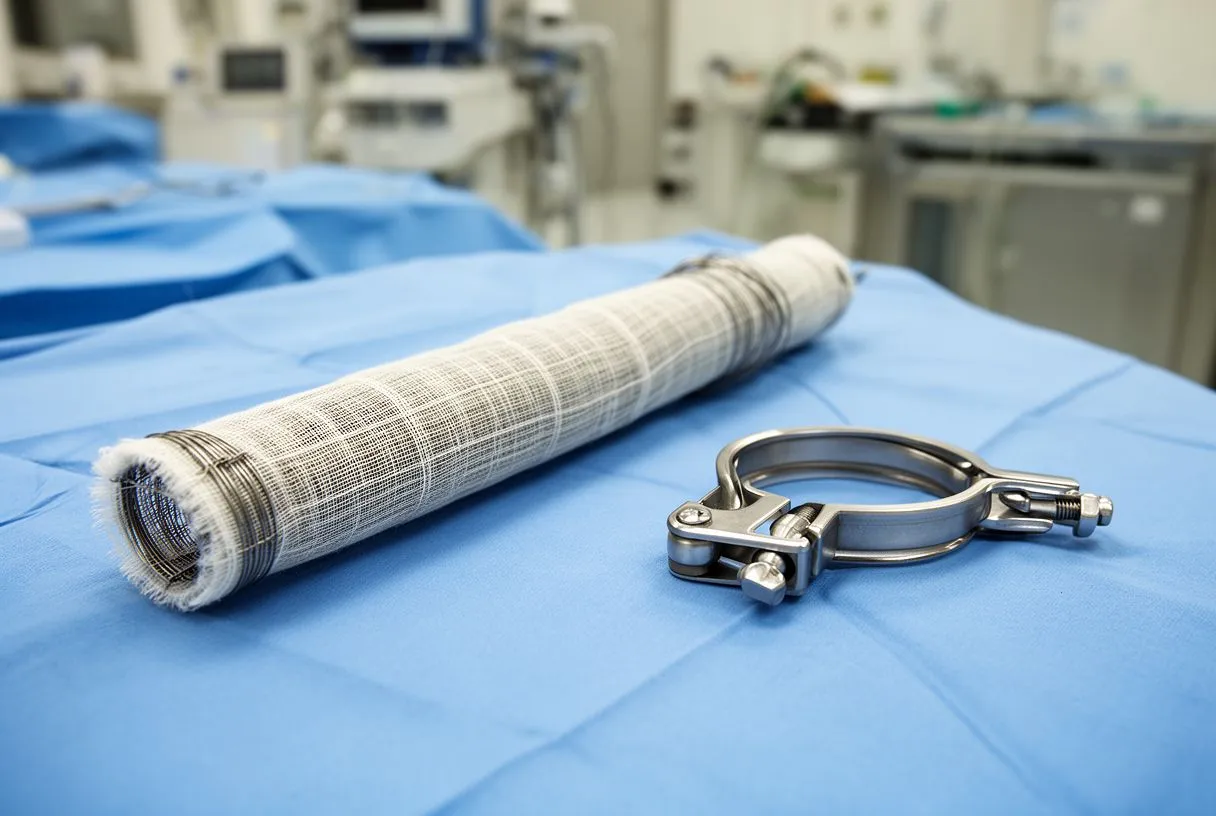
Favourable EVAR candidates: Patients with suitable aortic anatomy — a straight enough aneurysm neck, adequate landing zones, and accessible femoral arteries — are often good candidates for endovascular aneurysm repair. This approach is particularly valuable for older patients or those with significant comorbidities such as chronic lung disease, kidney impairment, or previous cardiac surgery, because it avoids the large abdominal incision and the temporary clamping of the aorta that open surgery requires. Recovery is faster, and the immediate surgical stress on the body is lower.
When open surgery is preferred: Younger patients with longer expected survival may be steered toward open repair, particularly if their aneurysm anatomy is unfavourable for a durable stent graft seal. Open surgery has decades of long-term data behind it and avoids the need for lifelong imaging surveillance that EVAR requires. If the aneurysm involves the ascending aorta, where the anatomy is complex and blood flow dynamics are critical, open repair is often the only viable option.
What Are the Risks of Endovascular Aneurysm Repair?
Although endovascular aneurysm repair carries a lower risk of immediate complications compared with open surgery, it is not free of risk. Understanding the specific complications associated with EVAR helps you weigh whether the trade-offs are acceptable for your situation. Some risks are unique to the stent graft itself, and others relate to the contrast dye used during imaging or the access sites in the groin.
Endoleaks and graft-related issues: The most common complication unique to EVAR is an endoleak, which occurs when blood continues to flow into the aneurysm sac despite the stent graft being in place. Not all endoleaks require intervention, but some types can allow the aneurysm to continue growing and must be corrected with a secondary procedure. Other graft-related risks include migration of the stent over time, kinking, or component separation, all of which are monitored through scheduled CT scans. According to Harvard Health, regular imaging follow-up is essential after EVAR because these problems can develop silently.
Kidney and access-site risks: The contrast dye used during fluoroscopy can strain the kidneys, particularly in patients who already have reduced kidney function. Your team will assess renal function before the procedure and may use alternative imaging strategies if necessary. Bleeding or infection at the groin incision sites is also possible, though usually manageable. Rare but serious risks include stroke from catheter manipulation in the aorta and contrast-induced kidney injury requiring temporary dialysis.
Open Aneurysm Surgery Complications and Considerations
Open aneurysm repair is a major operation. It involves a large abdominal incision, temporary clamping of the aorta, and replacement of the diseased segment with a synthetic graft sewn directly into healthy artery tissue. The body endures significant physiological stress, and the recovery period reflects that reality. For many patients, the trade-off is durability: once the graft is in place and healing is complete, the likelihood of needing a future intervention on that segment is very low.
Immediate surgical risks: Because the aorta must be clamped during the repair, blood flow to the lower body is temporarily interrupted, which places demands on the heart and kidneys. Patients with coronary artery disease face elevated cardiac risk during clamping, and those with impaired kidney function are vulnerable to acute kidney injury. Bleeding requiring transfusion, infection of the surgical wound, and prolonged ventilator dependence are recognised complications. The need for an arterial line and sometimes an arterial graft for reconstruction adds layers of complexity to the operation.
Longer recovery, fewer revisits: Open surgery patients typically spend several days in the intensive care unit and weeks in hospital before they are ready to return home. Full recovery can take two to three months. However, once healed, most patients do not require the lifelong CT surveillance that EVAR demands. For patients who live far from a cardiac centre or who may struggle with repeated follow-up imaging, this durability can be a meaningful advantage. Research published on the emergency treatment of ruptured abdominal aneurysm underscores that when rupture occurs, the choice of technique depends heavily on the patient's stability and anatomy at that critical moment.
Endovascular Aneurysm Repair Recovery Time
One of the most appealing aspects of endovascular aneurysm repair is the comparatively rapid recovery. Most patients spend one to three days in hospital, and many are walking within 24 hours of the procedure. The small groin incisions heal quickly, and the absence of a large abdominal wound means there is significantly less postoperative pain. For patients who are anxious about prolonged hospitalisation or being far from family, this shortened timeline is an important consideration.
What to expect in the first weeks: You will likely feel fatigued for a week or two, and your team will advise you to avoid heavy lifting and strenuous activity during the early healing period. Mild groin discomfort or bruising is common and usually resolves on its own. Many patients return to normal daily activities within two to four weeks, though your surgeon will give you a personalised timeline based on your overall health and the specifics of your procedure.
Long-term surveillance is non-negotiable: Recovery from EVAR does not end when you leave the hospital. You will need scheduled CT scans — typically at one month, six months, and annually thereafter — to confirm that the stent graft remains sealed and properly positioned. This surveillance is not optional. If an endoleak develops or the graft shifts, early detection allows correction before the aneurysm grows or ruptures. Patients who cannot commit to this follow-up schedule may be better served by open repair.
Open Aortic Surgery Recovery and Timeline
Recovery from open aneurysm surgery is a marathon, not a sprint. The first few days are spent in the intensive care unit, where your team monitors heart function, kidney output, and signs of bleeding. You will have multiple lines and tubes in place, and gradual weaning from monitoring equipment happens as your body stabilises. This phase can feel overwhelming, but it is a structured process designed to catch complications early.
Weeks in hospital, months at home: Most patients remain in hospital for five to ten days after open repair. Pain from the abdominal incision is managed with medication and gradually decreases as the wound heals. Walking with assistance usually begins within the first few days to prevent blood clots and lung complications. Once discharged, you will need help at home for the first couple of weeks. Full return to work and normal activity generally takes eight to twelve weeks, and your surgeon will clear you based on your progress rather than a fixed calendar date.
Quality of life after recovery: Once the healing process is complete, most patients report a return to their pre-surgery quality of life. The graft functions as a permanent part of your circulatory system, and routine follow-up is usually limited to clinical visits and occasional imaging. The psychological adjustment can take time, and some patients benefit from speaking with others who have gone through the same experience. Your cardiac team can connect you with support resources if needed.
EVAR vs Open Repair Long-Term Outcomes
The question of long-term outcomes is where the endovascular aneurysm repair vs open surgery debate becomes nuanced. Large clinical trials have shown that EVAR offers a survival advantage in the first 30 days after surgery, largely because the procedure is less invasive and the immediate stress on the body is lower. Over the longer term, however, that early advantage narrows, and the need for secondary interventions becomes a distinguishing factor.
Secondary intervention rates: Patients who undergo EVAR are more likely to need a subsequent procedure — to fix an endoleak, reposition a graft component, or address a new problem in a different segment of the aorta. These secondary procedures are usually minimally invasive, but they are additional events that would not have been necessary after open repair. When you discuss the options with your surgeon, ask about the local secondary intervention rate and how it compares with published data.
Survival and rupture risk over time: Both approaches provide excellent protection against rupture when performed successfully. Open repair has the longest track record, with grafts functioning reliably for decades. EVAR technology continues to improve, and newer stent graft designs have shown better durability than earlier generations. Research exploring factors such as mental stress and atherosclerotic disease reminds us that long-term vascular health depends on more than the operation itself — blood pressure control, smoking cessation, and management of contributing conditions such as elevated apolipoprotein B levels all play a role in protecting your aorta over time.
For international patients considering treatment at Cirugía de Corazón in Guadalajara, Querétaro, or Hermosillo, cost and logistics are practical concerns that deserve honest discussion. The decision should never be based on cost alone, but it is a real factor for families planning travel for medical care.
What influences the total expense: The overall cost of aneurysm repair reflects the surgical technique chosen, length of hospital stay, type of graft or stent used, imaging requirements, and anaesthesia. Open surgery typically involves a longer hospital stay and ICU time, while EVAR involves expensive stent graft hardware but a shorter hospitalisation. Post-operative surveillance imaging also factors into the long-term cost of EVAR. Your team will provide a personalised estimate after evaluating your case.
Travel and follow-up planning: If you are travelling from outside Mexico, plan for an initial consultation, a recovery period in-country, and a clear follow-up plan before you return home. For EVAR patients, arrange imaging at a facility near your home country if possible, and share those results with your surgeon in Mexico. Open surgery patients may need to stay longer before travel is safe.
Aneurysm treatment cost and travel considerations in Mexico
For international patients considering treatment at Cirugía de Corazón in Guadalajara, Querétaro or Hermosillo, cost and logistics are practical matters that deserve an honest conversation. The decision should never rest on cost alone, but it is a real factor for families planning to travel for medical care.
What influences the total cost: The overall cost of aneurysm repair depends on the surgical technique chosen, the length of the hospital stay, the type of graft or stent graft used, the imaging required and the anaesthesia. Open surgery usually requires a longer hospital stay and time in intensive care, while EVAR involves costly stent-graft devices but a shorter hospitalisation. Postoperative follow-up imaging also affects the long-term cost of EVAR. Your team will give you a personalised estimate after assessing your case.
Travel planning and follow-up: If you travel from outside Mexico, plan for an initial consultation, a recovery period in the country and a clear follow-up plan before returning home. If you have EVAR, arrange imaging at a centre near your home country if possible and share the results with your surgeon in Mexico. If you have open surgery, you may need to stay longer before it is safe to travel. Travel timing should be set by clinical need, not by arbitrary calendars.
When to Seek a Second Opinion for Aortic Aneurysm
A diagnosis of an aortic aneurysm can feel urgent, but unless the aneurysm is growing rapidly or has already ruptured, you usually have time to seek a second opinion. In fact, for elective aneurysm repair, a second opinion is often encouraged because the choice between endovascular aneurysm repair and open surgery depends on subtle anatomical and clinical factors that different surgical teams may interpret differently.
Reasons to request another evaluation: If your first consultation recommended one approach without explaining why the alternative was not suitable, or if you feel uncertain about the reasoning behind the recommendation, a second opinion can provide clarity. A specialist in aortic surgery may identify anatomical features that make you a better candidate for one technique over the other. Second opinions are not about doubting your first doctor — they are about making sure the plan fits your specific body and circumstances.

- Bring your imaging: Carry your CT angiogram or MRI on a disc so the second specialist can review the actual images, not just the report.
- Ask specific questions: What is my aneurysm diameter? What is my EuroSCORE II? Why is one technique recommended over the other for my anatomy?
- Clarify surveillance commitments: If EVAR is recommended, understand exactly what follow-up imaging you will need and where it can be done.
At Cirugía de Corazón, Dr Alejandro Molina and his team in Guadalajara, Querétaro, and Hermosillo are available to review your case and provide a candid assessment of which approach offers the lowest risk for your situation. Every aneurysm is unique, and the right decision is the one that balances your anatomy, your overall health, and your ability to commit to long-term follow-up. We encourage you to book a consultation so we can discuss your specific circumstances rather than relying on general information alone.






