Tissue Valve or Mechanical Valve: How to Choose
Tissue valve vs mechanical valve — learn lifespan, blood thinner needs, age factors, and recovery to choose your heart valve replacement wisely.
When your aortic or mitral valve needs replacing, one of the first questions your heart team will ask you to weigh is the tissue valve vs mechanical valve decision. It is not a question with a single right answer. The best valve for heart replacement depends on your age, your other medical conditions, how willing you are to take a daily blood thinner, and how you feel about the possibility of a second operation decades later. This guide walks through heart valve replacement options in plain language, so you can arrive at that conversation already understanding the trade-offs.
What Is a Tissue Valve?
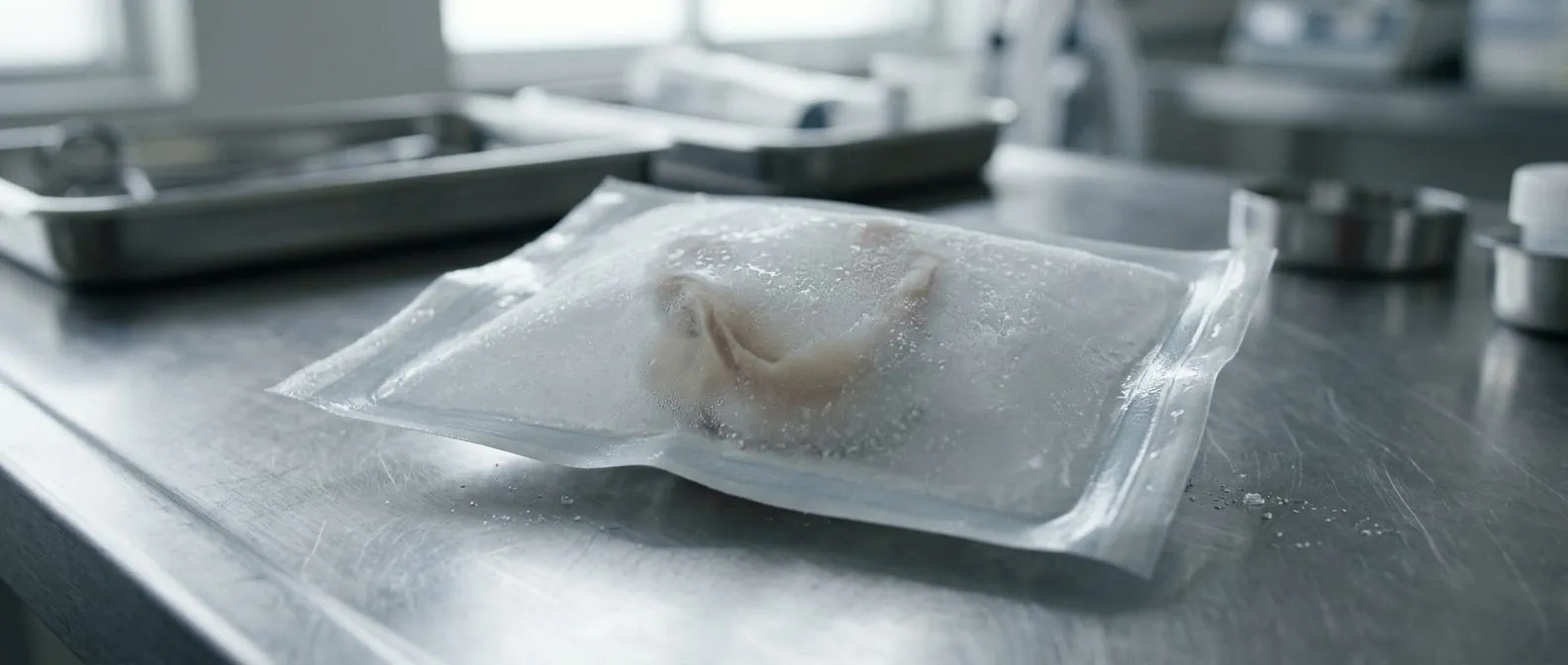
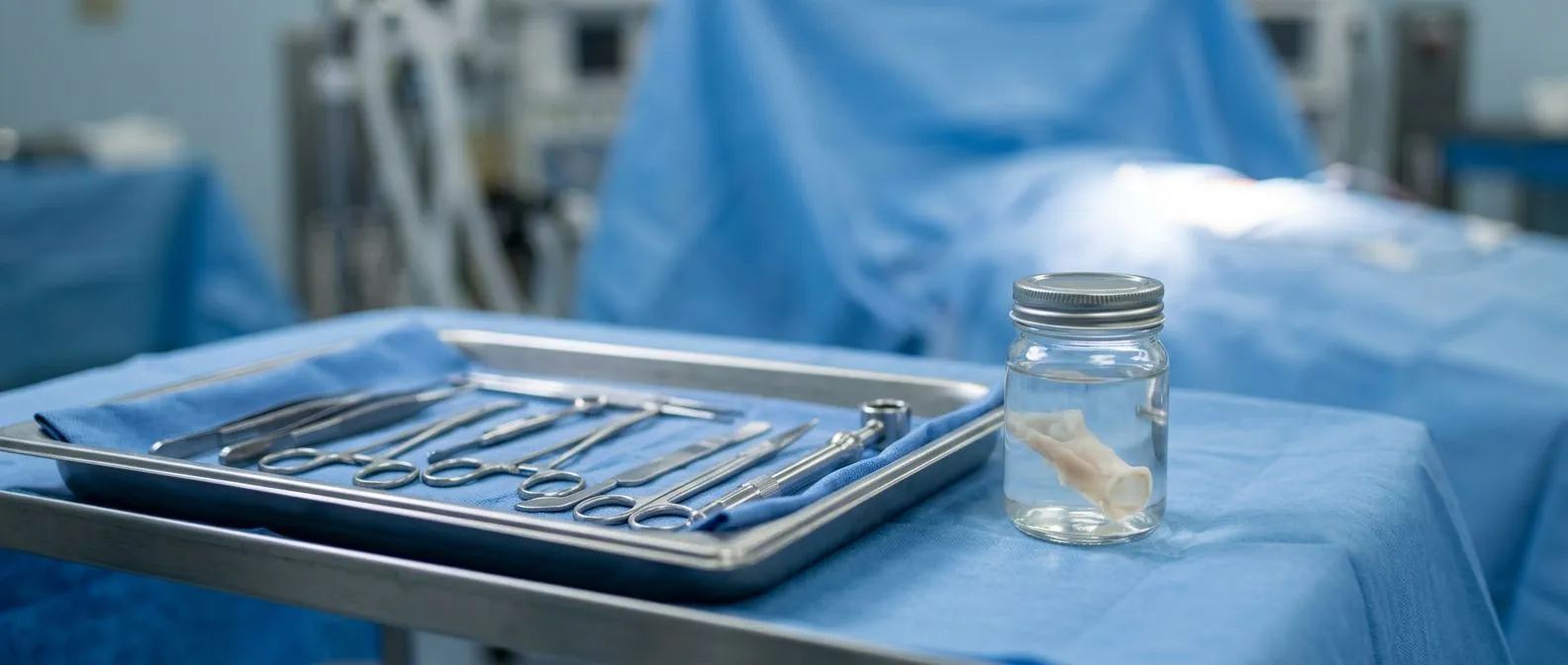
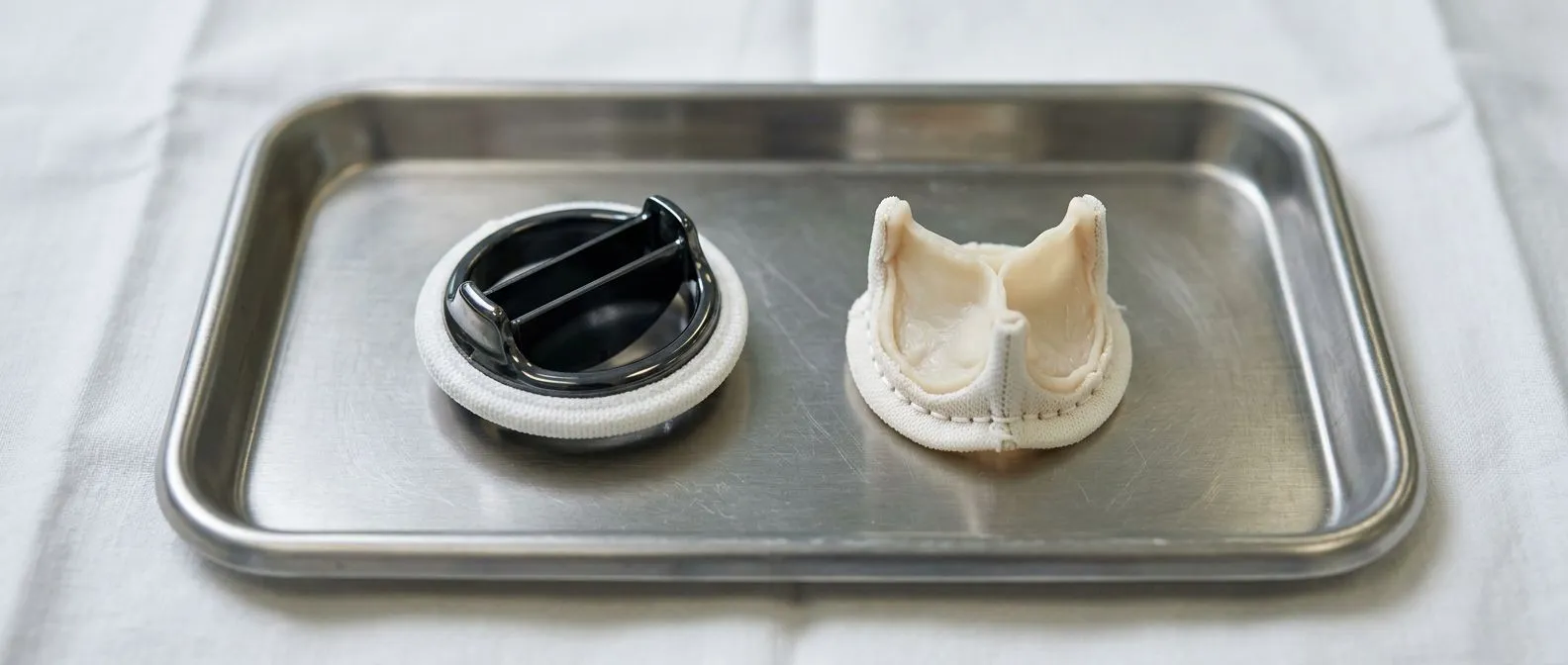
A tissue valve, also called a bioprosthetic valve, is a replacement valve made from animal or human tissue. Most commonly it is built from a pig valve replacement — the aortic valve of a pig, known as a porcine valve — or from the pericardium, the tough sac around a cow's heart, which is why people often refer to a cow valve replacement. The tissue is chemically treated to remove living cells that your immune system would reject, then mounted on a small frame or sewn into a fabric ring.
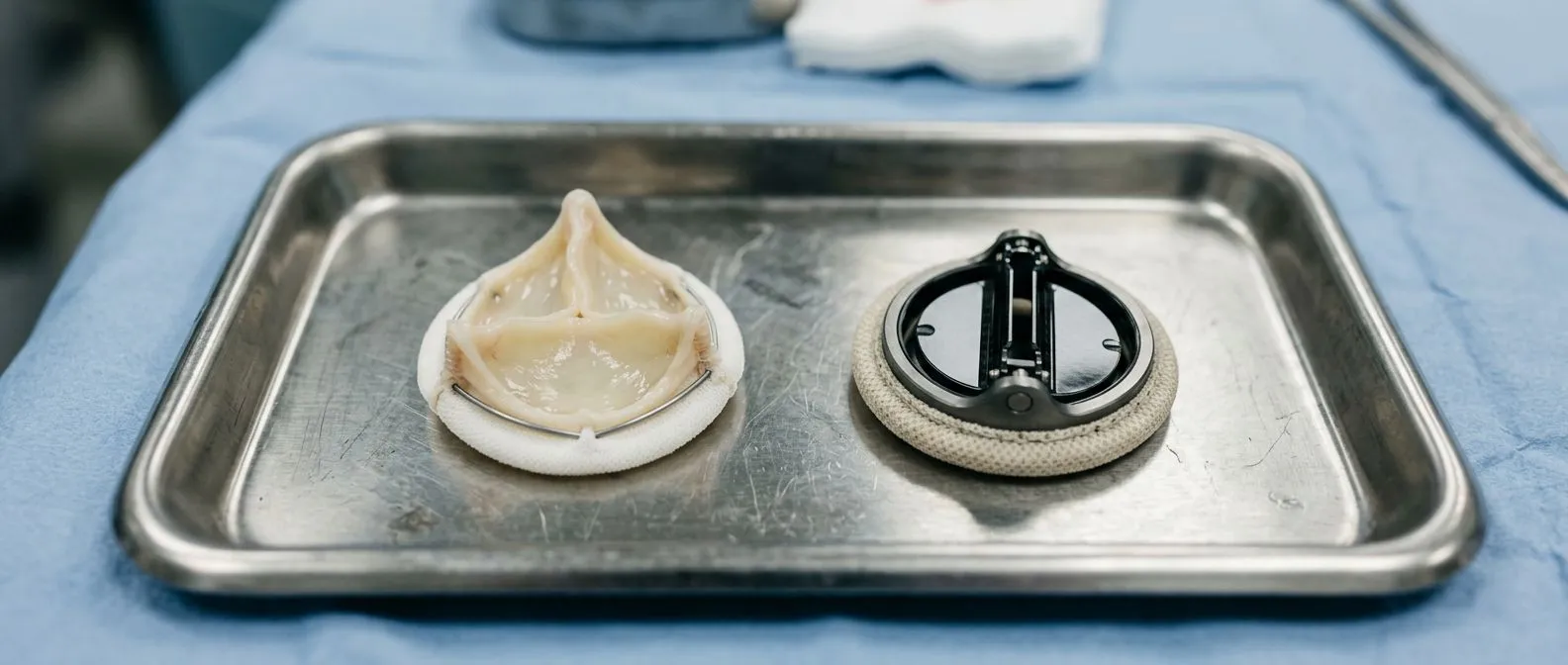
What is a tissue valve made of, exactly? The treated tissue keeps the natural leaflet shape of a real valve, opening and closing tens of millions of times a year. Because the architecture is so similar to your own valve, blood flows through it in a smooth, natural pattern. Modern designs have refined the way the tissue is preserved so the leaflets stay supple for longer than earlier generations.
Where does the valve sit? The surgeon sews it into the valve annulus, the ring of tissue at the base of your native valve, which anchors it firmly in place. Some newer designs are classified as a stentless valve, meaning they omit the rigid frame to sit closer to the natural anatomy and may offer slightly better blood flow. A sutureless valve goes one step further and is designed for rapid deployment, shortening the time the heart is stopped during surgery. In our consultations we show patients photos of the actual valve models we use, because seeing the leaflets on a real device makes the choice far less abstract.
What Is the Difference Between a Mechanical Valve and a Tissue Valve?
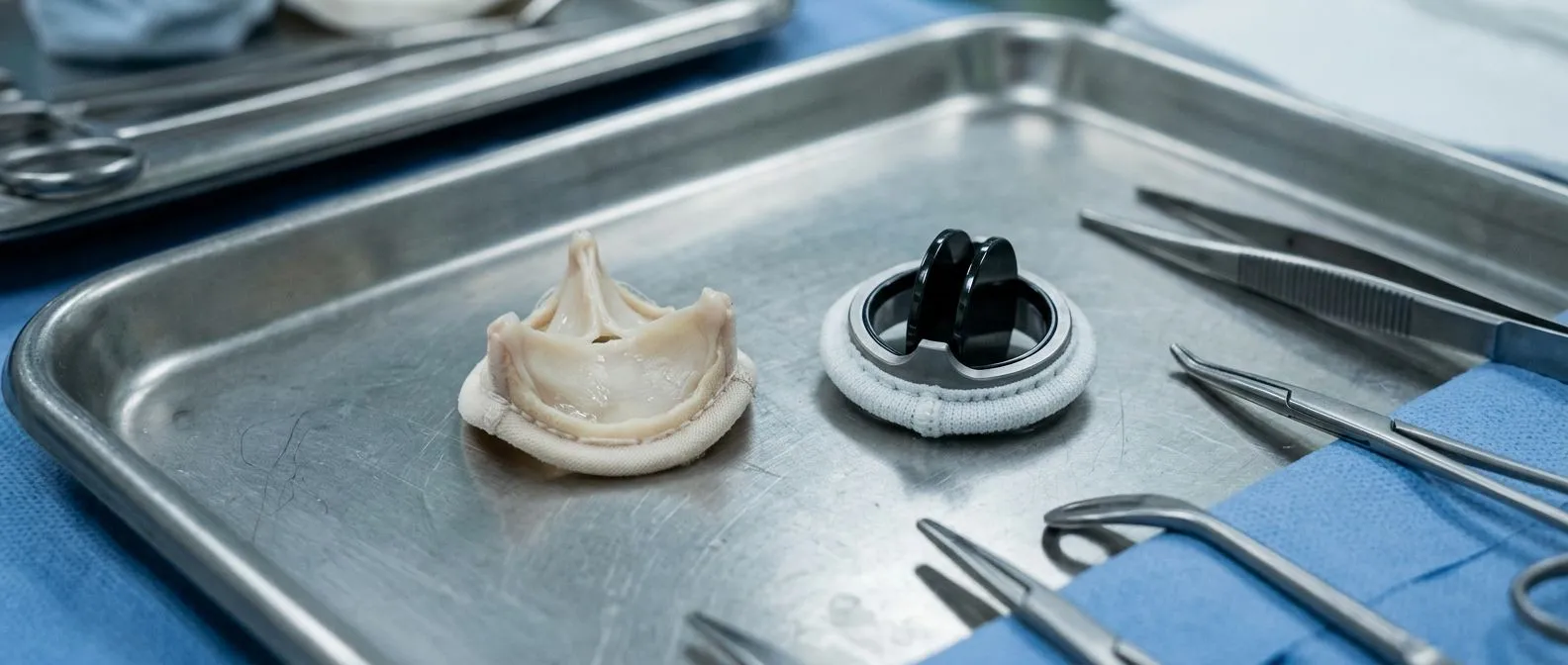
The mechanical valve vs tissue valve comparison comes down to what each is made of and what each asks of you. A mechanical valve is made from durable artificial materials — pyrolytic carbon leaflets inside a metal ring — and it does not wear out the way biological tissue does. Bileaflet mechanical valves are the classic example, and some newer mechanical valve designs have refined flow characteristics. A tissue valve, as described above, is biological material that functions beautifully but slowly degrades.
Which heart valve lasts longer? A mechanical valve can last a lifetime, so the mechanical valve durability advantage is real and permanent. A tissue valve will eventually need attention — often after ten to twenty years, depending on your age when it was implanted and where the valve sits. This is the core trade-off: permanence versus freedom from blood thinners.
What do the daily requirements differ in? With a mechanical valve you take a blood thinner such as warfarin every day for life, with regular blood tests to keep the dose in range. With a tissue valve, most patients need only short-term anticoagulation after surgery and then a daily aspirin. Neither valve is rejected by the body the way a transplanted organ would be — both are inert or treated materials that your immune system tolerates. Researchers continue to study tissue-engineered alternatives that could grow and remodel with the patient, an area explored in depth by Nature, though those valves remain investigational and are not yet part of standard care.
How Long Does a Tissue Valve Last?
The tissue valve lifespan is the question patients ask most often, and the honest answer is that it varies. Modern bioprosthetic valves commonly function well for ten to twenty years. Durability depends heavily on your age at implantation: a valve implanted in a fifty-year-old is subjected to more years of pumping and higher physical stress than one implanted in a seventy-five-year-old, so it tends to fail sooner in calendar time.
Can a tissue valve last 20 years? In many patients, yes — particularly older patients and those whose valves sit in the aortic position, where pressures are more forgiving than in the mitral position. The mitral valve works under higher pressure and motion, so tissue valves in that position historically have shown somewhat shorter durability. Published summaries comparing tissue and mechanical heart valves confirm that bioprosthetic valve reoperation risk rises steadily over the years, which is precisely why this choice matters most for younger patients.
What are the signs a tissue valve is wearing out? The leaflets stiffen or calcify gradually. You may notice returning shortness of breath, reduced exercise tolerance, or a change in the murmur your doctor hears. The decline is usually slow enough that echocardiogram surveillance — an ultrasound of the heart performed regularly — detects the problem before symptoms become severe.

How Long Does a Mechanical Valve Last?
A well-functioning mechanical valve can last for the rest of your life. The pyrolytic carbon leaflets are extraordinarily wear-resistant — tested to endure hundreds of millions of cycles, far more than a human heart produces in a century. Structural failure of a modern mechanical valve is rare enough that, for most patients, the device itself will never need replacing.
What are the trade-offs of that permanence? The price is lifelong anticoagulation. Blood clots form easily on any artificial surface, so warfarin keeps your blood thin enough to prevent clot formation on the valve. If the dose is too low, clots can form; if it is too high, bleeding becomes more likely — including serious bleeding such as a stomach hemorrhage or a brain bleed. Managing that narrow window is a daily responsibility.
Does the mechanical valve affect daily life in other ways? Yes, in small ways. You may hear a soft clicking sound with each heartbeat — some patients stop noticing it within weeks, while others find it intrusive. Certain foods rich in vitamin K, such as leafy greens, affect warfarin levels and require consistency rather than avoidance. Research has even examined whether routine oxygen therapy alters the tiny blood-clot signals detected in patients with a mechanical aortic valve, work published through Tehran University of Medical Sciences, which shows how actively this field is still being studied. For most patients, though, a mechanical valve simply means: take your tablet, attend your blood tests, live your life.
Which Heart Valve Replacement Is Best for Your Age?
Age is the single most useful factor in choosing between valve types. International guidelines broadly steer patients under about fifty toward mechanical valves and patients over about seventy toward tissue valves, with the fifties and sixties treated as a genuine gray zone where personal priorities carry real weight. These thresholds are about balancing reoperation risk against bleeding risk over your expected remaining decades — heart valve replacement age considerations are about mathematics and lifestyle, not arbitrary rules.
Why does age matter so much? A forty-five-year-old with a tissue valve might need two or three reoperations across a lifetime, each carrying surgical risk. A seventy-five-year-old with a mechanical valve would take warfarin for many decades, accumulating bleeding risk that may exceed the chance of ever needing the valve replaced. In the middle, both options are defensible, and the decision belongs to the patient as much as to the surgeon.
What about lifestyle and life plans? A patient who wants to become pregnant cannot safely take warfarin through pregnancy, which tips the decision toward tissue. A patient with a history of falls, atrial fibrillation, or bleeding ulcers may tolerate anticoagulation poorly, also favoring tissue. An active, reliable patient who values never thinking about a reoperation may prefer mechanical. At our practice every case is reviewed by the full multidisciplinary team against international guidelines, and we present you with the options and their trade-offs — the final choice is always yours.
Are Mechanical Valves Safe With Blood Thinners?
With proper anticoagulant management, mechanical valves are safe and have decades of proven long-term results. Millions of patients worldwide live full lives with a mechanical valve and warfarin. The safety of the combination depends almost entirely on how well the blood thinner level is controlled — which is why patients on warfarin mechanical valve therapy attend regular blood tests called INR checks, a simple finger-prick or blood draw that measures how thin your blood is.
What are the main risks to understand? The two are clotting and bleeding. Valve thrombosis — a clot forming on the valve — is dangerous but uncommon when the INR stays in range. Bleeding risk rises with each decade and with irregular dosing. Modern warfarin monitoring, including home testing devices and clinic-based programs, has made control easier than it was a generation ago.
What about newer blood thinners? The newer oral anticoagulants, such as apixaban and rivaroxaban, have transformed care for many heart conditions — but clinical trials have shown they do not protect a mechanical valve adequately, so warfarin remains the standard. This surprises many patients who assumed newer always meant better. On a mechanical valve, the older drug is the proven one.
- Warfarin requires consistency: same daily dose time, stable vitamin K intake, and regular INR monitoring to stay in the safe range.
- Other medications interact: antibiotics, pain relievers such as NSAIDs, and some supplements can push warfarin levels up or down — always tell every doctor you have a mechanical valve.
- Dental work needs planning: cleanings and extractions are still routine, but your dentist and cardiologist coordinate around your anticoagulation first.
What Is Recovery Like After Heart Valve Replacement Surgery?
Recovery from conventional open valve surgery — where the chest is opened through the breastbone — typically means several days in hospital, six to eight weeks for the breastbone to knit, and roughly three months before you feel fully back to yourself. Driving usually resumes around four to six weeks, and return to work depends on what your work involves: desk work sooner, physical labor later. Cardiac rehabilitation, a supervised program of gradually increasing exercise, meaningfully improves recovery speed and confidence.
What about minimally invasive valve replacement? A minimally invasive approach uses smaller incisions, often between the ribs, and avoids dividing the breastbone. Hospital stays are shorter and recovery is commonly two to four weeks faster. Whether you are a candidate depends on your anatomy and the specific valve problem — not every case suits every approach. Our team performs conventional, minimally invasive, robotic and transcatheter procedures, and we recommend the less invasive route only where the evidence genuinely supports it for that patient.
What does recovery feel like day to day? The first week is dominated by tiredness and incision soreness. Appetite and sleep take a few weeks to normalize. Emotional dips are common and expected after any heart surgery and are not a sign that anything has gone wrong. By six to twelve weeks most patients describe themselves as back to normal, often better than before surgery because the failing valve no longer limited them.
Can a Worn Tissue Valve Be Replaced Without Open Surgery?
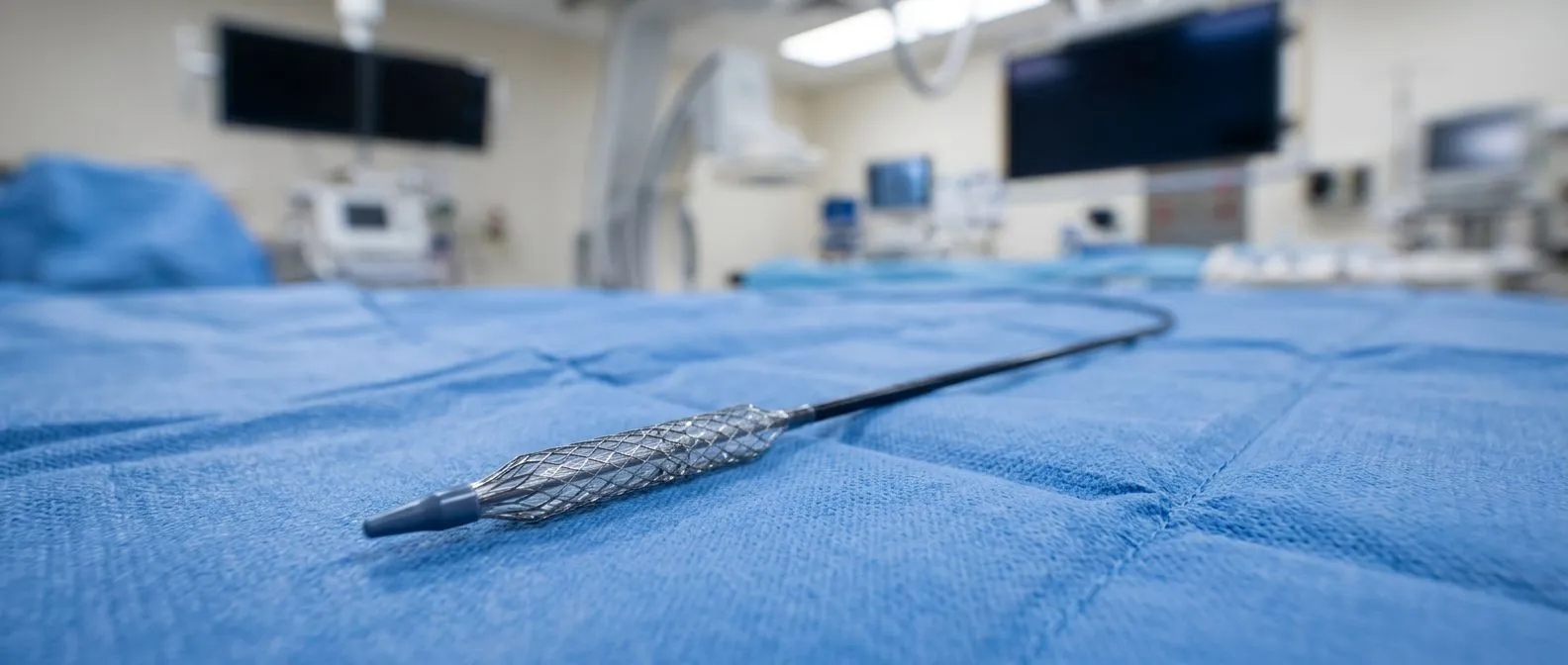
Yes — and this is one of the most important developments in the tissue valve story. When a tissue valve wears out, a new valve can often be delivered through a catheter, a thin tube threaded from an artery in the groin up to the heart, and expanded inside the old valve. This is called a Valve-in-valve procedure, and for native aortic valves the same catheter technique is known as Transcatheter Aortic Valve Implantation — in our practice we use the term TAVR, trans-catheter aortic valve replacement.
What does that mean for the tissue valve decision? It changes the arithmetic. A younger patient choosing a tissue valve with the reasonable expectation of a future Valve-in-valve procedure faces a reoperation that is far less invasive than repeat open-heart surgery. Similar catheter-based options are advancing for the mitral position too, under the banner of Transcatheter Mitral Valve Replacement, and for the tricuspid valve through Transcatheter approaches such as Tricuspid Valve Repair. These are context that favors tissue valves for some patients in the fifties and sixties.
How is TAVR recovered from? Recovery is measured in days rather than months. Most patients go home within a few days, and the main physical restriction is a short period of groin-hold stillness and care to let the arterial access site heal. Techniques for closing the artery have evolved considerably; published case reports such as work on achieving hemostasis after TAVR in complex patients using percutaneous closure devices, a technique described in a 2021 cardiology report, illustrate how refined these access-site methods have become. Dr Molina trained in TAVR and structural cardiology at CHU Bordeaux, and our team evaluates every patient for whether a transcatheter option could spare them open surgery entirely.
Costs vary with the approach chosen — conventional open surgery, minimally invasive surgery, or TAVR — the valve type selected, hospital and ICU time, and the pre-operative workup required.
What should a cost quote include? A trustworthy quote covers the surgeon and team fees, hospital and anesthesia charges, the valve device itself, and the pre-operative studies. Ask specifically whether complications and extended stays are covered or billed separately, and whether follow-up visits after you fly home are arranged. Transparency at this stage prevents difficult surprises later.
What about travel and follow-up care? Most teams ask international patients to remain in the region for one to two weeks after surgery before flying, so early recovery is monitored. Before travel, your local cardiologist should be involved in the planning, and after you return home, arrangements for INR monitoring or echocardiograms in your own country should be set up in advance. Our first contact is a free video consultation: we get to know you, talk through your condition, and tell you which studies are still needed so no unnecessary ones are ordered — and we encourage every patient to seek a second opinion, which we treat as a normal part of deciding about heart surgery.

What Does Valve Replacement Surgery Cost in Mexico?
For many international patients, valve replacement surgery cost in Mexico is significantly lower than the equivalent procedure in the United States or Canada, often by a substantial margin, while hospital quality and surgical training are comparable. Costs vary with the approach chosen — conventional open surgery, minimally invasive surgery, or TAVR — the valve type selected, hospital and ICU time, and the pre-operative workup required.
What should a cost quote include? A trustworthy quote covers the surgeon and team fees, hospital and anesthesia charges, the valve device itself, and the pre-operative studies. Ask specifically whether complications and extended stays are covered or billed separately, and whether follow-up visits after you fly home are arranged. Transparency at this stage prevents difficult surprises later.
What about travel and follow-up care? Most teams ask international patients to remain in the region for one to two weeks after surgery before flying, so early recovery is monitored. Before travel, your local cardiologist should be involved in the planning, and after you return home, arrangements for INR monitoring or echocardiograms in your own country should be set up in advance. Our first contact is a free video consultation: we get to know you, talk through your condition, and tell you which studies are still needed so no unnecessary ones are ordered — and we encourage every patient to seek a second opinion, which we treat as a normal part of deciding about heart surgery.
How to Decide Between Valve Types: Questions to Ask Your Heart Team
The tissue valve vs mechanical valve decision is ultimately personal, and you should leave your consultation with clear answers rather than vague reassurance. Choosing between valve types becomes far easier when you ask direct questions and hear direct answers. Bring this list to your appointment.
- Which valve is in which position? Ask whether your replacement is aortic or mitral, because durability and technique differ between them, and ask which specific valve model your team uses.
- How long will my valve likely last me? Ask for durability estimates for someone your age and activity level, and what the reoperation path looks like if it wears out.
- What does anticoagulation mean for my life? If a mechanical valve is proposed, ask what warfarin monitoring looks like near you and how your other medications fit in.
- What is the surgical approach and why? Ask whether a conventional, minimally invasive, robotic or transcatheter route is being recommended, and what the evidence for that recommendation is in your case.
What is the hardest valve to replace in the heart? The mitral valve is widely considered the most technically demanding, because of its complex, saddle-shaped anatomy and its relationship to nearby heart structures. Aortic valve replacement is more standardized, which is one reason catheter-based aortic options advanced first. Knowing your heart: the aortic valve and Knowing your heart: the mitral valve are worth understanding at a basic level before your consultation, because the position shapes both the operation and the valve options available.
There is no universal winner in the tissue valve vs mechanical valve debate. A mechanical valve offers lifelong durability at the cost of daily blood thinners; a tissue valve frees you from warfarin at the cost of eventual reoperation — increasingly manageable through catheter-based techniques. Your age, your other conditions, and your priorities tilt the balance, and a good heart team will lay out every option plainly before recommending one. If you are facing this decision, discuss your specific situation with a qualified cardiac team rather than deciding from a screen, and book a consultation so the choice is made with your own heart, studies and life in view.