


Tricuspid Valve Repair: Surgery and Recovery
Tricuspid valve repair recovery—learn surgery steps, hospital stay, exercises, and timeline from Guadalajara's heart specialists.
The tricuspid valve is the gate on the right side of the heart, between the two chambers that receive blood from the body and send it to the lungs. When this valve leaks, blood flows backward and the heart has to work harder than it should. Many people put off asking about it because the symptoms feel vague — tired legs, swelling in the ankles, a full feeling in the belly. This guide walks through what the operation involves, how long it takes, and what recovery after tricuspid valve repair really looks like, week by week, so you can face it with clear expectations rather than guesswork.
What Is Tricuspid Valve Repair?
A three-leaflet valve under strain. The Tricuspid Valve is a Tricuspid (three-leaflet) valve — three thin flaps of tissue that must open and close in perfect rhythm, tens of thousands of times a day. When those flaps no longer meet properly, blood leaks backward into the upper right chamber of the heart. Over months and years, that leak stretches the heart and raises pressure in the veins returning from the body.
Why repair beats replacement when it is possible. Whenever the anatomy allows it, surgeons prefer to rebuild the patient's own valve rather than swap in an artificial one. A repaired valve keeps its natural tissue, which means no lifelong blood-thinning medication in most cases, and it usually performs more like the valve you were born with. Tricuspid Valve Repair preserves the patient's own structures; replacement is reserved for valves that are too damaged to rebuild.
Where our team stands. We are a multidisciplinary team of cardiac surgeons led by Dr Alejandro Molina, with consulting rooms in Guadalajara, Querétaro and Hermosillo. In the consultation we take the time to explain what the echocardiogram actually shows, in plain words, and to answer every question before any decision is made.
How to Treat Tricuspid Valve Leakage
Start with medication for the right situation. In many patients, mild tricuspid leakage is managed with medication — diuretics that relieve fluid buildup and treat the cause, such as pressure on the left side of the heart or atrial fibrillation. The leak itself is watched with regular echocardiograms, and surgery is not offered until the leak is severe, the heart is showing strain, or symptoms begin to limit daily life. International guidelines generally recommend intervening before the right ventricle loses its pumping strength, not after.
The real answer is timing, not just technique. The hardest question in tricuspid disease is often not which operation to do, but when to do it. A leak left too long can reach the point where the right ventricle no longer recovers fully, which is why careful follow-up matters more for this valve than for almost any other.
What decides it in practice. Every case we review is examined by the multidisciplinary team against international practice guidelines before a recommendation is given, and the patient receives a clear proposal with the alternatives — the final decision is always theirs. We encourage second opinions and treat seeking one as a normal part of deciding about heart surgery.
How Tricuspid Valve Repair Works
Annuloplasty: the backbone of most repairs. In the great majority of cases, the leak comes from the ring of tissue around the valve — the annulus — stretching out of shape. The surgeon places a small fabric or metal supporting ring, tightening the valve back to its normal size so the three leaflets can meet again. This is called tricuspid annuloplasty, and in most cases it is combined with a repair of the mitral valve on the other side, since the two problems often travel together. Research on tricuspid function after mitral surgery, including the TAPSE study on long-term mortality, has shown that the right side of the heart responds to how well the tricuspid annulus is managed (Indonesian Journal of Cardiology).
Leaflet repair and edge-to-edge techniques. When the leaflets themselves are the problem — torn, prolapsing, or pierced — the surgeon may suture the edges together, add tissue, or use the Transcatheter Edge-to-edge Repair approach, which clips leaflets together through a catheter without opening the chest. The transcatheter route is usually reserved for patients who cannot tolerate open surgery.
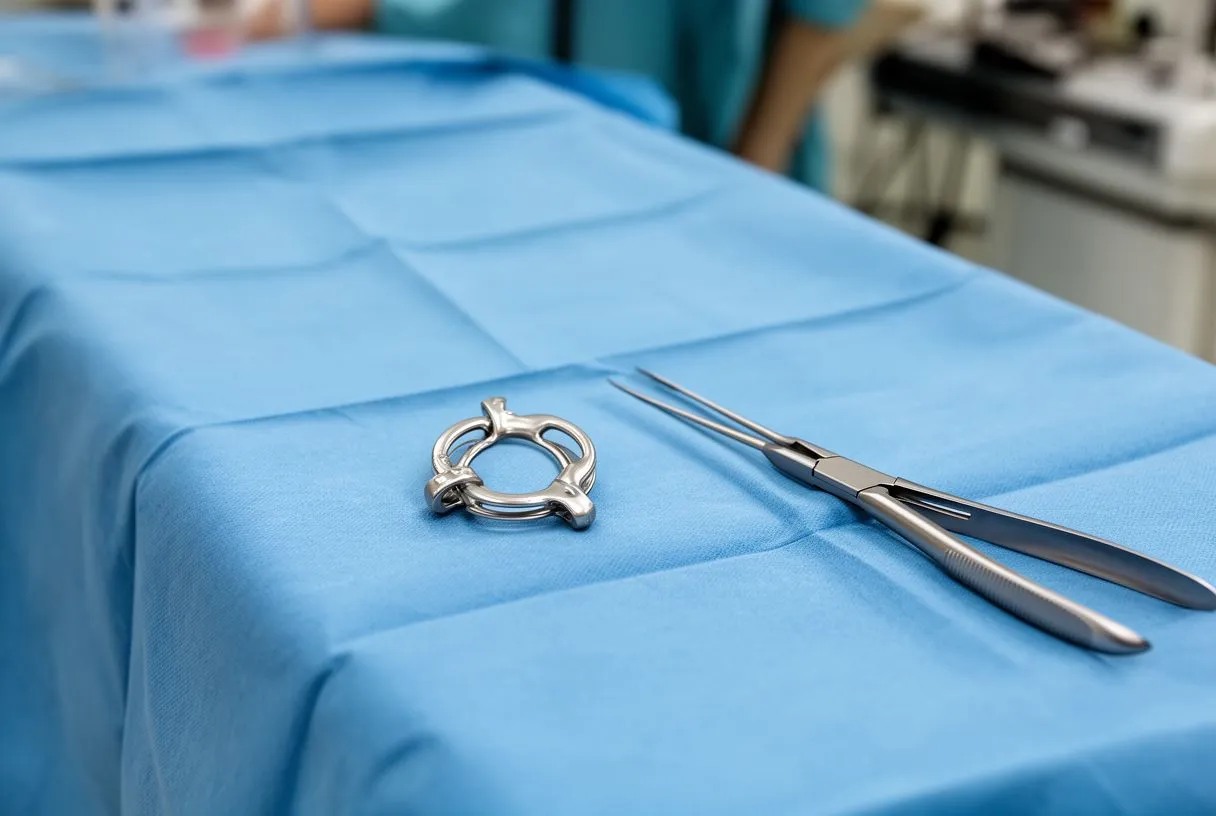
What the repair involves surgically. Depending on the case, the repair may be done through a full sternotomy, a small incision, or a robotically assisted approach. Our work covers valve disease, coronary disease, the aorta and structural heart conditions; we perform conventional, minimally invasive, robotic and transcatheter procedures, and we recommend the less invasive route only where the evidence supports it for that patient.
What Is the TTVR Procedure?
TTVR in plain language. TTVR stands for transcatheter tricuspid valve replacement — a new valve delivered through a catheter, usually from a vein in the groin, without opening the chest. The catheter carries a collapsed replacement valve to the right side of the heart, where it is positioned and expanded in place. For patients with severe tricuspid regurgitation who are too frail for conventional surgery, this option can change what is possible.
Where it fits in treatment. The Transcatheter Tricuspid Intervention family includes both repair devices (clipping leaflets) and replacement devices designed for this position. Clinical trials registered on ClinicalTrials.gov continue to define which patients benefit most. For patients who already have a failed surgical replacement, a Valve-in-valve procedure — a new valve placed inside the old one — can also be delivered this way.
Trade-offs worth knowing. Transcatheter approaches avoid the chest incision and shorten hospital stays, but they depend on the patient's specific anatomy, and long-term durability data is still being collected. Dr Molina completed structural cardiology and TAVR training at CHU Bordeaux — experience we bring to judging whether the catheter route genuinely fits a patient's anatomy.
How Long Does a Tricuspid Valve Repair Take?
The honest answer: it depends on what else is on the list. An isolated tricuspid annuloplasty can take around three to four hours. But because tricuspid surgery is frequently combined with mitral Valve Repair or coronary bypass on the same trip to the operating room, the total time often stretches to four to six hours. Time on the heart-lung machine, the approach chosen, and whether the case is a first operation or a redo all influence the clock.
What happens in the theatre. The patient is placed under general anaesthesia, the heart is exposed, and circulation is supported by the heart-lung bypass machine while the valve is repaired. For minimally invasive and robotic cases, smaller incisions and camera-guided instruments replace the open approach. Minimally invasive times can be similar or slightly longer on the table, with trade-offs in recovery rather than in the operation itself.
Why a longer case is not a worse one. A long operation usually means the surgeon is also fixing something else that needed fixing — not that something went wrong. We tell every patient beforehand what we expect their specific procedure to involve, so the hours in theatre hold no surprises for the family waiting outside.
Tricuspid Valve Repair Hospital Stay
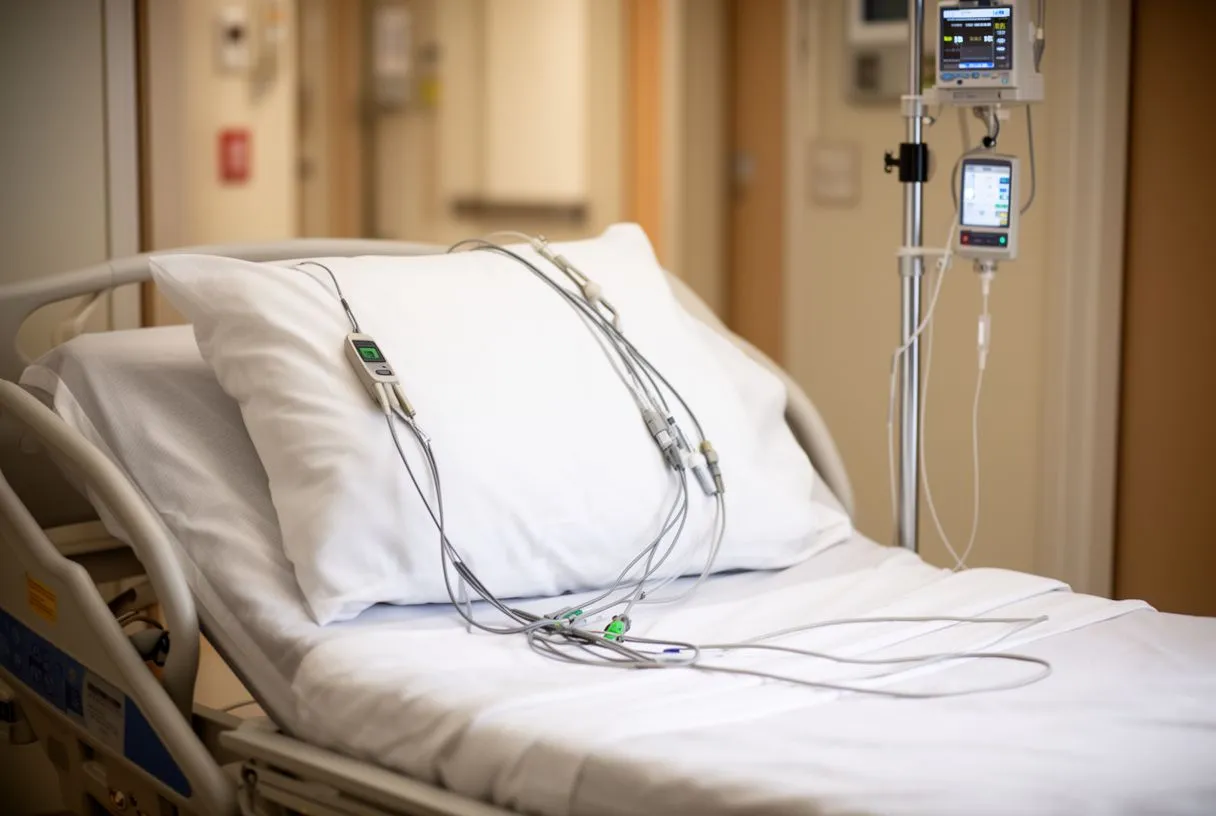
The first 24 hours. Most patients wake up in the intensive care unit with a breathing tube that is usually removed the same evening or the next morning. Lines and monitors are standard at this stage — the chest drainage tubes, the temporary pacing wires sometimes placed near the tricuspid valve, and the intravenous medicines that steady the heart rhythm. The first night is about monitoring, not about getting up.
Moving from ICU to the ward. Most patients transfer to the regular ward after one or two days. By day two or three, walking to the door of the room and back is the first real milestone. The hospital stay for tricuspid valve repair commonly runs five to seven days in total, longer if the case was combined surgery or a redo.
What slows a discharge down. The three things that most often extend a hospital stay are fluid accumulation around the lungs, a rhythm problem such as a slowed heart rate needing a temporary pacemaker, and simply needing more help to become mobile. None of these is unusual, and each is managed with routine measures rather than a second operation.
Recovery After Tricuspid Valve Repair
The first two weeks at home. Fatigue is the dominant experience — the body is healing from major surgery, not just the valve. Daily gentle walking is the main activity, with lifting restricted to a few kilograms. Sternum precautions matter for open-surgery patients: no driving, no pushing, no pulling for the first six weeks. For minimally invasive tricuspid valve repair recovery, these restrictions are often shorter, but they still apply.
Weeks two to six. Energy returns in uneven waves — a good day followed by a tired one is completely normal. The follow-up echocardiogram around six weeks confirms how the repaired valve is working and how the right side of the heart is responding. Most people are back to light office work and routine household activity by six to eight weeks.
Months two and three. The tricuspid valve repair recovery timeline typically reaches its practical end around three months, when the tissue has healed, exercise capacity has rebuilt, and most daily activities — including most forms of work — are back in place. Full recovery after tricuspid valve surgery recovery varies with age, fitness before surgery, and whether other procedures were done at the same time.
Tricuspid Valve Recovery Exercises
Why cardiac rehab exists. Tricuspid valve repair cardiac rehab is a supervised programme of progressive exercise that rebuilds fitness safely while specialists watch the heart's response. It is one of the most underused parts of recovery, and one of the most valuable. Tricuspid valve recovery exercises are not heroic — they start with walking on a treadmill at a pace that feels easy.
The usual progression. A structured programme typically looks like this:
- Weeks 1–2: short daily walks at home, a few minutes at a time, gradually lengthened.
- Weeks 2–6: supervised cardiac rehab sessions, with heart rate and rhythm monitored on each visit.
- Weeks 6–12: progressive aerobic exercise, then light resistance work, cleared individually by the rehab team.
- Beyond three months: normal exercise, returning to the level the patient enjoyed before the valve problem set in.
What to watch for. Dizziness, chest discomfort, or breathlessness that is out of proportion to the effort are reasons to stop and call the surgical team. The goal is steady progress — rehab is a conversation between the body and the heart rate monitor, not a race.
Aftercare: Pain Management and Diet
Tricuspid valve repair pain management. Pain after the operation is usually modest for tricuspid work, especially through minimally invasive incisions, and is managed with scheduled pain relief in the first week rather than waiting for it to spike. Chest discomfort around the incision settles over weeks; a dull ache that fades with movement is typical and not a warning sign.
Tricuspid valve surgery recovery diet. In the first weeks, the priority is a diet low in salt to keep fluid from accumulating, adequate protein to heal tissue, and steady hydration. Fluid limits may be prescribed if the echocardiogram shows lingering congestion. Most patients return to their normal diet by two months, with salt kept moderate for life.
Tricuspid valve repair aftercare appointments. Aftercare follows a rhythm: an early clinic visit, the six-week echocardiogram, and then periodic checks for the first year. Because the tricuspid valve sits on the right side of the heart, follow-up watches for changes in right ventricle size and function — the numbers that matter most for long-term wellbeing after this repair.
Tricuspid Valve Repair Complications and Recovery
The risks worth knowing about. Like any heart operation, tricuspid surgery carries risks: bleeding, infection, atrial fibrillation (an irregular rhythm that usually settles with medication), and in a small number of cases the need for a permanent pacemaker — the conduction system that carries the heartbeat runs very close to the tricuspid annulus. Repair rather than replacement lowers, but does not remove, the need for long-term surveillance. Studies of complex tricuspid disease, including mixed rheumatic cases, show that careful preoperative evaluation drives outcomes more than any single technique (Kardiochirurgia i Torakochirurgia Polska).

What a complication looks like in real life. Most complications that occur are managed medically — a rhythm that needs a pacemaker, fluid around the lungs that needs draining, an infection that needs antibiotics. Patients and families often imagine complications as catastrophic; in practice, the vast majority are quiet, treatable detours on the recovery road.
Long-term outlook. A well-repaired valve with good timing — meaning surgery done before the right ventricle weakened — generally holds up for years, and follow-up echocardiograms watch for any late leak. I have seen patients return to full active lives after this operation, and the single biggest factor I have observed is how early in the disease the repair was done. We review every case against international guidelines before recommending surgery, so the timing question is answered for each patient individually, not by a general rule.
Tricuspid valve repair is a well-established operation with a recovery path that most people complete inside three months. The key decisions are when to operate, which approach fits your anatomy, and how faithfully you follow the rehab plan afterwards. If you or someone in your family is living with tricuspid valve leakage, the most valuable next step is a conversation with a qualified cardiac team that can review your specific echocardiogram and explain your options. Our team offers a free first video consultation: we get to know the patient, talk through the condition, and identify which studies are genuinely still needed — so you can decide with clarity, not fear.






