

Valve Choice in Reproductive Age: Planning for Pregnancy
Reproductive age valve choice pregnancy guide: compare mechanical vs tissue valve trade-offs, anticoagulant risks, and timing.
For a young woman with a diseased heart valve who still hopes to become a mother, few decisions carry more weight than the reproductive age valve choice for pregnancy. The valve she receives today will be with her through pregnancies, deliveries, and decades of life afterward. Mechanical valves last longest but demand lifelong blood thinners, and blood thinners complicate pregnancy. Tissue valves spare the woman from warfarin but wear out sooner, often requiring a repeat operation. This guide walks through the anatomy, the trade-offs, the anticoagulation questions, and the practical planning steps, so you can walk into a consultation knowing what to ask.
What Is Reproductive Age Valve Choice for Pregnancy?
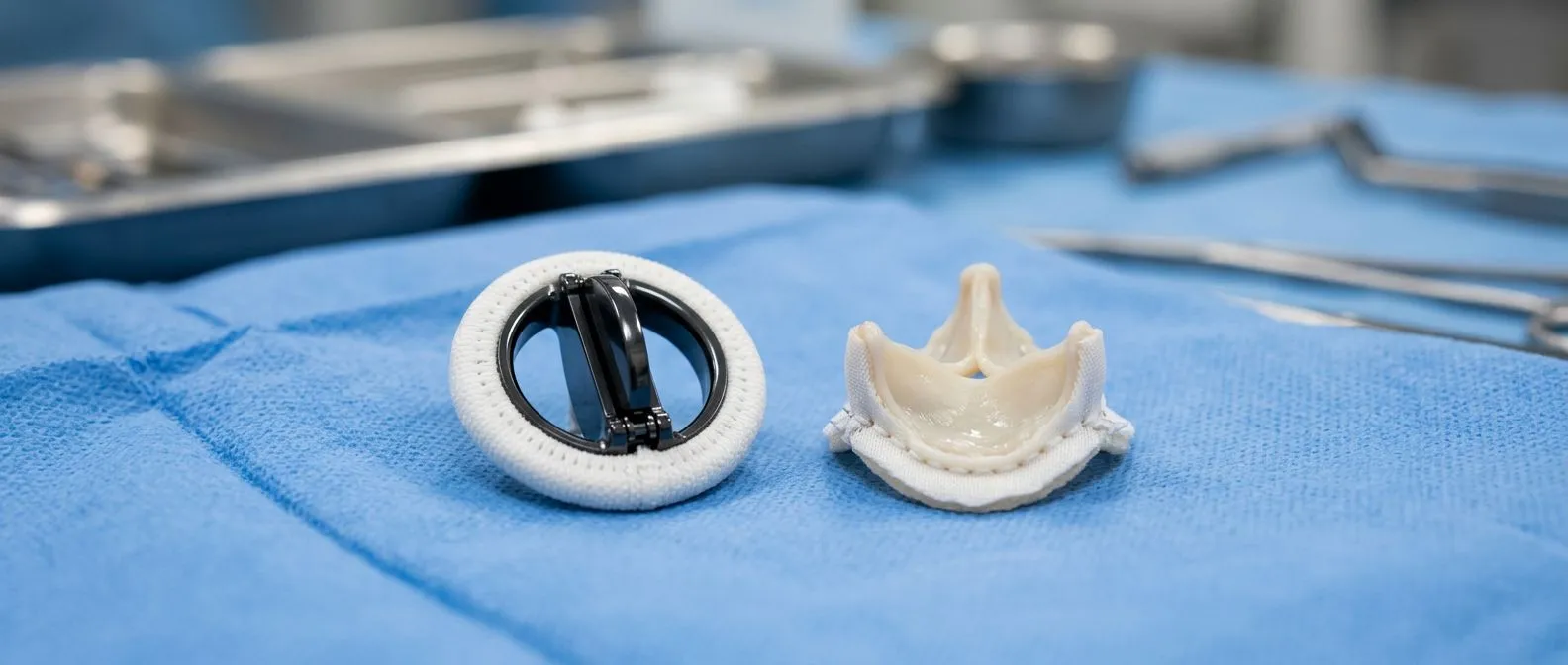
Two valves, two very different lives. A mechanical valve is made of artificial materials — pyrolytic carbon discs or leaflets inside a metal ring. It can last a lifetime, but its artificial surfaces cause blood clots to form on it, so the woman must take an anticoagulant (a blood thinner) every day for life. A tissue valve, also called a bioprosthetic valve, is built from animal tissue — often a Bovine Pericardial Valve or a Porcine Valve — mounted on a frame, or sometimes a Stentless Valve sewn directly into the heart. Tissue valves are more forgiving of blood, needing only milder thinning at first, but they gradually stiffen and leak.
The reproductive age valve choice for pregnancy sits exactly where these two options collide. Pregnancy is a pro-clotting state by design — the body thickens its blood to survive delivery — so a woman with a mechanical valve faces higher thrombosis risk precisely when warfarin is most dangerous to the fetus. A tissue valve removes the warfarin problem but may need replacement within ten to fifteen years, and that replacement may not always be straightforward.
There is no universally right answer. The right valve depends on the woman's age, the valve involved — aortic, mitral, or both — whether she is already on blood thinners, her feelings about a second operation, and her reproductive timeline. In our consultations we lay both options on the table, explain what each means for a future pregnancy in plain words, and the final decision always rests with the patient and her family.
How Does Pregnancy Change the Heart and Circulation?
Pregnancy puts normal hearts under a demanding workout. Cardiac output — the amount of blood the heart pumps each minute — rises by thirty to fifty percent during a normal pregnancy, peaking around the late second trimester. Blood volume expands, the heart rate climbs, and systemic resistance falls. A repaired or replaced valve must cope with all of this. The National Heart, Lung, and Blood Institute notes that these normal cardiovascular changes of pregnancy can unmask or worsen pre-existing valve problems, which is why known valve disease should be evaluated before conception whenever possible.
A narrow (stenotic) valve is the most vulnerable: the heart simply cannot push enough blood through a tight opening when demand rises. A leaky (regurgitant) valve usually tolerates pregnancy better, because the low resistance of pregnancy actually reduces the backward leak. Women who already have symptoms — breathlessness, palpitations, fainting — before pregnancy are the ones most likely to deteriorate during it.
This is the anatomic reason the reproductive age valve choice for pregnancy matters so much. The valve is not being chosen for an average day; it is being chosen for the hardest cardiovascular weeks the woman will ever experience.
What Are the Mechanical Valve Pregnancy Risks?
Clotting on the valve is the headline risk. Valve Thrombosis — a blood clot forming on the prosthesis — is rare in well-anticoagulated non-pregnant patients but becomes more likely in pregnancy, because pregnancy is naturally a hypercoagulable state. A thrombosed valve can block suddenly, causing heart failure, stroke, or death. This is why international guidelines class mechanical valves in pregnancy as high risk and demand careful, frequent anticoagulation monitoring.
The blood thinner itself is the second risk. Warfarin crosses the placenta. Between roughly weeks six and twelve of pregnancy it can cause fetal warfarin syndrome — abnormalities of the baby's nose, limbs, and development. Later in pregnancy it can cause fetal bleeding, particularly around delivery. Heparin (given by injection) does not cross the placenta and is safer for the baby, but it is associated with more maternal valve thrombosis than properly managed warfarin, especially in high-risk mechanical mitral valves. Every anticoagulant pregnancy valve strategy is a calculated trade between these two risks.
Prosthesis type and position change the odds. A mechanical valve in the aortic position carries lower thrombosis risk than one in the mitral position. Before we ever recommend a mechanical valve to a woman planning a family, our multidisciplinary team reviews her exact valve position, her history of clots, and international practice guidelines together — because the answer changes with those details.
How Safe Is a Tissue Valve During Pregnancy?
Bioprosthetic valve pregnancy outcomes are generally more reassuring. A woman with a tissue valve usually needs no strong anticoagulant at all, or only brief, mild thinning in the first months. That removes the fetal warfarin risk entirely, which is the main reason the reproductive age valve choice for pregnancy so often leans toward tissue in young women. Hemodynamic tolerance in pregnancy is usually good, provided the valve function was solid before conception.
The price is durability. Tissue valves — whether a Stented Valve with a fabric-covered frame or a Stentless Valve — calcify and stiffen over the years, a process called Structural Valve Deterioration. Young age accelerates it. A woman of twenty-five may realistically need her tissue valve replaced in ten to fifteen years, and pregnancy itself appears to speed structural deterioration somewhat.
Repeat surgery is the real trade-off to weigh. A second valve operation is not without risk, though redo surgery through a minimally invasive approach or a catheter-based option can be possible in some cases — in the aortic position, Transcatheter Aortic Valve Implantation (TAVR) can sometimes replace a worn tissue valve without open surgery, using a Self-expanding Valve delivered through the arteries. Not every worn valve is suitable, so this should be discussed as a possibility, not a promise.
Warfarin Pregnancy Valve Replacement: How Are Anticoagulants Managed?
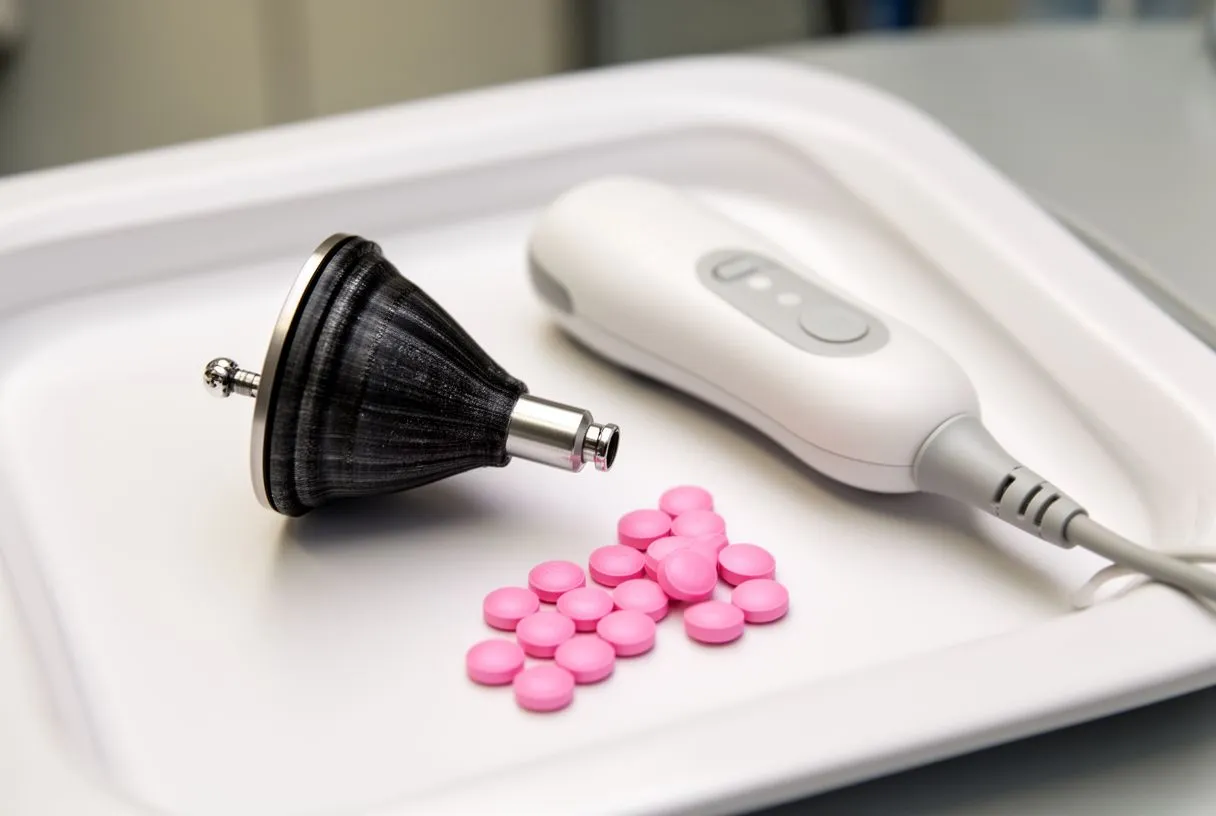
Three dosing strategies exist, each with known drawbacks. When a woman with a mechanical valve becomes pregnant, or conceives while on warfarin pregnancy valve replacement management becomes the central medical question. The main regimens are:
- Warfarin throughout: best protection against maternal valve clot, but the greatest fetal risk, especially in the first trimester.
- Dose-adjusted heparin injections throughout: safest for the fetus, but the highest risk of valve thrombosis for the mother, particularly with mitral mechanical valves.
- Warfarin, switching to heparin in the first trimester: a compromise most commonly used, accepting slightly more maternal risk in early pregnancy in exchange for lower fetal risk.
Frequent monitoring is non-negotiable. Whichever regimen is chosen, the woman needs regular blood tests — INR checks for warfarin, anti-Xa levels for low-molecular-weight heparin — sometimes weekly or more. Doses drift as pregnancy progresses. Delivery planning matters too: heparin is paused before labor, and warfarin is stopped well in advance so the baby can be delivered safely.
For context, the trade-offs of blood thinners around valve surgery in general, and the meticulous preoperative evaluation they demand, are well described in the surgical literature — including detailed preoperative planning for patients with mixed rheumatic valve disease, as documented in a study on preoperative evaluation and surgical management of rheumatic tricuspid valve disease.
When Is Heart Valve Surgery Before Pregnancy the Right Call?
Fix the valve before conception whenever symptoms or severity demand it. The safest pregnancy is one in a heart that has already been repaired and is working well. Severe stenosis, severe regurgitation with symptoms, or a failing valve should generally be treated before trying to conceive. In some cases — especially in young women with a leaky or prolapsing mitral valve — the natural valve can be repaired rather than replaced. A Mitral Valve Prolapse with significant leakage, for instance, is often best handled with a repair, which preserves the woman's own Valve Cusp tissue, needs no lifetime blood thinner, and leaves her free of the entire reproductive age valve choice for pregnancy dilemma.
Valve-sparing options deserve a genuine conversation. In suitable anatomy, a Valve-sparing Root Replacement — used mainly for aortic root aneurysms — keeps the patient's own valve and avoids prosthetic valves altogether. Where repair is not possible, the standard mechanical-versus-tissue decision applies. Every case we see is reviewed by our whole multidisciplinary team against international practice guidelines before a recommendation is made, and the patient receives a clear proposal with the alternatives spelled out.
Timing matters as much as technique. Ideally surgery happens, the heart recovers fully, and pregnancy follows after a defined healing period — usually at least six months to a year, depending on the operation. A valve surgery fertility consultation before the operation lets the surgeon weigh the reproductive plan into the technical choice, which is far better than discovering the conflict after the valve is already in place.

Valve Choice for Women of Childbearing Age: Mechanical or Tissue?
Age alone no longer decides it. Historically, young patients automatically received mechanical valves. Current practice is more nuanced: guidelines and recent registry experience show that tissue valves are increasingly chosen even for younger patients, with acceptable outcomes, precisely because quality of life — including pregnancy plans — weighs heavily in the valve choice women childbearing age face. At the same time, young age does not mean low surgical risk, and reoperation should not be treated as a trivial event.
A useful way to frame the decision:
- Choose mechanical when lifelong durability matters most, the woman is comfortable with daily anticoagulation, there is a history of clotting, or the valve is in the mitral position where tissue valves fail sooner.
- Choose tissue when pregnancy is planned or possible, avoiding warfarin is a priority, reoperation risk is acceptable, and a future catheter-based valve-in-valve option is realistic.
- Choose a repair when the anatomy allows it — it sidesteps the trade-off entirely.
We encourage second opinions and treat seeking one as a completely normal part of deciding about heart surgery — a choice this consequential deserves more than one voice. Any woman weighing the reproductive age valve choice for pregnancy should hear the durability data, the anticoagulation data, and the reoperation data side by side before committing.
Planning a Pregnancy After Valve Replacement: Timeline and Monitoring
Wait, then plan, then conceive. After heart valve surgery before pregnancy is completed, most teams advise waiting six to twelve months so the chest bone and the heart have fully healed and medication is stable. Cardiac surgery reproductive planning then means a formal pre-pregnancy review: an echocardiogram to confirm valve function, a medication review, and a written delivery plan agreed with cardiology and obstetrics.
What monitoring looks like during pregnancy. A woman with a replaced valve typically has echocardiograms each trimester, frequent anticoagulation checks, and specialist cardiology visits. Women with tissue valves and normal function often have smooth pregnancies. Women with mechanical valves on adjusted heparin or warfarin need closer surveillance, and delivery should happen where cardiac backup is available.
Long-term outcomes are encouraging but honest. People with prosthetic valves live full lives — the longest documented survivor with a mechanical valve lived decades beyond his operation, into his nineties — but maternal cardiac valve outcomes in pregnancy depend heavily on preparation. Preconception valve assessment, not improvisation, is what separates planned pregnancies from emergencies. In our consultations we take the time to explain what the studies actually show, in plain words, and to answer every question before any decision is made.

What Are the Signs of Heart Failure After a Heart Valve Replacement?
Know the warning symptoms before you need to recognize them. Whether before, during, or after pregnancy, the signs of a struggling heart after valve replacement are the same and should never be ignored:
- New or worsening breathlessness, especially when lying flat or waking at night gasping.
- Swelling of the ankles, legs, or abdomen, from fluid building up.
- Palpitations or a racing, irregular heartbeat.
- Unusual fatigue that limits everyday activity, and unexpected weight gain from fluid retention.
These symptoms during pregnancy in a woman with a prosthetic valve warrant same-week cardiology review. A sudden change can signal valve thrombosis or valve failure, both of which are emergencies. Anyone on anticoagulation who has a suspected clot or a neurological symptom — weakness, slurred speech, vision loss — needs emergency care immediately.
After valve surgery, regular follow-up through recovery milestones helps a change like this be caught in a scheduled visit rather than in an emergency room.
Preconception Valve Assessment and Heart Surgeon Pregnancy Planning in Mexico
Start the conversation before the pregnancy, not after. If you have a known valve condition and hope to have children, the single most valuable step is a preconception valve assessment with a team that does heart surgeon pregnancy planning Mexico-wide — one that looks at your heart, your future family plans, and the whole picture together. Young women with rheumatic valve disease, congenital bicuspid valves, or an existing prosthesis often want to understand their options before motherhood.
The first contact with our team is a free video consultation: we get to know the patient, talk through her condition, and say which studies are still needed so no unnecessary ones are ordered. Only when she decides to go ahead does a face-to-face visit follow at one of our consulting rooms in Guadalajara, Querétaro or Hermosillo. Dr Molina trained in cardiothoracic surgery at the Universidad de Guadalajara, in cardiac, minimally invasive, robotic and structural surgery at the University of Montreal, and in structural cardiology and TAVR at CHU Bordeaux; the team also trained at Jena, Bad Berka and Buffalo, and Dr Molina performed the first robotic mitral valve repair in the Ángeles Health System and the first robotic heart surgery in Guadalajara. That experience spans conventional, minimally invasive, robotic and transcatheter procedures — and we recommend the less invasive route only where the evidence supports it for that specific patient.
The reproductive age valve choice for pregnancy is never a decision to make alone or from a search engine. Bring your questions, your hopes about family, and your previous studies to a qualified cardiac team, and let a preconception assessment turn a frightening unknown into a clear, written plan. If you are facing this decision, we invite you to book a consultation and talk it through.






