Ventricular Assist Device: Bridge to Transplant or Destination
Ventricular assist device therapy saves lives as a bridge to transplant or permanent destination.
When the heart can no longer pump enough blood for the body to function, everyday life shrinks to the space between the bed and the armchair. For many patients with advanced heart failure, a ventricular assist device therapy plan changes that trajectory. This small mechanical pump, implanted inside or beside the heart, takes over part of the pumping work the weakened muscle can no longer do. In this guide we walk through what these devices are, the two main reasons they are implanted — as a bridge to transplant or as destination therapy — what the surgery and recovery actually involve, and the honest trade-offs families should weigh before deciding.
What Is a Ventricular Assist Device?
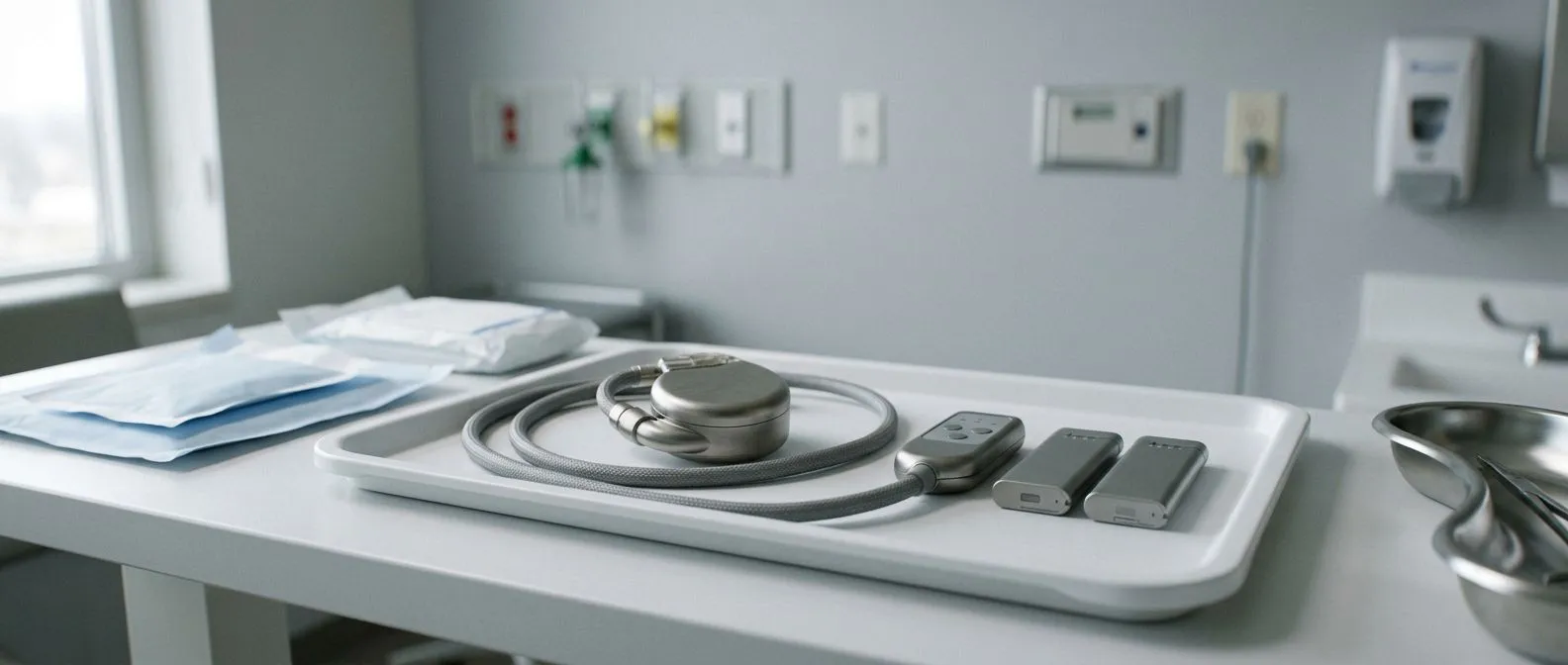
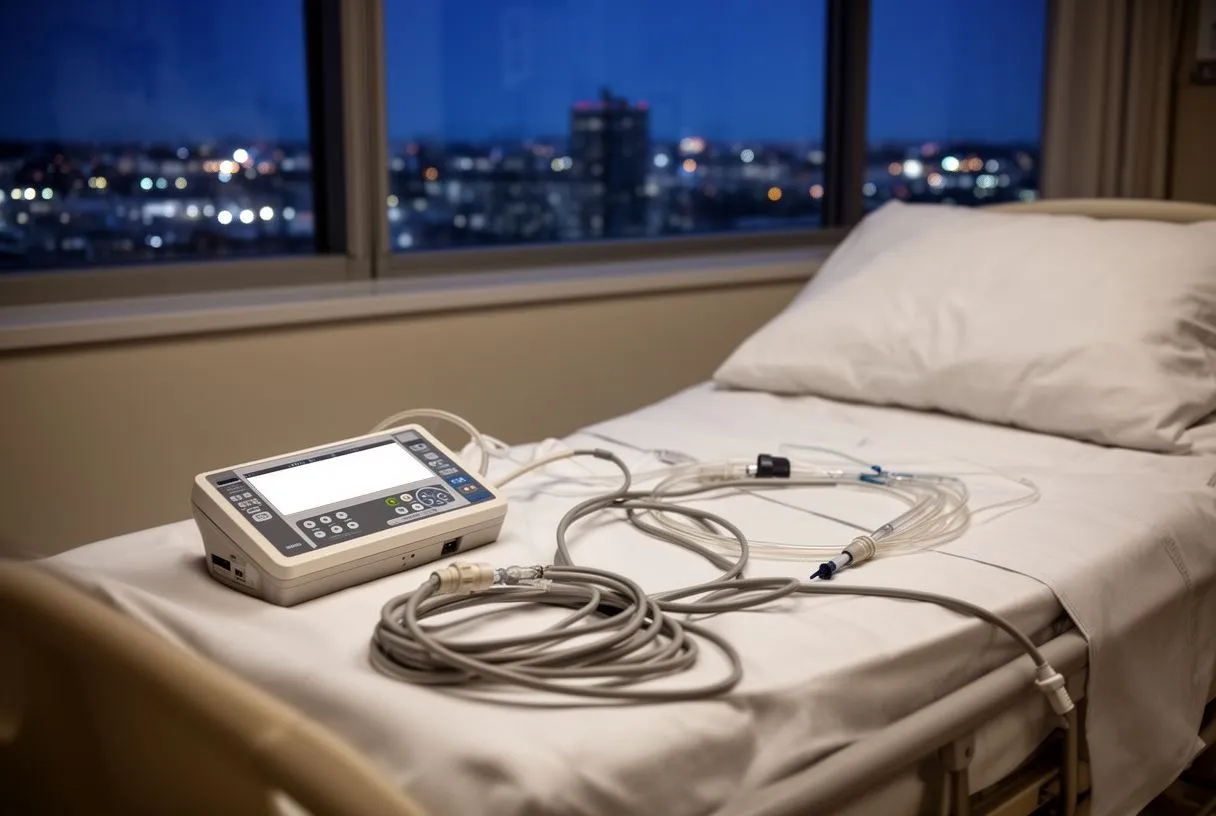
A mechanical heart pump, in plain words. A ventricular assist device is a surgically implanted pump that helps a weakened heart move blood through the body. It does not replace the heart; it works alongside it. The most common type supports the left ventricle — the chamber that pushes oxygen-rich blood out to the whole body — and is called a Left Ventricular Assist Device, or LVAD. A cable called a driveline exits through the skin of the abdomen and connects to a small external controller and batteries.
Modern devices are compact, continuous-flow pumps about the size of a small audio cassette or smaller. Older-generation pumps pulsed like a natural heartbeat, but today's devices deliver a steady stream of blood. Because of that steady flow, many people with an implanted device have a soft or hard-to-measure pulse. This surprises families at first, but it is expected and does not mean anything is wrong.
How it differs from other cardiac devices. People often confuse a heart pump with a pacemaker or a defibrillator. A pacemaker corrects slow or irregular electrical rhythms; it does not move blood. A ventricular assist device does mechanical work — it physically pushes blood. That distinction matters, because the two devices do very different jobs and sometimes a patient ends up with both.
What Is the Purpose of a Left Ventricular Assist Device?
The core purpose: restoring blood flow. The purpose of a Left Ventricular Assist Device is to take over enough of the heart's pumping work that the body's organs — kidneys, liver, brain, muscles — receive the blood flow they need. In advanced heart failure, the heart cannot do this on its own, and patients experience severe fatigue, breathlessness at rest, fluid buildup, and damage to other organs. The pump relieves that strain.
There are two broad purposes, and the language around them matters. One is temporary: the device keeps a patient alive and stable until a donor heart becomes available — the bridge to transplant strategy. The other is permanent: when transplant is not possible, the device becomes destination therapy, meaning it is the long-term treatment in itself. In practice, some patients implanted as a bridge later choose to remain on the device permanently, and that is a recognized path.
Who is considered a candidate. Candidacy is determined by a heart team, not by a single test. Typical candidates have advanced heart failure that no longer responds to maximally tolerated medication, often with worsening kidney function or repeated hospitalizations. Every case in our practice is reviewed by the multidisciplinary team against international practice guidelines before a recommendation is given, and the patient receives a clear proposal with the alternatives laid out side by side. The final decision always rests with the patient.
Ventricular Assist Device Bridge to Transplant Explained
Waiting for a donor heart, safely. Donor hearts are scarce, and the wait can stretch into months or years. For patients whose hearts are failing faster than the waitlist moves, a ventricular assist device bridge to transplant keeps them alive and — crucially — keeps their other organs healthy until transplant day. A patient who arrives at transplant surgery weakened and malnourished has a harder recovery; a patient who arrives on a stable pump, walking and eating well, does far better.
The bridge strategy also reverses some of the damage that heart failure causes. When blood flow improves, the kidneys and liver often recover function, and the severe shortness of breath that made every step an effort typically eases. Some patients are so debilitated before implantation that they cannot walk across a room; months later, on the pump, many are exercising and rebuilding strength. This period of recovery before transplant is one of the strongest arguments for the bridge approach.
Bridge to decision and bridge to recovery. Two related terms are worth knowing. Bridge to decision describes using the pump as an urgent measure in a crisis — for example, in acute cardiogenic shock — while the team determines whether the patient is a transplant or long-term device candidate. Bridge to recovery is the rarer outcome where the heart muscle itself recovers enough, sometimes after treatment or targeted procedures, that the pump can eventually be removed. It is not the norm, but it is a real possibility in selected causes of heart failure.
Ventricular Assist Device Destination Therapy: When Transplant Is Not an Option
When transplant is not on the table. Some patients are not candidates for transplant — because of age, kidney disease, other medical conditions, or simply personal choice — yet their hearts still need mechanical support. For them, ventricular assist device destination therapy is the treatment itself: the pump is implanted with the expectation that it will remain for life. Long term VAD therapy of this kind has become increasingly common as devices have grown smaller and more durable.
Quality of life on destination therapy is the honest question families ask about, and the honest answer is nuanced. Most patients report a marked improvement from end-stage heart failure: they return home, resume many daily activities, travel, and in many cases return to work. At the same time, life with a pump involves permanent commitments — daily driveline care, carrying equipment, routine follow-up — and these trade-offs deserve a frank conversation before surgery, not after.
What the decision process should include. A responsible team will not frame the pump as either a miracle or a last resort. It is a serious intervention with real benefits and real obligations. In our consultation we take the time to explain what the studies actually show, in plain words, and to answer every question before any decision is made — and we actively encourage second opinions, because deciding about heart surgery should never feel rushed.
What Happens During VAD Implantation Procedure?
The operation itself. Heart pump implant surgery is performed under general anesthesia and typically takes several hours. The surgeon accesses the heart — traditionally through a sternotomy, an incision through the breastbone, though some centers use less invasive approaches depending on the device and the patient. The pump's inflow is connected to the left ventricle and its outflow to the aorta, the body's main artery, so blood is drawn from the weakened chamber and pushed directly into the circulation.
The driveline is tunneled through the skin, usually on the upper abdomen, and connected to the external controller before the patient leaves the operating room. During and after the procedure, patients may temporarily need other forms of support; in some centers, a temporary percutaneous pump is used first as a Bridge to Decision while the definitive plan is settled. Patients are also monitored for arrhythmias such as Ventricular Tachycardia or Ventricular Fibrillation, which can occur around the time of surgery and are managed with medication and, when needed, a defibrillator.
Other structural problems found at the same time. Advanced heart failure sometimes coexists with structural heart disease — a leaky mitral valve, a shunt such as a Ventricular Septal Defect, or conditions like Left Ventricular Hypertrophy where the heart muscle has thickened and stiffened. When these are present, the surgical plan may address them, because correcting them can improve how well the overall circulation works. Our team performs conventional, minimally invasive, robotic and transcatheter procedures, and we recommend the less invasive route only where the evidence supports it for that specific patient.
LVAD Surgery Recovery: What the First Months Look Like
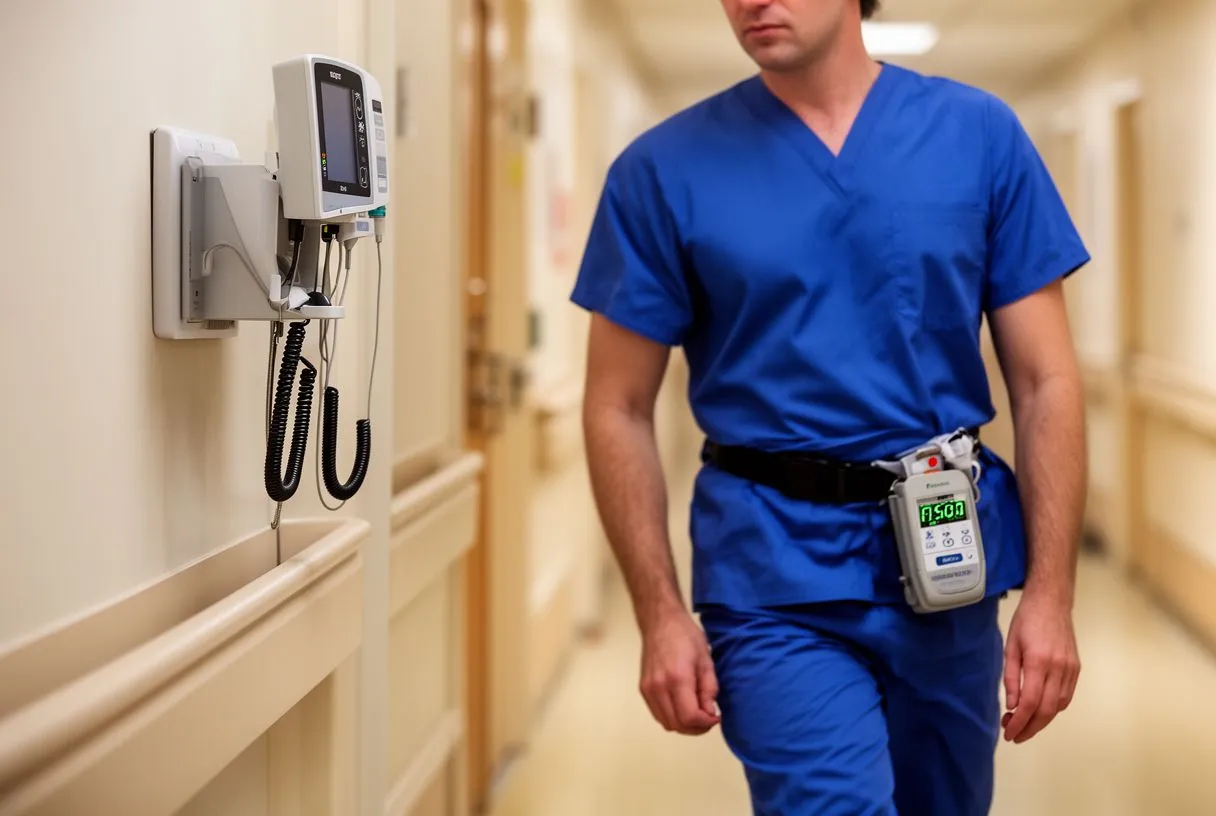
The hospital phase. Most patients stay in intensive care for the first days, then step down to a regular ward. Early priorities are stable pump function, kidney recovery, pain control, and getting out of bed quickly — walking early shortens recovery. Breathing support is removed within a day or two in uncomplicated cases, and most patients are eating and sitting in a chair within the first week.
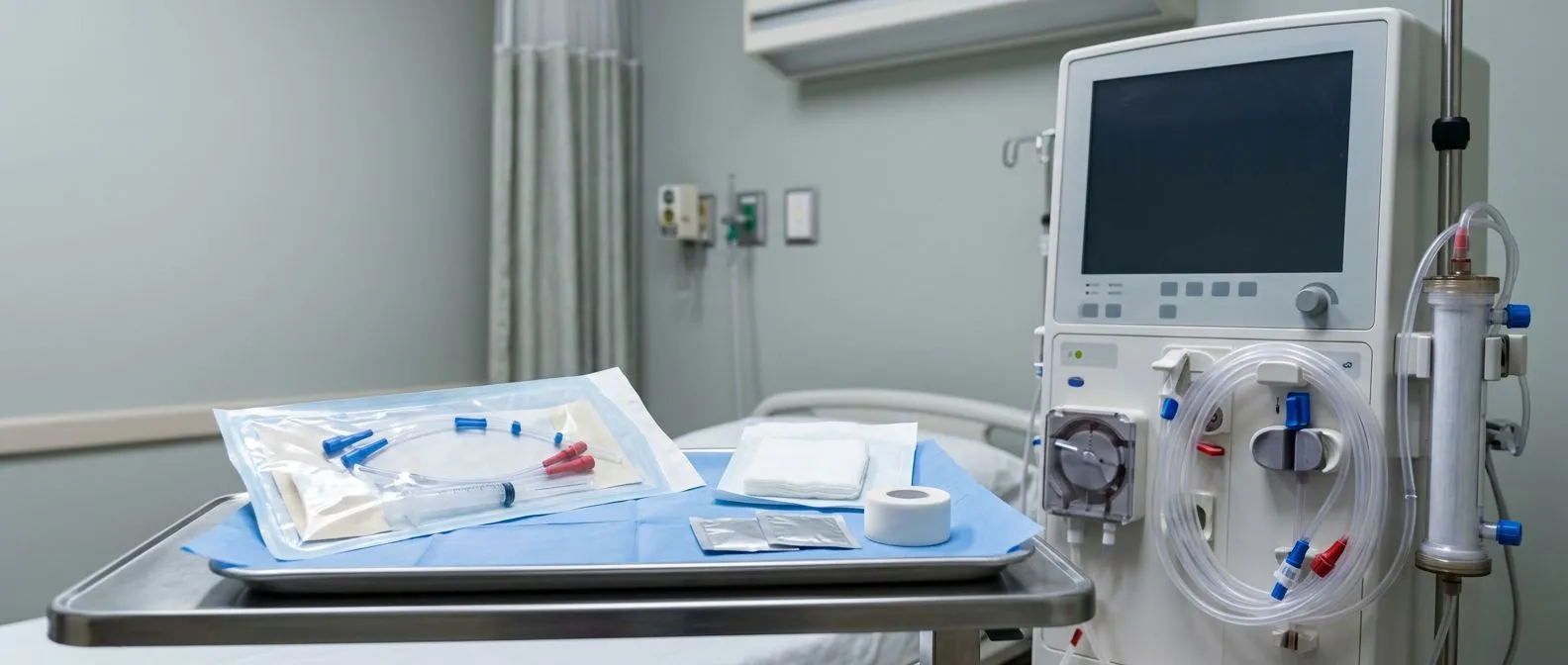
Driveline care becomes a daily ritual from the start. The exit site where the cable leaves the abdomen must be kept clean and dry, with a sterile dressing changed under careful technique, because the driveline is the most common pathway for infection. Patients and a family caregiver are taught this hands-on before discharge; it feels intimidating on day one and routine by week six.
Rebuilding strength. Cardiac rehabilitation is a formal part of LVAD surgery recovery. Under supervision, patients rebuild endurance week by week, and most regain the ability to walk comfortably, climb stairs, and manage daily life independently. In our practice the first contact is a free video consultation where we talk through the condition and identify exactly which studies are still needed, so no unnecessary tests are ordered — and that same careful, unhurried approach continues through recovery planning. Follow-up visits track pump performance, blood counts, and anticoagulation levels for the rest of the patient's life with the device.
Can You Go Home With a Ventricular Assist Device?
Yes — home is the expectation. Most patients go home with their device, whether they are waiting for transplant or on destination therapy. Discharge typically happens two to four weeks after surgery once pump settings are stable, driveline care is mastered, and the patient has demonstrated independence with the equipment. Patients travel with a backup controller and charged batteries at all times, in a carrying bag or vest that has become a familiar sight in airports around the world.
This also answers a frequent variant of the question: can you go home with an RVAD — a right-sided support device? Right-sided pumps are usually temporary, used in intensive care settings while a damaged right ventricle recovers or while a decision is made about longer-term therapy. Long-term home discharge is characteristic of left-sided devices, not the temporary right-sided ones.
Life at home settles into a manageable routine: daily dressing changes, battery charges, keeping the controller dry during showers with a special covering, and avoiding immersion in bathtubs or pools. Driving is usually permitted once the surgeon clears it and the patient can respond safely to alarms. The home setup and caregiver readiness should be reviewed before discharge, because a successful discharge is planned weeks in advance, never improvised.
Ventricular Assist Device Complications and Risks
The honest downside. Families deserve a candid list. The main ventricular assist device complications are bleeding around the time of surgery, stroke, infection at the driveline site, pump thrombosis (clot forming inside the pump), and right heart failure after implantation. Because blood contacts artificial surfaces, patients must take anticoagulant medication permanently, which itself raises bleeding risk. This is the core downside of LVAD therapy: life-saving support that requires lifelong vigilance.
Pump thrombosis deserves specific mention. When clot obstructs the pump or its outflow graft, it can sometimes be treated with medication or imaging-guided procedures rather than open surgery. Percutaneous Intervention of LVAD Outflow Graft Obstruction and Thrombosis describes how catheter-based techniques can restore flow without reopening the chest in selected cases — an option that has changed how teams manage this complication.
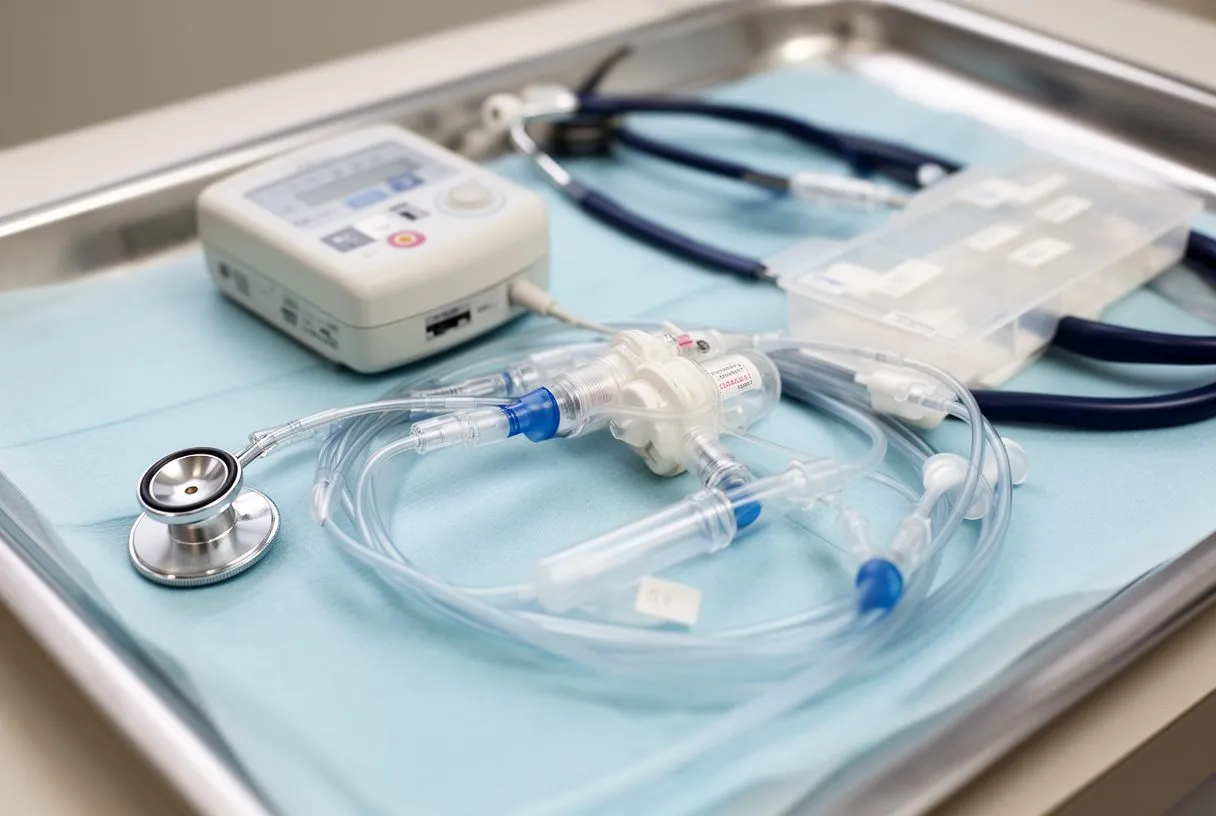
- Bleeding: most common early after surgery; anticoagulation is a lifelong balancing act between clotting and bleeding.
- Stroke: risk is reduced by careful anticoagulation management and modern pump design, but it remains the most feared complication.
- Infection: the driveline site is the main entry point; meticulous daily care dramatically lowers the risk.
- Device issues: pumps are durable but not immortal; long-term follow-up monitors performance over the years.
None of this is said to frighten — it is said because informed patients have better outcomes. The complications above are managed, not endured, and the odds improve every time the patient and family master the daily routine early and follow up consistently.
The financial reality. A ventricular assist device is among the most expensive treatments in cardiac medicine. The pump itself carries a very high device price, and the total cost includes the surgery, the ICU and hospital stay, and lifelong follow-up, anticoagulation monitoring, and consumables such as batteries and dressings. For patients traveling from abroad, add travel, accommodation for the recovery period, and the cost of a family caregiver's stay. We deliberately avoid quoting a single figure here, because prices vary by device, hospital, country, and each patient's course; any responsible center will give you a written, itemized estimate before you commit.
Insurance and funding paths differ enormously between countries. In some systems, destination therapy is covered when criteria are met; in others, coverage hinges on transplant-listing status. Patients in Mexico and international patients considering care here should ask their team directly what documentation their insurer requires, and should confirm what ongoing costs — not just surgical ones — will be theirs to carry.
Questions to put to any center. Ask what the total estimated cost includes, what happens financially if complications extend the hospital stay, what the annual follow-up and consumable costs are, and whether the center has experience with international patients. A team that answers these plainly, in writing, is showing you how it will communicate about everything else too.
How Much Does a VAD Device Cost?
The financial reality. A ventricular assist device is among the most expensive treatments in cardiac medicine. The pump itself carries a very high device price, and the total cost includes the surgery, the ICU and hospital stay, and lifelong follow-up, anticoagulation monitoring, and consumables such as batteries and dressings. For patients traveling from abroad, add travel, accommodation for the recovery period, and the cost of a family caregiver's stay. We deliberately avoid quoting a single figure here, because prices vary by device, hospital, country, and each patient's course; any responsible center will give you a written, itemized estimate before you commit.
Insurance and funding paths differ enormously between countries. In some systems, destination therapy is covered when criteria are met; in others, coverage hinges on transplant-listing status. Patients in Mexico and international patients considering care here should ask their team directly what documentation their insurer requires, and should confirm what ongoing costs — not just surgical ones — will be theirs to carry.
Questions to put to any center. Ask what the total estimated cost includes, what happens financially if complications extend the hospital stay, what the annual follow-up and consumable costs are, and whether the center has experience with international patients. A team that answers these plainly, in writing, is showing you how it will communicate about everything else too.
VAD vs Heart Transplant: Which Path Is Right?
Two different destination roads. The VAD vs heart transplant comparison is not really a contest — they are different roads that sometimes connect. A transplant replaces the failing heart with a donor organ and, if successful, frees the patient from the pump and the driveline, but requires lifelong immunosuppression to prevent rejection and depends on donor availability. A VAD keeps the patient's own heart and adds a machine to support it, with its own lifelong obligations but no waitlist and no rejection risk.
For eligible patients, a common sequence is: implant the pump, recover strength and organ function on it, then undergo transplant when a donor heart becomes available. For others, the pump is the destination and transplant never enters the picture. The right path depends on age, other organs, blood type and waiting times, personal priorities, and access to a transplant program. Because our team works across valve disease, coronary disease, the aorta and structural heart conditions, we weigh the device option against every alternative — including procedures such as left atrial appendage occlusion for patients with atrial fibrillation needing stroke protection — and present the reasoning, not just the recommendation.
Emerging directions worth knowing about. The field continues to move. Research into regenerative approaches — summarized in Stem cell-based therapy for human diseases — explores whether damaged heart muscle can one day be repaired rather than mechanically supported, and shorter-term support options keep evolving alongside full implants. Adjacent technologies, from Vascular Closure Devices that seal access sites after catheter procedures to Renal Replacement Therapy that supports failing kidneys during recovery, increasingly surround the main treatment rather than replace it. None of these has replaced the ventricular assist device as the standard for advanced heart failure today, but they shape the options a modern heart team can offer.
A ventricular assist device is one of the most consequential decisions a patient and family will ever face together: it can bridge the wait to a new heart, or it can be the lasting treatment that returns years of life when transplant is not possible. The technology is mature, the outcomes have improved steadily across device generations, and the daily realities — driveline care, anticoagulation, follow-up — are learnable by nearly every patient who commits to them. If you or someone you love is living with advanced heart failure, the most valuable next step is a frank conversation with a qualified cardiac team about whether ventricular assist device therapy, transplant, or another approach fits your specific situation. Dr Alejandro Molina and our multidisciplinary team in Guadalajara, Querétaro and Hermosillo offer a free first video consultation to talk through your studies and your options — bring your questions, and bring a second opinion too. Your heart deserves a decision made with clarity, not urgency.