

When someone in your family needs a heart evaluation, the question of where matters almost as much as the question of who. You want to know how solid the hospital is, what equipment it has and who has assessed it from the outside. This page brings that information together for Hospital Puerta de Hierro Andares in Zapopan, Jalisco, where cardiovascular surgeon Dr. Alejandro Molina performs some of his operations.
You will find verifiable facts and their sources: when the hospital opened, where it stands in international rankings, how its hybrid operating room works and what to expect on the day of your appointment. This is not hospital advertising. It is a guide to help you arrive at your consultation with more clarity and less uncertainty.
A Zapopan hospital with nearly twenty years of history
Hospital Puerta de Hierro Andares opened in 2006 in the Puerta de Hierro area of Zapopan, along Avenida Empresarios. It belongs to the Hospitales Puerta de Hierro group, a private network that started in this same city and later grew to other locations in western Mexico.
One point is worth clearing up right away, because online searches often mix them together: this hospital has no connection to Hospital Universitario Puerta de Hierro in Madrid, Spain, and it should not be confused with Hospital Puerta de Hierro Sur, another of the group’s hospitals in the Guadalajara metropolitan area. Everything on this page refers to the Andares hospital in Zapopan.
Dr. Alejandro Molina does not have an office at this hospital. In Guadalajara he sees patients at two Ángeles hospitals: Hospital Ángeles del Carmen and Hospital Ángeles Andares. You can see him there for a first evaluation, a second opinion or follow-up on a treatment. If your operation is scheduled at Hospital Puerta de Hierro Andares, he will explain it at your consultation.
The hybrid operating room: surgery and imaging in one room
Since 2019 the hospital has had a hybrid operating room equipped with a Siemens ARTIS pheno system. Together with an Artis zee cardiac catheterization lab, it makes up what the hospital calls its Centro Híbrido de Mínima Invasión (Hybrid Minimally Invasive Center).
A hybrid operating room is a surgical suite with high-resolution angiography built in. Put simply, it lets the medical team see the heart and blood vessels on live X-ray imaging while they operate, and it allows surgical and catheter-based techniques to be combined in a single procedure. For some patients this opens the door to less invasive approaches with smaller incisions, and it avoids moving the patient from one room to another when a procedure calls for both.
This is not common equipment. According to a case study published by Siemens Healthineers, in 2021 fewer than 10 of Mexico’s roughly 5,000 hospitals had a hybrid operating room. In March 2022, a report by the EFE news agency published by Forbes México described the center as unique of its kind in central-western Mexico and noted that about 1,200 procedures had been performed there by then.
A hospital having this technology does not mean every patient needs it. Whether traditional surgery, a catheter-based procedure or a combined approach is right for you depends on your diagnosis, your test results and your overall health. That is exactly the conversation you will have in your consultation.
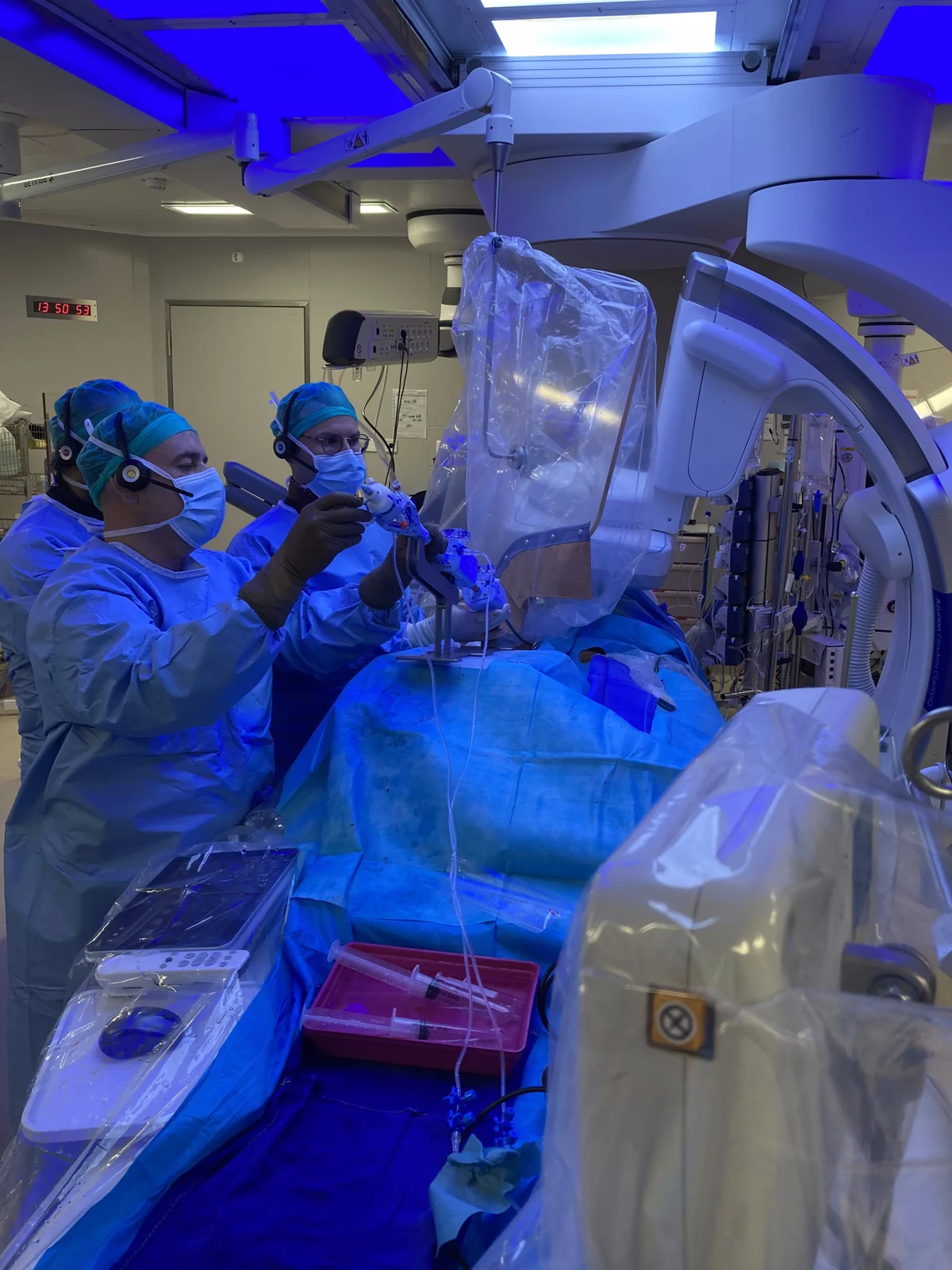
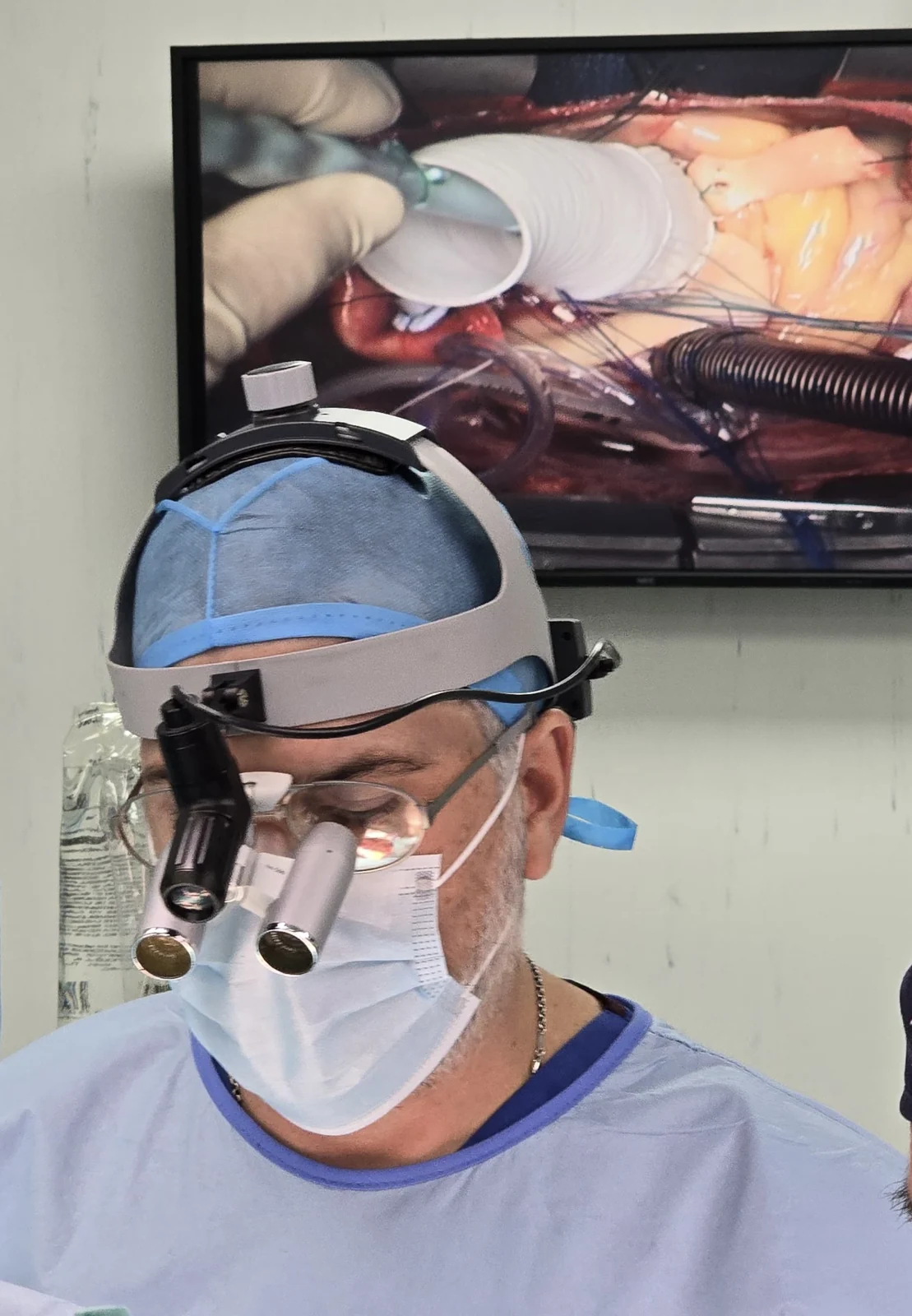
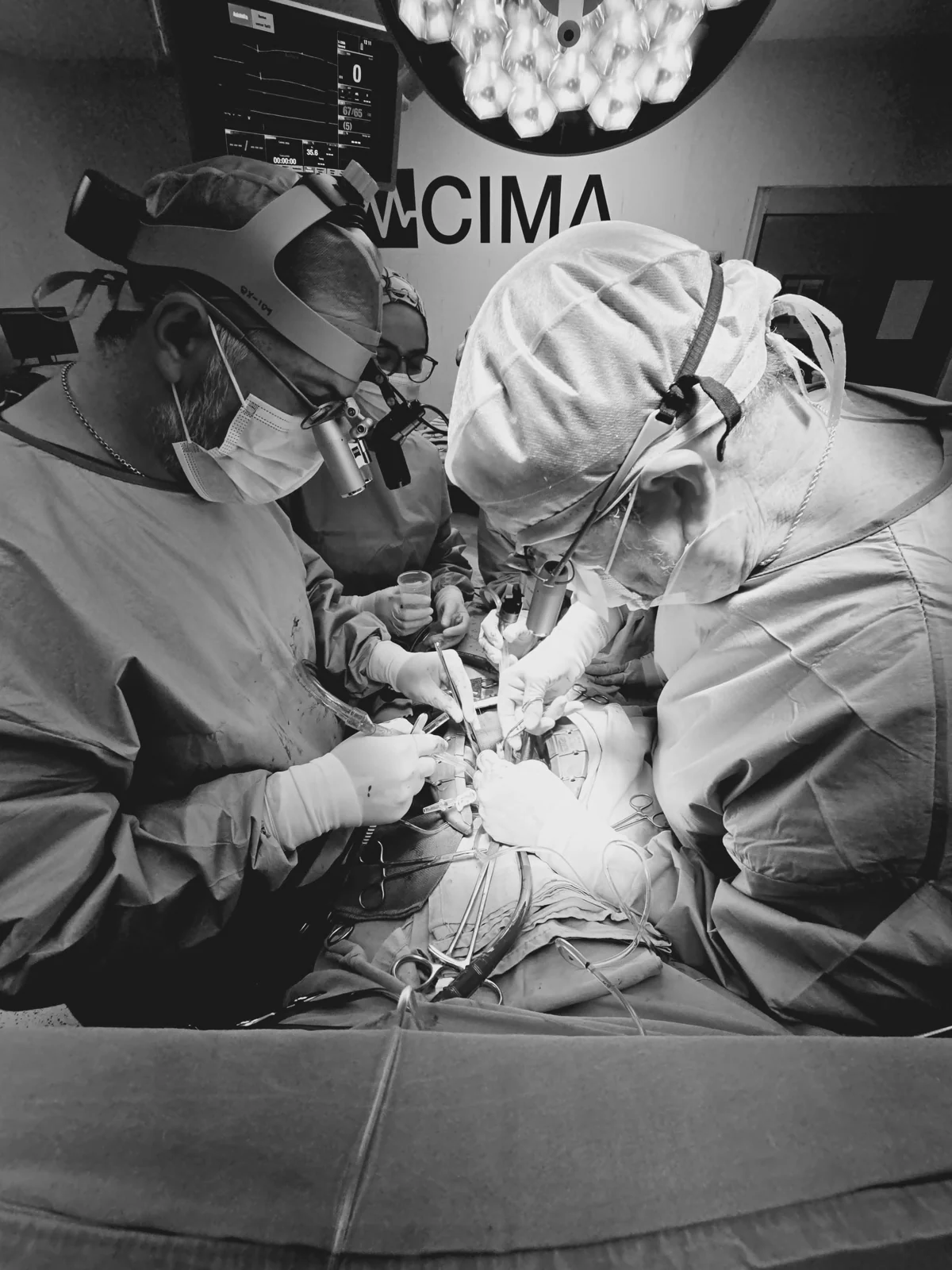
In 2021, fewer than 10 of Mexico's roughly 5,000 hospitals had a hybrid operating room.
Diagnostic imaging: seeing clearly before deciding
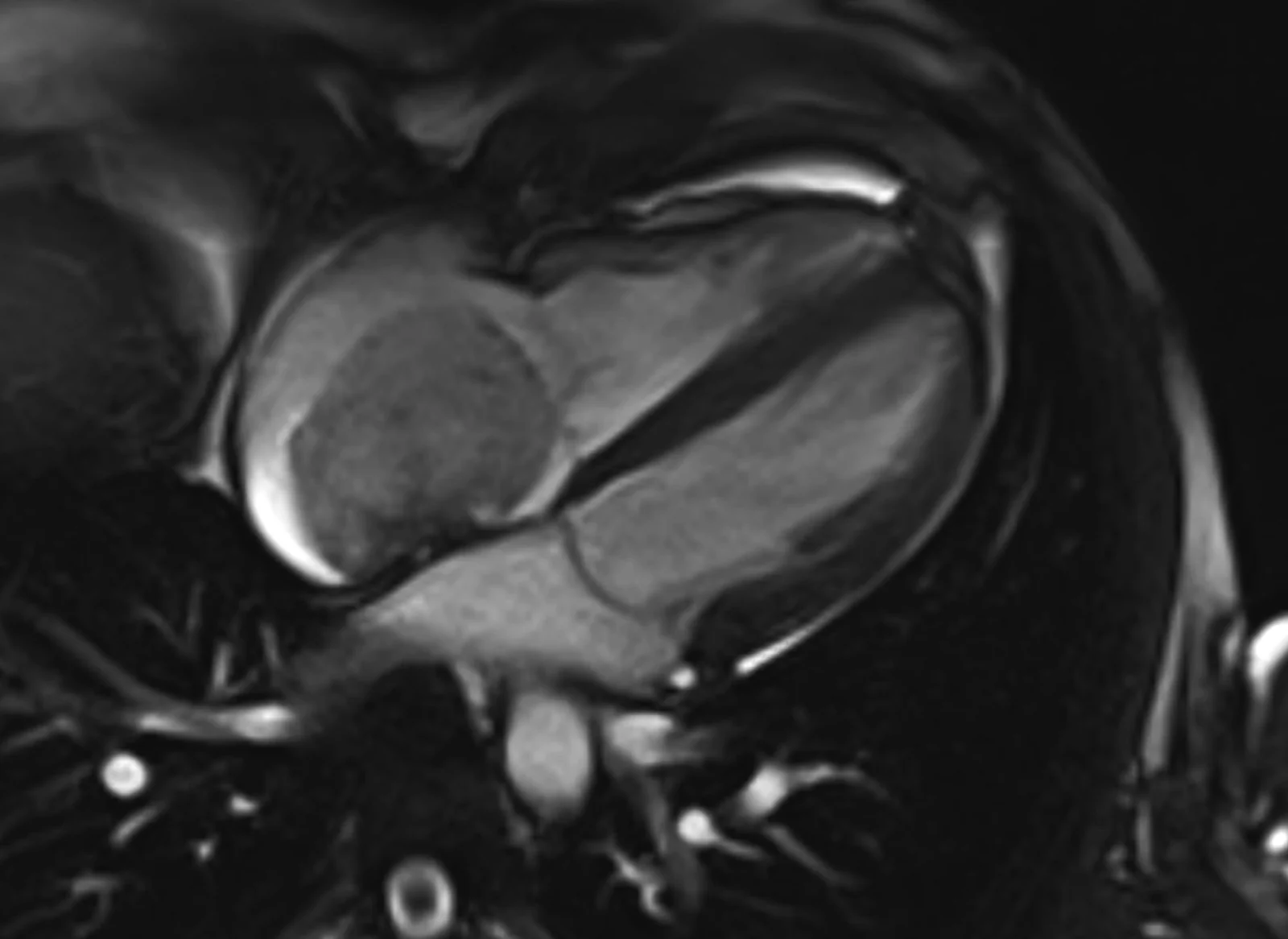
A sound surgical decision starts with a sound diagnosis. In October 2025, IntraMed reported that the hospital had renewed its diagnostic imaging equipment as part of its alliance with Siemens Healthineers, with which the group holds a Value Partnership. With that renewal, the imaging available at the Andares hospital includes:
- A 3-tesla MRI scanner (Magnetom VIDA), used in cardiology to study the structure and function of the heart and the condition of the heart muscle.
- A Somatom Go.Top CT scanner, which allows cross-sectional imaging of the coronary arteries, the aorta and other structures.
- The Artis zee catheterization lab, already in place, where studies such as cardiac catheterization are carried out.
For you as a patient, this means something concrete: the tests your surgeon needs to plan a treatment can be done in the same hospital. Many decisions in heart surgery, from the right time to operate on a valve to the choice of surgical approach, depend on these images and on the medical team reviewing them together.
If you already have test results from somewhere else, bring them to your appointment. Dr. Molina will go over them with you and tell you whether anything more is needed or whether what you have is enough to guide the next step.

Independent recognition and quality
Any hospital can describe itself in flattering terms, which is why it helps to look at what outside organizations say. These are the recognitions we have been able to verify against their sources:
- Newsweek World’s Best Hospitals, Mexico. In the ranking compiled by Newsweek and Statista, the hospital placed 30th in 2024 (listed as “Hospitales Puerta de Hierro”), 26th in 2025 and 21st in 2026. In other words, it has moved up every year over the three most recent editions.
- Mayo Clinic Care Network. On February 20, 2019, the group, then known as Centro Médico Puerta de Hierro, joined the Mayo Clinic Care Network. It was the network’s first member from western Mexico.
- Siemens Healthineers. The group holds a Value Partnership with Siemens Healthineers, the company that supplied its hybrid operating room and its newest imaging equipment.
- Business recognition. In 2024, Players of Life magazine named Hospitales Puerta de Hierro among the “50 Empresas de Jalisco más destacadas” (50 most outstanding companies in Jalisco).
No ranking guarantees the outcome of any particular treatment, and no hospital is perfect. Still, steady improvement in an international assessment and documented investment in equipment are reasonable signs that a place takes the quality of its care seriously.
What you can consult Dr. Molina about
Seeing a cardiovascular surgeon does not always end in surgery. Many people come with a specific question: their cardiologist heard a murmur, a test showed a valve that does not close properly, a catheterization found blocked arteries, or they simply want a second opinion before deciding.
During the consultation, Dr. Molina reviews your medical history and your test results and explains, without hurry, what is happening in your heart and what the alternatives are. Topics you can bring to him include heart valve disease, coronary artery disease, diseases of the aorta and whether a minimally invasive approach is an option in your case.
The goal of the first visit is for you to leave understanding your situation, knowing which options exist and what each involves, and with a clear plan for the next step, whether that is monitoring, further testing or treatment.
These are some of the procedures you can consult Dr. Molina about in Zapopan:
- Coronary bypass surgery
- Heart valve repair and replacement
- Aortic surgery and aneurysms
- Minimally invasive heart surgery
- TAVI: aortic valve by catheter
- Surgical second opinion
What to expect at your appointment
Knowing in advance how the visit will go makes it easier to arrive calm. Here are some general suggestions:
- Bring your test results. Echocardiograms, electrocardiograms, CT scans, MRIs, catheterization reports and lab work, on paper or in digital form. If you have discs with the images, even better.
- Bring a list of your medications with the dose and timing of each, including blood thinners, antiplatelet drugs and supplements.
- Write down your questions. It is normal to forget them when you are nervous. Writing them down beforehand helps you make the most of the time.
- Come with someone if you can. A family member can help you remember what was discussed and make decisions with less pressure.
- Arrive early. A large hospital has its own pace, and a few extra minutes spare you unnecessary rushing.
During the visit, Dr. Molina will ask about your symptoms and medical history, examine you and go through your results with you. If another test is needed, he will tell you which one and why. If surgery is an option, he will explain what it would involve, its benefits and risks in your particular case and what alternatives exist. No decision has to be made on the spot.
Hospital stay, recovery and follow-up
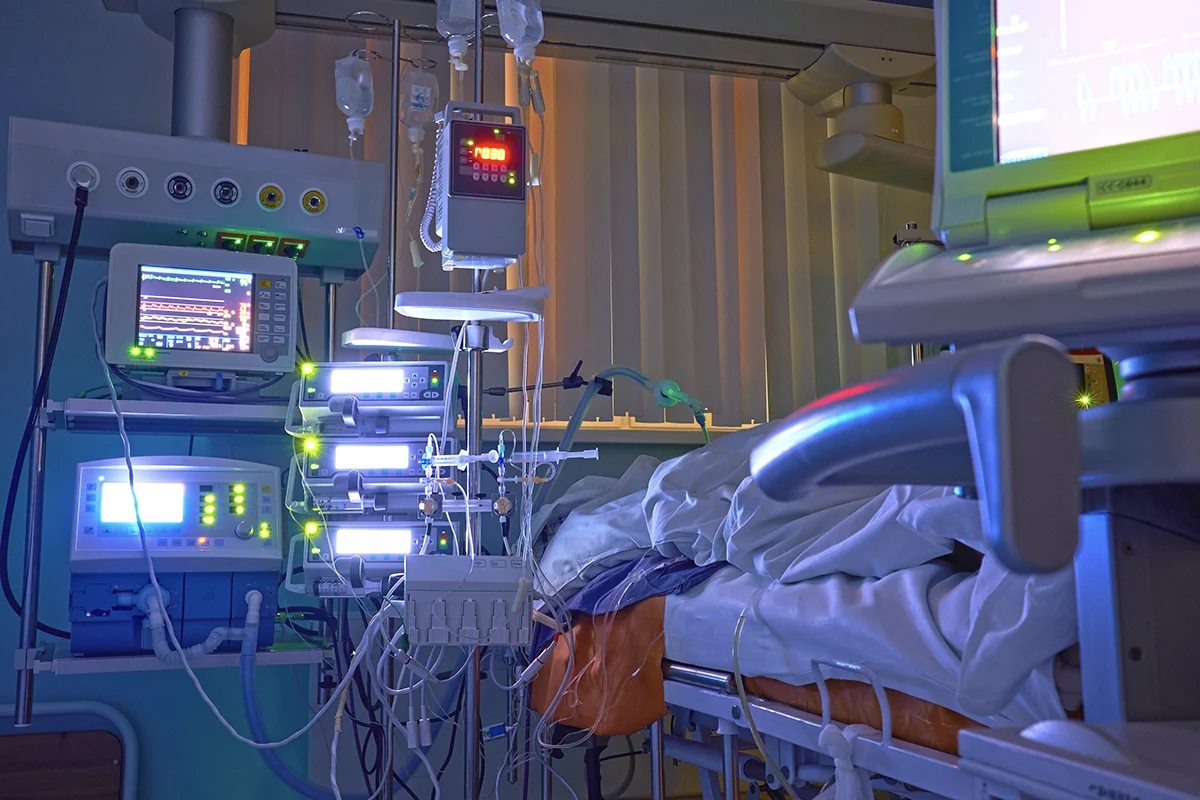
If you and your doctor decide that a procedure is the right course, care does not end in the operating room. After heart surgery, continuous monitoring in the first hours and days is an essential part of treatment: heart rhythm, blood pressure, breathing and other measurements are watched closely while the body recovers.
How long you stay in the hospital and how quickly you recover vary widely from person to person and with the type of procedure. That is why those expectations should be discussed clearly before surgery, not after.
Follow-up is the other half of treatment. Later visits are used to check the incision and your follow-up tests, adjust medications and support you as you return to your usual activities. That follow-up takes place at his offices in the Ángeles del Carmen and Andares hospitals.

Frequently asked questions
Does Dr. Molina have an office at Hospital Puerta de Hierro Andares?
No. His Guadalajara offices are at Hospital Ángeles del Carmen and Hospital Ángeles Andares. At Hospital Puerta de Hierro Andares he performs some of his operations. The details to book your appointment are on the contact page.
What should I bring to my first appointment?
Any heart-related tests you have (echocardiogram, electrocardiogram, CT, MRI, catheterization and lab work), a complete list of your medications and your questions in writing. Tests done at another hospital are useful too: Dr. Molina will review them with you.
If I book a consultation, does that mean I will need surgery?
No. Many visits with a cardiovascular surgeon end with monitoring, further testing or treatment without surgery. The purpose of the appointment is for you to understand your diagnosis and your options, so that any decision is made with you, based on clear information.
Is the hospital part of the Mayo Clinic Care Network?
The group, as Centro Médico Puerta de Hierro, joined the Mayo Clinic Care Network on February 20, 2019, as the network’s first member from western Mexico. If this matters to your decision, we suggest confirming the hospital’s current affiliations directly with the hospital.
Sources
- Newsweek — World's Best Hospitals 2026: Mexico (2026)
- Newsweek — World's Best Hospitals 2025: Mexico (2025)
- Newsweek — World's Best Hospitals 2024: Mexico (2024)
- Mayo Clinic News Network — Centro Médico Puerta de Hierro in Mexico joins Mayo Clinic Care Network (2019)
- Siemens Healthineers — Hybrid OR Mexico customer story: Breaking even in one year (2021)
- Forbes México / EFE — Quirófano híbrido en México reduce los riesgos en cirugías (2022)
- IntraMed — Hospitales Puerta de Hierro renueva su equipo de diagnóstico por imagen en alianza con Siemens Healthineers (2025)
- Players of Life — Hospitales Puerta de Hierro, 50 Empresas de Jalisco más destacadas en 2024 (2024)