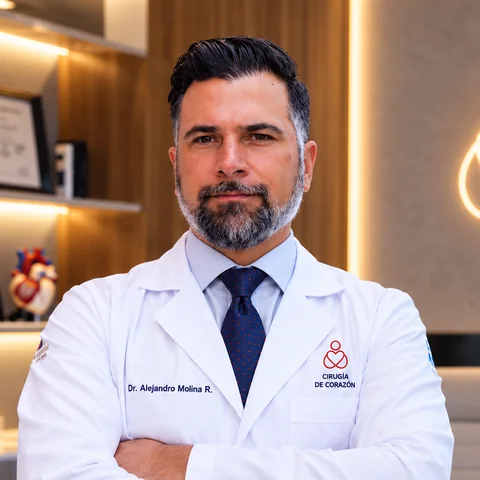
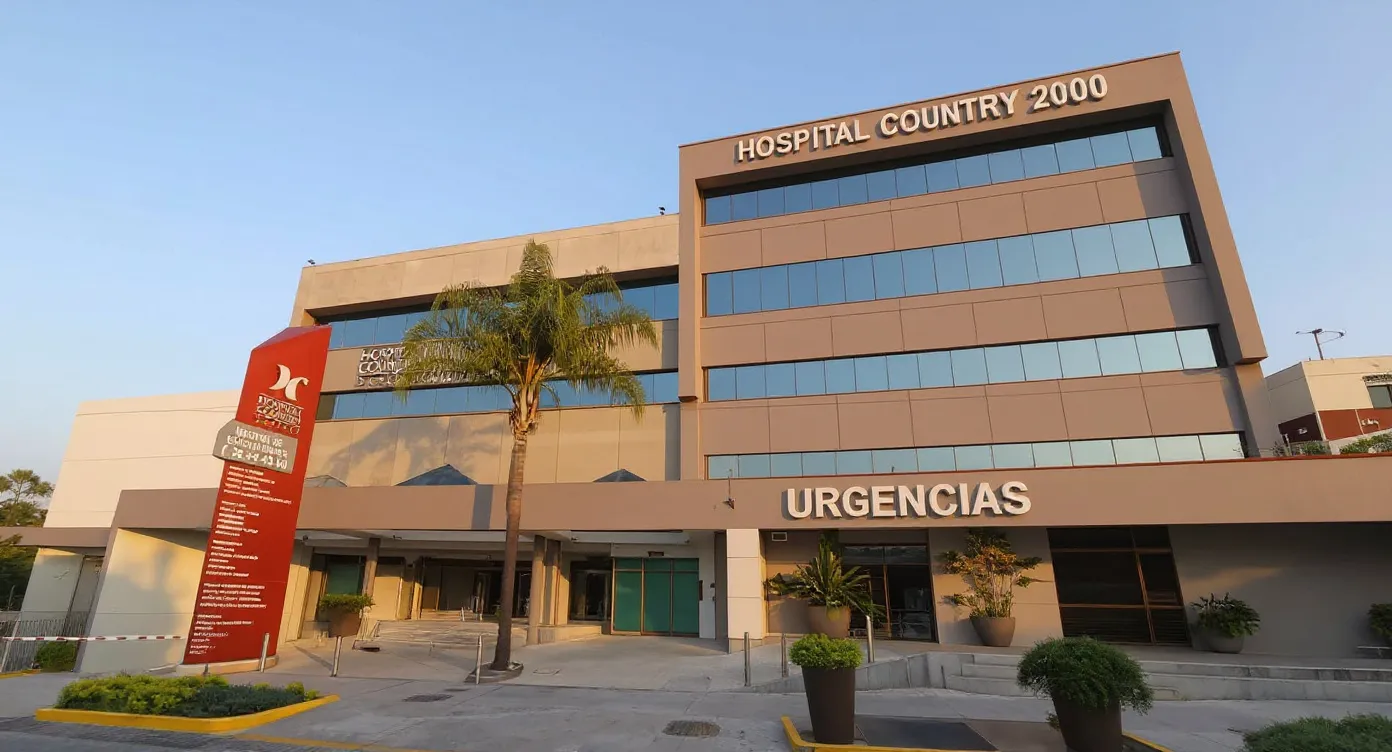
Hospital Country 2000 stands on Avenida Circunvalación Jorge Álvarez del Castillo, in the Chapultepec Country neighborhood of Guadalajara. It opened in February 2000 and has grown into one of the large private hospitals of the city. Dr. Alejandro Molina performs heart surgery at Hospital Country 2000.
He does not have an office in this hospital. In Guadalajara, consultations are held at his offices in Hospital Ángeles del Carmen and Hospital Ángeles Andares, and the operation is scheduled at the hospital that suits your case. This page gathers what can be checked in public sources about Hospital Country 2000. The sources are at the end.
A hospital that grew with its city
The hospital opened its doors to the public in February 2000. A member of its board recalled, at the sixteenth anniversary, that it began with only two floors. Since then its capacity has grown to about four times what it first offered, and it is described as one of the largest and best-equipped hospitals in Jalisco.
Today the hospital presents itself simply as Hospital Country, although most people in Guadalajara still know it by its original name, Hospital Country 2000. According to its own figures it has more than 15 operating rooms and a staff of over 900 people, 48 percent of them nurses. It receives patients from Guadalajara and from other parts of Mexico.
It is a member of the Asociación de Hospitales Particulares de Jalisco, the association of private hospitals of the state.
Awards and certification
Any hospital can describe itself in flattering terms, so it helps to look at what others have recognized. These are the recognitions reported by the Guadalajara newspaper El Informador in 2016:
- Jalisco Quality Award (Premio Jalisco a la Calidad), 2009.
- National award for good sterilization practice, 2012, followed by the state award in 2013. Sterilization is the process that keeps surgical instruments free of germs, which matters in any operating room.
- Recertification by the Consejo de Salubridad General, the national body that certifies hospitals in Mexico against quality and patient-safety standards.
A certification is valid for a period and then has to be renewed. If it matters to your decision, ask the hospital for the date of its current certificate.
It began with only two floors; today it reports more than 15 operating rooms.
Heart surgery at Hospital Country 2000: what the hospital offers
Heart surgery depends on everything around the operating room. According to the hospital's own information, Hospital Country 2000 has:
- Cardiology among its specialties.
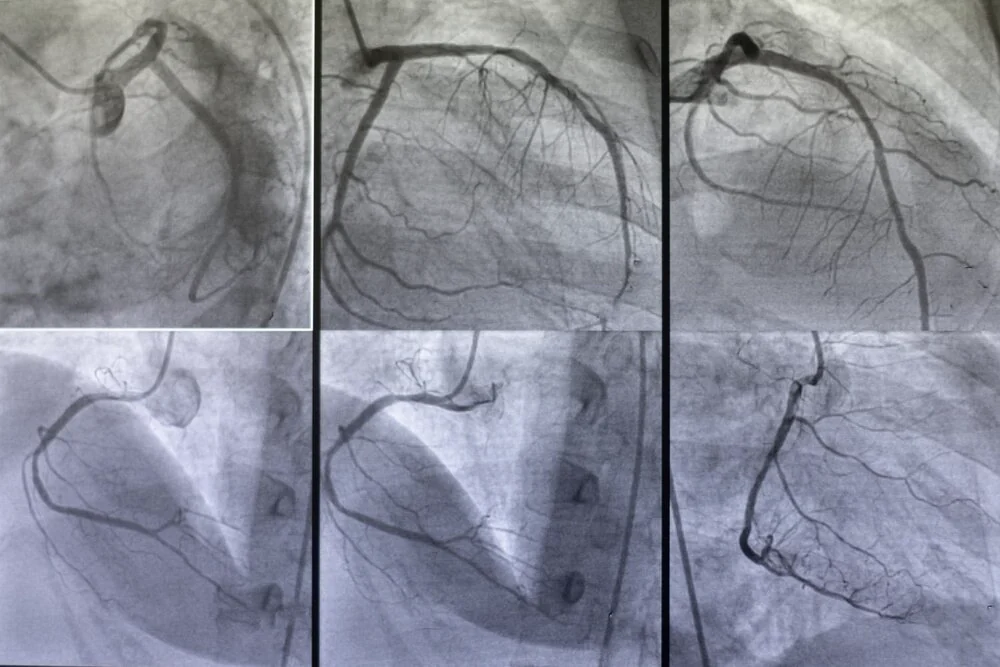
- A hemodynamics service, the room where cardiac catheterization is done to study and treat the arteries of the heart.
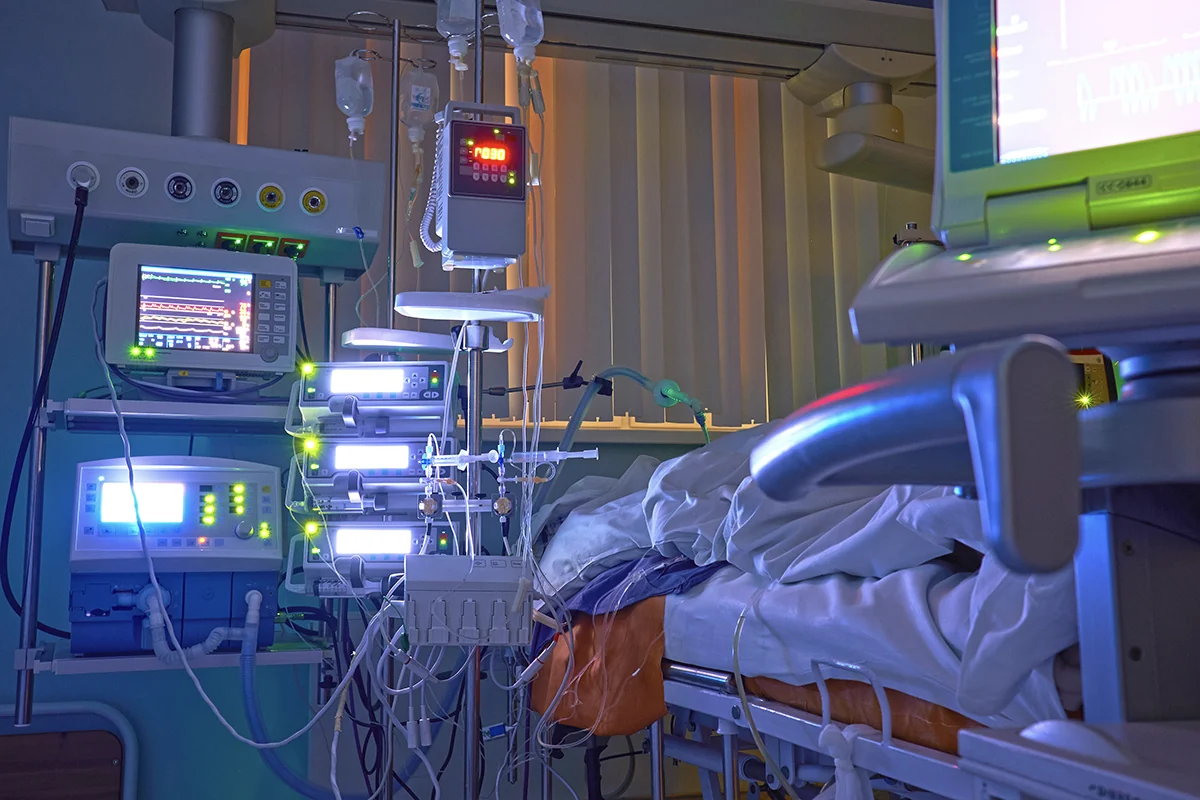
- Intensive care for adults, children and newborns, and an intermediate care unit.
- A blood bank, clinical laboratory, and radiology and imaging.
- An emergency department open 24 hours a day, with ambulances.
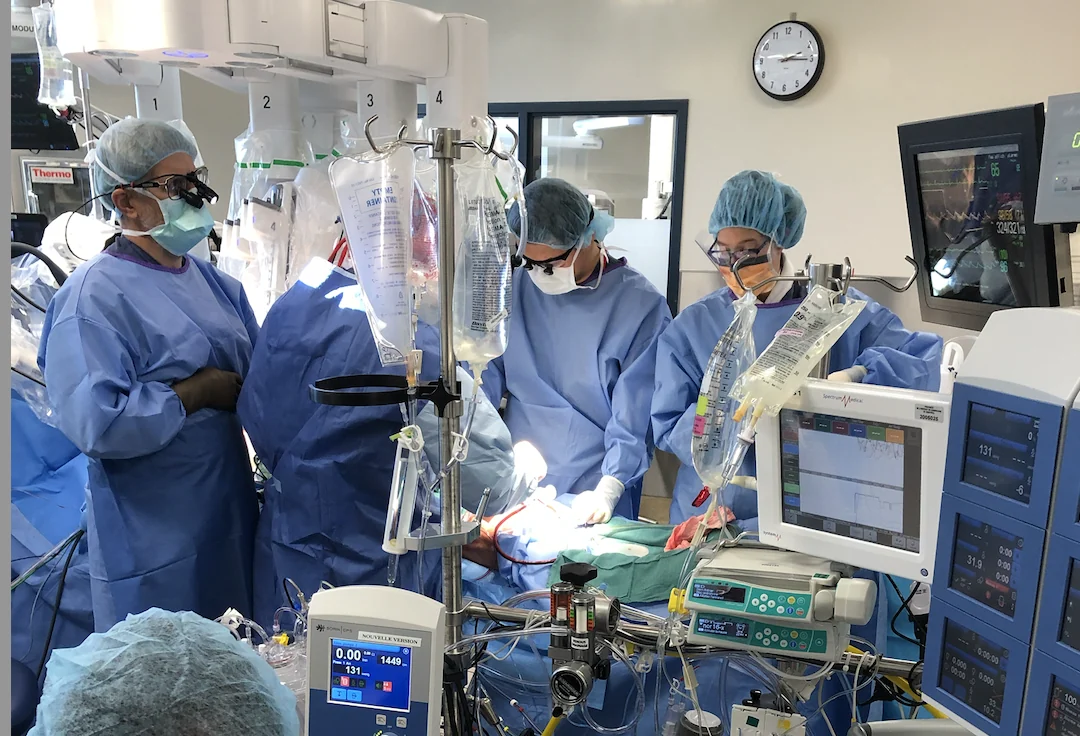
After heart surgery, patients usually spend the first hours or days in intensive care, with continuous monitoring, and then continue their recovery in a hospital room.
What you can consult Dr. Molina about
Seeing a cardiovascular surgeon does not always end in surgery. Many people come with a specific question: their cardiologist heard a murmur, a test showed a valve that does not close properly, a catheterization found blocked arteries, or they simply want a second opinion before deciding.
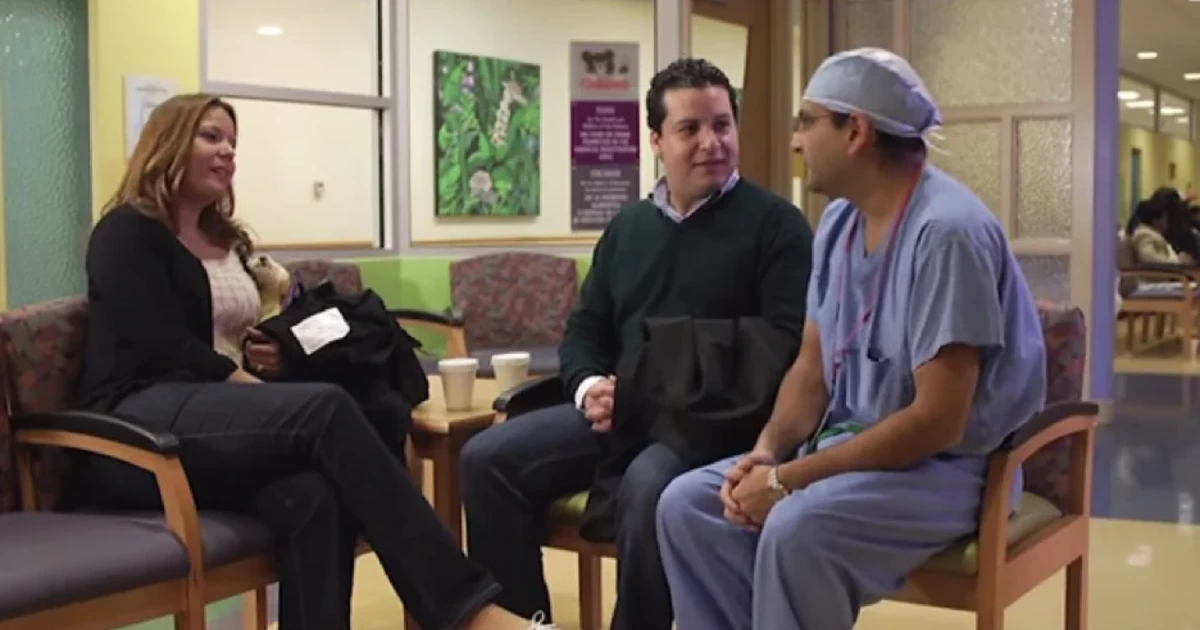
During the consultation, Dr. Molina reviews your medical history and your test results and explains, without hurry, what is happening in your heart and what the alternatives are. Topics you can bring to him include heart valve disease, coronary artery disease, diseases of the aorta and whether a minimally invasive approach is an option in your case.
The goal of the first visit is for you to leave understanding your situation, knowing which options exist and what each involves, and with a clear plan for the next step, whether that is monitoring, further testing or treatment.
These are some of the procedures you can consult Dr. Molina about in Guadalajara:
- Coronary bypass surgery
- Heart valve repair and replacement
- Aortic surgery and aneurysms
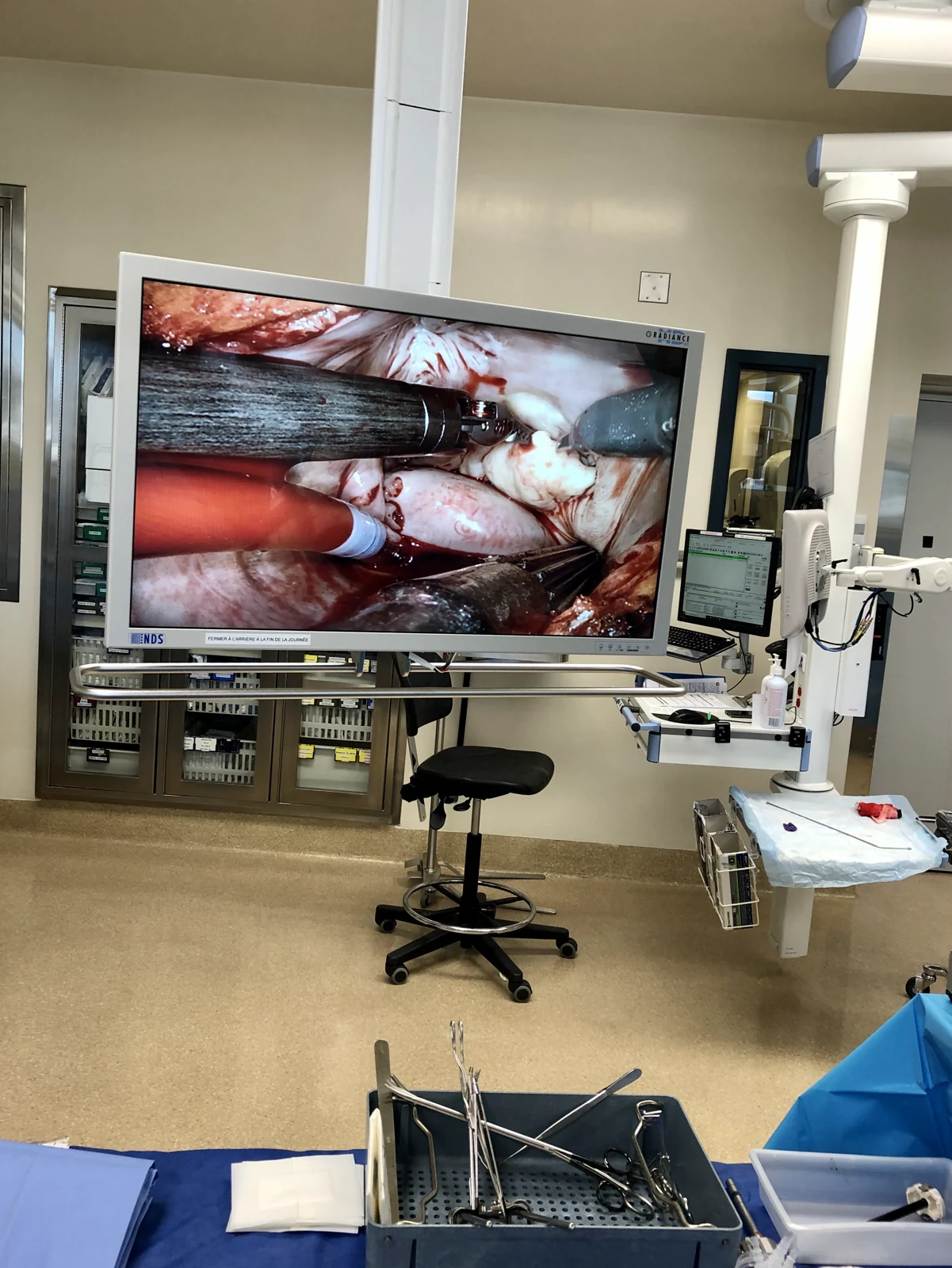
- Minimally invasive heart surgery
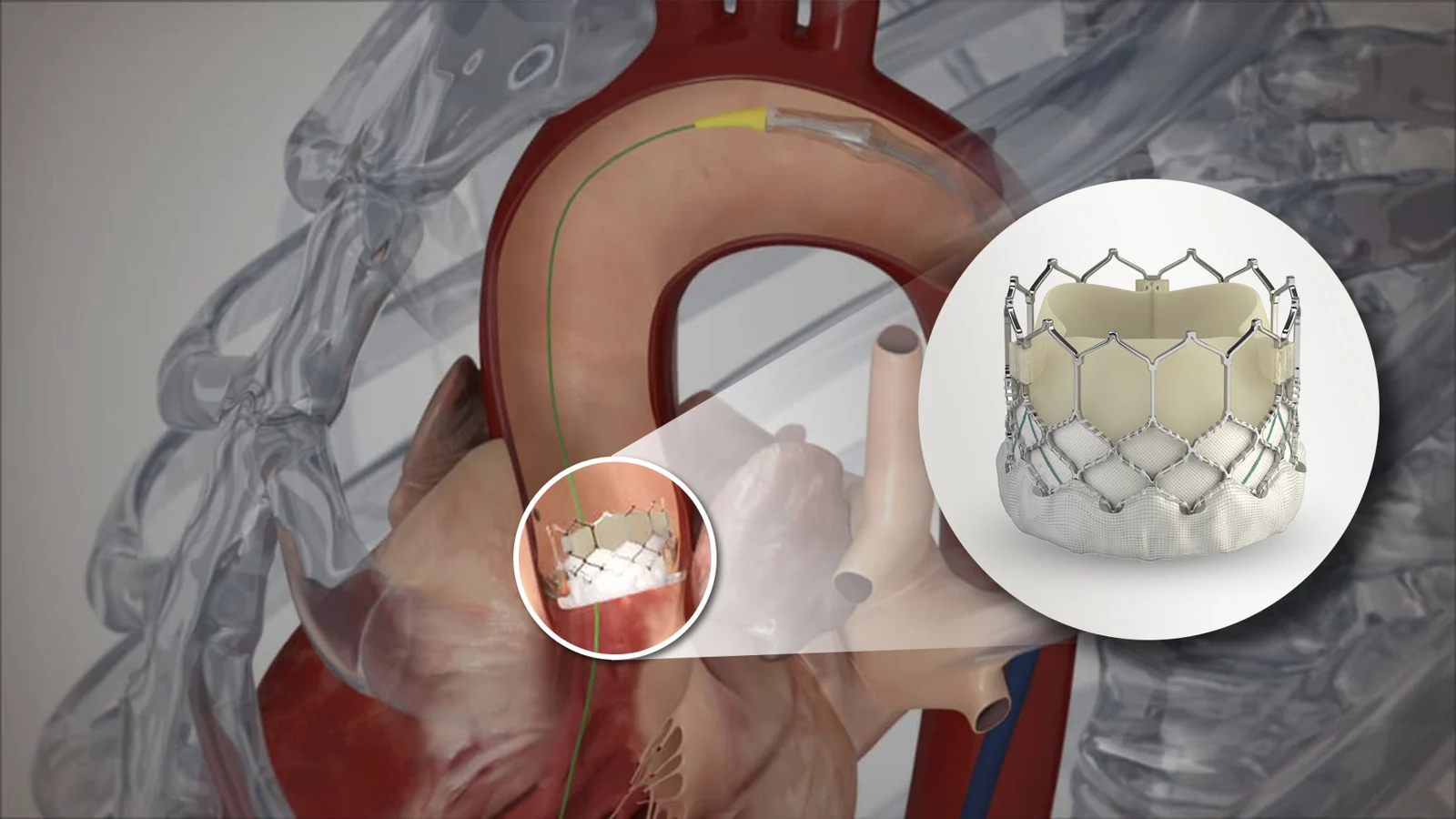
- TAVI: aortic valve by catheter
- Surgical second opinion
What to expect at your appointment
Knowing in advance how the visit will go makes it easier to arrive calm. Here are some general suggestions:
- Bring your test results. Echocardiograms, electrocardiograms, CT scans, MRIs, catheterization reports and lab work, on paper or in digital form. If you have discs with the images, even better.
- Bring a list of your medications with the dose and timing of each, including blood thinners, antiplatelet drugs and supplements.
- Write down your questions. It is normal to forget them when you are nervous. Writing them down beforehand helps you make the most of the time.
- Come with someone if you can. A family member can help you remember what was discussed and make decisions with less pressure.
- Arrive early. A large hospital has its own pace, and a few extra minutes spare you unnecessary rushing.
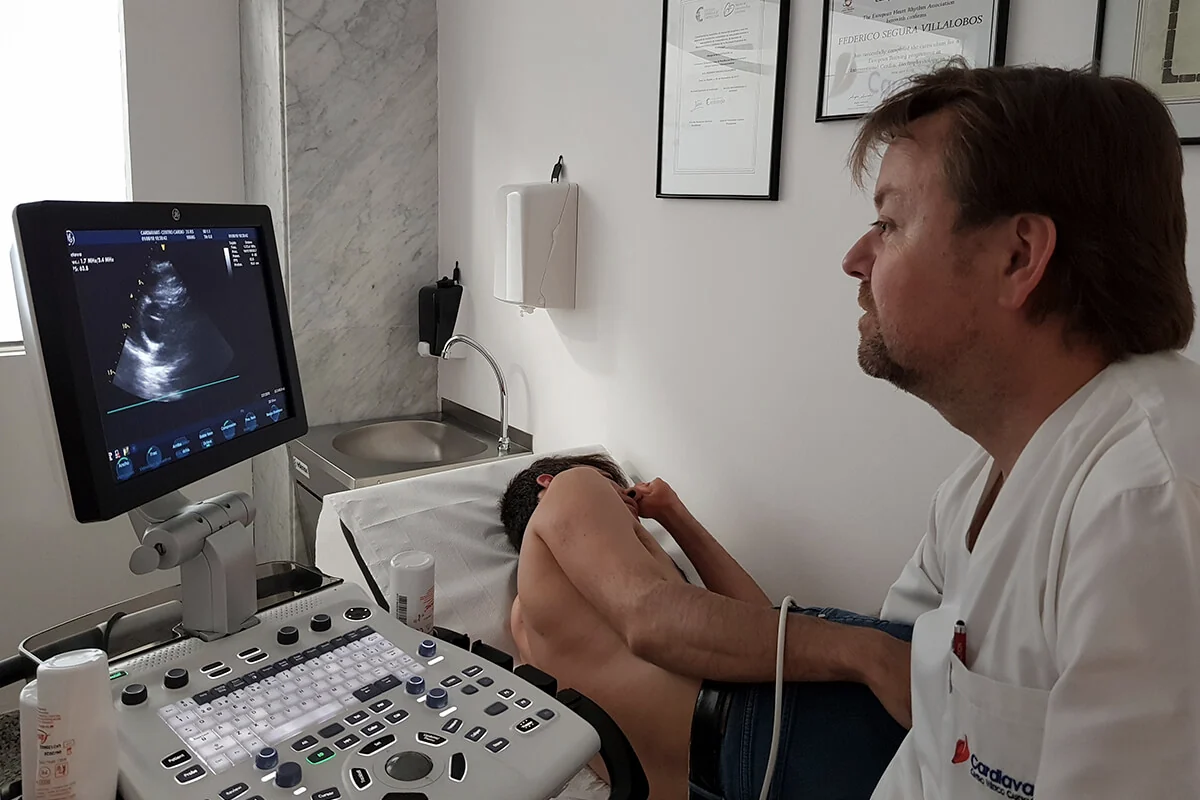
During the visit, Dr. Molina will ask about your symptoms and medical history, examine you and go through your results with you. If another test is needed, he will tell you which one and why. If surgery is an option, he will explain what it would involve, its benefits and risks in your particular case and what alternatives exist. No decision has to be made on the spot.
Hospital stay, recovery and follow-up
If you and your doctor decide that a procedure is the right course, care does not end in the operating room. After heart surgery, continuous monitoring in the first hours and days is an essential part of treatment: heart rhythm, blood pressure, breathing and other measurements are watched closely while the body recovers.
How long you stay in the hospital and how quickly you recover vary widely from person to person and with the type of procedure. That is why those expectations should be discussed clearly before surgery, not after.
Follow-up is the other half of treatment. Later visits are used to check the incision and your follow-up tests, adjust medications and support you as you return to your usual activities. That follow-up takes place at his offices in the Ángeles del Carmen and Andares hospitals.
How to read this information
An award tells you that an organization met a standard in a given year. It does not tell you how a particular operation will go for a particular person. Use this information to know the place, and use the consultation to talk about your own case: what is recommended for you, why, and what the alternatives are.
Frequently asked questions
Does Dr. Molina see patients at Hospital Country 2000?
He operates there, but he does not have an office in this hospital. In Guadalajara he sees patients at Hospital Ángeles del Carmen and Hospital Ángeles Andares.
Can my surgery be done at Hospital Country 2000?
It can, if the hospital suits your case and your insurance. The hospital is chosen with you at the consultation, once the diagnosis and the type of operation are clear.
What should I bring to the consultation?
Your previous tests with their images if you have them, a list of your medications and doses, reports from other doctors, and your questions in writing.
Can I ask for a second opinion?
Yes. If you have already been offered heart surgery, you can consult Dr. Molina to review your diagnosis and your options before deciding.