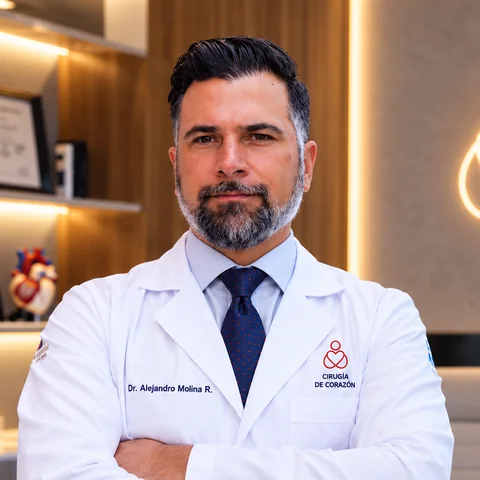
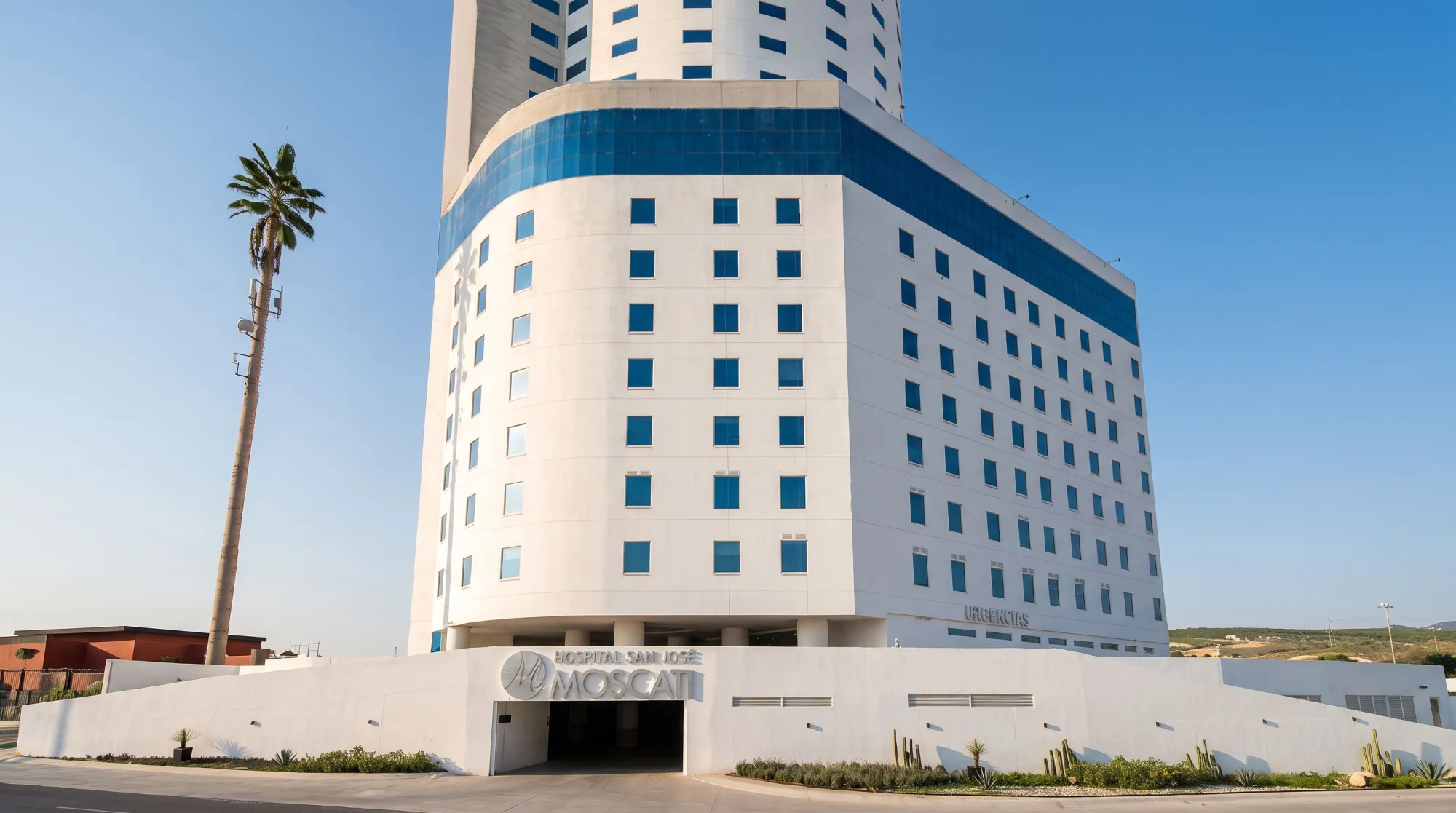
Hospital Moscati, also known as Hospital San José Moscati, is on Avenida de las Ciencias in Juriquilla, in the north of the city of Querétaro. Its tower can be seen from much of the area: at 155 meters, it is the tallest building in the city. Dr. Alejandro Molina performs heart surgery at Hospital Moscati.
He does not have an office in this hospital. In Querétaro, consultations are held at his office in Hospital Ángeles Centro Sur, and the operation is scheduled at the hospital that suits your case. This page gathers what can be checked in public sources. The sources are at the end.
The tallest building in Querétaro
Hospital Moscati occupies a 155-meter tower in Juriquilla. The Skyscraper Center, the reference database for tall buildings, lists it as the tallest building in Querétaro and records its completion in 2022. The hospital was still being built in March 2020, when the equipment for its cancer center was ordered.
According to the hospital’s own pages, its services include an emergency department open 24 hours a day, every day of the year; intensive care units for adults and for newborns; imaging with MRI, CT, X-ray, ultrasound, mammography and bone densitometry; clinical and molecular laboratories; and maternity, oncology, ophthalmology and rehabilitation.
The hospital does not publish its number of beds or operating rooms on those pages, so this page does not give figures for them.
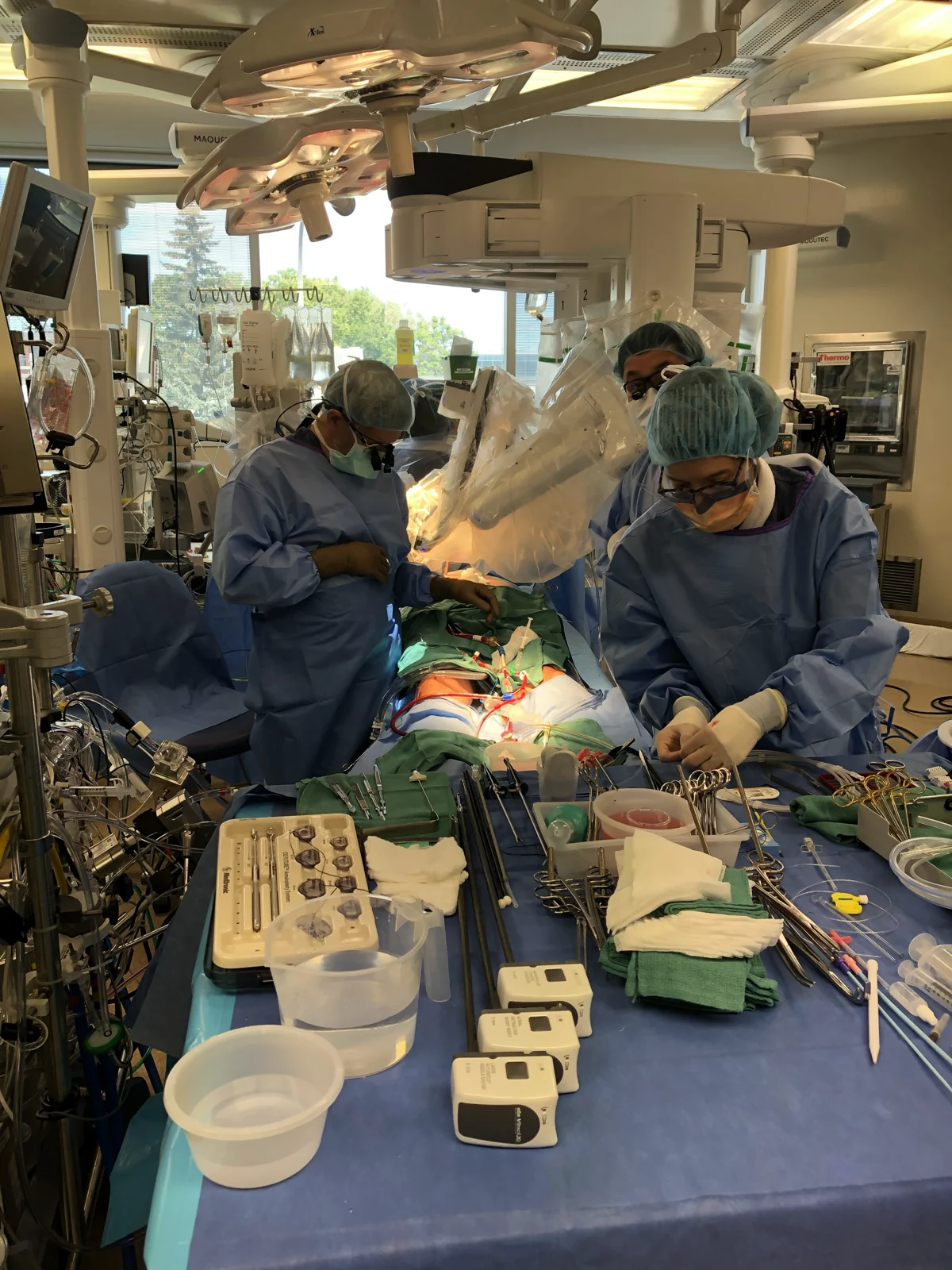
An intensive care unit certified for humane care
In February 2024 the hospital received the HUCI certification, an international program that recognizes intensive care units that care for the patient as a person: with the family present, with attention to emotional as well as physical state, and with trained staff and safety protocols.
- Score: 95.5.
- Second hospital in Latin America to receive this recognition, as reported by El Universal Querétaro.
- Presented by representatives of the HUCI project from Spain and Chile.
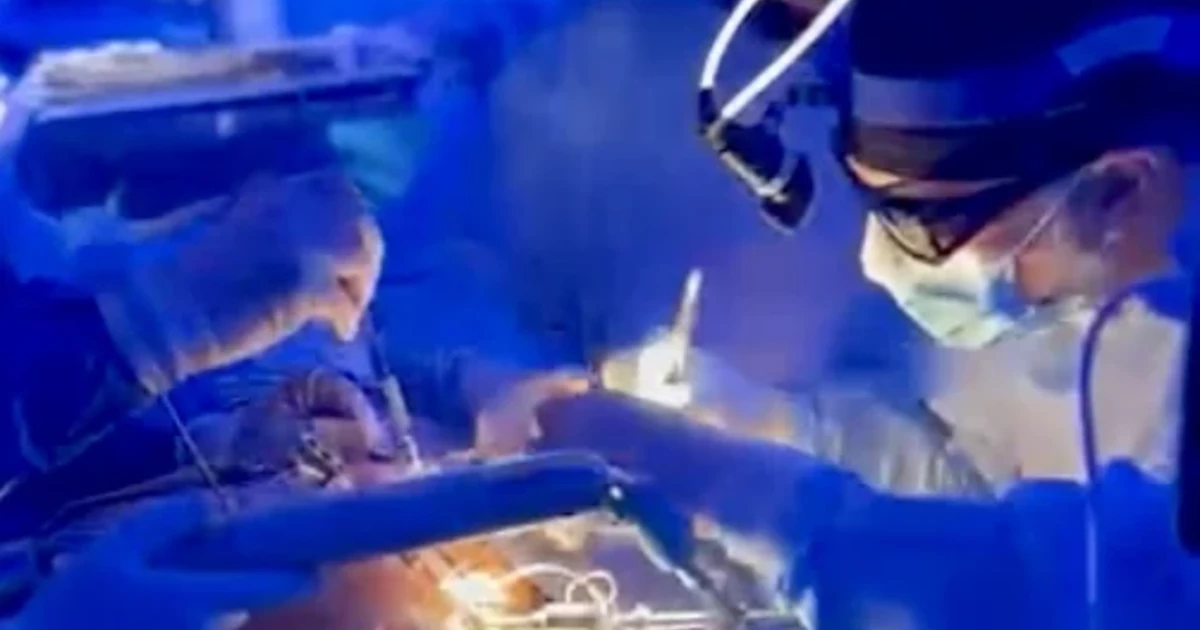
This matters for heart surgery because the first hours and days after an operation are spent in intensive care. The hospital describes its adult unit as designed for patients in critical condition, with constant monitoring.
At 155 meters, its tower is the tallest building in Querétaro.
Heart surgery at Hospital Moscati: technology and what to ask
The hospital was planned with a strong bet on technology. In March 2020 the manufacturer Elekta announced that the hospital had ordered the radiotherapy equipment for its cancer center: a linear accelerator guided by MRI, a second linear accelerator, Gamma Knife radiosurgery and brachytherapy.
For the heart, the hospital’s own pages describe its intensive care, imaging and emergency services, but not a catheterization laboratory or a heart surgery program, so we do not describe them here. At the consultation, Dr. Molina will tell you which operations he performs at Hospital Moscati and whether it is the right place for yours.
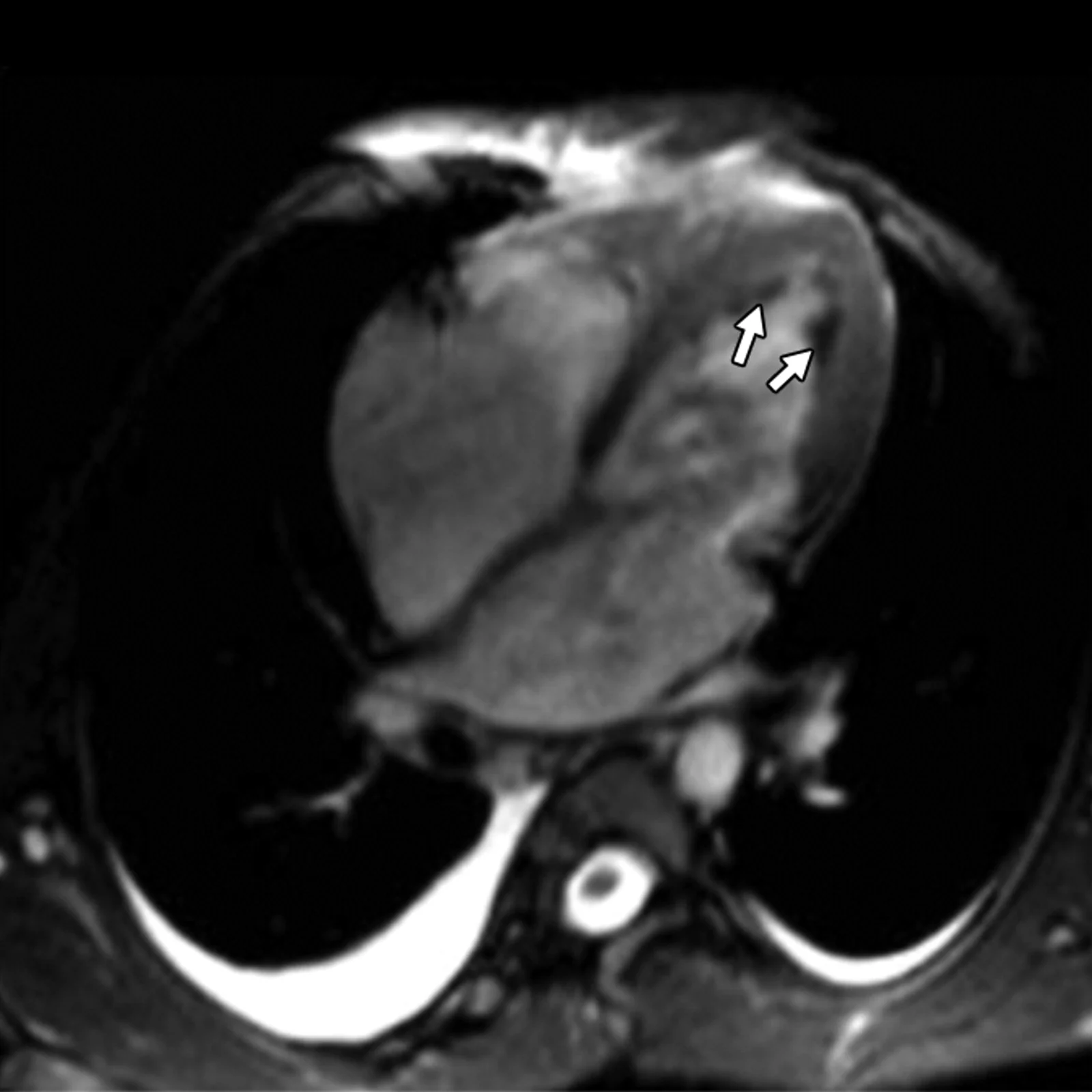
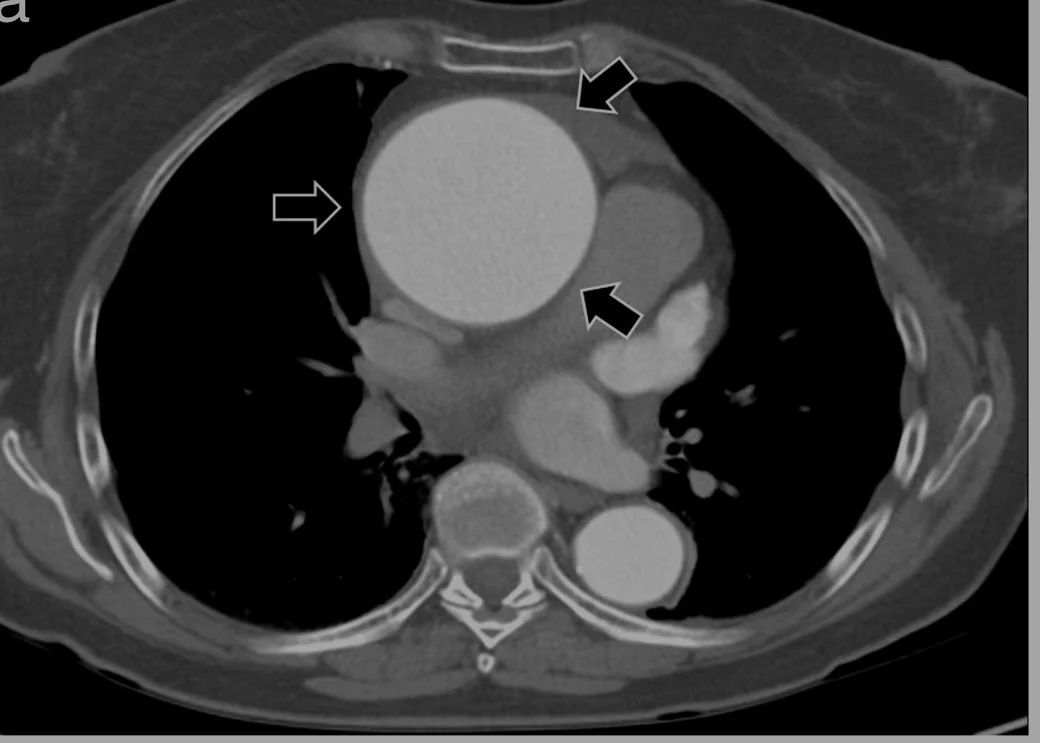
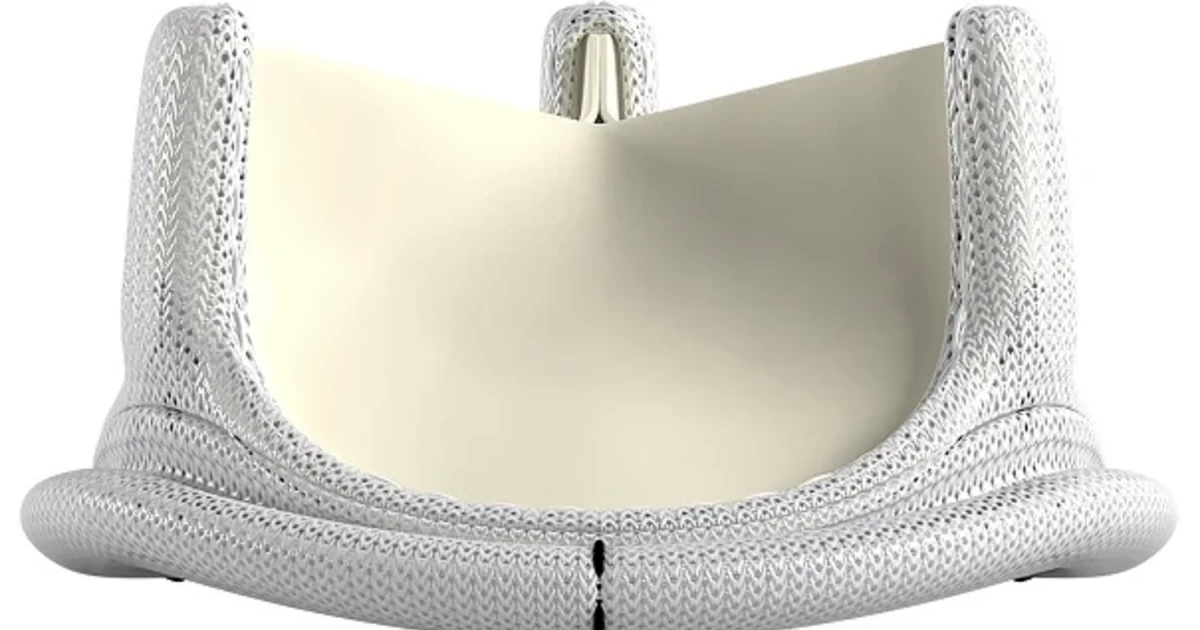
What you can consult Dr. Molina about
Seeing a cardiovascular surgeon does not always end in surgery. Many people come with a specific question: their cardiologist heard a murmur, a test showed a valve that does not close properly, a catheterization found blocked arteries, or they simply want a second opinion before deciding.
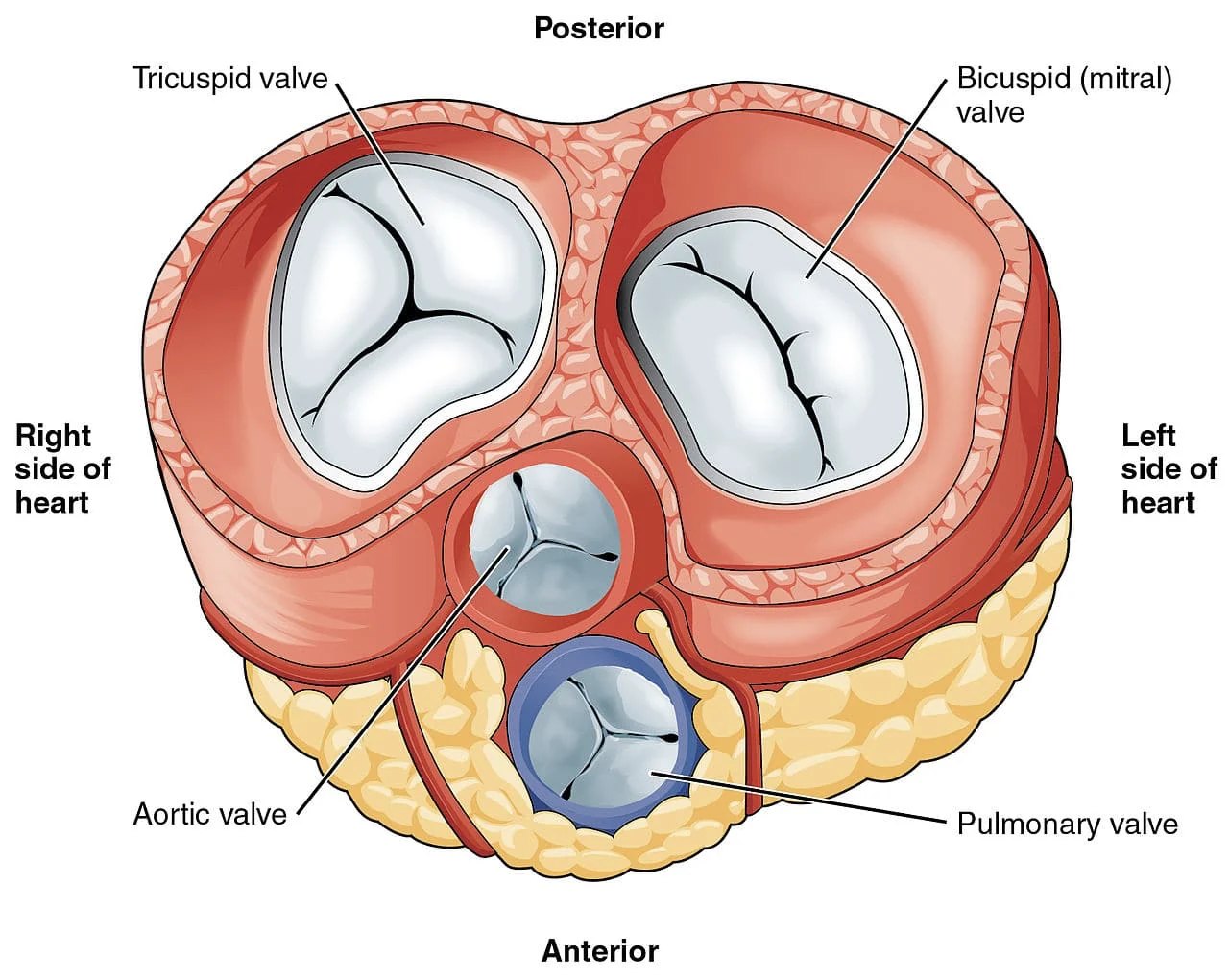
During the consultation, Dr. Molina reviews your medical history and your test results and explains, without hurry, what is happening in your heart and what the alternatives are. Topics you can bring to him include heart valve disease, coronary artery disease, diseases of the aorta and whether a minimally invasive approach is an option in your case.
The goal of the first visit is for you to leave understanding your situation, knowing which options exist and what each involves, and with a clear plan for the next step, whether that is monitoring, further testing or treatment.
These are some of the procedures you can consult Dr. Molina about in Querétaro:
- Coronary bypass surgery
- Heart valve repair and replacement
- Aortic surgery and aneurysms
- Minimally invasive heart surgery
- TAVI: aortic valve by catheter
- Surgical second opinion
What to expect at your appointment
Knowing in advance how the visit will go makes it easier to arrive calm. Here are some general suggestions:
- Bring your test results. Echocardiograms, electrocardiograms, CT scans, MRIs, catheterization reports and lab work, on paper or in digital form. If you have discs with the images, even better.
- Bring a list of your medications with the dose and timing of each, including blood thinners, antiplatelet drugs and supplements.
- Write down your questions. It is normal to forget them when you are nervous. Writing them down beforehand helps you make the most of the time.
- Come with someone if you can. A family member can help you remember what was discussed and make decisions with less pressure.
- Arrive early. A large hospital has its own pace, and a few extra minutes spare you unnecessary rushing.
During the visit, Dr. Molina will ask about your symptoms and medical history, examine you and go through your results with you. If another test is needed, he will tell you which one and why. If surgery is an option, he will explain what it would involve, its benefits and risks in your particular case and what alternatives exist. No decision has to be made on the spot.
Hospital stay, recovery and follow-up
If you and your doctor decide that a procedure is the right course, care does not end in the operating room. After heart surgery, continuous monitoring in the first hours and days is an essential part of treatment: heart rhythm, blood pressure, breathing and other measurements are watched closely while the body recovers.
How long you stay in the hospital and how quickly you recover vary widely from person to person and with the type of procedure. That is why those expectations should be discussed clearly before surgery, not after.
Follow-up is the other half of treatment. Later visits are used to check the incision and your follow-up tests, adjust medications and support you as you return to your usual activities. That follow-up takes place at his office in Hospital Ángeles Centro Sur.

How to read this information
A certification tells you that a unit met a standard when it was assessed. A building's size tells you nothing about a particular operation. Use this information to know the place, and use the consultation to talk about your own case: what is recommended for you, why, and what the alternatives are.
Frequently asked questions
Does Dr. Molina see patients at Hospital Moscati?
He operates there, but he does not have an office in this hospital. In Querétaro he sees patients at Hospital Ángeles Centro Sur.
Can my surgery be done at Hospital Moscati?
It can, if the hospital suits your case and your insurance. The hospital is chosen with you at the consultation, once the diagnosis and the type of operation are clear.
What should I bring to the consultation?
Your previous tests with their images if you have them, a list of your medications and doses, reports from other doctors, and your questions in writing.
Can I ask for a second opinion?
Yes. If you have already been offered heart surgery, you can consult Dr. Molina to review your diagnosis and your options before deciding.
Sources
- Hospital Moscati — the hospital’s website
- Hospital Moscati — Cuidados Intensivos
- Hospital Moscati — Imagenología
- El Universal Querétaro — Hospital Moscati recibe certificación HUCI (2024)
- The Skyscraper Center — Hospital San José Moscati
- Elekta — Access to cancer treatment gets major boost in Mexico (2020)