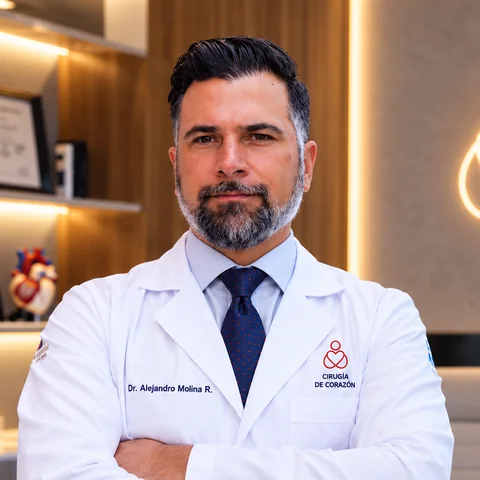
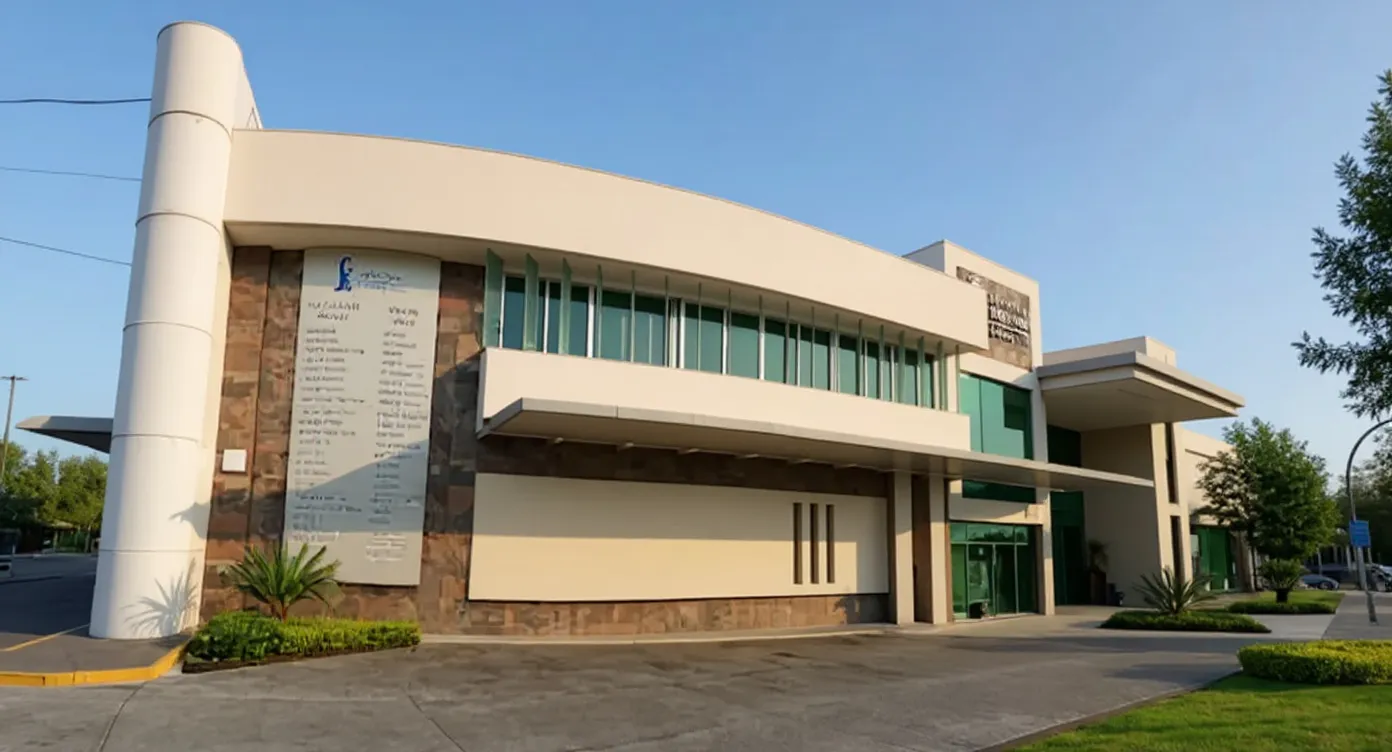
Hospital Santa María Chapalita is on Avenida Niño Obrero 1666, in the Chapalita neighborhood, where Guadalajara and Zapopan meet. It is a private Catholic hospital, and it houses a cardiovascular center that covers the whole path of a heart patient. Dr. Alejandro Molina performs heart surgery at Hospital Santa María Chapalita.
He does not have an office in this hospital. In Guadalajara, consultations are held at his offices in Hospital Ángeles del Carmen and Hospital Ángeles Andares, and the operation is scheduled at the hospital that suits your case. This page gathers what can be checked in public sources. The sources are at the end.
A neighborhood hospital with a Catholic identity
Chapalita is one of the best-known residential neighborhoods of the Guadalajara metropolitan area, and the hospital has taken its name. It describes itself as a private Catholic hospital whose aim is to give complete, efficient and professional service.
According to the hospital's own listing, its services include an emergency department, hospitalization, operating rooms and ambulatory surgery, an adult intensive care unit, pediatric and neonatal intensive care, a blood bank, endoscopy, laboratories and imaging. It also has its own emergency power plant and an in-house technical department.
The hospital does not publish its number of beds or operating rooms, so this page does not give figures for them.
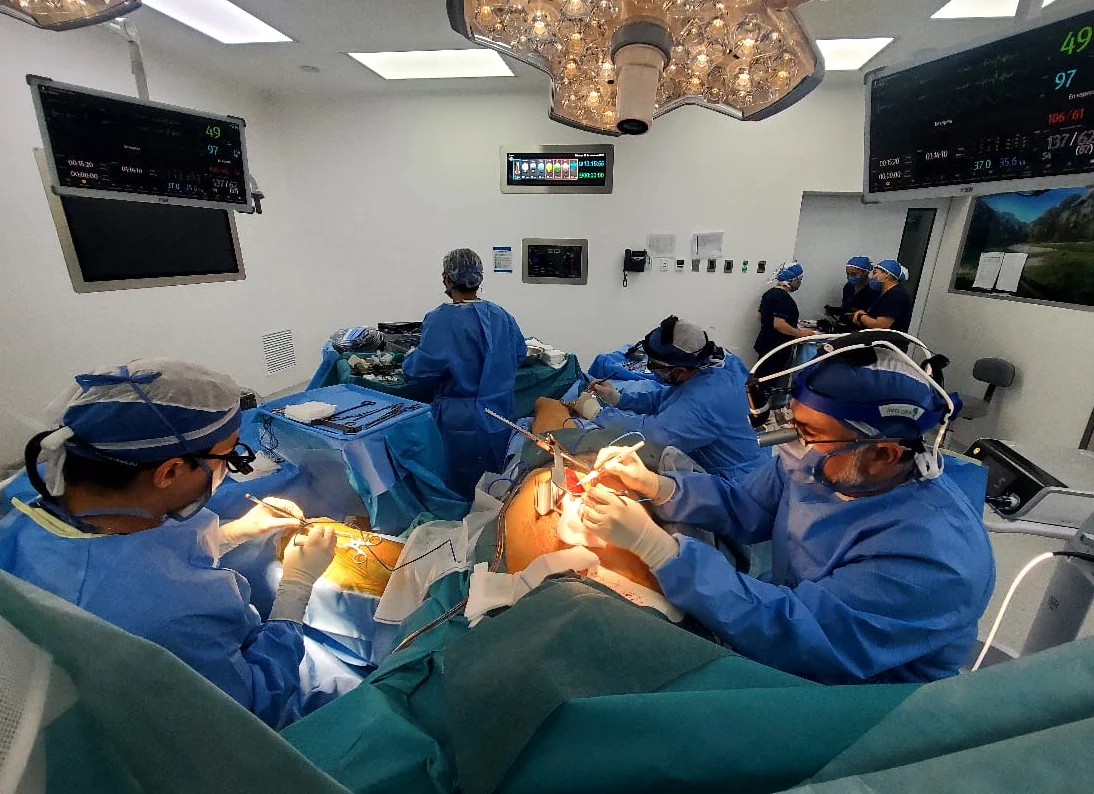
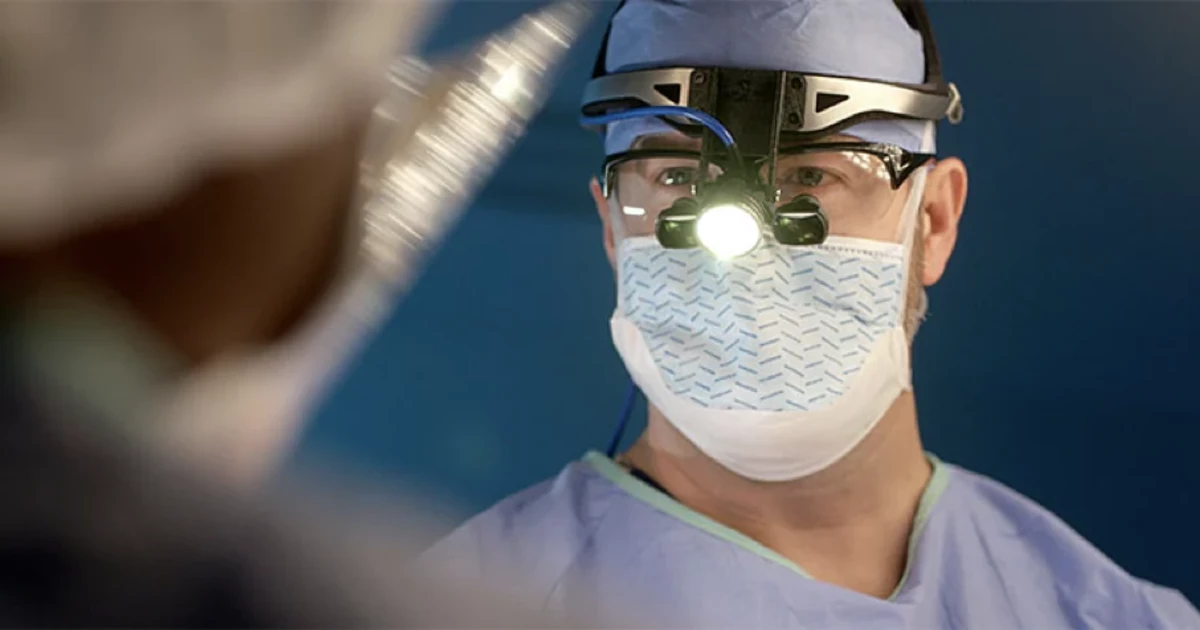
Heart surgery at Hospital Santa María Chapalita: a cardiovascular center inside the hospital
The Centro Cardiovascular Chapalita, a group of certified specialists in the prevention and treatment of cardiovascular disease, has its address at the hospital. According to the center's own information, it offers:
- Cardiac surgery: coronary bypass, minimally invasive surgery, valve repair and replacement, surgery of the aorta and correction of congenital heart defects.
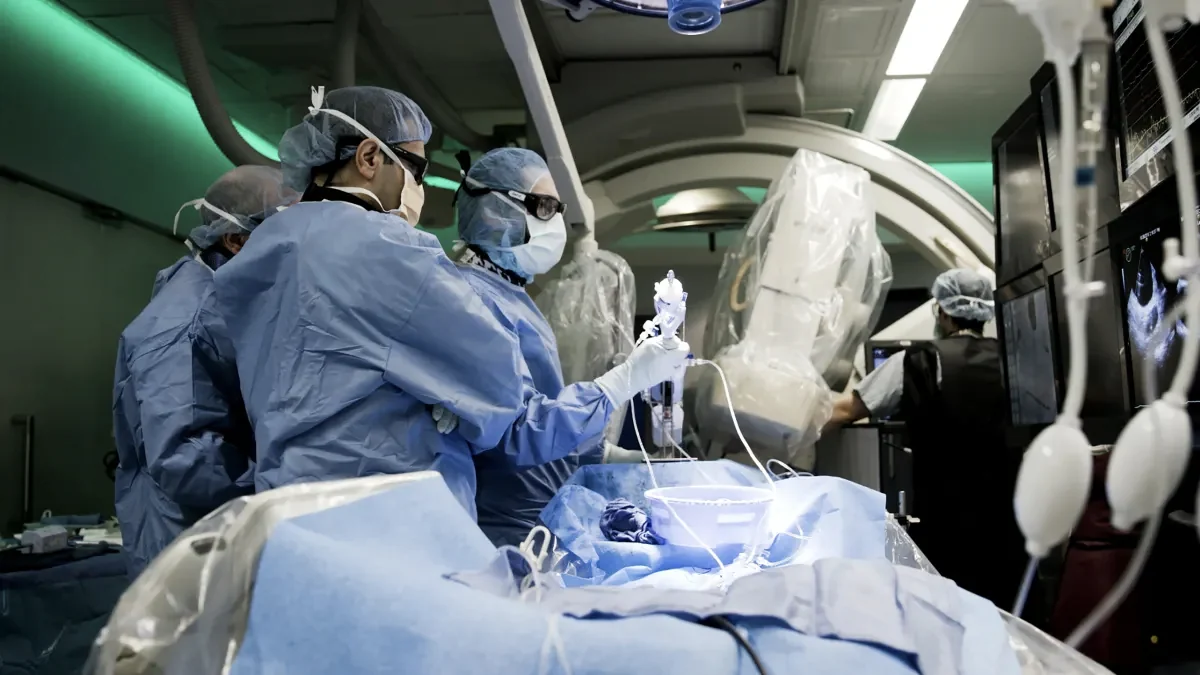
- Interventional cardiology: catheterization with angioplasty and stents, TAVI (an aortic valve placed by catheter), MitraClip and closure of the left atrial appendage.
- Electrophysiology: studies and ablation of arrhythmias, and pacemakers, defibrillators and resynchronization devices.
- Cardiac intensive care and cardiac rehabilitation.
Having these services together matters. A patient who needs surgery can also need a catheterization, a pacemaker or intensive care, and it is safer when all of them are under one roof.
Surgery, catheterization, electrophysiology and cardiac intensive care are under one roof.
An ECMO program registered internationally
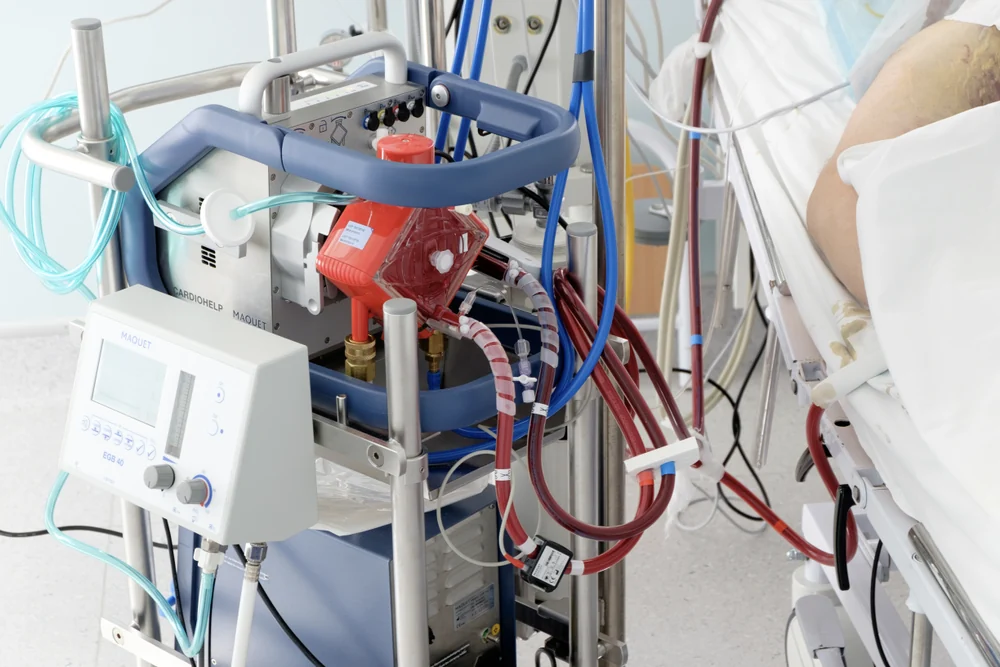
ECMO is a machine that takes over the work of the heart and lungs for days when they cannot do it on their own. Few hospitals have a program for it, because it needs trained staff around the clock.
The cardiovascular center lists its ECMO program as a center registered with ELSO, the Extracorporeal Life Support Organization, an international body that gathers the centers that provide this support, under the number 1037. The hospital also appears in the stroke-care register of the Angels Initiative as a primary center.
We did not find a published hospital accreditation with its date, so we do not state one here. If it matters to your decision, ask the hospital which certifications it holds today.
What you can consult Dr. Molina about
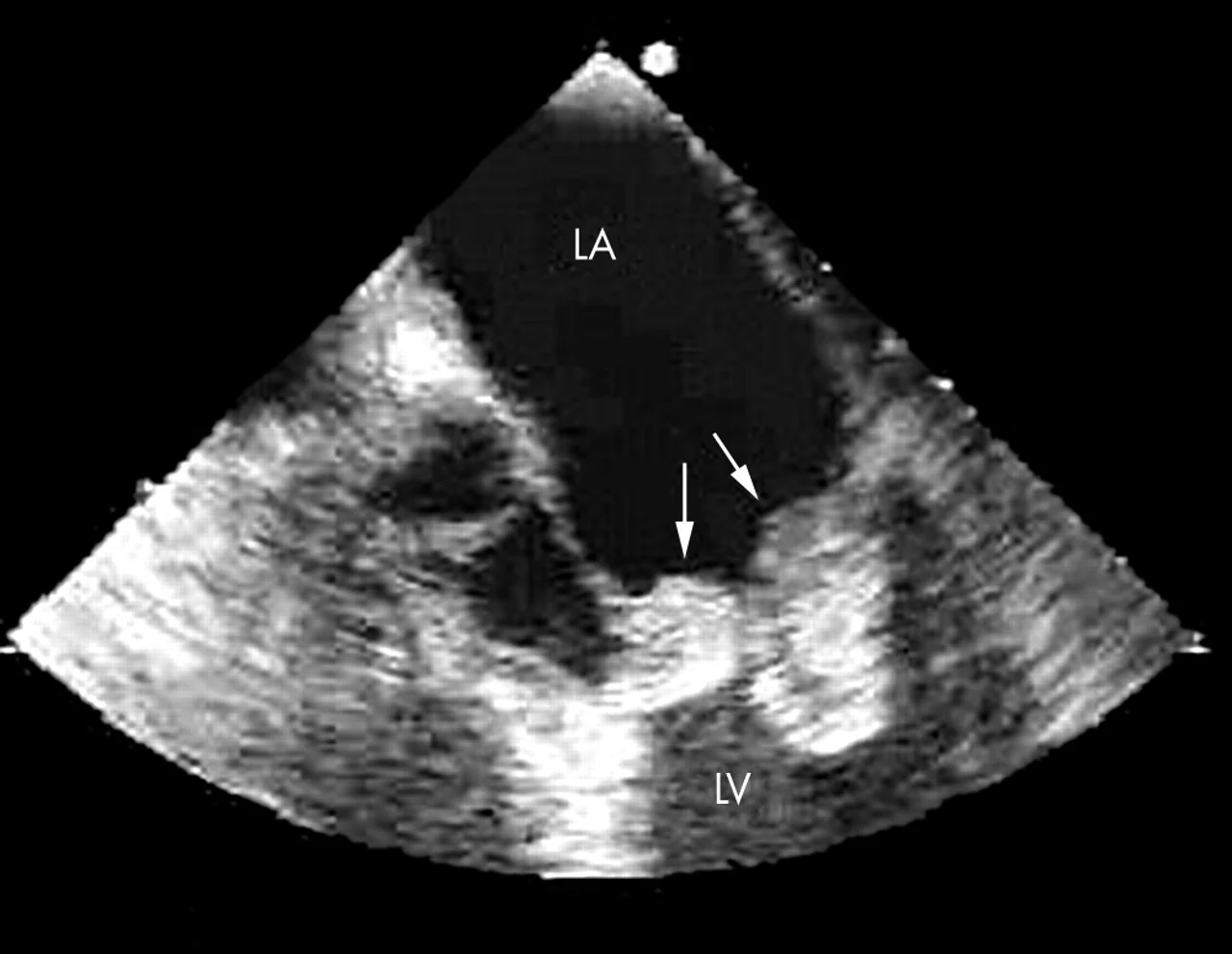
Seeing a cardiovascular surgeon does not always end in surgery. Many people come with a specific question: their cardiologist heard a murmur, a test showed a valve that does not close properly, a catheterization found blocked arteries, or they simply want a second opinion before deciding.
During the consultation, Dr. Molina reviews your medical history and your test results and explains, without hurry, what is happening in your heart and what the alternatives are. Topics you can bring to him include heart valve disease, coronary artery disease, diseases of the aorta and whether a minimally invasive approach is an option in your case.
The goal of the first visit is for you to leave understanding your situation, knowing which options exist and what each involves, and with a clear plan for the next step, whether that is monitoring, further testing or treatment.
These are some of the procedures you can consult Dr. Molina about in Guadalajara:
- Coronary bypass surgery
- Heart valve repair and replacement
- Aortic surgery and aneurysms
- Minimally invasive heart surgery
- TAVI: aortic valve by catheter
- Surgical second opinion
What to expect at your appointment
Knowing in advance how the visit will go makes it easier to arrive calm. Here are some general suggestions:
- Bring your test results. Echocardiograms, electrocardiograms, CT scans, MRIs, catheterization reports and lab work, on paper or in digital form. If you have discs with the images, even better.
- Bring a list of your medications with the dose and timing of each, including blood thinners, antiplatelet drugs and supplements.
- Write down your questions. It is normal to forget them when you are nervous. Writing them down beforehand helps you make the most of the time.
- Come with someone if you can. A family member can help you remember what was discussed and make decisions with less pressure.
- Arrive early. A large hospital has its own pace, and a few extra minutes spare you unnecessary rushing.
During the visit, Dr. Molina will ask about your symptoms and medical history, examine you and go through your results with you. If another test is needed, he will tell you which one and why. If surgery is an option, he will explain what it would involve, its benefits and risks in your particular case and what alternatives exist. No decision has to be made on the spot.
Hospital stay, recovery and follow-up
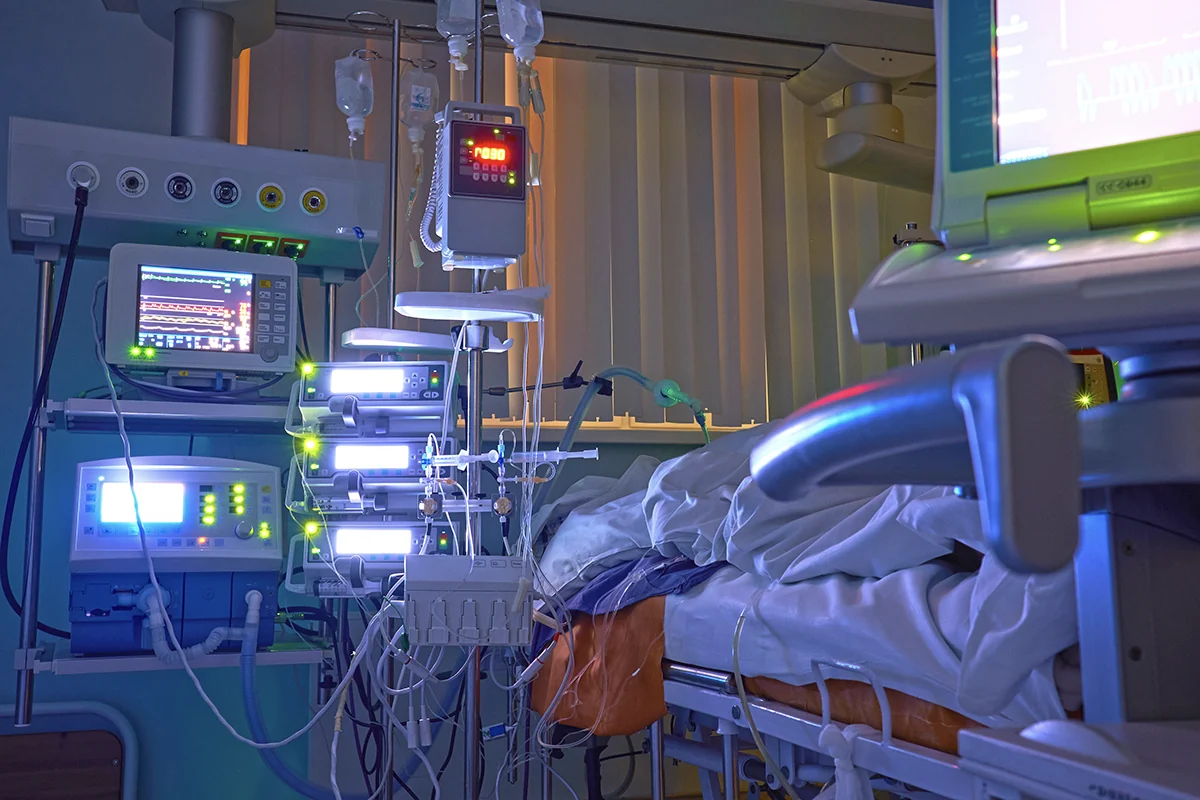
If you and your doctor decide that a procedure is the right course, care does not end in the operating room. After heart surgery, continuous monitoring in the first hours and days is an essential part of treatment: heart rhythm, blood pressure, breathing and other measurements are watched closely while the body recovers.
How long you stay in the hospital and how quickly you recover vary widely from person to person and with the type of procedure. That is why those expectations should be discussed clearly before surgery, not after.
Follow-up is the other half of treatment. Later visits are used to check the incision and your follow-up tests, adjust medications and support you as you return to your usual activities. That follow-up takes place at his offices in the Ángeles del Carmen and Andares hospitals.

How to read this information
A list of services tells you what a hospital can do. It does not tell you which treatment is right for you. Use this information to know the place, and use the consultation to talk about your own case: what is recommended for you, why, and what the alternatives are.
Frequently asked questions
Does Dr. Molina see patients at Hospital Santa María Chapalita?
He operates there, but he does not have an office in this hospital. In Guadalajara he sees patients at Hospital Ángeles del Carmen and Hospital Ángeles Andares.
Can my surgery be done at Hospital Santa María Chapalita?
It can, if the hospital suits your case and your insurance. The hospital is chosen with you at the consultation, once the diagnosis and the type of operation are clear.
What should I bring to the consultation?
Your previous tests with their images if you have them, a list of your medications and doses, reports from other doctors, and your questions in writing.
Can I ask for a second opinion?
Yes. If you have already been offered heart surgery, you can consult Dr. Molina to review your diagnosis and your options before deciding.