

Angioplasty and Stents: Risks, Recovery and Results
Angioplasty risks recovery explained: stent safety, recovery timelines, and long-term results from Guadalajara heart surgery specialists.
When you or a loved one first hear the words "angioplasty" and "stent," the immediate questions that follow are rarely about the technique itself — they are about what comes after. Understanding angioplasty risks recovery begins with knowing what the procedure involves, what your body goes through in the hours and days that follow, and how your daily life changes once a stent is in place. This guide walks you through the entire journey, from the moment a cardiologist recommends the procedure through the months of healing that follow, with the same clarity and honesty we offer every patient who walks through our doors.
What Are Angioplasty Risks Recovery Expectations?
What patients actually experience in the first 24 hours: Most coronary angioplasty procedures are performed through a small puncture in the wrist or groin, meaning there are no large surgical incisions. You remain awake under mild sedation while a cardiologist threads a thin tube — called a catheter — through your blood vessels to the heart. The procedure itself typically lasts between 30 minutes and two hours, and many patients are sitting up and eating within hours of completion. The recovery experience, however, is shaped by your overall heart condition, the number of vessels treated, and whether any complications arise during the procedure. According to Cleveland Clinic, the vast majority of angioplasty patients are discharged within 24 hours and return to light activities within a week.
Why recovery expectations vary so widely between patients: No two angioplasty recoveries are identical because no two hearts are identical. A patient who had a single vessel opened after a stable, planned procedure will have a very different trajectory than someone who arrived in the middle of an active heart attack and had multiple stents placed as an emergency intervention. Your age, kidney function, presence of diabetes, and the condition of the arteries that were not stented all influence how quickly you heal and how your body responds to the medications prescribed afterward.
Setting realistic expectations means understanding that angioplasty does not cure coronary artery disease — it addresses a specific blockage. The underlying process that caused atheromatous plaque to build up in your arteries continues unless you make sustained changes to your diet, activity, and medication routine. Recovery, in the truest sense, is a lifelong commitment to keeping the stent open and preventing new blockages from forming elsewhere. The stent is a tool, not a cure, and the months following the procedure are when the most important work happens.
How Does a Coronary Angioplasty Work?
The mechanics of balloon angioplasty are elegantly straightforward, even though the execution requires years of specialised training. Once the catheter reaches the narrowed segment of a coronary artery, a tiny deflated balloon is positioned exactly at the site of the blockage. The balloon is then inflated to high pressure, compressing the fatty plaque against the artery wall and widening the channel through which blood flows to the heart muscle. This restored blood flow is what relieves chest pain and, in emergency situations, saves heart tissue that would otherwise die.
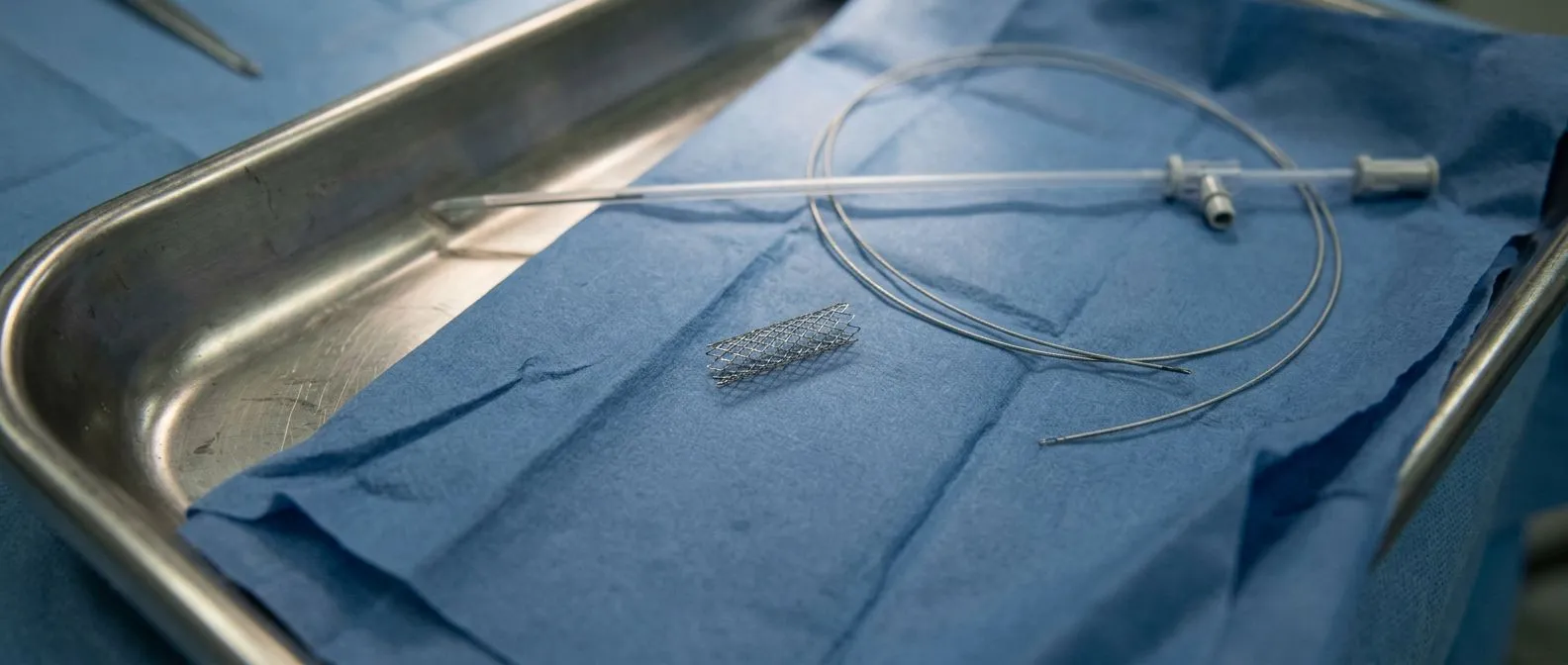
In the vast majority of cases today, the cardiologist does not simply inflate the balloon and remove it. Instead, a stent — a tiny mesh tube — is placed over the balloon before insertion. When the balloon inflates, the stent expands and locks into place against the artery wall, acting as a permanent scaffold that holds the vessel open. Most modern stents are drug-eluting, meaning they are coated with a medication that is slowly released over weeks to prevent scar tissue from re-narrowing the artery, a process called restenosis.

During the procedure, your heart rhythm and blood pressure are continuously monitored through an arterial line, and the cardiologist uses real-time X-ray imaging to guide every movement of the catheter. If the heart develops an irregular rhythm such as atrial flutter during the manipulation, it is usually brief and resolves on its own or with a brief electrical correction. The precision of modern imaging means the cardiologist can see exactly where the blockage sits relative to the ascending aorta and the branching coronary arteries, ensuring the stent is placed with millimetre accuracy.
Types of Cardiac Stent Procedures
Drug-eluting stents — the current standard: The most commonly used stents today are coated with a slow-release medication that suppresses the overgrowth of tissue inside the stent. This coating dramatically reduces the chance of the artery narrowing again within the first year, which was a significant problem with older bare-metal stents. Drug-eluting stents require you to take antiplatelet medication — most commonly aspirin combined with a second drug — for at least six to twelve months to prevent blood clots from forming on the metal mesh while the artery heals.
Bare-metal stents — when are they still used? Bare-metal stents are rarely the first choice now, but they may be selected in specific situations. If you have a planned major surgery within the next few months and cannot safely stay on dual antiplatelet therapy for a full year, a bare-metal stent may be preferred because it heals faster and allows earlier discontinuation of one of the blood thinners. The trade-off is a higher risk of restenosis, meaning the artery may narrow again and require a repeat procedure.
Beyond the stent type itself, the approach to reaching the heart varies. Most procedures use the radial artery in the wrist as the access point, which allows earlier mobilisation and carries a lower risk of bleeding complications compared to the femoral artery in the groin. In more complex cases, a balloon aortic valvuloplasty or other structural intervention may be performed in the same session, though these are distinct procedures with their own risk profiles. Understanding which stent and which access route your cardiologist recommends — and why — is an essential part of informed consent.
Understanding Heart Stent Risks and Angioplasty Complications
Serious complications from coronary angioplasty are uncommon, but they are not zero, and every patient deserves an honest discussion of what can go wrong before signing a consent form. The most significant immediate risk is bleeding or damage at the access site in the wrist or groin, which is why your nurse checks the puncture site frequently in the hours after the procedure and why you are asked to lie flat or keep your arm still for a defined period. Major bleeding occurs in a small percentage of patients and is usually managed with pressure dressings or, rarely, a vascular closure device or minor surgical repair.
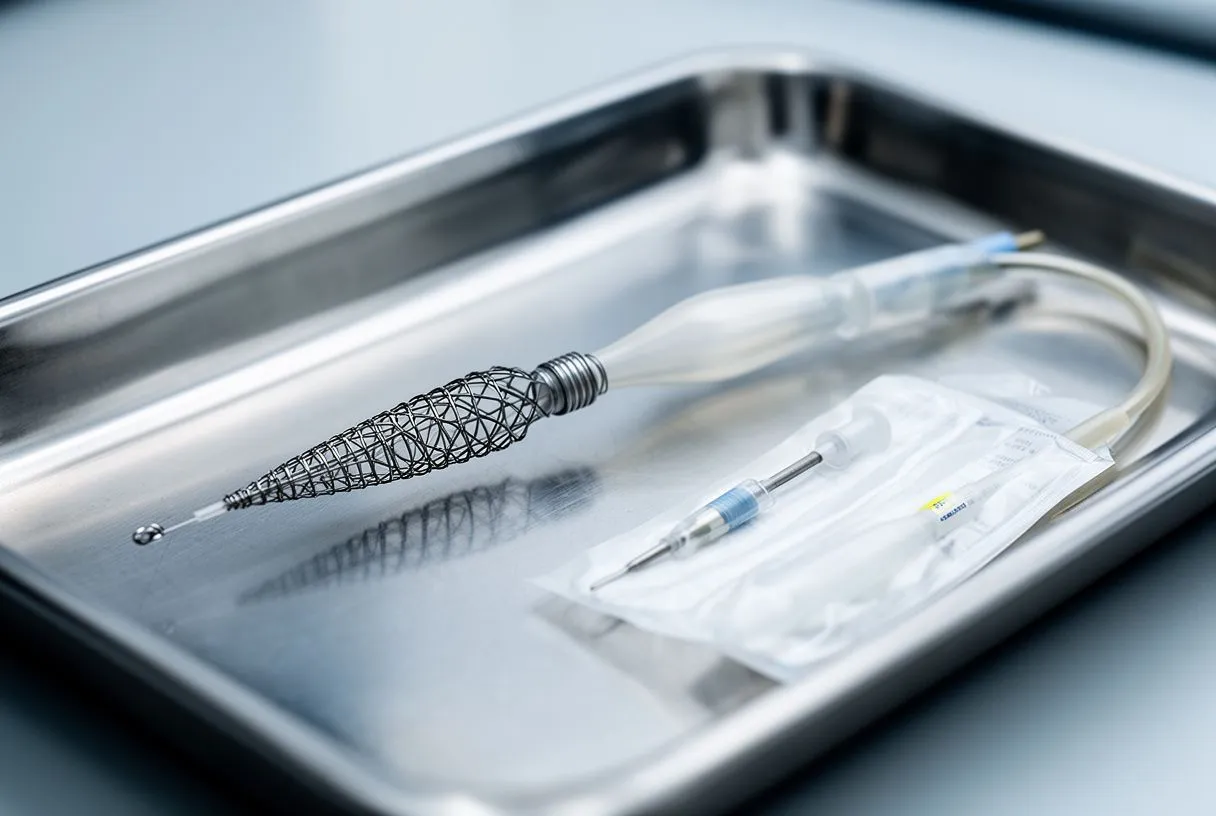
Inside the heart, the risks include allergic reaction to the contrast dye used for imaging, kidney injury from that same dye in patients with pre-existing kidney disease, and damage to the coronary artery itself during balloon inflation. In rare cases, the artery can tear (dissection) or close off completely, which may require emergency coronary bypass surgery during the same hospital stay. Restenosis — re-narrowing of the stented artery — occurs in fewer than ten percent of drug-eluting stent cases within the first year but is higher with bare-metal stents. A particularly serious late complication is stent thrombosis, a sudden blood clot inside the stent that can cause a heart attack; this risk is highest if antiplatelet medication is stopped prematurely, which is why adherence to your prescribed regimen is non-negotiable.
In certain complex coronary anatomies — for instance, when the blockage involves the origin (ostium) of the right coronary artery — standard stenting may not be feasible and surgical techniques such as re-implantation of the vessel may be considered, as described in research on re-implant of the right coronary artery for ostial lesions. Understanding whether your anatomy falls into a standard or complex category is a conversation worth having with your cardiologist before the procedure.
What Are Common Angioplasty Side Effects?
Most side effects after angioplasty are mild and resolve within days, but recognising them helps you distinguish normal healing from problems that need medical attention. The access site in your wrist or groin will likely be tender, slightly bruised, and firm to the touch for several days. A small amount of bruising is expected; a rapidly expanding, painful lump is not and should be evaluated immediately. Some patients notice mild chest discomfort in the first 24 to 48 hours as the stent settles against the artery wall, and this is usually distinguishable from the pain that brought them to the hospital in the first place.
Bruising and soreness at the puncture site typically fade over one to two weeks. Fatigue is common in the first week — your body is healing, and your heart is adjusting to new blood-flow patterns and new medications. Some patients experience an occasional awareness of their heartbeat, which is usually benign but should be mentioned at your follow-up appointment. If you had contrast dye, you may notice increased urination as your kidneys clear it; staying well hydrated in the first 48 hours helps protect kidney function. Mild arm pain on the side of the wrist puncture is common but should gradually improve, not worsen.
Medication side effects deserve attention because they often cause more daily discomfort than the procedure itself. Dual antiplatelet therapy can cause easy bruising, prolonged bleeding from small cuts, and sometimes stomach upset. Your doctor may prescribe a stomach-protecting medication alongside these drugs. If you experience any of the following, contact your cardiac team without delay:
- Sudden severe chest pain: could indicate stent thrombosis and requires emergency evaluation.
- Uncontrolled bleeding: from the access site or any bleeding that does not stop with firm pressure.
- Fever with access-site redness: may signal infection at the puncture site.
- Significant bruising spreading from the puncture site: could indicate a developing haematoma.
Angioplasty Recovery Time and Stent Recovery Timeline
Recovery after angioplasty follows a predictable but individualised timeline. The first milestone is the access-site healing, which for radial (wrist) access is usually complete within five to seven days, and for femoral (groin) access may take up to two weeks. You will be asked to avoid heavy lifting, strenuous arm movements, or submerging the site in water until the skin has fully closed. Most patients walk within a few hours of the procedure and are discharged home the same day or after a single overnight observation.

The second phase — the first one to two weeks at home — is about gradual re-introduction of normal activity. Light walking is encouraged from day one, as movement promotes circulation and helps prevent blood clots. You should avoid driving for about a week (longer if you had a groin approach or take medications that cause dizziness). Sexual activity can typically resume after one to two weeks, once you can climb two flights of stairs without chest discomfort. Your cardiac team may recommend a structured cardiac rehabilitation programme, which combines supervised exercise with education on diet, stress, and medication management, and which has been shown to improve long-term outcomes significantly.
The third phase extends from one month to one year and is dominated by the critical importance of antiplatelet medication adherence. The stent is gradually incorporated into the artery wall through a process called endothelialisation, during which a thin layer of cells grows over the metal mesh, making it less likely to attract clots. This process takes months, and during that window, missing doses of your prescribed blood thinners — particularly the second antiplatelet drug — sharply increases the risk of a sudden, life-threatening clot inside the stent. Your doctor will tell you exactly when it is safe to reduce to aspirin alone, and that decision should never be made independently.
After Angioplasty Care and Life After Stent Placement
Life after stent placement is not about restriction — it is about sustainable change. The stent has opened one blocked artery, but it has done nothing to address the disease process affecting every other artery in your body. The single most important action you can take is to commit to the medication and lifestyle plan your cardiac team prescribes. This typically includes a statin to lower cholesterol (targeting apolipoprotein B levels, a key marker of cardiovascular risk), blood pressure medication if indicated, and the antiplatelet regimen discussed above.
Diet and exercise — what actually matters: A heart-healthy diet after stenting does not require extreme restriction, but it does require consistency. Prioritise vegetables, whole grains, lean proteins, and healthy fats; minimise processed foods, added sugars, and excess sodium. The Mediterranean dietary pattern has the strongest evidence base for secondary prevention after a cardiac event. Regular aerobic exercise — brisk walking, cycling, swimming — for at least 150 minutes per week at moderate intensity helps maintain the benefits of the procedure and reduces the likelihood of new blockages. If you were previously sedentary, start slowly and build up under the guidance of your rehabilitation team.

Smoking cessation is non-negotiable: If you smoke, stopping is the single most impactful change you can make after a stent. Continuing to smoke dramatically increases the risk of stent thrombosis, restenosis, and new blockages in other arteries. No medication or procedure can compensate for the damage caused by continued smoking. Support is available — nicotine replacement therapy, counselling, and prescription medications all have evidence behind them — and your cardiac team can help you choose the approach most likely to work for you. In rare cases where a closure device fails or a vascular complication arises after the procedure, rescue interventions such as angioplasty of the affected vessel may be necessary, as documented in a case report on rescue angioplasty after closure device failure.
Angioplasty Success Rate and Results: What to Expect
Coronary angioplasty has a high technical success rate — meaning the stent is successfully placed and blood flow is restored — in well over ninety percent of standard cases. For patients treated during an active heart attack, angioplasty is the gold-standard intervention because it restores blood flow more quickly and completely than clot-busting medication alone, preserving heart muscle and improving survival. The immediate result most patients notice is the relief of chest pain (angina) that brought them to medical attention in the first place, often within minutes of the stent being deployed.
However, success must be measured over years, not hours. The procedure's long-term result depends on three factors: whether the stented artery remains open, whether the underlying disease is controlled through medication and lifestyle, and whether new blockages develop in other vessels. Drug-eluting stents have significantly reduced restenosis rates compared to older stents, but they do not eliminate the risk entirely. Your cardiologist will monitor you with periodic stress tests or imaging to confirm the stent is functioning well and that no new critical narrowings have appeared elsewhere.
Quality of life after a successful angioplasty is, for most patients, significantly improved. Many people return to work within two weeks, resume exercise within a month, and report substantially less chest pain and breathlessness than before the procedure. It is worth noting that an atypical infarction — a heart attack with unusual symptoms — can sometimes be missed in the period before angioplasty is planned, which is why thorough evaluation including careful auscultation and imaging is essential before any intervention is scheduled. The goal of the procedure is not simply to place a stent; it is to restore your capacity to live fully, and that goal is achieved only when the stent, the medications, and the lifestyle changes work together.
Are Coronary Stents Safe for Long-Term Heart Health?
The safety of coronary stents has been studied in tens of thousands of patients across multiple international trials, including landmark studies such as the ARISTOTLE trial framework (which primarily addressed anticoagulation strategies but shaped post-procedural medication protocols broadly). The evidence consistently shows that drug-eluting stents are safe for long-term use when patients adhere to their prescribed antiplatelet regimen. The metal itself becomes embedded in the artery wall and does not pose an ongoing risk of rejection, metal allergy (extremely rare), or migration once endothelialisation is complete.
The most important long-term safety consideration is medication adherence. The period of highest risk for stent thrombosis — a clot forming inside the stent — is the first year, particularly the first six months, while the artery is still healing over the metal. Premature discontinuation of antiplatelet therapy, whether due to side effects, cost, or a planned non-cardiac surgery, is the single most common preventable cause of late stent thrombosis. If you face a situation where one of your medications must be stopped — for instance, for a dental procedure or other surgery — this must be coordinated between your cardiologist and the treating physician to minimise the window of vulnerability.
Some patients worry about the need for an automated external defibrillator or other emergency equipment at home after a stent. In general, if your heart function (ejection fraction) is preserved and you have no serious arrhythmias, this is not necessary. If your heart function is significantly reduced, your cardiologist will discuss whether additional monitoring or a personal defibrillator is appropriate for your specific situation. Long-term safety is ultimately a partnership: the stent provides the structure, the medication prevents clots, and your daily choices determine whether the rest of your arteries remain healthy.
When to Seek Help After Stent Placement
Knowing when to seek emergency care after angioplasty can save your life, and the clearest guidance is this: any chest pain that resembles the pain you had before your procedure — especially pressure, tightness, or pain radiating to the jaw or arm — should be treated as an emergency until proven otherwise. Call emergency services or go to the nearest emergency department immediately. Do not wait to see if it passes, and do not drive yourself. The same applies to sudden shortness of breath, fainting, or a rapid or irregular heartbeat that feels different from what you have been told is normal during healing.
Less urgent but still important symptoms warrant a prompt call to your cardiac team rather than an emergency visit. These include mild but persistent swelling or tenderness at the access site, a low-grade fever, unusual fatigue that does not improve after the first week, or side effects from your medications that are bothersome but not dangerous — such as mild bruising or stomach upset. Your team can adjust dosages, change medications, or reassure you that what you are experiencing is within normal limits. The key principle is simple and worth repeating:
- Chest pain like before the procedure: call emergency services immediately — do not wait.
- Access site expanding bruise or pulsing lump: go to the emergency department the same day.
- Medication side effects that are tolerable but persistent: call your cardiac team within a few days.
- Any symptom you are unsure about: call your cardiac team — that is what they are there for.
Recovery from angioplasty is a journey that begins in the catheterisation laboratory but continues for the rest of your life. The stent in your artery is a remarkable piece of engineering, but it works best when you treat it as the starting point of a new chapter rather than the end of a problem. Every medication you take on time, every walk you complete, every meal you choose thoughtfully, and every cigarette you decline contributes to keeping that stent open and your heart beating strong. If you are considering angioplasty or recovering from one, the most important next step is to sit down with a qualified cardiac team who can look at your specific situation — your anatomy, your risk factors, your goals — and give you guidance tailored to you. We invite you to book a consultation with our team to discuss your individual case and build a recovery plan that fits your life. Do not self-diagnose or make medication decisions on your own; let experienced hands guide you through the decisions that matter most.






