Balloon Angioplasty: How Narrowed Arteries Are Opened
Balloon angioplasty procedure opens narrowed arteries to restore blood flow without surgery.
If you or a family member has been told that one of your arteries has narrowed, the word "angioplasty" has probably already come up. Simply put, a balloon angioplasty procedure is a way of opening a narrowed artery from the inside, using a thin tube called a catheter with a tiny balloon on its tip. It is one of the most common heart interventions performed worldwide, and for many people it restores comfortable blood flow without the need for open-heart surgery. This guide walks you through what the procedure involves, when it helps, what recovery actually looks like, and which questions are worth asking before you decide anything.
What Is a Balloon Angioplasty Procedure?
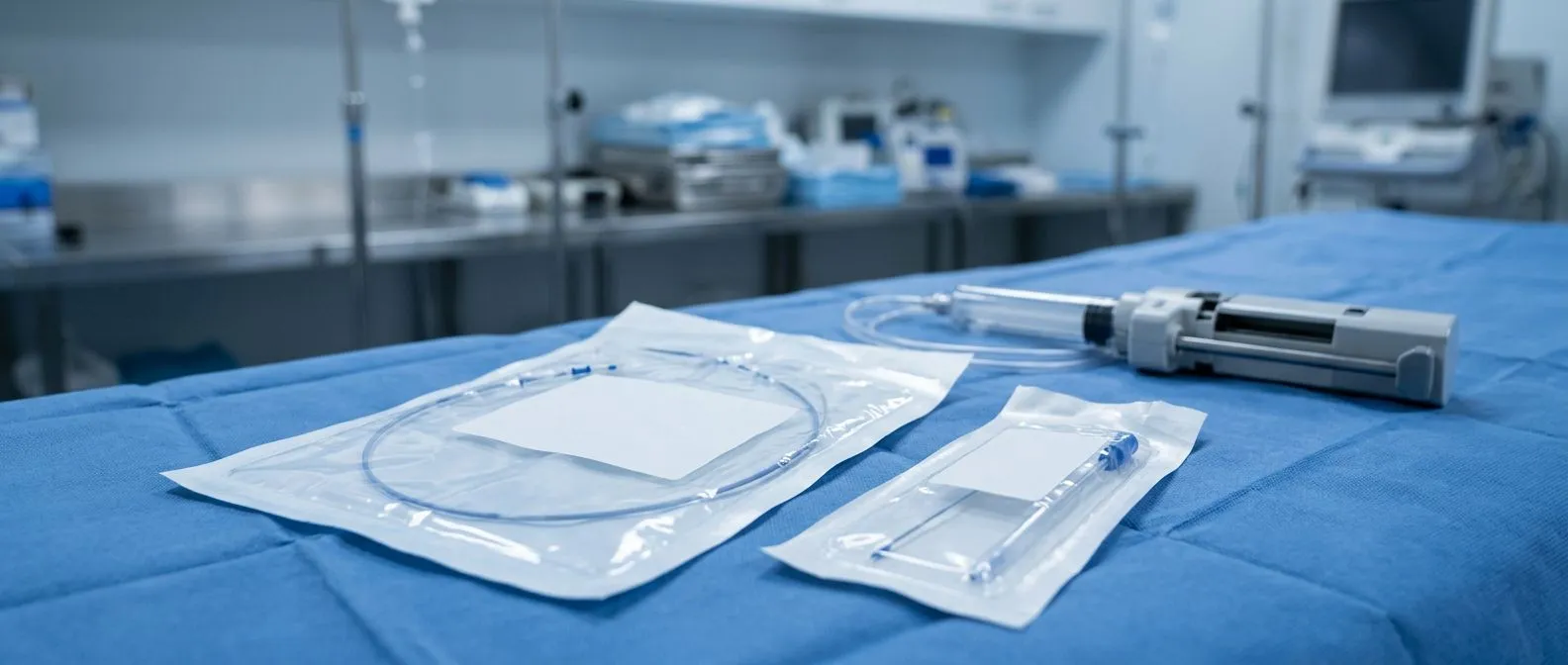
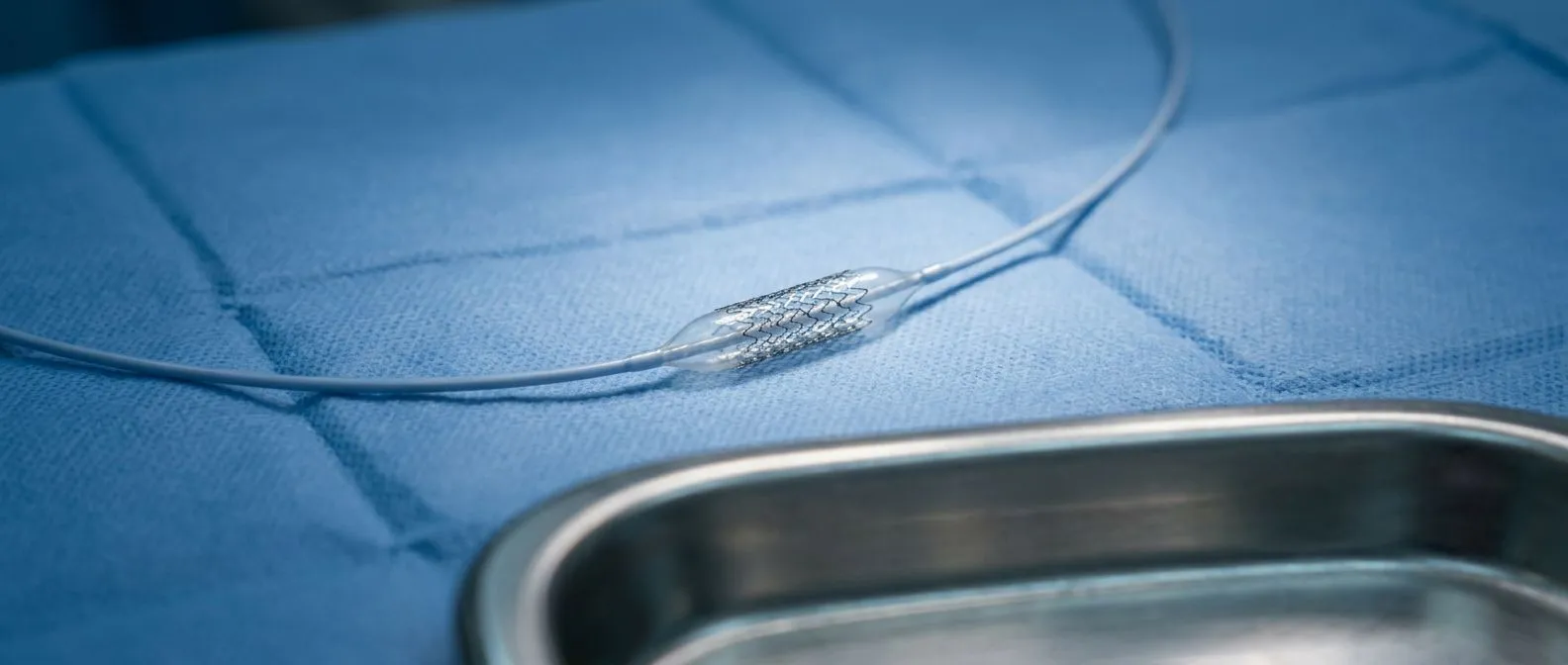
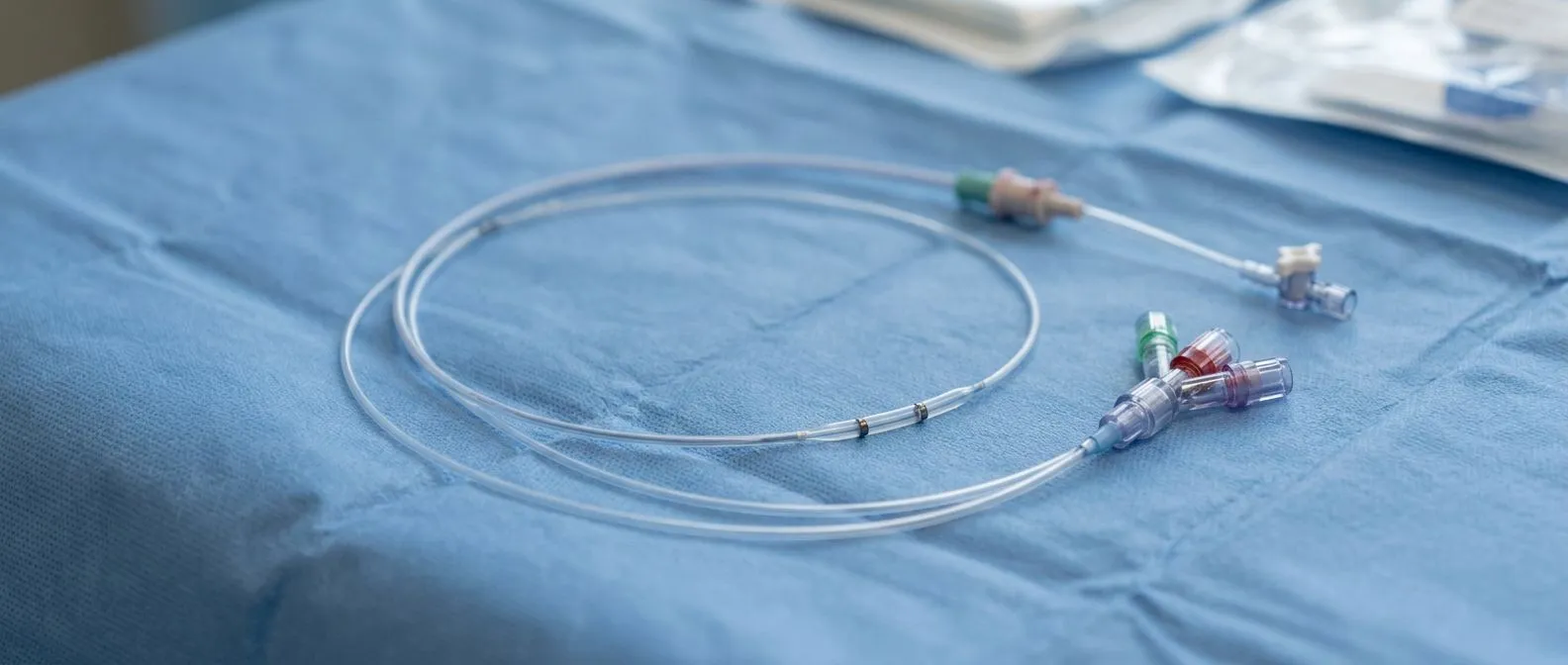
The basic idea. Arteries can narrow when fatty deposits, called plaque, build up on their inner walls. That narrowing restricts the blood supply to the heart muscle or other tissues. A balloon angioplasty procedure uses a deflated balloon, guided through the bloodstream on a catheter, which is then inflated at the point of the blockage to press the plaque aside and widen the channel.
The technique belongs to a family of treatments known as percutaneous coronary interventions, meaning they are performed through a small puncture in the skin rather than through a large surgical opening. This is why many people call it a minimally invasive balloon angioplasty. The heart itself is not opened, and the chest is not cut.
The procedure is usually carried out in a specialised room called a catheterisation laboratory, often shortened to "cath lab". According to the National Heart, Lung, and Blood Institute, angioplasty is a well-established treatment for narrowed coronary arteries and is performed on hundreds of thousands of patients each year. It does not cure coronary artery disease, but it can relieve symptoms and reduce the risk from a critical blockage.
What Conditions Can Benefit from Balloon Angioplasty?
Narrowed coronary arteries. The most frequent reason is coronary artery disease, where plaque limits flow in the vessels that feed the heart muscle. When a blockage is significant, opening the Left Main Coronary Artery, the Right Coronary Artery, the Left Anterior Descending Artery or the Circumflex Artery can relieve chest pain known as angina and, in the middle of a heart attack, can limit damage to the heart muscle.
Beyond the heart. The same balloon technique works in other vessels. In the neck, the Carotid Artery can be opened when narrowing threatens the blood supply to the brain. In the limb circulation, the Femoral Artery and the Subclavian Artery can also be treated this way. A heart-lung condition called chronic thromboembolic pulmonary hypertension, in which the Pulmonary Artery stays obstructed by old clots, can be treated with a related technique called balloon pulmonary angioplasty; a systematic review published in Scientific Reports found that this approach improves blood flow and exercise capacity in patients who cannot undergo surgery.
- Coronary arteries: relief of angina and treatment of blockages during or after a heart attack.
- Carotid and peripheral arteries: restoring flow where narrowing raises the risk of stroke or limb symptoms.
- Pulmonary arteries: staged balloon treatment for inoperable chronic thromboembolic pulmonary hypertension.
What Are the Steps of a Coronary Balloon Angioplasty Procedure?
Preparation and access. A coronary balloon angioplasty procedure usually begins with cardiac catheterization, in which a thin tube is threaded to the heart through the radial artery at the wrist or the femoral artery at the groin. Local anaesthetic numbs the entry point. Contrast dye is injected so the cardiologist can see the Coronary Arteries on live X-ray and locate the narrowing precisely.
Passage and inflation. A fine guidewire is steered through the blockage first, and the catheter carrying the deflated balloon is slid over it. The balloon is then inflated, often for less than a minute at a time, which may briefly cause a pressure-like sensation in the chest. It may be inflated and deflated several times until the artery holds open well.
Assessment and closure. The team re-images the artery to confirm the result, then removes the equipment and closes the entry point with gentle pressure, a plug, or a small suture. Most uncomplicated procedures take between roughly half an hour and two hours. Before anyone reaches this stage, however, the anatomy has to be studied carefully; in our team, every case is reviewed by the multidisciplinary team against international practice guidelines before a recommendation is given, and the final decision always rests with the patient. Every case is reviewed by the multidisciplinary team against international practice guidelines before any recommendation is made, and the final decision always rests with the patient.
Do You Always Need a Stent After a Balloon Angioplasty?
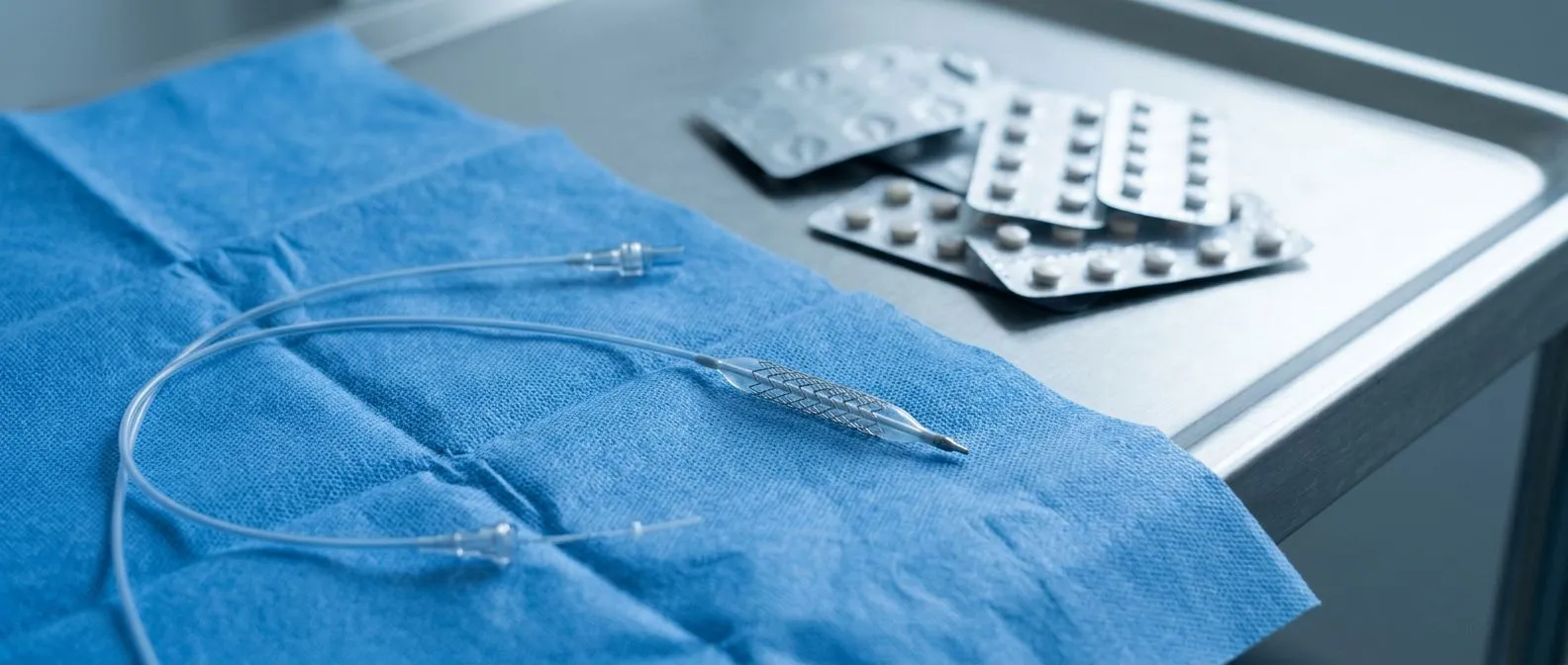
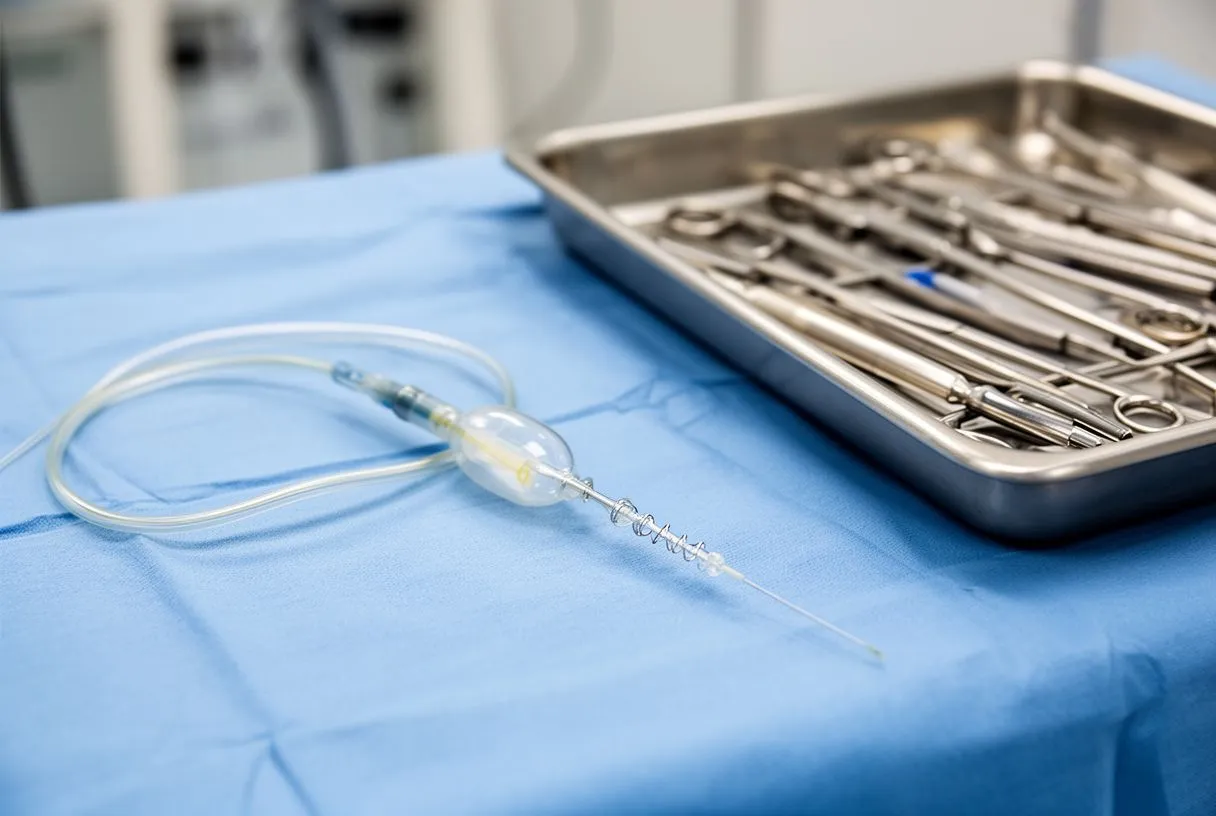
The honest answer is no. A stent is a small metal scaffold that holds an artery open after the balloon has done its work. In many cases the artery recoils, or springs partway back, once the balloon is deflated, so a stent is placed to keep the result durable. Most coronary angioplasties today do include a stent, usually one coated with a drug that discourages scar tissue from growing back.
There are situations where balloon angioplasty alone is the better choice. Some very small vessels, certain branch points, and vessels in patients who cannot take the antiplatelet medication that stents require are typical examples. A related device, the drug-coated balloon, delivers medication directly to the artery wall without leaving any metal behind.
Whether a stent is right for you depends on the anatomy, the vessel involved and your overall health. Before any decision about a stent or a balloon alone, ask your interventional cardiologist to explain what the studies actually show, in plain words.
Balloon Angioplasty Procedure: What to Expect on the Day
Before the procedure. You will usually be asked not to eat for several hours beforehand. Blood tests, an electrocardiogram and sometimes an echocardiogram confirm that you are ready. Tell the team about every medication you take, especially blood thinners and diabetes drugs, because some need adjusting.
During the procedure. You stay awake, lightly sedated and comfortable. The cath lab team monitors your heart rhythm and blood pressure throughout. You may feel warmth when the dye goes in and a brief chest pressure when the balloon inflates; both settle quickly. If a stent is needed, the same access is used, so nothing extra is required.
Afterwards. You are moved to a recovery area where the puncture site is observed. If the wrist was used, you may sit up fairly soon; if the groin was used, you will need to lie flat for a while. Most patients who are not having a heart attack go home the same day or the next morning.

Is Balloon Angioplasty Painful?
Most people are surprised by how little they feel. The puncture site is numbed with local anaesthetic, so the catheter placement itself causes pressure rather than sharp pain. You may notice a warm flush as the contrast dye circulates.
The moment the balloon inflates, some patients feel a dull, heavy pressure in the chest, similar to the angina they already know. This lasts only as long as the inflation, usually well under a minute, and the team can adjust if it is uncomfortable. Sedation keeps anxiety down, and many patients chat with the staff or watch the screens without distress.
Afterwards, the entry point may be tender or bruised for a few days. This is normal and usually settles with simple pain relief. If the wrist was used, keeping the arm still for a few hours protects the puncture; the soreness fades quickly after that.
What Are the Risks and Disadvantages of Balloon Angioplasty?
Procedure-related risks. A balloon angioplasty procedure is generally safe, but every intervention carries risk. The most common problems are bleeding or bruising at the puncture site and, rarely, damage to the artery used for access. More serious but uncommon complications include dissection or rupture of a coronary artery, disturbance of heart rhythm, kidney strain from the contrast dye, and a need for urgent surgery.
Disadvantages over time. The chief long-term disadvantage is restenosis, meaning the artery narrows again, either from elastic recoil or from scar tissue forming inside the treated segment. Stents reduced this problem considerably, but it has not disappeared. Angioplasty also treats the narrowed segment rather than the underlying disease, so plaque can develop elsewhere.
When stenting is not the answer. Some blockages are too complex, too calcified or located so that bypass surgery offers better durability. Coronary Artery Bypass Grafting, in which a vessel such as the Left Internal Mammary Artery or the Gastroepiploic Artery is used to route blood around the blockage, remains the standard for certain patterns of disease. An experienced team weighs these options case by case rather than defaulting to the cath lab. If a central venous line is ever misplaced and closes off a vessel such as the Subclavian Artery, published case reports describe successful rescue angioplasty after failed closure devices, which shows how flexible this technique can be in expert hands.
Balloon Angioplasty Procedure Recovery Time: What Happens After?
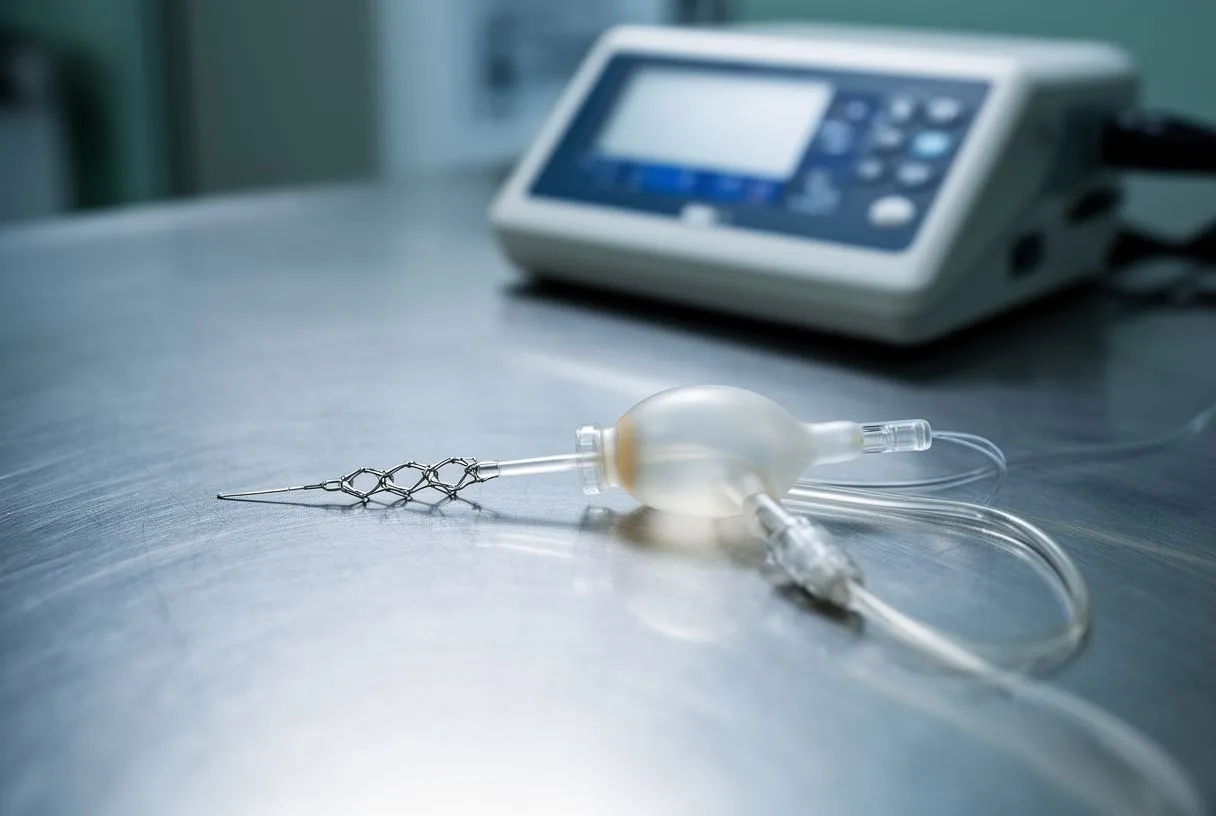
The first days. Recovery time in hospital is short for most patients: a few hours to one night if the procedure was planned. The puncture site needs to stay clean and dry, and heavy lifting is off the table for about a week. Bruising around the wrist or groin is common and not alarming unless it spreads, hardens or swells painfully.
Returning to normal life. Many people are back to desk work within a few days and to gentle walking almost immediately. More demanding exercise is usually reintroduced over a few weeks, following the plan your cardiologist gives you. Cardiac rehabilitation, a supervised programme of graded exercise and education, meaningfully improves confidence and long-term outcomes after any coronary procedure.
Medication and follow-up. If a stent was placed, you will take antiplatelet medicines exactly as prescribed, usually for at least six to twelve months, because stopping early raises the risk of clotting inside the stent. Follow-up appointments check blood pressure, cholesterol and symptoms. Make sure your aftercare plan is reviewed with you in plain language, so you know exactly which medications matter and when to come back.
How Long Is a Balloon Angioplasty Good For?
The treated segment. With a modern drug-eluting stent, the opened section of artery usually stays open for many years. Without a stent, plain balloon results are less durable because the vessel can recoil or develop scar tissue within months. This is the main reason stents dominate coronary practice today.
The disease itself. Angioplasty opens one stretch of pipe; it does not change the plumbing of the whole house. Coronary artery disease continues unless lifestyle and medications address it. Quitting smoking, controlling blood pressure, cholesterol and diabetes, and staying active all determine how long the benefit lasts, often more than the procedure itself does.
Warning signs of re-narrowing. A return of chest pain similar to your original symptoms, breathlessness on effort you did not have before, or discomfort that wakes you at night all deserve prompt review. Re-narrowing, when it happens, most often shows up in the first year and can frequently be treated again from the inside.
Choosing Where to Have a Balloon Angioplasty
Who performs the procedure. Balloon angioplasty is performed by interventional cardiologists, but the decision about whether angioplasty, bypass surgery or medical treatment suits a particular patient is broader than that. Our practice is a multidisciplinary team of cardiac surgeons led by Dr Alejandro Molina, with consulting rooms in Guadalajara, Querétaro and Hermosillo. Our work covers valve disease, coronary disease, the aorta and structural heart conditions, and we perform conventional, minimally invasive, robotic and transcatheter procedures, recommending the less invasive route only where the evidence supports it for that patient.
Getting a clear second view. We encourage second opinions and treat seeking one as a normal part of deciding about heart surgery, not as an insult to anyone. The first contact is a free video consultation: we get to know the patient, talk through the condition, and say which studies are still needed so no unnecessary ones are ordered. A face-to-face visit at the consulting rooms follows when the patient decides to go ahead.
Training that supports judgment. Dr Molina trained in cardiothoracic surgery at the Universidad de Guadalajara, in cardiac, minimally invasive, robotic and structural surgery at the University of Montreal, and in structural cardiology and TAVR at CHU Bordeaux; the team also trained at Jena, Bad Berka and Buffalo. He performed the first robotic mitral valve repair in the Ángeles Health System and the first robotic heart surgery in Guadalajara. That breadth matters, because a team that can offer transcatheter options, bypass surgery and hybrid approaches is not pushed toward one solution for every patient.
**Conclusion.** A balloon angioplasty procedure is a proven, generally low-risk way to reopen a narrowed artery, relieve symptoms and protect the heart muscle, whether the blockage sits in a coronary artery, a carotid vessel or a pulmonary artery. The key takeaways are simple: the procedure itself is usually quick and comfortable, recovery time is short, stents are common but not universal, and the long-term benefit depends heavily on medication, follow-up and lifestyle. The most important step is a careful, honest evaluation by a team that can weigh every option for your specific anatomy. If you have been offered angioplasty, or you are unsure whether you need it at all, book a consultation with a qualified cardiac team, ask your questions and get a second opinion before deciding. A free video consultation is a sensible, no-pressure way to start that conversation.