Emergency Department Signs of a Heart Attack
Emergency department heart attack symptoms: chest pressure, shortness of breath, cold sweats.
What Are the Emergency Department Signs of a Heart Attack?
When you or someone you love experiences sudden chest discomfort, the emergency department heart attack evaluation becomes the most important next step. A heart attack, medically known as a myocardial infarction, occurs when blood flow to a portion of the heart muscle is blocked long enough to damage or destroy heart tissue. In the emergency setting, clinicians are trained to recognize a cluster of signs that point toward this diagnosis and act quickly to restore blood flow before irreversible damage occurs.
Recognising the classic presentation: The hallmark emergency department heart attack sign is pressure, tightness, or crushing pain in the centre or left side of the chest that may last more than a few minutes or come and go. This discomfort often radiates to the jaw, neck, back, or down the left arm. Many patients describe it as feeling like a heavy weight is sitting on their chest, rather than a sharp or stabbing pain. Alongside chest symptoms, shortness of breath, cold sweats, nausea, and a sense of impending doom are frequently reported.
Why rapid identification matters: Every minute of delayed blood flow means more heart muscle is lost. Emergency teams follow structured protocols, sometimes called "door-to-balloon" time targets, to open the blocked artery as swiftly as possible. When an DOAJ indexed study examines triage accuracy, it consistently shows that early recognition of these signs directly correlates with better survival outcomes. Understanding what the emergency department looks for helps you advocate for yourself or a family member during a frightening moment.
How Emergency Department Heart Attack Diagnosis Works
Once you arrive at the emergency department, the heart attack diagnostic pathway follows a rapid, standardised sequence. Triage nurses attach monitoring leads, place an Arterial Line for continuous blood pressure tracking in critical cases, and draw blood within minutes. The goal is to answer one question as quickly as possible: is this chest pain coming from the heart, and if so, is the heart muscle actively dying?
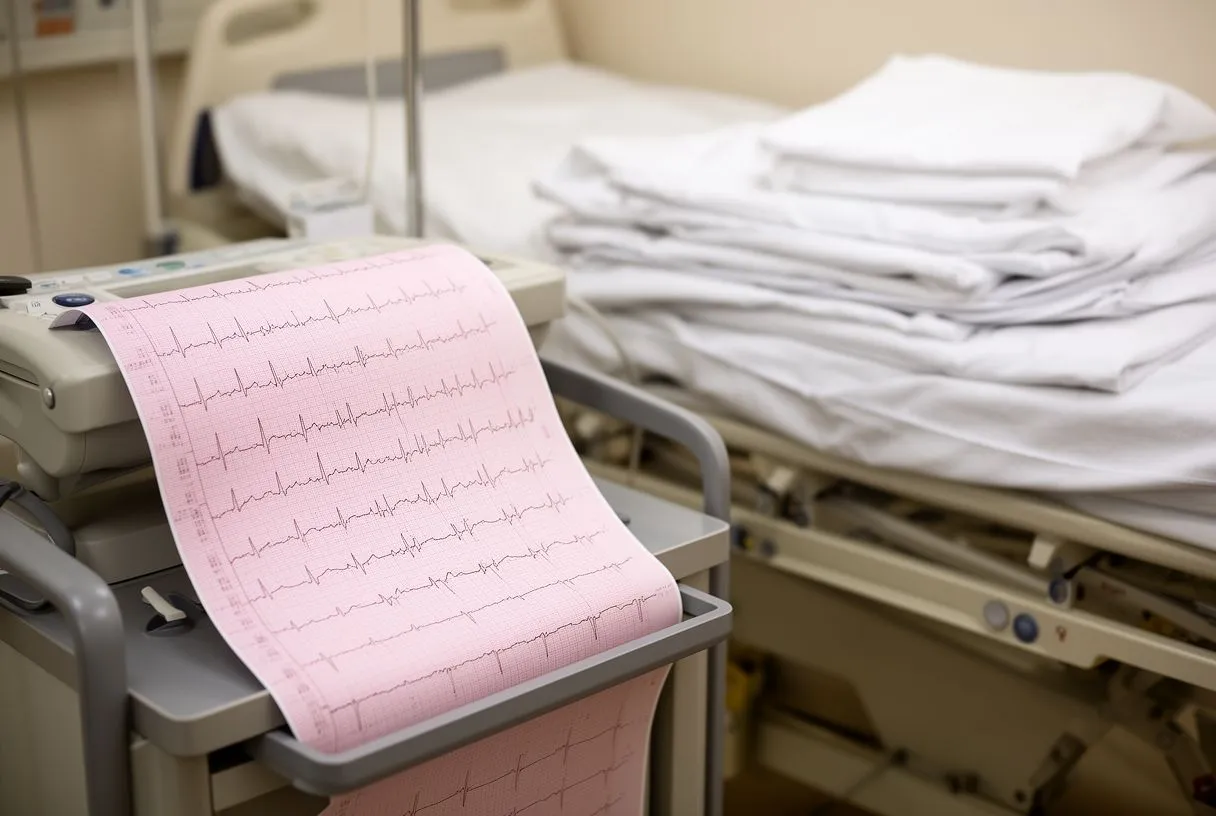
The electrocardiogram as a first-line tool: An electrocardiogram, or ECG, records the electrical activity of the heart through electrodes placed on the chest and limbs. Certain patterns on the ECG, particularly ST-segment elevation, tell clinicians that a major coronary artery is completely blocked. This type of emergency department heart attack, called STEMI, requires immediate intervention, usually in a cardiac catheterisation lab. When the ECG does not show these classic changes but symptoms are suspicious, doctors rely on blood tests to look for ongoing damage.
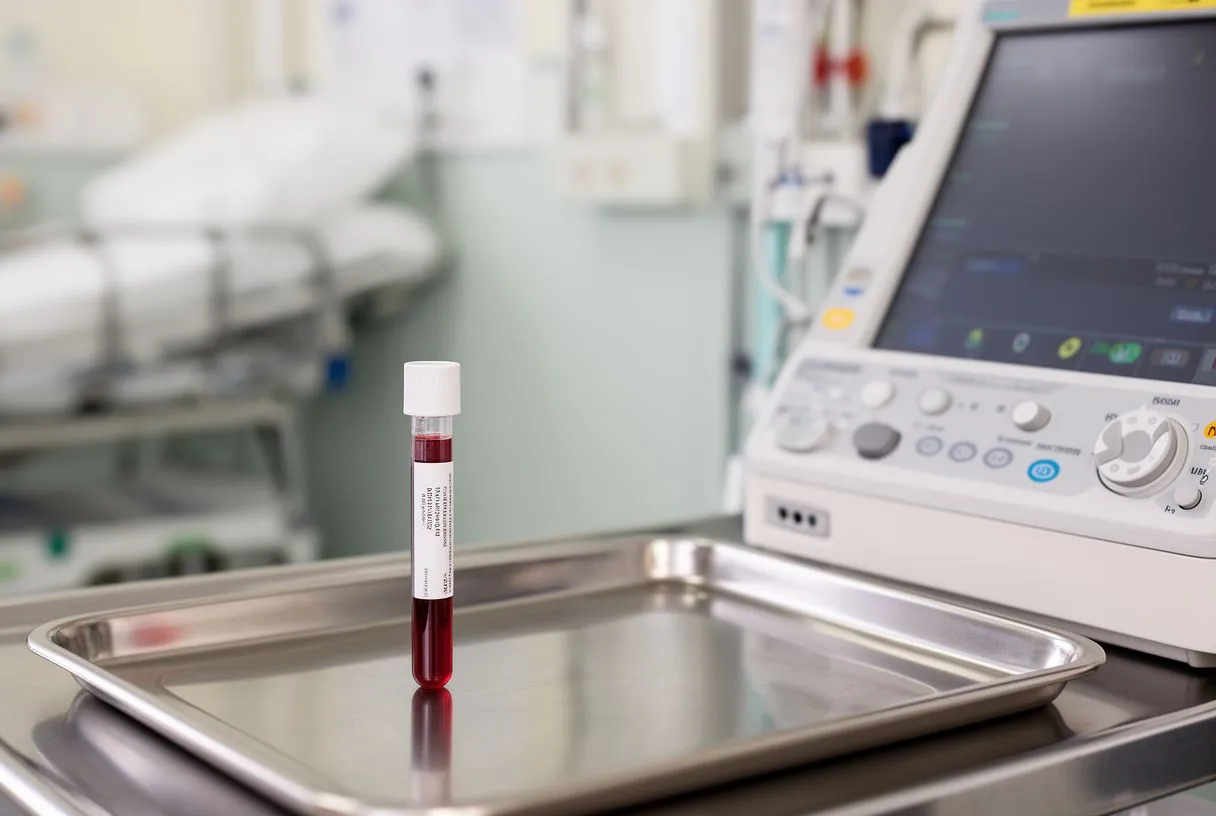
Blood markers of cardiac injury: Cardiac troponins are proteins released into the bloodstream when heart muscle cells are damaged. Emergency departments measure troponin levels at presentation and repeat them after a few hours. Rising levels confirm that heart muscle injury is occurring. This combination of ECG findings and serial troponin measurements forms the backbone of every emergency department heart attack diagnosis, allowing clinicians to distinguish true cardiac events from conditions like acid reflux, muscle strain, or anxiety.
Chest Pain and Emergency Department Heart Attack Warning Signs
Chest pain is the symptom most people associate with an emergency department heart attack, but its character varies widely. Understanding the specific qualities that differentiate cardiac pain from other causes can help you decide when to seek urgent care. Cardiac chest pain is typically described as pressure, heaviness, squeezing, or fullness, rather than a sharp stab that changes with breathing or position.
Radiation patterns that raise suspicion: Pain that spreads from the chest to the left Arm Pain, shoulder, neck, jaw, or even the upper abdomen is a strong indicator of cardiac involvement. This happens because the heart and these areas share nerve pathways, so the brain sometimes misinterprets the source of the pain. Some patients, particularly women and older adults, experience Atypical Infarction presentations where arm, jaw, or back pain is the primary complaint with little or no chest discomfort at all.
Accompanying symptoms that signal urgency: True emergency department heart attack signs rarely appear in isolation. Shortness of breath, sudden cold sweating, nausea or vomiting, lightheadedness, and profound fatigue frequently accompany chest discomfort. The presence of an Atheromatous Plaque, a cholesterol-laden deposit inside a coronary artery, is often the underlying cause. When such a plaque ruptures, a blood clot forms on top of it, choking off blood supply. If these symptoms appear together, waiting at home is never the right choice.
Emergency Department Heart Attack: Atypical Symptoms in Women
Women frequently experience an emergency department heart attack differently than men, and these differences can lead to dangerous delays in diagnosis. While chest pain remains the most common symptom in both sexes, women are more likely to report symptoms that do not immediately suggest a cardiac cause, such as profound fatigue, sleep disturbance, indigestion, or vague discomfort between the shoulder blades.
Symptom clusters unique to women: Rather than the classic crushing chest pressure, women may describe a sensation of fullness, squeezing, or pressure lower in the chest or upper abdomen. Shortness of breath without chest pain, breaking into a cold sweat, and sudden extreme exhaustion, sometimes beginning days or weeks before the acute event, are all documented warning patterns. Research catalogued in databases like The functions of the thymus system and the bursa system in the chicken reminds us how immune and organ systems interact in ways we are still unravelling, and cardiac presentations are no less complex.
Why atypical does not mean less dangerous: A woman experiencing an emergency department heart attack with atypical symptoms faces the same life-threatening artery blockage as a man with classic chest pain. The risk lies in misattribution, by both patient and clinician, to stress, menopause, gastrointestinal issues, or musculoskeletal strain. If you are a woman and experience any combination of unusual fatigue, breathlessness, nausea, or upper body discomfort that feels wrong, the emergency department is the right place to seek evaluation without hesitation.
What Happens During Emergency Department Heart Attack Treatment
Emergency department heart attack treatment is a race against time. Once the diagnosis is confirmed, the clinical team moves to restore blood flow to the affected portion of the heart as quickly as possible. The specific approach depends on the type of heart attack, the patient's overall condition, and the resources available at the receiving hospital.
Immediate stabilisation steps: Upon recognition, patients receive Aspirin to prevent further clot formation, oxygen if blood oxygen levels are low, and medications such as nitroglycerin to reduce the heart's workload and relieve chest pain. In certain arrhythmias like Atrial Flutter, medications or electrical cardioversion may be needed to stabilise the heartbeat. If the patient goes into cardiac arrest, an Automated External Defibrillator is used to deliver a controlled electric shock to restore a normal rhythm.
Reperfusion therapy to open the artery: The definitive treatment for a blocked coronary artery is reperfusion, which means restoring blood flow. This is achieved either through Balloon Angioplasty, where a catheter with a small balloon is threaded to the blockage and inflated to compress the plaque and open the artery, often followed by placement of a stent, or through intravenous clot-busting medications called thrombolytics. In cases where the Ascending Aorta or multiple vessels are involved, emergency coronary artery bypass surgery may be necessary. The decision is guided by the ECG findings, the patient's stability, and how quickly a catheterisation team can be mobilised.
Emergency Department Heart Attack vs Other Cardiac Emergencies
Not every cardiac emergency is a heart attack, but many share overlapping symptoms. The emergency department heart attack evaluation is designed to distinguish between conditions that all cause chest pain or breathlessness but require very different treatments. Understanding these distinctions can reduce anxiety and help you communicate more effectively with your care team.
- Acute coronary syndrome: Umbrella term covering heart attacks (STEMI and NSTEMI) and unstable angina, all caused by reduced blood flow to heart muscle.
- Pulmonary embolism: A blood clot in the lungs causing sudden breathlessness and chest pain, treated with blood thinners rather than catheterisation.
- Aortic dissection: A tear in the inner layer of the aorta causing severe, tearing chest or back pain, often requiring emergency surgery.
- Acute heart failure: Sudden inability of the heart to pump effectively, causing fluid in the lungs and breathlessness, managed with medications and sometimes mechanical support.
Why the distinction changes everything: Giving clot-busting drugs to someone with an aortic dissection can be catastrophic, while treating a true heart attack as indigestion wastes precious minutes. Emergency physicians use ECGs, blood tests, and sometimes bedside ultrasound to separate these diagnoses. Conditions like severe Auscultation findings of a new heart murmur or signs of fluid around the heart may point to mechanical complications rather than a simple blocked artery. Each pathway leads to a different treatment, which is why the emergency department heart attack protocol is so precisely structured.
Emergency Department Heart Attack Diagnostic Tests and Blood Work
The emergency department heart attack workup relies on a combination of rapid bedside tests and laboratory analysis. These tools give clinicians a clear picture of whether the heart is under active stress, whether muscle damage is occurring, and what the underlying anatomy looks like. No single test tells the whole story, so they are used together.
The role of troponin and cardiac enzymes: Troponin is the single most important blood marker in the emergency department heart attack pathway. Elevated or rising troponin levels confirm that heart muscle cells are being injured. Other markers, including creatine kinase and myoglobin, have largely been superseded by high-sensitivity troponin assays, which can detect very small amounts of damage within an hour of onset. Lipid panels measuring Apolipoprotein B levels may also be drawn to assess long-term cardiovascular risk, though these results guide follow-up care rather than acute decisions.
Imaging beyond the ECG: A chest X-ray helps rule out other causes of chest pain, such as a pneumothorax or enlarged heart. Echocardiography, an ultrasound of the heart, can show whether a portion of the heart wall is not moving properly, a sign of reduced blood supply. In some centres, advanced imaging like coronary CT angiography is used in low-risk patients to quickly exclude blockages. Studies documented through resources such as Decellularized fresh homografts for pulmonary valve replacement: a decade of clinical experience illustrate how imaging and surgical planning evolve together in cardiac care.
Emergency Department Heart Attack Recovery and What Comes Next
Surviving an emergency department heart attack is the first chapter, not the end of the story. Once the blocked artery is opened and the patient is stabilised, attention shifts to healing, preventing another event, and rebuilding quality of life. Recovery is a gradual process that involves medications, lifestyle changes, cardiac rehabilitation, and close follow-up with a cardiology team.
The hospital phase: After emergency treatment, patients are admitted to a coronary care unit for continuous monitoring. Medications such as dual antiplatelet therapy to keep stents open, beta-blockers to reduce the heart's workload, and statins to stabilise plaque are typically started within the first 24 hours. If bypass surgery was performed, an Autograft or donor vessel is used to reroute blood around the blockage. In complex cases, Autologous Blood may be reinfused during surgery to reduce the need for donor transfusions.
Long-term recovery and rehabilitation: Most patients spend several days in hospital and then begin a structured cardiac rehabilitation programme, which includes supervised exercise, education on heart-healthy eating, stress management, and medication adherence. Full recovery can take weeks to months, depending on the extent of heart damage and any complications. Ongoing research, including data from trials like ARISTOTLE on blood-thinning strategies in atrial fibrillation, continues to refine how post-heart-attack patients are managed to prevent strokes and recurrent events.
Are Emergency Department Heart Attack Procedures Safe?
The safety of emergency department heart attack procedures has improved dramatically over the past two decades. Modern techniques, better medications, and structured protocols have reduced complications and improved survival. However, no medical procedure is entirely without risk, and understanding both the benefits and potential complications helps patients and families make informed decisions during a crisis.
Common procedures and their safety profiles: Coronary angioplasty with stent placement is the most common emergency intervention. It is performed through a small puncture in the wrist or groin, avoiding open surgery in most cases. Complications can include bleeding at the access site, allergic reactions to contrast dye, or, rarely, damage to the artery requiring emergency surgery. When the Atrium or other heart chambers are involved in more complex disease, procedures such as Balloon Aortic Valvuloplasty or placement of a Balloon-expandable Valve may be performed, each carrying its own risk profile that your cardiologist will explain in detail.
Advanced support when the heart is failing: In the most severe emergency department heart attack cases, where the heart cannot maintain adequate circulation, mechanical support devices may be used. These include Awake ECMO, a system that oxygenates blood outside the body and returns it under pressure, giving the heart time to recover. An Arterial Cannula is placed to connect the patient to the circuit. In surgical bypass cases, an Arterial Graft using the internal mammary artery provides durable long-term results. While these advanced interventions carry higher risk, they are reserved for situations where the alternative is far more dangerous.
When to Go to the Emergency Department for Heart Attack Symptoms
Deciding when to go to the emergency department for possible heart attack symptoms can feel overwhelming, especially in the middle of the night or when symptoms are ambiguous. The guiding principle is simple: when in doubt, go. Emergency departments would always rather evaluate someone whose symptoms turn out to be benign than miss a true cardiac event where minutes matter.
Red-flag symptoms that demand immediate action: Call emergency services or go to the nearest emergency department if you experience any of the following: chest pressure, tightness, or pain lasting more than a few minutes; pain radiating to the arm, jaw, neck, or back; sudden shortness of breath with or without chest discomfort; cold sweats, nausea, or lightheadedness; or a sudden feeling of doom. These signs suggest the possibility of an emergency department heart attack and should never be managed at home with rest or antacids while waiting to see if they pass.
What to do while waiting for help: If you suspect a heart attack, chew an aspirin unless you are allergic, sit down and rest, and unlock your front door so paramedics can reach you. Do not drive yourself to the emergency department unless there is no alternative, as your condition can deteriorate rapidly. Once you arrive, describe your symptoms clearly and honestly. If you have a history of coronary disease, stents, or bypass surgery, tell the triage nurse immediately. Every piece of information helps the team prioritise your care and move quickly through the emergency department heart attack pathway.
This article is intended for education and reassurance, not self-diagnosis. If you or someone near you is experiencing any of the warning signs described above, contact your local emergency services or go to the nearest emergency department without delay. After the acute event has passed, we encourage you to discuss your individual situation with a qualified cardiac team. Dr Alejandro Molina and the clinicians at Cirugía de Corazón, serving patients in Guadalajara, Querétaro, and Hermosillo, can help you understand your results, review your treatment options, and plan the next steps in your cardiac care journey. Book a consultation to talk through your case rather than navigating these decisions alone.