Life Expectancy After Heart Valve Surgery: What Shapes It
Learn what shapes life expectancy after valve surgery—factors, recovery timelines, and long-term outcomes.
When a cardiac team recommends an operation on one of your heart valves, it is entirely normal to wonder about the future. You want to know if the procedure will give you more time, better days, and a return to the activities you love. Understanding your life expectancy after valve surgery is often the first and most pressing question patients and families ask. The answer is not a single number; it is a dynamic picture shaped by your overall health, the specific valve involved, and the surgical approach chosen by your medical team.
What is Life Expectancy After Valve Surgery?
Setting realistic expectations: The term life expectancy after valve surgery refers to the projected long-term survival and functional capacity of a patient following a repair or replacement of a diseased heart valve. Rather than a fixed timeline, this outcome is heavily influenced by how early the intervention occurs. When a valve is repaired before the heart muscle suffers irreversible damage, patients often experience a return to a normal lifespan. The goal of the procedure is to restore normal blood flow, relieve the heart of excessive workload, and prevent secondary complications.
Before any decision is made, your cardiologist will perform a thorough evaluation. This usually includes a physical exam where they listen to your heart, a process known as auscultation. They are listening for murmurs or irregular sounds that indicate turbulent blood flow. They will also look at imaging tests to examine the size and function of the left atrium and other chambers. If these chambers are enlarged or the heart muscle is thickened, it signals that the valve disease is progressing. Recognizing these anatomical changes early is critical to optimizing your long-term outcome.
Cardiac teams use established clinical guidelines to determine the optimal timing for surgery. For instance, severe aortic stenosis with an aortic diameter greater than 5.5 cm often warrants surgical intervention even if symptoms are mild. These objective thresholds exist because operating before the heart fails yields significantly better long-term survival. According to Stanford Health Care, early and appropriate surgical intervention is a primary driver of improved long-term patient survival and quality of life. Understanding these benchmarks helps patients see surgery not as a last resort, but as a proactive step to protect their future.
How Heart Valve Repair or Replacement Works
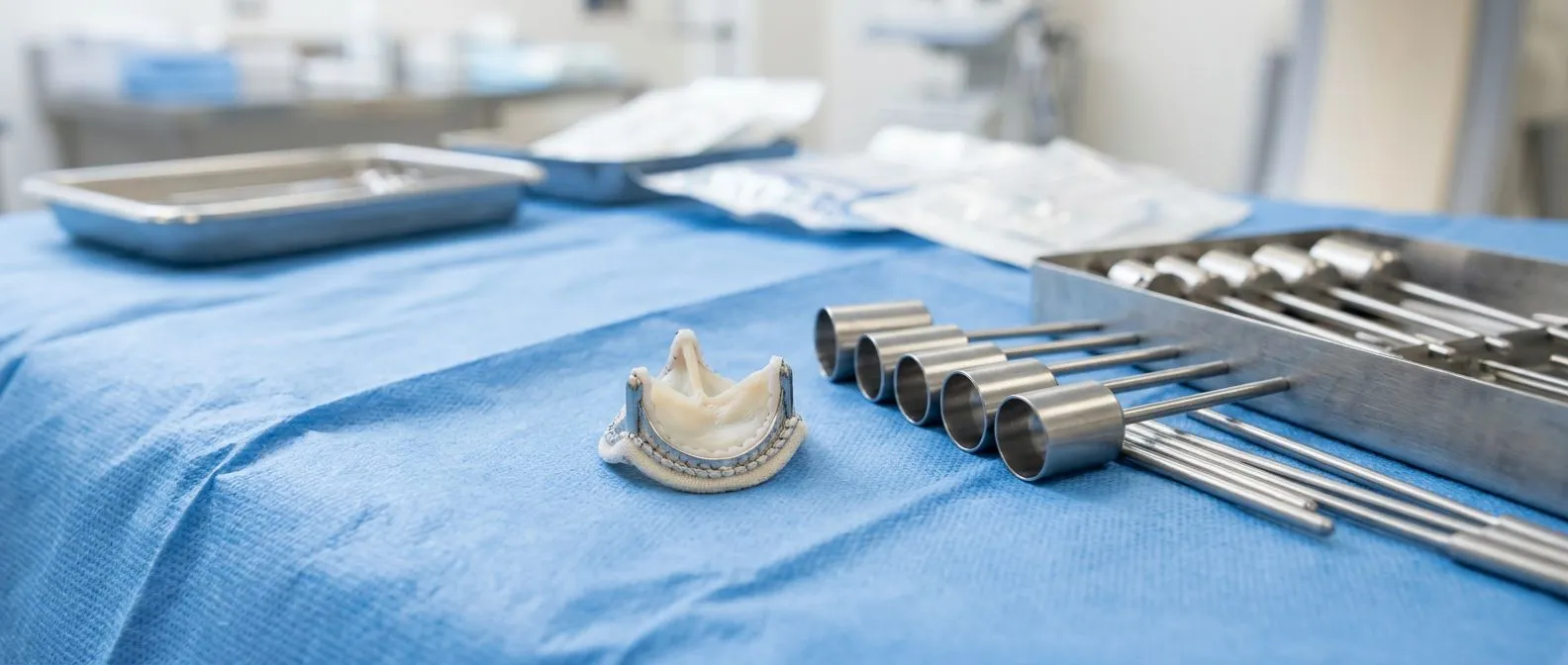
The surgical mechanism: To understand the recovery and longevity outcomes, it helps to visualize what happens during the operation. The heart has four valves that ensure blood flows in one direction. When a valve is diseased—either too tight (stenosis) or too leaky (regurgitation)—blood backs up, forcing the heart to work harder. Surgery aims to fix this mechanical problem. In a repair, the surgeon preserves your native tissue, tightening or reshaping the valve. In a replacement, the diseased valve is removed and substituted with a mechanical or biological substitute.
During traditional open-heart surgery, the surgeon must access the heart directly. This involves opening the chest and establishing a bypass circuit to temporarily take over the work of the heart and lungs. Blood is diverted, often utilizing an arterial cannula placed carefully in the ascending aorta, allowing the surgeon to stop the heart and operate in a still, bloodless field. In many cases, your surgical team will use autologous blood—your own blood that was collected and filtered—to minimize the need for donor transfusions, which reduces the risk of complications and supports a smoother recovery.
Wound healing is a crucial part of the early recovery process. For patients who have pre-existing conditions like diabetes or peripheral vascular disease, the healing of the sternal incision can be delayed. These situations highlight the broader challenges in the treatment of chronic wounds, where compromised circulation impairs tissue repair. Your surgical team will closely monitor your sternal stability and incision site, ensuring that the chest bone mends securely before you resume physical activity. This careful management of the physical trauma of surgery is the foundation upon which your long-term life expectancy after valve surgery is built.
Types of Heart Valve Procedures
Traditional surgical options: The approach your surgeon selects depends on the valve affected, your age, and your overall health profile. Conventional open-heart surgery remains the gold standard for many complex valve repairs, particularly those involving the mitral valve. In these cases, an autograft—using a patient's own healthy tissue—might occasionally be used in specific reconstructive techniques, though biological or mechanical replacements are far more common for severely diseased valves. The choice between a mechanical valve, which lasts a lifetime but requires blood thinners, and a biological valve, made from cow or pig tissue, is a major decision that impacts your daily routine for decades.
Minimally invasive and catheter-based approaches: For patients who are older or face higher risks from open surgery, transcatheter aortic valve replacement (TAVR) offers a vital alternative. TAVR delivers a new valve through a catheter, typically inserted via the groin, avoiding large chest incisions. A key component in this procedure is the balloon-expandable valve, which is crimped onto a catheter, navigated to the heart, and expanded into place to push the old, diseased valve out of the way. This approach significantly reduces recovery time and surgical trauma. In some cases, doctors might first attempt a balloon aortic valvuloplasty to stretch a narrowed valve open, though this is often a temporary bridge to a more definitive replacement.
The evolution of these catheter-based techniques has dramatically changed the landscape of cardiac care. By offering options that do not require stopping the heart or using a full bypass circuit, doctors can now treat patients who would have been deemed too fragile for traditional surgery just a decade ago. Understanding these options is vital, as the type of procedure directly influences the immediate risks, the length of your hospital stay, and the initial phase of your rehabilitation. Your cardiac team will review your specific anatomy and risk scores to recommend the approach that carries the lowest risk for your situation.
Factors That Influence Survival After Surgery
Pre-existing cardiovascular conditions: Your baseline health going into the operation plays a massive role in your long-term outcome. The presence of widespread atheromatous plaque—the buildup of fatty deposits in your arteries—indicates systemic vascular disease that will continue to progress if not managed. Your cardiologist may order blood tests to check your levels of apolipoprotein B, a protein that carries cholesterol in the blood and serves as a marker for cardiovascular risk. Managing these underlying conditions is just as important as the surgery itself in determining your overall life expectancy after valve surgery.
Stroke risk and neurological outcomes: One of the most serious complications associated with any heart procedure is the risk of stroke. The manipulation of the heart and aorta can dislodge small particles, or microemboli, that travel to the brain. The body's response to this injury is complex; neuroinflammation: friend and foe for ischemic stroke means that the immune system's attempt to heal the brain can sometimes cause further damage. To mitigate this risk, surgeons use specialized filters and careful techniques to capture any debris before it reaches the brain, protecting your cognitive function and long-term independence.
Medication adherence and anticoagulation management: Post-operative care relies heavily on a strict medication regimen. If you receive a mechanical valve, you will need lifelong anticoagulation therapy to prevent blood clots from forming on the artificial material. Managing this therapy requires regular blood tests to ensure your levels remain in a safe therapeutic range. Landmark clinical studies, such as the ARISTOTLE trial, have helped define the optimal medications and dosing strategies for patients with heart conditions requiring anticoagulation. Additionally, most patients will be prescribed aspirin to prevent platelets from clumping together, further protecting the new valve and the surrounding coronary arteries from blockages.
Recovery Timeline After Heart Valve Surgery
The immediate postoperative phase: The journey to regaining your health begins the moment you wake up in the intensive care unit. During this critical period, you will be closely monitored with an arterial line, a thin tube placed in an artery to continuously track your blood pressure with high precision. You may also have an arterial cannula remaining from the bypass circuit temporarily, along with chest tubes to drain excess fluid from around your heart. The first few days are focused on pain management, preventing infection, and ensuring your heart rhythms remain stable as your body adjusts to its improved hemodynamics.
Early mobilization and discharge planning: You will be surprised by how quickly the nursing staff encourages you to get out of bed. Early walking is essential to prevent blood clots, clear fluid from your lungs, and wake up your muscles. While you might expect chest pain, it is also common to experience unexpected arm pain or shoulder discomfort, which is referred pain from the internal mammary artery harvesting or simply from the positioning during surgery. Your team will guide you through gradual increases in activity, ensuring you can walk independently and manage basic daily tasks before you are cleared to leave the hospital, usually within five to seven days.
The home recovery phase: Once you are discharged, the focus shifts to cardiac rehabilitation. This structured program involves monitored exercise, nutritional counseling, and emotional support. It usually begins a few weeks after surgery and lasts for several months. During this time, your breastbone continues to heal, meaning you must adhere to strict restrictions against lifting heavy objects or pushing with your arms. Attending cardiac rehab and slowly resuming normal activities is one of the strongest predictors of an excellent long-term outcome and a robust life expectancy after valve surgery.

Managing Risks and Complications
Identifying atypical warning signs: While serious complications are relatively rare in modern cardiac surgery, vigilance is essential. Sometimes, the signs of a problem are not obvious. A patient might experience an atypical infarction—a heart attack that presents without the classic crushing chest pain, instead showing up as sudden fatigue, nausea, or shortness of breath. Because the heart has been recently manipulated and the blood flow dynamics have changed, any new or unexplained symptom must be taken seriously. Your surgical team will provide a detailed list of red flags to watch for during your recovery.
Preventing graft and valve failures: If your valve surgery was combined with a coronary artery bypass, you will have an arterial graft or venous graft in place. Keeping these grafts open and healthy requires aggressive management of your cholesterol and blood pressure. Similarly, if you received a biological valve replacement, there is a gradual risk of structural deterioration over many years. To monitor for this, your cardiologist will schedule regular echocardiograms to watch the function of your new valve. If a biological valve begins to fail, it can sometimes be replaced with a minimally invasive catheter procedure known as a valve-in-valve replacement.
Your active participation in risk management is a crucial component of your care. This means taking your medications exactly as prescribed, attending all follow-up appointments, and maintaining a heart-healthy lifestyle. Smoking cessation is absolutely non-negotiable; continuing to smoke after a major cardiac event drastically reduces the lifespan of your new valve and arterial grafts. By actively partnering with your healthcare team, you can minimize risks and protect the investment you have made in your heart.
- Sternum Care: Avoid heavy lifting and pushing motions for at least 8 weeks to allow the chest bone to heal securely.
- Anticoagulation Monitoring: If you have a mechanical valve, test your blood regularly to keep your clotting times within the safe, prescribed range.
- Infection Prevention: Maintain strict hygiene around your incision sites and report any redness, swelling, or fever to your surgeon immediately.
- Rhythm Watch: Be aware of new palpitations or skipped beats, which could indicate atrial flutter and require prompt medical evaluation.
Long-Term Care for Your Heart Valve
Addressing rhythm disturbances: A healed heart valve does not mean your cardiac care is over; it simply enters a new, maintenance phase. It is quite common for patients to develop arrhythmias, or irregular heartbeats, as the heart's electrical pathways adjust to the new flow dynamics. Atrial flutter is one such rhythm issue that can occur months or even years after surgery. If left untreated, it can lead to palpitations, fatigue, and an increased risk of stroke. Your cardiologist will monitor your heart rhythm and may prescribe medications or suggest a minor procedure to reset the electrical pathway if an arrhythmia becomes a persistent problem.
Emergency preparedness for patients: While your overall risk of sudden cardiac arrest decreases significantly after a successful valve repair, it is still wise to be prepared. Patients with severe structural heart disease prior to surgery may have been advised to have an automated external defibrillator at home or carry specific rescue medications. Even after a successful operation, understanding basic CPR and knowing the location of emergency services is practical. The peace of mind that comes from being prepared allows you to focus on living your life rather than fearing the worst.
Long-term care also involves protecting your valve from infection. Bacteria entering the bloodstream can settle on artificial or repaired valves, causing a serious condition known as endocarditis. Before dental procedures or certain medical interventions, you may need to take a prophylactic antibiotic. Maintaining excellent oral hygiene and reporting any unexplained fevers to your doctor are simple but vital steps. By treating your new valve with care and respecting the ongoing nature of cardiovascular health, you ensure the best possible life expectancy after valve surgery.

Quality of Life Following Surgery
Beyond mere survival: Life expectancy is measured in years, but the true value of heart valve surgery is often found in the quality of those years. Before surgery, many patients live with a slow, quiet decline—giving up gardening, struggling to climb stairs, or feeling exhausted after minimal exertion. The most rewarding aspect of recovery is the return of physical capacity. As the heart pumps more efficiently, oxygen delivery to the body improves, translating directly into increased stamina and a renewed ability to participate in family activities and hobbies that were previously abandoned.
Managing complex systemic needs: In some instances, a patient's heart condition is part of a larger, multisystem health challenge. For critically ill patients who require advanced support while awaiting definitive valve surgery, techniques like awake ECMO (Extracorporeal Membrane Oxygenation) can provide temporary heart and lung support without putting the patient under general anesthesia. While most patients will never need such extreme measures, knowing that these advanced support systems exist highlights the comprehensive, tiered approach modern medicine uses to ensure patients reach surgery in the best possible condition, ready to enjoy a high quality of life afterward.
Psychological recovery is just as important as physical healing. It is common to experience anxiety, depression, or a sense of vulnerability after a major cardiac event. A full return to normal life means addressing these emotional hurdles. Support groups, cardiac rehabilitation programs, and open conversations with your family all play a role in emotional healing. When you feel confident in your body's repaired mechanics and supported in your emotional well-being, your overall satisfaction with life soars.
- Exercise Tolerance: Most patients report a dramatic improvement in their ability to walk and exercise without shortness of breath within three to six months.
- Sleep Quality: Relief of fluid congestion and improved cardiac output often leads to deeper, more restorative sleep patterns.
- Cognitive Clarity: Improved blood flow to the brain can lift the brain fog that often accompanies advanced heart valve disease.
- Travel and Freedom: With medical clearance, patients can resume travel and enjoy an active retirement, free from the tether of severe cardiac symptoms.
When to Seek Medical Attention
Recognizing red flags: The transition from hospital to home is a vulnerable time, and distinguishing between normal healing and a developing problem can be difficult. Normal post-surgical discomfort includes mild swelling, bruising near the incision, and a gradual increase in energy. However, certain symptoms require immediate medical evaluation. A sudden spike in fever, chills, or drainage from the chest incision could indicate a serious infection. Likewise, a sudden return of severe shortness of breath, especially when lying flat, suggests that fluid is backing up into your lungs, signaling potential heart failure.
Chest pain and circulatory concerns: While some chest wall aching is normal as the bone heals, sharp, tearing, or pressure-like chest pain that radiates to your back or jaw is a medical emergency. This could indicate a problem with the ascending aorta or a blockage in a coronary artery. If you have undergone a concurrent bypass using an arterial graft, you must be vigilant for any signs that the blood supply to the heart muscle is compromised. If you experience chest pain that does not resolve with rest or prescribed medication, you must seek emergency care immediately.
It is always better to err on the side of caution. Do not hesitate to contact your surgical coordinator or visit an emergency room if you feel something is wrong. Keep a list of your medications, the date of your surgery, and the type of valve you received in your wallet. This information is invaluable to any healthcare provider who might need to treat you in an emergency. By acting quickly, you protect your heart and ensure that minor issues do not compromise your long-term life expectancy after valve surgery.

Planning Your Next Steps
Consolidating your knowledge: Navigating the prospect of heart surgery is a profound journey. We have explored how the physical mechanics of your heart, the specific type of valve procedure chosen, and your commitment to long-term care all intertwine to shape your life expectancy after valve surgery. The anatomical precision of repairing a leaky mitral valve or replacing a narrowed aortic valve is only the beginning. The true measure of success is how you embrace the recovery process, manage your medications, and adopt a lifestyle that supports your newly repaired heart.
Empowering your decisions: Every patient’s situation is unique, defined by their specific anatomy, their tolerance for different surgical risks, and their personal goals for the future. The practice of Dr Alejandro Molina in Guadalajara, Querétaro, and Hermosillo is dedicated to bridging the gap between complex cardiology and clear, compassionate care. We understand the anxieties that accompany these decisions, and we are committed to walking alongside you, explaining every clinical term and every surgical step in plain, reassuring language. You do not have to face these decisions alone or in fear.
Ultimately, the most important step you can take is to engage directly with a qualified cardiac team. Self-diagnosis or relying solely on internet research cannot replace a comprehensive medical evaluation. If you or a loved one are experiencing symptoms of valve disease or have been told you need surgery, we encourage you to reach out. Book a consultation to discuss your specific situation, review your imaging, and determine the path that offers the lowest risk and highest quality of life for your individual needs. Your heart’s future is worth a dedicated, expert conversation.