Polyester Graft in Aortic Surgery: How Long It Lasts
Polyester grafts are built to last in aortic repair.
What is a Polyester Graft in Aortic Surgery?
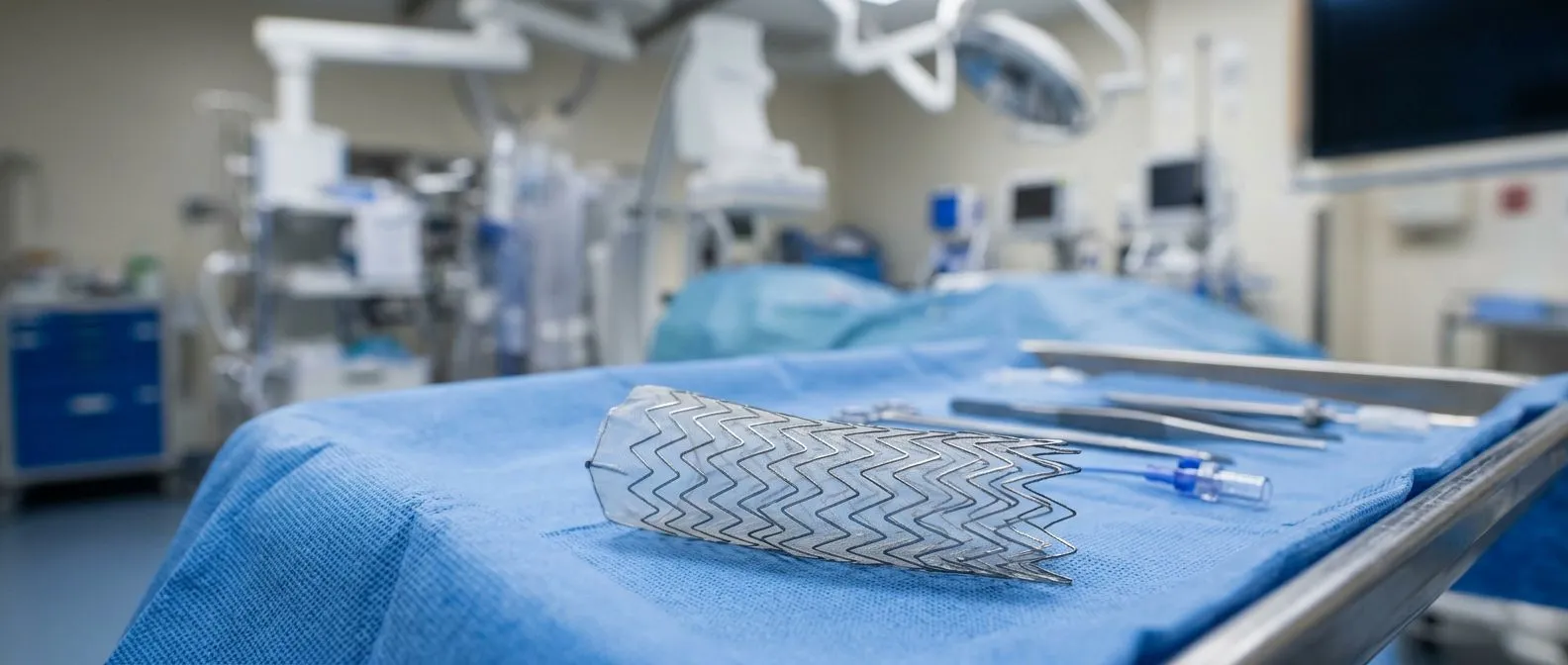
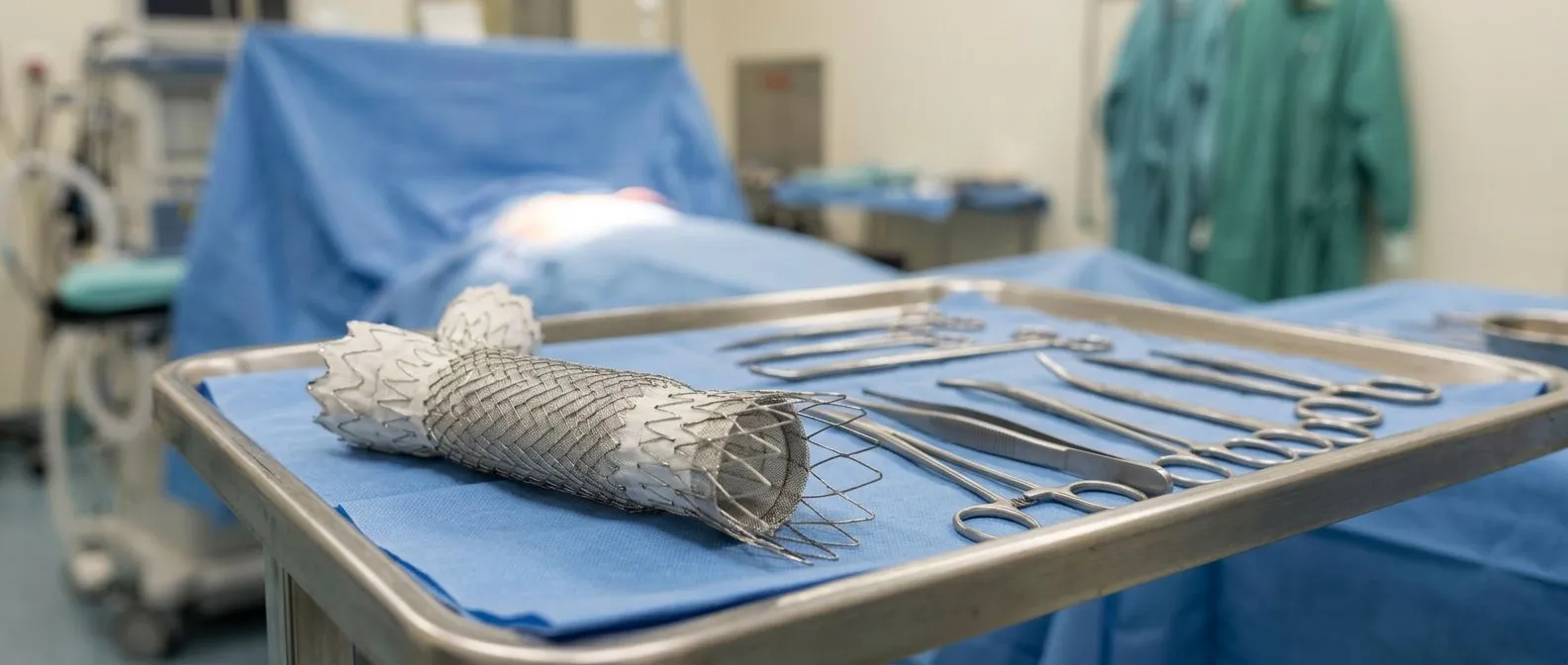
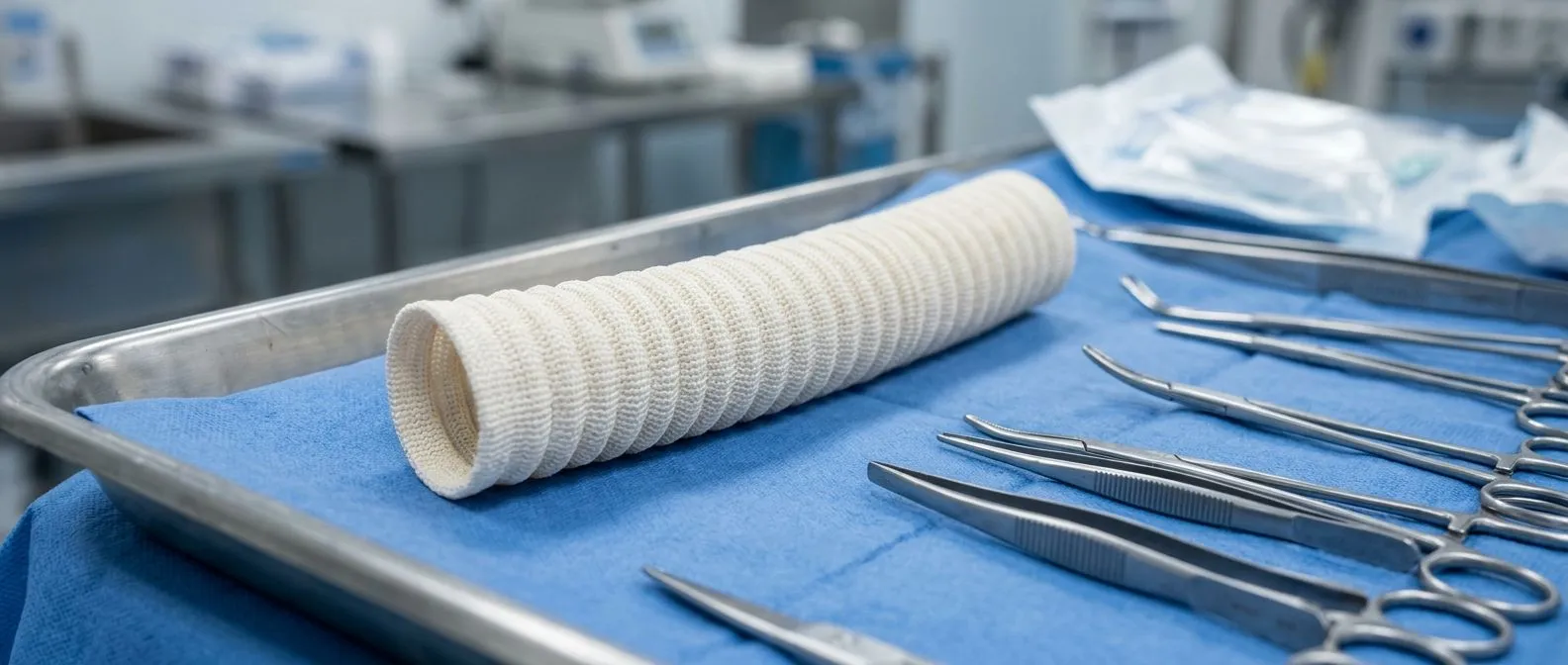
When facing a procedure involving a polyester graft aortic surgery represents a highly refined solution to a dangerous anatomical problem. The aorta is the largest blood vessel in your body, responsible for carrying oxygen-rich blood from your heart to the rest of your organs. Over time, due to genetic conditions, high blood pressure, or age, the walls of this vital vessel can weaken and stretch outward, forming an aneurysm. If left untreated, this bulging area can rupture, which is a life-threatening emergency. A polyester graft is a synthetic, tightly woven tube that replaces the weakened segment of the aorta, effectively creating a new, durable pathway for blood flow that relieves the pressure on the surrounding tissue.
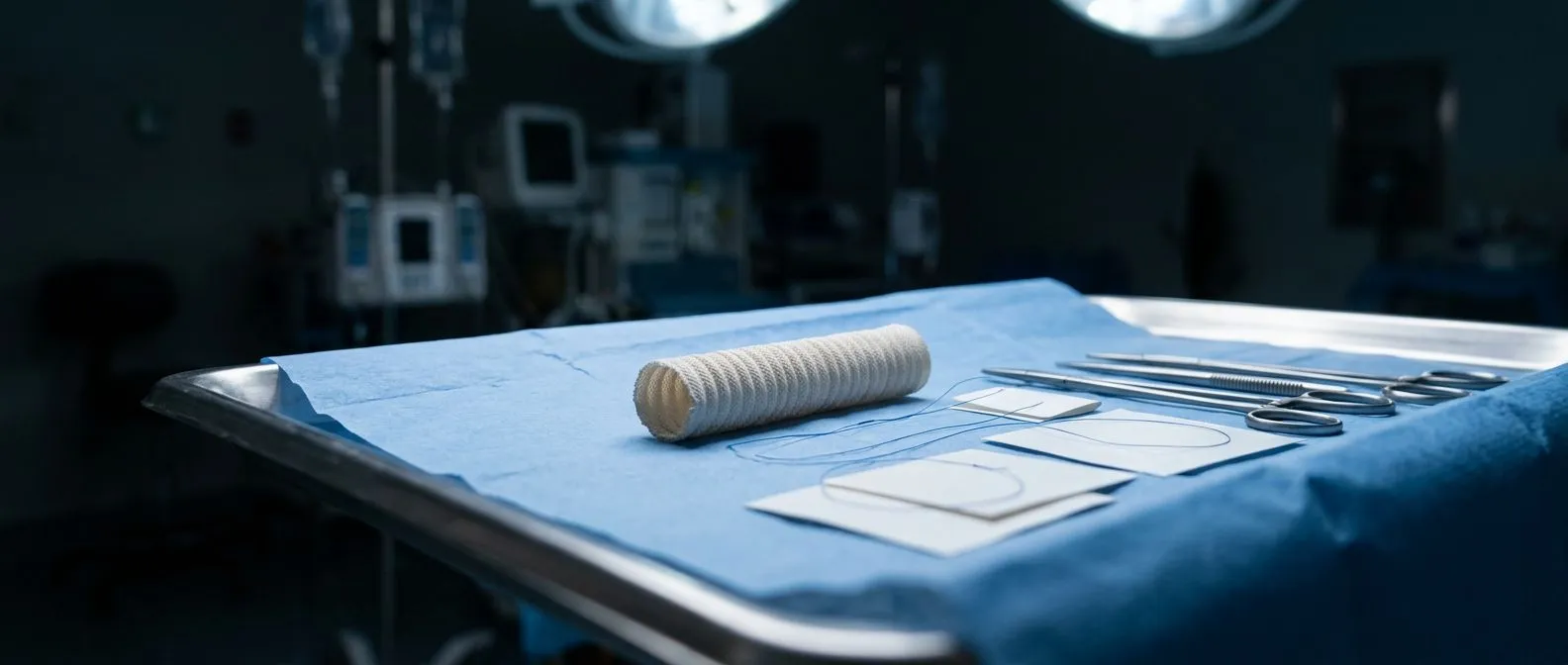
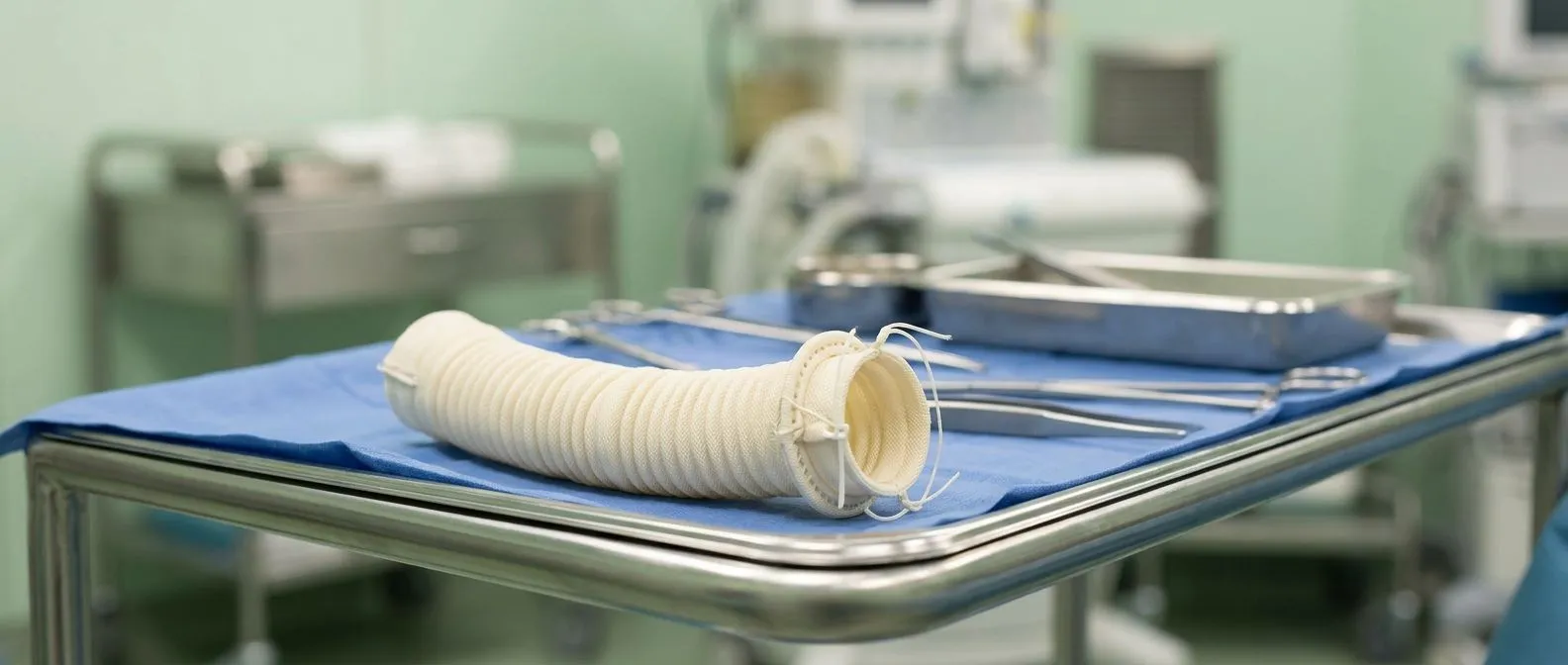
What exactly is this material? The woven polyester fiber used in these grafts has been used in medical applications for decades. In cardiac surgery, it is woven into a seamless, porous tube that serves as an Arterial Graft. When a surgeon removes the diseased section of your aorta, they sew this synthetic tube in its place. Because of its proven track record, research indexed in databases like PubMed continually supports its use as a safe, long-term structural replacement for large arteries. Unlike an Autograft, which is tissue harvested from elsewhere in your own body, a synthetic graft is always available in the exact size and shape needed for your specific anatomy.
How does the body accept it? It is natural to wonder how a synthetic fabric integrates with living tissue. Once the polyester graft is implanted and blood flows through it, the patient's own blood proteins quickly coat the inner surface. Over the following weeks, natural tissue cells migrate into the microscopic pores of the weave, effectively sealing the graft and incorporating it into the body. This process, known as tissue ingrowth, makes the graft a permanent part of your cardiovascular system. It does not degrade like a biological structure might, providing a permanent structural buttress against the high pressures generated by the heart with every heartbeat.
How Long Do Polyester Grafts Last After Surgery?
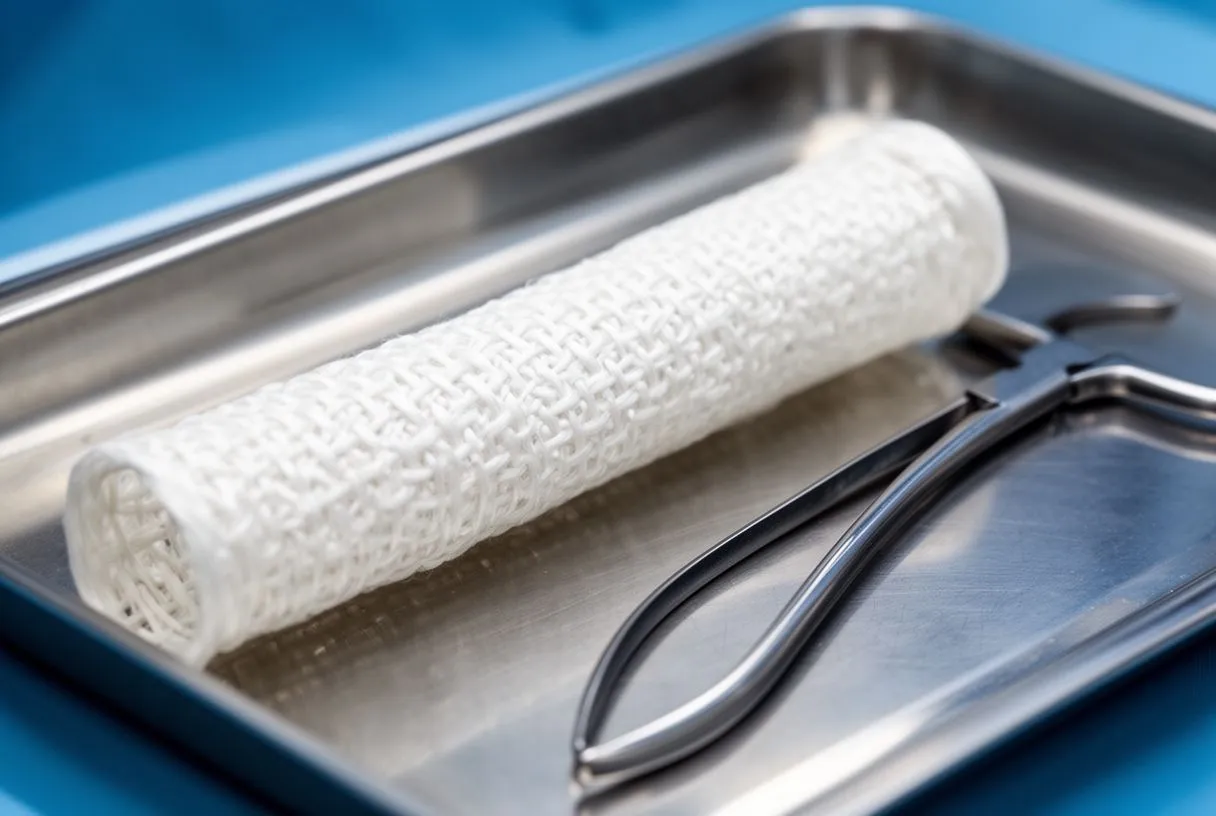
One of the most pressing questions patients and their families have is about the lifespan of the repair. Polyester graft durability is exceptional, and for the vast majority of patients, the graft is designed to last for the rest of their natural life. The material itself is highly resistant to degradation, meaning it will not wear out, stretch, or dissolve under normal physiological conditions. Because it is a synthetic polymer, it is immune to the cellular aging processes that affect native blood vessels. Consequently, if your underlying conditions are well-managed, you will likely never need to have the graft replaced due to material failure.
Expected lifespan in clinical practice: Long-term clinical observations show that polyester grafts maintain their structural integrity for decades. Patients who undergo this surgery often return to their normal lives without experiencing issues related to the graft itself. During routine check-ups, a physician may use Auscultation, the process of listening to the internal sounds of the body, to ensure blood is flowing smoothly without turbulence. The absence of abnormal sounds is a strong indicator that the graft is functioning perfectly. The high survival rate associated with polyester graft aortic surgery is directly tied to the material's ability to withstand the constant, rhythmic stress of arterial pressure without fatiguing.
While the graft itself does not expire, it is important to understand that your overall cardiovascular health continues to evolve. The sections of your native aorta that were not replaced during surgery can still be susceptible to disease. Therefore, the longevity of your surgical outcome depends heavily on protecting the rest of your vascular system. Controlling blood pressure and cholesterol is paramount. By managing these factors, you prevent the progression of disease in adjacent vessels, ensuring that your graft remains the robust centerpiece of a stable circulatory system for years to come.
What Affects Polyester Graft Durability and Longevity?
Managing blood pressure and cholesterol: The primary factor affecting the long-term success of your graft is how well you manage your cardiovascular risk factors. High blood pressure exerts immense force against the walls of all your arteries, including the native tissue immediately above and below the graft. If this pressure is not strictly controlled, the native aorta can continue to dilate, potentially forming new aneurysms at the edges of the graft. Additionally, the buildup of Atheromatous Plaque—a deposit of fats and cholesterol—can narrow other arteries and compromise blood flow, indirectly stressing the heart and the graft. Keeping these metrics within healthy ranges is essential.
Medication adherence plays a critical role in protecting your surgical repair. Patients are typically prescribed medications to lower blood pressure and reduce the heart's workload. Depending on your specific surgical approach, you may also need to take Aspirin or other blood thinners to prevent clots from forming on the graft material or in nearby heart chambers. While research into alternatives continues, as explored in publications like The Tissue-Engineered Vascular Graft-Past, Present, and Future, synthetic polyester remains the clinical standard precisely because it handles these hemodynamic stresses without failing. Consistent medication routines ensure the graft operates in a stable environment.
Lifestyle choices and systemic health: Beyond medications, your daily habits heavily influence the longevity of the graft. Smoking is one of the most damaging behaviors, as it actively accelerates the weakening of arterial walls and promotes plaque buildup. Patients who stop smoking significantly improve their long-term prognosis. Similarly, managing systemic conditions like diabetes protects the microvascular system and reduces overall inflammation. By maintaining a heart-healthy diet, engaging in approved regular physical activity, and attending all scheduled medical appointments, you create an environment where the polyester graft can function exactly as intended, safely routing blood for the rest of your life.
Polyester Graft Aortic Surgery for Ascending Aorta Aneurysms
The Ascending Aorta is the first curved section of the aorta as it rises directly out of the heart's left ventricle. An aneurysm here is particularly concerning due to the high pressure of blood being ejected directly from the heart. When this specific area reaches a dangerous size—often guided by surgical thresholds such as an aortic diameter greater than 5.5 cm—surgical intervention becomes necessary to prevent a fatal dissection or rupture. Polyester graft aortic surgery is the primary method for treating this condition, involving the careful removal of the weakened tissue and the precise insertion of a synthetic tube to restore safe blood flow.
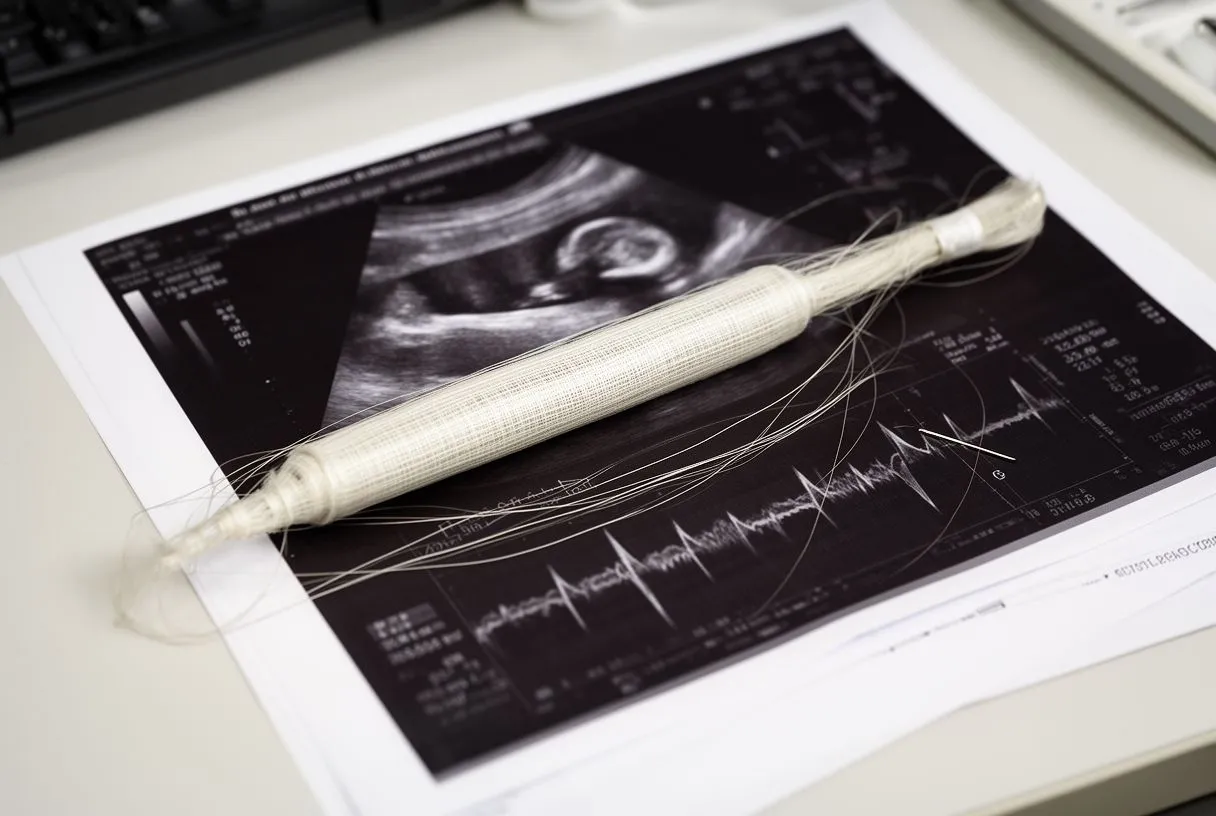
The surgical approach: Replacing the ascending aorta requires a highly coordinated surgical effort. The surgeon must temporarily stop the heart from beating and divert the patient's blood circulation through a heart-lung machine. During this time, the diseased segment of the aorta is excised, and the polyester graft is meticulously sewn into place, connecting the heart to the healthy portions of the aorta downstream. Depending on the extent of the disease, the surgeon may also need to address the aortic valve, which sits at the base of the aorta, just as it exits the Atrium, ensuring the valve functions properly before completing the repair.
In some cases, patients may have previously undergone less invasive procedures to manage nearby vascular issues, such as Balloon Angioplasty, which uses a small inflatable device to open a narrowed vessel. However, an ascending aorta aneurysm cannot be treated with balloons or stents; it requires the structural integrity that only a surgical polyester graft can provide. The graft acts as a permanent shield, taking over the workload of the damaged tissue and allowing the heart to pump efficiently without the constant risk of the vessel bursting. This definitive repair is what allows patients to return to a normal, active lifestyle without the looming anxiety of an expanding aneurysm.
What Are the Common Polyester Graft Complications?
While polyester graft aortic surgery is highly successful, understanding potential complications is a vital part of the informed consent process. One of the most serious, though rare, risks is a graft infection. Because the graft is a foreign material, bacteria can theoretically adhere to it if introduced during surgery or later through the bloodstream. Preventing bacterial colonization involves strict sterile protocols in the operating room and vigilant postoperative care. In managing systemic bacterial threats and understanding microbial resistance patterns, clinicians often draw upon rigorous public health frameworks, much like the comprehensive protocols detailed in the CDC's Sexually Transmitted Infections Treatment Guidelines, 2021, to ensure appropriate antibiotic stewardship and infection prevention.
Cardiac and vascular risks: Another potential complication involves the formation of blood clots within the graft, which can impede blood flow or travel to other parts of the body. In rare instances, a patient might experience an Atypical Infarction, a type of heart attack that presents with unusual symptoms, if blood supply to the heart muscle is compromised during or after the procedure. Additionally, patients may develop arrhythmias, or irregular heartbeats, as the heart recovers from the trauma of surgery. These risks are carefully monitored in the intensive care unit immediately following the operation, and treatments are readily available to manage them should they arise.
Long-term structural issues are exceptionally uncommon with polyester grafts, but they are not impossible. Over many years, a small percentage of grafts may develop pseudoaneurysms, which are localized areas of leakage at the surgical suture lines rather than failure of the graft material itself. This is why lifelong imaging surveillance is necessary. By regularly evaluating the surgical site with CT scans or echocardiograms, your medical team can detect and address any subtle changes long before they become symptomatic. Awareness of these possibilities empowers patients to remain engaged in their follow-up care without living in constant fear.
Polyester Graft Follow-Up Care and Monitoring
Recovery does not end when you leave the hospital; it transitions into a long-term partnership with your cardiology team. The first phase of follow-up involves close monitoring of the surgical incision, blood pressure, and heart rhythm. As part of ongoing risk management, doctors will monitor blood markers like Apolipoprotein B, a protein associated with low-density lipoprotein (LDL) cholesterol, to ensure your lipid levels are optimized to prevent further arterial plaque buildup. Controlling these systemic markers is just as important as the structural integrity of the graft itself, as it protects the remaining native vessels.
Medication and trial-based protocols: Long-term medication adherence is frequently guided by major clinical studies. For instance, the ARISTOTLE trial provided critical insights into the optimal use of blood thinners in patients with atrial fibrillation, a condition that can sometimes emerge after cardiac surgery. Your physician will use this evidence-based data to prescribe the exact medications needed to keep your blood flowing smoothly through the new polyester graft without increasing the risk of bleeding. Adjusting these medications requires careful calibration and regular blood tests, ensuring the therapeutic window remains safe and effective for your specific physiology.
To maintain clarity and peace of mind, patients should adhere to a structured follow-up schedule. Here is what that ongoing monitoring typically looks like:
- Initial Check-up: A thorough clinical evaluation within the first two weeks of discharge to assess wound healing and basic cardiovascular function.
- Imaging Surveillance: A baseline CT scan or echocardiogram at six months post-surgery, followed by annual imaging to monitor the graft and surrounding native aorta.
- Medication Review: Regular consultations to adjust blood pressure and cholesterol medications based on lab results and physical tolerance.
Polyester Graft Names: Is There a Difference?
Patients often encounter different names for these grafts in their research and wonder if there is a clinical distinction between them. The simple answer is no: these names refer to the same type of woven polyester fiber. In the medical and surgical context, when a physician refers to an aortic tube graft, they are usually describing a polyester-based vascular prosthesis. The terms are used interchangeably in clinical literature, and the material has remained the gold standard for large artery reconstruction for over half a century due to its incredible tensile strength and biocompatibility.
Managing the surgical environment: The choice of this material directly influences the surgical environment and monitoring needs. During the operation, precise hemodynamic monitoring is required. An Arterial Line, a thin catheter usually placed in the wrist artery, provides real-time, beat-to-beat blood pressure readings to the anesthesiologist. This precise monitoring is crucial when manipulating the aorta and implanting the graft. Postoperatively, the stability of the polyester material reduces the risk of sudden hemodynamic shifts, helping to prevent complications like Atrial Flutter, a rapid, irregular heart rhythm that can stress a newly repaired heart.
While the core material has remained consistent, manufacturing techniques have evolved significantly. Modern polyester grafts are often woven with specialized coatings, such as collagen or gelatin, to make them impervious to blood leakage without requiring the patient's own blood to pre-clot the graft before insertion. These advancements have shortened operative times and reduced blood loss. Understanding that these names describe one and the same material allows patients to confidently review medical literature, knowing that the established safety profile applies directly to their planned procedure.
Aortic Surgery Recovery Time and What to Expect
Aortic surgery recovery time is a journey that requires patience, physical rehabilitation, and emotional support. The initial hospital stay typically lasts between five and seven days, beginning in the intensive care unit for the first 24 to 48 hours. During this time, the medical team closely monitors vital signs, heart function, and fluid balance. Patients may wake up with various tubes in place, including an Arterial Cannula for blood pressure monitoring and chest tubes to drain excess fluid from around the heart and lungs. These are temporary but essential components of the early recovery phase.
Managing postoperative discomfort: It is entirely normal to experience significant discomfort in the early days following surgery. Many patients experience unexpected Arm Pain, which can radiate down the left side due to the positioning of the chest tubes or the stretching of nerves during the opening of the chest cavity. This pain is managed with medications and typically subsides as the tubes are removed and the tissues begin to heal. Coughing, deep breathing, and walking are strongly encouraged early on to prevent pneumonia and promote circulation, even though these activities may be uncomfortable at first.
Once discharged, the home recovery phase begins, usually lasting four to six weeks. During this period, patients are advised to avoid lifting anything heavy and to practice strict hygiene around the healing chest incision. Cardiac rehabilitation is often recommended to help patients gradually rebuild their strength under medical supervision. While the first few weeks can be challenging and fatiguing, most patients see a steady, daily improvement in their stamina and comfort levels. By the end of the recovery period, the vast majority of patients feel stronger and more secure than they did before the surgery, free from the shadow of an impending aneurysm.
When Does an Aortic Graft Replacement Become Necessary?
Although a polyester graft is designed to last a lifetime, there are specific, albeit rare, circumstances where an aortic graft replacement might become necessary. The most common reason for a redo operation is not the failure of the synthetic material itself, but rather the progression of the underlying disease in the native aorta adjacent to the original graft. If the native tissue above or below the polyester tube continues to stretch and form a new aneurysm, a second surgery may be required to extend the graft and secure the newly diseased segment. This underscores the importance of lifelong blood pressure control.
Addressing infections and structural wear: Another indication for graft replacement is a deep-seated infection of the graft material. If bacteria colonize the synthetic tube and cannot be cleared with intravenous antibiotics, the infected graft must be removed and replaced to prevent systemic sepsis. In these complex cases, surgeons may utilize Autologous Blood products to support the patient's immune system and clotting capabilities during the intricate procedure. While incredibly rare, managing an infected graft is a serious endeavor that requires a highly specialized surgical approach to ensure the new graft does not suffer the same fate.
Sometimes, changes in the graft structure, such as a tear at the suture line causing a false aneurysm, necessitate repair. While extremely uncommon, these issues are usually detected during routine follow-up imaging before they cause symptoms. In the rare event of a catastrophic complication at home, having an Automated External Defibrillator (AED) nearby and knowing how to perform CPR can be lifesaving while emergency services are en route. The primary takeaways for recognizing when to seek a medical evaluation regarding your graft include:
- Sudden Chest or Back Pain: Any severe, tearing pain in the chest or back requires immediate emergency medical attention, as it could indicate a vascular emergency.
- Unexplained Fever: A persistent fever without another obvious cause could be an early sign of a graft infection and warrants prompt evaluation by your cardiac team.
- Syncope or Dizziness: Unexplained fainting or severe lightheadedness should be reported to your physician, as it may indicate a sudden issue with blood flow.
Discussing Your Polyester Graft Options with a Cardiac Team
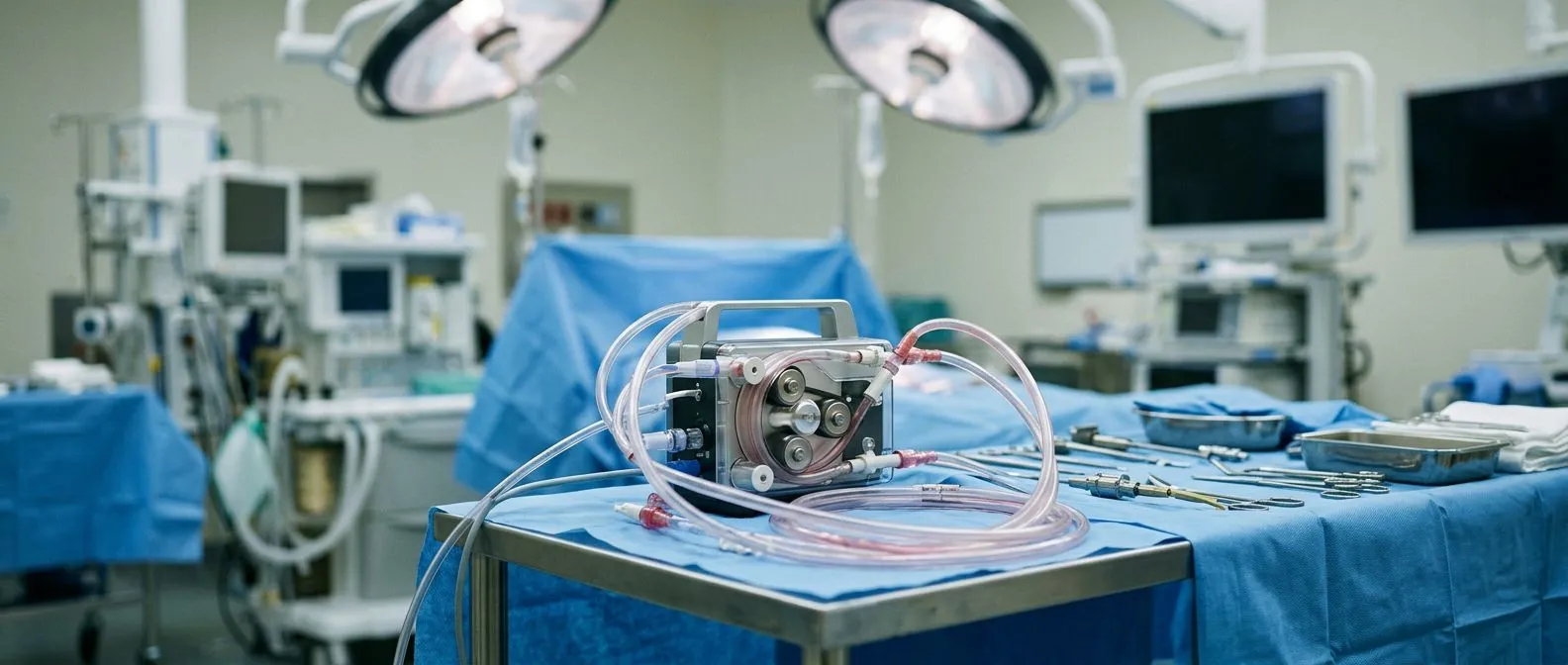
Making the decision to undergo polyester graft aortic surgery is a profound step, and it should be made in close consultation with a highly experienced cardiac team. Every patient's anatomy and medical history are unique, meaning the surgical approach must be tailored to your specific situation. In some complex cases, teams may utilize advanced life support techniques like Awake ECMO, a specialized form of extracorporeal membrane oxygenation where the patient remains conscious, though this is reserved for very specific bridging scenarios. Your surgeon will discuss the risks, benefits, and expected recovery trajectory based on your individual health profile, ensuring you understand every aspect of the proposed intervention.
It is also helpful to understand how your aortic surgery relates to other potential cardiac procedures you might have heard about. For instance, if you also suffer from a narrowed aortic valve, your surgeon might combine the graft replacement with the implantation of a Balloon-expandable Valve during a transcatheter aortic valve replacement (TAVR), or perhaps a Balloon Aortic Valvuloplasty to open a stiffened valve. Understanding the sequence and necessity of these combined procedures empowers you to have a more meaningful dialogue with your specialists, moving from a place of anxiety to a place of informed confidence.
Ultimately, the goal of this procedure is to provide you with the lowest risk for your situation and the best possible quality of life for years to come. At Cirugía de Corazón, the cardiac surgery practice of Dr Alejandro Molina in Guadalajara, Querétaro and Hermosillo, Mexico, our priority is to bridge complex cardiology with clear, calm explanation. We are dedicated to providing authoritative, empathetic care to our international patient population. If you or a loved one are facing an aortic aneurysm, we encourage you to discuss your specific situation with our qualified cardiac team. Please book a consultation with us to explore your treatment options rather than self-diagnosing, and let us help you navigate your path to a healthier heart.