

Self-Expanding Valve for TAVR: How It Differs
Self-expanding valve TAVR differs from balloon-expandable valves in frame design, expansion mechanism, and ideal patient match.
If your doctor has diagnosed severe aortic stenosis — a narrowing of the main heart valve that restricts blood flow out of the heart — you have probably heard about transcatheter aortic valve replacement, known as TAVR. Within TAVR, there are two main valve families, and one of them is a self-expanding valve for TAVR. This article explains, in plain language, what that valve is, how it differs from the balloon-expandable alternative, who it suits, and what recovery actually looks like.
What Is a Self-Expanding Valve for TAVR?
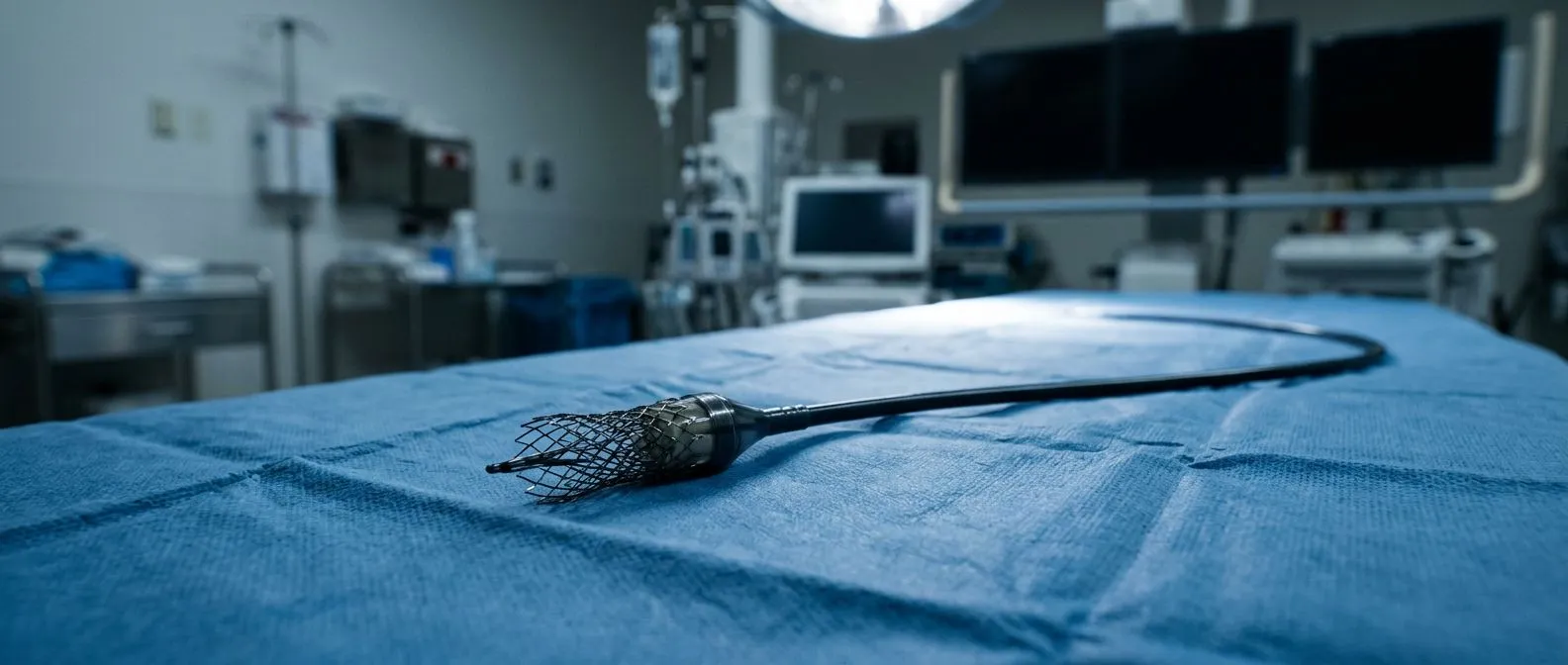
A self-expanding valve is a replacement aortic valve built on a flexible metal frame made of nitinol, a nickel-titanium alloy with a remarkable property: it remembers its shape. The valve is compressed into a thin delivery catheter, threaded up from an artery in the groin to the heart, and released. Once it leaves the catheter, the nitinol frame springs open on its own and anchors itself in the old valve's position.
Why the frame matters. The frame is what holds the new valve open, day and night, for years. In a self-expanding transcatheter aortic valve, that frame is flexible rather than rigid. It flexes with each heartbeat and with the movement of the aorta, which can be gentler on the surrounding tissue. The valve itself is usually made from treated animal tissue — typically bovine or porcine valve tissue — sewn inside the frame.
Where it fits in TAVR. TAVR replaces the aortic valve without opening the chest or stopping the heart. The self-expanding design is one of two main tavr valve types comparison points patients usually encounter: self-expanding valves and balloon-expandable valves. Both do the same essential job. The difference lies in how they open, how they anchor, and what each design makes easier or harder for your specific anatomy.
How Does a Self-Expanding Valve Differ From a Balloon-Expandable Valve?
The clearest difference is the tavr valve expansion mechanism. A balloon-expandable valve is folded over a balloon; when the balloon inflates, the valve's frame is pushed open and stays where it is placed. A self-expanding valve needs no balloon. Its nitinol frame opens by itself, which means the delivery catheter can be slimmer and the valve can be repositioned before it is fully released in many designs.
- Expansion: self-expanding valves open on their own; balloon-expandable valves need an inflated balloon.
- Repositioning: many self-expanding valves can be pulled back and moved before final release; balloon-expandable valves generally cannot.
- Sealing: self-expanding designs often include a skirt of fabric near the top to reduce leaks around the valve.
Registry research comparing the two technologies, including the EVAL registry comparing a balloon-expandable and a self-expanding transcatheter heart valve in severe aortic stenosis, has found that both achieve good outcomes overall, with trade-offs in specific measures such as leak rates, pacemaker rates, and how easily each valve sits in particular anatomies (Journal of Clinical Medicine). Neither design is simply "better" — the right choice depends on your annulus, your calcification pattern, and your conduction system.
Who Is a Candidate for Self-Expanding Valve TAVR?
Candidacy for self-expanding valve TAVR is decided by the same tests that decide candidacy for any TAVR. An echocardiogram measures the valve area and how badly the valve is narrowed. A CT scan of the chest maps the annulus — the ring of tissue where the valve sits — and measures the calcium deposits. Your surgical risk, often scored with tools such as EuroSCORE II, helps the team judge whether TAVR or conventional surgery is the safer route.
Age and frailty considerations. TAVR was first approved for patients too frail or too elderly for open-heart surgery, and it remains a strong option for aged heart valve replacement needs. For an 85-year-old with multiple health conditions, avoiding open surgery can change everything about recovery. Younger, lower-risk patients may also be candidates today, but the trade-offs between TAVR and surgical replacement deserve a careful, unhurried discussion.
Anatomy that favors self-expanding valves. Certain anatomies tilt the choice toward a self-expanding valve: a small annulus, heavy calcium, a particular valve shape, or a previously implanted surgical valve that needs a valve-in-valve procedure. In our practice, every case is reviewed by the multidisciplinary team against international practice guidelines before a recommendation is made, and the patient receives a clear proposal with the alternatives — the final decision is always theirs.
What Happens During a Self-Expanding Valve TAVR Procedure?
Before the procedure. You arrive at the catheterization laboratory or hybrid operating room. Most self-expanding valve procedures are done through the femoral artery in the groin — the least invasive route — though some patients need an alternative access point through the chest. You typically receive sedation or light general anesthesia, depending on the access route and your condition.
During the procedure. The team threads a thin catheter from the groin up the aorta to the heart. First, a balloon may briefly inflate to prepare the diseased valve. Then the self-expanding valve is advanced inside its delivery sheath and positioned under live X-ray and ultrasound imaging. When the position is confirmed, the valve is released and the nitinol frame expands. The team checks immediately, with ultrasound, that the valve sits well and does not leak.
After the valve is placed. The catheter is removed, the groin puncture is closed, and you go to a monitored bed. The whole procedure usually takes one to two hours. Because the chest is never opened and the heart is not stopped, there is no breastbone to heal — which is why TAVR is described as a minimally invasive aortic valve replacement. Our team performs conventional, minimally invasive, robotic and transcatheter procedures, and we recommend the less invasive route only where the evidence supports it for that specific patient.
Is Self-Expanding Valve TAVR Safe? What Are the Risks?
TAVR is an established, guideline-supported treatment for aortic stenosis, and the European Society of Cardiology guidelines now include TAVR as a standard option across most patient risk groups. But honest patient education means naming the risks, not hiding them. The main risks include bleeding at the access site, stroke, kidney stress from the contrast dye, and leaks around the new valve.
Self-expanding valve-specific considerations. Because the self-expanding frame applies continuous outward pressure on the tissue, and because it sits in the region where the heart's electrical wiring passes, one self-expanding valve tavr risk deserves particular attention: a higher need for a pacemaker compared with balloon-expandable valves in some studies. This is manageable and well understood, but it should be part of your conversation with the team.
Other risks to discuss. Less common but important risks include prosthetic valve endocarditis — an infection of the new valve, which is rare but serious — and valve migration or dislodgement, which is very rare. We take the time in consultation to explain what the studies actually show, in plain words, and to answer every question before any decision is made.
Why Might You Need a Pacemaker After Self-Expanding TAVR?
The heart's natural electrical system — the wiring that tells the heart when to beat — runs very close to the aortic valve, in a band of tissue called the conduction system. When a new valve frame presses against that tissue, it can slow the electrical signals. If the slowdown is significant and persistent, a pacemaker is needed to keep the heart beating at a proper rate.
Why self-expanding valves show higher rates. Studies consistently show that pacemaker implantation is more common after self-expanding valve TAVR than after balloon-expandable TAVR, largely because the self-expanding nitinol frame keeps exerting gentle outward force on the tissue after the procedure. The frame may settle deeper or press longer on the conduction tissue.
What it means in practice. A pacemaker is not a failure of the procedure. Modern pacemakers are small, reliable devices implanted under the skin near the collarbone, and many patients live full, active lives with one. Heart rhythm is usually monitored closely after a self-expanding valve procedure, because catching a conduction problem early makes the pacemaker decision clearer. Ask your team what their protocol is for watching your rhythm in the first days after the procedure.
What Is Recovery Like After Self-Expanding Valve TAVR?
The first days. Most patients who have TAVR through the groin walk within hours and go home within a few days — often two to four. You will have a small puncture in the groin, not a chest incision. Soreness at the puncture site is normal for a week or so. Self-expanding valve tavr recovery follows the same broad pattern as any transfemoral TAVR.
The first weeks. Expect steady improvement: more energy, easier breathing on stairs, better sleep as the heart no longer strains against a narrowed valve. Your team will arrange follow-up echocardiograms to check the valve position and function. You will take antiplatelet or anticoagulant medication as prescribed, and you will need antibiotic prophylaxis before certain dental procedures for life, to protect the new valve.
Long term. Transcatheter heart valve durability is a fair question to ask. Current evidence shows these valves holding up well over many years, though surgical valves still have the longest track record. Reviewing imaging and symptoms at follow-up visits means any change in valve function is more likely to be caught early rather than late.
Is a Self-Expanding Valve a Small Aortic Annulus TAVR Solution?
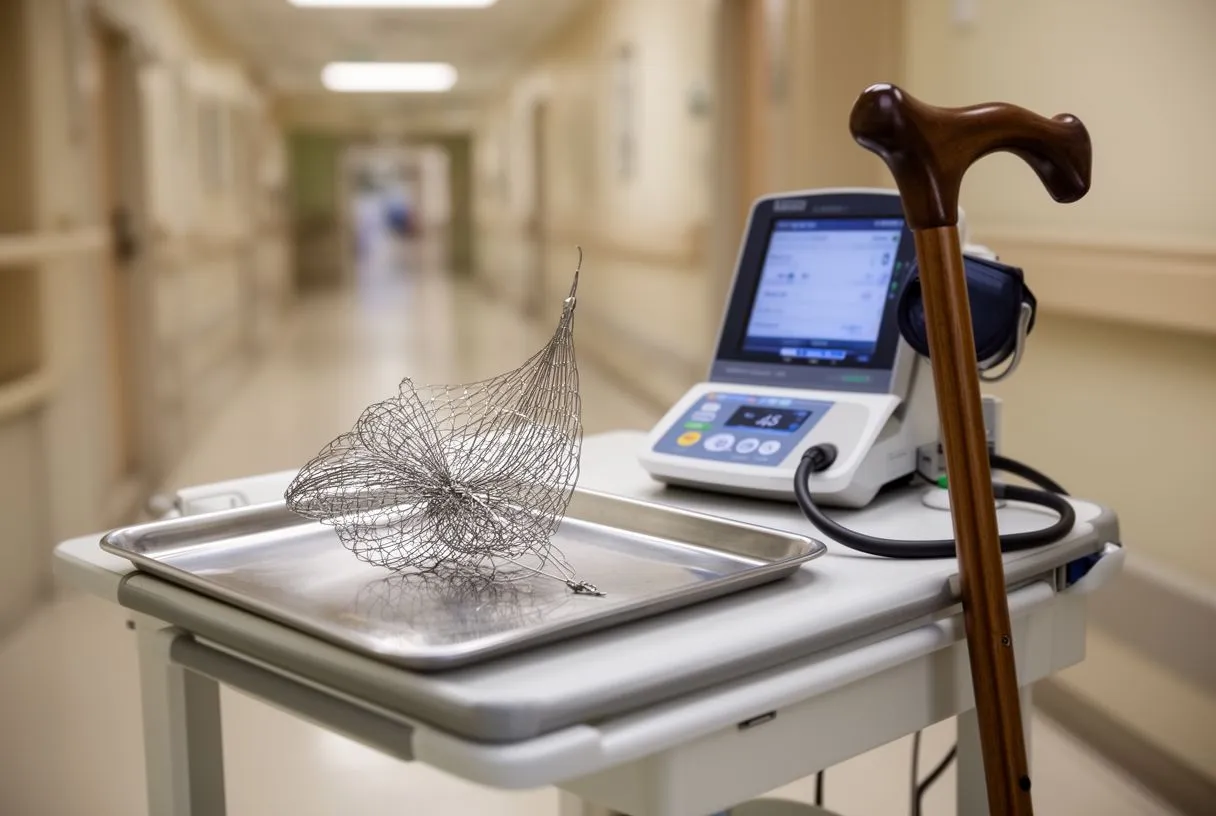
The small annulus challenge. Some patients — and this is particularly common among women and among patients in Latin America — have a naturally small aortic annulus. A small annulus limits how large a valve can be placed, which limits the final opening for blood flow. A valve that is too small for the space, or a valve that does not open fully, can leave the patient with residual narrowing.
Why self-expanding designs can help. Published reviews on self-expanding versus balloon-expandable TAVR in patients with a small aortic annulus suggest that certain self-expanding valve designs can achieve a larger effective opening in small annuli, because the valve is sized to the structure above the annulus and expands from within the root (Journal of Cardiovascular and Thoracic Research). For the right anatomy, a self-expanding valve can be a genuinely useful small aortic annulus TAVR solution.
How the decision is made. This is not a rule, it is an anatomy-specific judgment. The CT measurements, the calcium pattern, and the height of the coronary arteries all enter the equation. When I review a CT scan with a small annulus, I compare in detail how each available valve design would sit in that specific anatomy before making any recommendation. The measurement of valve area on the follow-up echo tells the real story.
Self-Expanding Valve TAVR vs SAVR: Which Is Right for You?
SAVR — surgical aortic valve replacement — is the traditional operation: the chest is opened, the heart is stopped, and the diseased valve is removed and replaced with a mechanical or tissue valve. It has decades of proven durability and removes the diseased valve entirely. The comparison of self-expanding valve TAVR vs SAVR is really a comparison of trade-offs, not of good and bad.
- Hospital stay: TAVR usually means two to four days in hospital; SAVR usually means five to seven or more.
- Recovery: TAVR recovery is measured in weeks; SAVR recovery involves a healed breastbone and three months of restrictions.
- Durability: surgical valves have the longest proven track record; transcatheter valve data continues to mature.
- Pacemaker: the pacemaker rate is generally higher with self-expanding TAVR than with SAVR or balloon-expandable TAVR.
- Redo options: a transcatheter valve can often be treated later with a valve-in-valve procedure if it wears out, avoiding a repeat open operation.
Younger patients deserve a longer conversation. For a patient in their fifties or early sixties, the durability question weighs more heavily, and surgical replacement with a durable valve may be the lower-risk choice over a lifetime. We are a multidisciplinary team of cardiac surgeons, and we weigh TAVR and surgery against each other openly in every case, because the patient deserves to see both sides before choosing.
How Do You Choose the Right Team for Self-Expanding Valve TAVR?
The valve design matters, but the team behind it matters more. Look for a program where a heart team — interventional cardiologists and cardiac surgeons together — reviews every case, where both TAVR and surgical options are genuinely on the table, and where the team will tell you honestly when surgery is the better route for your age and anatomy.
Questions to bring to any consultation. Write these down and ask them directly:
- Which valve designs does your program use, and why for my anatomy?
- What is your pacemaker rate after self-expanding valve TAVR?
- What is your leak rate, stroke rate, and how do you watch for them?
- If my valve degenerates in ten years, what are my options?
- What will follow-up look like, and who do I call if something changes?
Second opinions are normal. We encourage second opinions and treat seeking one as a normal part of deciding about heart surgery — a decision this significant should never rest on a single voice. If you are comparing aortic stenosis treatment options in Mexico or traveling from abroad, ask how the program handles international patients: imaging review before travel, transparent costs, and clear follow-up arrangements.

Choosing between valve designs can feel overwhelming, but the core idea is simple. A self-expanding valve for TAVR opens on its own inside the heart, can be repositioned during the procedure, and offers particular advantages for certain anatomies — while carrying a somewhat higher pacemaker rate that your team should discuss openly with you. Both self-expanding and balloon-expandable valves are mature, well-studied technologies, and the right choice depends on your annulus size, your age, your calcification pattern, and your own priorities. If you have been diagnosed with severe aortic stenosis, do not self-diagnose your treatment route: sit down with a qualified cardiac team, ask the questions in this article, and book a consultation to see which option truly fits your heart and your life.






