

The Cardiac Perfusionist: Running the Heart-Lung Machine
Learn the cardiac perfusionist role in heart surgery.
When a loved one is scheduled for open-heart surgery, families naturally focus on the surgeon's reputation and the hospital's track record. Yet behind every successful cardiac operation stands a specialist you may never have heard of — the person who operates the heart-lung machine and keeps blood flowing to the brain and every other organ while the heart is deliberately stopped. Understanding the cardiac perfusionist role gives you a fuller, more reassuring picture of the entire team protecting your family member during the most critical minutes of an operation.
What Is a Cardiac Perfusionist Role in Heart Surgery?
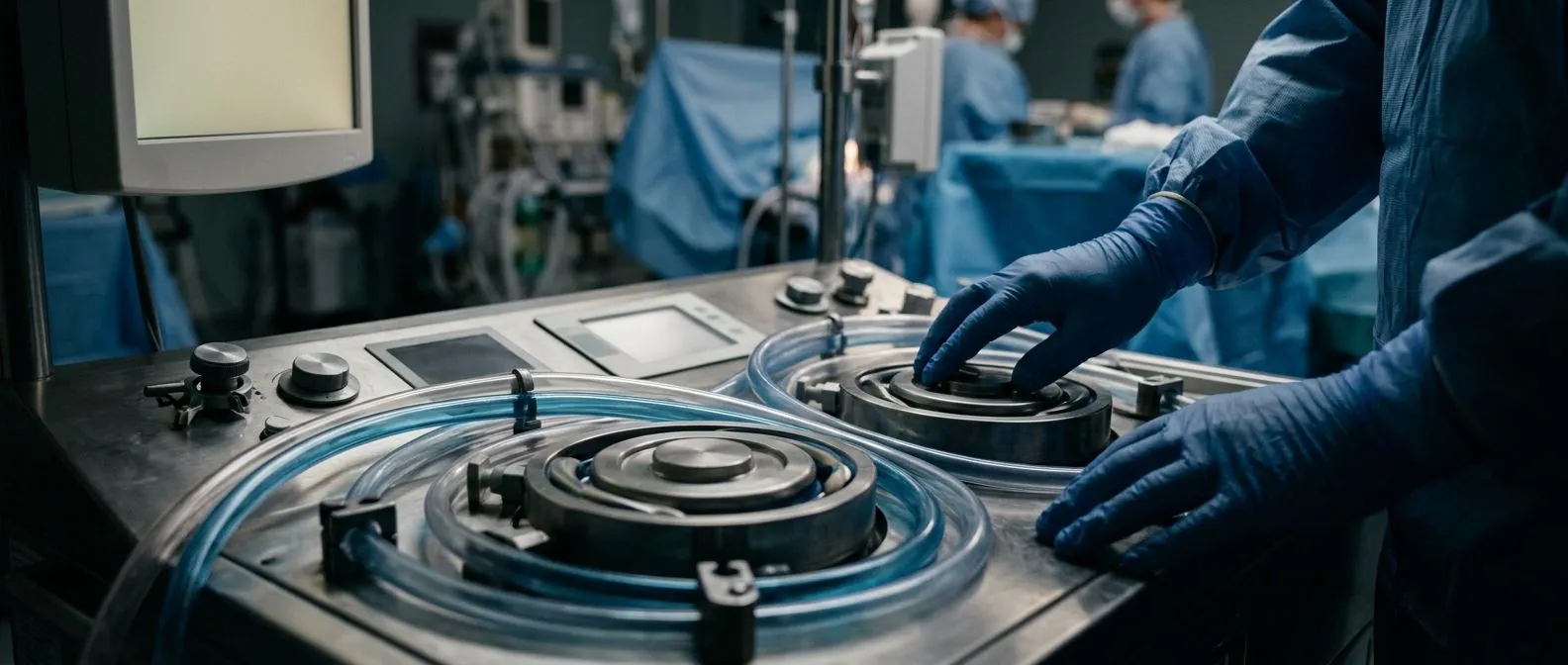
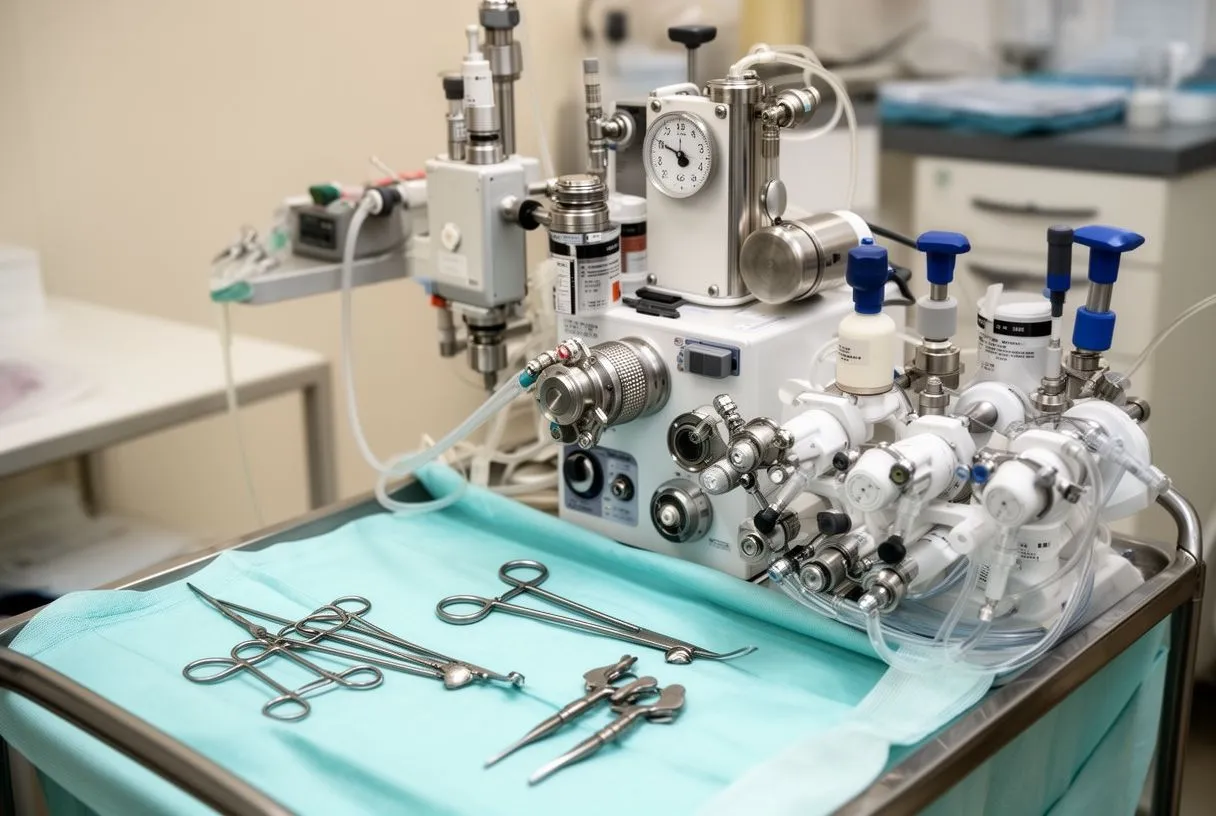
Running the heart-lung machine: The cardiac perfusionist role centres on managing the heart-lung machine, a device that temporarily takes over the work of both the heart and the lungs during surgery. When a cardiac surgeon needs a still, bloodless heart to operate on — replacing a damaged valve, bypassing a blocked coronary artery, or repairing a congenital defect — blood must still circulate, and oxygen must still reach every tissue. The perfusionist makes that possible by operating the bypass circuit with precision and constant vigilance.
Part of the operating-room team: A perfusionist is a certified allied health professional, not a physician, but one with highly specialised training that spans physiology, pharmacology, and biomedical engineering. They stand at the operating table alongside the surgeon, the anaesthesiologist, and the surgical nurses. While the surgeon focuses on the repair itself, the perfusionist is responsible for maintaining the patient's circulation, adjusting blood flow to match the body's needs, and keeping the surgical field clear.
The perfusionist's responsibilities begin long before the first incision. They review the patient's medical history, blood work, and planned procedure to select the appropriate equipment and circuit configuration. During the operation, they manage anticoagulation — usually with a medication called heparin — to prevent blood from clotting as it passes through the bypass machine's tubing and oxygenator. After the heart is repaired and restarted, they help wean the patient off bypass, carefully transitioning circulation back to the heart and lungs. Throughout every phase, the cardiac perfusionist role demands split-second decision-making grounded in deep physiological knowledge.
How Does the Heart-Lung Machine Work During Bypass?
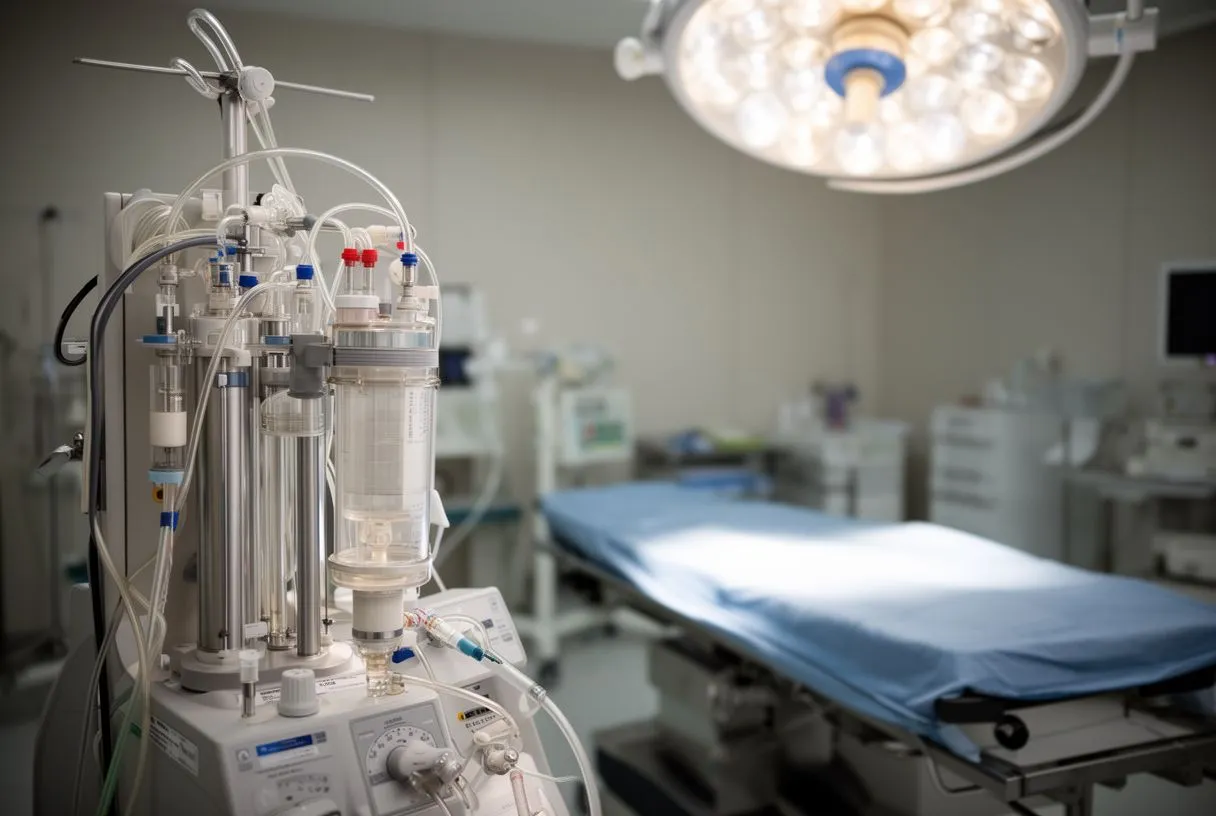
The bypass circuit explained: The heart-lung machine, also called the cardiopulmonary bypass circuit, performs the three essential jobs that the body normally handles on its own: it pumps blood, it adds oxygen, and it removes carbon dioxide. Deoxygenated blood returning from the body is drained through tubes called venous cannulas, passed through a device called an oxygenator where it picks up fresh oxygen and releases waste gases, and then returned to the body through an arterial cannula connected to the aorta — the large artery emerging from the left side of the heart.
The circuit also includes a reservoir to hold the patient's blood, a heat exchanger to cool or warm the blood as needed, and filters that remove tiny air bubbles and debris. Cooling the blood lowers the body's metabolic rate, which reduces the oxygen demand of the brain and other organs during the period when the heart is stopped. According to WebMD, understanding how this artificial circulation supports the body helps patients and families grasp why open-heart surgery is possible and what makes it safe.
The perfusionist controls every aspect of this circuit in real time. They set the pump speed to match the patient's normal cardiac output, adjust the oxygen concentration delivered to the blood, and monitor pressures within the circuit to ensure that neither too much nor too little blood reaches the body. They also manage the delicate balance of fluids and electrolytes, because bypass alters how the kidneys handle water and salt. The cardiac perfusionist role here is analogous to being a pilot during autopilot — the machine does the work, but the human monitors every gauge and stands ready to intervene instantly if anything drifts out of range.
What Training Does a Cardiac Perfusionist Need?
Academic and clinical preparation: Training for the cardiac perfusionist role involves a blend of medicine and engineering that few other health professions require. Most perfusionists complete a bachelor's degree in a science field — biology, chemistry, or biomedical engineering — followed by a dedicated postgraduate program in perfusion science. These programs typically last two to three years and include hundreds of hours of clinical rotations in cardiac surgery, where students progress from observation to supervised practice under experienced mentors.
The curriculum extends well beyond operating the bypass machine. Students study cardiopulmonary anatomy and physiology, pharmacology of anticoagulants and vasoactive drugs, blood conservation strategies, and the management of mechanical circulatory support devices. They also learn about extracorporeal membrane oxygenation, or ECMO — a related technology used to support patients whose hearts or lungs are failing outside the surgical setting. Techniques such as awake ECMO, where a patient remains conscious while on circulatory support, represent an advanced application of the same principles a perfusionist masters during training.
Certification requirements vary by country and region, but most jurisdictions require national board examinations and ongoing continuing education to maintain licensure. In many countries, certification bodies also require perfusionists to document a minimum number of clinical cases each year. This ensures that the skills central to the cardiac perfusionist role stay sharp, because the technology and clinical protocols evolve continually as new devices, monitoring systems, and blood-management strategies enter practice.
When Is Cardiopulmonary Bypass Used in Cardiac Surgery?
Procedures that require a stopped heart: Cardiopulmonary bypass is used whenever the surgeon needs a motionless, bloodless surgical field to work on the heart itself. The most common indication is coronary artery bypass grafting, where a surgeon uses an arterial graft — often the internal mammary artery — or a vein from the leg to reroute blood around a blockage caused by atheromatous plaque in a coronary artery. Other procedures include valve repair or replacement, surgical treatment of atrial fibrillation or atrial flutter, repair of congenital defects such as holes in the atrium (the upper chamber of the heart), operations on the ascending aorta, and heart transplantation.
When bypass can be avoided: Not every cardiac operation requires the heart-lung machine. Some coronary bypass procedures are performed "off-pump," meaning the surgeon operates on a beating heart using specialised stabilising devices. However, off-pump surgery is not appropriate for every patient — it depends on the location of the blockages, the quality of the target vessels, and the surgeon's experience. Valve surgery and aortic surgery almost always require full cardiopulmonary bypass because the heart must be opened and emptied of blood to access the internal structures precisely.
The decision to use bypass also depends on the patient's overall condition. Patients with severe lung disease, kidney impairment, or a history of stroke may face higher risks from bypass and require careful planning. The perfusionist contributes to this planning by helping the team select the most appropriate circuit configuration, cannulation strategy, and perfusion parameters for that specific patient. The cardiac perfusionist role is therefore not just intraoperative — it begins in the preoperative assessment and extends through every phase of the surgical plan.
What Are the Risks of Heart-Lung Machine Use?
While cardiopulmonary bypass has made modern heart surgery possible, it is not without risks. The artificial surface of the bypass circuit activates inflammatory responses in the blood, which can affect how blood cells behave and how the body responds after surgery. Patients may experience temporary changes in kidney function, lung performance, or cognitive function — sometimes called postoperative cognitive dysfunction — though these effects are usually transient and resolve within days to weeks.
Blood is altered by its passage through the machine's tubing and oxygenator. Platelets — the cells responsible for clotting — can be activated or damaged, which is why careful anticoagulation management is so critical. The perfusionist monitors clotting parameters throughout the procedure and works to minimise blood trauma by using biocompatible-coated circuits, reducing the length of time on bypass, and employing blood conservation techniques such as cell salvage, which collects and returns the patient's own blood — a process known as autologous blood recovery.
- Inflammatory response: Blood contact with artificial surfaces triggers inflammation; modern coated circuits reduce this effect.
- Neurological effects: Temporary confusion or memory changes can occur but typically resolve within weeks.
- Rhythm disturbances: The stressed heart may develop atrial flutter or other arrhythmias as it recovers.
- Lung function: Some patients need ventilator support longer due to temporary lung inflammation.
Clinical research continues to examine how to make bypass safer. Large registries and studies, including those that track outcomes using risk models such as EuroSCORE II, help teams understand which patients face the highest risk and how to mitigate it. The cardiac perfusionist role includes applying evidence-based protocols — such as minimising haemodilution, maintaining adequate blood flow to the brain, and managing blood sugar levels — to reduce complications. It is worth noting that the ARISTOTLE trial and similar studies have refined how anticoagulation is managed during and after cardiac procedures, directly informing perfusion practice. For most patients, the benefits of correcting a life-threatening cardiac condition far outweigh the temporary risks associated with bypass.
How Does a Perfusionist Monitor Patients During Surgery?
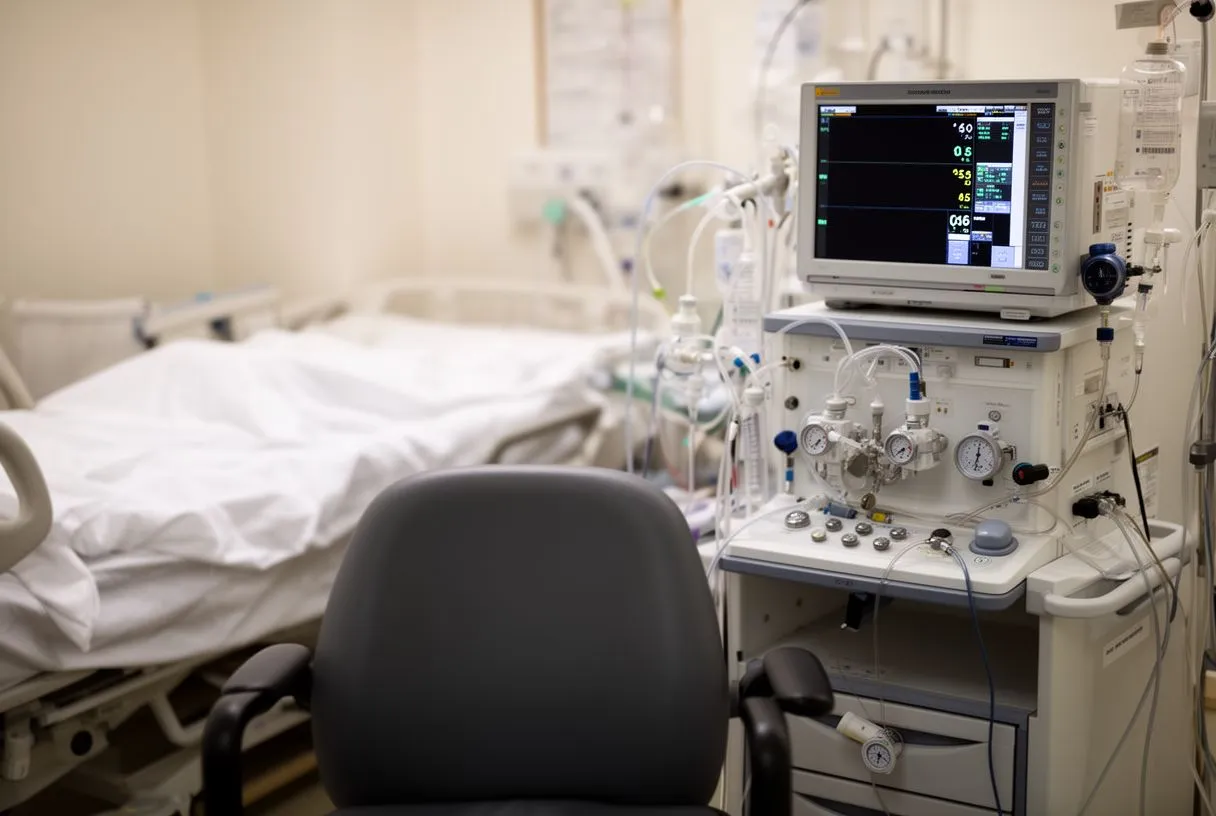
Monitoring during bypass is relentless. The perfusionist watches a console of displays showing arterial and venous blood pressures, pump flow rate, blood oxygen saturation, body temperature, and blood gas values. An arterial line — a thin catheter placed in a peripheral artery — provides continuous blood pressure readings, while blood samples drawn from the circuit allow the perfusionist to measure oxygen, carbon dioxide, electrolytes, and anticoagulation levels at frequent intervals.
Modern bypass machines incorporate built-in safety systems that alert the perfusionist to air bubbles, pressure changes, or flow disruptions. These alarms are supplemented by the perfusionist's own vigilance, because no automated system can fully replace experienced human oversight. The perfusionist also coordinates closely with the anaesthesiologist, who monitors the patient's brain activity, depth of anaesthesia, and overall physiological stability. Together, they form a dual layer of continuous assessment.
The cardiac perfusionist role extends to managing the delicate transition phases of surgery. When the patient is placed on bypass, the perfusionist gradually increases pump flow while the anaesthesiologist reduces the work of the heart and lungs. When the heart is restarted after the repair is complete, the perfusionist carefully reduces pump support as the heart takes over. This weaning process requires reading subtle signs — pressure waveforms, blood gas trends, and the visual appearance of the heart as it begins to beat — that come only with experience and constant attention.
What Happens to Blood Flow During Cardiopulmonary Bypass?
During normal circulation, the heart pumps blood in a pulsatile pattern — each heartbeat sends a surge of blood through the arteries. The standard heart-lung machine, however, produces continuous or non-pulsatile flow. This means that while blood reaches every organ adequately, the pressure profile is different from what the body is accustomed to. The perfusionist adjusts flow rates to ensure that the brain, kidneys, and other vital organs receive enough blood despite this altered pattern.
Organ protection strategies: To protect organs during bypass, the team employs several strategies. Cooling the patient reduces metabolic demand, meaning tissues need less oxygen while blood flow is temporarily altered. The perfusionist also manages the patient's blood pressure within a carefully selected range, ensuring the brain receives adequate perfusion without placing excessive stress on the vascular system. In some procedures, particularly those involving the aorta, the surgeon may use a separate cannula to deliver blood directly to the brain through the arterial vessels of the neck, providing an extra layer of protection for the most critical organ.
Blood flow during bypass also affects how medications behave in the body. Anticoagulants, anaesthetics, and vasoactive drugs distribute differently when the heart-lung machine is in use, because the volume of blood in the circuit adds to the total circulating volume. The perfusionist accounts for this dilution effect when calculating drug dosages. Understanding the biological mechanisms that govern how cells respond to altered blood flow and oxygen delivery remains an active area of research, and studies such as the review of Wnt/β-catenin signalling published by Nature contribute to the broader scientific understanding of how tissues protect themselves under stress.
Cardiac Perfusionist Role in Different Heart Procedures
The cardiac perfusionist role adapts significantly depending on the type of surgery being performed. In coronary artery bypass grafting, the perfusionist supports the heart while the surgeon constructs new pathways for blood flow, managing the period of arrest and the subsequent restart. The circuit may be configured differently if the surgery is performed on-pump versus off-pump, and the perfusionist must be prepared to convert to full bypass quickly if the off-pump approach encounters difficulties.
For valve surgery, the perfusionist manages a more complex scenario. When a valve — such as the aortic valve — is replaced, the surgeon may implant a mechanical valve, a biological tissue valve, or a balloon-expandable valve depending on the patient's anatomy and clinical situation. In some cases, valve disease coexists with other conditions. Research published in the Journal of the American College of Cardiology on the Prevalence and Outcomes of Concomitant Aortic Stenosis and Cardiac Amyloidosis, available via ScienceDirect, highlights how complex valve pathology can be, underscoring why the perfusionist must be prepared for longer bypass times and more demanding intraoperative management.
- Coronary bypass: Standard circuit, moderate bypass time; may be off-pump in selected cases.
- Valve surgery: Often longer bypass times; requires managing cardioplegia (the solution that stops the heart).
- Aortic surgery: May require selective brain perfusion through separate cannulation of head vessels.
- Congenital repairs: Smaller circuits, precise volume management for paediatric patients; may involve an autograft such as the Ross procedure.
In aortic surgery, particularly when operating on the ascending aorta, the perfusionist may need to manage deep hypothermic circulatory arrest — cooling the patient to very low temperatures and stopping blood flow entirely for a brief period to allow the surgeon to work on the aorta without blood in the field. This is one of the most demanding scenarios in the cardiac perfusionist role, requiring meticulous timing and coordination. Some aortic valve conditions are first treated with balloon aortic valvuloplasty — a catheter-based procedure that does not require bypass — but when surgical replacement is necessary, the perfusionist's role becomes central to the operation's success.
Recovery After Surgery Involving the Heart-Lung Machine
Recovery after cardiac surgery involving bypass follows a predictable but individualised timeline. Most patients spend the first 24 to 48 hours in an intensive care unit, where heart rhythm, blood pressure, breathing, and drainage from surgical sites are monitored continuously. The effects of bypass — including fluid shifts, temporary changes in blood counts, and mild inflammation — are most pronounced in the first few days and are managed with medication, fluids, and sometimes blood transfusions.
What patients and families can expect: In the days following surgery, patients gradually transition from the ventilator to breathing on their own, from intravenous medications to oral ones, and from bed rest to walking. Some patients experience temporary symptoms such as arm pain (from the internal mammary artery harvest site), a raspy voice, or mild swelling in the legs. Auscultation — listening to the heart and lungs with a stethoscope — is performed regularly to detect any fluid accumulation or rhythm changes such as atrial flutter, which is a common postoperative arrhythmia managed with medication or brief electrical treatment.
Medications play a key role in recovery. Aspirin is typically started soon after surgery to prevent clot formation on grafts or new valves. Patients with an atypical infarction pattern — meaning their heart attack or surgical presentation did not follow the classic symptoms — may need additional monitoring or adjusted medication schedules. In rare emergencies during recovery, an automated external defibrillator may be used if a dangerous rhythm develops, though this is uncommon. Most patients are discharged within five to seven days and continue cardiac rehabilitation for several weeks, gradually returning to normal activities under their cardiology team's guidance.
How to Discuss Your Perfusion Team With Your Surgeon
Many patients and families are unaware that they can — and should — ask about the perfusion team. When you meet with your cardiac surgeon for a consultation, asking about the perfusionist's experience and the team's approach to bypass management is entirely appropriate. You might ask how many cases the perfusion team handles annually, what type of bypass circuit they use, and how they manage blood conservation to reduce the likelihood of transfusion.
Understanding the cardiac perfusionist role also helps you ask informed questions about your specific surgical plan. If your procedure involves a complex valve replacement or aortic surgery, ask how the team plans to protect your brain and other organs during bypass. Ask about expected bypass time, what monitoring will be in place, and how the team handles the transition on and off the machine. These conversations give you confidence that the entire team — not just the surgeon — is prepared for your case.
At Cirugía de Corazón, Dr Alejandro Molina and his team in Guadalajara, Querétaro, and Hermosillo welcome these questions. The perfusionists who work alongside the surgical team are experienced professionals who understand that every patient's situation is unique. If you or a loved one is facing cardiac surgery, we encourage you to schedule a consultation to discuss your specific case, ask about every member of your surgical team, and feel confident that the people responsible for your care are prepared at every level. Do not self-diagnose or delay seeking evaluation — the right time to ask questions is before surgery, when a thoughtful plan can be tailored to your individual needs.






