Treadmill Test for the Heart: What to Expect
A treadmill test heart evaluation shows how your heart handles exercise.
When you experience symptoms like chest discomfort, shortness of breath, or unexplained Arm Pain, your cardiologist needs a reliable way to evaluate how well your cardiovascular system handles physical exertion. A treadmill test heart evaluation, often called a cardiac stress test, provides a controlled environment to monitor your heart's electrical activity and blood flow while you exercise. For many patients and families facing potential cardiac interventions, understanding exactly what this test entails removes much of the anxiety surrounding the procedure. This guide will walk you through the entire process, from preparation to recovery, bridging complex cardiology with clear, calm explanation so you know precisely what to expect during your evaluation.
What Is a Treadmill Test Heart Evaluation?
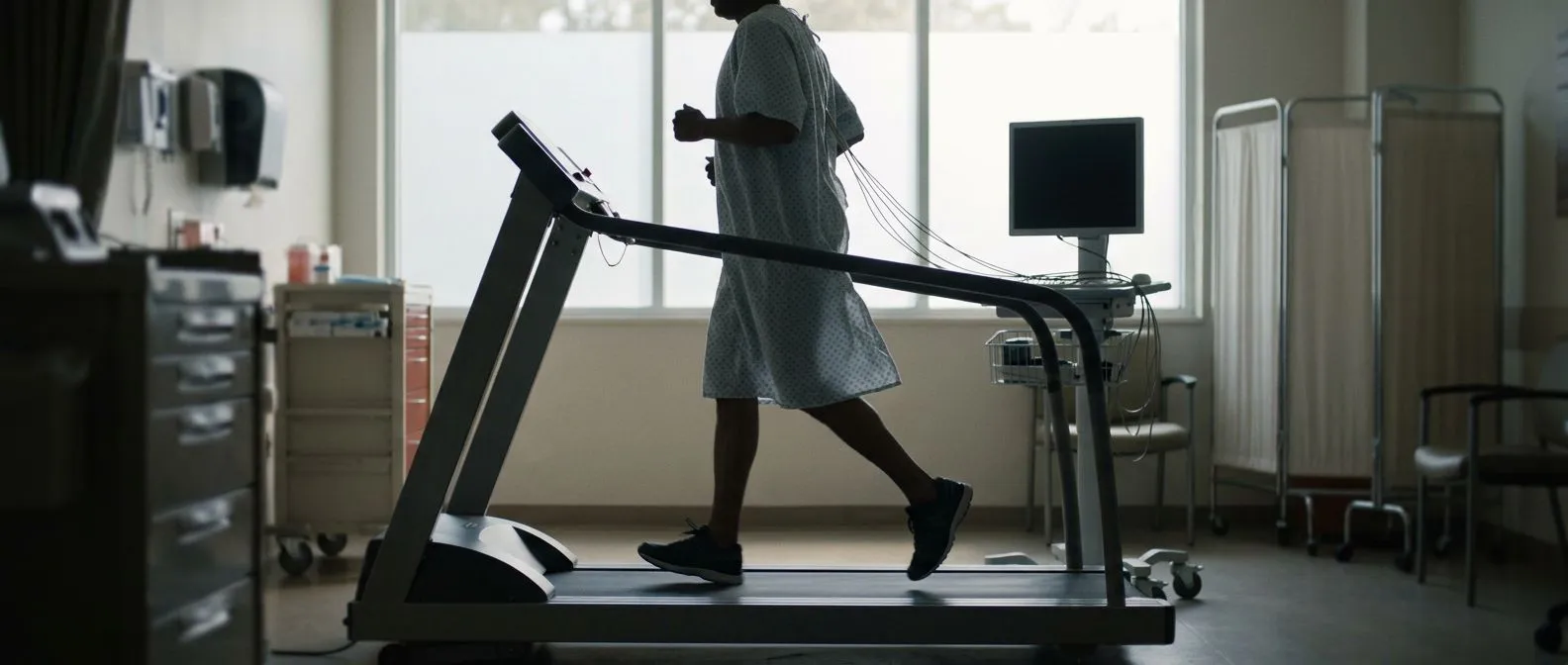
Defining the exercise stress test: A treadmill test heart evaluation is a non-invasive diagnostic tool used to measure your heart's response to the increased demands of physical activity. At rest, your heart requires a relatively modest amount of blood and oxygen. However, when you walk or run, your heart must pump harder and faster to supply your working muscles. By having you exercise on a motorized treadmill, your cardiac team can safely induce this increased demand while continuously monitoring your electrocardiogram (ECG), blood pressure, and symptoms. If there is a partial blockage in the arteries supplying your heart, the added stress may reveal abnormalities that are invisible on a resting ECG.
The evaluation acts as a window into your cardiovascular fitness and coronary blood flow. Your doctor will perform Auscultation, listening to your heart with a stethoscope, before and after the test to check for any new murmurs or irregular sounds. This helps establish a baseline and ensures that any changes detected during exertion are accurately interpreted. The test is particularly useful for evaluating the function of the left ventricle, the main pumping chamber that pushes oxygenated blood out to your body, including up through the Ascending Aorta and to the rest of your systemic circulation.
It is important to understand that this test is not a definitive standalone diagnosis but rather a highly effective screening mechanism. It tells your medical team whether your heart is receiving enough oxygen under stress or if further, more detailed imaging is required. The results help guide clinical decisions, ensuring that any subsequent interventions—whether lifestyle changes, medication, or surgical planning—are the most appropriate and carry the lowest risk for your specific situation.
How Does a Treadmill Test Work?
The physiological mechanism behind the test: During a treadmill test heart exam, the fundamental goal is to progressively increase your heart rate to a target zone based on your age. As you walk on the treadmill, the machine gradually increases both speed and incline at predetermined intervals, usually following a standardized protocol like the Bruce protocol. This incremental increase in workload forces your heart to extract more oxygen from your blood. If your coronary arteries are healthy, they dilate to allow up to four times the normal resting blood flow to reach your heart muscle.
However, if one or more coronary arteries have significant narrowing, the blood flow cannot increase sufficiently to meet the heart's heightened demand. This oxygen deficit, known as ischemia, often produces distinct changes on the electrocardiogram. In some cases, the electrical pathways may become stressed, occasionally triggering an arrhythmia like Atrial Flutter, a rapid, irregular rhythm originating in the upper chambers. The continuous monitoring allows the medical staff to immediately detect these electrical disturbances as they happen within the Atrium, evaluating how the electrical signals coordinate the heart's contractions under physical load.
The test continues until you reach your target heart rate, develop symptoms that require stopping, or the supervising physician determines enough data has been collected. You will be closely observed for chest pain, extreme fatigue, shortness of breath, or dizziness. The treadmill test works because it safely replicates the physiological stress of daily activities, giving your cardiologist a real-time look at how your heart performs when it is pushed to work its hardest.
Why Doctors Order a Treadmill Test Heart Exam
Identifying underlying coronary artery disease: Your cardiologist may order a treadmill test heart evaluation for several clinical reasons. Most commonly, it is ordered when a patient presents with symptoms suggestive of coronary artery disease, such as exertional chest pain or unexplained breathlessness. The test helps determine if these symptoms are caused by a lack of blood flow to the heart muscle, which can occur when an Atheromatous Plaque—a buildup of cholesterol and cellular waste—narrows an artery. According to WebMD, stress tests are a primary method for evaluating this type of chest pain.
Another reason for ordering the test is to assess the effectiveness of ongoing treatments. If you have already been diagnosed with coronary disease or have recently undergone a procedure, your doctor may want to see how well your heart functions under stress. This is particularly relevant for patients who have had interventions to clear blockages or for those managing their condition with medication. Evaluating risk factors is also a key component; patients with high levels of Apolipoprotein B, a protein involved in lipid metabolism that indicates the presence of artery-clogging particles, may be monitored more closely to see if preventative therapies are working.
- Symptom evaluation: To determine if chest pain or breathlessness is caused by reduced blood flow to the heart muscle.
- Treatment monitoring: To assess the effectiveness of cardiac medications or previous interventions.
- Risk assessment: To evaluate cardiovascular health before major surgery or in patients with multiple risk factors.
Finally, the test is often used to establish a safe exercise prescription for patients beginning a cardiac rehabilitation program or for those with known heart conditions who wish to return to strenuous physical activity. It provides an evidence-based foundation for your care.
Preparing for Your Treadmill Test Heart Appointment
Dietary and medication guidelines: Proper preparation ensures that your treadmill test heart evaluation yields accurate and clinically useful results. You will typically be asked to fast for a few hours before the test, avoiding heavy meals, caffeine, and smoking. Food and stimulants can alter your heart rate and blood pressure, making it difficult to interpret the ECG readings accurately. Wearing comfortable clothing and supportive walking shoes is essential, as you will be physically active for several minutes. Your doctor may ask you to temporarily stop taking certain medications, such as beta-blockers, because these drugs intentionally lower your heart rate and could prevent you from reaching the target heart rate required for a valid test.
However, you must never stop taking prescribed medications without explicit instructions from your cardiologist. For example, if you are on a daily regimen of Aspirin to prevent blood clots, your doctor will tell you whether to continue it. If you are travelling from outside the region for the test, plan your itinerary to allow for a relaxed morning beforehand. Stress and travel fatigue can influence your baseline readings, so arriving early and staying hydrated with plain water is highly recommended.
During the check-in process, the nursing staff will review your medical history, current symptoms, and physical activity level. Be prepared to discuss any recent changes in your health, even if they seem unrelated to your heart. This comprehensive intake helps the supervising physician calibrate the test appropriately, ensuring the workload remains within a safe threshold for your specific clinical profile.
What Happens During the Treadmill Test?
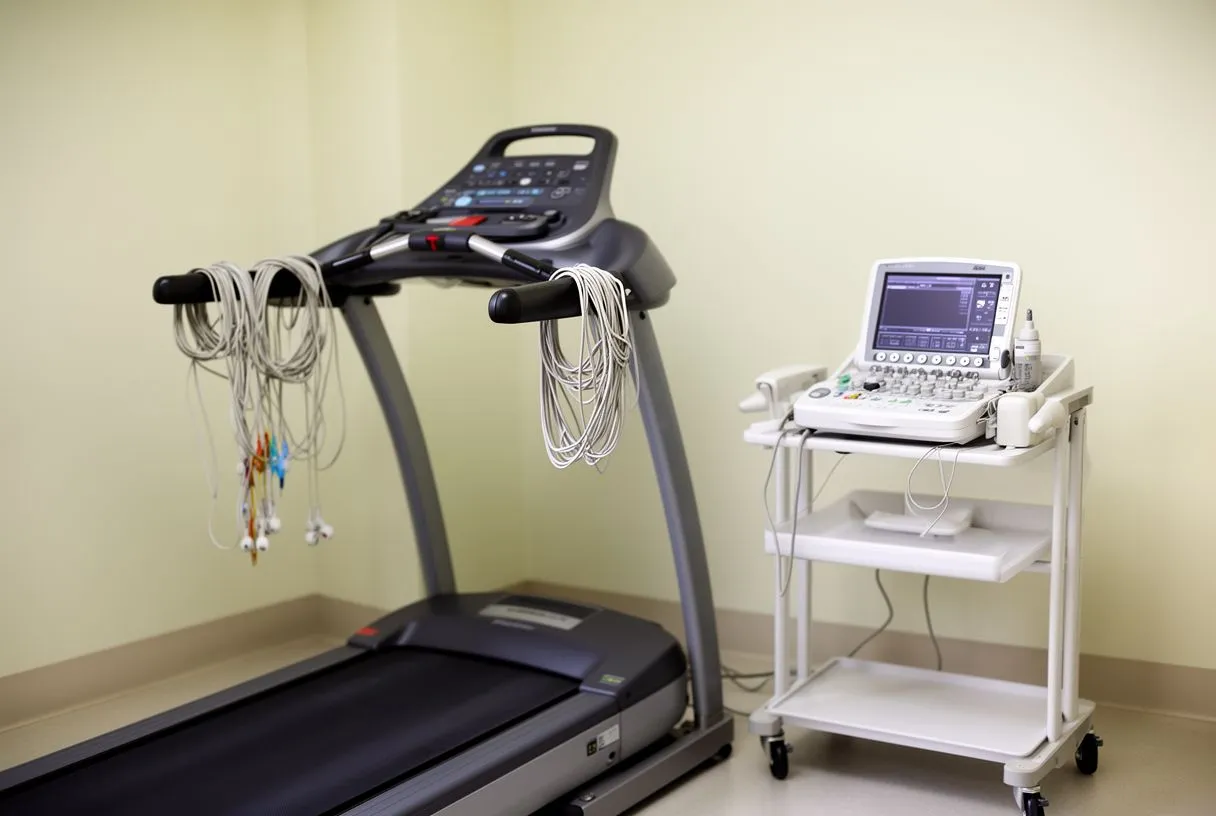
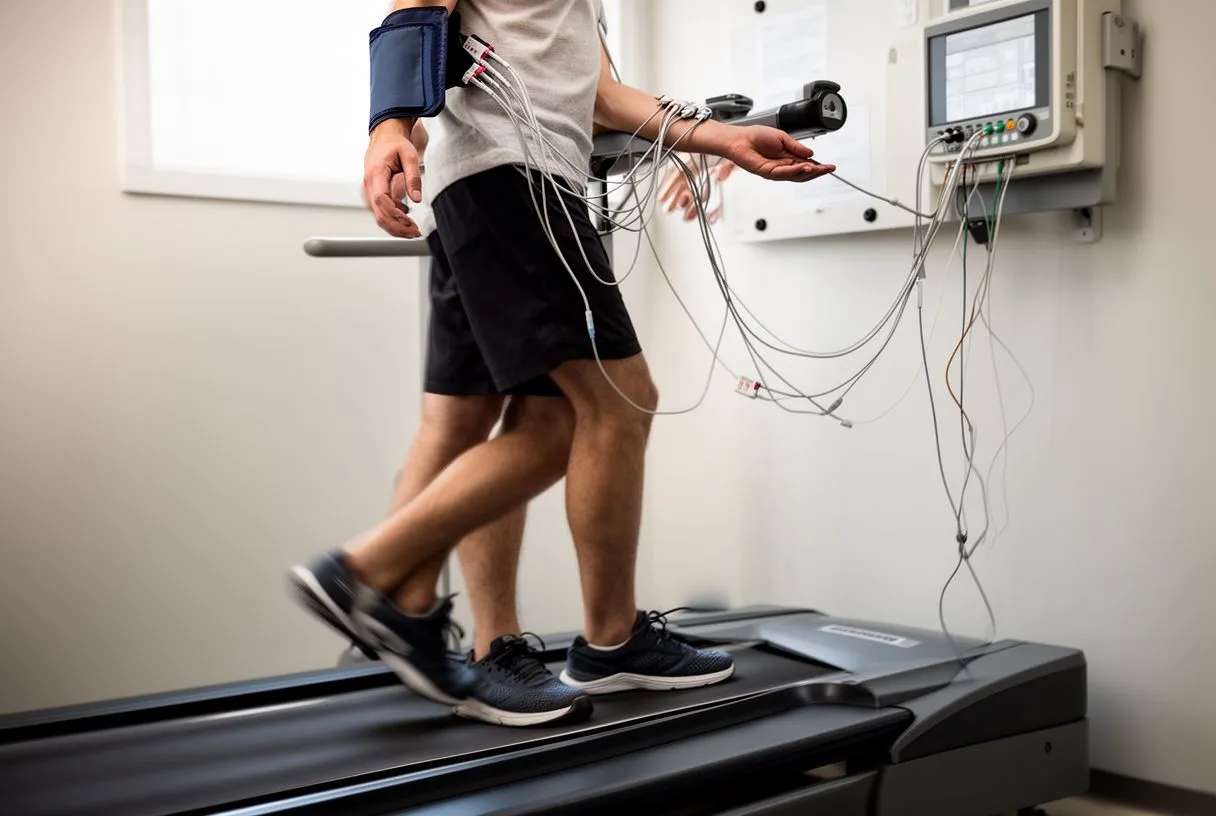
The step-by-step clinical procedure: When you enter the testing room for your treadmill test heart evaluation, a technician will first prepare your skin for the electrodes. Small sticky pads containing sensors are attached to specific areas of your chest, and occasionally your shoulders and abdomen. These electrodes connect to the electrocardiogram machine via wires, recording the electrical signals of your heartbeat. A blood pressure cuff will be placed on your arm to take readings at regular intervals. In some complex clinical settings, continuous blood pressure monitoring might involve an Arterial Line, though this is rare for a standard treadmill test and more common in critical care. If you were undergoing a more invasive procedure, a specialized Arterial Cannula might be used, but for this exam, the external cuff is perfectly sufficient and non-invasive.
Once you are prepped, you will step onto the treadmill. The test begins at a slow, comfortable pace with a slight incline. Every few minutes, the technician will increase the speed and raise the incline. You will be encouraged to keep walking and to communicate openly about how you are feeling. The medical team will constantly monitor your ECG for any changes in your heart's electrical patterns and watch your blood pressure response. A healthy cardiovascular system will show a steady rise in blood pressure and heart rate, while a diseased artery might cause a drop in blood pressure or specific ECG changes.
You will continue walking until you reach your target heart rate or until you develop symptoms that require the test to be stopped. These symptoms include moderate to severe chest pain, significant shortness of breath, dizziness, or leg fatigue. The test usually lasts between 10 and 15 minutes. Once the exercise portion is complete, the treadmill will be slowed down, and you will be asked to sit or lie down immediately. Your heart rate, blood pressure, and ECG will continue to be monitored for several minutes during this recovery phase, as some important diagnostic clues only appear as the heart returns to its resting state.
Treadmill Test Heart Risks and Safety Measures
Ensuring patient safety under supervision: While a treadmill test heart evaluation induces physical stress, it is generally a very safe procedure when performed in a properly equipped medical facility. The test is always supervised by a physician and trained clinical staff who are prepared to handle any adverse events. The most common risks are minor and include feeling dizzy, fatigued, or experiencing mild muscle soreness from the exercise. However, because the test is designed to stress the heart, there is a small risk of provoking more serious complications, such as fainting, abnormal heart rhythms, or a heart attack. In extremely rare cases, severe cardiovascular events can occur, which is why strict safety protocols are in place.
The testing room is equipped with emergency resuscitation equipment, including an Automated External Defibrillator, ready for immediate use if a life-threatening arrhythmia occurs. If you develop chest pain or significant ECG changes indicating ischemia, the supervising physician will stop the test immediately and administer appropriate treatment. Research regarding the safety of cardiac interventions, such as the Safety of using the intravenous beta-1-adrenoblocker esmolol in patients with ST-segment elevation myocardial infarction before primary percutaneous coronary intervention, highlights how closely medical teams manage heart conditions during acute stress. While that study focuses on acute interventions, it underscores the rigorous safety standards applied to all cardiac monitoring.
- Constant monitoring: ECG and blood pressure are checked continuously by trained clinical staff.
- Emergency readiness: Resuscitation equipment, including defibrillators, is always present in the room.
- Immediate stopping criteria: The test is halted instantly if dangerous symptoms or electrical changes appear.
Your safety is the primary concern, and the test is strictly controlled to ensure the heart is stressed just enough to yield diagnostic information without crossing into dangerous territory. The incremental nature of the protocol allows the team to stop the test well before a critical threshold is breached, ensuring the lowest risk for your situation.
Understanding Your Treadmill Test Results
Interpreting the clinical data: After your treadmill test heart evaluation, the supervising cardiologist will analyze the data gathered during both the exercise and recovery phases. A normal result means that your heart rate and blood pressure increased appropriately during exercise, you reached your target heart rate without distress, and your ECG showed no signs of reduced blood flow. This generally indicates a low probability of significant coronary artery disease and is highly reassuring. However, a normal test does not rule out minor blockages or soft plaque that has not yet obstructed blood flow significantly.
An abnormal result can mean several things. Specific changes in the ST segment of your ECG often indicate that your heart muscle was not receiving enough oxygen during the test, suggesting the presence of coronary artery disease. An inability to increase your blood pressure appropriately, or a drop in blood pressure during exercise, may also point to left ventricular dysfunction. Sometimes, the test may reveal an Atypical Infarction pattern or arrhythmias that were previously undetected. The clinical context is vital; abnormalities must be interpreted alongside your symptoms, age, and risk factors. As noted in studies like the Influence of electrolyte imbalance on regional wall motion abnormalities in STEMI patients of North Indian origin, other systemic factors can also affect cardiac function, making a comprehensive review by a specialist essential.
If your results are inconclusive or borderline, your doctor may recommend further imaging. This could involve a stress echocardiogram, which adds ultrasound imaging to the treadmill test, or a pharmacological stress test if you are unable to exercise adequately. Your cardiologist will discuss the findings with you in detail, explaining what the results mean for your overall health and what steps, if any, are needed next to protect your heart.
Treadmill Test Heart vs. Stress Echocardiogram
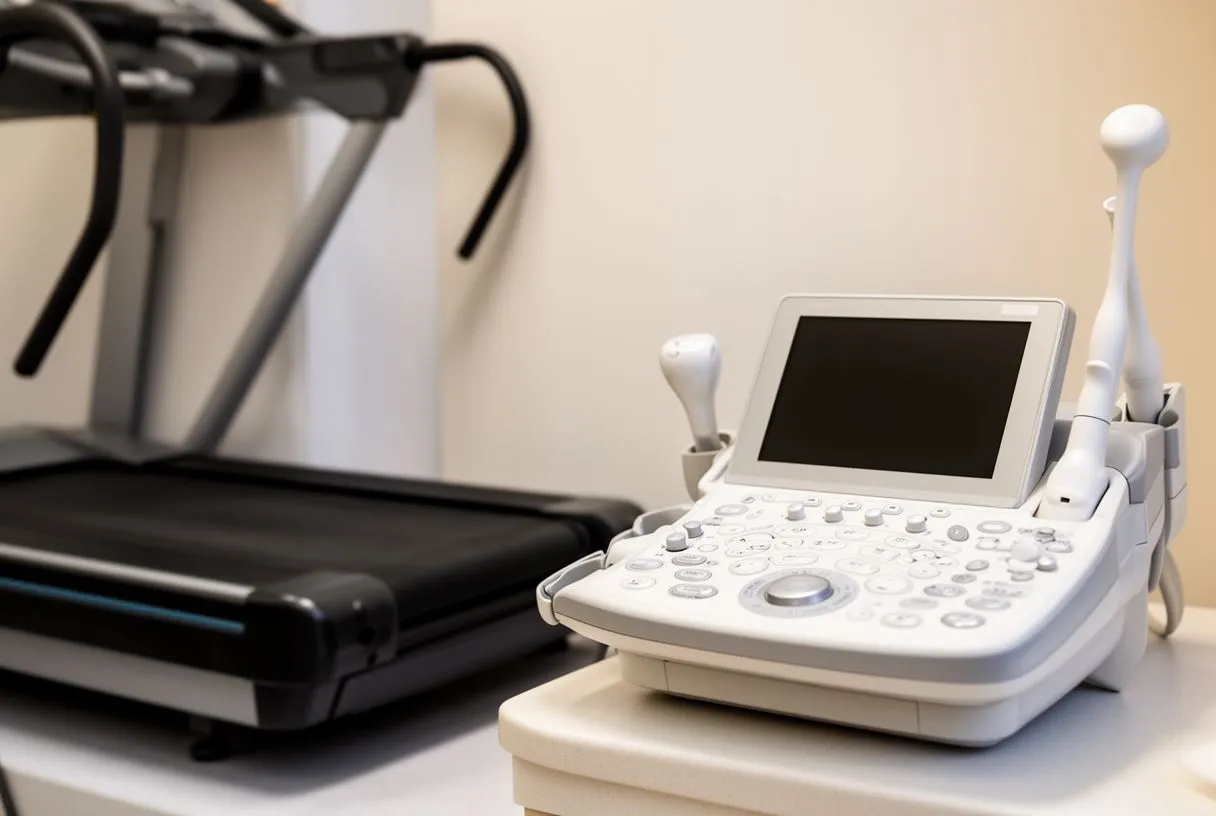
Comparing diagnostic imaging techniques: While a standard treadmill test heart evaluation relies entirely on the electrocardiogram to detect problems, a stress echocardiogram adds ultrasound imaging to the process. Before you begin exercising, a technician will use an ultrasound probe to take images of your heart at rest, capturing how your heart muscle contracts and how your valves function. You will then perform the treadmill test exactly as described. Immediately after you stop exercising, you will return to the exam table for another set of ultrasound images.
The key difference lies in the sensitivity of the test. The standard treadmill ECG is excellent for detecting widespread electrical issues and general ischemia, but it can sometimes miss localized blockages or produce false-positive results in certain patients, particularly women. The ultrasound component of a stress echocardiogram allows the doctor to actually see the heart muscle contracting. If a specific region of the heart wall fails to pump strongly after exercise, it proves that the artery supplying that specific area has a significant blockage. This anatomical precision is highly valuable when planning potential interventions, such as deciding whether you need a stent via Balloon Angioplasty or if medical management is the better path.
Choosing between the two depends on your baseline ECG, your symptoms, and your doctor's clinical suspicion. If your resting ECG is normal and your risk is moderate, a standard treadmill test is often sufficient. If your resting ECG shows abnormalities—such as a left bundle branch block—or if you have a higher clinical suspicion for localized disease, a stress echocardiogram provides a clearer, more detailed picture of your cardiac anatomy and function.
Recovery and What to Do After Your Test
Immediate post-test care and monitoring: The recovery phase of a treadmill test heart evaluation is just as important as the exercise phase. Once the treadmill stops, you will be asked to sit or lie down while the medical team continues to monitor your heart rate and blood pressure. The technician will remove the electrodes from your chest, which may cause a mild, temporary pulling sensation. You will be offered water and given time to rest until your heart rate returns to near-baseline levels and any shortness of breath or fatigue subsides. Most patients feel completely normal within 15 to 20 minutes and can drive themselves home, though having a companion is often recommended for the first time.
In the days following the test, you might experience mild muscle soreness in your legs, similar to what you would feel after a brisk walk in the park. There is no special recovery protocol required for a standard treadmill test. Unlike surgical procedures that require the collection of Autologous Blood or the careful healing of an Autograft, this diagnostic test leaves no surgical wounds. You can resume your normal daily activities, including work and light exercise, immediately, unless your doctor gives you specific restrictions based on your test results.
It is crucial to wait for your doctor's official interpretation of the results before making drastic changes to your lifestyle or medication regimen. Do not assume the test was normal just because you felt fine during the exercise. Your cardiologist will review the full ECG data and blood pressure trends, schedule a follow-up appointment, and provide a comprehensive plan based on the objective clinical findings.
When to Seek Further Cardiac Evaluation
Recognizing the need for advanced intervention: A treadmill test heart evaluation is often the first step in a broader diagnostic journey. If your test results are abnormal, or if you continue to experience symptoms despite a normal test, your cardiologist may recommend more advanced evaluations. Further testing might include a coronary angiogram, a procedure that uses dye and X-rays to visualize the exact location and severity of blockages in your coronary arteries. This precise anatomical mapping is necessary if interventions like the placement of a Balloon-expandable Valve or coronary bypass surgery are being considered.
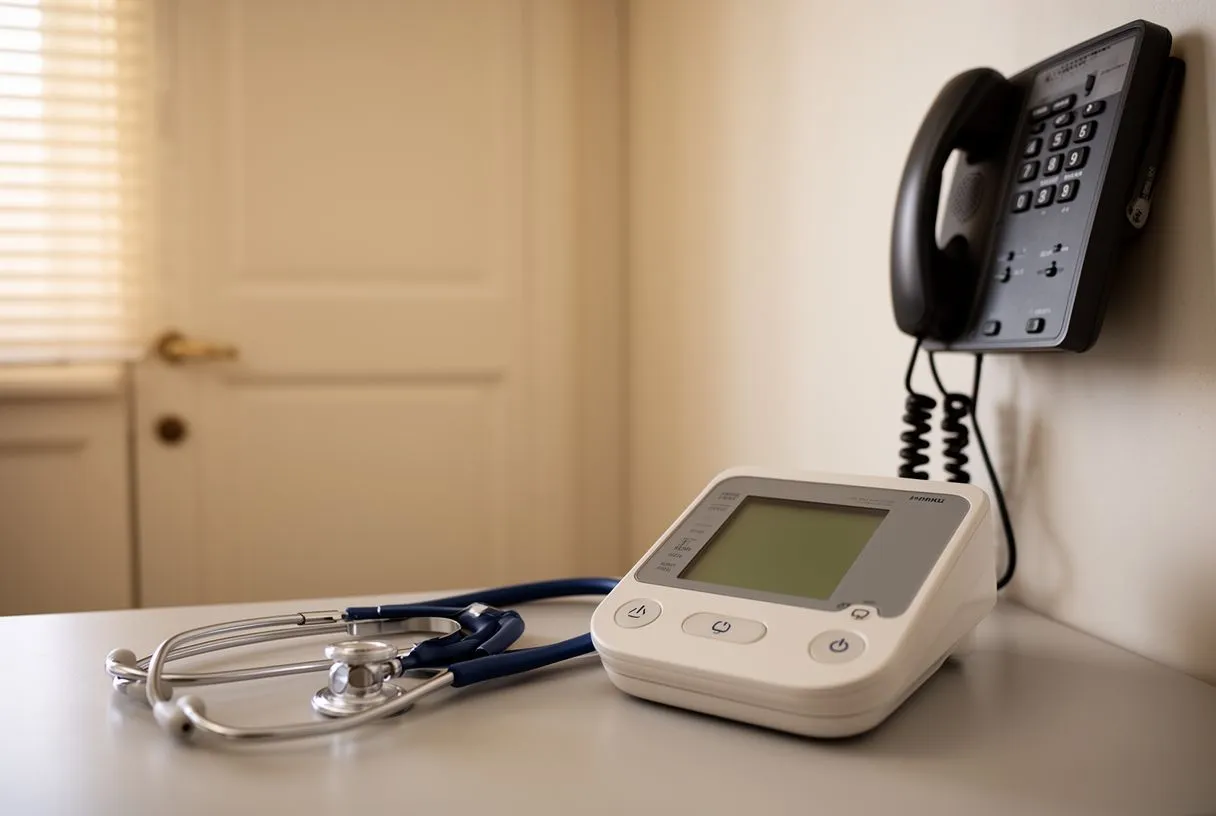
For patients whose symptoms are severe or who have complex structural heart disease, the evaluation may extend beyond non-invasive stress testing. Your medical team will consider your overall surgical risk, using validated scoring systems to ensure that any proposed procedure offers the lowest risk for your situation. In rare cases of severe, acute cardiac compromise, advanced life support measures such as Awake ECMO might be discussed, though these are reserved for critical scenarios far beyond the scope of an outpatient treadmill test. The decision to proceed to an Arterial Graft or other surgical reconstruction is never made lightly; it is based on a convergence of stress test data, imaging, and your clinical presentation.
It is vital to maintain an open dialogue with your cardiac team. If you experience new or worsening symptoms after your treadmill test—such as chest pain at rest, fainting, or severe breathlessness—you should seek immediate medical attention. These could be signs of an evolving condition that requires urgent intervention. We encourage you to discuss your own situation with a qualified cardiac team to fully understand your risks and options. To explore your specific symptoms and create a tailored diagnostic plan, please book a consultation with Cirugía de Corazón rather than relying on self-diagnosis.