

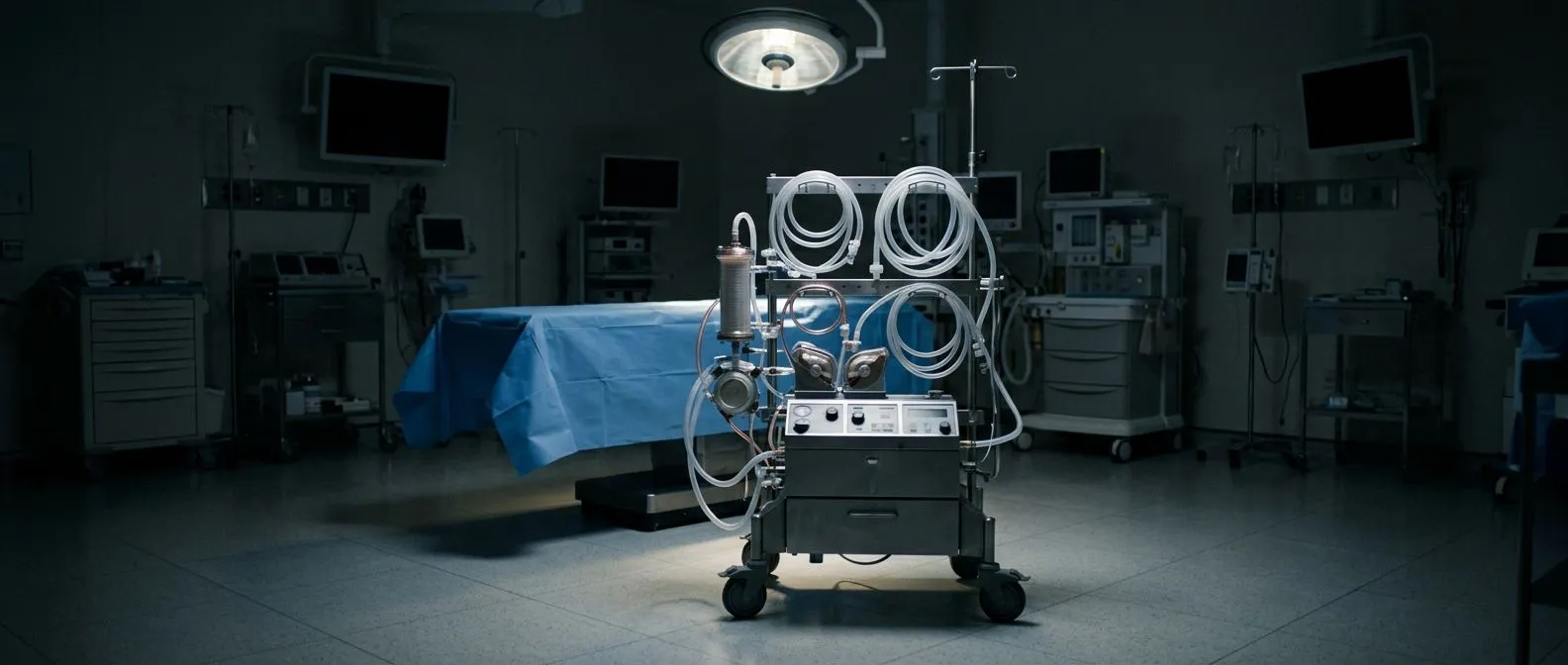
Weaning From Bypass: Restarting the Heart
Weaning from bypass heart explained: how surgeons safely restart your heart after surgery.
When a patient hears the phrase "weaning from bypass heart," it usually describes the moment in surgery that matters most: gently separating the heart from the heart-lung machine so it can pump blood on its own again. This guide explains weaning from bypass in plain language — what the surgeon and perfusionist (the specialist who runs the machine) actually do, what the patient experiences, how long it takes, and what recovery really involves. If you or a family member is facing coronary artery bypass grafting, often called bypass surgery, understanding this final phase can make the whole operation feel far less mysterious.
What Is Weaning From Bypass Heart and Why It Matters?
Weaning from bypass heart surgery is the controlled process of transferring blood circulation back from the heart-lung machine to your own heart. During most open-heart operations, the heart is deliberately stopped and a machine oxygenates and pumps your blood for you. The surgeon fixes the problem while the heart is still and protected. Then, before closing the chest, the team must carefully wake the heart up and hand the workload back to it.
The word "weaning" is chosen deliberately. It is not a sudden switch. The heart-lung machine is gradually turned down while the heart gradually takes over, step by step, over several minutes. Cardiopulmonary bypass is the technical name for the machine circuit — the term "heart-lung machine" means the same thing. Both are disconnected from the heart only once it is pumping confidently.
This phase matters because it is the moment the surgery proves itself. The repaired or bypassed heart must now carry the full load for the rest of the operation and the rest of the patient's life. A well-planned, unhurried weaning is one of the strongest predictors of a smooth recovery.
How Weaning From Cardiopulmonary Bypass Works
Before weaning begins, the heart must be ready to work again. During the operation it was protected with a cold, potassium-rich solution called cardioplegia, which kept it still. At the end of the repair, the surgeon removes the clamp that kept this solution out, and warm blood from the machine flows back into the heart's own circulation. Most hearts begin beating on their own within a few minutes.
The perfusionist then starts to reduce the machine's support. Blood is shifted back to the heart's right side, where it is pumped into the lungs to pick up oxygen, and then to the left side, which pumps it to the body. This "fills the heart" with blood, and the heart's pumping pressure is watched on the monitors as the machine's contribution is lowered. Bypass time — the total minutes the patient spends on the machine — ends here, when the heart is fully in charge again.
Every step is agreed between the surgeon, the anesthesiologist and the perfusionist. Our team reviews every case against international practice guidelines before any operation, so the weaning plan is made for that specific patient and that specific heart.
What Are the Steps of Weaning From Bypass Heart?
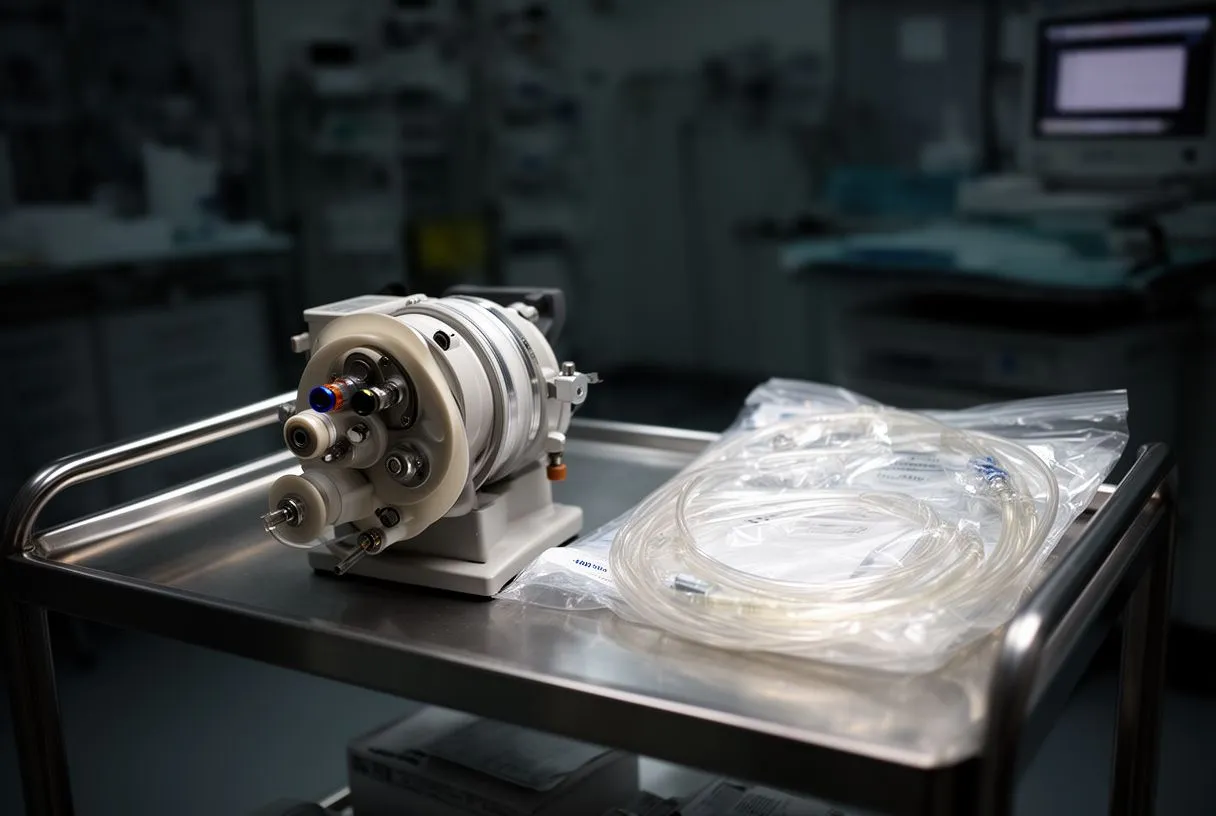
Although each heart is different, weaning follows a recognisable sequence. Patients and families often ask about the cardiac bypass weaning protocol — the checklist the team works through. In broad terms it looks like this:
- Re-warming and de-airing: the body temperature is brought back to normal, and all air is flushed out of the heart chambers so no air bubbles can travel to the brain or lungs.
- Restarting the heartbeat: the clamp is removed, warm blood flows in, and the heart resumes beating — sometimes with a brief electrical shock if needed.
- Gradual reduction of machine support: the perfusionist clamps the lines feeding the machine so the heart fills with more blood and takes over more of the work.
- Confirmation checks: pressures, heart function on ultrasound, and blood gases confirm the heart is coping before the tubes are removed.
Once the heart is fully supporting the circulation, the surgeon removes the tubes that connected it to the machine. The small cannulation sites in the aorta and in the heart are repaired or closed. From this point, the patient is off the heart-lung machine entirely, and the surgery moves into the closing phase.
The whole sequence usually takes only a short time — often well under half an hour once the heart is beating — but it is never rushed. In our practice we take the time to explain what the studies actually show, in plain words, before any decision, and we do the same thing in the operating room: no step happens until the team is satisfied.
What Happens During Weaning From Bypass Heart Monitoring?
Weaning from bypass heart monitoring is the safety net around every step. The team watches several numbers at once. Blood pressure in the arteries is displayed continuously, and a small tube placed before the operation — often a pulmonary artery catheter — measures how well the heart is filling and pumping. Ultrasound of the heart, called transesophageal echocardiography, is done through a probe in the esophagus, giving a live view of the valves and chambers.
Three questions are being answered continuously. First, is the heart filling well? If the chambers are underfilled, the machine can give blood back. Second, is the heart contracting well? Medications can be given to support the pump for a few minutes. Third, is the heart squeezing in a coordinated way, or is it beating irregularly? An irregular rhythm can be treated before the tubes are removed.
We have also found that simple things matter: the best body position for a patient on the operating table is often a slightly tilted position, which helps blood flow to the heart and to the brain. The team adjusts these details minute by minute, based on what the monitors show.
How Is Coming Off the Heart Bypass Machine Done?
Coming off heart bypass machine support is done in small, deliberate movements. In the classic technique, the perfusionist slowly clamps the venous line — the tube that drains blood back to the machine — which causes the heart to fill more and eject more. The machine's pump is turned down in parallel. At any moment, the team can reverse the process and give the heart more support if it tires.
If the heart hesitates, the team does not force it. They may return the patient to full bypass support for a few minutes, give a medication or fluid, correct a valve problem or a squeezed graft, and try again. There is no fixed limit on how many attempts a patient can be weaned — only that each attempt is judged on the evidence in front of the team.
Some patients may be candidates for off-pump bypass, where the operation is done without the heart-lung machine at all, so there is no weaning phase at all. This can be appropriate for some patients, but it is not automatically better for everyone. The decision is made by the multidisciplinary team weighing the patient's heart, other organs and anatomy — and the final choice always belongs to the patient.
Why Do Some Hearts Struggle During Weaning From Bypass?
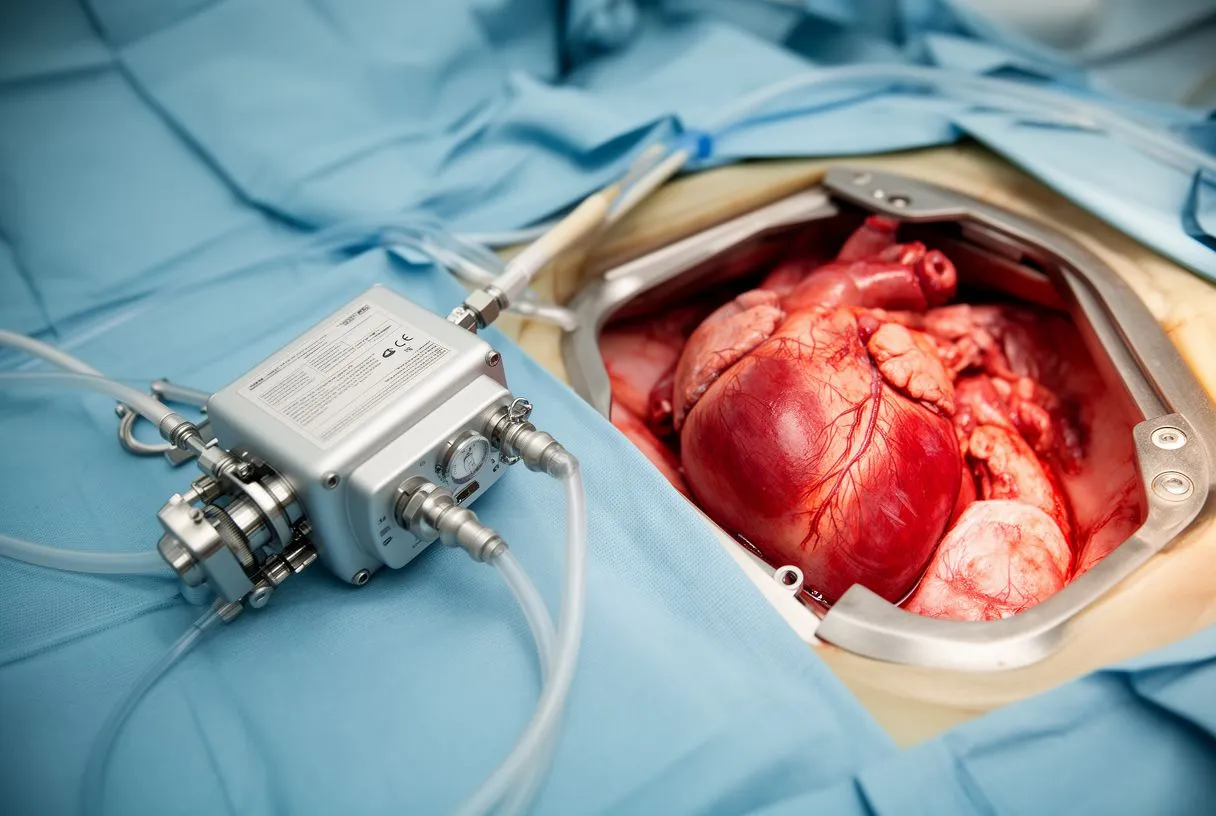
Weaning from bypass heart complications are uncommon, and most are managed without lasting effect. The most frequent reason a heart struggles is simply that it is underfilled — the machine has drained too much blood back, and the heart needs more volume. That is corrected in seconds. The second common cause is a temporary reduction in the heart's squeezing power, which happens after the heart has been deliberately stopped; it usually recovers within minutes.
Other reasons include a leaky or restricted valve, an air bubble blocking a coronary artery graft, or a rhythm problem. The team identifies the cause with the ultrasound and the pressure readings, and treats it directly rather than simply pushing harder. Research on weaning from cardiopulmonary bypass shows that systematic, step-by-step management resolves most of these difficulties, which is exactly why the process is done so methodically.
One known complication after bypass surgery is postoperative atrial fibrillation — an irregular, fast rhythm in the heart's upper chambers. It is one of the most studied problems in cardiac surgery and is covered in detail in the Brazilian Journal of Cardiovascular Surgery. It is usually detected during weaning or in the first days after, and it is managed with medication.
In our team's experience, when a heart struggles to come off the machine, the cause is almost always something the monitors and the ultrasound can find and fix — which is why weaning is planned, not improvised.
What Is Restarting the Heart After Bypass Surgery Like?
For the patient under anesthesia, restarting the heart after bypass surgery is simply part of the operation — there is nothing to feel. But families often want to know what happens inside the room. The heart may begin beating on its own when the clamp is removed, or it may need a brief, carefully controlled electrical shock to set it going. Both are normal.
Once the heart beats, the team checks that it is ejecting blood effectively, that the bypass grafts are working — the new connections carrying blood past the blocked coronary arteries — and that there is no air left in the heart. The anesthesia team then begins preparing the patient for waking up: the ventilator settings are adjusted, and any medications that support the heart are tapered off.
This phase also includes removing the tubes that carried blood to and from the machine. After the bypass machine removal from the heart, those tubes and the cannula sites are closed. A drain tube is left in the chest for a day or two to carry away any fluid, and the chest is then closed with wires that hold the breastbone together.
What Does Weaning From Bypass Heart Recovery Look Like?
Weaning from bypass heart recovery begins the moment the patient leaves the operating room. Most patients go to the intensive care unit for the first night or two, where the monitors continue watching the same numbers the team watched in the operating room. The breathing tube is usually removed within hours, and the patient begins breathing on their own.
The recovery timeline follows a predictable rhythm. In the first day, patients sit up and begin gentle leg movements. Within two to three days, most are walking short distances in the corridor. The chest drain is removed, monitoring lines are taken out, and the patient moves to a regular ward. Many patients are ready to go home within a week or so, though this varies with age, overall health and the complexity of the operation.
Patients sometimes ask how long a coronary bypass surgery lasts — meaning the operation itself. It typically runs several hours, including the time on the machine and the weaning phase, and varies with the number of bypasses performed. In the days after, the team's focus shifts to weaning the patient off medications, weaning the patient from the ventilator, and gradually increasing activity — the same careful, stepwise approach that marked the weaning from the machine.
Our multidisciplinary team of cardiac surgeons has consulting rooms in Guadalajara, Querétaro and Hermosillo.
Is Chest Pain 2 Years After Bypass Surgery Normal?
Some patients notice discomfort or mild chest pain years after their bypass surgery, and it is worth knowing when to take it seriously. There are several reasons a patient may feel chest sensations after bypass surgery that are not related to the bypasses themselves. The breastbone healing, the nerves around the incision, and muscle or rib discomfort can all cause pain long after the grafts are working well.
When to seek help: any pain that feels like the original angina — pressure, tightness, or discomfort brought on by exertion and relieved by rest — should be reported to a doctor, even years later. It may be nothing, but it may also be a sign that a graft has narrowed or that the disease has progressed. New, sudden, or severe chest pain is a medical emergency and requires immediate attention.
Long-term follow-up is an important part of bypass care. Patients are typically seen at regular intervals, and some of the checks include monitoring the grafts and the heart's function over time. We have also found that patients who ask about mild chest pain years later are right to ask — the answer usually brings a lot of peace of mind, and the follow-up is simple.
What Should You Ask Your Cardiac Team Before Surgery?
Going into any open-heart operation, patients and families should feel able to ask clear questions. We encourage second opinions and treat seeking one as a normal part of deciding about heart surgery. The questions below are a good starting point for any consultation with a heart team:
- What exactly will the surgery involve? Ask how many bypasses are planned, and whether the operation will be on-pump or off-pump.
- How long is the expected bypass time and hospital stay? Ask for realistic numbers for your situation, not averages.
- What happens if the heart does not come off the machine easily? A good team will have a clear plan and be able to explain it.
- What are the real risks for me? Risk scores exist, and a good team can explain them in plain language.
- Who will be in the operating room? The surgeon, the anesthesiologist and the perfusionist all play a role in the weaning phase.
The first contact with our team is a free video consultation: we get to know the patient, talk through the condition, and identify which studies are still needed so no unnecessary ones are ordered. A face-to-face visit at our consulting rooms follows when the patient decides to go ahead. Dr Molina trained in cardiothoracic surgery at the Universidad de Guadalajara, and in cardiac, minimally invasive, robotic and structural surgery at the University of Montreal, with further training in structural cardiology and TAVR at CHU Bordeaux — and the team also trained at Jena, Bad Berka and Buffalo.
Weaning from bypass heart surgery is the moment the operation succeeds or fails, and it is the part of the surgery most patients never see. It is a carefully planned, step-by-step process — re-warming the body, de-airing the heart, restarting the heartbeat, and gradually handing the workload back to the heart that has just been repaired. The team watches the heart's every response, and the weaning is only complete when the heart is confident and the tubes are out. If you or a family member is facing bypass surgery, ask your cardiac team to explain the weaning phase and the plan for your specific heart — and book a consultation rather than trying to diagnose or decide on your own. The right team will welcome the questions.






